Have you ever seen a cool, spiky plant and wondered what it was? Maybe it was an aloe plant! These plants are super neat. They can even help heal cuts. But how do you care for an aloe plant outdoors?
Aloe plants are not hard to grow. They need the right amount of sun and water. With a little care, your aloe can thrive outside. Let’s learn how to care for an aloe plant outdoors and keep it happy!
Aloe plants are like little green doctors. They have a gel inside that can soothe burns. It’s amazing how to care for an aloe plant outdoors so it can help you! Growing them is a fun way to have nature’s remedy handy. Let’s get started!
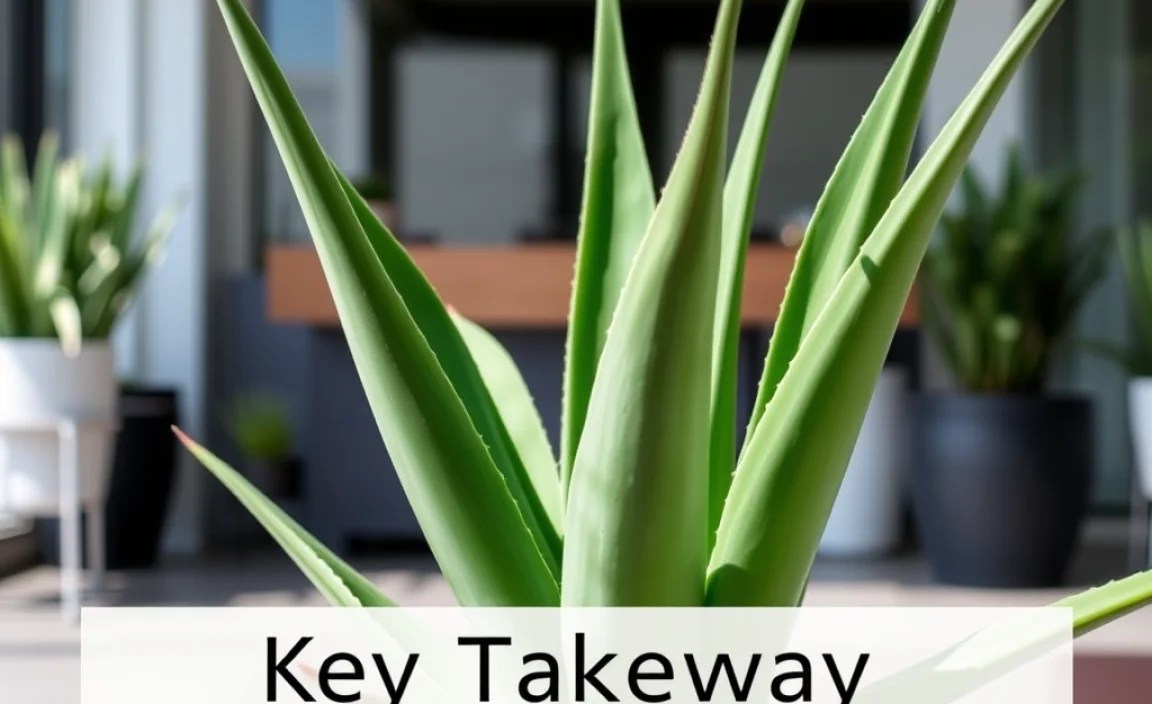
Key Takeaways
- Caring for aloe plants outdoors involves proper sunlight and well-draining soil.
- Water your aloe sparingly; overwatering can cause root rot and plant death.
- Protect your aloe plant from frost by bringing it indoors during cold weather.
- Use a pot with drainage holes to ensure excess water can escape easily.
- Fertilize your aloe once a year in the spring to encourage healthy growth.

Best Location: How to Care for Aloe Plant Outdoors
Choosing the right spot is key for how to care for aloe plants outdoors. Aloe plants love sunlight, but too much hot sun can burn them. A spot with morning sun and afternoon shade is perfect. This way, they get enough light without getting scorched. If you live in a very hot place, make sure your aloe gets more shade. Too much direct sun can turn the leaves brown. Also, consider the soil. Aloe plants need soil that drains well. If the soil stays wet, the roots can rot. A raised garden bed or a pot with drainage holes is a great choice. Good drainage helps keep your aloe healthy and happy. Check the area after it rains. Make sure water doesn’t sit around the plant. This will help you provide the best care.
- Find a spot with morning sun and afternoon shade.
- Use soil that drains well.
- Consider a raised garden bed or pot.
- Check for standing water after rain.
- Protect from intense, direct sunlight.
Picking the right spot is very important for aloe. A little planning makes a big difference. Think about how the sun moves during the day. Watch for areas where water collects. Your aloe will thank you for finding the perfect home. Remember, happy plant, happy you! Taking the time to get this right means less work later. Plus, a healthy aloe looks great in your garden or on your patio. This is a big part of how to care for aloe plant outdoors. Finding the right spot sets your aloe up for success. You’ll have a thriving plant for years to come. With the proper location, your aloe will flourish and bring joy.
Does Aloe Need Direct Sunlight Outdoors?
Do you know how much sun is too much for an aloe plant? Aloe plants love light, but too much direct sun can be harmful. Imagine you’re at the beach. You love the sun, but after a while, you need some shade. It’s the same for aloe! Direct sunlight can burn their leaves, turning them brown or red. The best spot is one with bright, indirect light. Morning sun is usually gentle enough. Afternoon sun can be too strong, especially in hot climates. If you see the leaves changing color, move the plant to a shadier spot. A little shade can make a big difference. Your aloe will be much happier with the right amount of light. Remember, happy aloe, happy gardener!
How to Protect Aloe From Too Much Sun
What can you do if your aloe is getting too much sun? It’s like giving it a little umbrella! You can move the plant to a spot with more shade. If it’s in a pot, this is easy. If it’s in the ground, you can create shade with a screen or another plant. A shade cloth can also help. This is a special fabric that blocks some of the sun’s rays. Watch your aloe closely. If the leaves start to turn brown, it’s a sign of sunburn. Quick action can save your plant. Protecting your aloe from too much sun is an important part of how to care for aloe plant outdoors. It keeps your plant healthy and green.
How to Tell if Aloe Is Getting Enough Light
How can you tell if your aloe is getting enough light? Look at the leaves. If they are a healthy green, your plant is happy. If they are pale or stretched out, it needs more light. Stretched-out leaves mean the plant is reaching for the sun. This is a sign it’s not getting enough. Move it to a brighter spot. But remember, don’t put it in direct sunlight right away. Give it time to adjust. Too much sun all at once can shock the plant. Check the leaves often. They will tell you if your aloe is getting the right amount of light. This is a key part of how to care for aloe plant outdoors.
Fun Fact or Stat: Aloe plants have been used for medicinal purposes for over 6,000 years!

Watering Tips: How to Care for Aloe Plant Outdoors
Watering is super important for how to care for aloe plant outdoors. Aloe plants are like camels. They can store water in their leaves. This means you don’t need to water them very often. Overwatering is a common mistake. It can cause the roots to rot. Root rot is very bad for aloe. It can kill the plant. Only water when the soil is dry. Stick your finger in the soil to check. If it feels dry, it’s time to water. When you water, soak the soil well. Then, let the water drain out. Make sure the pot has drainage holes. This helps prevent the soil from staying too wet. In the winter, water even less. The plant doesn’t need as much water when it’s not growing as actively. Proper watering is key to a healthy aloe.
- Water only when the soil is dry.
- Check soil moisture with your finger.
- Soak the soil when watering.
- Ensure good drainage.
- Water less in the winter.
- Avoid overwatering to prevent root rot.
Knowing when and how much to water aloe can be tricky. But once you get the hang of it, it’s easy. Think of your aloe like a desert plant. It’s used to dry conditions. Too much water is worse than too little. If you’re not sure, it’s better to wait a few more days. Always check the soil before you water. This simple step can save your plant from many problems. Remember, the goal is to keep the soil slightly dry. This helps the roots stay healthy and strong. This is a vital part of how to care for aloe plant outdoors. Happy watering!
How Often Should You Water Aloe Outdoors?
Have you ever wondered how often to water your aloe? It’s not an exact science, but here’s a good rule. Water every two to three weeks in the spring and summer. In the fall and winter, water even less. Maybe once a month. The weather plays a big role. If it’s hot and sunny, the soil will dry out faster. If it’s cool and cloudy, the soil will stay wet longer. Always check the soil before watering. Stick your finger in about an inch deep. If it feels dry, it’s time to water. If it feels damp, wait a few more days. Overwatering is a common mistake, so err on the side of caution.
What Are Signs of Overwatering Aloe?
How can you tell if you’re giving your aloe too much water? The leaves will start to turn yellow or brown. They might also feel soft and mushy. This is a sign of root rot. The roots are rotting because they are sitting in wet soil. If you see these signs, stop watering right away. Let the soil dry out completely. You might even need to repot the plant with fresh, dry soil. Overwatering can be a serious problem, but it’s often fixable if you catch it early. Always watch your plant for signs of stress. This will help you keep it healthy and happy. Knowing this is a key part of how to care for aloe plant outdoors.
How to Water Aloe in Different Climates
Does the weather where you live change how you water your aloe? Absolutely! In hot, dry climates, you might need to water a bit more often. The soil will dry out quickly. In cooler, humid climates, water less. The soil will stay wet longer. Rain also plays a role. If it rains a lot, you might not need to water at all. Always pay attention to the weather. Adjust your watering schedule accordingly. This is key to keeping your aloe healthy, no matter where you live. This is an important part of understanding how to care for aloe plant outdoors.
Fun Fact or Stat: Aloe leaves are about 95% water, which helps them survive in dry conditions.

Choosing the Right Soil: How to Care for Aloe Plant Outdoors
The right soil is super important for how to care for aloe plant outdoors. Aloe plants need soil that drains well. Regular garden soil can hold too much water. This can lead to root rot. The best soil for aloe is a cactus or succulent mix. These mixes are designed to drain quickly. You can also make your own mix. Combine potting soil, sand, and perlite. The sand and perlite help with drainage. Make sure the pot has drainage holes. This is a must! The holes allow extra water to escape. Good drainage prevents the roots from sitting in water. Healthy roots mean a healthy plant. Choose the right soil, and your aloe will thrive.
- Use cactus or succulent mix.
- Make your own mix with potting soil, sand, and perlite.
- Ensure the pot has drainage holes.
- Avoid regular garden soil.
- Good drainage prevents root rot.
Thinking about the soil might seem boring, but it’s crucial. The right soil can make all the difference for your aloe. It’s like giving your plant the perfect foundation. The soil provides the nutrients and support the plant needs. It also helps to regulate moisture. Too much water can be deadly, but the right soil prevents this. So, take the time to choose the right mix. Your aloe will thank you with healthy growth and vibrant color. Remember, good soil is the foundation of a happy plant. This is a key part of how to care for aloe plant outdoors.
Why Drainage Is Important for Aloe
Why is drainage so important for aloe? Imagine your feet stuck in wet socks all day. Not fun, right? It’s the same for aloe roots. If they sit in wet soil, they can’t breathe. This leads to root rot. Root rot is a disease that can kill your plant. Good drainage allows excess water to escape. This keeps the roots healthy and dry. Proper drainage is essential for aloe to thrive. Without it, your plant is at risk. Always choose a well-draining soil mix. This will help prevent root rot and keep your aloe happy.
How to Improve Soil Drainage for Aloe
What if your soil doesn’t drain well? Don’t worry, you can fix it! Add perlite or coarse sand to the soil. These materials help create air pockets. This allows water to drain more easily. You can also raise the planting area. Build a raised bed or use a pot. This helps water run off more quickly. Avoid using heavy clay soil. Clay soil holds too much water. If you have clay soil, amend it with organic matter. Compost or aged manure can help improve drainage. Improving soil drainage is key to keeping your aloe healthy. This is an important part of how to care for aloe plant outdoors.
DIY Aloe Soil Mix Recipe
Want to make your own aloe soil mix? It’s easy! Here’s a simple recipe. Combine one part potting soil, one part coarse sand, and one part perlite. Mix it all together well. The potting soil provides nutrients. The sand and perlite improve drainage. This mix is perfect for aloe. It drains well and provides the right amount of nutrients. You can adjust the recipe to suit your needs. If you live in a very wet climate, add more sand and perlite. This will ensure even better drainage. Making your own soil mix is a great way to save money and customize the growing conditions for your aloe.
Fun Fact or Stat: The best soil pH for aloe is slightly acidic, around 6.0 to 7.0.

Fertilizing Aloe: How to Care for Aloe Plant Outdoors
Fertilizing helps with how to care for aloe plant outdoors. Aloe plants don’t need a lot of fertilizer. Too much fertilizer can actually harm them. Fertilize your aloe once a year in the spring. Use a balanced fertilizer diluted to half strength. Look for a fertilizer with equal parts nitrogen, phosphorus, and potassium. A 10-10-10 fertilizer is a good choice. Avoid fertilizers that are high in nitrogen. Nitrogen can make the plant grow too quickly. This can make it weak and leggy. Water the plant well before fertilizing. This helps prevent the fertilizer from burning the roots. Fertilizing gives your aloe a boost of nutrients. This helps it grow strong and healthy.
- Fertilize once a year in the spring.
- Use a balanced fertilizer diluted to half strength.
- Avoid high-nitrogen fertilizers.
- Water the plant before fertilizing.
- Fertilizing provides essential nutrients.
Thinking about fertilizer might seem complicated, but it’s not. Just remember to use it sparingly. Aloe plants are tough and don’t need much help. A little fertilizer in the spring is all they need. It’s like giving them a small vitamin boost. This helps them grow their best. Be careful not to overdo it. Too much fertilizer can damage the plant. Follow the instructions on the fertilizer package carefully. Less is often more when it comes to aloe. This is a small but important part of how to care for aloe plant outdoors. A little boost can go a long way.
What Type of Fertilizer Is Best for Aloe?
What kind of fertilizer should you use for your aloe? A balanced fertilizer is best. Look for one with equal parts nitrogen, phosphorus, and potassium. A 10-10-10 fertilizer is a good choice. You can also use a fertilizer specifically designed for succulents. These fertilizers are formulated to meet the needs of plants like aloe. Avoid fertilizers that are high in nitrogen. Nitrogen promotes leafy growth, which can make aloe weak. A balanced fertilizer will support healthy growth without causing problems. Always dilute the fertilizer to half strength. This will prevent burning the roots.
How to Tell if Aloe Needs Fertilizer
How do you know if your aloe needs fertilizer? Look at the leaves. If they are pale or yellow, the plant might need a boost. If the plant is growing very slowly, fertilizer can help. But remember, aloe doesn’t need much fertilizer. Only fertilize if you see signs of nutrient deficiency. Over-fertilizing can be worse than not fertilizing at all. If your aloe looks healthy and is growing well, you don’t need to fertilize. This is an important part of understanding how to care for aloe plant outdoors.
Natural Fertilizer Options for Aloe
Want to use a natural fertilizer for your aloe? There are several options. Compost tea is a great choice. It’s made by soaking compost in water. This creates a nutrient-rich liquid that you can use to fertilize your plants. Worm castings are another good option. They are full of nutrients and beneficial microbes. You can also use diluted seaweed extract. Seaweed extract is a natural source of minerals and trace elements. These natural fertilizers are gentle and won’t harm your aloe. They also help improve the soil. Using natural fertilizers is a great way to keep your aloe healthy and happy.
Fun Fact or Stat: Aloe can be sensitive to salt buildup from fertilizers, so it’s important to flush the soil with water occasionally.
Protecting from Cold: How to Care for Aloe Plant Outdoors
Protecting from cold is vital for how to care for aloe plant outdoors. Aloe plants are not fans of cold weather. They can be damaged by frost. If you live in an area with cold winters, you need to take action. The best thing to do is bring your aloe indoors. Place it in a sunny spot, like a windowsill. If you can’t bring it inside, protect it with a frost blanket. A frost blanket is a special fabric that keeps the plant warm. You can also mulch around the base of the plant. Mulch helps insulate the soil and protect the roots. Watch the weather forecast. Be prepared to protect your aloe when temperatures drop. Cold protection is key to keeping your aloe alive through the winter.
- Bring aloe indoors during cold weather.
- Use a frost blanket for outdoor protection.
- Mulch around the base of the plant.
- Watch the weather forecast.
- Protect from frost to prevent damage.
Thinking ahead about cold weather can save your aloe. It’s like making sure you have a warm coat in the winter. A little preparation can make a big difference. Don’t wait until the last minute to protect your plant. Get your frost blanket ready. Find a sunny spot indoors. Your aloe will thank you for keeping it safe and warm. Remember, prevention is the best medicine. This is a critical step in how to care for aloe plant outdoors. A little effort will ensure your aloe survives the winter and thrives again in the spring.
What Temperature Is Too Cold for Aloe?
At what temperature should you worry about your aloe? Aloe plants can tolerate temperatures down to about 32°F (0°C) for short periods. But prolonged exposure to freezing temperatures can damage or kill them. The ideal temperature range for aloe is between 55°F (13°C) and 80°F (27°C). If temperatures are expected to drop below freezing, it’s time to take action. Bring your aloe indoors or provide protection. Knowing the temperature limits of your aloe is key to keeping it safe. This is an important part of how to care for aloe plant outdoors.
How to Bring Aloe Indoors for Winter
How do you bring your aloe indoors for the winter? First, choose a sunny spot. A south-facing window is ideal. Before you bring it inside, check for pests. Look for insects or signs of disease. If you find anything, treat the plant before bringing it in. Gradually acclimate the plant to indoor conditions. Start by bringing it in for a few hours each day. Then, gradually increase the time. This helps the plant adjust to the change in light and temperature. Once indoors, water sparingly. The plant won’t need as much water as it did outdoors. Bringing your aloe indoors is a great way to protect it from the cold.
Signs of Cold Damage on Aloe
How can you tell if your aloe has been damaged by the cold? The leaves will start to turn mushy and brown. They might also droop or sag. In severe cases, the entire plant can turn black and die. If you see these signs, take action immediately. Bring the plant indoors or provide protection. Remove any damaged leaves. This will help prevent the spread of disease. With prompt action, you can often save your aloe from cold damage. Knowing the signs of cold damage is an important part of how to care for aloe plant outdoors.
Fun Fact or Stat: Aloe can survive short periods of frost if the soil is dry.
Dealing with Pests: How to Care for Aloe Plant Outdoors
Dealing with pests is part of how to care for aloe plant outdoors. Aloe plants are generally pest-resistant. But they can sometimes be bothered by certain bugs. Common pests include mealybugs, aphids, and scale. Mealybugs look like tiny cotton balls. Aphids are small, green insects. Scale are small, brown bumps that stick to the leaves. These pests suck the sap from the plant. This can weaken it and cause it to turn yellow. To get rid of pests, you can use insecticidal soap. This is a gentle spray that kills bugs without harming the plant. You can also wipe the leaves with a damp cloth. This helps remove the pests. Check your aloe regularly for signs of pests. Early detection is key to preventing a major infestation. Keeping your aloe healthy will also make it less attractive to pests.
- Check regularly for mealybugs, aphids, and scale.
- Use insecticidal soap to kill pests.
- Wipe leaves with a damp cloth.
- Keep the plant healthy to prevent infestations.
- Early detection is key.
Thinking about pests might seem gross, but it’s important. Just like any plant, aloe can sometimes attract unwanted visitors. The key is to stay vigilant. Check your plant regularly for signs of trouble. A quick inspection can save you a lot of headaches later. If you catch a problem early, it’s much easier to fix. Remember, a healthy plant is less likely to attract pests. So, focus on providing the right care. This includes proper watering, sunlight, and soil. This is an essential part of how to care for aloe plant outdoors. A little attention can keep your aloe pest-free and thriving.
How to Identify Common Aloe Pests
How do you know if your aloe has pests? Look closely at the leaves and stems. Mealybugs look like tiny cotton balls. They often hide in the crevices of the plant. Aphids are small, green insects that cluster on new growth. Scale are small, brown bumps that stick to the leaves. They can be hard to spot at first. Look for sticky residue on the leaves. This is a sign that pests are present. Use a magnifying glass to get a better look. Identifying pests early is key to controlling them. This is an important part of how to care for aloe plant outdoors.
Natural Pest Control Methods for Aloe
Want to get rid of pests naturally? There are several options. Insecticidal soap is a gentle and effective treatment. It kills pests without harming the plant. Neem oil is another good choice. It’s a natural insecticide that repels many types of pests. You can also try introducing beneficial insects. Ladybugs and lacewings eat aphids and other pests. These natural predators can help keep your aloe pest-free. Using natural methods is a great way to protect your plant without using harsh chemicals.
Preventing Pest Infestations on Aloe
How can you prevent pests from attacking your aloe? Keep the plant healthy. Healthy plants are less attractive to pests. Provide proper watering, sunlight, and soil. Clean the leaves regularly with a damp cloth. This helps remove dust and potential pests. Inspect the plant regularly for signs of trouble. Isolate new plants before introducing them to your collection. This prevents the spread of pests. By taking these steps, you can keep your aloe pest-free and thriving. Prevention is key to long-term success. This is an important part of how to care for aloe plant outdoors.
Fun Fact or Stat: Aloe can attract spider mites in dry conditions, so increase humidity around the plant if needed.
Repotting Aloe: How to Care for Aloe Plant Outdoors
Repotting is sometimes needed for how to care for aloe plant outdoors. Aloe plants don’t need to be repotted often. But if the plant is getting too big for its pot, it’s time to repot. You should also repot if the soil is old and compacted. Repotting provides fresh soil and more room for the roots to grow. Choose a pot that is slightly larger than the current pot. Make sure the new pot has drainage holes. Use a cactus or succulent mix for the soil. Gently remove the plant from the old pot. Be careful not to damage the roots. Place the plant in the new pot and fill it with soil. Water the plant well after repotting. Repotting gives your aloe a fresh start.
- Repot when the plant outgrows its pot.
- Repot if the soil is old and compacted.
- Choose a slightly larger pot with drainage holes.
- Use cactus or succulent mix.
- Water well after repotting.
Thinking about repotting might seem intimidating, but it’s not. It’s like giving your aloe a bigger, better home. The extra space allows the roots to spread out and grow. Fresh soil provides new nutrients. This helps the plant thrive. Don’t be afraid to repot your aloe when it needs it. Just be gentle and careful. Your plant will thank you with healthy growth and vibrant color. Remember, repotting is a chance to give your aloe a new lease on life. This is a helpful part of how to care for aloe plant outdoors. A little effort can make a big difference.
When Is the Best Time to Repot Aloe?
When should you repot your aloe? The best time to repot is in the spring or summer. This is when the plant is actively growing. Repotting during the growing season allows the plant to recover quickly. Avoid repotting in the fall or winter. The plant is dormant during these months. It won’t be able to recover as easily. If you have to repot in the fall or winter, be extra gentle. Water sparingly and provide plenty of light. Repotting at the right time is key to success. This is an important part of how to care for aloe plant outdoors.
How to Choose the Right Pot for Aloe
How do you pick the right pot for your aloe? Choose a pot that is slightly larger than the current pot. A pot that is too big can hold too much water. This can lead to root rot. Make sure the pot has drainage holes. Drainage is essential for aloe. Terracotta pots are a good choice. They allow the soil to breathe. Plastic pots are also fine, but be careful not to overwater. Consider the weight of the pot. Aloe plants can get heavy, so choose a sturdy pot. The right pot will provide a stable and healthy home for your aloe.
Steps for Repotting Aloe Properly
What are the steps for repotting your aloe? First, gather your supplies. You’ll need a new pot, cactus or succulent mix, and a trowel. Gently remove the plant from the old pot. Loosen the soil around the edges of the pot. Tip the pot upside down and gently tap the bottom. If the plant is stuck, use a trowel to loosen the roots. Inspect the roots. Remove any dead or damaged roots. Place the plant in the new pot. Fill the pot with cactus or succulent mix. Water the plant well after repotting. Repotting properly will help your aloe thrive.
Fun Fact or Stat: Aloe roots can be fragile, so handle them with care during repotting.
| Factor | Description | Importance |
|---|---|---|
| Sunlight | Morning sun, afternoon shade | Essential for growth, prevents sunburn |
| Watering | Water when soil is dry, less in winter | Prevents root rot, crucial for health |
| Soil | Cactus or succulent mix, good drainage | Ensures healthy roots, avoids waterlogging |
| Fertilizing | Once a year in spring, balanced fertilizer | Provides nutrients, supports growth |
| Cold Protection | Bring indoors or use frost blanket | Prevents frost damage, ensures survival |
Summary
How to care for an aloe plant outdoors involves several key steps. First, choose the right location. Aloe plants need morning sun and afternoon shade. Use well-draining soil, like a cactus mix. Water sparingly, only when the soil is dry. Overwatering can cause root rot. Fertilize once a year in the spring with a balanced fertilizer. Protect your aloe from cold weather. Bring it indoors or use a frost blanket. Check regularly for pests and treat them promptly. Repot the plant when it outgrows its pot. Following these tips will help your aloe thrive outdoors.
Remember, proper care is essential for a healthy aloe. Pay attention to the plant’s needs. Adjust your care routine based on the weather and the plant’s condition. With a little attention, your aloe will be a beautiful and useful addition to your garden. How to care for an aloe plant outdoors is simple once you know the basics. Enjoy growing your aloe!
Conclusion
Aloe plants are easy to grow outdoors with the right care. They need sun, good soil, and not too much water. Protect them from frost and watch for pests. Regular care keeps them healthy. Now you know how to care for an aloe plant outdoors. Enjoy your beautiful and useful plant! You can now grow your own aloe and use it when you get a sunburn!
Frequently Asked Questions
Question No 1: How much sun does an aloe plant need outdoors?
Answer: Aloe plants love sunlight, but too much direct sun can burn them. They do best in a spot with morning sun and afternoon shade. This gives them enough light without getting scorched. If you live in a hot climate, make sure your aloe gets more shade during the hottest part of the day. Watch the leaves for signs of sunburn, like browning or redness. Adjust the plant’s location as needed to provide the right amount of light. Remember, proper sunlight is key to how to care for aloe plant outdoors.
Question No 2: How often should I water my aloe plant outdoors?
Answer: Watering depends on the weather and the soil. Aloe plants don’t need a lot of water. Overwatering can cause root rot. Water only when the soil is dry. Stick your finger in the soil to check. If it feels dry, it’s time to water. In the spring and summer, you might water every two to three weeks. In the fall and winter, water even less, maybe once a month. Always check the soil before watering. This will help you avoid overwatering and keep your aloe healthy. This is a key element of how to care for aloe plant outdoors.
Question No 3: What kind of soil is best for aloe plants outdoors?
Answer: Aloe plants need soil that drains well. Regular garden soil can hold too much water. This can lead to root rot. The best soil for aloe is a cactus or succulent mix. These mixes are designed to drain quickly. You can also make your own mix. Combine potting soil, sand, and perlite. The sand and perlite help with drainage. Make sure the pot has drainage holes. This allows extra water to escape. Good drainage prevents the roots from sitting in water, a key factor in how to care for aloe plant outdoors.
Question No 4: How do I protect my aloe plant from frost outdoors?
Answer: Aloe plants are not fans of cold weather. They can be damaged by frost. If you live in an area with cold winters, you need to take action. The best thing to do is bring your aloe indoors. Place it in a sunny spot, like a windowsill. If you can’t bring it inside, protect it with a frost blanket. Mulch around the base of the plant to insulate the soil. Watch the weather forecast and be prepared to protect your aloe when temperatures drop, an essential consideration for how to care for aloe plant outdoors.
Question No 5: How do I get rid of pests on my aloe plant outdoors?
Answer: Aloe plants can sometimes be bothered by pests like mealybugs, aphids, and scale. To get rid of these pests, you can use insecticidal soap. This is a gentle spray that kills bugs without harming the plant. You can also wipe the leaves with a damp cloth. This helps remove the pests. Check your aloe regularly for signs of pests. Early detection is key to preventing a major infestation. Keeping your plant healthy will also make it less attractive to pests. Consider these steps as you learn how to care for aloe plant outdoors.
Question No 6: When should I repot my aloe plant outdoors?
Answer: Aloe plants don’t need to be repotted often. But if the plant is getting too big for its pot, it’s time to rep
