Calla lilies are so pretty. Their flowers look like elegant trumpets. Have you ever wondered if you can grow them outside? Yes, you can! But how to care for calla lily outdoors? It’s easier than you might think. They need the right spot and a little bit of love. Let’s learn how to make your calla lilies thrive in your garden.
Key Takeaways
- Proper watering is vital; keep the soil moist, but avoid overwatering your calla lilies.
- Choose a spot with partial shade to protect calla lilies from harsh, direct sunlight.
- Plant calla lily bulbs in well-draining soil to prevent root rot and encourage growth.
- Regularly fertilize your calla lilies during the growing season for vibrant blooms.
- Knowing how to care for calla lily outdoors helps them flourish and brighten your garden.

How to Plant Calla Lily Outdoors
Planting calla lilies outdoors is a fun way to add beauty to your garden. First, choose the right spot. Calla lilies like a place that gets morning sun and afternoon shade. This helps protect them from getting too hot. The soil should be well-draining. This means water doesn’t sit around the roots. If the soil stays too wet, the bulbs can rot. You can improve drainage by adding compost or other organic matter. When planting, dig a hole about 4 inches deep. Place the bulb in the hole with the pointy side up. Cover it with soil and water gently. Make sure the soil stays moist, but not soggy. Give them space to grow. You can plant them about 12 inches apart. With the right care, your calla lilies will reward you with beautiful blooms.
- Choose a spot with morning sun and afternoon shade.
- Make sure the soil drains well.
- Plant bulbs about 4 inches deep.
- Space plants about 12 inches apart.
- Water gently after planting.
Once you have planted your calla lilies, you need to be patient. It takes time for the bulbs to sprout and grow. Keep the soil moist, but don’t overwater. You should start to see sprouts in a few weeks. As the plants grow, you can add fertilizer to help them bloom. Use a fertilizer that is made for flowering plants. Follow the instructions on the package. You can also add mulch around the plants to help keep the soil moist and cool. This also helps to prevent weeds from growing. With a little bit of care, your calla lilies will thrive and bring you joy all summer long. Remember to protect them from frost if you live in an area with cold winters.
Fun Fact or Stat: Calla lilies are not true lilies! They belong to the Araceae family, which also includes plants like peace lilies and elephant ears.
Best Time to Plant Calla Lily
When is the best time to plant calla lilies? It depends on where you live. In warmer climates, you can plant them in the fall or early spring. This gives them time to get established before the hot summer months. In colder climates, it’s best to wait until after the last frost. This protects the bulbs from freezing. You can also start them indoors in pots. Then, you can transplant them outside once the weather warms up. Starting them indoors gives them a head start. This means they will bloom earlier in the season. No matter when you plant them, make sure the soil is warm enough. Calla lilies like soil that is at least 60 degrees Fahrenheit.
How to Choose the Right Bulbs
Choosing the right bulbs is important for healthy calla lilies. Look for bulbs that are firm and plump. Avoid bulbs that are soft or mushy. These may be rotten. The size of the bulb also matters. Larger bulbs tend to produce more flowers. You can buy calla lily bulbs at your local garden center. You can also order them online. When buying online, make sure you are buying from a reputable seller. Read reviews to see what other customers have said. Once you have your bulbs, store them in a cool, dry place until you are ready to plant them. This helps to prevent them from sprouting too early.
Preparing the Soil for Planting
Preparing the soil is key to how to care for calla lily outdoors. Calla lilies need well-draining soil. This means the water doesn’t sit around the roots. If your soil is heavy clay, you need to improve the drainage. You can do this by adding compost, peat moss, or other organic matter. These materials help to loosen the soil and improve drainage. You should also test the soil pH. Calla lilies like soil that is slightly acidic to neutral. A pH of 6.0 to 7.0 is ideal. You can buy a soil testing kit at your local garden center. If your soil is too alkaline, you can add sulfur to lower the pH. If it is too acidic, you can add lime to raise the pH.

Watering Calla Lilies Correctly
Watering calla lilies correctly is very important. These plants like moist soil, but they don’t like to be soggy. Overwatering can lead to root rot, which can kill your plants. The goal is to keep the soil evenly moist, like a wrung-out sponge. During the growing season, you may need to water them more often. Check the soil regularly. Stick your finger into the soil about an inch deep. If it feels dry, it’s time to water. When you water, water deeply. This means watering until the water runs out of the bottom of the pot or the surrounding soil. This ensures that the roots get enough water. Avoid watering the leaves, as this can lead to fungal diseases. Water at the base of the plant instead. In the fall, reduce watering as the plants start to go dormant.
- Water deeply when the soil feels dry to the touch.
- Avoid overwatering to prevent root rot.
- Water at the base of the plant.
- Reduce watering in the fall.
- Check soil moisture regularly.
- Use well-draining soil to avoid soggy conditions.
Knowing how to care for calla lily outdoors also involves adjusting your watering schedule based on the weather. If it’s been raining a lot, you may not need to water at all. If it’s been hot and dry, you may need to water more often. Pay attention to the plants. If the leaves start to droop, that’s a sign that they need water. You can also use a moisture meter to check the soil moisture. These meters are available at most garden centers. They can help you determine when it’s time to water. Remember, it’s always better to underwater than to overwater. Overwatering is one of the most common mistakes people make when growing calla lilies.
Fun Fact or Stat: Calla lilies can store water in their rhizomes, which helps them survive short periods of drought!
Signs of Overwatering
How can you tell if you are overwatering your calla lilies? One sign is yellowing leaves. The leaves may also start to droop or wilt. Another sign is soft, mushy spots on the stems or leaves. You may also notice a foul odor coming from the soil. This is a sign of root rot. If you see any of these signs, stop watering immediately. Allow the soil to dry out completely before watering again. You may also need to repot the plant in fresh, well-draining soil. Remove any rotten roots before repotting. In severe cases, you may need to use a fungicide to control the root rot.
Best Time of Day to Water
The best time of day to water calla lilies is in the morning. This gives the leaves time to dry out before nightfall. Watering in the evening can leave the leaves wet overnight. This can increase the risk of fungal diseases. If you have to water in the evening, try to water only the base of the plant. Avoid getting the leaves wet. You should also avoid watering during the hottest part of the day. This can cause the water to evaporate too quickly. It can also scorch the leaves. Early morning is the ideal time to water.
Using the Right Type of Water
The type of water you use can also affect your calla lilies. Tap water can contain chlorine and other chemicals that can harm the plants. It’s best to use rainwater or distilled water. If you have to use tap water, let it sit out for 24 hours before using it. This allows the chlorine to evaporate. You can also use a water filter to remove the chlorine. Avoid using softened water. Softened water contains salt, which can damage the plants. If you live in an area with hard water, you can add a little bit of vinegar to the water. This helps to neutralize the alkalinity.
Fertilizing Your Calla Lilies
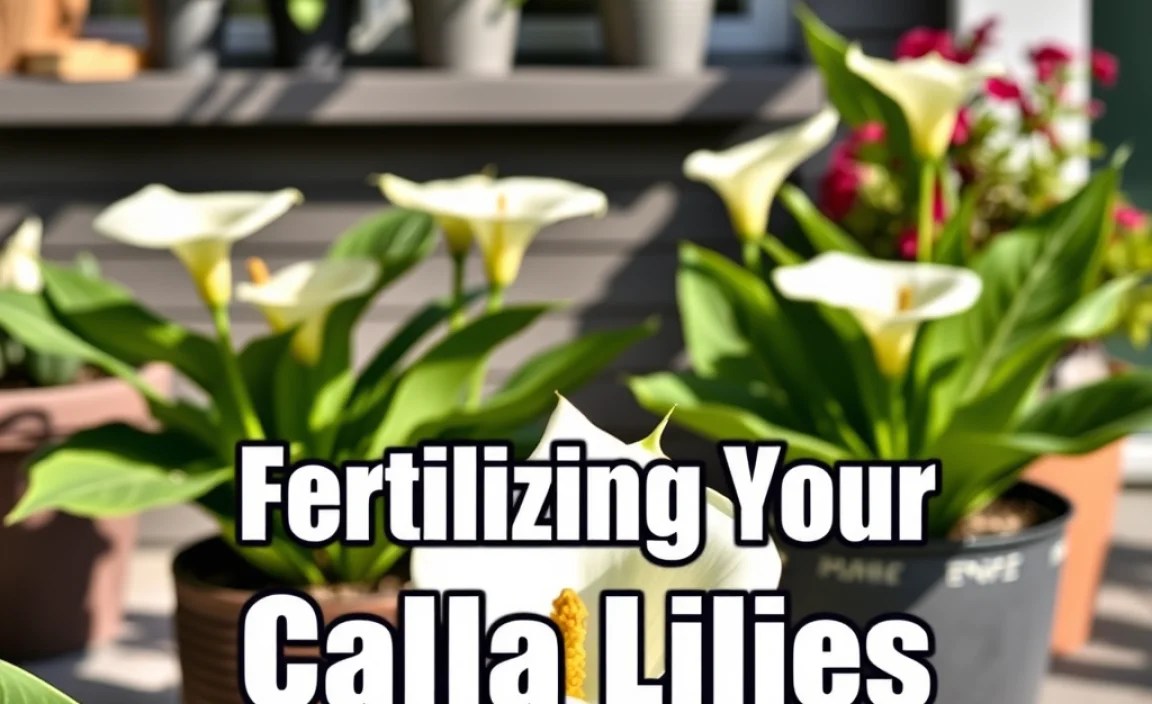
Fertilizing your calla lilies is important for healthy growth and beautiful blooms. These plants are heavy feeders. This means they need a lot of nutrients to thrive. You should start fertilizing them when they start to grow in the spring. Use a balanced fertilizer with equal amounts of nitrogen, phosphorus, and potassium. A 10-10-10 fertilizer is a good choice. Follow the instructions on the package. You can also use a fertilizer that is specifically made for flowering plants. These fertilizers tend to have more phosphorus, which promotes blooming. Fertilize your calla lilies every two to four weeks during the growing season. Stop fertilizing them in the fall when they start to go dormant. Over-fertilizing can burn the roots and damage the plants. Be sure to follow the instructions carefully.
- Start fertilizing in the spring when growth begins.
- Use a balanced fertilizer (10-10-10).
- Fertilize every two to four weeks.
- Stop fertilizing in the fall.
- Follow the instructions on the fertilizer package.
- Avoid over-fertilizing.
Knowing how to care for calla lily outdoors includes recognizing the signs of nutrient deficiencies. If the leaves are yellowing, that could mean the plant needs more nitrogen. If the blooms are small or weak, that could mean the plant needs more phosphorus. If the edges of the leaves are browning, that could mean the plant needs more potassium. You can also use a soil test kit to check the nutrient levels in your soil. This can help you determine what type of fertilizer to use. Organic fertilizers, such as compost and manure, are also good choices. They release nutrients slowly and help to improve the soil structure. Be sure to compost well before using it.
Fun Fact or Stat: The color of calla lily flowers can be influenced by the pH level of the soil!
Choosing the Right Fertilizer
Choosing the right fertilizer is important for healthy calla lilies. Look for a fertilizer that is specifically made for flowering plants. These fertilizers tend to have more phosphorus, which promotes blooming. You can also use a balanced fertilizer with equal amounts of nitrogen, phosphorus, and potassium. Avoid fertilizers that are high in nitrogen. These can promote leafy growth at the expense of flowers. Organic fertilizers, such as compost and manure, are also good choices. They release nutrients slowly and help to improve the soil structure. Be sure to compost well before using it.
How to Apply Fertilizer
How should you apply fertilizer to your calla lilies? You can apply it as a liquid or as granules. Liquid fertilizers are absorbed more quickly by the plants. Granular fertilizers release nutrients more slowly. Follow the instructions on the fertilizer package. For liquid fertilizers, dilute the fertilizer with water according to the instructions. Then, pour the fertilizer around the base of the plant. Avoid getting the fertilizer on the leaves. For granular fertilizers, sprinkle the granules around the base of the plant. Then, water the plant to help the granules dissolve.
Recognizing Nutrient Deficiencies
How can you tell if your calla lilies are lacking nutrients? One sign is yellowing leaves. The leaves may also be small or distorted. Another sign is weak stems. The plants may also produce fewer flowers. You can also use a soil test kit to check the nutrient levels in your soil. If your soil is lacking in a particular nutrient, you can add a fertilizer that is high in that nutrient. For example, if your soil is lacking in nitrogen, you can add a fertilizer that is high in nitrogen, such as blood meal.

Sunlight Needs for Outdoor Calla Lilies
Calla lilies need the right amount of sunlight to grow well. They like bright, indirect light. This means they need a spot that gets sunlight, but not too much direct sun. Too much direct sun can scorch their leaves. A spot that gets morning sun and afternoon shade is ideal. If you live in a hot climate, you may need to provide more shade. You can do this by planting them under a tree or using shade cloth. If you live in a cooler climate, you may need to provide more sun. You can do this by planting them in a spot that gets full sun for at least six hours a day. Pay attention to the plants. If the leaves are turning yellow, that could mean they are getting too much sun. If the plants are not blooming, that could mean they are not getting enough sun.
- Calla lilies need bright, indirect light.
- Morning sun and afternoon shade is ideal.
- Too much direct sun can scorch the leaves.
- Not enough sun can prevent blooming.
- Adjust sunlight based on your climate.
- Watch for signs of too much or too little sun.
Knowing how to care for calla lily outdoors also means understanding that calla lilies can adapt to different light conditions. However, they will grow best in the right amount of light. If you are not sure how much light your plants are getting, you can use a light meter. These meters are available at most garden centers. They can help you determine how much light your plants are receiving. You can also observe the plants. If the leaves are a deep green color, that means they are getting enough light. If the leaves are a pale green color, that means they are not getting enough light. You can also move the plants to different locations to see how they respond. This can help you find the perfect spot for them.
Fun Fact or Stat: The amount of sunlight calla lilies receive can affect the intensity of their flower color!
Understanding Indirect Light
What is indirect light? Indirect light is sunlight that has been filtered or reflected. It is not as intense as direct sunlight. You can create indirect light by placing your plants near a window that is covered with a sheer curtain. You can also place your plants under a tree or awning. The key is to provide sunlight without exposing the plants to direct sun. Too much direct sun can burn the leaves and damage the plants. Indirect light is gentle and diffused. It provides the plants with the energy they need to grow without causing harm.
Signs of Too Much Sun
How can you tell if your calla lilies are getting too much sun? One sign is yellowing leaves. The leaves may also be scorched or burned. Another sign is wilting leaves. The plants may also stop blooming. If you see any of these signs, move your plants to a shadier location. You can also provide shade by using shade cloth or planting them under a tree. Be sure to protect the plants from the hot afternoon sun. This is when the sun is at its strongest.
Signs of Too Little Sun
How can you tell if your calla lilies are not getting enough sun? One sign is pale green leaves. The leaves may also be small or stunted. Another sign is weak stems. The plants may also not bloom. If you see any of these signs, move your plants to a sunnier location. You can also provide more light by using grow lights. These lights are specifically designed to provide plants with the light they need to grow. Be sure to use grow lights that are appropriate for calla lilies. Some grow lights are too intense and can damage the plants.
Protecting Calla Lilies from Pests
Protecting your calla lilies from pests is important for keeping them healthy. Several pests can attack calla lilies, including aphids, spider mites, and snails. Aphids are small, soft-bodied insects that suck the sap from plants. They can cause the leaves to become distorted and yellow. Spider mites are tiny pests that also suck the sap from plants. They can cause the leaves to become speckled and bronzed. Snails are slimy pests that feed on the leaves and flowers of plants. They can cause significant damage to calla lilies. You can control pests by using insecticidal soap, horticultural oil, or snail bait. Be sure to follow the instructions on the product label. You can also remove pests by hand. Check your plants regularly for signs of pests.
- Aphids can cause distorted, yellow leaves.
- Spider mites can cause speckled, bronzed leaves.
- Snails can damage leaves and flowers.
- Use insecticidal soap or horticultural oil for pests.
- Remove pests by hand.
- Check plants regularly for pests.
Knowing how to care for calla lily outdoors involves preventing pest problems. Healthy plants are less susceptible to pests. Be sure to provide your calla lilies with the right amount of water, sunlight, and fertilizer. Also, keep the area around the plants clean and free of debris. This will help to prevent pests from hiding and breeding. You can also use companion planting to deter pests. For example, planting marigolds near calla lilies can help to repel aphids. You can also use row covers to protect the plants from pests. These covers are made of lightweight fabric that allows sunlight and air to reach the plants, but keeps pests out.
Fun Fact or Stat: Some types of calla lilies are naturally resistant to certain pests!
Identifying Common Pests
How can you identify common pests on calla lilies? Aphids are small, soft-bodied insects that are usually green or black. They tend to cluster on the undersides of leaves and stems. Spider mites are tiny pests that are difficult to see with the naked eye. They create fine webs on the leaves and stems. Snails are slimy pests that leave a trail of slime wherever they go. They are most active at night. You can also look for signs of damage, such as chewed leaves or distorted growth.
Organic Pest Control Methods
What are some organic pest control methods that you can use on calla lilies? Insecticidal soap is a safe and effective way to control aphids, spider mites, and other soft-bodied insects. Horticultural oil is another safe and effective way to control pests. It works by suffocating the insects. You can also use diatomaceous earth to control pests. Diatomaceous earth is a powder made from fossilized algae. It works by drying out the insects. You can also use neem oil to control pests. Neem oil is a natural insecticide that is derived from the neem tree.
Preventing Pest Infestations
How can you prevent pest infestations on your calla lilies? One way is to keep the plants healthy. Healthy plants are less susceptible to pests. Be sure to provide your calla lilies with the right amount of water, sunlight, and fertilizer. Another way to prevent pest infestations is to keep the area around the plants clean and free of debris. This will help to prevent pests from hiding and breeding. You can also use companion planting to deter pests. For example, planting marigolds near calla lilies can help to repel aphids.
Dealing With Calla Lily Diseases
Calla lilies can sometimes suffer from diseases. Root rot is a common problem. It happens when the soil stays too wet. The roots start to decay. You can prevent this by planting in well-draining soil. Also, avoid overwatering. Another disease is botrytis blight. This causes gray mold on the leaves and flowers. It is more common in humid conditions. You can prevent it by providing good air circulation. Remove any infected leaves or flowers. You can also use a fungicide to control the disease. Be sure to follow the instructions on the product label. Viruses can also affect calla lilies. These can cause distorted leaves and flowers. There is no cure for viral diseases. You will need to remove and destroy the infected plants.
- Root rot is caused by overwatering.
- Botrytis blight causes gray mold.
- Viruses cause distorted leaves and flowers.
- Plant in well-draining soil.
- Provide good air circulation.
- Remove infected leaves and flowers.
How to care for calla lily outdoors also involves knowing how to identify and manage these diseases. Prevention is the best way to avoid diseases. Be sure to provide your calla lilies with the right amount of water, sunlight, and fertilizer. Also, keep the area around the plants clean and free of debris. This will help to prevent diseases from developing. If you do notice any signs of disease, take action quickly. Remove any infected leaves or flowers. You may also need to use a fungicide or other treatment. Early detection and treatment can help to save your plants.
Fun Fact or Stat: Some calla lily varieties are more resistant to certain diseases than others!
Recognizing Common Diseases
How can you recognize common diseases on calla lilies? Root rot is characterized by soft, mushy roots. The leaves may also turn yellow and wilt. Botrytis blight is characterized by gray mold on the leaves and flowers. The flowers may also become spotted and discolored. Viral diseases are characterized by distorted leaves and flowers. The leaves may also be mottled or streaked.
Preventing Disease Spread
How can you prevent the spread of diseases on your calla lilies? One way is to remove any infected leaves or flowers. Be sure to dispose of the infected material properly. Do not compost it. Another way to prevent the spread of diseases is to disinfect your tools. Use a solution of bleach and water to disinfect your pruning shears and other tools. You should also avoid splashing water on the leaves when watering. This can help to spread fungal diseases.
Treating Infected Plants
How can you treat infected calla lilies? For root rot, you will need to improve the drainage. You can do this by repotting the plant in fresh, well-draining soil. You should also avoid overwatering. For botrytis blight, you can use a fungicide. Be sure to follow the instructions on the product label. For viral diseases, there is no cure. You will need to remove and destroy the infected plants.
Overwintering Calla Lilies Outdoors
Overwintering calla lilies outdoors depends on where you live. In warm climates, you can leave them in the ground. In cold climates, you need to protect them from frost. You can do this by mulching heavily around the plants. Use straw, leaves, or other organic material. This will help to insulate the roots and protect them from freezing. You can also dig up the bulbs and store them indoors. To do this, wait until the foliage has died back. Then, carefully dig up the bulbs. Brush off any excess soil. Store them in a cool, dry place. A basement or garage is a good choice. You can store them in a paper bag or a cardboard box. Replant them in the spring after the last frost.
- In warm climates, leave them in the ground.
- In cold climates, protect from frost.
- Mulch heavily around the plants.
- Dig up the bulbs and store them indoors.
- Store in a cool, dry place.
- Replant in the spring after the last frost.
Knowing how to care for calla lily outdoors includes preparing them for winter. Before the first frost, cut back the foliage to about 2 inches above the ground. This will help to prevent diseases from developing. You should also stop fertilizing the plants in the fall. This will allow them to go dormant. If you are storing the bulbs indoors, check them periodically for signs of rot. If you see any signs of rot, remove the affected bulbs. You can also dust the bulbs with fungicide powder to help prevent rot. When you replant the bulbs in the spring, be sure to choose a sunny location with well-draining soil.
Fun Fact or Stat: Calla lilies can survive temperatures as low as 20 degrees Fahrenheit if properly protected!
Preparing for Winter
How do you prepare your calla lilies for winter? Start by cutting back the foliage to about 2 inches above the ground. This will help to prevent diseases from developing. You should also stop fertilizing the plants in the fall. This will allow them to go dormant. If you are storing the bulbs indoors, check them periodically for signs of rot. If you see any signs of rot, remove the affected bulbs. You can also dust the bulbs with fungicide powder to help prevent rot.
Storing Bulbs Indoors
How do you store calla lily bulbs indoors? Wait until the foliage has died back. Then, carefully dig up the bulbs. Brush off any excess soil. Store them in a cool, dry place. A basement or garage is a good choice. You can store them in a paper bag or a cardboard box. Be sure to check them periodically for signs of rot. If you see any signs of rot, remove the affected bulbs. You can also dust the bulbs with fungicide powder to help prevent rot.
Replanting in the Spring
When should you replant your calla lily bulbs in the spring? Wait until after the last frost. Then, choose a sunny location with well-draining soil. Plant the bulbs about 4 inches deep and 12 inches apart. Water the bulbs thoroughly after planting. You should also fertilize the bulbs with a balanced fertilizer. Be sure to follow the instructions on the fertilizer package.
Here is a table summarizing the overwintering strategies based on climate:
| Climate | Overwintering Strategy | Details |
|---|---|---|
| Warm Climates (Zones 8-11) | Leave in Ground | Mulch heavily to protect from occasional frost. |
| Mild Climates (Zones 6-7) | Heavy Mulching | Apply a thick layer of mulch (straw, leaves) for insulation. |
| Cold Climates (Zones 3-5) | Dig Up and Store Indoors | Store bulbs in a cool, dry place (basement, garage). |
| All Climates | Monitor for Rot | Check stored bulbs periodically for signs of rot. |
Summary
Calla lilies are beautiful flowers. They can add elegance to any garden. How to care for calla lily outdoors involves several key steps. First, choose the right planting location. They like morning sun and afternoon shade. Second, water them correctly. Keep the soil moist, but not soggy. Third, fertilize them regularly. This will help them grow and bloom. Fourth, protect them from pests and diseases. Fifth, overwinter them properly. This will ensure they come back year after year. By following these steps, you can enjoy beautiful calla lilies in your garden for many years to come.
Conclusion
Calla lilies are a wonderful addition to any garden. They bring beauty and elegance with their unique blooms. With the right care, they can thrive outdoors. Remember to provide them with the right amount of sunlight, water, and fertilizer. Protect them from pests and diseases. Overwinter them properly in colder climates. Learning how to care for calla lily outdoors ensures you can enjoy these stunning flowers year after year. Happy gardening!
Frequently Asked Questions
Question No 1: How often should I water my calla lilies outdoors?
Answer: You should water your calla lilies when the top inch of soil feels dry to the touch. During the growing season, this may be every few days. In the fall and winter, you can reduce watering. Be sure to avoid overwatering, as this can lead to root rot. The specific watering schedule will depend on the weather and the type of soil you have. Pay attention to the plants and adjust your watering accordingly. If the leaves start to droop, that’s a sign that they need water. Ensuring proper watering is vital in how to care for calla lily outdoors, contributing directly to the plant’s overall health and vibrant blooms.
Question No 2: What kind of soil is best for calla lilies?
Answer: Calla lilies need well-draining soil. This means the water doesn’t sit around the roots. You can use a potting mix that is specifically made for flowering plants. You can also make your own potting mix by combining equal parts of peat moss, perlite, and vermiculite. If you are planting calla lilies in the ground, be sure to amend the soil with compost or other organic matter. This will help to improve drainage and provide nutrients to the plants. Avoid using heavy clay soil, as this can lead to root rot. The right soil is crucial for the healthy growth of calla lilies.
Question No 3: Do calla lilies need full sun?
Answer: No, calla lilies do not need full sun. They prefer bright, indirect light. A spot that gets morning sun and afternoon shade is ideal. Too much direct sun can scorch their leaves. If you live in a hot climate, you may need to provide more shade. You can do this by planting them under a tree or using shade cloth. If you live in a cooler climate, you may need to provide more sun. You can do this by planting them in a spot that gets full sun for at least six hours a day. Adjusting the light exposure is a key part of how to care for calla lily outdoors effectively.
Question No 4: How do I protect my calla lilies from pests?
Answer: You can protect your calla lilies from pests by using insecticidal soap, horticultural oil, or snail bait. Be sure to follow the instructions on the product label. You can also remove pests by hand. Check your plants regularly for signs of pests. Healthy plants are less susceptible to pests. Be sure to provide your calla lilies with the right amount of water, sunlight, and fertilizer. Also, keep the area around the plants clean and free of debris. This will help to prevent pests from hiding and breeding. Regular inspection and proactive measures help prevent pest infestations.
Question No 5: What do I do with my calla lilies in the winter?
Answer: What you do with your calla lilies in the winter depends on where you live. In warm climates, you can leave them in the ground. In cold climates, you need to protect them from frost. You can do this by mulching heavily around the plants. You can also dig up the bulbs and store them indoors. To do this, wait until the foliage has died back. Then, carefully dig up the bulbs. Brush off any excess soil. Store them in a cool, dry place. Replant them in the spring after the last frost. Knowing how to care for calla lily outdoors through winter is vital for their survival.
Question No 6: Why are my calla lily leaves turning yellow?
Answer: Yellowing leaves on calla lilies can be caused by several factors. Overwatering is a common cause. Root rot can develop when the soil stays too wet. Nutrient deficiencies can also cause yellowing leaves. If the plant is lacking in nitrogen, the leaves may turn yellow. Too much direct sunlight can also scorch the leaves and cause them to turn yellow. Check the soil moisture, light exposure, and nutrient levels to determine the cause. Adjusting these factors can help to restore the plant’s health. Addressing the cause of yellowing leaves is part of knowing how to care for calla lily outdoors.
