Did you know you can grow lavender inside? It is a fun and easy way to bring nature indoors. Lavender smells great. It can also help you relax. But how to care for indoor lavender plant? It is not as hard as you might think.
Lavender plants need special care. They need lots of light. They also need the right amount of water. With a little love, you can enjoy lavender all year. Let’s learn how to grow a happy lavender plant inside!
Key Takeaways
- Proper watering is key to how to care for indoor lavender plant; avoid overwatering.
- Ensure your indoor lavender gets at least six hours of direct sunlight daily.
- Well-draining soil is essential for healthy root growth in indoor lavender.
- Prune your lavender regularly to encourage bushier growth and more blooms.
- Choose a pot with drainage holes to prevent water from sitting at the bottom.
How to Choose the Right Lavender Plant

Choosing the right lavender plant is the first step. Not all lavender plants do well indoors. Some types are better suited for pots. Look for English lavender (Lavandula angustifolia). It is a popular choice for indoor growing. This type stays smaller. It also handles indoor conditions better. French lavender (Lavandula dentata) can also work. But it might need more space. Consider where you will put your plant. How much light does that spot get? Make sure the lavender you choose can handle the light levels in your home. A healthy start makes all the difference. You want to pick a plant that already looks strong and vibrant. Check the leaves for any spots or signs of pests. The roots should not be coming out of the bottom of the pot. This means it is root-bound. A good choice will help you succeed with how to care for indoor lavender plant.
- Select English or French lavender for indoor growing.
- Check the plant for signs of pests or disease.
- Ensure the roots are not root-bound.
- Consider the amount of light in your home.
- Choose a healthy, vibrant plant to start.
Think about the size of the plant too. A small plant is easier to manage at first. You can always move it to a bigger pot later. When you pick your lavender, think about the smell. Do you like the scent? Some lavender has a stronger smell than others. Pick one that you enjoy. This will make caring for it even more fun. Remember, the right lavender plant will thrive indoors. It will bring beauty and fragrance to your home. With the right choice, how to care for indoor lavender plant becomes a joyful task. You will enjoy the process and the results.
Fun Fact or Stat: Did you know that lavender has been used for its calming properties for over 2,500 years?
What Size Lavender Plant is Best?
Have you ever wondered what size lavender plant is best to start with indoors? It is a great question! Starting with a smaller plant often works best. Smaller plants adjust to indoor conditions more easily. They are also less likely to be root-bound. A plant in a 4-inch or 6-inch pot is a good size. This gives it enough room to grow. It is also easy to handle. You can always move it to a bigger pot later. A larger plant might need more care right away. It could also have a harder time adjusting to a new environment. Starting small lets you learn how to care for indoor lavender plant without overwhelming it. Plus, you get to watch it grow! That is part of the fun.
Where to Buy Lavender Plants?
Where is the best place to buy lavender plants? You have several options! Local nurseries are a great choice. They often have healthy plants. You can also ask the staff for advice. Home improvement stores like Home Depot or Lowe’s sell lavender. They might have a smaller selection. But you can still find good plants there. Online retailers are another option. But be careful! Check reviews to make sure the seller is reliable. They should pack the plants well. Wherever you buy your lavender, check it carefully. Look for signs of pests or disease. Make sure the plant looks healthy before you bring it home. Knowing how to care for indoor lavender plant starts with picking a good source.
Is the Variety Important?
Is the variety of lavender important when growing it indoors? Yes, it makes a big difference! Some types of lavender do much better indoors than others. English lavender (Lavandula angustifolia) is a great choice. It is hardy and can handle indoor conditions well. French lavender (Lavandula dentata) is another option. But it might need more light. Spanish lavender (Lavandula stoechas) can be tricky. It needs very specific conditions. Hybrid varieties like ‘Grosso’ might get too big. They might not be the best for indoor pots. Knowing which variety you have helps you understand how to care for indoor lavender plant. Choose wisely for the best results!
Providing Enough Sunlight for Lavender

Lavender plants love sunlight. They need lots of it to grow well. Indoors, this can be a challenge. How to care for indoor lavender plant often starts with light. Aim for at least six hours of direct sunlight each day. A south-facing window is usually the best spot. If you do not have enough natural light, use a grow light. Place the light a few inches above the plant. Keep it on for about 12-14 hours a day. Rotate the plant regularly. This helps all sides get equal light. Without enough light, lavender plants get leggy. They produce fewer flowers. The leaves might turn yellow. Pay close attention to your plant. Adjust the light as needed. This will keep your lavender healthy and blooming. Giving it enough light will make a big difference.
- Place lavender in a south-facing window.
- Use a grow light if natural light is insufficient.
- Rotate the plant regularly for even light exposure.
- Aim for at least six hours of direct sunlight daily.
- Watch for signs of insufficient light, like leggy growth.
Even with enough light, your lavender might need help. Consider using reflective surfaces. A white wall can bounce light back to the plant. You can also use a mirror to increase light exposure. During the winter, sunlight is weaker. You might need to increase the amount of artificial light. Check the leaves often. If they look pale, it might need more light. If they look burned, it might need less. Learning how to care for indoor lavender plant involves understanding its light needs. Experiment to find the perfect balance. Your lavender will reward you with beautiful blooms and a lovely scent.
Fun Fact or Stat: Lavender plants originate from the Mediterranean region, where they receive abundant sunlight!
What Type of Sunlight Does It Need?
What kind of sunlight does lavender need to thrive indoors? Lavender loves bright, direct sunlight. Think of the sunny hillsides of Provence! Indoors, this means aiming for at least six hours of direct sun each day. A south-facing window is ideal. East-facing windows offer good morning sun. West-facing windows provide strong afternoon sun. North-facing windows usually do not provide enough light. If you cannot provide direct sunlight, use a grow light. Full-spectrum LED grow lights work well. They mimic natural sunlight. This helps your lavender grow strong and healthy. Remember, how to care for indoor lavender plant depends a lot on giving it the right type of light.
How Do You Know If It’s Getting Enough?
How can you tell if your lavender is getting enough sunlight? There are a few signs to watch for. Healthy lavender has green, upright growth. It produces lots of flowers. If your plant is not getting enough light, it might look leggy. This means the stems are long and stretched out. The leaves might be pale or yellow. The plant might not bloom as much. You can also use a light meter. This measures the amount of light your plant is getting. If it is below the recommended level, add a grow light. Adjust the location of your plant. By paying attention, you can learn how to care for indoor lavender plant and give it the light it needs.
What to Do in Winter?
What should you do to ensure your lavender gets enough light in the winter? Winter can be tough. The days are shorter. The sunlight is weaker. This means your lavender might need extra help. Move your plant to the sunniest spot in your home. Use a grow light to supplement natural light. Keep the light on for 12-14 hours a day. Dust the leaves regularly. This helps them absorb more light. Avoid overwatering. Lavender needs less water in the winter. Watch for signs of light deficiency. If the plant looks leggy, give it more light. Learning how to care for indoor lavender plant in winter is key to its survival.
Watering Lavender the Right Way

Watering is very important for how to care for indoor lavender plant. Lavender likes dry conditions. Overwatering is a common mistake. It can lead to root rot. Water only when the soil is dry to the touch. Stick your finger about an inch into the soil. If it feels dry, it is time to water. Water deeply until it drains out of the bottom of the pot. Then, let the excess water drain away. Do not let the pot sit in water. This can cause the roots to rot. During the winter, water less often. The plant needs less water when it is not actively growing. Watch the leaves for signs of overwatering. Yellowing leaves can mean you are watering too much. Adjust your watering schedule as needed. With the right watering, your lavender will thrive.
- Water only when the soil is dry to the touch.
- Water deeply until water drains from the pot.
- Do not let the pot sit in standing water.
- Reduce watering during the winter months.
- Watch for yellowing leaves, a sign of overwatering.
Consider using rainwater or distilled water. Tap water can contain minerals that harm lavender. Water in the morning. This gives the leaves time to dry during the day. Avoid getting the leaves wet. Wet leaves can lead to fungal diseases. Use a watering can with a long spout. This helps you water the soil directly. Check the humidity levels in your home. If the air is very humid, your lavender will need less water. Learning how to care for indoor lavender plant includes mastering the art of watering. With practice, you will find the perfect balance for your plant.
Fun Fact or Stat: Lavender is drought-tolerant and prefers dry conditions, making overwatering a common problem!
How Often Should You Water It?
How often should you water your indoor lavender plant? There is no set schedule. It depends on several things. The size of the pot matters. So does the type of soil. The temperature and humidity in your home play a role. As a general rule, water only when the top inch of soil is dry. This might be once a week. It might be less often. Check the soil regularly. Use your finger to feel the moisture level. Remember, it is better to underwater than to overwater. Overwatering can kill your lavender. Learning how to care for indoor lavender plant means paying attention to its specific needs.
What Are Signs of Overwatering?
What are the signs that you are overwatering your lavender plant? Overwatering is a common problem. The leaves might turn yellow or brown. They might feel soft and mushy. The soil might stay wet for a long time. You might see mold growing on the soil surface. The plant might start to droop. The roots can rot. This can kill the plant. If you see these signs, stop watering right away. Let the soil dry out completely. Improve drainage by adding perlite to the soil. In severe cases, you might need to repot the plant. Knowing how to care for indoor lavender plant means recognizing the signs of overwatering and acting quickly.
What About Underwatering?
What happens if you underwater your lavender plant? Underwatering can also harm your lavender. The leaves might turn dry and crispy. They might start to droop. The soil might pull away from the sides of the pot. The plant might stop growing. If you see these signs, water the plant deeply. Let the water drain out of the bottom of the pot. Check the soil more often. Adjust your watering schedule. Make sure the soil is not staying dry for too long. Learning how to care for indoor lavender plant involves finding the right balance. Both overwatering and underwatering can be harmful.
Choosing the Best Soil and Pot

The right soil and pot are key to how to care for indoor lavender plant. Lavender needs well-draining soil. This prevents the roots from sitting in water. A mix of potting soil, perlite, and sand works well. Perlite helps with drainage. Sand adds weight and prevents compaction. Avoid using heavy clay soil. It holds too much water. Choose a pot with drainage holes. This lets excess water escape. Terra cotta pots are a good choice. They allow the soil to breathe. The size of the pot should match the size of the plant. A pot that is too big can hold too much water. A pot that is too small can restrict root growth. Repot your lavender every year or two. This gives it fresh soil and more room to grow. With the right soil and pot, your lavender will thrive.
- Use well-draining soil to prevent root rot.
- Mix potting soil with perlite and sand.
- Choose a pot with drainage holes.
- Use terra cotta pots for better soil aeration.
- Repot your lavender every 1-2 years.
When you repot your lavender, be gentle with the roots. Loosen the soil around the roots. Remove any dead or damaged roots. Place the plant in the new pot. Fill it with fresh soil. Water the plant thoroughly. Add a layer of mulch to the top of the soil. This helps retain moisture. It also prevents weeds. Consider using a pot with a saucer. This catches any excess water. Be sure to empty the saucer regularly. Learning how to care for indoor lavender plant includes understanding the importance of soil and pot choice. These factors contribute to the overall health and happiness of your plant.
Fun Fact or Stat: Lavender thrives in slightly alkaline soil, with a pH between 6.5 and 8.0!
What Kind of Soil is Best?
What kind of soil is best for growing lavender indoors? Lavender needs soil that drains well. It does not like to sit in wet soil. A mix of potting soil, perlite, and sand works well. Perlite helps the soil drain better. Sand adds weight and prevents the soil from getting too compacted. Avoid using heavy clay soil. It holds too much water. You can also buy special lavender potting mix. This mix is designed for lavender plants. It usually has the right pH level. It also has good drainage. Remember, how to care for indoor lavender plant starts with choosing the right soil.
What Size Pot Should You Use?
What size pot should you use for your indoor lavender? The size of the pot depends on the size of the plant. A young lavender plant can start in a small pot. A 4-inch or 6-inch pot is a good size. As the plant grows, you will need to repot it. Choose a pot that is a few inches larger than the current pot. Make sure the pot has drainage holes. This is very important. Avoid using a pot that is too big. A big pot can hold too much water. This can lead to root rot. Learning how to care for indoor lavender plant includes choosing the right size pot.
Should You Use Fertilizer?
Should you use fertilizer on your indoor lavender plant? Lavender does not need a lot of fertilizer. Too much fertilizer can harm the plant. It can make it grow too fast. This can weaken the plant. If you want to use fertilizer, use a slow-release fertilizer. Apply it in the spring. Follow the instructions on the package. You can also use organic fertilizer. Compost or worm castings are good choices. Avoid using high-nitrogen fertilizer. This can promote leaf growth. It can reduce flowering. Knowing how to care for indoor lavender plant means understanding its fertilizer needs. Less is often more.
Pruning and Maintaining Lavender
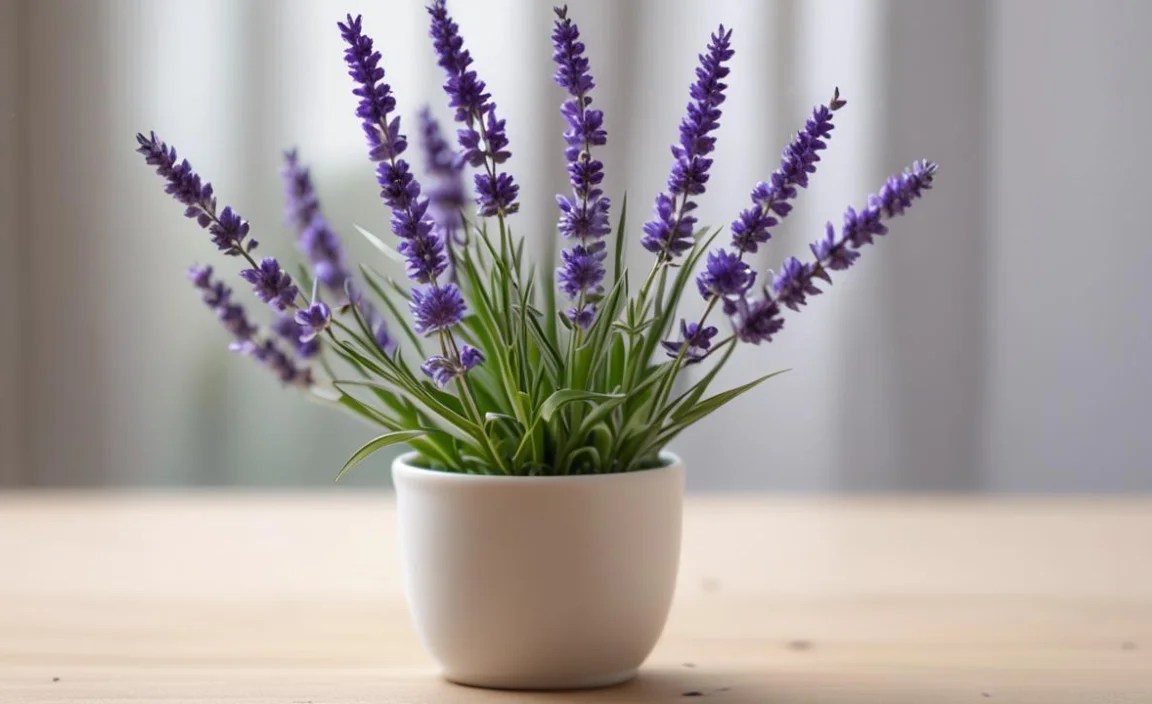
Pruning is important for how to care for indoor lavender plant. It helps keep the plant healthy. It also encourages more blooms. Prune your lavender after it finishes flowering. This is usually in late summer or early fall. Use clean, sharp pruning shears. Cut back the stems by about one-third. Remove any dead or damaged stems. Shape the plant into a rounded form. Avoid cutting back into the old wood. This can prevent new growth. Regular pruning keeps the plant compact. It also prevents it from getting leggy. Deadheading spent flowers encourages more blooms. Simply pinch off the faded flowers. With regular pruning, your lavender will stay beautiful and productive.
- Prune lavender after flowering, in late summer or early fall.
- Cut back stems by about one-third using clean shears.
- Remove any dead or damaged stems.
- Shape the plant into a rounded form.
- Deadhead spent flowers to encourage more blooms.
Keep an eye out for pests and diseases. Aphids, spider mites, and whiteflies can attack lavender. Check the leaves regularly for signs of infestation. Treat any problems promptly with insecticidal soap. Fungal diseases can also affect lavender. Proper watering and good air circulation can help prevent these diseases. Remove any affected leaves. Keep the area around the plant clean. Learning how to care for indoor lavender plant includes being vigilant about pests and diseases. With proper maintenance, your lavender will stay healthy and beautiful for years to come.
Fun Fact or Stat: Pruning lavender encourages bushier growth and more abundant blooms in the following season!
When Should You Prune Lavender?
When is the best time to prune your indoor lavender plant? The best time to prune is after it finishes flowering. This is usually in late summer or early fall. Pruning at this time encourages new growth. It also helps the plant stay compact. Avoid pruning in the spring. This can remove the flower buds. You will not get as many blooms. Regular deadheading is also important. Pinch off the spent flowers throughout the growing season. This encourages more blooms. Knowing how to care for indoor lavender plant includes knowing when to prune it.
How Do You Prune Lavender?
How do you properly prune your lavender plant? Use clean, sharp pruning shears. This prevents the spread of disease. Cut back the stems by about one-third. Remove any dead or damaged stems. Shape the plant into a rounded form. Avoid cutting into the old wood. This can prevent new growth. Make your cuts just above a leaf node. This encourages new growth. Deadhead spent flowers regularly. Pinch off the faded flowers. This encourages more blooms. Learning how to care for indoor lavender plant includes mastering the art of pruning.
What Tools Do You Need?
What tools do you need to prune your lavender plant? You will need a pair of pruning shears. Make sure they are clean and sharp. Dull shears can damage the plant. You might also want to wear gloves. This protects your hands from thorns. A small trash can or bag is useful for collecting the pruned stems. A watering can is helpful for watering the plant after pruning. With the right tools, pruning your lavender is easy. It is also an important part of how to care for indoor lavender plant.
Dealing with Pests and Diseases
Even indoors, lavender can face pests and diseases. Knowing how to care for indoor lavender plant means knowing how to protect it. Common pests include aphids, spider mites, and whiteflies. These pests suck the sap from the leaves. This can weaken the plant. Check the leaves regularly for signs of infestation. Look for small insects or webbing. Treat infestations with insecticidal soap. Spray the plant thoroughly, following the instructions on the label. Fungal diseases can also affect lavender. These diseases thrive in humid conditions. Ensure good air circulation around the plant. Avoid overwatering. Remove any affected leaves. Use a fungicide if necessary. Prevention is key. Keep the area around the plant clean. Provide good air circulation. With vigilance and prompt treatment, you can keep your lavender healthy.
- Check regularly for aphids, spider mites, and whiteflies.
- Treat infestations with insecticidal soap.
- Ensure good air circulation to prevent fungal diseases.
- Avoid overwatering to reduce the risk of disease.
- Remove any affected leaves promptly.
- Keep the area around the plant clean.
Consider using natural pest control methods. Introduce beneficial insects, like ladybugs, to control aphids. Use neem oil as a natural fungicide and insecticide. Avoid using harsh chemicals. These can harm the plant and the environment. Quarantine any new plants before introducing them to your collection. This prevents the spread of pests and diseases. Learning how to care for indoor lavender plant includes being proactive about pest and disease control. A healthy plant is less likely to be affected by problems. With good care, your lavender will thrive.
Fun Fact or Stat: Lavender‘s strong scent can naturally repel some pests, making it a useful companion plant in gardens!
What Are Common Pests?
What are the most common pests that attack indoor lavender plants? Aphids are small, soft-bodied insects. They suck the sap from the leaves. Spider mites are tiny pests that create webbing on the plant. Whiteflies are small, white, flying insects. They also suck sap. These pests can weaken the plant. They can also spread diseases. Check your plant regularly for these pests. Treat any infestations promptly. Knowing how to care for indoor lavender plant includes identifying and controlling common pests.
How Can You Prevent Diseases?
How can you prevent diseases from affecting your lavender plant? Good air circulation is key. Avoid overcrowding plants. This allows air to circulate freely. Water properly. Avoid overwatering. This can lead to root rot. Remove any dead or dying leaves. These can harbor diseases. Keep the area around the plant clean. Use clean potting soil. Avoid using soil from the garden. This can contain diseases. Quarantine new plants. This prevents the spread of diseases. Learning how to care for indoor lavender plant includes taking steps to prevent diseases.
What to Do About Root Rot?
What should you do if your lavender plant develops root rot? Root rot is a serious problem. It is caused by overwatering. The roots start to rot. This can kill the plant. If you suspect root rot, take the plant out of the pot. Inspect the roots. Healthy roots are firm and white. Rotten roots are soft and brown. Cut away any rotten roots. Repot the plant in fresh, well-draining soil. Use a clean pot. Water sparingly. Allow the soil to dry out between waterings. If the root rot is severe, the plant might not survive. Knowing how to care for indoor lavender plant includes recognizing and treating root rot.
Encouraging Blooms Indoors
Getting your lavender to bloom indoors can be tricky. But it is possible! How to care for indoor lavender plant to get flowers? The key is to mimic its natural environment. Lavender needs lots of sunlight. At least six hours a day is best. Use a grow light if you do not have enough natural light. Prune the plant regularly. This encourages new growth. It also encourages more blooms. Use a low-nitrogen fertilizer. Too much nitrogen can prevent flowering. Keep the plant slightly dry. Overwatering can also prevent flowering. Provide good air circulation. This helps prevent fungal diseases. With the right care, your lavender will reward you with beautiful blooms.
| Factor | Importance | How to Achieve |
|---|---|---|
| Sunlight | Essential | 6+ hours daily; use grow lights if needed |
| Pruning | High | Prune after flowering; shape plant |
| Watering | Critical | Water only when soil is dry |
| Fertilizer | Moderate | Use low-nitrogen fertilizer sparingly |
| Air Circulation | Important | Ensure good airflow around the plant |
- Provide at least six hours of sunlight daily.
- Prune regularly to encourage new growth.
- Use a low-nitrogen fertilizer sparingly.
- Keep the plant slightly dry to promote blooming.
- Ensure good air circulation around the plant.
- Deadhead spent flowers to encourage more blooms.
Consider the temperature. Lavender prefers cooler temperatures, especially at night. Keep the plant away from heat sources. Aim for a nighttime temperature of around 60°F. Avoid drafts. These can stress the plant. Repot the plant every year or two. This provides fresh soil and more room for the roots. With patience and attention, you can enjoy beautiful lavender blooms indoors. Learning how to care for indoor lavender plant is a rewarding experience. The fragrance and beauty of the flowers make it all worthwhile.
Fun Fact or Stat: Lavender flowers are not only beautiful but also edible and can be used in cooking and baking!
Does Temperature Affect Blooming?
Does temperature affect the blooming of indoor lavender? Yes, it does! Lavender prefers cooler temperatures. Especially at night. Warm temperatures can prevent blooming. Aim for a nighttime temperature of around 60°F. Keep the plant away from heat sources. Avoid placing it near a radiator or a sunny window. During the day, a temperature of 70-75°F is ideal. Avoid sudden temperature changes. These can stress the plant. Knowing how to care for indoor lavender plant includes understanding its temperature preferences.
Why Is My Lavender Not Blooming?
Why is your indoor lavender not blooming? There could be several reasons. The most common reason is lack of sunlight. Lavender needs at least six hours of sunlight a day. If it is not getting enough light, it will not bloom. Overwatering can also prevent blooming. Lavender prefers dry conditions. Too much fertilizer can also be a problem. Especially if it is high in nitrogen. Improper pruning can also affect blooming. Make sure you are pruning the plant correctly. Learning how to care for indoor lavender plant means identifying and addressing these potential issues.
How to Encourage More Blooms?
How can you encourage more blooms on your indoor lavender plant? Provide plenty of sunlight. Use a grow light if needed. Prune the plant regularly. Remove any dead or dying stems. Use a low-nitrogen fertilizer. Water sparingly. Allow the soil to dry out between waterings. Deadhead spent flowers. This encourages more blooms. Provide good air circulation. Repot the plant every year or two. With the right care, your lavender will bloom beautifully. Knowing how to care for indoor lavender plant includes taking these steps to encourage blooming.
Summary
How to care for indoor lavender plant involves several key steps. First, choose the right type of lavender. English lavender is a good choice. Provide plenty of sunlight. At least six hours a day is best. Water only when the soil is dry. Overwatering can lead to root rot. Use well-draining soil. A mix of potting soil, perlite, and sand works well. Prune the plant regularly. This encourages new growth and more blooms. Keep an eye out for pests and diseases. Treat any problems promptly. With the right care, your lavender will thrive indoors. It will bring beauty and fragrance to your home.
Conclusion
Growing lavender indoors can be a rewarding experience. It requires attention to detail. You need to provide the right amount of light. Watering is also important. Do not forget about the soil. Pruning helps too. With the proper care, you can enjoy the beauty and fragrance of lavender year-round. Mastering how to care for indoor lavender plant is easy if you follow these simple steps.
Frequently Asked Questions
Question No 1: How much sunlight does indoor lavender need?
Answer: Indoor lavender needs at least six hours of direct sunlight per day. A south-facing window is ideal. If you don’t have enough natural light, use a grow light. Keep the light on for 12-14 hours daily. Rotate the plant regularly to ensure even light exposure. Without enough light, lavender can become leggy and produce fewer flowers. Ensuring adequate sunlight is crucial for how to care for indoor lavender plant effectively. Pay attention to your plant’s growth and adjust the light accordingly.
Question No 2: How often should I water my indoor lavender?
Answer: Water your indoor lavender only when the soil is dry to the touch. Stick your finger about an inch into the soil. If it feels dry, it’s time to water. Water deeply until water drains from the bottom of the pot. Then, let the excess water drain away. Avoid letting the pot sit in water. This can cause root rot. During the winter, water less often. The plant needs less water when it’s not actively growing. Overwatering is a common mistake. Proper watering is essential for how to care for indoor lavender plant.
Question No 3: What kind of soil is best for indoor lavender?
Answer: The best soil for indoor lavender is well-draining. A mix of potting soil, perlite, and sand works well. Perlite helps with drainage. Sand adds weight and prevents compaction. Avoid using heavy clay soil, which holds too much water. You can also buy special lavender potting mix. This mix is designed for lavender plants. It usually has the right pH level and good drainage. Choosing the right soil is a key part of how to care for indoor lavender plant and ensuring its health.
Question No 4: How do I prune my indoor lavender plant?
Answer: Prune your indoor lavender after it finishes flowering. This is usually in late summer or early fall. Use clean, sharp pruning shears. Cut back the stems by about one-third. Remove any dead or damaged stems. Shape the plant into a rounded form. Avoid cutting back into the old wood, as this can prevent new growth. Regular pruning keeps the plant compact and encourages more blooms. Knowing how to prune is important for how to care for indoor lavender plant.
Question No 5: How can I prevent pests and diseases on my lavender?
Answer: Prevent pests and diseases by ensuring good air circulation. Avoid overwatering. Remove any dead or dying leaves. These can harbor diseases. Check the leaves regularly for signs of infestation. Treat any problems promptly with insecticidal soap. Consider using natural pest control methods. Introduce beneficial insects, like ladybugs, to control aphids. Prevention is key to how to care for indoor lavender plant and keeping it healthy.
Question No 6: Why is my indoor lavender not blooming?
Answer: There are several reasons why your indoor lavender might not be blooming. The most common reason is lack of sunlight. Lavender needs at least six hours of sunlight a day. Overwatering can also prevent blooming. Lavender prefers dry conditions. Too much fertilizer, especially if it’s high in nitrogen, can also be a problem. Improper pruning can also affect blooming. Addressing these factors is key to how to care for indoor lavender plant and encouraging it to bloom.
