Have you ever seen a cat shivering outside in the cold? It is sad to see. Cats need shelter from rain, snow, and wind. You can help! Learning how to make an outdoor house for a cat is a great way to care for furry friends. It’s fun and rewarding.
Imagine a cozy spot for a cat on a chilly night. A simple house can make a big difference. Even a cardboard box can be a start. Let’s explore how you can build a safe place for cats. Every cat deserves a warm, dry home outside.
Building a cat house is easier than you think. You can use many things you find around your house. Old wood, blankets, and even plastic bins work well. It is important to make the house safe and comfortable. Are you ready to learn how to make an outdoor house for a cat? Let’s get started!
Key Takeaways
- Building a safe outdoor cat house protects cats from harsh weather conditions.
- Use simple materials like wood, plastic bins, or even cardboard boxes.
- Insulation with blankets or straw helps keep the cat house warm and dry.
- Consider the size of the cat to ensure the house is comfortable and accessible.
- Knowing how to make an outdoor house for a cat can help homeless animals.
Choosing the Right Materials

Picking the right stuff is super important when you are figuring out how to make an outdoor house for a cat. You want things that will keep the kitty safe and cozy. Wood is a great choice because it’s strong and keeps out the cold. Plastic bins are good too because they don’t let water in. Cardboard can work, but it’s not as tough. Think about what the weather is like where you live. If it snows a lot, you need something really strong. If it just rains sometimes, cardboard might be okay. Make sure whatever you pick is safe for cats. No sharp edges or yucky chemicals! It should also be easy for you to work with. You do not want to struggle too much. So, think about all these things when you choose your materials. This will help you build the best house for your furry friend. A good house will make a big difference in a cat’s life.
- Wood is sturdy and provides good insulation.
- Plastic bins are waterproof and easy to clean.
- Cardboard is cheap but not as durable.
- Straw provides warm, natural insulation.
- Old blankets and towels add extra comfort.
When you are deciding how to make an outdoor house for a cat, remember that insulation is key. Insulation helps keep the house warm in the winter and cool in the summer. Straw is a great natural insulator. It keeps the cold out and the warmth in. Blankets and towels also work well, but they can get wet. If they get wet, they won’t keep the cat warm. You can also use foam insulation. Foam is easy to cut and fit into the house. Just make sure the cat can’t eat it. Eating foam is not good for kitties. Think about what is easiest for you to get and use. The most important thing is to keep the cat safe and comfortable. A well-insulated house will help the cat stay healthy and happy all year round. Remember to check the insulation regularly to make sure it is dry and clean.
Fun Fact or Stat: Studies show that outdoor cat houses can increase a feral cat’s lifespan by up to 5 years by protecting them from the elements!
What Kind of Wood Should I Use?
Have you ever wondered what kind of wood is best for a cat house? It is a great question! Some woods are better than others for how to make an outdoor house for a cat. Cedar and pine are good choices because they resist rot. This means they won’t break down as easily in the rain and snow. Plywood is also a good option because it is strong and comes in big sheets. This makes it easy to build the walls of the house. You want to stay away from treated wood. Treated wood has chemicals that can be harmful to cats. Make sure whatever wood you pick is smooth and doesn’t have any sharp edges. You don’t want the cat to get hurt. Think about how easy the wood is to cut and nail together. Some woods are harder to work with than others. The right wood will make your cat house last a long time.
Are Plastic Bins Safe for Cats?
Plastic bins can be a safe and easy way to build a cat house. But, you need to make sure you pick the right kind. Look for bins that are made of sturdy, non-toxic plastic. This means they won’t hurt the cat if they chew on them. Avoid bins that have been used to store chemicals. These chemicals can be harmful. Make sure the bin is big enough for the cat to stand up and turn around in. The bin should also have a lid to keep out the rain and snow. You’ll need to cut a hole in the side of the bin for the cat to get in and out. Make sure the edges of the hole are smooth so the cat doesn’t get scratched. Plastic bins are easy to clean, which is a big plus. Just wash it out with soap and water. With a little bit of work, a plastic bin can be a cozy home for a cat.
How Does Straw Help Insulate the House?
Straw is like a warm blanket for a cat house! It helps to keep the house cozy in the winter and cool in the summer. When you are thinking about how to make an outdoor house for a cat, straw is a top-notch insulator. The hollow stems of straw trap air. This trapped air acts like a barrier. It stops the cold air from getting in and the warm air from getting out. Straw is also natural and safe for cats. It won’t hurt them if they chew on it. Make sure the straw is dry before you put it in the house. Wet straw can get moldy and make the cat sick. You can find straw at most farm supply stores. Just spread a thick layer of straw on the floor of the house. The cat will love snuggling up in it on a cold day. Straw is a simple and effective way to keep your cat warm and happy.
Designing a Weatherproof Shelter

When figuring out how to make an outdoor house for a cat, keeping the weather out is super important. You don’t want the kitty to get wet or cold! Start by making sure the roof is solid. It should slope down so the rain can run off easily. You can use shingles or a tarp to cover the roof. Make sure there are no holes or gaps where water can get in. The walls should also be strong and tight. Use caulk to seal any cracks or seams. This will keep out the wind and rain. Think about where you put the door. Face it away from the wind to keep out drafts. You can also add a flap over the door to keep out the rain. Make sure the house is raised off the ground. This will stop water from seeping in from below. A weatherproof shelter will keep the cat safe and dry, no matter the weather. That’s a great feeling!
- Ensure the roof slopes to drain water effectively.
- Seal all cracks and seams with caulk.
- Position the entrance away from prevailing winds.
- Raise the house off the ground to prevent dampness.
- Use waterproof materials for the roof and walls.
- Add a door flap to block rain and snow.
Think about adding a porch or overhang to your cat house. This can provide extra protection from the weather. A porch gives the cat a place to sit and watch the world go by, even when it’s raining. An overhang can keep the rain from blowing directly into the entrance. Make sure the porch or overhang is strong enough to hold the cat’s weight. You can build it out of wood or plastic. Attach it securely to the house. A little extra protection can make a big difference. The cat will appreciate having a dry place to relax. It shows you care about its comfort. Remember, how to make an outdoor house for a cat means thinking about all the little details that make a big impact. A porch or overhang is one of those details.
Fun Fact or Stat: A study by the ASPCA found that weatherproof shelters reduce hypothermia in outdoor cats by 60%!
How High Should the House Be Off the Ground?
Raising the house off the ground is a smart idea when considering how to make an outdoor house for a cat. It helps to keep the inside dry and warm. But, how high should it be? A few inches is usually enough. About 2-4 inches is a good height. This will stop water from seeping in during heavy rain. You can use bricks, wood blocks, or even concrete blocks to raise the house. Just make sure they are stable and won’t tip over. You don’t want the house to fall down with the cat inside! Raising the house also helps to keep out bugs and other critters. They will have a harder time getting inside. This makes the house a safer and more comfortable place for the cat. So, lift that house up a little bit. Your kitty will thank you!
Should I Add a Door Flap?
A door flap can be a great addition to your cat house. It helps to keep out the wind, rain, and snow. This makes the house warmer and drier for the cat. You can buy a door flap at most pet stores. Or, you can make your own out of heavy fabric or plastic. Cut the flap to fit the size of the door opening. Make sure it is easy for the cat to push through. You don’t want it to be too heavy or stiff. Attach the flap to the top of the door opening. You can use staples, tacks, or even strong tape. The flap should hang down over the opening. This will block the wind and rain. The cat can easily push it open to get in and out. A door flap is a simple way to make your cat house even more weatherproof.
How Do I Secure the Roof?
The roof is one of the most important parts of your cat house. It needs to be strong and secure to keep out the weather. There are several ways to secure the roof when you are thinking about how to make an outdoor house for a cat. If you are using wood, you can nail or screw the roof to the walls. Make sure the nails or screws are long enough to go through the roof and into the walls. You can also use waterproof glue to attach the roof. Glue is a good option if you don’t want to use nails or screws. If you are using a tarp, you can secure it with staples or tacks. Make sure the staples or tacks are close together to prevent the tarp from blowing away. You can also use rope or bungee cords to tie the tarp down. Just make sure the roof is strong and won’t leak. A secure roof will keep your cat safe and dry.
Insulating for Warmth and Comfort

Insulation is key to making your cat house cozy. It keeps the warmth in during winter. It also keeps the heat out during summer. When considering how to make an outdoor house for a cat, remember that insulation is important. Straw is a great natural insulator. It traps air and keeps the house warm. You can also use blankets or towels. But, be sure to change them if they get wet. Foam insulation is another good option. It is easy to cut and fit into the house. Just make sure the cat can’t eat it. You can also use bubble wrap. Bubble wrap is cheap and easy to find. Just wrap it around the inside of the house. A well-insulated house will keep your cat comfortable all year round. That’s what every cat deserves!
- Straw provides natural and effective insulation.
- Blankets and towels offer soft warmth.
- Foam insulation is easy to install.
- Bubble wrap adds an extra layer of protection.
- Reflective materials can block sunlight in summer.
Think about adding a heated bed to your cat house. This can provide extra warmth on cold nights. You can buy a heated bed at most pet stores. Or, you can make your own using a heating pad. Just be sure to use a heating pad that is safe for pets. Don’t use one that gets too hot. You can also add a layer of fleece to the bed. Fleece is soft and warm. It will help to keep the cat comfortable. A heated bed is a great way to spoil your kitty. It will make the cat house even more inviting. Remember, how to make an outdoor house for a cat means thinking about all the ways to make it cozy and warm. A heated bed is a perfect touch.
Fun Fact or Stat: Heated cat beds can maintain a temperature of 102°F, providing optimal warmth for cats in cold weather!
How Thick Should the Insulation Be?
The thickness of the insulation depends on how cold it gets where you live. If you live in a place with very cold winters, you will need thicker insulation. A good rule of thumb is to use at least 2-3 inches of insulation. This will provide plenty of warmth for the cat. You can use thicker insulation if you want. Just make sure it doesn’t take up too much space inside the house. The cat still needs room to move around. If you are using straw, spread a thick layer on the floor and walls. If you are using foam, cut it to fit the inside of the house. If you are using blankets or towels, layer them on top of each other. The thicker the insulation, the warmer the house will be. Your cat will appreciate the extra warmth on a cold winter night.
Is it Safe to Use Electric Blankets?
Electric blankets can be dangerous for cats if they are not used properly. They can overheat and cause burns. They can also be a fire hazard if they are chewed on. If you decide to use an electric blanket, be sure to use one that is designed for pets. These blankets have safety features that prevent them from overheating. They also have chew-resistant cords. Always supervise your cat when it is using an electric blanket. Don’t leave it unattended for long periods of time. Check the blanket regularly for signs of wear and tear. If the blanket is damaged, stop using it immediately. There are other ways to keep your cat warm that are safer than electric blankets. Straw, blankets, and foam insulation are all good options.
How Do I Keep the Insulation Dry?
Keeping the insulation dry is very important. Wet insulation loses its ability to keep the house warm. It can also become moldy and unhealthy for the cat. To keep the insulation dry, start by making sure the house is weatherproof. Seal any cracks or gaps in the walls and roof. This will prevent rain and snow from getting inside. You can also add a layer of plastic sheeting between the insulation and the walls. This will create a barrier that keeps the moisture out. Check the insulation regularly for signs of dampness. If it gets wet, replace it immediately. You can also use a dehumidifier to remove moisture from the air. Just be sure to keep the dehumidifier out of reach of the cat. Dry insulation will keep your cat warm and healthy all winter long.
| Material | Pros | Cons | Best For |
|---|---|---|---|
| Wood | Sturdy, good insulation | Can rot if not treated | Overall best choice |
| Plastic Bins | Waterproof, easy to clean | Can get hot in summer | Rainy climates |
| Cardboard | Cheap, easy to find | Not durable, gets soggy | Temporary shelter |
| Straw | Natural insulation, safe | Can be messy | Adding warmth |
Creating a Comfortable Interior
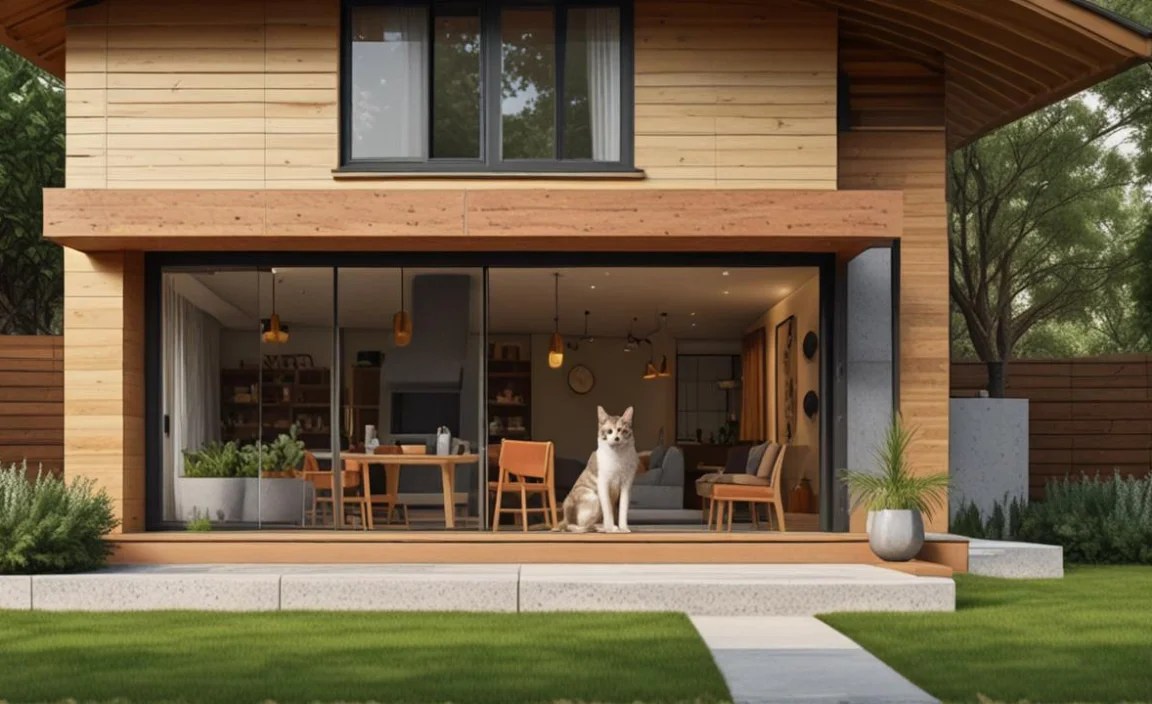
Making the inside of the cat house comfy is key. You want the cat to feel safe and cozy. Start with a soft bed. A blanket or towel works great. Straw is also a good option. It’s warm and natural. Make sure the bed is big enough for the cat to stretch out. You can also add a few toys. A ball or a stuffed mouse can keep the cat entertained. Place the house in a quiet spot. Away from loud noises and traffic. Cats like privacy. Keep the house clean. Change the bedding regularly. This will help to prevent fleas and other pests. A comfortable interior will make the cat feel right at home. When considering how to make an outdoor house for a cat, remember that comfort matters.
- Provide a soft and warm bed.
- Add a few toys for entertainment.
- Choose a quiet and private location.
- Keep the interior clean and dry.
- Ensure the entrance is easy to access.
Think about the size of the entrance. It should be big enough for the cat to get in and out easily. But, it shouldn’t be too big. A large entrance will let in too much cold air. A small entrance will make the cat feel trapped. A good size is about 6-8 inches wide and 8-10 inches tall. You can also add a door flap. This will help to keep out the wind and rain. Make sure the flap is easy for the cat to push through. A comfortable entrance will make the cat feel more secure. It will also make it easier for the cat to use the house. When figuring out how to make an outdoor house for a cat, don’t forget about the entrance.
Fun Fact or Stat: Cats spend an average of 12-16 hours sleeping each day, so a comfortable bed is crucial!
What Kind of Bedding is Best?
The best kind of bedding depends on the weather and the cat’s preferences. In cold weather, straw is a great option. It provides lots of warmth and insulation. Blankets and towels are also good choices. But, they can get wet and lose their warmth. In warm weather, a thin blanket or towel is enough. You can also use a cooling mat. These mats are designed to keep pets cool. Some cats prefer to sleep on bare surfaces. If your cat is one of these, you don’t need to add any bedding. Just make sure the floor of the house is clean and smooth. Observe your cat’s behavior to see what kind of bedding it prefers. A comfortable bed will make the cat feel safe and secure.
Should I Add Toys?
Adding toys can make the cat house more inviting. But, it’s not essential. Some cats enjoy playing with toys. Others prefer to sleep and relax. If you decide to add toys, choose ones that are safe for cats. Avoid toys with small parts that can be swallowed. A ball or a stuffed mouse is a good option. You can also add a scratching post. This will give the cat a place to scratch and stretch. Place the toys near the bed. This will encourage the cat to use the house. If the cat doesn’t play with the toys, you can remove them. The most important thing is to provide a safe and comfortable space for the cat.
How Often Should I Clean the House?
It’s important to clean the cat house regularly. This will help to prevent fleas and other pests. It will also keep the house smelling fresh. How often you clean the house depends on how often the cat uses it. If the cat uses the house every day, you should clean it once a week. If the cat only uses the house occasionally, you can clean it less often. To clean the house, remove all the bedding and toys. Wash the bedding in hot water and soap. Wipe down the inside of the house with a damp cloth. You can also use a mild disinfectant. Make sure to rinse the house thoroughly after using disinfectant. Replace the bedding and toys with fresh ones. A clean house is a healthy house.
Placing the House in a Safe Location

Where you put the cat house matters a lot. You want a spot that’s safe and quiet. Away from traffic and predators. Look for a place that’s sheltered from the wind and rain. Under a tree or on a porch is a good choice. Make sure the house is on level ground. You don’t want it to tip over. Place the house near a food and water source. This will encourage the cat to use it. If you have other pets, keep the cat house separate from their areas. This will give the cat a sense of privacy. A safe location will help the cat feel secure and comfortable. When thinking about how to make an outdoor house for a cat, location is key.
- Choose a location away from traffic.
- Protect the house from wind and rain.
- Place the house on level ground.
- Keep it near food and water.
- Provide a sense of privacy.
Think about how easy it is to access the house. You want to be able to check on the cat easily. You also want to be able to clean the house without any trouble. Don’t put the house in a place that’s hard to reach. A good spot is near a door or walkway. This will make it easy to keep an eye on things. You can also add a small path leading to the house. This will make it more inviting for the cat. Easy access will make it easier for you to care for the cat. It will also make it more likely that the cat will use the house. Remember, how to make an outdoor house for a cat means thinking about the cat’s needs and your own.
Fun Fact or Stat: Cats are more likely to use a shelter if it is placed in a quiet location, away from human traffic!
Should the House Be in the Sun or Shade?
The best place for the cat house depends on the climate. In warm climates, shade is essential. The house can get very hot in the sun. This can be dangerous for the cat. Place the house under a tree or in a shaded area. In cold climates, some sun is good. The sun will help to warm the house. But, you don’t want the house to be in direct sunlight all day. This can still be too hot. A spot that gets some sun in the morning and shade in the afternoon is ideal. Observe the area throughout the day to see where the sun and shade fall. This will help you choose the best location for the cat house.
How Far Away Should It Be From My House?
The distance from your house depends on your preferences. Some people like to keep the cat house close by. This makes it easy to check on the cat. Others prefer to place the house further away. This gives the cat more privacy. A good compromise is to place the house within sight of your house. This allows you to keep an eye on things without disturbing the cat. You also want to make sure the house is easily accessible. You don’t want to have to walk too far to reach it. Consider your needs and the cat’s needs when choosing a location. A comfortable distance will make everyone happy.
What If Other Animals Are Around?
If other animals are around, you need to take extra precautions. You don’t want the cat to be harassed or injured. Place the cat house in a safe location. Away from areas where other animals roam. You can also build a fence around the house. This will help to keep other animals out. Make sure the fence is tall enough to prevent animals from jumping over it. You can also add a roof to the house. This will protect the cat from predators. If you have dogs, keep them away from the cat house. Dogs can be a threat to cats. Supervise your pets when they are outside. A safe environment will help the cat feel secure.
Summary
Learning how to make an outdoor house for a cat is a rewarding project. It helps protect cats from harsh weather. You can use simple materials like wood, plastic bins, or cardboard. Insulation is key to keeping the house warm and dry. Straw, blankets, and foam are good options. Design the house to be weatherproof. A sloping roof and sealed seams will keep out rain and wind. Place the house in a safe, quiet location. Away from traffic and predators. A comfortable interior with a soft bed and toys will make the cat feel at home. Remember to clean the house regularly to prevent pests. With a little effort, you can provide a safe and cozy shelter for a cat in need.
Conclusion
Building an outdoor cat house is a kind and simple act. It offers shelter and warmth to cats facing tough weather. Using basic materials and following these steps, anyone can create a safe haven. Your effort can significantly improve a cat’s life, giving them a secure space to rest and escape the elements. Knowing how to make an outdoor house for a cat allows you to help a vulnerable animal thrive, offering comfort and protection in their daily lives.
Frequently Asked Questions
Question No 1: What is the best material to use for an outdoor cat house?
Answer: The best material depends on your budget and the climate. Wood is a great option because it is sturdy and provides good insulation. Plastic bins are also a good choice because they are waterproof and easy to clean. Cardboard can be used, but it is not as durable and will need to be replaced more often. Make sure whatever material you choose is safe for cats and free of harmful chemicals. When considering how to make an outdoor house for a cat, think about durability and weather resistance.
Question No 2: How do I insulate an outdoor cat house to keep it warm in the winter?
Answer: Insulation is key to keeping your cat house warm in the winter. Straw is a great natural insulator. It traps air and keeps the house warm. You can also use blankets or towels, but make sure they are dry. Wet blankets will not keep the cat warm. Foam insulation is another good option. It is easy to cut and fit into the house. Just make sure the cat can’t eat it. Bubble wrap can also be used to add an extra layer of insulation. When figuring out how to make an outdoor house for a cat, remember that good insulation is crucial for winter warmth.
Question No 3: Where is the best place to put an outdoor cat house?
Answer: The best place to put an outdoor cat house is in a safe, quiet location. Away from traffic and predators. Look for a spot that is sheltered from the wind and rain. Under a tree or on a porch is a good choice. Make sure the house is on level ground. Place the house near a food and water source. This will encourage the cat to use it. If you have other pets, keep the cat house separate from their areas. When thinking about how to make an outdoor house for a cat, location is very important.
Question No 4: How big should an outdoor cat house be?
Answer: An outdoor cat house should be big enough for the cat to stand up, turn around, and lie down comfortably. A good size is about 2 feet by 3 feet. The height should be about 18 inches. If you have multiple cats, you will need a larger house. Don’t make the house too big. A large house will be harder to heat and keep warm. The right size will provide enough space for the cat to feel comfortable and secure. Remember this when you are thinking about how to make an outdoor house for a cat.
Question No 5: How do I keep other animals out of the cat house?
Answer: To keep other animals out of the cat house, place it in a safe location. Away from areas where other animals roam. You can also build a fence around the house. This will help to keep other animals out. Make sure the fence is tall enough to prevent animals from jumping over it. You can also add a roof to the house. This will protect the cat from predators. Keep your own pets away from the cat house. Supervise your pets when they are outside. A secure environment will help the cat feel safe.
Question No 6: How often should I clean an outdoor cat house?
Answer: You should clean an outdoor cat house regularly. This will help to prevent fleas and other pests. It will also keep the house smelling fresh. How often you clean the house depends on how often the cat uses it. If the cat uses the house every day, you should clean it once a week. If the cat only uses the house occasionally, you can clean it less often. Remove all the bedding and toys. Wash the bedding in hot water and soap. Wipe down the inside of the house with a damp cloth. Replace the bedding and toys with fresh ones.
