Do you want to grow yummy veggies? Does your backyard look a bit sad? Learning how to prepare land for gardening is the first step. It can turn any space into a garden. Even a small space can grow lots of food. Let’s learn how to make your garden dreams come true.
It all starts with some planning. You need to know what to do. We will show you the best way. Get ready to get your hands dirty. Gardening can be fun for everyone.
Key Takeaways
- Knowing how to prepare land for gardening makes growing food easier and fun.
- Adding compost and other good stuff feeds your plants and makes them strong.
- Removing weeds and rocks helps your plants grow without a struggle.
- Testing your soil tells you what your garden needs to grow its best.
- Good planning and prep can turn any space into a yummy veggie garden.
Why Is Soil Prep Important?
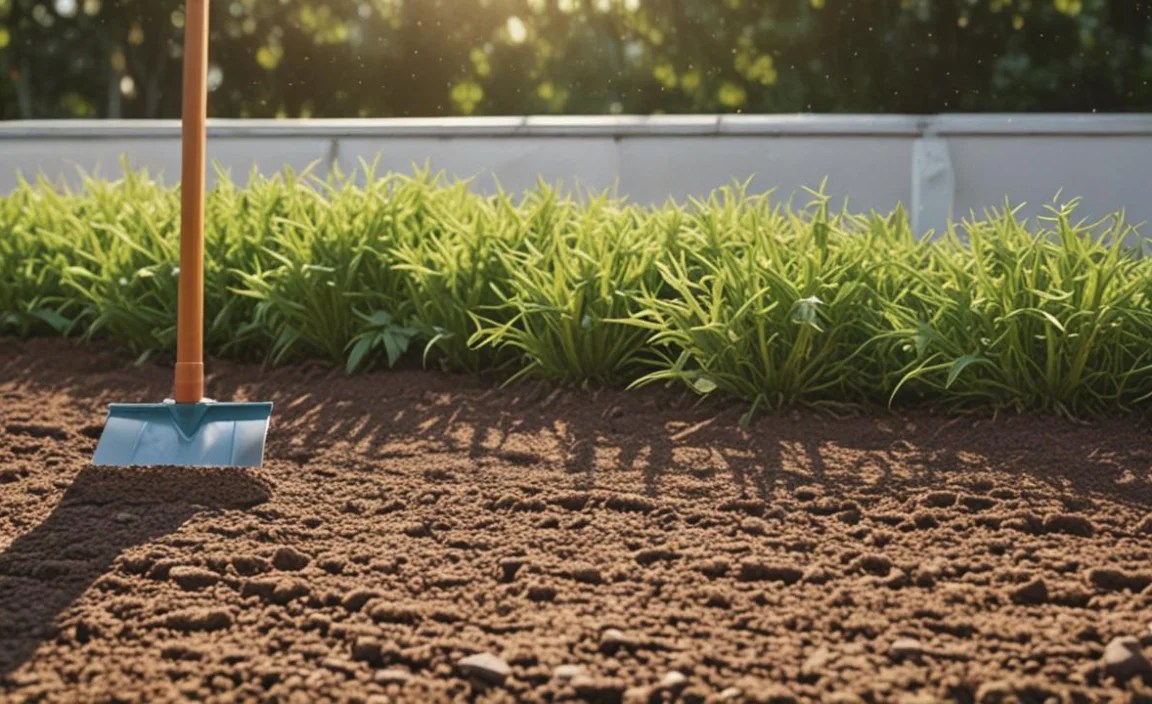
Have you ever tried to build a tower on a shaky base? It probably didn’t work out very well. The same goes for gardening. The soil is like the foundation of your garden. How to prepare land for gardening makes a big difference. Good soil helps plants grow strong roots. Strong roots mean healthy plants. Healthy plants give you lots of yummy food. Preparing your soil the right way sets your garden up for success. It is like giving your plants a super start. Without good soil, plants struggle to get what they need. They might not grow very big or give you much food. So, taking the time to prepare your soil is worth it. It makes gardening more fun and rewarding. You will get to enjoy lots of tasty veggies from your happy, healthy garden.
- Good soil helps plants grow strong.
- Strong roots mean healthy plants.
- Healthy plants give you lots of food.
- Soil prep sets your garden up for success.
- It makes gardening more fun.
Think of your garden as a house for your plants. You would not build a house on a messy, uneven lot, would you? You would clear the land and make sure it’s ready. Preparing your garden soil is the same idea. It is about making a good home for your plants. This means removing anything that could hurt them. It also means adding things that will help them grow. This could be compost, which is like a yummy meal for plants. It could also be things like fertilizer, which gives them extra vitamins. When you take care of your soil, you are taking care of your plants. You are giving them the best chance to grow big and strong. That is why soil preparation is so important for a successful garden.
What is soil made of?
Have you ever wondered what exactly soil is? It’s not just dirt! Soil is a mix of many things. It has tiny bits of rock. It also has things that used to be alive, like dead leaves and bugs. These things break down and turn into something called humus. Humus is like a superfood for plants. Soil also has air and water. Plants need air and water to live, just like us. The type of soil you have can make a big difference. Some soil is sandy, which means it has big pieces. Sandy soil drains water quickly. Other soil is clay-like, which means it has tiny pieces. Clay soil holds water well. The best soil for gardening is a mix of both. It also has lots of humus. Knowing what your soil is made of can help you prepare it better for your plants.
Why do plants need good soil?
Imagine trying to drink water through a straw that is bent. It would be hard, right? Plants feel the same way when their soil is not good. They cannot get the water and food they need. Good soil is like a straight straw for plants. It lets them drink up all the good stuff. Plants need water to stay hydrated. They also need nutrients, which are like vitamins. These nutrients help them grow big and strong. Good soil also lets air get to the plant’s roots. Roots need air to breathe, just like we do. If the soil is too hard or packed down, the roots cannot get air. This can make the plant sick or even die. So, good soil is super important for plants to stay healthy and happy. It helps them get everything they need to thrive.
How does soil help the environment?
Did you know that soil helps the whole planet? It is true! Soil does many important things for the environment. It helps clean the air. Plants take in carbon dioxide from the air and store it in the soil. This helps reduce pollution. Soil also helps clean the water. It filters out dirt and chemicals as water flows through it. This helps keep our rivers and lakes clean. Soil also provides a home for many creatures. Worms, bugs, and other tiny animals live in the soil. They help break down dead plants and animals. This makes the soil even better for growing plants. So, when you take care of your soil, you are also taking care of the environment. You are helping to keep the air and water clean and healthy for everyone.
Fun Fact or Stat: One teaspoon of healthy soil has more living things in it than there are people on Earth!
Testing Your Garden Soil
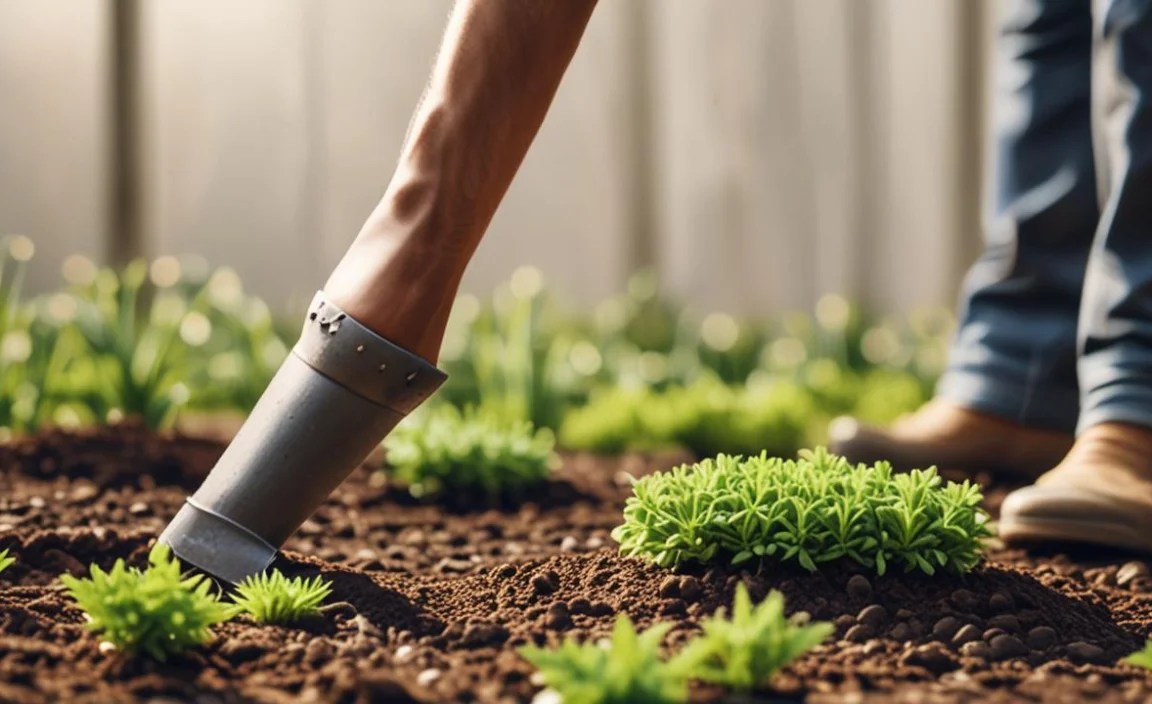
Before you even think about planting, you should test your soil. Testing your soil is like going to the doctor for a check-up. It tells you what is going on inside. The soil test will tell you what kind of soil you have. Is it sandy? Is it clay-like? It will also tell you what nutrients are in your soil. Nutrients are like vitamins for plants. They need certain nutrients to grow big and strong. A soil test will tell you if your soil is missing any important nutrients. It will also tell you how to prepare land for gardening for specific plants. You can buy a soil test kit at a garden store. You can also send your soil to a lab for testing. The results will help you know what to add to your soil. This will help your plants grow their best.
- Testing soil tells you what kind it is.
- It shows what nutrients are there.
- Tests also reveal missing nutrients.
- You can buy test kits at garden stores.
- Labs can also test your garden soil.
- Tests help plants grow their best.
Imagine you are baking a cake. You would not just throw all the ingredients together without measuring them, would you? You would follow a recipe to make sure you have the right amounts of everything. Testing your soil is like following a recipe for your garden. It helps you make sure your soil has the right ingredients for your plants. The soil test results will tell you if you need to add anything to your soil. For example, if your soil is low in nitrogen, you might need to add fertilizer. If your soil is too acidic, you might need to add lime. By testing your soil, you can make sure you are giving your plants exactly what they need. This will help them grow big and strong and give you lots of yummy food.
What is pH and why does it matter?
Have you ever heard of pH? It is a measure of how acidic or alkaline your soil is. pH ranges from 0 to 14. A pH of 7 is neutral. A pH below 7 is acidic. A pH above 7 is alkaline. Most plants like a pH between 6 and 7. This is slightly acidic. But some plants like more acidic or alkaline soil. Blueberries, for example, like acidic soil. Knowing your soil’s pH is important. It helps you choose the right plants. It also helps you adjust the soil if needed. You can raise the pH by adding lime. You can lower the pH by adding sulfur. Getting the pH right is important for healthy plants. It helps them get the nutrients they need from the soil.
How do you take a soil sample?
Taking a soil sample is easy. You just need a few tools. You will need a shovel or trowel. You will also need a clean bucket. Choose several spots in your garden. Dig down about 6 inches in each spot. Take a scoop of soil from each spot. Put all the soil in the bucket. Mix it well. This will give you a good sample of your garden’s soil. Take a small amount of the mixed soil and put it in a bag. Label the bag with your name and the date. Send the bag to a soil testing lab. Or, use a home soil testing kit. Follow the instructions on the kit. Taking a good soil sample is important. It will give you accurate results. This will help you prepare your garden for planting.
What do the soil test results mean?
So, you have your soil test results. Now what? The results will show you the pH of your soil. They will also show the levels of important nutrients. These nutrients include nitrogen, phosphorus, and potassium. Nitrogen helps plants grow leaves. Phosphorus helps plants grow roots and flowers. Potassium helps plants stay healthy. The results will tell you if your soil is low in any of these nutrients. If it is, you will need to add fertilizer. The results may also tell you if your soil has too much of a certain nutrient. This can also be a problem. Too much of one nutrient can block the absorption of others. The soil test results are like a roadmap for your garden. They tell you what your soil needs to grow healthy plants.
Fun Fact or Stat: Soil testing dates back to the 1840s, when scientists started understanding the link between soil nutrients and plant growth.
Removing Weeds and Rocks

Imagine trying to run a race with rocks in your shoes. It would be hard, right? Weeds and rocks can make it hard for your plants to grow. Weeds steal water and nutrients from your plants. They are like bullies in the garden. Rocks can get in the way of roots. They can also make it hard to dig. Removing weeds and rocks is an important part of how to prepare land for gardening. You can pull weeds by hand. Make sure you get the roots. You can also use a hoe to chop them off. Rake the soil to remove rocks. A clean garden bed is a happy garden bed. Your plants will thank you for it. They will have more room to grow and get the food they need.
- Weeds steal water and nutrients.
- Rocks get in the way of roots.
- Pull weeds by hand, getting the roots.
- Use a hoe to chop off weeds.
- Rake the soil to remove rocks.
- A clean garden bed is a happy one.
Think of your garden as a playground for your plants. You would not want your playground to be full of trash and obstacles, would you? You would want it to be clean and safe so your plants can have fun growing. Removing weeds and rocks is like cleaning up the playground. It makes it a better place for your plants to live. Weeds can be sneaky. They can pop up quickly and take over your garden. That is why it is important to remove them regularly. Rocks can also be hidden under the soil. That is why it is a good idea to rake the soil before you plant. By removing weeds and rocks, you are giving your plants the best chance to grow strong and healthy.
What are common garden weeds?
There are many different kinds of weeds that can pop up in your garden. Some common ones include dandelions, crabgrass, and chickweed. Dandelions have yellow flowers and jagged leaves. They are easy to spot. Crabgrass is a grassy weed that spreads quickly. Chickweed has small, oval leaves and tiny white flowers. It likes to grow in cool, damp places. Knowing what these weeds look like can help you identify them. Then, you can remove them before they take over your garden. Weeds can be a pain, but with a little effort, you can keep them under control. Remember to remove them regularly to keep your garden healthy.
How do you prevent weeds from coming back?
Once you have removed the weeds, you want to keep them from coming back. One way to do this is to use mulch. Mulch is a layer of material that you put on top of the soil. It can be made of straw, wood chips, or shredded leaves. Mulch helps block sunlight. This prevents weed seeds from sprouting. Mulch also helps keep the soil moist. This is good for your plants. Another way to prevent weeds is to plant closely. When plants are close together, they block sunlight. This makes it harder for weeds to grow. You can also use weed fabric. This is a special fabric that blocks weeds but lets water through. Preventing weeds is easier than removing them. So, take some steps to keep them from coming back.
Are all weeds bad?
Believe it or not, some weeds can actually be good for your garden. Dandelions, for example, have long roots that can help break up compacted soil. They also bring nutrients to the surface. Clover is another weed that can be helpful. It adds nitrogen to the soil, which is a nutrient that plants need. Some weeds can also attract beneficial insects. These insects can help control pests in your garden. So, not all weeds are bad. But it is still important to control them. You do not want them to take over your garden and steal resources from your plants. Knowing which weeds are helpful and which are harmful can help you manage your garden better.
Fun Fact or Stat: Some weeds, like purslane, are edible and packed with nutrients!
Adding Compost and Nutrients
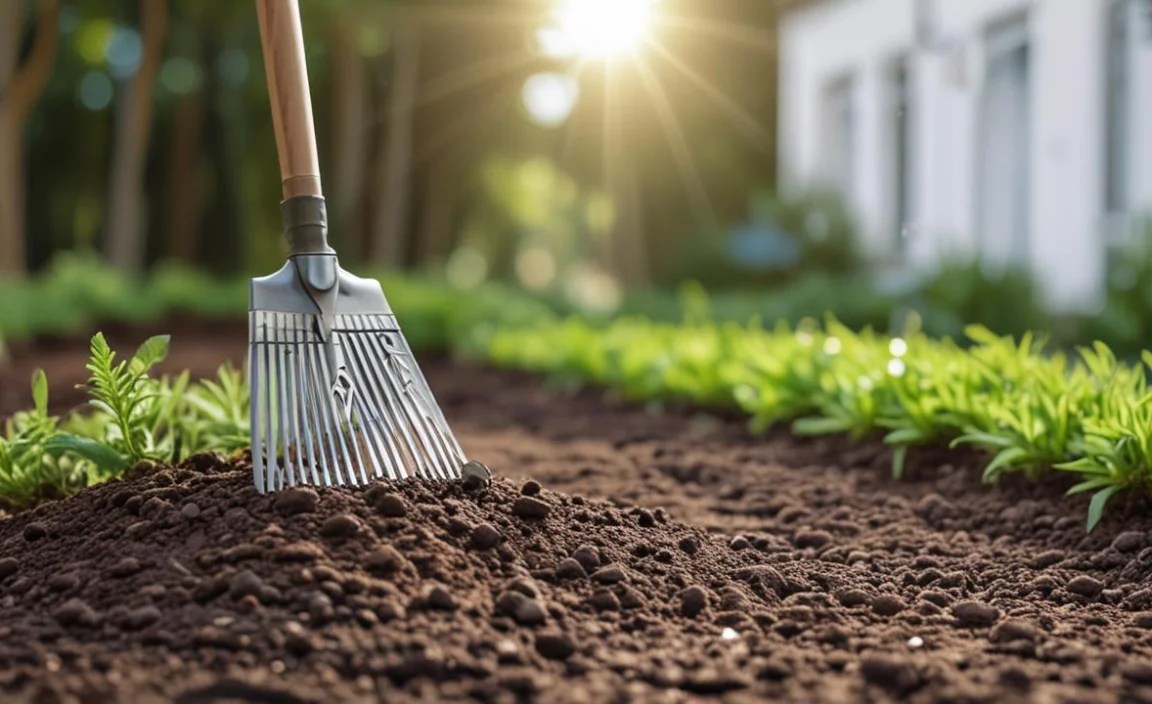
Imagine eating the same plain food every day. You would get tired of it, right? Plants need a variety of nutrients to grow their best. Adding compost and nutrients to your soil is like giving your plants a delicious, balanced meal. Compost is made from broken-down food scraps and yard waste. It is full of nutrients that plants love. It also helps the soil hold water. Nutrients like fertilizer give plants an extra boost. They help them grow big and strong. How to prepare land for gardening includes feeding your soil. Healthy soil means healthy plants. Your plants will thank you with lots of yummy fruits and vegetables.
- Compost feeds plants with nutrients.
- Compost helps soil hold water.
- Fertilizer gives plants an extra boost.
- Healthy soil means healthy plants.
- Add compost and nutrients regularly.
Think of your garden as a restaurant for your plants. You would not want to serve your customers food that is old and stale, would you? You would want to serve them fresh, delicious food that is full of nutrients. Adding compost and nutrients to your soil is like serving your plants a gourmet meal. Compost is like a slow-release fertilizer. It breaks down slowly over time, giving your plants a steady supply of nutrients. Fertilizer is like a quick energy boost. It gives your plants a shot of nutrients right away. By feeding your soil with compost and nutrients, you are making sure your plants have everything they need to thrive.
What is compost and how do you make it?
Compost is like a superfood for your garden. It is made from decomposed organic matter. This includes things like food scraps, leaves, and grass clippings. Making compost is easy. You just need a compost bin or pile. Add brown materials like leaves and twigs. Also add green materials like food scraps and grass clippings. Keep the pile moist but not too wet. Turn the pile regularly to help it decompose. After a few months, you will have rich, dark compost. You can add this compost to your garden to improve the soil. Compost adds nutrients and helps the soil hold water. It is a great way to recycle waste and help your plants grow.
What are different types of fertilizer?
Fertilizer comes in many different forms. There are granular fertilizers that you sprinkle on the soil. There are liquid fertilizers that you mix with water. There are also slow-release fertilizers that feed plants over time. Fertilizers also come in different formulas. Some fertilizers are high in nitrogen. These are good for leafy plants. Some fertilizers are high in phosphorus. These are good for roots and flowers. Some fertilizers are high in potassium. These are good for overall plant health. Choose a fertilizer that is right for your plants. Read the label carefully and follow the instructions. Using the right fertilizer can help your plants grow big and strong.
How much compost and fertilizer should you use?
Using too much compost or fertilizer can be harmful to your plants. It is important to use the right amount. For compost, a good rule of thumb is to add a 2-3 inch layer on top of the soil. Mix it in well before planting. For fertilizer, follow the instructions on the label. Different fertilizers have different strengths. Using too much fertilizer can burn the roots of your plants. This can damage or even kill them. It is better to use too little fertilizer than too much. You can always add more later if needed. Using the right amount of compost and fertilizer will help your plants thrive. They will grow big and strong and give you lots of yummy food.
| Nutrient | Function | Deficiency Symptoms | Sources |
|---|---|---|---|
| Nitrogen (N) | Leaf and stem growth | Yellowing leaves, stunted growth | Compost, manure, fertilizer |
| Phosphorus (P) | Root and flower development | Poor root growth, delayed flowering | Bone meal, rock phosphate, fertilizer |
| Potassium (K) | Overall plant health, disease resistance | Yellowing leaf edges, weak stems | Wood ash, greensand, fertilizer |
| Calcium (Ca) | Cell wall structure, nutrient uptake | Blossom end rot, stunted growth | Lime, gypsum, bone meal |
Fun Fact or Stat: Worm castings (worm poop) are an amazing natural fertilizer, full of beneficial microbes and nutrients!
Improving Soil Drainage
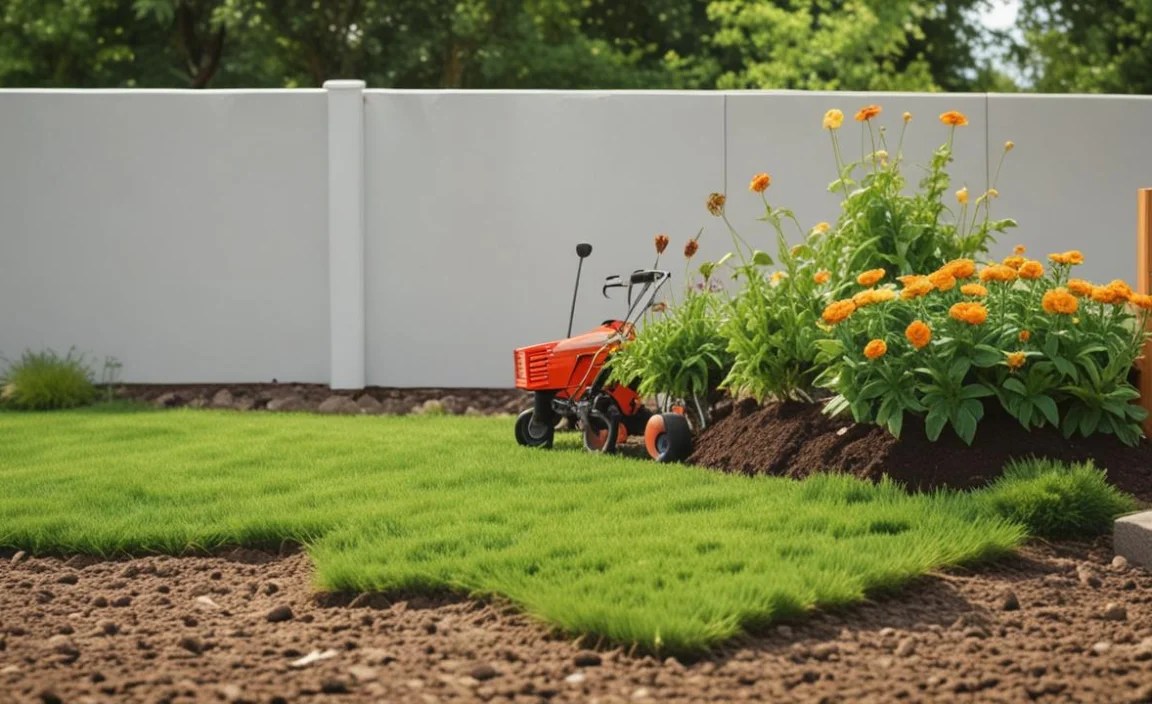
Imagine trying to breathe underwater. It would be tough, right? Plants need air in their soil to breathe. If the soil is too wet, the roots cannot get air. This is called poor drainage. Improving soil drainage is an important part of how to prepare land for gardening. You can improve drainage by adding organic matter. Compost, peat moss, and shredded leaves all help. These materials create air pockets in the soil. They also help water drain away. You can also build raised beds. Raised beds lift the soil up off the ground. This helps water drain more easily. Good drainage means healthy roots. Healthy roots mean healthy plants.
- Poor drainage stops roots from breathing.
- Add organic matter to improve drainage.
- Compost, peat moss, leaves all help.
- Build raised beds for better drainage.
- Good drainage means healthy roots.
Think of your garden as a sponge. If the sponge is too wet, it will not soak up any more water. The same is true for your soil. If the soil is too wet, it cannot absorb the water and nutrients that your plants need. Improving soil drainage is like wringing out the sponge. It allows the soil to soak up the good stuff. Poor drainage can lead to root rot. This is a disease that causes the roots to decay. Root rot can kill your plants. That is why it is important to make sure your soil has good drainage. By adding organic matter and building raised beds, you can create a healthy environment for your plants to thrive.
What are signs of poor drainage?
There are several signs that your soil has poor drainage. One sign is standing water. If you see water pooling on the surface of your soil after it rains, this is a sign of poor drainage. Another sign is soil that stays wet for a long time. If you dig down into the soil and it is still soggy several days after it rains, this is a sign of poor drainage. Plants that are struggling to grow or have yellowing leaves can also be a sign of poor drainage. Root rot is another sign. If you dig up a plant and the roots are brown and mushy, this is a sign of root rot. If you see any of these signs, you need to take steps to improve your soil’s drainage.
How does clay soil affect drainage?
Clay soil is made up of very small particles. These particles pack tightly together. This makes it hard for water to drain through clay soil. Clay soil can hold a lot of water. But it can also become waterlogged easily. This can lead to poor drainage and root rot. If you have clay soil, you need to take extra steps to improve its drainage. Adding lots of organic matter can help. This will create air pockets in the soil. It will also help break up the clay particles. You can also add sand to clay soil. This will help improve drainage. But do not add too much sand. Too much sand can make the soil even harder.
What are raised beds and how do they help?
Raised beds are garden beds that are built up above the ground. They can be made of wood, stone, or other materials. Raised beds offer many benefits. They improve drainage. They warm up faster in the spring. They also make it easier to control weeds. Building raised beds is a great way to improve your garden’s soil. You can fill them with a mix of good quality soil and compost. This will give your plants a great start. Raised beds are also easier to work in. You do not have to bend over as much. This can make gardening more enjoyable. If you have poor soil or drainage problems, raised beds are a great solution.
Fun Fact or Stat: Adding earthworms to your garden can improve drainage naturally! Worms create tunnels that help water flow through the soil.
Tilling or Turning the Soil
Imagine trying to mix ingredients for a cake without stirring. It would not work very well, right? Tilling or turning the soil is like stirring the ingredients in your garden. It helps loosen the soil and mix in compost and nutrients. Tilling is using a machine to turn over the soil. Turning is using a shovel or fork to do it by hand. How to prepare land for gardening often includes tilling or turning. This helps create a good seedbed for your plants. It also helps break up compacted soil. Be careful not to till too much. Too much tilling can damage the soil. A light tilling or turning is usually enough.
- Tilling loosens soil and mixes things in.
- Tilling uses a machine to turn soil.
- Turning uses a shovel or fork by hand.
- It creates a good seedbed for plants.
- Avoid tilling too much; it can hurt soil.
Think of your garden as a giant mixing bowl. You would not just dump all the ingredients into the bowl without mixing them, would you? You would want to stir them together to make sure everything is evenly distributed. Tilling or turning the soil is like stirring the ingredients in your garden. It helps mix in the compost and nutrients that you have added. It also helps loosen the soil so that your plants’ roots can grow easily. Tilling can be done with a machine called a tiller. Turning can be done with a shovel or a garden fork. Choose the method that is right for you and your garden.
What are the benefits of tilling?
Tilling offers several benefits for your garden. It loosens compacted soil. This allows roots to grow more easily. It also helps mix in compost and nutrients. This improves the soil’s fertility. Tilling can also help control weeds. It buries weed seeds deep in the soil. This prevents them from sprouting. Tilling can also help improve drainage. It creates air pockets in the soil. This allows water to drain more easily. However, it is important to till properly. Tilling too much can damage the soil structure. It can also kill beneficial microbes.
What are the drawbacks of tilling?
While tilling can be beneficial, it also has some drawbacks. Tilling can damage the soil structure. It can break up the soil aggregates. These are clumps of soil particles that help with drainage and aeration. Tilling can also kill beneficial microbes. These microbes help plants get nutrients from the soil. Tilling can also bring weed seeds to the surface. This can cause more weeds to grow. Tilling can also lead to soil erosion. This is when the topsoil is washed or blown away. For these reasons, it is important to till carefully. Avoid tilling too much or too often.
What is no-till gardening?
No-till gardening is a method of gardening that avoids tilling the soil. Instead of tilling, you simply add compost and other amendments to the surface of the soil. You then plant your seeds or seedlings directly into the soil. No-till gardening has many benefits. It helps preserve the soil structure. It also helps protect beneficial microbes. It reduces weed growth. It also prevents soil erosion. No-till gardening can be a great way to improve your soil’s health. It can also make gardening easier and more sustainable. If you are looking for a more eco-friendly way to garden, consider trying no-till gardening.
Fun Fact or Stat: Continuous tilling can reduce organic matter in the soil by as much as 50% over time!
Summary
How to prepare land for gardening involves several important steps. First, test your soil to understand its pH and nutrient levels. Next, remove any weeds and rocks that could hinder plant growth. Then, enrich the soil by adding compost and essential nutrients. Improve soil drainage to ensure healthy root development. Finally, till or turn the soil to create a loose and well-aerated seedbed. Remember to consider no-till methods to preserve soil structure and microbial life. These steps will help you create a thriving garden.
Conclusion
Preparing your land for gardening is key. It sets the stage for a healthy and productive garden. Testing your soil, removing obstacles, and adding nutrients are all important steps. Improving drainage and tilling or turning the soil can also help. By following these steps, you can create a garden that will bring you joy and fresh produce for years to come. Learning how to prepare land for gardening well is worth the effort.
Frequently Asked Questions
Question No 1: Why is it important to test my soil before planting?
Answer: Testing your soil is like giving it a check-up. It tells you what kind of soil you have, like if it’s sandy or clay-like. It also tells you what nutrients are in your soil and if any are missing. Plants need certain nutrients to grow big and strong, just like you need vitamins. If your soil is missing nutrients, you can add them to help your plants grow better. Knowing your soil’s pH is also key. Some plants like acidic soil, while others prefer alkaline. The test results guide you in making your garden the best home for your plants. Understanding how to prepare land for gardening starts with knowing your soil.
Question No 2: What is compost and why should I use it in my garden?
Answer: Compost is like a superfood for your garden. It is made from broken-down food scraps, leaves, and yard waste. It is full of nutrients that plants love. It also helps the soil hold water, which is important for plants to stay hydrated. Adding compost to your garden is like giving your plants a yummy, balanced meal. It helps them grow big and strong and gives you lots of fruits and vegetables. Plus, using compost is a great way to recycle waste and help the environment! You can easily make your own compost at home. This can save money and help reduce landfill waste.
Question No 3: How do I get rid of weeds in my garden?
Answer: Weeds are like bullies in the garden. They steal water and nutrients from your plants. Removing weeds is an important part of keeping your garden healthy. You can pull weeds by hand. Make sure you get the roots so they don’t grow back. You can also use a hoe to chop off the weeds. Be careful not to damage your plants. Mulching can also help prevent weeds from growing. Mulch is a layer of material that you put on top of the soil. It blocks sunlight, which prevents weed seeds from sprouting. Regular weeding helps your plants thrive.
Question No 4: What is soil drainage and why is it important?
Answer: Soil drainage is how well water flows through your soil. If the soil is too wet, the roots cannot get air. This can lead to root rot. Improving soil drainage is important for healthy plants. You can improve drainage by adding organic matter. Compost, peat moss, and shredded leaves all help. These materials create air pockets in the soil. They also help water drain away. Raised beds can also improve drainage. Ensuring good drainage is a key step in learning how to prepare land for gardening.
Question No 5: What does tilling do to the soil?
Answer: Tilling is like stirring the ingredients in your garden. It helps loosen the soil and mix in compost and nutrients. Tilling can be done with a machine called a tiller. Turning can be done with a shovel or a garden fork. Tilling helps create a good seedbed for your plants. It also helps break up compacted soil. However, tilling too much can damage the soil. A light tilling or turning is usually enough. Some gardeners prefer no-till methods. They add compost on top without disturbing the soil. This helps preserve soil structure and beneficial microbes.
Question No 6: Can I prepare my garden land in the fall for spring planting?
Answer: Yes, preparing your garden land in the fall is a great idea. It gives you a head start for spring planting. In the fall, you can test your soil, remove weeds, and add compost. The compost will break down over the winter. This will enrich the soil for your spring plants. Fall preparation also gives you more time to relax in the spring. You won’t have to rush to get your garden ready. Preparing your land in the fall is an excellent way to learn how to prepare land for gardening well in advance. It sets you up for a successful growing season.
