Have you ever wondered where yummy fruits and veggies come from? They start in the soil! Soil is like a plant’s home. But, not all soil is great for growing things. So, how to prepare soil for gardening is very important. Good soil helps plants grow big and strong.
Imagine trying to build a house on sand. It would be hard, right? Plants need good soil just like houses need a strong base. Learning how to prepare soil for gardening can be fun. It is like making a tasty recipe for your plants. Let’s learn how to make our soil the best it can be!
Key Takeaways
- Knowing how to prepare soil for gardening ensures plants receive the nutrients they need.
- Adding compost and other organic matter enriches soil and improves its structure.
- Testing your soil’s pH level is essential for optimal plant growth and health.
- Removing rocks and debris creates a smoother planting surface for young seedlings.
- Properly prepared soil holds moisture, allowing roots to access water efficiently.
Understanding Your Soil Type
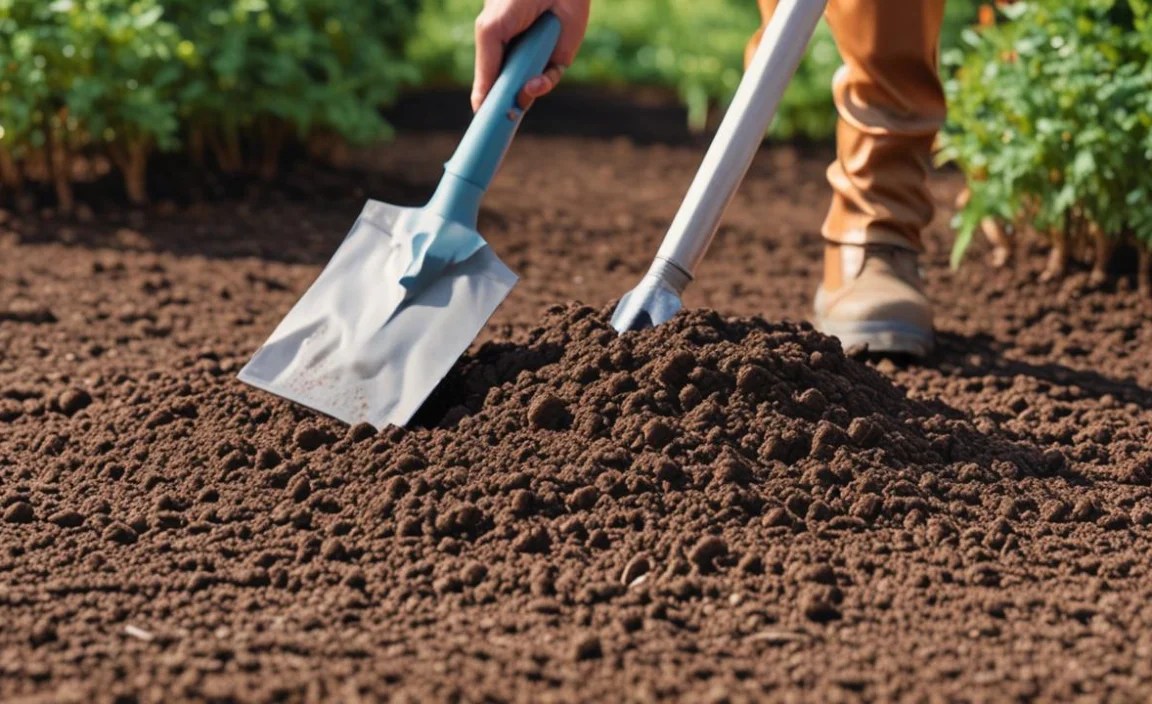
Before you start planting, it’s important to know what kind of soil you have. Soil isn’t just dirt. It’s a mix of tiny rocks, sand, clay, and organic matter. Organic matter is stuff like leaves and old plants that have broken down. There are three main types of soil. They are sandy, clay, and loam. Sandy soil feels gritty. Water drains through it very quickly. Clay soil feels sticky when wet. It holds water well but can get hard. Loam is the best of both worlds. It’s a mix of sand, clay, and silt. Silt is like sand, but the pieces are smaller. Loam is soft and holds water well. Knowing your soil helps you know how to prepare soil for gardening.
- Sandy soil is gritty and drains quickly.
- Clay soil is sticky and holds water.
- Loam soil is a mix of sand, clay, and silt.
- Good soil has organic matter in it.
- You need to know your soil type.
Think of your soil as a cake recipe. If you use too much flour, the cake will be dry. If you use too much sugar, it will be too sweet. Soil is the same way. If you have sandy soil, you might need to add things that hold water. If you have clay soil, you might need to add things that help it drain. Adding compost is a great way to improve any soil. Compost is like a superfood for your plants. It adds nutrients and helps the soil hold water. You can buy compost at a store or make your own. Making your own compost is a great way to recycle food scraps. This way, you are learning how to prepare soil for gardening, and helping the planet!
Fun Fact or Stat: Did you know that one teaspoon of healthy soil can contain more living organisms than there are people on Earth?
What is Sandy Soil?
Sandy soil is easy to spot. It feels gritty when you rub it between your fingers. It is made up of large particles. Water runs through it very quickly. This is because there are big spaces between the particles. Sandy soil can be hard for plants. The water and nutrients wash away fast. Plants don’t get enough time to soak them up. Adding organic matter helps sandy soil. Compost and manure are good choices. They help hold water and nutrients. This gives plants a better chance to grow. Improving sandy soil means your plants will be healthier. So, remember how to prepare soil for gardening if you have sandy soil.
What is Clay Soil?
Clay soil can be tricky. It feels sticky when it’s wet. It gets very hard when it’s dry. Clay soil has tiny particles. They pack together tightly. This means water doesn’t drain well. Plant roots can have a hard time growing through clay. Adding organic matter helps clay soil too. Compost, peat moss, and even sand can help. They loosen the soil and improve drainage. This makes it easier for roots to grow. Breaking up clay soil is important. It helps air and water get to the roots. Knowing how to prepare soil for gardening with clay is key.
What is Loam Soil?
Loam soil is the best kind. It’s a mix of sand, silt, and clay. It feels soft and crumbly. Loam holds water well. It also drains well. This means plants get the water they need. But their roots don’t get soggy. Loam has lots of nutrients. Plants love loam soil. Even loam can be improved. Adding compost is always a good idea. It adds even more nutrients. It also helps keep the soil healthy. If you have loam, you’re lucky! You are already one step ahead in learning how to prepare soil for gardening.
Testing Your Soil’s pH Level
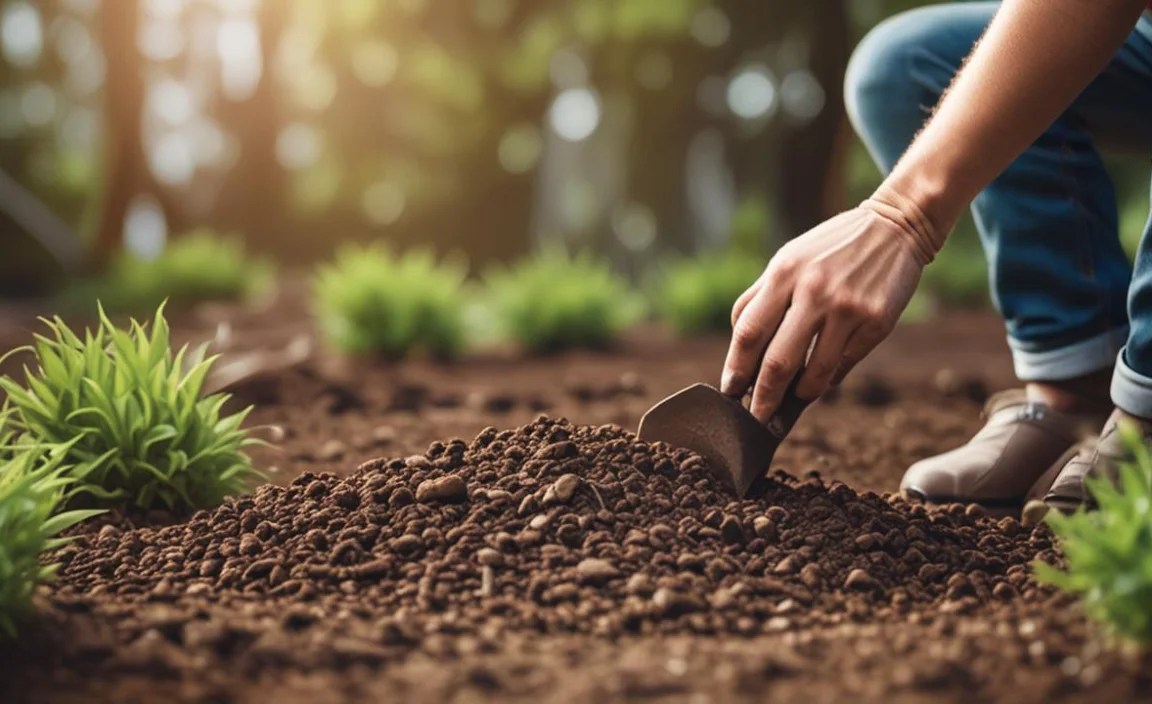
Soil pH is like a report card for your soil. It tells you how acidic or alkaline your soil is. pH is measured on a scale from 0 to 14. Seven is neutral. Numbers below 7 are acidic. Numbers above 7 are alkaline. Most plants like a pH between 6 and 7. This is slightly acidic. You can test your soil’s pH with a kit from a store. Or, you can send a sample to a lab. Knowing your soil’s pH helps you choose the right plants. Some plants like acidic soil. Blueberries and azaleas are examples. Other plants like alkaline soil. Lavender and clematis are examples. You can change your soil’s pH if you need to. Lime makes soil less acidic. Sulfur makes soil more acidic. So, knowing your pH is part of how to prepare soil for gardening.
- Soil pH measures acidity or alkalinity.
- The scale goes from 0 to 14.
- Most plants like a pH between 6 and 7.
- You can test pH with a kit or a lab.
- Lime makes soil less acidic.
- Sulfur makes soil more acidic.
Imagine your soil is like a glass of lemonade. If it’s too sour (acidic), you add sugar (lime). If it’s not sour enough (alkaline), you add lemon juice (sulfur). Plants are like people. They have different tastes. Some like sour lemonade, and some like sweet. You need to give them what they like. Testing your soil’s pH is like tasting the lemonade. It helps you know what to add to make it perfect for your plants. You can buy a simple soil test kit at most garden stores. Follow the instructions carefully. The kit will tell you your soil’s pH level. Remember that knowing this is key to learning how to prepare soil for gardening.
Fun Fact or Stat: The pH scale was invented in 1909 by Søren Peder Lauritz Sørensen, a Danish chemist.
Why is pH Important?
pH affects how plants take up nutrients. If the pH is too high or too low, plants can’t get what they need. It’s like trying to eat with a spoon that’s too big. You can’t get the food into your mouth. Plants need the right pH to eat properly. A good pH helps plants grow strong and healthy. Testing pH is a simple step. But it makes a big difference. It helps you avoid problems later on. This is why knowing how to prepare soil for gardening includes pH testing.
How to Test Your Soil
Testing your soil is easy. You can buy a kit at a garden store. Follow the instructions on the kit. Usually, you mix soil with water. Then, you add a chemical. The chemical changes color. The color tells you the pH. Some kits use a meter. The meter gives you a number. You can also send soil to a lab. The lab will test it for you. They will tell you the pH and other things. Testing your soil gives you important information. This information helps you grow healthy plants. This is a crucial part of how to prepare soil for gardening.
Adjusting Your Soil’s pH
If your soil’s pH is too high or too low, you can change it. To raise the pH, add lime. Lime makes the soil less acidic. To lower the pH, add sulfur. Sulfur makes the soil more acidic. You can buy lime and sulfur at a garden store. Follow the instructions on the package. It takes time for the pH to change. Test your soil again after a few weeks. Keep testing until you get the right pH. Adjusting pH is part of how to prepare soil for gardening. Remember, patience is important.
Adding Organic Matter to Your Soil

Organic matter is like a vitamin boost for your soil. It’s made of things that were once alive. This includes leaves, grass clippings, and food scraps. Organic matter does many good things for soil. It helps the soil hold water. It adds nutrients. It improves the soil’s structure. This means it makes the soil easier for roots to grow through. Compost is a great source of organic matter. You can buy compost or make your own. Manure is another good source. But, use aged manure. Fresh manure can burn plants. Adding organic matter is an important step. You’ll learn how to prepare soil for gardening by doing so.
- Organic matter comes from things that were alive.
- Compost is a great source of organic matter.
- Manure is another good source.
- Organic matter helps soil hold water.
- It also adds nutrients.
- Organic matter improves soil structure.
Imagine your soil is like a sandwich. The bread is the soil itself. The fillings are the organic matter. The fillings make the sandwich tasty and nutritious. Organic matter does the same thing for soil. It makes the soil tasty and nutritious for plants. You can add organic matter to your soil in many ways. You can spread compost on top of the soil. You can mix it in with a shovel. You can also use it as mulch. Mulch is a layer of material that covers the soil. Mulch helps keep the soil moist. It also keeps weeds from growing. So, remember that adding organic matter is how you how to prepare soil for gardening.
Fun Fact or Stat: Worms help create great organic matter! Their castings (poop) are full of nutrients that plants love.
What is Compost?
Compost is broken-down organic matter. It’s made from kitchen scraps and yard waste. You can compost leaves, grass, and vegetable peels. Compost adds nutrients to the soil. It also helps the soil hold water. Compost improves soil structure. It makes it easier for roots to grow. You can buy compost or make your own. Making your own compost is easy. You need a compost bin or pile. Add layers of green and brown materials. Green materials are things like grass clippings. Brown materials are things like leaves. Turn the pile regularly. This helps it break down faster. It takes a few months to make compost. But it’s worth the wait. Compost is great for your garden. It’s a key part of how to prepare soil for gardening.
Using Manure in Your Garden
Manure is animal poop. It’s a great source of nutrients for plants. But you can’t use fresh manure. It’s too strong and can burn plants. You need to use aged manure. Aged manure has been sitting for a while. This lets some of the nutrients break down. You can buy aged manure at a garden store. Or you can compost manure yourself. Mix it with other organic materials. Let it sit for several months. Manure adds nitrogen to the soil. Nitrogen helps plants grow green and leafy. Manure also adds other important nutrients. Use manure carefully. Too much can be harmful. But the right amount can do wonders. Learning how to prepare soil for gardening includes using manure wisely.
Other Sources of Organic Matter
Besides compost and manure, there are other sources of organic matter. Leaf mold is made from broken-down leaves. It’s great for improving soil structure. Grass clippings can be used as mulch. They add nitrogen to the soil. Straw and hay can also be used as mulch. They help keep the soil moist. Peat moss is another option. But it’s not as sustainable. Peat moss comes from bogs. Bogs are important ecosystems. So, it’s better to use other sources of organic matter if you can. Finding the right organic matter is key to how to prepare soil for gardening.
Tilling or Turning Over the Soil

Tilling is like giving your soil a makeover. It means turning over the soil with a shovel or a machine. Tilling helps loosen the soil. It breaks up clumps. It mixes in organic matter. Tilling can also help get rid of weeds. But, too much tilling can be bad. It can damage the soil’s structure. It can also kill helpful organisms in the soil. If your soil is already loose and healthy, you may not need to till. You can just add compost on top. This is called no-till gardening. It’s a good way to protect the soil. Whether you till or not, understanding your soil is key. This is essential to how to prepare soil for gardening.
| Method | Pros | Cons |
|---|---|---|
| Tilling | Loosens soil, mixes in organic matter, removes weeds. | Can damage soil structure, kill beneficial organisms, bring weed seeds to surface. |
| No-Till Gardening | Protects soil structure, preserves beneficial organisms, reduces weed growth. | May require more effort to add organic matter, may not be suitable for all soil types. |
| Double Digging | Improves drainage, aeration, and root penetration in compacted soils. | Labor-intensive, can disrupt soil structure if not done properly, not suitable for all gardens. |
| Sheet Mulching | Suppresses weeds, improves soil health, retains moisture. | Can take several months to decompose, may attract pests, not ideal for immediate planting. |
- Tilling loosens the soil.
- It breaks up clumps.
- It mixes in organic matter.
- Too much tilling can be bad.
- No-till gardening protects the soil.
- Consider your soil before tilling.
Imagine your soil is like a loaf of bread. Tilling is like kneading the dough. Kneading helps mix the ingredients. It also makes the bread lighter and fluffier. Tilling does the same thing for soil. It helps mix in the organic matter. It also makes the soil looser. But, too much kneading can make the bread tough. Too much tilling can damage the soil. So, be careful not to overdo it. If your soil is already good, you don’t need to till it much. Learning to balance tilling and no-till is part of how to prepare soil for gardening. Each technique has its place based on your soil type and needs.
Fun Fact or Stat: The oldest known farming tool is the ard, a simple plow, which dates back over 6,000 years!
When to Till Your Soil
The best time to till is in the spring or fall. Avoid tilling when the soil is wet. Wet soil can get compacted. Compaction makes it hard for roots to grow. Wait until the soil is dry enough to crumble. Then you can till without damaging it. Tilling in the spring helps prepare the soil for planting. Tilling in the fall helps break down organic matter. This makes the soil ready for the next spring. Knowing when to till is an important part of how to prepare soil for gardening. Timing is everything when it comes to soil health.
How to Till Your Soil
You can till your soil with a shovel or a tiller. A tiller is a machine that turns over the soil. If you’re using a shovel, dig down about 8-10 inches. Turn over the soil. Break up any clumps. Mix in organic matter. If you’re using a tiller, follow the instructions on the machine. Till to a depth of about 8-10 inches. Be careful not to till too deep. This can damage the soil. Always wear safety glasses when using a tiller. Knowing the right way to till is key to how to prepare soil for gardening.
No-Till Gardening Methods
No-till gardening is a way to grow plants without tilling. Instead of tilling, you add compost on top of the soil. You can also use mulch. Mulch helps keep the soil moist. It also keeps weeds from growing. No-till gardening is good for the soil. It protects the soil structure. It also preserves beneficial organisms. It can take some getting used to. But it’s a great way to garden. You can still have a healthy garden with no-till methods. Learning about these methods is a part of how to prepare soil for gardening. This is a great technique for gardeners.
Removing Rocks and Debris

Imagine trying to run a race with rocks in your shoes. It would be hard, right? Plants feel the same way when they try to grow in rocky soil. Rocks and debris can get in the way of roots. They can also make it hard for water and nutrients to reach the plants. So, it’s important to remove rocks and debris from your soil. This will give your plants a better chance to grow. Go through your garden bed. Pick out any rocks, sticks, or other debris. This simple step is a part of how to prepare soil for gardening.
- Rocks and debris get in the way of roots.
- They make it hard for water and nutrients to reach plants.
- Remove rocks, sticks, and other debris.
- This gives plants a better chance to grow.
- Use a garden fork to sift through the soil.
- Wear gloves to protect your hands.
Think of your soil as a playground. You want to make sure it’s safe for the kids to play on. You wouldn’t want them to trip over rocks or sticks. Plants are like kids playing in the soil. You want to make sure they have a smooth, safe place to grow. Removing rocks and debris is like cleaning up the playground. It makes it a better place for plants to grow and thrive. This simple step ensures that you know how to prepare soil for gardening effectively. A clean soil bed is a happy soil bed.
Fun Fact or Stat: Some gardeners use old screens or sieves to help them sift through the soil and remove rocks and debris quickly!
Why is This Step Important?
Removing rocks and debris is important for several reasons. First, it makes it easier for roots to grow. Roots need to be able to spread out and find water and nutrients. Rocks can block their path. Second, it improves drainage. Rocks can prevent water from draining properly. This can lead to soggy soil. Soggy soil can cause roots to rot. Third, it makes planting easier. It’s hard to dig holes in rocky soil. Removing rocks makes planting much easier. This simple process is a key part of how to prepare soil for gardening.
Tools for Removing Rocks
There are several tools you can use to remove rocks and debris. A garden fork is a good choice for sifting through the soil. It helps you separate the rocks from the soil. A shovel is useful for scooping up rocks and debris. A wheelbarrow can help you transport the rocks to another location. Wear gloves to protect your hands from sharp rocks. These tools can make the job easier. They help you effectively learn how to prepare soil for gardening.
What to Do With the Rocks
Once you’ve removed the rocks, what should you do with them? You can use them to build a rock garden. You can use them to create a border around your garden bed. You can also use them to fill in low spots in your yard. Or, you can simply dispose of them. Don’t throw them in the trash. Find a place where they can be used. Reusing the rocks is a great way to reduce waste. It’s also a creative part of how to prepare soil for gardening.
Improving Soil Drainage
Imagine your garden is like a bathtub. If the bathtub doesn’t drain, the water will overflow. The same thing happens in your garden. If the soil doesn’t drain well, the plants will drown. Proper drainage is important for healthy plants. Waterlogged soil can cause root rot. It can also prevent plants from getting the oxygen they need. There are several ways to improve soil drainage. Adding organic matter is one way. Tilling the soil is another. You can also create raised beds. Raised beds help water drain away from the plants. These solutions are important in learning how to prepare soil for gardening.
- Poor drainage can cause root rot.
- It can prevent plants from getting oxygen.
- Add organic matter to improve drainage.
- Till the soil to loosen it.
- Create raised beds for better drainage.
- Consider adding drainage pipes for severe problems.
Think of your soil as a sponge. A good sponge soaks up water. But it also lets the water drain out. Soil should do the same thing. It should hold enough water for the plants to use. But it should also let the extra water drain away. This keeps the roots from getting soggy. Improving soil drainage is like making sure the sponge works properly. It helps your plants get the water they need. It also keeps them from drowning. This is an essential step in learning how to prepare soil for gardening.
Fun Fact or Stat: Some plants, like cacti and succulents, prefer well-draining soil and can’t tolerate wet conditions!
Signs of Poor Drainage
How do you know if your soil has poor drainage? One sign is standing water. If you see water pooling on the surface of the soil after it rains, that’s a sign that the soil isn’t draining well. Another sign is yellowing leaves. Yellow leaves can be a sign of root rot. Root rot is caused by too much water. If you dig into the soil, it should be moist but not soggy. If it’s soggy, that’s a sign of poor drainage. Spotting these signs is your first step in learning how to prepare soil for gardening.
Creating Raised Beds
Raised beds are a great way to improve soil drainage. A raised bed is a garden bed that is built up above the ground. This allows water to drain away from the plants. You can build raised beds out of wood, stone, or other materials. Fill the beds with good quality soil. Make sure the soil is well-draining. Raised beds are also good for people with back problems. They make it easier to garden. Building raised beds is a good step in how to prepare soil for gardening.
Adding Drainage Pipes
If you have severe drainage problems, you may need to add drainage pipes. Drainage pipes are buried underground. They carry water away from the garden. You can install drainage pipes yourself. Or, you can hire a professional. This is a more complicated solution. But it can be very effective. Make sure to consider this when learning how to prepare soil for gardening.
Adding Nutrients and Fertilizers
Plants need food just like people do. They get their food from the soil. But sometimes, the soil doesn’t have enough nutrients. That’s when you need to add fertilizers. Fertilizers are like vitamins for plants. They provide the nutrients that plants need to grow strong and healthy. There are different types of fertilizers. Some are organic, and some are synthetic. Organic fertilizers are made from natural materials. Synthetic fertilizers are made in a factory. Both types can be effective. Choose the one that’s right for you. This choice is part of how to prepare soil for gardening.
- Plants need nutrients to grow.
- Fertilizers provide these nutrients.
- Organic fertilizers are made from natural materials.
- Synthetic fertilizers are made in a factory.
- Choose the right fertilizer for your plants.
- Follow the instructions carefully.
Imagine your soil is like a kitchen. The nutrients are like the ingredients for a recipe. Plants need different ingredients to grow. Some need more of one ingredient than another. Fertilizers are like adding the right amount of each ingredient. They help plants make a delicious meal for themselves. Adding nutrients is a key part of how to prepare soil for gardening. You want to make sure your plants have everything they need to thrive. Providing the right nutrients ensures a healthy and productive garden.
Fun Fact or Stat: The three main nutrients that plants need are nitrogen (N), phosphorus (P), and potassium (K). They are often listed as N-P-K on fertilizer labels!
Types of Fertilizers
There are many different types of fertilizers. Some fertilizers are slow-release. They release nutrients slowly over time. Other fertilizers are fast-release. They release nutrients quickly. Compost and manure are examples of organic fertilizers. They release nutrients slowly. Synthetic fertilizers are usually fast-release. Choose the right fertilizer for your plants and your soil. Different plants need different amounts of nutrients. Understanding fertilizer types is crucial in how to prepare soil for gardening.
How to Apply Fertilizers
It’s important to apply fertilizers correctly. Too much fertilizer can be harmful to plants. Follow the instructions on the fertilizer package. Usually, you sprinkle the fertilizer around the base of the plant. Then, water it in. This helps the nutrients get to the roots. Be careful not to get fertilizer on the leaves. This can burn them. Proper application is key to how to prepare soil for gardening.
Natural Ways to Add Nutrients
Besides fertilizers, there are other ways to add nutrients to your soil. Cover crops are plants that you grow to improve the soil. They add organic matter and nutrients. Green manure is a cover crop that you till into the soil. This adds a lot of nutrients. Worm castings are another great source of nutrients. They are worm poop! Worms break down organic matter. Their castings are full of nutrients. These natural methods are a great part of how to prepare soil for gardening.
Summary
Preparing soil for gardening involves several key steps. First, you need to understand your soil type. Is it sandy, clay, or loam? Each type needs different care. Next, test your soil’s pH level. Most plants like a pH between 6 and 7. Add lime or sulfur to adjust the pH. Then, add organic matter. Compost and manure are great choices. Tilling or turning over the soil can help loosen it. But, don’t overdo it. Remove rocks and debris. This makes it easier for roots to grow. Improve soil drainage. Waterlogged soil can cause root rot. Finally, add nutrients and fertilizers. This gives your plants the food they need. By following these steps, you’ll know how to prepare soil for gardening.
Conclusion
Learning how to prepare soil for gardening is a rewarding process. It helps you grow healthy plants. Good soil is the foundation of a successful garden. By understanding your soil, you can give your plants the best possible start. Remember to test your soil, add organic matter, and remove rocks. With a little effort, you can create the perfect growing environment. Happy gardening!
Frequently Asked Questions
Question No 1: Why is it important to prepare the soil before planting?
Answer: Preparing the soil is super important because it gives your plants the best chance to grow strong and healthy. Think of it like making a comfy bed for the plants’ roots! When you prepare the soil, you’re making sure it has all the good stuff plants need, like water, air, and food. This helps the roots grow easily and keeps the plants happy. Learning how to prepare soil for gardening is the first step to a successful garden.
Question No 2: How do I know what type of soil I have?
Answer: Figuring out your soil type is like being a soil detective! You can do a simple test by grabbing a handful of moist soil and squeezing it. If it feels gritty and falls apart easily, it’s sandy soil. If it feels sticky and forms a ball that’s hard to break, it’s clay soil. If it feels smooth and forms a ball that crumbles easily, it’s loam soil, which is the best kind! Knowing your soil type is important in how to prepare soil for gardening so you can add the right things to make it better.
Question No 3: What is compost, and why should I add it to my garden?
Answer: Compost is like a superhero for your garden! It’s made from old food scraps and yard waste that have broken down into a dark, crumbly material. Adding compost to your garden is like giving your plants a super-powered vitamin boost. It helps the soil hold water, adds important nutrients, and makes it easier for roots to grow. You can buy compost at a store or make your own in a compost bin. Using compost is a great way to enrich the soil and is an important aspect of how to prepare soil for gardening.
Question No 4: What does it mean to test the soil’s pH level?
Answer: Testing your soil’s pH level is like checking if your lemonade is too sour or too sweet. pH measures how acidic or alkaline your soil is. Most plants like a pH between 6 and 7. If your soil is too acidic, you can add lime to make it less acidic. If it’s too alkaline, you can add sulfur to make it more acidic. You can buy a soil test kit at a garden store to easily check your soil’s pH. Testing pH is a key part of knowing how to prepare soil for gardening.
Question No 5: What are some natural ways to improve soil drainage?
Answer: If your soil is like a bathtub that doesn’t drain, there are some natural ways to fix it! One way is to add organic matter like compost or manure. This helps the soil hold water but also lets extra water drain away. Another way is to till the soil, which loosens it up and creates more space for water to move through. You can also create raised beds, which are garden beds built up above the ground to help water drain away from the plants. Better drainage is a crucial step in how to prepare soil for gardening.
Question No 6: Can I use fertilizer in my garden, and if so, what kind should I use?
Answer: Yes, you can definitely use fertilizer in your garden! Fertilizer is like giving your plants a yummy meal to help them grow big and strong. There are two main types of fertilizer: organic and synthetic. Organic fertilizers are made from natural materials like compost and manure. Synthetic fertilizers are made in a factory. Both types can be good, but organic fertilizers release nutrients slowly, which is often better for plants. Follow the instructions on the fertilizer package to know how to prepare soil for gardening and how much to use.
