Do you have wood outside? Does it get wet from rain? Does the sun beat down on it? Wood can rot if you don’t protect it. You need to know how to seal wood for outdoors. Let’s find out how to keep your wood safe!
Key Takeaways
- Sealing wood protects it from water, sun, and bugs outside.
- Clean the wood well before you seal it for the best results.
- Choose the right sealant for your project and the type of wood.
- Apply sealant evenly, using multiple thin coats instead of one thick one.
- Knowing how to seal wood for outdoors will keep it looking great for years.
Why Sealing Wood Matters Outdoors

Wood outside faces many dangers. Rain soaks into the wood. This can make it rot. The sun fades the color. It can also make the wood crack. Bugs like to eat wood. All of these things can ruin your wood projects. Sealing the wood helps to stop these problems. When you seal wood, you give it a shield. This shield keeps out water. It blocks the sun’s harmful rays. Sealant also stops bugs from getting inside. Taking the time to seal wood helps it last longer. This means you can enjoy your outdoor furniture and projects for many years. It also saves you money. You won’t have to replace the wood so soon.
- Sealing wood protects it from rain.
- It also stops the sun from fading the color.
- Bugs cannot eat the wood if it is sealed.
- Sealing makes your wood last longer.
- It saves you money in the long run.
Think of sealing wood like giving it a raincoat. When you wear a raincoat, you stay dry in the rain. Sealant does the same thing for wood. It keeps the water out. The sealant also protects the wood from the sun. It’s like sunscreen for wood. Just like you put on sunscreen to protect your skin, sealant protects the wood. This helps to keep the color from fading. It also stops the wood from cracking. Sealing wood is a simple thing you can do to help your outdoor projects last. You will enjoy your projects for a long time. You will also save money because you won’t need to replace them as often. Make sure to always seal your outdoor wood!
Fun Fact or Stat: Untreated wood can start to rot in as little as one year outdoors, while sealed wood can last for 10 years or more!
What Happens Without Sealing?
Have you ever left a piece of bread out in the rain? It gets soggy and falls apart. Wood is similar. When wood is not sealed, water gets inside. This makes the wood soft. It also makes it rot. Rotting wood is weak and can break easily. The sun also hurts unsealed wood. The sun’s rays can fade the color. The wood can also crack. This makes it look old and worn. Bugs also love unsealed wood. They eat the wood and make holes. This weakens the wood even more. All of these things can happen if you don’t seal your wood. Sealing wood is like giving it a superhero shield. It protects the wood from all the bad things outside.
How Does Sealing Protect Wood?
Sealing wood creates a barrier. This barrier keeps water out. It also blocks the sun’s rays. Sealant also makes it hard for bugs to eat the wood. The sealant fills in the tiny holes in the wood. This stops water from getting inside. The sealant also has special chemicals. These chemicals block the sun’s harmful rays. Some sealants also have bug repellent. This keeps bugs away from the wood. When you seal wood, you are giving it the best chance to survive outside. You can use different types of sealants. Some are better for water. Others are better for sun. Choose the right sealant for your project. This will give you the best protection. Remember to always seal your outdoor wood!
Choosing the Right Sealant Matters
Not all sealants are the same. Some are made for different types of wood. Some are made for different weather conditions. If you choose the wrong sealant, it might not work well. For example, if you use a sealant that is not waterproof, water will still get into the wood. This can cause rot. If you use a sealant that is not UV resistant, the sun will still fade the color. It is important to read the labels on the sealants. Find one that is made for your type of wood. Also, find one that is made for outdoor use. This will give you the best protection. Ask someone at the store for help if you are not sure. They can help you choose the right sealant for your project. This is an important step in sealing wood for outdoor use.
Picking the Right Type of Sealant

There are many types of wood sealants. Some common types include varnish, polyurethane, and oil-based sealants. Each has different strengths. Varnish is good for a hard, protective finish. It is often used on boats. Polyurethane is very durable. It resists scratches and water damage. Oil-based sealants soak into the wood. They provide good protection from water. The best choice depends on your project. Consider where the wood will be. Think about the weather it will face. If the wood will get a lot of water, choose a waterproof sealant. If it will be in the sun, choose a UV-resistant sealant. Reading the labels helps you pick the right one. Talk to someone at the store if you need help. This will help you choose the best wood sealant for outdoor projects.
- Varnish gives a hard, protective finish.
- Polyurethane is durable and resists scratches.
- Oil-based sealants soak into the wood.
- Choose a waterproof sealant for wet areas.
- Choose a UV-resistant sealant for sunny spots.
Imagine you are picking out clothes for a rainy day. You wouldn’t wear a t-shirt and shorts, would you? You would wear a raincoat and boots. Picking the right sealant is like picking the right clothes for the weather. You need to choose the sealant that will best protect your wood from the elements. Varnish is like a strong, shiny coat. It protects the wood from scratches and bumps. Polyurethane is like a tough, waterproof jacket. It keeps the water out and protects the wood from damage. Oil-based sealants are like a moisturizing lotion. They soak into the wood and keep it from drying out. By choosing the right sealant, you can make sure your wood stays protected and looks great for years to come. Always think carefully about which product to use when considering how to seal wood for outdoors.
Fun Fact or Stat: Polyurethane sealants were originally developed for use in World War II to protect aircraft parts!
Varnish: A Hard, Protective Finish
Varnish is a popular choice for sealing wood. It creates a hard, shiny finish. This finish protects the wood from scratches and bumps. Varnish is often used on furniture and boats. It is very durable and can last for many years. However, varnish can be tricky to apply. It can drip and create bubbles. It is important to apply it in thin coats. This will help to prevent these problems. Varnish also takes a long time to dry. You need to be patient and let it dry completely before using the wood. Despite these challenges, varnish is a great choice for projects that need a strong, protective finish. It is important to choose a varnish that is made for outdoor use. This will ensure that it can withstand the elements. If you want a shiny, durable finish, varnish is a good choice for sealing wood outdoors.
Polyurethane: Durable and Water-Resistant
Polyurethane is another popular choice for sealing wood. It is known for being very durable and water-resistant. This makes it a good choice for outdoor projects that will be exposed to the elements. Polyurethane is also resistant to scratches and bumps. This makes it a good choice for furniture that will be used a lot. It is easy to apply. You can use a brush or a sprayer. It also dries quickly. You don’t have to wait as long as you do with varnish. However, polyurethane can be expensive. It is also not as shiny as varnish. If you need a durable, water-resistant finish, polyurethane is a good choice. It is a great way to seal wood for the outdoors. Make sure to follow the instructions on the can for best results.
Oil-Based Sealants: Deep Penetration and Protection
Oil-based sealants are different from varnish and polyurethane. They soak into the wood instead of sitting on top. This provides deep protection from water and other elements. Oil-based sealants are often used on decks and fences. They help to prevent the wood from rotting. They also help to keep the wood from drying out and cracking. Oil-based sealants are easy to apply. You can use a brush or a rag. They also don’t create a shiny finish. They give the wood a natural look. However, oil-based sealants can take a long time to dry. They also need to be reapplied more often than varnish or polyurethane. If you want deep protection and a natural look, oil-based sealants are a good choice. They are a good way to seal wood for outdoor use. Just be patient and let them dry completely.
Preparing Wood Before Sealing
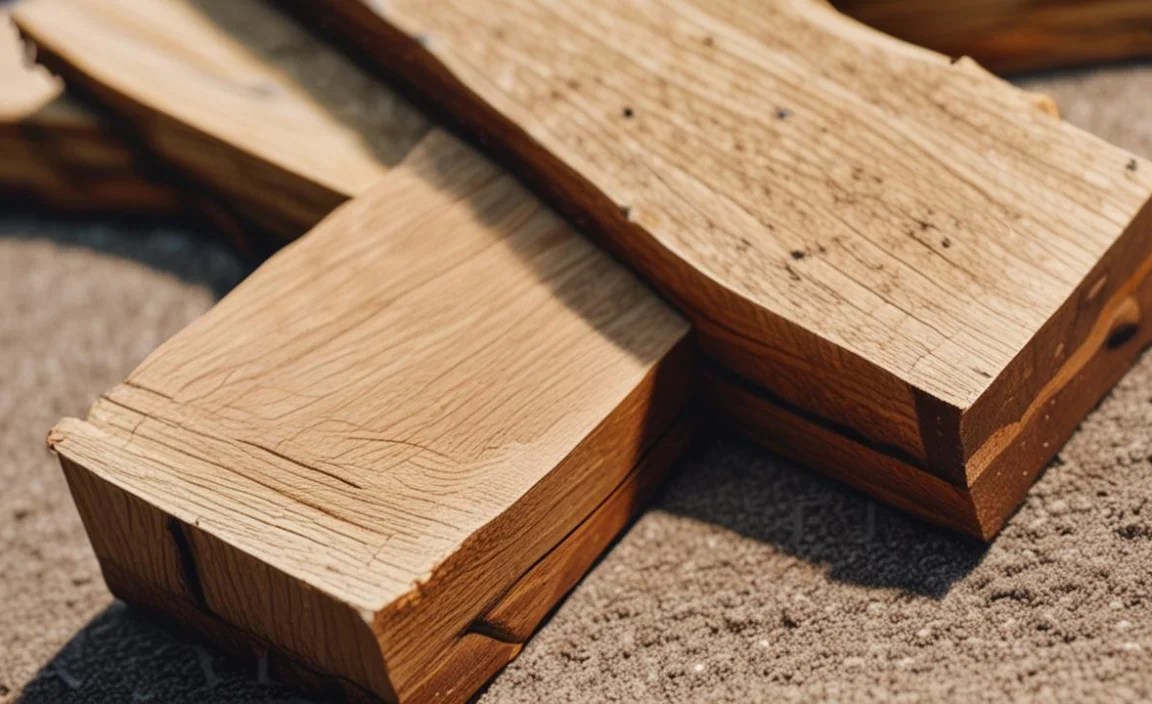
Before you seal wood, you must prepare it. This means cleaning the wood. Remove any dirt or old finish. Use soap and water to wash the wood. Then, rinse it well and let it dry. If there is old finish, you might need to sand it off. Use sandpaper to smooth the surface. Start with rough sandpaper. Then, use finer sandpaper. This will make the wood smooth. After sanding, wipe off the dust. Use a clean cloth. Make sure the wood is completely dry before you start sealing. This will help the sealant stick to the wood better. Preparing the wood is an important step. It will help your sealant last longer. It ensures a good, protective finish. Always clean and sand before you consider how to seal wood for outdoors.
- Clean the wood with soap and water.
- Remove any old finish with sandpaper.
- Start with rough sandpaper, then use finer sandpaper.
- Wipe off all dust with a clean cloth.
- Make sure the wood is completely dry.
Imagine you are painting a picture. You wouldn’t paint on a dirty canvas, would you? You would clean the canvas first. This helps the paint stick better and makes the colors look brighter. Preparing wood before sealing is like cleaning the canvas. You need to remove any dirt, old finish, or rough spots. This helps the sealant stick better and protects the wood more effectively. Sanding the wood smooths the surface. It also helps the sealant penetrate deeper. By taking the time to prepare the wood properly, you can ensure that your sealant will last longer and provide the best possible protection. It’s a crucial step in how to seal wood for outdoors, ensuring longevity and beauty.
Fun Fact or Stat: Sanding wood not only smooths it but also opens the wood pores, allowing sealant to penetrate deeper for better protection!
Cleaning: Removing Dirt and Debris
Cleaning the wood is the first step in preparing it for sealing. Dirt and debris can prevent the sealant from sticking properly. This can lead to a weak finish that doesn’t protect the wood well. Use soap and water to wash the wood thoroughly. You can use a scrub brush to help remove stubborn dirt. Rinse the wood well to remove any soap residue. Let the wood dry completely before moving on to the next step. This is very important. If the wood is wet, the sealant will not stick properly. Cleaning the wood is a simple step, but it is very important for a good finish. It ensures that the sealant will protect the wood from the elements. Always start with a clean surface when you seal wood for outdoor use.
Sanding: Smoothing the Surface
Sanding the wood is the next step in preparing it for sealing. Sanding smooths the surface and removes any rough spots. This helps the sealant stick better and creates a more even finish. Start with rough sandpaper to remove any major imperfections. Then, use finer sandpaper to smooth the surface. Sand in the direction of the wood grain. This will help to prevent scratches. After sanding, wipe off all the dust with a clean cloth. This is very important. Dust can prevent the sealant from sticking properly. Sanding the wood is a bit of work, but it is worth it for a smooth, even finish. It is an important part of how to seal wood for outdoor use.
Drying: Ensuring Proper Adhesion
Drying the wood completely is the final step in preparing it for sealing. If the wood is wet, the sealant will not stick properly. This can lead to a weak finish that doesn’t protect the wood well. Let the wood dry for at least 24 hours. You can use a fan to help speed up the drying process. Make sure the wood is completely dry before you start sealing. This will ensure that the sealant will stick properly and protect the wood from the elements. Drying the wood is a simple step, but it is very important for a good finish. It’s a key element in knowing how to seal wood for outdoors effectively. Always be patient and let the wood dry completely.
How to Apply Wood Sealant Correctly

Applying wood sealant the right way is key. Use a brush, roller, or sprayer. Follow the sealant’s directions. Apply thin, even coats. Let each coat dry fully. This might take a few hours. Don’t rush. More thin coats are better than one thick coat. Thick coats can drip or bubble. They might not dry right. Overlap each stroke slightly. This makes sure you cover everything. Check for drips as you go. Smooth them out with your brush. If you spray, hold the sprayer steady. Keep it about 6-8 inches from the wood. Move it evenly. This avoids drips. With care, your wood will look great and last long. Proper application is essential when considering how to seal wood for outdoors.
- Use thin, even coats of sealant.
- Let each coat dry completely.
- Overlap each stroke slightly for full coverage.
- Check for and smooth out any drips.
- Hold sprayers steady and at the right distance.
- Follow the sealant’s instructions carefully.
Think of applying sealant like frosting a cake. You wouldn’t dump all the frosting on at once, would you? You would spread it on in thin, even layers. This makes the cake look nice and taste good. Applying sealant is the same. Thin coats dry better and look better. They also protect the wood more evenly. Rushing the job can lead to drips and bubbles. This makes the wood look messy and reduces the protection. Taking your time and applying the sealant carefully will give you the best results. It’s a critical part of how to seal wood for outdoors, ensuring both beauty and durability.
Fun Fact or Stat: Applying multiple thin coats of sealant can provide up to 50% better protection than one thick coat!
Brushing: Achieving an Even Coat
Brushing is a common way to apply wood sealant. It allows you to control the thickness of the coat. Use a good quality brush. This will help you apply the sealant evenly. Dip the brush into the sealant. Don’t overload it. Tap off any excess. Apply the sealant in long, even strokes. Overlap each stroke slightly. This will ensure full coverage. Check for drips as you go. Smooth them out with your brush. Let each coat dry completely before applying the next. Brushing takes time, but it can give you a very nice finish. It’s a reliable method for how to seal wood for outdoors, providing control and precision.
Rolling: Covering Large Areas Quickly
Rolling is a good way to apply sealant to large areas. It is faster than brushing. Use a roller designed for the type of sealant you are using. Dip the roller into the sealant. Roll off any excess on a tray. Apply the sealant in even strokes. Overlap each stroke slightly. This will ensure full coverage. Check for drips as you go. Smooth them out with a brush. Rolling can be a quick and easy way to seal wood. It’s especially useful for large surfaces when you want to know how to seal wood for outdoors efficiently.
Spraying: A Smooth, Professional Finish
Spraying is another way to apply wood sealant. It can give you a very smooth, professional finish. Use a sprayer designed for the type of sealant you are using. Follow the manufacturer’s instructions carefully. Hold the sprayer about 6-8 inches from the wood. Move it in even strokes. Overlap each stroke slightly. This will ensure full coverage. Avoid spraying too much sealant in one area. This can cause drips. Spraying can be a quick and easy way to seal wood. It provides a smooth finish, which is important when learning how to seal wood for outdoors with a professional touch.
Maintaining Sealed Wood for Longevity

Sealed wood needs care to last long. Clean it often with soap and water. This removes dirt that can harm the finish. Check the sealant yearly. Look for cracks or peeling. If you see damage, fix it fast. Lightly sand the area. Then add a new coat of sealant. This keeps water out. Protect the wood from sharp things. Scratches can let water in. Use mats under pots. Keep furniture feet covered. Store wood items inside in winter. This stops damage from snow and ice. These steps help sealed wood stay strong and look good. Regular maintenance is key when learning how to seal wood for outdoors properly.
- Clean sealed wood often with soap and water.
- Check the sealant yearly for damage.
- Fix any cracks or peeling quickly.
- Protect the wood from scratches.
- Store wood items inside in winter.
Imagine your sealed wood is a car. You wouldn’t just drive it and never wash it or get it serviced, would you? You would wash it regularly to keep it looking nice. You would also get it serviced to make sure it runs well. Maintaining sealed wood is the same. You need to clean it regularly to remove dirt and grime. You also need to check the sealant for damage and fix it quickly. This will help your sealed wood last longer and look better. Regular care is essential when considering how to seal wood for outdoors, ensuring its beauty and durability over time.
Fun Fact or Stat: Regular cleaning and maintenance can extend the life of sealed wood by up to 50%!
Regular Cleaning: Removing Harmful Dirt
Regular cleaning is important for maintaining sealed wood. Dirt and grime can build up on the surface. This can damage the sealant and reduce its effectiveness. Clean the wood often with soap and water. Use a mild soap and a soft cloth. Rinse the wood well and let it dry. Avoid using harsh chemicals or abrasive cleaners. These can damage the sealant. Regular cleaning will help to keep your sealed wood looking its best. It also helps to protect it from the elements. Cleanliness is a crucial aspect of knowing how to seal wood for outdoors and keep it looking great.
Yearly Inspections: Spotting Damage Early
Yearly inspections are also important for maintaining sealed wood. Check the sealant for cracks or peeling. Look for any signs of damage. If you find any damage, fix it quickly. Lightly sand the area and apply a new coat of sealant. This will help to keep water out and protect the wood. Ignoring damage can lead to bigger problems down the road. Regular inspections will help you spot problems early and fix them before they become too serious. Early detection is key when considering how to seal wood for outdoors and ensuring its longevity.
Seasonal Storage: Protecting from Harsh Weather
Seasonal storage can also help to extend the life of sealed wood. Store wood items inside during the winter months. This will protect them from snow and ice. These elements can damage the sealant and the wood itself. If you can’t store the items inside, cover them with a tarp. This will help to protect them from the elements. Seasonal storage is a simple way to protect your sealed wood. It will help it last longer and look better. Protecting your items from the elements is part of knowing how to seal wood for outdoors effectively.
Troubleshooting Common Sealing Issues
Sometimes, things go wrong when sealing wood. Drips can happen. This is when the sealant runs down the wood. Bubbles can form. These are small air pockets in the sealant. Cracking can occur. This is when the sealant splits. To fix drips, sand them smooth. Then apply another thin coat. For bubbles, pop them with a pin. Then, apply another thin coat. If the sealant is cracking, you may need to remove it. Sand the wood smooth. Then, apply a new coat of sealant. Prevent problems by using thin coats. Let each coat dry fully. Avoid sealing in direct sunlight. These tips help with smooth, lasting finishes. Fixing issues promptly is key when learning how to seal wood for outdoors perfectly.
- Sand drips smooth and apply another coat.
- Pop bubbles with a pin and apply another coat.
- Remove cracked sealant, sand, and reseal.
- Use thin coats to prevent problems.
- Let each coat dry fully before the next.
- Avoid sealing in direct sunlight.
Imagine you are baking a cake. Sometimes, the cake doesn’t rise properly. Or, it might burn on the edges. You don’t just throw the cake away, do you? You try to fix it. You might trim off the burnt edges or add more frosting to cover up the imperfections. Troubleshooting sealing issues is the same. You might encounter drips, bubbles, or cracks. But, you can fix these problems with a little bit of effort. Sanding, popping bubbles, or removing old sealant can help you achieve a smooth, lasting finish. Being prepared to fix any problems is crucial when considering how to seal wood for outdoors.
Fun Fact or Stat: Most sealing issues can be prevented by simply applying thinner coats and allowing proper drying time!
Drips: Preventing and Correcting Runs
Drips are a common problem when sealing wood. They happen when too much sealant is applied in one area. The sealant runs down the wood, creating an uneven finish. To prevent drips, apply thin, even coats. Don’t overload your brush or roller. If you do get drips, don’t panic. Let the sealant dry completely. Then, sand the drips smooth with fine sandpaper. Wipe off the dust and apply another thin coat of sealant. This will help to blend the area and create a smooth finish. Correcting drips is an important part of knowing how to seal wood for outdoors effectively.
Bubbles: Eliminating Air Pockets
Bubbles are another common problem when sealing wood. They are small air pockets that form in the sealant. Bubbles can be caused by applying the sealant too quickly. They can also be caused by shaking the sealant too vigorously. To prevent bubbles, apply the sealant slowly and carefully. Avoid shaking the sealant. If you do get bubbles, pop them with a pin or a small brush. Then, apply another thin coat of sealant. This will help to fill in the area and create a smooth finish. Bubble-free application is essential when learning how to seal wood for outdoors perfectly.
Cracking: Addressing Splits in the Sealant
Cracking is a more serious problem than drips or bubbles. It happens when the sealant splits or cracks. This can be caused by using the wrong type of sealant. It can also be caused by applying the sealant too thickly. If the sealant is cracking, you may need to remove it completely. Use a scraper or sandpaper to remove the old sealant. Sand the wood smooth and wipe off the dust. Then, apply a new coat of sealant. Choose a sealant that is designed for outdoor use. Apply it in thin, even coats. Addressing cracks promptly is key when considering how to seal wood for outdoors, ensuring long-term protection.
Comparing Different Outdoor Wood Sealants
Choosing the right sealant can be hard. Many types exist. Each has pros and cons. Varnish is tough but can crack. Polyurethane is strong and water-safe. Oil-based sealants soak deep but need redoing. Water-based options are easy to use and clean. Spar varnish is best for boats. It handles water well. Consider your project. Think about the weather. Check the table below for a simple guide. This can help you choose the best sealant. Making the right choice is important when learning how to seal wood for outdoors effectively.
| Sealant Type | Pros | Cons | Best Use |
|---|---|---|---|
| Varnish | Tough, shiny finish | Can crack, tricky to apply | Furniture, boats |
| Polyurethane | Strong, water-safe, durable | Can be expensive | Outdoor furniture, decks |
| Oil-Based | Soaks deep, natural look | Needs redoing often | Decks, fences |
| Water-Based | Easy to use, easy cleanup | Not as durable as others | General outdoor projects |
| Spar Varnish | Very water-safe, flexible | Can be expensive | Boats, marine use |
- Varnish is tough but can crack easily.
- Polyurethane is strong and water-resistant.
- Oil-based sealants soak deep into the wood.
- Water-based options are easy to use and clean.
- Spar varnish is best for boats due to its flexibility.
Think of choosing a sealant like choosing a car. You wouldn’t choose a small car for a big family, would you? You would choose a car that is the right size and has the right features for your needs. Choosing a sealant is the same. You need to choose a sealant that is the right type and has the right properties for your project. Varnish is like a luxury car. It looks great but needs special care. Polyurethane is like a reliable SUV. It’s strong and can handle tough conditions. Oil-based sealants are like a classic truck. They’re simple and get the job done. By choosing the right sealant, you can ensure that your wood is protected and looks its best for years to come. Consider this when you think about how to seal wood for outdoors.
Fun Fact or Stat: Spar varnish, originally designed for ships’ masts, remains one of the most water-resistant sealants available!
Varnish vs. Polyurethane: Which is Better?
Varnish and polyurethane are both popular sealants. But, they have different strengths. Varnish gives a hard, shiny finish. It is good for furniture and boats. Polyurethane is strong and water-safe. It is good for outdoor furniture and decks. Varnish can crack more easily than polyurethane. Polyurethane can be more expensive than varnish. The best choice depends on your project. If you want a shiny finish, choose varnish. If you need strong protection, choose polyurethane. Knowing the differences will help when learning how to seal wood for outdoors effectively.
Oil-Based vs. Water-Based: Making the Right Choice
Oil-based and water-based sealants are also different. Oil-based sealants soak deep into the wood. They give a natural look. But, they need redoing more often. Water-based sealants are easy to use and clean. But, they are not as durable as oil-based sealants. Oil-based sealants can take longer to dry than water-based sealants. The best choice depends on your needs. If you want a natural look and are willing to reapply often, choose oil-based. If you want easy use and quick drying, choose water-based. Consider your project and preferences when thinking about how to seal wood for outdoors.
Spar Varnish: Best for Marine Applications
Spar varnish is a special type of varnish. It is designed for marine applications. This means it is very water-safe. It is also flexible. This allows it to handle the movement of boats. Spar varnish is more expensive than other types of varnish. But, it is the best choice for boats and other marine projects. If you are sealing wood that will be exposed to a lot of water, choose spar varnish. It is a good product when you need to know how to seal wood for outdoors in marine environments.
Summary
Sealing wood for outdoor use is very important. It protects the wood from water, sun, and bugs. This helps the wood last longer and look better. There are many types of sealants to choose from. Varnish, polyurethane, and oil-based sealants are all popular choices. Each has different strengths and weaknesses. Preparing the wood properly is also important. Clean the wood and sand it smooth. Make sure the wood is completely dry before sealing. Apply the sealant in thin, even coats. Let each coat dry completely. With proper care, your sealed wood will last for many years. Taking the time to learn how to seal wood for outdoors will ensure that your projects remain beautiful.
Conclusion
Sealing wood is a simple way to protect your outdoor projects. It keeps them safe from the elements. It also helps them look great for years. Choose the right sealant for your project. Prepare the wood carefully. Apply the sealant properly. Then, enjoy your beautiful, protected wood! Knowing how to seal wood for outdoors is a valuable skill that will save you time and money.
Frequently Asked Questions
Question No 1: Why is it important to seal wood for outdoor use?
Answer: Sealing wood for outdoor use is very important. It protects the wood from the elements. Rain, sun, and bugs can damage wood. Water can cause the wood to rot. The sun can fade the color and cause it to crack. Bugs can eat the wood and weaken it. Sealing the wood creates a barrier. This barrier keeps out water, blocks the sun’s rays, and repels bugs. This helps the wood last longer and look better. Knowing how to seal wood for outdoors ensures the longevity of your projects.
Question No 2: What are the different types of sealants I can use for outdoor wood?
Answer: There are many types of sealants you can use for outdoor wood. Some popular choices include varnish, polyurethane, and oil-based sealants. Varnish gives a hard, shiny finish. It is often used on furniture and boats. Polyurethane is very durable and water-resistant. It is a good choice for outdoor furniture and decks. Oil-based sealants soak into the wood. They provide good protection from water. Each sealant has different strengths and weaknesses. Choose the one that is best for your project. Consider the weather conditions and the type of wood you are using. Understanding these differences is key in learning how to seal wood for outdoors effectively.
Question No 3: How do I prepare wood before sealing it?
Answer: Preparing wood before sealing it is important for a good finish. First, clean the wood with soap and water. Remove any dirt or debris. Then, sand the wood smooth with sandpaper. Start with rough sandpaper. Then, use finer sandpaper. This will help the sealant stick better. After sanding, wipe off all the dust with a clean cloth. Make sure the wood is completely dry before you start sealing. This will help the sealant adhere properly and provide the best protection. This preparation is a crucial step in how to seal wood for outdoors, ensuring the sealant works effectively.
Question No 4: How often should I reapply sealant to outdoor wood?
Answer: How often you need to reapply sealant depends on the type of sealant. It also depends on the weather conditions. Oil-based sealants may need to be reapplied every year or two. Varnish and polyurethane can last longer. Check the sealant yearly for cracks or peeling. If you see any damage, fix it quickly. Lightly sand the area and apply a new coat of sealant. This will help to keep the wood protected. Regular maintenance is key to keeping your wood looking its best. Knowing when and how to seal wood for outdoors again is crucial for long-term protection.
Question No 5: Can I use any type of sealant for outdoor wood?
Answer: No, you cannot use any type of sealant for outdoor wood. You need to choose a sealant that is designed for outdoor use. These sealants are formulated to withstand the elements. They are also designed to protect the wood from water, sun, and bugs. Using the wrong type of sealant can lead to problems. The sealant may not stick properly. It may also crack or peel. Always read the label carefully before you buy a sealant. Make sure it is designed for outdoor use. Choosing the right product is essential when learning how to seal wood for outdoors.
Question No 6: What are some common problems I might encounter when sealing wood?
Answer: You might encounter several problems when sealing wood. Drips can happen if you apply too much sealant. Bubbles can form if you shake the sealant too much. Cracking can occur if the sealant dries out. To prevent these problems, apply thin, even coats of sealant. Let each coat dry completely before applying the next. Avoid sealing in direct sunlight. If you do encounter problems, don’t panic. You can usually fix them with a little bit of sanding and another coat of sealant. Troubleshooting is part of how to seal wood for outdoors successfully.
