Do you have a cat? Do you ever wonder if your home is too hot or cold for them? Cats are furry, but they can still get uncomfortable. The ideal indoor temperature cats need is important for their health. Let’s find out what temperature makes your kitty happy!
Cats can’t tell us when they are too hot or cold. It is up to us to keep them safe. We need to learn about the best temperature for our furry friends. This will help them live long, happy lives.
Having a cat is a big responsibility. Making sure they are comfy is part of that. The right temperature can help them relax and play. Let’s explore how to keep your cat cozy!
Key Takeaways
- The ideal indoor temperature cats prefer is usually between 68°F and 78°F (20°C and 26°C).
- Watch for signs like shivering or panting to know if your cat is too cold or hot.
- Adjust your thermostat to keep your home comfortable for both you and your cat.
- Provide extra blankets or cooling mats to help your cat regulate their temperature.
- Regular vet checkups can help identify any temperature-related health issues early.
Ideal Temperature Range for Cats Indoors

What’s the perfect temperature for your purrfect pal? Cats are sensitive to temperature changes. The ideal indoor temperature cats enjoy is similar to what humans like. Generally, a temperature between 68°F and 78°F (20°C and 26°C) is best. This range keeps them comfortable and healthy. If you feel good, your cat probably does too! Very young kittens and older cats may need slightly warmer temperatures. Watch your cat’s behavior. This will help you know if they are too hot or cold. Adjusting the thermostat can make a big difference in their comfort. Always ensure your cat has a way to cool down or warm up as needed. Provide blankets and cool spots. These options allow them to regulate their own body temperature.
- Keep your thermostat between 68°F and 78°F.
- Provide blankets for warmth.
- Offer cool mats for hot days.
- Watch for shivering or panting.
- Adjust the temperature as needed.
- Consider your cat’s age and health.
Keeping your cat comfortable is part of being a good pet parent. The right temperature helps them stay healthy and happy. Remember to check on your cat often. Make sure they have access to water. Dehydration can be a problem if it’s too hot. In winter, ensure they aren’t near drafts. A cozy bed away from cold windows is ideal. If you are unsure about your cat’s comfort, ask your vet. They can offer advice specific to your cat’s needs. Simple steps can make a big difference in your cat’s life. A comfortable cat is a happy cat! Always pay attention to their cues.
How Cold Is Too Cold for Cats Indoors?
Ever wondered how cold is too cold for your feline friend? Cats can tolerate cooler temperatures better than humans, but there’s a limit. Below 60°F (15°C), your cat might start to feel uncomfortable. Kittens and older cats are more sensitive to the cold. They can’t regulate their body temperature as well. Signs of a cat being too cold include shivering, curling up tightly, and seeking warm spots. If you notice these signs, it’s time to turn up the heat. Provide extra blankets and a warm bed. Make sure their bed is away from drafts. Consider a heated cat bed for extra warmth. Always keep an eye on your cat’s behavior. Their comfort is important for their health. A cold cat is not a happy cat!
How Hot Is Too Hot for Cats Indoors?
Have you ever felt too hot and sticky? Cats can feel that way too! High temperatures can be dangerous for cats. Above 85°F (29°C) can be too hot for your kitty. Cats don’t sweat like humans do. They rely on panting to cool down. This isn’t as effective. Signs of overheating include panting, drooling, and lethargy. In severe cases, heatstroke can occur. Always provide plenty of fresh water. Make sure your cat has access to cool spots. Tile floors or shaded areas are good choices. Consider using a cooling mat. Never leave your cat in a hot car. Even a few minutes can be deadly. A comfortable cat is a safe cat!
What Are the Signs of Temperature Discomfort in Cats?
Can your cat tell you when they’re too hot or cold? Not exactly! You need to watch for clues. Shivering is a sign your cat is cold. They might also curl up in a tight ball. Panting is a sign they are too hot. They may also drool or seem tired. Changes in behavior can also be a sign. If your cat is usually playful but suddenly lethargic, check the temperature. If they are hiding more than usual, they might be uncomfortable. Always provide a comfortable environment. This helps your cat stay healthy and happy. Pay attention to their cues. They are relying on you to keep them safe!
Fun Fact or Stat: Cats can get sunburned too! Protect them from direct sunlight, especially on their ears and nose.
Keeping Your Cat Comfortable in Summer

Summer can be a scorcher! Just like us, cats can get overheated. The ideal indoor temperature cats need during summer is crucial. Keep your home between 72°F and 78°F (22°C and 26°C). This helps them stay cool and comfortable. Make sure they have plenty of fresh water. Consider adding ice cubes to their water bowl. This can encourage them to drink more. Provide shaded areas and cool surfaces. Tile floors are a great option. You can also use cooling mats. Never leave your cat in a car during summer. Even with the windows cracked, it can get dangerously hot. Keep your cat safe and cool all summer long.
- Provide plenty of fresh water.
- Add ice cubes to their water.
- Offer shaded areas.
- Use cooling mats.
- Never leave them in a hot car.
- Keep the AC running.
Summer is a time for fun, but it’s also a time for heat safety. Cats rely on us to keep them cool. Pay attention to their behavior. If they are panting or seem tired, take action. Move them to a cooler area. Offer them water. If they seem very distressed, contact your vet. Remember, prevention is key. Keep your home at a comfortable temperature. Provide plenty of water. Offer cool spots. These simple steps can make a big difference. Your cat will thank you for it. A cool cat is a happy cat! Summer should be enjoyable for everyone.
Do Fans Help Keep Cats Cool?
Do you think a fan can keep your cat cool? Fans can help, but not directly. Cats don’t sweat like humans. A fan blowing air across their fur doesn’t cool them as effectively. However, fans can help circulate air in the room. This can make the overall temperature more comfortable. Make sure your cat has access to water. A cooling mat can also help. Never rely on a fan alone to keep your cat cool. Combine it with other methods. This will help ensure your cat stays safe and comfortable. A well-ventilated room is better than a stuffy one.
Are Cooling Mats Effective for Cats?
Have you ever used a cooling mat? They can be great for cats! Cooling mats work by absorbing your cat’s body heat. They provide a cool surface for your cat to lie on. This can help them regulate their temperature. Look for mats that are non-toxic. Make sure they are easy to clean. Some mats require refrigeration. Others are self-cooling. Place the mat in a shaded area. Encourage your cat to use it. Many cats enjoy the cool surface. Cooling mats are a simple and effective way to keep your cat comfortable in the summer. Give your cat a cool place to relax!
How Can I Tell If My Cat Is Overheated?
Can you tell when your cat is too hot? It’s important to know the signs of overheating. Panting is a common sign. Your cat might also drool or seem lethargic. Their gums might be bright red. They may also be restless or agitated. In severe cases, they may collapse. If you notice these signs, take action immediately. Move your cat to a cool area. Offer them water. Apply cool, wet cloths to their paws and ears. Contact your vet right away. Heatstroke can be deadly. Early intervention is crucial. Knowing the signs can save your cat’s life. Stay alert and keep your cat safe!
Fun Fact or Stat: Cats can only sweat through their paws! That’s why they often leave damp paw prints on hot days.
Keeping Your Cat Warm in Winter

Winter can be chilly! Just like us, cats need to stay warm. The ideal indoor temperature cats need during winter is important. Keep your home between 68°F and 78°F (20°C and 26°C). This helps them stay cozy. Make sure they have warm beds. Place their beds away from drafts. Provide extra blankets. Consider using a heated cat bed. This can provide extra warmth. Always check on your cat regularly. Make sure they aren’t shivering. If they seem cold, turn up the heat. Keep your cat safe and warm all winter long.
- Provide warm beds.
- Place beds away from drafts.
- Offer extra blankets.
- Use a heated cat bed.
- Check for shivering.
- Turn up the heat if needed.
Winter can be a beautiful season, but it can also be harsh. Cats rely on us to keep them warm. Pay attention to their behavior. If they are curling up tightly or seeking warm spots, take action. Move their bed to a warmer location. Add extra blankets. If they seem very cold, contact your vet. Remember, prevention is key. Keep your home at a comfortable temperature. Provide plenty of warm bedding. Offer a heated bed. These simple steps can make a big difference. Your cat will thank you for it. A warm cat is a happy cat! Winter should be enjoyable for everyone.
Do Sweaters Help Keep Cats Warm?
Have you ever seen a cat in a sweater? Sweaters can help keep cats warm. They provide an extra layer of insulation. This can be especially helpful for short-haired cats. Make sure the sweater fits properly. It shouldn’t be too tight or restrictive. Choose a sweater made of soft, breathable material. Watch your cat’s behavior. If they seem uncomfortable, remove the sweater. Not all cats like wearing clothes. If your cat tolerates it, a sweater can be a great way to keep them warm in winter. A cozy cat is a happy cat!
Are Heated Cat Beds Safe?
Are you thinking about getting a heated cat bed? Heated cat beds can be a great way to keep your cat warm. They provide a consistent source of heat. This can be especially helpful for older cats or kittens. Choose a bed with a low-voltage heating element. Make sure it has a safety shut-off feature. This prevents overheating. Always supervise your cat when they are using a heated bed. Check the bed regularly for any signs of damage. A safe and warm cat bed is a great investment.
How Can I Tell If My Cat Is Too Cold?
Can you tell when your cat is cold? It’s important to know the signs. Shivering is a common sign. Your cat might also curl up in a tight ball. They may seek out warm spots, like near a radiator. Their ears might feel cold to the touch. They may also seem lethargic or less playful. If you notice these signs, take action. Move your cat to a warmer area. Provide extra blankets. Consider using a heated cat bed. A warm and comfortable cat is a happy cat. Pay attention to their cues!
Fun Fact or Stat: Cats can raise their body temperature slightly when they sleep to conserve energy!
The Impact of Humidity on Cat Comfort

Did you know humidity affects your cat? Humidity is the amount of moisture in the air. High humidity can make it feel hotter. Low humidity can make it feel colder. The ideal indoor temperature cats need also depends on humidity. High humidity can make it harder for cats to cool down. They can’t sweat effectively. This can lead to overheating. Low humidity can dry out their skin and fur. This can cause discomfort. Aim for a humidity level between 30% and 50%. Use a humidifier or dehumidifier to adjust the humidity. A comfortable humidity level helps your cat stay healthy and happy.
- High humidity makes it harder to cool down.
- Low humidity dries out skin and fur.
- Aim for 30% to 50% humidity.
- Use a humidifier or dehumidifier.
- Monitor humidity levels regularly.
- Provide fresh water to combat dryness.
Keeping the humidity at the right level is important for your cat’s health. High humidity can lead to respiratory problems. It can also encourage the growth of mold and mildew. Low humidity can cause dry skin and irritation. It can also worsen existing skin conditions. Regularly check the humidity level in your home. Adjust it as needed. Provide plenty of fresh water. This helps keep your cat hydrated. A comfortable environment is essential for your cat’s well-being. Simple steps can make a big difference. Your cat will thank you for it. A healthy cat is a happy cat!
What Is the Ideal Humidity Level for Cats?
What’s the perfect humidity level for your feline friend? Cats thrive in moderate humidity. The ideal range is between 30% and 50%. This level keeps their skin and fur healthy. It also prevents respiratory problems. Use a hygrometer to measure the humidity in your home. Adjust the humidity as needed. A comfortable humidity level contributes to your cat’s overall well-being. Keep your kitty happy and healthy!
How Does High Humidity Affect Cats?
Have you ever felt sticky and uncomfortable in high humidity? Cats feel it too! High humidity makes it harder for cats to cool down. They can’t sweat effectively. This can lead to overheating. High humidity can also worsen respiratory problems. It can also encourage the growth of mold and mildew. Keep your home well-ventilated. Use a dehumidifier if needed. Provide plenty of fresh water. Help your cat stay cool and comfortable.
How Does Low Humidity Affect Cats?
Have you ever had dry, itchy skin in low humidity? Cats can experience this too! Low humidity can dry out their skin and fur. This can cause discomfort and irritation. It can also worsen existing skin conditions. Use a humidifier to increase the humidity. Provide plenty of fresh water. Consider adding omega-3 fatty acids to their diet. This can help improve their skin health. Keep your cat comfortable and hydrated.
Fun Fact or Stat: Cats groom themselves to help regulate their body temperature! Saliva evaporates and cools them down.
Breed-Specific Temperature Considerations
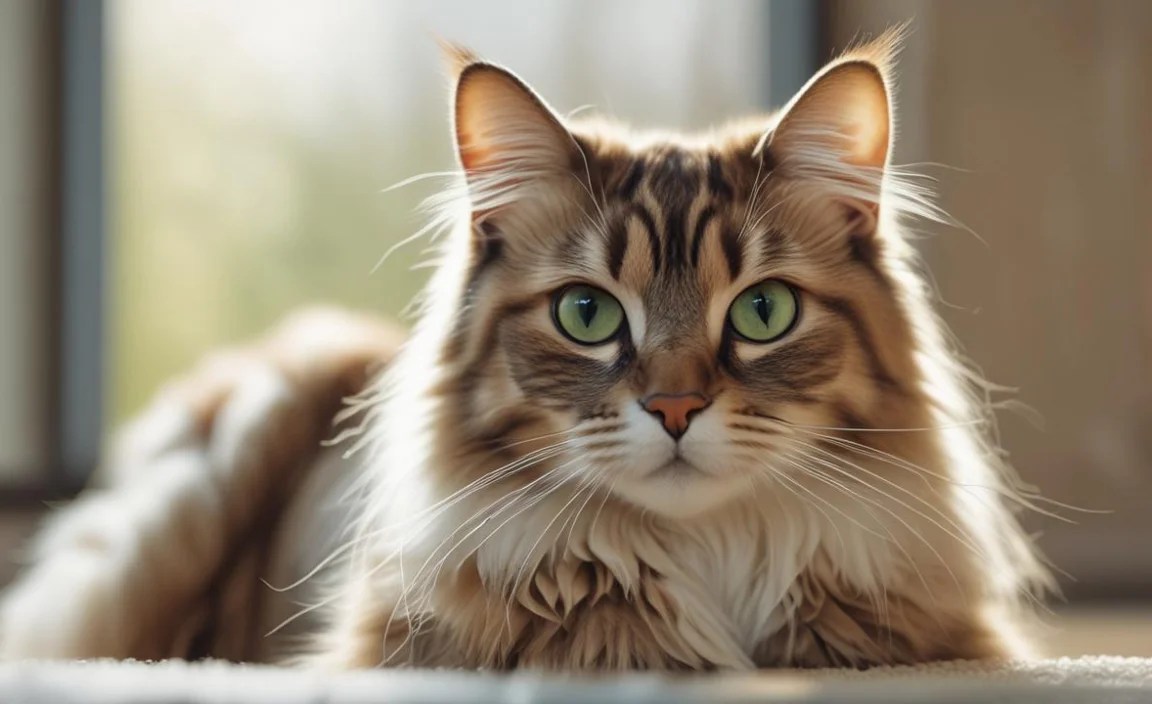
Did you know that some cat breeds are more sensitive to temperature? Just like people, different breeds have different needs. The ideal indoor temperature cats need can vary. For example, Sphynx cats have no fur. They need warmer temperatures than other breeds. Siberian cats have thick fur. They can tolerate colder temperatures. Consider your cat’s breed when setting your thermostat. Watch for signs of discomfort. Adjust the temperature as needed. A comfortable cat is a happy cat! Knowing your cat’s breed can help you provide the best care.
- Sphynx cats need warmer temperatures.
- Siberian cats tolerate colder temperatures.
- Consider your cat’s breed.
- Watch for signs of discomfort.
- Adjust the temperature as needed.
- Research your breed’s specific needs.
Understanding your cat’s breed is important for their health and well-being. Some breeds are prone to certain health conditions. These conditions can be affected by temperature. For example, Persians can have breathing problems. High temperatures can make these problems worse. Siamese cats are sensitive to cold. They may need extra warmth in the winter. Talk to your vet about your cat’s specific needs. They can offer advice based on your cat’s breed and health. Providing the right environment can help your cat thrive. A healthy cat is a happy cat!
Do Hairless Cats Need Warmer Temperatures?
Have you ever seen a hairless cat? They are unique and need special care. Hairless cats, like Sphynx cats, have no fur to keep them warm. They need warmer temperatures than other breeds. Keep your home between 72°F and 78°F (22°C and 26°C). Provide them with sweaters or blankets. Monitor them closely for signs of cold. A warm and cozy hairless cat is a happy cat!
Do Long-Haired Cats Tolerate Cold Better?
Do you think long-haired cats are always warm? Long-haired cats, like Persians and Maine Coons, have thick fur. This helps them tolerate colder temperatures better than short-haired cats. However, they can still get cold. Provide them with warm beds and blankets. Make sure their fur is well-groomed. Matted fur can reduce its insulating properties. A comfortable long-haired cat is a happy cat!
How Does Age Affect Temperature Needs?
Did you know that age affects how cats handle temperature? Kittens and senior cats are more sensitive to temperature changes. They can’t regulate their body temperature as well as adult cats. Keep kittens warm and protected from drafts. Provide senior cats with warm beds and extra blankets. Monitor them closely for signs of discomfort. A comfortable cat at any age is a happy cat!
Fun Fact or Stat: A cat’s normal body temperature is between 100.5°F and 102.5°F (38°C and 39.2°C)!
Health Issues Related to Temperature Extremes
Temperature extremes can cause health problems for cats. Just like people, cats can suffer from heatstroke and hypothermia. Knowing the signs and taking precautions is important. The ideal indoor temperature cats need helps prevent these issues. Heatstroke can occur in hot weather. Signs include panting, drooling, and collapse. Hypothermia can occur in cold weather. Signs include shivering, lethargy, and stiffness. Seek veterinary care immediately if you suspect your cat has heatstroke or hypothermia. Prevention is key. Keep your home at a comfortable temperature. Provide plenty of water. Offer warm bedding. These simple steps can help keep your cat safe and healthy.
- Heatstroke can occur in hot weather.
- Hypothermia can occur in cold weather.
- Know the signs of each.
- Seek veterinary care immediately.
- Prevention is key.
- Keep your home at a comfortable temperature.
Protecting your cat from temperature extremes is part of being a responsible pet owner. Heatstroke and hypothermia can be life-threatening. Early detection and treatment are crucial. Learn the signs of each condition. Take steps to prevent them. Provide a safe and comfortable environment for your cat. This includes maintaining a consistent temperature. Offering plenty of water. Providing warm bedding. If you are unsure about your cat’s health, consult your vet. They can provide personalized advice and care. A healthy cat is a happy cat! Always prioritize their well-being.
What Are the Symptoms of Heatstroke in Cats?
Can you recognize the signs of heatstroke? It’s important to know them. Symptoms of heatstroke in cats include:
* Panting heavily
* Drooling excessively
* Gums that are bright red
* Weakness and lethargy
* Vomiting or diarrhea
* Collapse
If you notice these signs, take immediate action. Move your cat to a cool area. Offer them water. Apply cool, wet cloths to their paws and ears. Contact your vet right away. Heatstroke can be fatal. Early intervention is crucial.
What Are the Symptoms of Hypothermia in Cats?
Do you know what hypothermia is? Hypothermia is a dangerous condition caused by prolonged exposure to cold. Symptoms of hypothermia in cats include:
* Shivering uncontrollably
* Lethargy and weakness
* Stiffness in the muscles
* Slowed breathing and heart rate
* Pale gums
* Loss of consciousness
If you notice these signs, take immediate action. Warm your cat gradually. Wrap them in a warm blanket. Offer them warm fluids. Contact your vet right away. Hypothermia can be life-threatening. Early treatment is essential.
How Can I Prevent Temperature-Related Health Issues?
Want to keep your cat safe from temperature extremes? Prevention is key! Here are some tips:
* Maintain a comfortable indoor temperature.
* Provide plenty of fresh water.
* Offer shaded areas and cool surfaces in summer.
* Provide warm beds and blankets in winter.
* Never leave your cat in a hot car.
* Monitor your cat’s behavior for signs of discomfort.
* Consult your vet regularly.
By following these tips, you can help protect your cat from temperature-related health issues. A healthy cat is a happy cat!
Fun Fact or Stat: Cats can conserve heat by reducing blood flow to their extremities in cold weather!
Adjusting Your Home for Optimal Cat Comfort
Making your home comfortable for your cat is easy! Small changes can make a big difference. The ideal indoor temperature cats need is a good starting point. Keep your thermostat set between 68°F and 78°F (20°C and 26°C). Provide plenty of fresh water. Offer shaded areas and cool surfaces in summer. Provide warm beds and blankets in winter. Consider using a humidifier or dehumidifier. These steps can help create a comfortable environment for your cat. A happy cat makes a happy home!
Here is a table to guide you:
| Season | Temperature Range | Humidity Level | Tips |
|---|---|---|---|
| Summer | 72°F – 78°F (22°C – 26°C) | 30% – 50% | Provide shade, cooling mats, and fresh water. |
| Winter | 68°F – 78°F (20°C – 26°C) | 30% – 50% | Provide warm beds, blankets, and heated beds. |
| Spring | 68°F – 78°F (20°C – 26°C) | 30% – 50% | Ensure proper ventilation, provide fresh water. |
| Autumn | 68°F – 78°F (20°C – 26°C) | 30% – 50% | Check for drafts, adjust heating as needed. |
- Set your thermostat between 68°F and 78°F.
- Provide fresh water.
- Offer shaded areas in summer.
- Provide warm beds in winter.
- Use a humidifier or dehumidifier.
- Monitor your cat’s behavior.
Creating a comfortable home for your cat is a rewarding experience. It shows that you care about their well-being. Simple changes can make a big difference. Pay attention to their needs. Provide them with the resources they need to thrive. A comfortable cat is a happy cat! Always prioritize their health and happiness. They will reward you with their love and affection. A purrfect home is a happy home! Make your cat’s comfort a priority.
How Can I Draft-Proof My Home?
Is your home drafty? Drafts can make your cat cold and uncomfortable. Seal any cracks around windows and doors. Use weather stripping. Insulate your walls and attic. Cover windows with plastic sheeting. Place rugs on cold floors. These steps can help draft-proof your home. A warm and draft-free home is a comfortable home for your cat.
Where Should I Place My Cat’s Bed?
Where do you think your cat’s bed should go? The location of your cat’s bed is important. Place it in a quiet, comfortable area. Away from drafts and direct sunlight. Choose a spot where your cat feels safe and secure. Provide multiple beds in different locations. This allows your cat to choose their preferred spot. A well-placed bed is a comfortable bed for your cat.
How Often Should I Change My Cat’s Water?
Do you know how often to change your cat’s water? Fresh water is essential for your cat’s health. Change their water at least once a day. More often in hot weather. Clean their water bowl regularly. This prevents bacteria from growing. Provide multiple water sources throughout your home. A hydrated cat is a healthy cat!
Fun Fact or Stat: Cats prefer their water away from their food! It’s a survival instinct from avoiding contaminated water sources in the wild.
Summary
Keeping your cat comfortable involves understanding their temperature needs. The ideal indoor temperature cats prefer is between 68°F and 78°F (20°C and 26°C). Watch for signs of being too hot or cold. Adjust your thermostat accordingly. Provide extra blankets or cooling mats as needed. Consider your cat’s breed, age, and health. These factors can affect their temperature sensitivity. Proper humidity levels are also important. Aim for 30% to 50%. By paying attention to these details, you can create a comfortable and healthy environment for your feline friend.
Remember to prevent temperature-related health issues. Heatstroke and hypothermia can be dangerous. Knowing the signs and taking precautions is crucial. Provide plenty of fresh water. Offer shaded areas in summer. Provide warm bedding in winter. A comfortable cat is a happy cat! Always prioritize their well-being.
Conclusion
Creating a comfortable home for your cat is a key part of responsible pet ownership. By understanding their temperature preferences and needs, you can ensure their health and happiness. Pay attention to the signs they give you. Adjust your home environment accordingly. Whether it’s providing extra blankets in winter or cooling mats in summer, small efforts can make a big difference. Remember that the ideal indoor temperature cats enjoy contributes to their overall well-being. A comfortable cat is a happy cat, and a happy cat makes a happy home!
Frequently Asked Questions
Question No 1: What is the best indoor temperature for my cat?
Answer: The best indoor temperature for your cat is usually between 68°F and 78°F (20°C and 26°C). This range is comfortable for most cats. However, factors like breed, age, and health can influence their preferences. Observe your cat’s behavior. Adjust the temperature as needed to ensure their comfort. Always provide them with options to warm up or cool down, such as blankets or cool mats. Keeping your home within this temperature range helps your cat stay healthy and happy.
Question No 2: How can I tell if my cat is too cold?
Answer: If your cat is too cold, you might notice them shivering. They may also curl up in a tight ball to conserve heat. They might seek out warm spots, like near a radiator or under blankets. Their ears might feel cold to the touch. They might also seem lethargic or less playful than usual. If you notice these signs, take action to warm them up. Provide extra blankets. Consider using a heated cat bed. Adjust the thermostat to increase the room temperature.
Question No 3: What should I do if my cat is panting indoors?
Answer: Panting in cats is not as common as it is in dogs. If your cat is panting indoors, it could be a sign that they are too hot. It could also indicate a more serious health issue. Move your cat to a cooler area. Offer them fresh water. Apply cool, wet cloths to their paws and ears. If the panting doesn’t stop or if your cat seems distressed, contact your vet immediately. Overheating can be dangerous for cats, and prompt action is crucial. Remember, the ideal indoor temperature cats need helps prevent overheating.
Question No 4: Are some cat breeds more sensitive to temperature changes?
Answer: Yes, some cat breeds are more sensitive to temperature changes than others. Hairless breeds like the Sphynx need warmer temperatures. They lack the fur that helps regulate their body temperature. Long-haired breeds like the Maine Coon and Persian can tolerate colder temperatures better. However, even they can get too cold. Consider your cat’s breed when adjusting your thermostat. Always monitor their behavior for signs of discomfort. Providing the right environment is essential for their well-being. The ideal indoor temperature cats need varies by breed.
Question No 5: Is it safe to use a space heater to keep my cat warm?
Answer: Using a space heater to keep your cat warm can be risky. Space heaters can pose a fire hazard. They can also cause burns if your cat gets too close. If you choose to use a space heater, make sure it has a safety shut-off feature. Keep it away from flammable materials. Supervise your cat closely. A safer option is to use a heated cat bed. These beds are designed specifically for cats. They provide a consistent and safe source of warmth. Always prioritize your cat’s safety. The ideal indoor temperature cats should be maintained safely.
Question No 6: How does humidity affect my cat’s comfort?
Answer: Humidity can significantly affect your cat’s comfort. High humidity can make it harder for cats to cool down. They can’t sweat effectively. This can lead to overheating. Low humidity can dry out their skin and fur. This can cause discomfort and irritation. Aim for a humidity level between 30% and 50%. Use a humidifier or dehumidifier to adjust the humidity as needed. Monitoring the humidity in your home helps ensure your cat’s overall comfort and health. The ideal indoor temperature cats, combined with proper humidity, keeps them happy.
