Have you ever seen a plain porch? It can look a little sad. But, you can change it! Ideas for outdoor potted plants can make any space happy. Plants add color and life. They can even make your home smell nice.
What if you don’t have a big yard? No problem! Potted plants are perfect. You can grow flowers, veggies, and even small trees in pots. Let’s learn how to make your outdoor space amazing with plants.
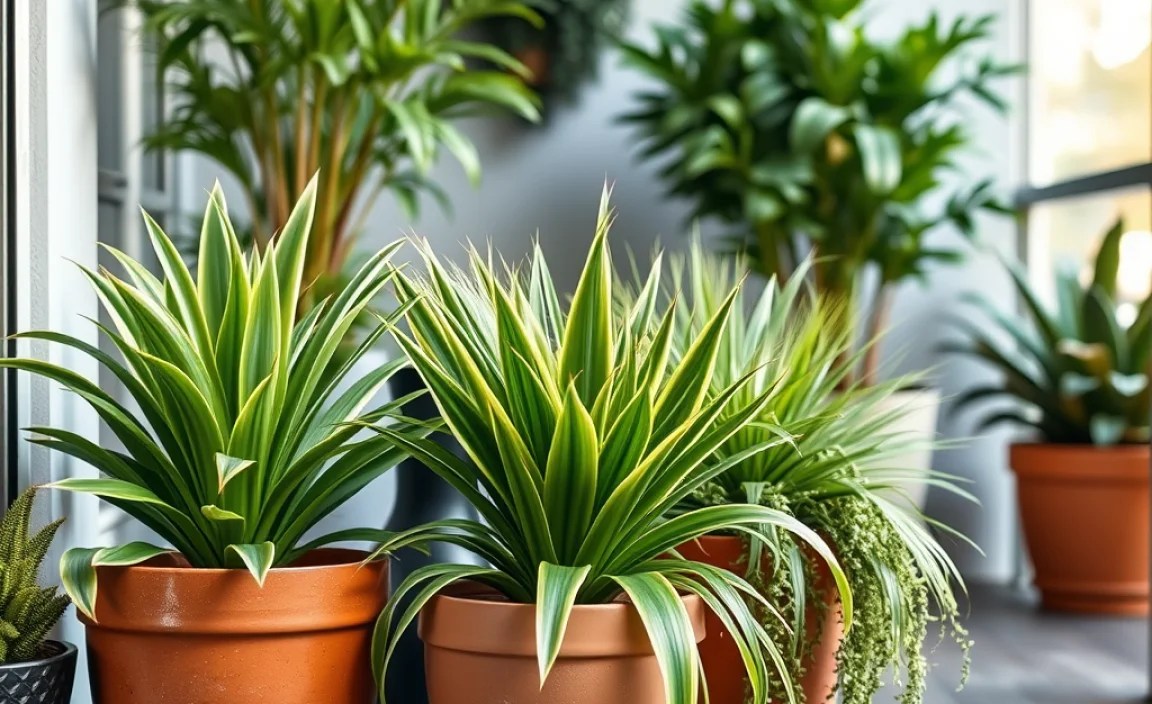
Key Takeaways
- Ideas for outdoor potted plants include colorful flowers, tasty herbs, and small trees.
- Choose pots with drainage holes to keep your plants healthy and happy.
- Water your potted plants regularly, especially during hot weather.
- Use good quality potting soil for the best plant growth.
- Consider sunlight when picking plants for your outdoor pots.

Great Ideas for Outdoor Potted Plants
Do you want to make your porch pop? Ideas for outdoor potted plants can help. You can mix and match different plants. Think about colors and sizes. Tall plants can go in the back. Smaller plants can go in the front. Flowers like petunias and marigolds are easy to grow. They come in many bright colors. Herbs like basil and mint smell great and you can eat them! Even small trees like dwarf citrus can grow in pots. They give you fruit and shade. With a little planning, your outdoor space will look great. You can create a mini-garden that everyone will love. So get creative and start planting! Your porch will thank you.
- Mix tall and short plants in one pot.
- Use bright colors to make your porch happy.
- Grow herbs like basil and mint for cooking.
- Add small trees for shade and fruit.
- Choose plants that like the same amount of sun.
Choosing the right pot is very important. Make sure your pot has drainage holes. These holes let extra water out. If water stays in the pot, the plant’s roots can rot. You can use plastic, clay, or ceramic pots. Clay pots look nice and let the soil breathe. Plastic pots are light and hold water well. Ceramic pots come in many colors and designs. Pick a pot that fits your style and your plant’s needs. Don’t forget to add a saucer under the pot. This will catch any water that drains out. Your plants will be healthy and happy in the right pot.
What Size Pot Should I Use?
Have you ever wondered what size pot to use? The size of the pot matters. Small plants need small pots. Big plants need big pots. If the pot is too small, the roots will get crowded. If the pot is too big, the soil will stay wet. A good rule is to choose a pot that is a little bigger than the plant’s root ball. When you take the plant out of its old pot, look at the roots. The new pot should be about two inches wider than the root ball. This gives the roots room to grow. As the plant gets bigger, you can move it to a bigger pot. This is called repotting. Repotting helps the plant stay healthy and strong. Pick the right size pot and your plant will thrive.
Plastic, Clay, or Ceramic Pots?
Choosing a pot can be fun. There are many kinds of pots. Plastic pots are light. They are easy to move around. They hold water well. Clay pots look nice. They let the soil breathe. This can help prevent root rot. Ceramic pots come in many colors and designs. They can add style to your porch. Each type of pot has its own pros and cons. Think about what is important to you. Do you need a light pot? Do you want a pot that looks fancy? Do you want a pot that helps prevent root rot? Choose the pot that is best for you and your plants. No matter what you choose, make sure it has drainage.
How Do Drainage Holes Help?
Imagine your feet in wet socks all day. Not fun, right? Plants feel the same way when their roots sit in water. Drainage holes are like tiny escape routes for extra water. They let the water drain out of the pot. This keeps the roots from rotting. Root rot is a big problem for plants. It can kill them. Make sure your pot has drainage holes. If it doesn’t, you can drill some. Just be careful not to break the pot. You can also add a layer of rocks at the bottom of the pot. This helps with drainage too. Healthy roots mean a happy plant. Drainage holes are a must for outdoor potted plants.
Fun Fact or Stat: Did you know that some plants, like succulents, need very little water and do well in pots with excellent drainage?

Choosing the Best Soil for Potted Plants
Have you ever built a sandcastle with bad sand? It falls apart, right? Plants need good soil to grow strong. Ideas for outdoor potted plants start with the right soil. Don’t use garden soil in pots. It’s too heavy and doesn’t drain well. Potting soil is light and airy. It helps the roots get air and water. You can buy potting soil at any garden store. Look for soil that has perlite or vermiculite. These help with drainage. You can also make your own potting soil. Mix equal parts of peat moss, perlite, and compost. This gives your plants the nutrients they need. Good soil is the foundation for healthy plants. Choose the right soil and watch your plants thrive. They will grow strong and beautiful.
- Don’t use garden soil in pots.
- Use potting soil that is light and airy.
- Look for soil with perlite or vermiculite.
- Make your own soil with peat moss, perlite, and compost.
- Good soil helps plants grow strong.
- Add slow release fertilizer.
Water is like juice for plants. They need it to live. But too much water can be bad. It can cause root rot. Water your plants when the soil feels dry. Stick your finger in the soil. If it feels dry, it’s time to water. Water until the water drains out of the bottom of the pot. This makes sure the roots get enough water. Don’t water if the soil is still wet. Overwatering can be just as bad as underwatering. During hot weather, you may need to water every day. During cooler weather, you may only need to water once a week. Check the soil often. Your plants will tell you when they need water. They will grow strong and healthy.
Why is Potting Soil Important?
Imagine trying to build a house on mud. It wouldn’t work, right? Plants need a good foundation too. Potting soil is like the foundation for plants in pots. It is different from garden soil. Garden soil is heavy and dense. It doesn’t drain well in pots. Potting soil is light and airy. It allows air and water to reach the roots. It also contains nutrients that plants need. Good potting soil helps plants grow strong and healthy. It prevents root rot and other problems. Choose the right potting soil for your plants. It will make a big difference in how they grow. Think of it as giving your plants a healthy start.
How Often Should I Water?
Watering plants can be tricky. You don’t want to give them too much or too little. How often should you water? It depends on the plant, the weather, and the pot. Check the soil often. Stick your finger in the soil. If it feels dry, it’s time to water. If it feels wet, wait a day or two. Water deeply when you water. Water until the water drains out of the bottom of the pot. During hot weather, you may need to water every day. During cool weather, you may only need to water once a week. Pay attention to your plants. They will tell you when they need water. Happy plants are well-watered plants.
What About Fertilizing?
Plants need food just like we do. Fertilizing is like giving your plants a healthy meal. Fertilizers contain nutrients that plants need to grow. There are different kinds of fertilizers. Some are slow-release. They feed the plants over time. Others are liquid. You mix them with water and pour them on the soil. Follow the instructions on the fertilizer package. Don’t over-fertilize. Too much fertilizer can burn the plants. Fertilize your plants regularly during the growing season. This will help them grow strong and produce lots of flowers or fruit. Happy plants are well-fed plants. Give them the nutrients they need to thrive.
Fun Fact or Stat: A study showed that plants grown in good quality potting soil and fertilized regularly grow 50% larger than plants grown in poor soil!

Sunlight Needs for Outdoor Potted Plants
Imagine wearing a winter coat in the summer. You’d be too hot, right? Plants need the right amount of sunlight. Ideas for outdoor potted plants must consider sunlight. Some plants love the sun. Others prefer shade. Read the plant label to find out how much sun your plant needs. Full sun means the plant needs at least six hours of direct sunlight per day. Partial sun means the plant needs about four hours of direct sunlight per day. Shade means the plant needs very little direct sunlight. Place your plants in a spot that gets the right amount of sun. If you don’t have the right amount of sun, you can use grow lights. This will help your plants grow strong and healthy.
- Read the plant label for sunlight needs.
- Full sun means at least six hours of direct sun.
- Partial sun means about four hours of direct sun.
- Shade means very little direct sun.
- Use grow lights if you don’t have enough sun.
Choosing the right plants for your area is important. Some plants like hot weather. Others like cool weather. Find out what kind of climate you live in. Then, choose plants that will thrive in that climate. You can ask your local garden store for advice. They can help you pick plants that are right for your area. If you live in a cold climate, you can grow plants in pots that can be moved indoors during the winter. This will protect them from the cold. Choose plants that are right for your climate. They will grow strong and beautiful. Your garden will be a success.
Full Sun, Partial Sun, or Shade?
Have you ever seen a plant that looks sad and droopy? It might not be getting the right amount of sun. Plants need sunlight to make food. Some plants need a lot of sun. These are called full sun plants. Others need less sun. These are called partial sun or shade plants. Full sun plants need at least six hours of direct sunlight per day. Partial sun plants need about four hours of direct sunlight per day. Shade plants need very little direct sunlight. Choose plants that match the amount of sun you have. If you have a sunny porch, choose full sun plants. If you have a shady porch, choose shade plants. Your plants will be much happier.
What About My Climate?
Imagine trying to wear shorts in the snow. You would be very cold, right? Plants need the right climate too. Some plants like hot weather. Others like cold weather. Find out what kind of climate you live in. Then, choose plants that will thrive in that climate. If you live in a hot climate, choose plants that can handle the heat. If you live in a cold climate, choose plants that can handle the cold. You can ask your local garden store for advice. They can help you pick plants that are right for your area. Choosing the right plants for your climate will help them grow strong and beautiful.
Can I Move Plants Indoors?
Sometimes the weather can be hard on plants. Very hot or very cold weather can damage them. If you live in an area with extreme weather, you can move your plants indoors. This will protect them from the elements. Choose plants that can tolerate being indoors. Some plants need a lot of light. Others can do with less. When you bring plants indoors, make sure they get enough light. You can use grow lights if needed. Also, be careful not to overwater them. Indoor plants don’t dry out as quickly as outdoor plants. Moving plants indoors can help them survive harsh weather. They will be safe and sound until the weather gets better.
Fun Fact or Stat: Plants that get the right amount of sunlight are 30% more likely to produce flowers and fruit!

Selecting the Right Size and Type of Pots
Have you ever tried to wear shoes that are too small? It’s not comfortable, right? Plants need the right size pots too. Ideas for outdoor potted plants involve picking the right pot. If the pot is too small, the roots will get crowded. If the pot is too big, the soil will stay wet. Choose a pot that is a little bigger than the plant’s root ball. There are different kinds of pots. Plastic pots are light and cheap. Clay pots look nice and let the soil breathe. Ceramic pots come in many colors and designs. Pick a pot that fits your style and your plant’s needs. Make sure the pot has drainage holes. This will keep the roots from rotting. A good pot is key to a happy plant.
- Choose a pot that is a little bigger than the root ball.
- Plastic pots are light and cheap.
- Clay pots look nice and let the soil breathe.
- Ceramic pots come in many colors and designs.
- Make sure the pot has drainage holes.
Arranging your potted plants can be fun. You can create a beautiful display. Place tall plants in the back. Place shorter plants in the front. Use different colors and textures. This will make your display more interesting. You can also group plants that have similar needs. For example, group plants that like full sun together. This will make it easier to care for them. Add some decorative elements. Use rocks, shells, or small statues. This will add personality to your display. Get creative and have fun. Your potted plant display will be a beautiful addition to your outdoor space. It will make your home look warm and inviting.
How Big Should the Pot Be?
Imagine trying to fit a big plant into a tiny pot. It wouldn’t work, right? The size of the pot is important. If the pot is too small, the roots will get crowded. The plant won’t have room to grow. If the pot is too big, the soil will stay wet. This can cause root rot. Choose a pot that is a little bigger than the plant’s root ball. When you take the plant out of its old pot, look at the roots. The new pot should be about two inches wider than the root ball. This gives the roots room to grow. As the plant gets bigger, you can move it to a bigger pot. This is called repotting. Repotting helps the plant stay healthy.
What About Different Materials?
There are many different kinds of pots. Plastic pots are light and cheap. They are easy to move around. Clay pots look nice. They let the soil breathe. This can help prevent root rot. Ceramic pots come in many colors and designs. They can add style to your porch. Each type of pot has its own pros and cons. Think about what is important to you. Do you need a light pot? Do you want a pot that looks fancy? Do you want a pot that helps prevent root rot? Choose the pot that is best for you and your plants. No matter what you choose, make sure it has drainage holes.
How Do I Arrange My Pots?
Arranging your potted plants can be like creating a work of art. You can use different sizes, colors, and textures to create a beautiful display. Place tall plants in the back. Place shorter plants in the front. Use different colors to add interest. Group plants that have similar needs together. This will make it easier to care for them. Add some decorative elements. Use rocks, shells, or small statues. This will add personality to your display. Get creative and have fun. Your potted plant display will be a beautiful addition to your outdoor space. It will make your home look warm and inviting.
Fun Fact or Stat: Potted plants arranged in groups can increase the curb appeal of your home by up to 15%!
Best Plants for Outdoor Pots
Do you want your porch to look amazing? Ideas for outdoor potted plants include choosing the right plants. Some plants do well in pots. Flowers like petunias and marigolds are easy to grow. They come in many colors. Herbs like basil and mint smell great. You can use them in cooking. Vegetables like tomatoes and peppers can also grow in pots. Small trees like dwarf citrus can give you fruit. Choose plants that you like and that fit your space. With the right plants, your porch will be beautiful. It will be a place you love to spend time.
- Petunias and marigolds are easy to grow flowers.
- Basil and mint are great smelling herbs.
- Tomatoes and peppers can grow in pots.
- Dwarf citrus trees can give you fruit.
- Choose plants that you like and that fit your space.
Taking care of your potted plants is important. Water them regularly. Check the soil often. If it feels dry, water them. Fertilize them every few weeks. This will give them the nutrients they need. Remove dead flowers and leaves. This will keep the plants looking nice. Protect them from pests and diseases. Check them often for problems. If you see pests, use insecticidal soap. If you see diseases, use a fungicide. With a little care, your potted plants will thrive. They will bring beauty and joy to your outdoor space. You will be proud of your garden.
Easy Flowers for Pots
If you’re new to gardening, you might want to start with easy flowers. Petunias are a great choice. They come in many colors. They bloom all summer long. Marigolds are another easy flower. They are bright and cheerful. They also keep pests away. Geraniums are also easy to grow. They come in many colors. They can handle a lot of sun. Impatiens are a good choice for shady spots. They bloom in many colors. These flowers are all easy to grow in pots. They will add color and beauty to your outdoor space. You will be amazed at how easy it is to grow them.
Herbs You Can Grow in Pots
Do you like to cook? Growing your own herbs is a great idea. Basil is easy to grow in pots. It smells great. You can use it in many dishes. Mint is another easy herb. It grows quickly. You can use it in drinks and desserts. Rosemary is a great herb for pots. It is fragrant and easy to care for. Thyme is a low-growing herb. It is perfect for pots. These herbs are all easy to grow in pots. You can have fresh herbs right outside your door. It will make cooking even more fun. Your meals will taste amazing.
What About Vegetables?
Did you know you can grow vegetables in pots? Tomatoes are a popular choice. Choose a small variety. Peppers are also easy to grow in pots. They come in many colors. Lettuce and spinach can also be grown in pots. They are great for salads. Radishes are quick to grow. They are ready in just a few weeks. These vegetables are all easy to grow in pots. You can have fresh vegetables right on your porch. It will be a fun and rewarding experience. Your meals will be healthy and delicious.
| Plant | Sunlight | Water | Care |
|---|---|---|---|
| Petunias | Full Sun | Regular | Deadhead flowers |
| Basil | Full Sun | Regular | Pinch off flowers |
| Tomatoes | Full Sun | Regular | Stake or cage |
| Impatiens | Shade | Regular | Watch for pests |
Fun Fact or Stat: Growing your own herbs and vegetables can save you money at the grocery store. Plus, they taste better!
Caring for Your Outdoor Potted Plants
Taking care of plants might seem hard. But it’s easier than you think! Ideas for outdoor potted plants need good care. Water them when the soil is dry. Give them fertilizer to help them grow. Remove dead leaves and flowers. This keeps them looking nice. Check for bugs. If you see any, get rid of them. Make sure they get the right amount of sun. With a little care, your plants will thrive. They will bring beauty to your outdoor space. You will love watching them grow. Happy plants make a happy home.
- Water when the soil is dry.
- Fertilize every few weeks.
- Remove dead leaves and flowers.
- Check for bugs and get rid of them.
- Make sure they get the right amount of sun.
Pests and diseases can hurt your plants. Check your plants often. Look for signs of problems. Pests include aphids, spider mites, and whiteflies. Diseases include powdery mildew and root rot. If you see pests, use insecticidal soap. If you see diseases, use a fungicide. You can also prevent problems. Keep your plants healthy. Give them the right amount of water and sun. Make sure they have good air circulation. Clean up dead leaves and flowers. Healthy plants are less likely to get pests and diseases. With a little care, you can keep your plants healthy and beautiful.
Watering Tips
Watering is one of the most important things you can do for your plants. Water them when the soil is dry. Stick your finger in the soil. If it feels dry, it’s time to water. Water deeply. Water until the water drains out of the bottom of the pot. Don’t water if the soil is still wet. Overwatering can be just as bad as underwatering. Water in the morning. This gives the leaves time to dry before nightfall. Wet leaves can lead to diseases. Use a watering can or a hose with a gentle spray. Avoid getting water on the leaves. With the right watering, your plants will thrive.
Fertilizing Tips
Plants need food to grow. Fertilizing is like giving your plants a healthy meal. Use a fertilizer that is made for potted plants. Follow the instructions on the fertilizer package. Don’t over-fertilize. Too much fertilizer can burn the plants. Fertilize every few weeks during the growing season. Stop fertilizing in the winter. Use a slow-release fertilizer. This will feed your plants over time. You can also use a liquid fertilizer. Mix it with water and pour it on the soil. With the right fertilizer, your plants will grow strong and beautiful. They will produce lots of flowers or fruit.
Pest and Disease Control
Pests and diseases can be a problem for potted plants. Check your plants often. Look for signs of problems. Pests include aphids, spider mites, and whiteflies. Diseases include powdery mildew and root rot. If you see pests, use insecticidal soap. If you see diseases, use a fungicide. You can also prevent problems. Keep your plants healthy. Give them the right amount of water and sun. Make sure they have good air circulation. Clean up dead leaves and flowers. Healthy plants are less likely to get pests and diseases. With a little care, you can keep your plants healthy and beautiful.
Fun Fact or Stat: Plants that are properly cared for can live for many years and bring joy to your life!
Creative Outdoor Potted Plant Displays
Want to wow your neighbors? Creative ideas for outdoor potted plants can help. Use different sizes and shapes of pots. Group plants with different colors and textures. Add decorative elements like rocks or statues. Create a theme, like a tropical garden or a herb garden. Use vertical space with hanging baskets or wall planters. Light up your display with string lights. Get creative and have fun. Your potted plant display will be a showstopper. It will be the envy of the neighborhood. You will love spending time in your beautiful outdoor space.
- Use different sizes and shapes of pots.
- Group plants with different colors and textures.
- Add decorative elements like rocks or statues.
- Create a theme, like a tropical garden.
- Use vertical space with hanging baskets.
Hanging baskets are a great way to add color and interest to your porch. Choose plants that trail or spill over the edges of the basket. Petunias, impatiens, and verbena are good choices. Make sure the basket has good drainage. Water the basket regularly. Hanging baskets can dry out quickly. Fertilize the basket every few weeks. This will keep the plants blooming. Hang the basket in a spot that gets the right amount of sun. With a little care, your hanging basket will be a beautiful addition to your outdoor space. It will add charm and beauty to your home.
Using Different Pot Sizes
Have you ever seen a garden that looks boring because all the plants are the same size? Using different pot sizes can add interest and depth to your display. Place large pots in the back. Place smaller pots in the front. This will create a layered effect. You can also use different heights of pots. Place some pots on pedestals or plant stands. This will add visual interest. Group pots of different sizes together. This will create a focal point. Using different pot sizes is a great way to add style and personality to your outdoor space. It will make your garden look more inviting.
Adding Decorative Elements
Adding decorative elements can take your potted plant display to the next level. Use rocks, shells, or small statues to add interest. Place a small birdbath among the plants. Add a decorative trellis or arbor. Use colorful garden stakes or flags. Get creative and have fun. Your decorative elements should complement your plants. They should add to the overall theme of your display. Decorative elements can add personality and charm to your outdoor space. They will make your garden look more inviting and welcoming. Your friends and neighbors will be impressed.
Creating a Theme
Creating a theme can tie your potted plant display together. Choose a theme that you like. A tropical garden theme might include plants like hibiscus, ferns, and palms. A herb garden theme might include plants like basil, mint, and rosemary. A succulent garden theme might include plants like cacti and succulents. Choose plants that fit your theme. Use pots that match your theme. Add decorative elements that fit your theme. Creating a theme will make your potted plant display look more cohesive and intentional. It will be a beautiful and inviting space. Your friends and neighbors will love it.
Fun Fact or Stat: A well-designed potted plant display can increase the value of your home!
Summary
Ideas for outdoor potted plants can transform any space. You can use colorful flowers to brighten up a porch. Tasty herbs can add flavor to your cooking. Small trees can provide shade and beauty. Choosing the right pots and soil is important. Make sure the pots have drainage holes. Use potting soil that is light and airy. Water your plants regularly. Fertilize them every few weeks. Protect them from pests and diseases. With a little care, your potted plants will thrive. They will bring beauty and joy to your outdoor space.
Conclusion
Potted plants are a great way to add life and color to your outdoor space. They are perfect for small spaces like porches and balconies. You can grow flowers, herbs, vegetables, and even small trees in pots. With a little planning and care, you can create a beautiful and inviting outdoor space. So get creative and start planting! Your home will look amazing with these ideas for outdoor potted plants.
Frequently Asked Questions
Question No 1: What are some easy plants to grow in outdoor pots?
Answer: Some easy plants to grow in outdoor pots include petunias, marigolds, and geraniums. These flowers are all relatively low-maintenance and come in a variety of colors. They are also readily available at most garden centers. For herbs, basil, mint, and rosemary are good choices. They are easy to grow and can be used in cooking. Vegetables like tomatoes and peppers can also be grown in pots, but they may require more attention. Remember, providing the right soil, sunlight, and water are important for any plant to thrive, even the easy ones.
Question No 2: How often should I water my outdoor potted plants?
Answer: How often you need to water your outdoor potted plants depends on several factors. These factors include the type of plant, the weather, and the type of pot. In general, you should water your plants when the soil feels dry to the touch. Stick your finger about an inch into the soil. If it feels dry, it’s time to water. During hot weather, you may need to water every day. During cooler weather, you may only need to water once a week. Clay pots dry out faster than plastic pots. Overwatering can be just as bad as underwatering. Make sure the pot has drainage holes to prevent root rot. Always check the soil before watering.
Question No 3: What kind of soil should I use for outdoor potted plants?
Answer: You should use potting soil for outdoor potted plants. Do not use garden soil. Garden soil is too heavy and dense for pots. It doesn’t drain well and can compact, which can suffocate the roots. Potting soil is a lightweight mix that is designed for containers. It usually contains peat moss, perlite, and vermiculite. These ingredients help with drainage and aeration. You can buy potting soil at any garden center. You can also make your own potting soil by mixing equal parts of peat moss, perlite, and compost. Using the right soil is crucial for healthy plant growth, especially when considering ideas for outdoor potted plants.
Question No 4: How much sunlight do outdoor potted plants need?
Answer: The amount of sunlight your outdoor potted plants need depends on the type of plant. Some plants need full sun, which means at least six hours of direct sunlight per day. Other plants need partial sun, which means about four hours of direct sunlight per day. Still other plants need shade, which means very little direct sunlight. Check the plant label to find out how much sun your plant needs. If you don’t have the right amount of sun, you can use grow lights. Place your plants in a spot that gets the right amount of sun. If a plant needing full sun is placed in shade, it will likely not grow well, so consider sunlight when planning ideas for outdoor potted plants.
Question No 5: How do I protect my outdoor potted plants from pests and diseases?
Answer: To protect your outdoor potted plants from pests and diseases, start by keeping them healthy. Healthy plants are less susceptible to problems. Give your plants the right amount of water, sunlight, and fertilizer. Make sure they have good air circulation. Check your plants regularly for signs of pests or diseases. If you see pests, use insecticidal soap. If you see diseases, use a fungicide. You can also prevent problems by cleaning up dead leaves and flowers. Keeping your potted plants healthy is the best way to prevent pests and diseases. It is especially important to protect ideas for outdoor potted plants that are edible, like herbs or vegetables.
Question No 6: What are some creative ideas for displaying outdoor potted plants?
Answer: There are many creative ideas for displaying outdoor potted plants. You can use different sizes and shapes of pots to create visual interest. Group plants with different colors and textures together. Add decorative elements like rocks, shells, or small statues. Create a theme, such as a tropical garden or a herb garden. Use vertical space with hanging baskets or wall planters. You can also use old items, like tires or wheelbarrows, as planters. Get creative and have fun! Your potted plant display will be a reflection of your personality. Consider the space you have available and the overall look you want to achieve when exploring ideas for outdoor potted plants.
