Do you dream of a garden? But, do you think you don’t have enough space? Guess what? You can still have a beautiful garden. There are many cool ideas for small space gardens. You can grow flowers, veggies, and herbs even if you live in an apartment.
It’s like magic. Let’s explore some fun and easy ways to create your own little green space. Even a tiny balcony can become a lush paradise. Ready to get started? Let’s grow!
You don’t need a big backyard to enjoy gardening. Small spaces can be perfect. Think about it: less weeding! You can use pots, containers, and vertical structures. These ideas for small space gardens make it easy. Let’s find out how to make your own.
Key Takeaways
- Vertical gardening is a great way to maximize small spaces and grow more plants.
- Choose the right plants that thrive in containers and limited soil conditions.
- Consider ideas for small space gardens like hanging baskets and window boxes.
- Proper watering and sunlight are key to successful small space gardening.
- Growing herbs and vegetables in small spaces can provide fresh, healthy food.
Creative Ideas for Small Space Gardens

Small space gardening is all about being smart. You need to think outside the box. Look up, down, and all around. Vertical gardening is your best friend. Use walls, fences, and even railings. Plant up! Use containers of different sizes. Group them together to make a pretty display. Make sure your plants get enough sunlight. Choose plants that like small spaces. Some plants grow well in pots. Others need more room. Do your research. Gardening in small spaces can be fun and rewarding. You can grow your own food. You can have beautiful flowers. It’s all about creativity and planning.
- Use vertical structures like trellises and stacked planters.
- Choose compact plant varieties that don’t need much space.
- Maximize sunlight by placing plants in sunny spots.
- Group plants with similar watering needs together.
- Use self-watering containers to make watering easier.
Don’t forget about drainage. Good drainage is important for healthy plants. Make sure your containers have holes in the bottom. This lets extra water drain out. You can also add a layer of rocks or gravel to the bottom of the pot. This helps with drainage too. Overwatering can be just as bad as underwatering. Check the soil before you water. If it’s still damp, wait a day or two. With a little care, your small space garden will thrive. It will bring you joy and fresh goodies.
Fun Fact or Stat: A study showed that people with gardens report lower stress levels and increased happiness.
Vertical Gardening: Grow Up, Not Out
Have you ever seen a wall covered in plants? It’s called vertical gardening! It is a super cool way to save space. You can use walls, fences, and even old pallets. Attach pots or planters to them. Then, plant your favorite flowers or herbs. Imagine a wall of strawberries. Or a cascade of colorful flowers. Vertical gardens are not only pretty. They also help clean the air. They can even keep your home cooler in the summer. Plus, it is a great conversation starter. Your friends will be amazed by your green wall. It’s a fun and creative way to garden.
Container Gardening: Pots of Possibilities
Container gardening is like having a garden in a box. Or a pot, or a basket! You can use all sorts of containers. Old buckets, tin cans, and even shoes! Just make sure they have drainage holes. Fill them with soil and plant your seeds or seedlings. Container gardens are easy to move around. You can follow the sun or bring them inside when it gets cold. It’s perfect for people who rent or move often. You can take your garden with you! What will you plant in your containers?
Hanging Baskets: Gardens in the Air
Imagine flowers floating in the air. That’s what hanging baskets do! They are a great way to add color to your porch or balcony. You can hang them from the ceiling, railings, or even tree branches. Choose plants that trail or spill over the sides of the basket. Petunias, strawberries, and herbs all look great in hanging baskets. Make sure the baskets are strong enough to hold the weight of the soil and plants. Water them regularly, as they can dry out quickly. Enjoy your空中花园!
Choosing the Right Plants for Small Spaces

Not all plants are created equal. Some plants need a lot of space. Others are happy in small pots. When you are planning your small space garden, choose wisely. Look for plants labeled “compact” or “dwarf.” These plants stay small and don’t take up much room. Herbs like basil, mint, and thyme are great choices. Veggies like lettuce, spinach, and radishes also do well in small spaces. Flowers like pansies, petunias, and marigolds add color and beauty. Don’t forget about strawberries! They are easy to grow in containers and taste delicious. With the right plants, your small space garden will be a success.
- Select dwarf varieties of vegetables and fruits.
- Grow herbs like basil, mint, and chives in pots.
- Choose compact flowers like pansies and petunias.
- Consider succulents, which need little water and space.
- Plant strawberries in hanging baskets for easy harvesting.
- Mix and match plants for visual appeal.
Think about the amount of sunlight your space gets. Some plants need full sun. Others prefer shade. Choose plants that will thrive in your specific conditions. Read the plant labels carefully. They will tell you how much sun and water each plant needs. Don’t be afraid to experiment! Try different plants and see what works best for you. Gardening is all about learning and having fun. And, don’t forget to enjoy the fruits (and vegetables!) of your labor. Fresh herbs and veggies from your own garden taste amazing.
Fun Fact or Stat: Dwarf fruit trees can produce full-size fruit while only growing to be 6-8 feet tall.
Best Herbs for Container Gardens
Imagine stepping outside and snipping fresh herbs for dinner. It’s easy with a container herb garden! Basil, mint, chives, and oregano are great choices. They grow well in pots and don’t need much space. Place your herb garden near the kitchen for easy access. Water them regularly and harvest often. The more you cut them, the more they grow! You can use fresh herbs in salads, soups, and sauces. They add flavor and nutrients to your meals. Plus, they smell amazing! Who needs a fancy grocery store when you have your own herb garden?
Top Vegetables for Small Spaces
Did you know you can grow veggies in small spaces? Lettuce, spinach, radishes, and carrots are perfect for containers. They don’t need much room and grow quickly. Plant them in a sunny spot and water them regularly. You can even grow tomatoes in pots! Choose a dwarf variety and provide support for the stems. Imagine picking fresh tomatoes for your salad. Or harvesting your own lettuce for a sandwich. Growing your own veggies is fun, healthy, and rewarding. It’s a great way to connect with nature.
Beautiful Flowers for Limited Areas
Flowers bring joy and beauty to any space. Even a small balcony can be transformed with colorful blooms. Pansies, petunias, marigolds, and impatiens are great choices for small gardens. They are easy to grow and come in a variety of colors. Plant them in pots, window boxes, or hanging baskets. Deadhead the flowers regularly to encourage more blooms. Water them well and fertilize them occasionally. Enjoy the beauty and fragrance of your flower garden. It’s a great way to relax and de-stress.
Vertical Gardening Systems and Structures
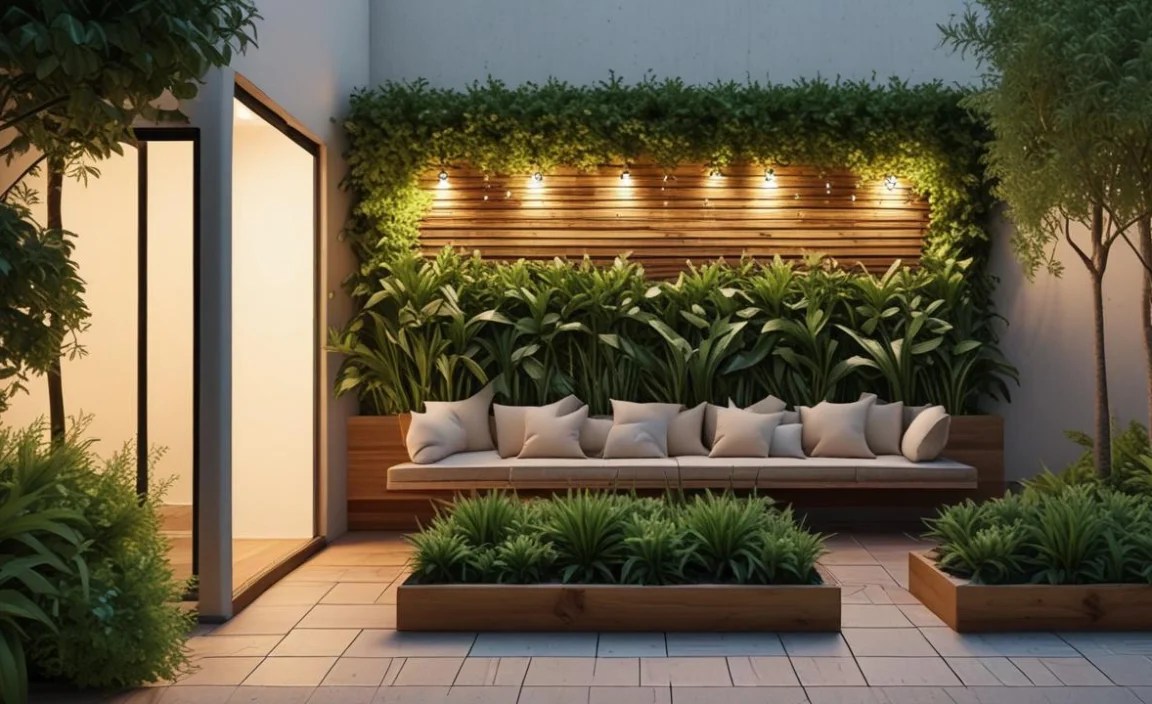
Ready to take your gardening to new heights? Vertical gardening systems are the answer. There are many different types of vertical structures to choose from. Trellises, wall planters, stacked planters, and hanging planters are all great options. Choose a system that fits your space and style. Trellises are perfect for climbing plants like beans and cucumbers. Wall planters are great for herbs and flowers. Stacked planters allow you to grow many plants in a small area. Hanging planters add a touch of whimsy to your balcony or porch. No matter which system you choose, vertical gardening is a fun and efficient way to grow plants in small spaces.
- Use trellises for climbing plants like tomatoes and beans.
- Install wall planters for herbs and succulents.
- Stack planters to maximize space for flowers and vegetables.
- Hang planters from balconies or ceilings for a whimsical look.
- Build a living wall with modular planting systems.
Consider the weight of your vertical garden. Make sure your structure is strong enough to support the weight of the soil, plants, and water. Use lightweight potting mix to reduce the weight. Water your vertical garden regularly. Plants in vertical systems tend to dry out quickly. Fertilize your plants regularly. Vertical gardens can deplete nutrients quickly. With a little planning and care, your vertical garden will be a stunning success. It will be a beautiful and productive addition to your small space.
Fun Fact or Stat: Living walls can improve air quality by filtering out pollutants and releasing oxygen.
DIY Trellis Ideas for Climbing Plants
Want to build your own trellis? It’s easier than you think! You can use bamboo poles, wooden stakes, or even old branches. Tie them together with twine or wire to create a support structure. Lean the trellis against a wall or fence. Plant climbing plants like beans, cucumbers, or morning glories at the base. As they grow, they will climb up the trellis. You can also buy pre-made trellises at garden centers. Choose a trellis that fits your space and style. Enjoy the beauty of climbing plants in your small space garden.
Wall Planters: Adding Green to Vertical Surfaces
Wall planters are a stylish way to add greenery to your walls. You can buy pre-made wall planters or make your own. Use old wooden boxes, metal containers, or even plastic bottles. Attach them to a wall or fence with screws or hooks. Fill them with soil and plant your favorite herbs, flowers, or succulents. Wall planters are a great way to create a living wall. They add texture and interest to any space. Plus, they help to purify the air. What a great way to decorate!
Stacked Planters: Maximizing Space with Layers
Stacked planters are like a tower of plants! They are a great way to grow many plants in a small area. You can buy pre-made stacked planters or make your own using terracotta pots. Simply stack the pots on top of each other, offsetting them slightly. Fill each pot with soil and plant your seeds or seedlings. Water the top pot and the water will trickle down to the lower pots. Stacked planters are perfect for herbs, strawberries, and flowers. They add height and visual interest to your small space garden.
| Vertical System | Pros | Cons |
|---|---|---|
| Trellises | Good for climbing plants, adds height | Needs sturdy support, can be bulky |
| Wall Planters | Stylish, saves space, easy to install | Can dry out quickly, limited soil volume |
| Stacked Planters | Maximizes space, good for herbs, visually appealing | Can be unstable, watering can be tricky |
| Hanging Baskets | Adds whimsy, good for trailing plants, easy to move | Dries out quickly, needs strong support |
Optimizing Sunlight and Watering in Limited Areas

Sunlight and water are essential for plant growth. But, in small spaces, it can be tricky to get the right balance. Observe your space carefully. Notice how much sunlight it gets throughout the day. Some areas may be sunny in the morning and shady in the afternoon. Choose plants that will thrive in those conditions. If your space is mostly shady, choose shade-tolerant plants. Water your plants regularly, but don’t overwater. Check the soil before you water. If it’s still damp, wait a day or two. Use self-watering containers to make watering easier. With a little attention, you can ensure your plants get the sunlight and water they need to thrive.
- Track sunlight patterns to choose the right plants.
- Use reflective surfaces to increase light exposure.
- Water plants deeply but less frequently.
- Use self-watering containers to maintain moisture.
- Add mulch to retain moisture in the soil.
Consider using grow lights if your space doesn’t get enough sunlight. Grow lights provide artificial light that plants can use for photosynthesis. They are available in different sizes and types. Choose a grow light that is appropriate for your plants and space. Water your plants in the morning. This gives them time to dry out during the day. Avoid watering in the evening, as this can lead to fungal diseases. With proper sunlight and watering, your small space garden will flourish.
Fun Fact or Stat: Plants can actually “sunbathe” – they adjust their leaves to maximize sunlight absorption.
Using Reflective Surfaces to Boost Light
Do you wish your garden got more sunlight? You can use reflective surfaces to boost the light! White walls, mirrors, and even aluminum foil can reflect sunlight onto your plants. Place these surfaces strategically around your garden to maximize light exposure. Reflective surfaces are especially helpful in shady areas. They can make a big difference in the health and growth of your plants. It’s a simple trick that can brighten up your garden!
Self-Watering Containers: Less Work, Happy Plants
Self-watering containers are a lifesaver for busy gardeners. They have a reservoir of water at the bottom. The plants draw water up through a wick or capillary action. This means you don’t have to water as often. Self-watering containers are perfect for small space gardens. They help to prevent overwatering and underwatering. Plus, they are easy to use. Just fill the reservoir and let the plants do the rest. Your plants will be happy and healthy, even when you’re away!
Mulching: Retaining Moisture and Suppressing Weeds
Mulch is like a blanket for your soil. It helps to retain moisture, suppress weeds, and regulate soil temperature. Use organic mulch like wood chips, straw, or shredded leaves. Spread a layer of mulch around your plants. Be careful not to pile it up against the stems. Mulch is especially helpful in small space gardens. It helps to keep the soil moist and prevents weeds from taking over. Plus, it looks great! Your garden will be neat, tidy, and healthy.
Growing Edible Plants in Tiny Gardens

Who says you need a big farm to grow your own food? You can grow edible plants in tiny gardens! Herbs, vegetables, and even fruits can thrive in small spaces. Imagine picking fresh basil for your pizza. Or harvesting your own lettuce for a salad. It’s easy with a little planning. Choose compact varieties of vegetables and fruits. Grow herbs in pots near the kitchen. Plant strawberries in hanging baskets. With a little effort, you can enjoy fresh, homegrown food all season long. It’s a healthy and rewarding way to garden.
- Grow herbs like basil, mint, and parsley for fresh flavor.
- Plant lettuce, spinach, and radishes for quick harvests.
- Choose dwarf varieties of tomatoes and peppers.
- Grow strawberries in hanging baskets or containers.
- Plant bush beans and peas for easy harvesting.
Consider starting your seeds indoors. This gives you a head start on the growing season. Use seed-starting trays or small pots. Keep the soil moist and warm. Once the seedlings are big enough, transplant them to your garden. Fertilize your edible plants regularly. They need nutrients to grow and produce food. Use organic fertilizer or compost. Harvest your crops as soon as they are ripe. Freshly harvested food tastes the best! With a little care, your tiny garden will be bursting with delicious edibles.
Fun Fact or Stat: A single tomato plant can produce up to 10 pounds of tomatoes in a season!
Easy Herbs to Grow for Beginners
Are you new to gardening? Start with easy herbs! Basil, mint, parsley, and chives are great choices for beginners. They are easy to grow and don’t need much attention. Plant them in pots near the kitchen. Water them regularly and harvest often. The more you cut them, the more they grow! Use fresh herbs in your cooking to add flavor and nutrients. You’ll be amazed at how easy it is to grow your own herbs.
Compact Vegetables for Small-Scale Production
Want to grow your own vegetables but don’t have much space? Choose compact varieties! Lettuce, spinach, radishes, and carrots are perfect for small-scale production. They don’t need much room and grow quickly. Plant them in a sunny spot and water them regularly. You can even grow tomatoes and peppers in pots! Choose dwarf varieties and provide support for the stems. Imagine harvesting your own fresh vegetables for your meals. It’s a healthy and rewarding experience.
Growing Strawberries in Containers
Strawberries are a delicious and easy-to-grow fruit. They are perfect for containers and hanging baskets. Plant them in a sunny spot and water them regularly. Fertilize them with organic fertilizer. Harvest the strawberries when they are red and ripe. Enjoy them fresh, in desserts, or in jams. Growing your own strawberries is a sweet treat!
Decorating and Personalizing Your Mini Garden
Your small space garden should be a reflection of your personality. Decorate it with items that bring you joy. Add colorful pots, whimsical figurines, and decorative stones. Create a cozy seating area where you can relax and enjoy your garden. Use lighting to create a magical ambiance at night. Hang string lights, lanterns, or even fairy lights. Plant flowers that attract butterflies and hummingbirds. These creatures will add life and movement to your garden. With a little creativity, you can transform your mini garden into a personal oasis.
- Add colorful pots and planters to enhance visual appeal.
- Incorporate whimsical figurines and garden art.
- Use decorative stones and pebbles to create pathways.
- Hang string lights or lanterns for a magical ambiance.
- Create a cozy seating area with comfortable furniture.
Consider adding a water feature to your garden. A small fountain or birdbath can add a soothing sound and attract wildlife. Plant fragrant flowers and herbs. Lavender, rosemary, and jasmine will fill the air with their delightful scents. Personalize your garden with items that are meaningful to you. Display family photos, souvenirs, or handmade crafts. Your garden should be a place where you feel happy and relaxed. It should be a sanctuary where you can escape the stresses of daily life. With a little love and attention, your mini garden will be a source of joy for years to come.
Fun Fact or Stat: Adding bird feeders to your garden can attract beneficial birds that eat pests.
Adding Whimsical Touches with Garden Art
Garden art can add a touch of whimsy to your small space garden. Use colorful figurines, wind chimes, or decorative stones. Create a fairy garden with miniature houses and tiny plants. Hang a birdhouse or a butterfly feeder. These whimsical touches will make your garden more inviting and enjoyable. Let your imagination run wild and create a garden that is uniquely yours!
Creating a Cozy Seating Area
A cozy seating area is a must-have for any small space garden. Use comfortable chairs, cushions, and pillows. Add a small table for drinks and snacks. Create shade with an umbrella or a pergola. Plant fragrant flowers and herbs nearby. This will create a relaxing and inviting atmosphere. Spend time in your garden reading, meditating, or simply enjoying the beauty of nature.
Using Lighting to Enhance the Ambiance
Lighting can transform your small space garden at night. Use string lights, lanterns, or fairy lights to create a magical ambiance. Place lights along pathways, around plants, or under trees. Use solar-powered lights to save energy. Lighting can also be used to highlight specific features of your garden. A well-lit garden is a beautiful and inviting space to enjoy in the evening.
Summary
Small space gardening is a fun and rewarding way to enjoy the beauty of nature, even if you don’t have a big backyard. There are many creative ideas for small space gardens. Vertical gardening, container gardening, and hanging baskets are all great options. Choose the right plants for your space and conditions. Optimize sunlight and watering. Decorate and personalize your garden to make it your own. With a little planning and effort, you can create a beautiful and productive small space garden.
Growing your own food in a small space is also possible. Herbs, vegetables, and fruits can thrive in containers. Enjoy fresh, homegrown food all season long. Small space gardening is a great way to connect with nature, reduce stress, and improve your overall well-being. So, get started today and create your own little green paradise!
Conclusion
Gardening in small spaces is possible and fun. It is a great way to bring nature into your life. You can grow flowers, herbs, and vegetables. Use vertical gardening and containers. Remember to choose the right plants. With these ideas for small space gardens, you can make a beautiful green space. Start small, be creative, and enjoy the process!
Frequently Asked Questions
Question No 1: What are some easy plants to grow in a small space garden?
Answer: There are many easy plants you can choose. Herbs like basil, mint, and chives are great for beginners. They don’t need much space. You can grow them in pots or containers. Lettuce, spinach, and radishes are also easy to grow. They are perfect for small spaces because they don’t take up a lot of room. Strawberries are another good option. You can grow them in hanging baskets or containers. They are delicious and easy to care for. With these plants, you can have a thriving small space garden in no time!
Question No 2: How do I water plants in a small space garden?
Answer: Watering is very important for a healthy garden. Check the soil before you water. If it’s dry, it’s time to water. Water deeply but less often. This encourages the roots to grow deeper. Avoid overwatering, as this can lead to root rot. Use a watering can or a hose with a gentle spray nozzle. Water in the morning to give the plants time to dry out during the day. Self-watering containers can also be helpful. They provide a consistent supply of water to the plants. With proper watering, your plants will thrive in your small space garden.
Question No 3: How do I get enough sunlight for my small space garden?
Answer: Sunlight is essential for plant growth. Observe your space to see how much sunlight it gets. If your space is shady, choose shade-tolerant plants. If your space is sunny, choose plants that need full sun. You can also use reflective surfaces to boost the light. White walls, mirrors, and aluminum foil can reflect sunlight onto your plants. Grow lights are another option. They provide artificial light that plants can use for photosynthesis. With enough sunlight, your plants will grow strong and healthy in your small space garden.
Question No 4: What are some creative ideas for small space gardens on a balcony?
Answer: Balconies can be transformed into beautiful gardens. Vertical gardening is a great option for balconies. Use trellises, wall planters, or stacked planters. Hanging baskets are another great way to add color and greenery. Create a cozy seating area with comfortable furniture. Use lighting to create a magical ambiance at night. Plant fragrant flowers and herbs to create a relaxing atmosphere. With these ideas for small space gardens, your balcony will become a personal oasis.
Question No 5: Can I grow vegetables in a small space garden?
Answer: Yes, you can definitely grow vegetables in a small space garden! Choose compact varieties of vegetables. Lettuce, spinach, radishes, and carrots are great choices. They don’t need much room and grow quickly. You can also grow tomatoes and peppers in pots. Choose dwarf varieties and provide support for the stems. Plant herbs near your vegetables to attract beneficial insects. With a little planning, you can enjoy fresh, homegrown vegetables from your small space garden.
Question No 6: How do I protect my small space garden from pests?
Answer: Pests can be a problem in any garden. But, there are things you can do to protect your small space garden. Inspect your plants regularly for signs of pests. Remove any pests you find by hand. Use organic pesticides if necessary. Attract beneficial insects to your garden. They will help control pests naturally. Plant herbs like basil and mint to repel pests. With these ideas for small space gardens and a little care, you can keep your garden healthy and pest-free.
