Do you have a garden that’s always soggy? Does water sit on top of the soil? This can be bad for your plants. They might not grow well. You can improve garden drainage. Good drainage helps plants get the air they need. Let’s learn how to fix a soggy garden!
Bad drainage can cause many problems. It can even attract mosquitoes. Standing water is not good. We will explore ways to improve garden drainage easily.
A healthy garden needs good drainage. When water drains well, plants thrive. They get the right amount of water and air. Let’s find out how to make your garden better!
Key Takeaways
- Improve garden drainage to prevent root rot and promote healthier plant growth.
- Adding organic matter like compost helps soil drain better and retain moisture.
- Installing a French drain can redirect excess water away from your garden.
- Consider creating raised beds to elevate plants above waterlogged soil.
- Regularly aerate your soil to break up compaction and improve water flow.
Understanding Garden Drainage Issues
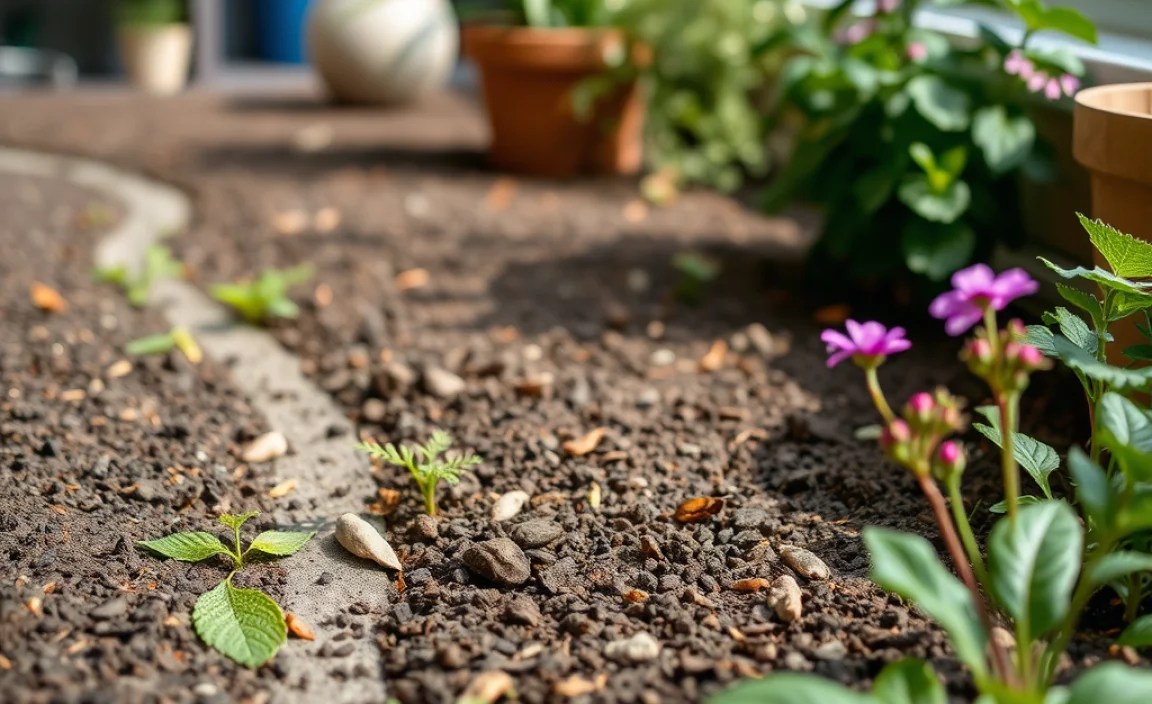
Understanding why your garden has poor drainage is important. Many things can cause drainage problems. Clay soil holds more water than sandy soil. Compacted soil doesn’t let water flow through easily. A slope that directs water towards your garden can also cause issues. Heavy rainfall can overwhelm the soil’s ability to drain. Sometimes, the problem is a combination of these things. Identifying the cause is the first step to improve garden drainage. Check your soil type. Look for areas where water pools. Consider the slope of your land. Knowing the problem helps you choose the right solution. Once you know the cause, you can take action.
- Clay soil holds more water.
- Compacted soil stops water flow.
- Slopes can direct water to gardens.
- Heavy rain can cause flooding.
- Look for pooling water.
Think of your garden like a sponge. A new sponge soaks up water easily. An old, compacted sponge doesn’t. Soil acts the same way. Healthy soil has spaces for water and air. Compacted soil has fewer spaces. This makes it hard for water to drain. Adding organic matter helps create these spaces. Aerating the soil also breaks up compaction. Understanding your soil is key. This helps you choose the best way to improve garden drainage. Remember, a healthy garden starts with healthy soil.
Is Your Soil the Problem?
Is your soil the reason for poor drainage? To find out, do a simple test. Dig a hole about one foot deep. Fill it with water and let it drain. Fill it again and see how long it takes to drain. If it takes more than 24 hours, your soil has poor drainage. Clay soil is often the culprit. Clay particles are small and tightly packed. This leaves little room for water to move through. Sandy soil drains quickly. Loamy soil is a mix of sand, silt, and clay. It provides the best balance. Knowing your soil type helps you choose the right amendments. You might need to add organic matter. This can improve garden drainage.
What is Soil Compaction?
Soil compaction happens when soil particles are pressed together. This reduces the space for water and air. Walking on wet soil can cause compaction. Using heavy machinery can also compact the soil. Over time, this makes it hard for water to drain. Plants struggle to grow in compacted soil. Their roots can’t get the air and water they need. To fix compacted soil, you need to aerate it. Aeration involves creating small holes in the soil. This allows air and water to penetrate. You can use a garden fork or an aerator tool. Adding organic matter also helps prevent compaction. Regular aeration is key to improve garden drainage.
How Does Slope Affect Drainage?
The slope of your garden can greatly affect drainage. A garden on a slope can drain too quickly. Water runs off before plants can absorb it. A garden at the bottom of a slope can become waterlogged. Water flows down and collects there. To manage a sloped garden, you can create terraces. Terraces are like steps that slow down water flow. You can also build retaining walls. These walls hold back soil and prevent erosion. For a garden at the bottom of a slope, consider a French drain. A French drain redirects water away from the garden. Understanding the slope helps you improve garden drainage.
Fun Fact or Stat: Did you know that healthy soil can absorb up to 20 times its weight in water?

Amending Soil to Improve Drainage
Amending your soil is a great way to improve garden drainage. Soil amendments are materials added to the soil. They change the soil’s structure and composition. Organic matter is one of the best amendments. Compost, aged manure, and leaf mold are all examples. These materials add nutrients to the soil. They also create spaces for air and water. Sand can also improve drainage in clay soils. However, you need to add a lot of sand to make a difference. Gypsum is another amendment that can help break up clay. It works by changing the chemical structure of the clay. When adding amendments, mix them well with the existing soil. This ensures they are evenly distributed. Regular soil testing can help you determine which amendments are needed.
- Compost adds nutrients and improves drainage.
- Aged manure enriches the soil.
- Leaf mold helps retain moisture.
- Sand improves drainage in clay soils.
- Gypsum breaks up clay soil.
- Mix amendments well with existing soil.
Think of your soil as a recipe. Sometimes, you need to add ingredients to make it better. Soil amendments are like those extra ingredients. Compost is like adding vitamins to your soil. It provides essential nutrients. Sand is like adding texture. It helps break up heavy clay. Gypsum is like a special ingredient that changes the soil’s chemistry. When you amend your soil, you are creating a better environment for your plants. They will have access to more air, water, and nutrients. This leads to healthier growth. Remember to choose the right amendments for your soil type. This will help you improve garden drainage effectively.
What is Organic Matter?
Organic matter is anything that was once living. This includes leaves, grass clippings, and food scraps. When organic matter decomposes, it becomes humus. Humus is a dark, rich substance that improves soil health. It helps the soil retain moisture. It also provides nutrients for plants. Adding organic matter is like giving your soil a healthy meal. It feeds the beneficial microbes that live in the soil. These microbes help break down organic matter further. This releases even more nutrients. To add organic matter, you can use compost, aged manure, or leaf mold. Spread a layer of organic matter on top of the soil. Then, mix it in with a garden fork. Regular additions of organic matter will improve garden drainage over time.
How Does Sand Improve Drainage?
Sand can improve drainage in clay soils. Clay particles are very small. They pack together tightly, leaving little space for water. Sand particles are much larger. They create bigger spaces in the soil. This allows water to drain more easily. However, you need to add a significant amount of sand to make a difference. Adding a small amount of sand can actually make the problem worse. It can create a concrete-like mixture. Use coarse sand, not fine sand. Mix the sand thoroughly with the clay soil. This will help create a more balanced soil structure. While sand can help, it’s often best used in combination with organic matter. This will improve garden drainage and soil health.
What is Gypsum and How Does It Work?
Gypsum is a mineral that can help break up clay soil. It works by changing the chemical structure of the clay. Clay particles have a negative charge. This causes them to stick together tightly. Gypsum contains calcium, which has a positive charge. The calcium replaces sodium in the clay. This causes the clay particles to separate. This creates more space for water and air. Gypsum doesn’t change the soil’s pH. It’s safe to use around most plants. To apply gypsum, spread it evenly over the soil surface. Then, water it in. It may take several months to see the full effects. Gypsum is a useful tool to improve garden drainage in clay soils.
Fun Fact or Stat: Compost can reduce the need for chemical fertilizers by up to 50%!
Installing a French Drain
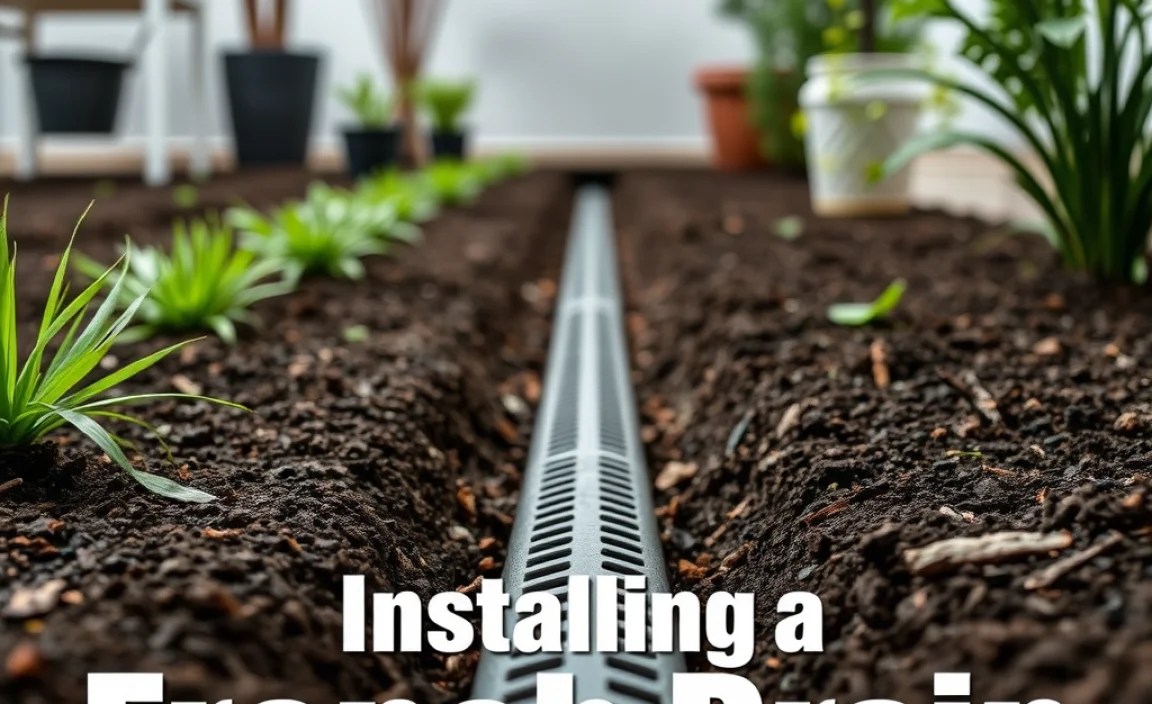
A French drain is a trench filled with gravel and a perforated pipe. It helps to improve garden drainage by redirecting water away from your garden. First, dig a trench where water tends to collect. The trench should slope slightly downhill. This allows water to flow easily. Line the trench with landscape fabric. This prevents soil from clogging the gravel. Place a perforated pipe in the bottom of the trench. The pipe should have holes facing down. Cover the pipe with gravel. Then, wrap the landscape fabric over the gravel. Finally, cover the fabric with topsoil. You can then plant grass or other plants on top. A French drain is a great way to manage excess water in your garden.
- Dig a trench in the problem area.
- Slope the trench slightly downhill.
- Line the trench with landscape fabric.
- Place a perforated pipe in the trench.
- Cover the pipe with gravel.
- Wrap the fabric over the gravel.
- Cover with topsoil and plant.
Imagine your garden is a bathtub that’s overflowing. A French drain is like a drainpipe that carries the excess water away. The trench acts as a channel for the water. The gravel allows the water to flow freely. The perforated pipe collects the water and carries it away. The landscape fabric prevents soil from clogging the system. By installing a French drain, you are creating a path for water to escape. This prevents water from pooling in your garden. This is an effective way to improve garden drainage, especially in areas with heavy rainfall or poor soil.
Where Should You Place a French Drain?
The best place for a French drain is where water tends to collect. This could be at the bottom of a slope. It could also be in a low-lying area of your garden. Observe your garden after a heavy rain. Notice where the water pools. This is where you should install the French drain. The drain should be placed uphill from the area you want to protect. This allows it to intercept the water before it reaches the problem area. Make sure the drain slopes downhill. This ensures that the water flows away from your garden. Proper placement is key to the effectiveness of a French drain. It’s an important step to improve garden drainage.
What Kind of Pipe Should You Use?
The best pipe for a French drain is a perforated pipe. This type of pipe has small holes along its length. These holes allow water to enter the pipe. The pipe should be made of durable material, such as PVC. Choose a pipe size that is appropriate for the amount of water you need to drain. A 4-inch pipe is usually sufficient for most residential gardens. Make sure the holes in the pipe are facing down. This allows water to enter from below. This also helps prevent soil from entering the pipe. Using the right type of pipe is important for the long-term performance of your French drain.
What Type of Gravel is Best?
The best type of gravel for a French drain is washed gravel. Washed gravel is free of fine particles. These particles can clog the drain over time. Choose gravel that is about 1 to 2 inches in diameter. This size allows water to flow freely through the gravel. Avoid using crushed stone, as it can have sharp edges. The sharp edges can damage the landscape fabric. Fill the trench with gravel to a depth of at least 12 inches. This provides ample space for water to flow. Using the right type of gravel is essential to improve garden drainage.
Fun Fact or Stat: A well-maintained French drain can last for 10 years or more!

Creating Raised Beds for Better Drainage
Raised beds are garden beds that are elevated above the ground. They are a great way to improve garden drainage. This is especially true in areas with heavy clay soil or poor drainage. Building raised beds involves constructing a frame. You can use wood, stone, or concrete blocks. Fill the frame with a well-draining soil mix. This could include topsoil, compost, and perlite. Raised beds allow water to drain away from the plant roots. They also warm up faster in the spring. This can extend your growing season. Raised beds are also easier to manage. You don’t have to bend over as much to weed and plant. They can add beauty and function to your garden.
- Build a frame using wood, stone, or blocks.
- Fill the frame with a well-draining soil mix.
- Elevate plants above waterlogged soil.
- Warm up faster in the spring.
- Easier to manage and maintain.
Imagine your garden is a stage. Raised beds are like platforms that elevate your plants. This keeps their feet dry and comfortable. The frame of the raised bed provides structure and support. The well-draining soil mix allows water to flow freely. This prevents the roots from sitting in water. Raised beds also make it easier to control the soil quality. You can create the perfect growing environment for your plants. This is a simple way to improve garden drainage and overall garden health.
What Materials Can You Use for Raised Beds?
You can use many different materials to build raised beds. Wood is a popular choice because it is affordable and easy to work with. Cedar is a good option because it is naturally rot-resistant. Stone and concrete blocks are also durable choices. They can add a more formal look to your garden. Recycled materials, such as old tires or pallets, can also be used. Just make sure the materials are safe and won’t leach harmful chemicals into the soil. Choose materials that complement your garden’s style and meet your budget.
What Soil Mix is Best for Raised Beds?
The best soil mix for raised beds is a well-draining mix. This typically includes topsoil, compost, and perlite or vermiculite. Topsoil provides a base for the mix. Compost adds nutrients and improves drainage. Perlite and vermiculite help to aerate the soil. Avoid using heavy clay soil in raised beds. It will retain too much water and can cause root rot. You can also purchase pre-made raised bed soil mixes. These mixes are specifically formulated for raised beds. Creating the right soil mix is essential to improve garden drainage.
How High Should Raised Beds Be?
The height of your raised beds depends on your needs and preferences. A height of 6 to 12 inches is generally sufficient for most plants. This provides enough space for root growth and drainage. If you have very poor soil, you may want to build higher beds. This will give you more control over the soil quality. Consider your physical abilities when determining the height. Higher beds are easier to work with if you have back problems. Choose a height that is comfortable for you and suitable for your plants.
Fun Fact or Stat: Raised beds can increase crop yields by up to 30%!
Aerating Your Garden Soil
Aerating your garden soil is another way to improve garden drainage. Aeration involves creating small holes in the soil. This allows air, water, and nutrients to reach the plant roots. Compacted soil prevents these essential elements from reaching the roots. You can aerate your soil using a garden fork, an aerating tool, or a core aerator. A garden fork is a simple tool that can be used for small areas. An aerating tool has hollow tines that remove small plugs of soil. A core aerator is a machine that removes larger plugs of soil. Aerate your soil in the spring or fall. This is when the soil is moist and easy to work with. Regular aeration can greatly improve the health of your garden.
- Use a garden fork for small areas.
- Use an aerating tool for larger areas.
- Aerate in the spring or fall.
- Improves air and water flow.
- Helps nutrients reach roots.
- Breaks up compacted soil.
Think of your soil as a crowded room. Aeration is like opening the windows and doors. It allows fresh air to circulate. It also allows water to flow freely. The holes created by aeration provide pathways for air and water to reach the roots. This helps the roots grow stronger and healthier. Aeration also relieves soil compaction. This allows the roots to expand more easily. This is a simple way to improve garden drainage and promote plant growth.
When Should You Aerate Your Soil?
The best time to aerate your soil is in the spring or fall. This is when the soil is moist and easy to work with. Avoid aerating when the soil is too dry or too wet. Dry soil is hard to penetrate. Wet soil can become even more compacted when aerated. Aerate before planting new plants or after harvesting crops. This allows the soil to recover before the next growing season. Regular aeration, once or twice a year, can greatly improve soil health.
What Tools Can You Use to Aerate Soil?
There are several tools you can use to aerate soil. A garden fork is a simple and affordable option. Push the tines of the fork into the soil and wiggle it back and forth. This creates small holes. An aerating tool has hollow tines that remove small plugs of soil. This is a more effective way to aerate than using a garden fork. A core aerator is a machine that removes larger plugs of soil. This is the most effective way to aerate, but it can be expensive. Choose the tool that is best suited for your garden size and budget.
How Often Should You Aerate Your Soil?
How often you should aerate your soil depends on the type of soil you have. Clay soils tend to compact more easily than sandy soils. If you have clay soil, you may need to aerate once or twice a year. If you have sandy soil, you may only need to aerate every few years. Observe your soil and plants. If you notice that the soil is compacted or the plants are not growing well, it may be time to aerate. Regular aeration is an important part of maintaining healthy soil.
Fun Fact or Stat: Aeration can increase water infiltration by up to 50%!
Choosing the Right Plants for Your Garden
Choosing the right plants can help to improve garden drainage naturally. Some plants are more tolerant of wet soil than others. These plants can help to absorb excess water. They can also help to break up compacted soil with their roots. When choosing plants, consider your soil type and drainage conditions. If you have poorly drained soil, choose plants that thrive in wet conditions. These plants can help to create a more balanced ecosystem in your garden. They can also add beauty and interest to your landscape.
- Select plants that tolerate wet soil.
- Choose plants with deep roots.
- Consider your soil type.
- Match plants to drainage conditions.
- Research plant water needs.
Imagine your garden is a team. Each plant has a role to play. Some plants are good at absorbing water. Others are good at breaking up soil. By choosing the right plants, you can create a team that works together to improve drainage. These plants can help to create a more balanced ecosystem in your garden. They can also add beauty and interest to your landscape. Selecting plants that suit your specific garden conditions is crucial.
What Plants Tolerate Wet Soil?
Many plants tolerate wet soil. These plants are adapted to growing in conditions where the soil is often saturated. Some examples include:
| Plant Name | Description |
|---|---|
| Astilbe | Feathery flowers, shade-loving. |
| болотный ирис | Tall, yellow flowers, loves water. |
| Lobelia | Brightly colored flowers, attracts hummingbirds. |
| болотный кипарис | Deciduous conifer, tolerates standing water. |
| Ситник | Grass-like plant, good for rain gardens. |
These plants can thrive in areas where other plants would struggle. They can help to absorb excess water and improve soil conditions.
How Do Plant Roots Improve Drainage?
Plant roots can improve drainage in several ways. Deep roots can help to break up compacted soil. This creates pathways for water to flow more easily. Plant roots also absorb water from the soil. This helps to reduce the amount of water that is sitting in the soil. The roots also create channels in the soil as they grow and decompose. These channels allow water to drain more quickly. Choosing plants with deep and extensive root systems can greatly improve garden drainage.
How to Match Plants to Your Garden’s Conditions?
To match plants to your garden’s conditions, start by assessing your soil type. Is it sandy, clay, or loamy? Also, observe how well your soil drains. Does water pool on the surface after a rain? Consider the amount of sunlight your garden receives. Some plants need full sun, while others prefer shade. Choose plants that are adapted to your specific conditions. Read plant labels carefully. This will help you to select plants that will thrive in your garden.
Fun Fact or Stat: A rain garden can reduce runoff by up to 30%!
Maintaining Good Garden Drainage
Maintaining good garden drainage is an ongoing process. It requires regular attention and care. Clear away any debris that may be blocking drainage pathways. This includes leaves, twigs, and mulch. Regularly aerate your soil to prevent compaction. Amend your soil with organic matter to improve drainage. Avoid walking on wet soil, as this can cause compaction. Monitor your garden after heavy rains. Look for areas where water is pooling. Take action to address any drainage problems as soon as they arise. Regular maintenance is essential to improve garden drainage.
- Clear away debris regularly.
- Aerate your soil to prevent compaction.
- Amend with organic matter.
- Avoid walking on wet soil.
- Monitor after heavy rains.
- Address drainage problems quickly.
Think of your garden as a car. Regular maintenance is needed to keep it running smoothly. Clearing away debris is like changing the oil. Aerating the soil is like rotating the tires. Amending with organic matter is like filling the gas tank. By taking care of your garden, you can ensure that it stays healthy and productive. This is an easy way to improve garden drainage.
How to Prevent Soil Compaction?
Preventing soil compaction is important for maintaining good drainage. Avoid walking on wet soil. This is one of the main causes of soil compaction. Use wide boards or planks to distribute your weight when working in the garden. Avoid using heavy machinery in the garden. Add organic matter to the soil. This helps to improve soil structure and prevent compaction. Aerate the soil regularly to relieve compaction. By taking these steps, you can prevent soil compaction and maintain good drainage.
How to Clear Drainage Pathways?
Clearing drainage pathways is essential for maintaining good drainage. Remove any debris that may be blocking drainage pathways. This includes leaves, twigs, and mulch. Check drainage ditches and French drains for clogs. Remove any accumulated sediment or debris. Keep gutters and downspouts clean. This ensures that rainwater is directed away from the garden. Regular clearing of drainage pathways will help to prevent water from pooling in your garden.
How to Monitor Your Garden’s Drainage?
Monitoring your garden’s drainage is important for identifying potential problems. Observe your garden after heavy rains. Look for areas where water is pooling. Check the soil moisture. Is the soil consistently wet or soggy? Examine your plants. Are they showing signs of stress, such as yellowing leaves or stunted growth? If you notice any of these signs, it may indicate a drainage problem. Take action to address the problem as soon as possible.
Fun Fact or Stat: A layer of mulch can reduce soil erosion by up to 90%!
Summary
In summary, improve garden drainage is essential for healthy plant growth. Poor drainage can lead to root rot and other problems. There are several ways to improve drainage, including amending the soil, installing a French drain, and creating raised beds. Amending the soil with organic matter can help to improve soil structure and drainage. A French drain can redirect excess water away from your garden. Raised beds elevate plants above waterlogged soil. Aerating the soil can also improve drainage by creating small holes in the soil. Choosing the right plants for your garden can also help. Plants that tolerate wet soil can help to absorb excess water.
Regular maintenance is important for maintaining good drainage. Clear away any debris that may be blocking drainage pathways. Avoid walking on wet soil to prevent compaction. Monitor your garden after heavy rains to identify any drainage problems. By taking these steps, you can create a healthy and thriving garden.
Conclusion
Improving garden drainage is an important step for any gardener. It ensures that your plants have the right amount of water and air. By understanding the causes of poor drainage and implementing effective solutions, you can create a healthy and productive garden. Remember to choose the right plants, amend your soil, and maintain good drainage practices. With a little effort, you can improve garden drainage and enjoy a beautiful garden.
Frequently Asked Questions
Question No 1: Why is good garden drainage important?
Answer: Good garden drainage is super important because plants need both water and air to grow strong! If your garden soil is like a soggy sponge, the roots can’t breathe, just like when you hold your nose for too long. This can make the plants get sick or even die. When water drains well, the roots get the air they need, and they can soak up the right amount of water and nutrients. That’s why improve garden drainage is something all gardeners should think about.
Question No 2: How can I tell if my garden has poor drainage?
Answer: It’s easy to check if your garden has poor drainage! After a good rain, go out and look at your garden. Do you see puddles of water that stick around for a long time? Is the soil always squishy and wet, even when it hasn’t rained in a while? If so, your garden might have drainage problems. Another sign is if your plants aren’t growing well, or their leaves turn yellow. These are all clues that you might need to improve garden drainage to keep your plants happy and healthy.
Question No 3: What is organic matter, and how does it help drainage?
Answer: Organic matter is like a special ingredient you add to your soil to make it better. It’s stuff that used to be alive, like leaves, compost, or even old banana peels! When you mix organic matter into your soil, it helps create tiny spaces for air and water to move around. This means the soil can hold onto water when it’s dry and let extra water drain away when it rains too much. Adding organic matter is a great way to improve garden drainage and make your plants super happy!
Question No 4: What is a French drain, and how does it work?
Answer: A French drain is like a secret underground river that helps carry water away from your garden! It’s basically a trench filled with gravel and a special pipe that has holes in it. You dig the trench where water likes to collect, and then the gravel and pipe work together to collect the water and move it somewhere else, like a ditch or a dry well. It’s a really clever way to improve garden drainage, especially if you have a garden that gets super soggy after it rains.
Question No 5: Are raised beds a good solution for poor drainage?
Answer: Absolutely! Raised beds are like giving your plants their own little islands to grow on. Instead of planting directly in the ground, you build up a box or frame and fill it with good soil. This lifts the plants up higher, away from any soggy or waterlogged soil below. Since you get to choose the soil that goes into the raised bed, you can make sure it drains really well. This is a simple and effective way to improve garden drainage and give your plants a perfect place to grow.
Question No 6: How does aerating the soil help improve garden drainage?
Answer: Imagine your garden soil is a big, tightly packed cake. Water and air can’t get through easily, right? Aerating is like poking tiny holes in that cake. It helps break up the compacted soil, making it easier for water and air to move around. This gives the plant roots more room to breathe and helps water drain away faster. You can use a garden fork or a special tool to poke those holes and improve garden drainage. Think of it as giving your soil a little spa treatment!
