Do you have a garden with hard, sticky soil? Does water sit on top after it rains? You might have clay soil. Improving clay soil gardening can seem hard. But don’t worry! It is possible to grow beautiful plants. Let’s learn how to make your clay soil better.
Clay soil can be tough to work with. It holds too much water sometimes. Other times, it gets rock hard. But with a few simple steps, you can change it. You can create healthy soil for your plants.
Gardening in clay soil does not need to be frustrating. Many gardeners face this problem. We will show you easy ways to fix it. Get ready to see your garden thrive. Let’s explore improving clay soil gardening together.
Key Takeaways
- Improving clay soil gardening involves adding organic matter to help drainage.
- Adding compost, manure, or leaves can significantly improve clay soil.
- Gypsum can help break down clay, making it easier to work with.
- Raised beds are a great option for gardening in heavy clay soil.
- Regularly aerating the soil prevents compaction and helps plant roots grow.
Understanding Clay Soil for Gardening

Clay soil is made of tiny particles packed tightly together. These small pieces make it hard for water and air to move through. When it’s wet, clay soil feels sticky. When it’s dry, it becomes hard as a rock. This can make it tough for plant roots to grow. They need air and water to survive. The good news is that improving clay soil gardening is possible. By adding the right things to your soil, you can change its texture. This will help water drain better. It will also let air reach the roots. Many plants can thrive in clay soil once it’s improved. Understanding your soil is the first step. You can then take steps to make it healthier for your plants. Remember, patience is key. It takes time to improve clay soil, but the results are worth it.
- Clay soil holds a lot of water.
- It can be hard for roots to grow.
- Clay soil is often rich in nutrients.
- Adding organic matter helps.
- Improved clay soil supports healthy plants.
Many gardeners think clay soil is all bad news. But clay soil has some good qualities. It often has lots of nutrients that plants need. The problem is that plants can’t always get to those nutrients. The tightly packed clay keeps them locked away. When you start improving clay soil gardening, you unlock these nutrients. Adding things like compost and aged manure helps. These materials create spaces in the soil. This allows air and water to move. It also helps plant roots reach the nutrients. Over time, your clay soil will become richer and easier to work with. You will see your plants grow stronger and healthier. The key is to be patient and keep adding organic matter.
Fun Fact or Stat: Clay soil particles are so small that they are less than 0.002 mm in diameter!
What Does Clay Soil Look Like?
Have you ever played with Play-Doh? That’s kind of what clay soil is like when it’s wet! It feels very smooth and sticky. If you squeeze a handful of wet clay soil, it will stay in a ball. It won’t crumble apart easily. When clay soil dries out, it gets very hard. You might see cracks on the surface. This is because the clay shrinks as it loses water. Improving clay soil gardening starts with knowing what to look for. If your soil looks and feels like this, you probably have clay soil. Don’t worry! Many plants can still grow in clay soil. You just need to make some changes to help them thrive. Adding compost and other organic matter is a great way to start.
How Does Clay Soil Affect Plants?
Imagine trying to run a race while wearing heavy boots. That’s what it’s like for plants growing in clay soil. The dense clay makes it hard for their roots to spread out. They need to push through the soil to find water and nutrients. Clay soil also holds a lot of water. This can be good, but it can also be bad. If the soil stays too wet, the roots can rot. They need air to breathe, just like we do! Improving clay soil gardening helps plants in many ways. It makes the soil easier for roots to grow through. It also helps water drain better, so the roots don’t get too wet. When you improve clay soil, you are giving your plants a much better chance to grow strong and healthy.
Why Is Clay Soil So Compacted?
Think of clay soil like a bunch of tiny marbles packed tightly together. There are almost no spaces between them! This is because clay particles are very small and flat. They fit together very closely. This is what makes clay soil so compacted. When the soil is compacted, water and air can’t move through it easily. This can be a problem for plants. Their roots need air and water to grow. Improving clay soil gardening helps to loosen up the soil. Adding things like compost and manure creates spaces between the clay particles. This allows air and water to get to the roots. Over time, the soil becomes less compacted and easier to work with. This makes it a much better place for plants to grow.
Testing Your Soil Type for Improvement
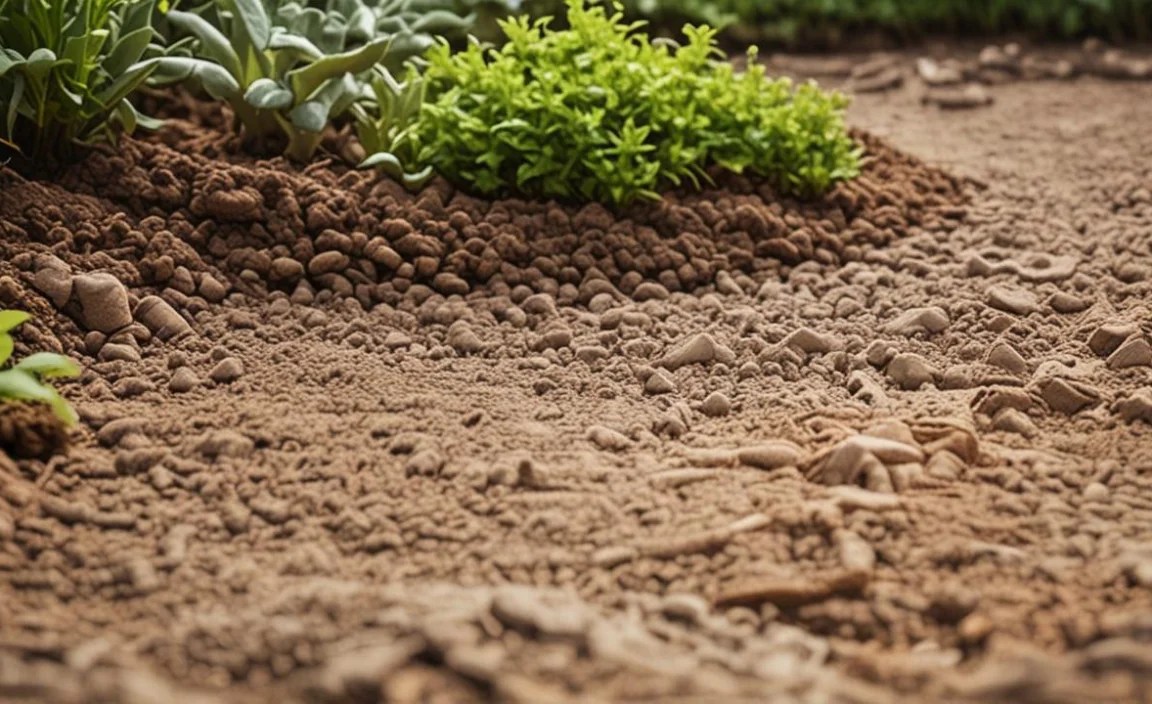
Before you start improving clay soil gardening, it’s a good idea to test your soil. Testing helps you know exactly what you’re dealing with. You can do a simple test at home. Grab a handful of moist soil. Squeeze it in your hand. If it forms a ball that stays together, you likely have clay soil. You can also try the ribbon test. Roll the moist soil between your thumb and forefinger. If you can make a long, thin ribbon, it’s probably clay. For more detailed information, you can send a soil sample to a lab. They can tell you the exact makeup of your soil. This includes the amount of clay, sand, and silt. They can also tell you the pH level. Knowing your soil type helps you choose the right amendments. Amendments are things you add to the soil to improve it. This will help you make your garden healthier and more productive.
- Do a simple squeeze test.
- Try the ribbon test for clay.
- Send a sample to a lab for details.
- Check the soil’s pH level.
- Choose the right soil amendments.
- Testing helps improve gardening.
Testing your soil might sound like a lot of work. But it’s a smart way to start improving clay soil gardening. Imagine you are a doctor. You wouldn’t give medicine without knowing what’s wrong, right? It’s the same with your soil. You need to know what it needs before you start adding things. A soil test can tell you if your soil is too acidic or too alkaline. It can also tell you if it’s lacking any important nutrients. With this information, you can choose the right amendments. For example, if your soil is too acidic, you might add lime. If it’s lacking nutrients, you might add fertilizer. Testing your soil is like giving your garden a checkup. It helps you make sure it’s healthy and ready to grow.
Fun Fact or Stat: A soil test can cost as little as $15, but it can save you a lot of money and time in the long run!
Why Test Your Soil’s pH?
Have you ever heard of pH? It’s like a measure of how acidic or alkaline your soil is. Plants need a certain pH to grow well. Most plants like a pH that’s close to neutral. If your soil is too acidic or too alkaline, plants can’t take up nutrients. This means they won’t grow as big and strong as they could. Testing your soil’s pH is important for improving clay soil gardening. If the pH is off, you can add things to fix it. Lime can raise the pH if it’s too acidic. Sulfur can lower the pH if it’s too alkaline. Knowing your soil’s pH helps you create the best conditions for your plants to thrive.
What Tools Do You Need for Soil Testing?
Testing your soil doesn’t require fancy tools. For a simple home test, you just need a shovel and a bucket. You can also buy a soil testing kit at a garden store. These kits usually come with everything you need to collect a sample and test it. If you want a more detailed test, you’ll need to send a sample to a lab. They will provide instructions on how to collect the sample properly. No matter which method you choose, make sure to follow the instructions carefully. This will help you get accurate results. Accurate results are key to improving clay soil gardening. With the right information, you can make your soil healthy and productive.
How Often Should You Test Your Soil?
Testing your soil once is a good start. But it’s a good idea to test it regularly. You should test your soil every few years. This helps you keep track of any changes. The pH and nutrient levels can change over time. This can happen because of the plants you grow or the amendments you add. Regular testing allows you to make adjustments as needed. This ensures your soil stays healthy for your plants. For improving clay soil gardening, regular testing is especially important. Clay soil can be tricky to manage. By testing regularly, you can stay on top of things and keep your garden thriving.
Adding Organic Matter to Clay Soil

Adding organic matter is one of the best ways for improving clay soil gardening. Organic matter is anything that was once living. This includes things like compost, aged manure, and shredded leaves. These materials help to break up the clay particles. This creates spaces for air and water to move through the soil. Organic matter also feeds the beneficial microbes in the soil. These tiny creatures help to break down nutrients. They make them available to plants. When you add organic matter, you’re not just changing the soil’s texture. You’re also making it more alive and healthy. Aim to add a few inches of organic matter each year. Work it into the top layer of the soil. Over time, you’ll see a big difference in how your plants grow. They’ll be stronger, healthier, and more productive.
- Use compost to enrich the soil.
- Add aged manure for nutrients.
- Shredded leaves improve drainage.
- Organic matter feeds microbes.
- Incorporate it every year.
- Healthy soil supports plant growth.
Think of organic matter as food for your soil. Just like you need food to grow strong, your soil needs organic matter to stay healthy. When you add compost to your clay soil, it’s like giving it a big, nutritious meal. The compost breaks down slowly, releasing nutrients that plants can use. It also helps to improve the soil’s structure. This makes it easier for water and air to move through. Aged manure is another great option. It’s full of nutrients that plants love. Shredded leaves are also helpful. They add bulk to the soil and help to prevent compaction. When you’re improving clay soil gardening, aim to add a variety of organic materials. This will give your soil a balanced diet and help it thrive.
Fun Fact or Stat: Adding just 5% organic matter to soil can increase its water-holding capacity by up to 20%!
What Types of Compost Are Best?
There are many different types of compost you can use for improving clay soil gardening. Some popular choices include homemade compost, mushroom compost, and worm castings. Homemade compost is made from kitchen scraps and yard waste. It’s a great way to recycle and reduce waste. Mushroom compost is a byproduct of mushroom farming. It’s rich in nutrients and helps to improve soil structure. Worm castings are the droppings of worms. They are an excellent source of nutrients and beneficial microbes. No matter which type of compost you choose, make sure it’s fully composted. This means it should be dark, crumbly, and smell earthy. Uncomposted materials can harm your plants.
How Much Manure Should You Add?
Aged manure can be a great addition to your garden. But it’s important to use it correctly. Too much manure can burn your plants. It can also add too much salt to the soil. When improving clay soil gardening with manure, use aged manure. Fresh manure is too strong. Spread a layer of aged manure about 2-3 inches thick over the soil. Then, work it in with a shovel or tiller. Avoid using manure from meat-eating animals. It can contain harmful bacteria. Good choices include manure from cows, horses, chickens, and rabbits.
Can You Use Green Manure?
Have you ever heard of green manure? It’s not actually manure. It’s a cover crop that you grow specifically to improve the soil. Green manure crops are usually legumes, like clover or beans. These plants have a special ability to fix nitrogen from the air. They store it in their roots. When you cut down the green manure crop, you can till it into the soil. This adds nitrogen and organic matter. Green manure is a great way to improving clay soil gardening naturally. It can help to break up compacted soil and improve drainage. It also adds valuable nutrients that plants need.
Using Gypsum to Break Down Clay

Gypsum is a mineral that can help with improving clay soil gardening. It doesn’t add nutrients to the soil. Instead, it helps to break apart the clay particles. Clay particles have a negative charge. This causes them to stick together tightly. Gypsum has a positive charge. It replaces the negative charges on the clay particles. This allows the clay to separate. This improves drainage and aeration. Gypsum is especially helpful if your clay soil is high in sodium. Sodium can make clay soil even more compacted. Gypsum helps to flush out the sodium. It replaces it with calcium. You can apply gypsum to your soil in the fall or spring. Follow the instructions on the product label. It’s a simple way to improve your soil’s structure and make it easier to work with.
| Amendment | Benefits | Drawbacks |
|---|---|---|
| Compost | Adds nutrients, improves drainage | Can be expensive, may contain weed seeds |
| Aged Manure | Rich in nutrients, improves soil structure | Can burn plants if not aged properly |
| Gypsum | Breaks down clay, improves drainage | Doesn’t add nutrients, only helps with clay |
| Green Manure | Adds nitrogen, improves soil structure | Requires time to grow, takes up garden space |
- Gypsum breaks apart clay.
- It improves soil drainage.
- It helps with sodium levels.
- Apply it in fall or spring.
- Follow product instructions.
- It makes soil easier to work with.
Imagine your clay soil is like a stack of sticky pancakes. They’re all stuck together, making it hard to pour syrup (water) between them. Gypsum is like a spatula. It helps to separate the pancakes (clay particles). This allows the syrup (water) to flow more easily. When improving clay soil gardening, gypsum can be a valuable tool. It doesn’t work overnight. But over time, it can make a big difference in your soil’s structure. It’s especially helpful if you have very heavy clay soil. Or if you live in an area with high sodium levels. Gypsum is a natural mineral. It’s safe to use in your garden. Just be sure to follow the instructions on the product label. This will help you get the best results.
Fun Fact or Stat: Gypsum is often used on baseball fields to improve drainage after rain!
How Much Gypsum Do You Need?
The amount of gypsum you need depends on your soil type. It also depends on the severity of your clay problem. A soil test can help you determine how much gypsum to use. In general, you can apply about 40 pounds of gypsum per 100 square feet. Spread the gypsum evenly over the soil surface. Then, work it in with a shovel or tiller. Water the area well after applying the gypsum. This will help it start working. Remember that gypsum is a long-term solution. It may take several months to see a noticeable improvement. Be patient and keep improving clay soil gardening.
Is Gypsum Safe for All Plants?
Yes, gypsum is generally safe for all plants. It doesn’t change the pH of the soil. So it won’t harm plants that prefer acidic or alkaline conditions. Gypsum is a natural mineral. It’s not toxic to plants or animals. However, it’s always a good idea to follow the instructions on the product label. This will help you avoid using too much. Using too much gypsum can sometimes cause nutrient imbalances. But this is rare. For most gardens, gypsum is a safe and effective way of improving clay soil gardening.
When Should You Avoid Using Gypsum?
While gypsum is generally safe, there are some situations where you might avoid using it. If your soil is already well-drained and has a good structure, gypsum may not be necessary. It’s also not a good idea to use gypsum if your soil is alkaline. Gypsum can sometimes raise the pH of alkaline soils. This can make it harder for some plants to grow. Before using gypsum, it’s always a good idea to test your soil. This will help you determine if it’s the right solution for improving clay soil gardening. If in doubt, consult with a local gardening expert.
Creating Raised Beds for Clay Soil

Raised beds are a great option for improving clay soil gardening. They allow you to create a separate growing area. You can fill it with good quality soil. This avoids the problems of your existing clay soil. Building raised beds is like creating a new garden on top of your old one. You can make them any size or shape you want. Just make sure they’re easy to reach and work in. Fill the beds with a mix of topsoil, compost, and other organic matter. This will create a light, well-drained soil that plants love. Raised beds also help to warm up the soil faster in the spring. They can extend your growing season. Plus, they’re easier on your back! You don’t have to bend over as much to plant, weed, and harvest.
- Raised beds use good soil.
- They avoid clay soil issues.
- They are easy to reach.
- They warm up quickly.
- They extend the season.
- They are good for your back.
Imagine you’re building a sandbox. But instead of sand, you’re filling it with rich, healthy soil. That’s what it’s like when you create raised beds. You’re creating a perfect growing environment for your plants. Raised beds are especially helpful if you have very heavy clay soil. Or if your soil is contaminated. They allow you to bypass the problems of your existing soil. When improving clay soil gardening, raised beds can be a quick and easy solution. You don’t have to spend years amending your clay soil. You can start growing right away. Just build your raised beds, fill them with good soil, and start planting!
Fun Fact or Stat: Raised beds can increase yields by up to 4 times compared to traditional gardening!
What Materials Can You Use for Raised Beds?
You can use many different materials to build raised beds. Some popular choices include wood, concrete blocks, and metal. Wood is a classic choice. It’s easy to work with and looks natural in the garden. Concrete blocks are durable and long-lasting. Metal is also a good option. Especially if you want a modern look. When choosing materials, consider your budget and the look you want to achieve. Also, think about the size and shape of your raised beds. Make sure you choose materials that are strong enough to hold the soil. Building raised beds is a great way of improving clay soil gardening.
How Deep Should Raised Beds Be?
The depth of your raised beds depends on the plants you want to grow. For most vegetables and flowers, a depth of 12 inches is sufficient. This gives the roots enough room to grow. If you’re growing root vegetables like carrots or potatoes, you may want to make your beds deeper. A depth of 18-24 inches is ideal for root vegetables. When improving clay soil gardening with raised beds, make sure the beds are deep enough to accommodate the roots of your plants. This will help them grow strong and healthy.
Do You Need to Line Raised Beds?
Whether or not you need to line your raised beds depends on your situation. If you’re building raised beds on top of clay soil, it’s a good idea to line them with landscape fabric. This will prevent the clay soil from mixing with the good soil in your raised beds. If you’re building raised beds on top of concrete or asphalt, you’ll definitely need to line them. This will prevent the soil from drying out too quickly. When improving clay soil gardening with raised beds, consider lining them to protect your soil and plants.
Improving Drainage in Clay Soil
Drainage is very important for improving clay soil gardening. Clay soil tends to hold a lot of water. This can cause problems for plants. Their roots can rot if they sit in water for too long. Good drainage allows excess water to drain away quickly. This helps to keep the soil aerated. Aerated soil has plenty of air spaces. Plant roots need air to breathe. You can improve drainage by adding organic matter. Compost, aged manure, and shredded leaves all help to create air spaces in the soil. You can also install drainage systems. These can include French drains or underground pipes. These systems help to carry water away from the garden. Improving drainage is essential for healthy plant growth in clay soil.
- Drainage prevents root rot.
- It keeps the soil aerated.
- Add organic matter to help.
- Install drainage systems.
- French drains remove water.
- Healthy roots need good drainage.
Imagine your garden is like a bathtub. If the drain is clogged, the water will just sit there. This is what happens in clay soil with poor drainage. The water can’t escape, so it just sits on the surface. This can drown your plants and cause them to rot. When improving clay soil gardening, think about how to unclog that drain. Adding organic matter is like using a plunger. It helps to break up the blockage and allow the water to flow. Installing drainage systems is like replacing the drain with a bigger one. It allows more water to escape quickly. By improving drainage, you’re creating a healthier environment for your plants to thrive.
Fun Fact or Stat: Poor drainage is one of the leading causes of plant death in clay soil!
What Are French Drains?
Have you ever heard of a French drain? It’s a type of drainage system that helps to remove excess water from the soil. A French drain is basically a trench filled with gravel and a perforated pipe. The pipe is buried underground. It slopes slightly downwards. This allows water to flow through it. The gravel helps to filter the water. It also prevents the pipe from getting clogged. French drains are a great way of improving clay soil gardening. They can help to prevent water from pooling in your garden. This can protect your plants from root rot and other water-related problems.
How Can You Tell If Your Soil Has Poor Drainage?
There are several signs that your soil has poor drainage. One sign is that water sits on the surface of the soil for a long time after it rains. Another sign is that the soil feels soggy and waterlogged. You may also notice that your plants are wilting or turning yellow. This can be a sign of root rot. If you dig a hole in the soil, you may see water pooling at the bottom. These are all signs that you need to improve the drainage in your soil. Improving clay soil gardening requires good drainage for healthy plants.
What Plants Tolerate Poor Drainage?
While it’s best to improve drainage in clay soil, some plants are more tolerant of poor drainage than others. These plants can survive in wet conditions. Some examples include hostas, ferns, and irises. These plants are often used in rain gardens. Rain gardens are designed to collect and filter rainwater. They can be a great way to deal with poor drainage in your yard. However, even these plants will benefit from improved drainage. Improving clay soil gardening is always a good idea, even if you choose plants that tolerate wet conditions.
Choosing the Right Plants for Clay Soil
Even with improving clay soil gardening, choosing the right plants is important. Some plants are naturally better suited to clay soil than others. These plants have strong roots that can break through the compacted soil. They can also tolerate wet conditions. When selecting plants, look for varieties that are labeled as “clay tolerant.” Some good choices include hostas, coneflowers, and daylilies. These plants are not only tolerant of clay soil. They are also beautiful and easy to grow. By choosing the right plants, you can create a thriving garden. Even if your soil isn’t perfect.
- Choose clay-tolerant plants.
- Hostas thrive in clay.
- Coneflowers are a good option.
- Daylilies are easy to grow.
- Strong roots break clay.
- Healthy plants improve the garden.
Imagine you’re trying to build a house on a shaky foundation. It’s going to be tough, right? It’s the same with plants in clay soil. If you choose plants that aren’t suited to clay, they’re going to struggle. They may not grow well, or they may even die. When improving clay soil gardening, think about choosing the right foundation. Select plants that are naturally strong and adaptable. This will give them the best chance to thrive. Even if your soil isn’t perfect, you can still create a beautiful garden by choosing the right plants.
Fun Fact or Stat: Native plants are often the best choice for clay soil because they are adapted to local conditions!
What Flowers Grow Well in Clay Soil?
Many beautiful flowers can thrive in clay soil. Some popular choices include coneflowers, black-eyed Susans, and bee balm. These flowers are not only tolerant of clay soil. They are also attractive to pollinators like bees and butterflies. This can help to create a vibrant and lively garden. When choosing flowers for improving clay soil gardening, look for varieties that are known for their hardiness and adaptability. This will help you create a garden that is both beautiful and easy to care for.
What Vegetables Grow Well in Clay Soil?
While clay soil can be challenging for some vegetables, others can thrive in it. Some good choices include beans, broccoli, and cabbage. These vegetables have strong roots that can break through the compacted soil. They can also tolerate the wet conditions that are common in clay soil. When choosing vegetables for improving clay soil gardening, make sure to amend the soil with plenty of organic matter. This will help to improve drainage and aeration. It will also provide the nutrients that vegetables need to grow.
What Trees and Shrubs Tolerate Clay Soil?
If you’re looking for trees and shrubs that can tolerate clay soil, there are many options to choose from. Some good choices include oak trees, maple trees, and dogwood trees. These trees are known for their hardiness and adaptability. They can thrive in a variety of soil conditions, including clay soil. When planting trees and shrubs in clay soil, make sure to dig a wide hole. Amend the soil with plenty of organic matter. This will help the roots establish and grow. Improving clay soil gardening also means selecting the right trees and shrubs.
Summary
Improving clay soil gardening is a process that takes time and effort. Clay soil can be challenging to work with. It is dense and poorly drained. But with the right techniques, you can transform it into healthy, productive soil. The key is to add organic matter. Compost, aged manure, and shredded leaves can help to break up the clay particles. This improves drainage and aeration. Gypsum can also be helpful. It helps to separate the clay particles. Raised beds are a great option. They allow you to create a separate growing area with good quality soil. Choosing the right plants is also important. Select varieties that are tolerant of clay soil. By following these tips, you can create a thriving garden. Even if you have clay soil.
Conclusion
Improving clay soil gardening might seem tough at first. But it’s totally doable with the right steps. Adding organic matter is super important. It helps to break up the clay. Raised beds also work great. They give plants a fresh start. Choosing the right plants makes a big difference too. Remember to be patient. It takes time to see big changes. Soon, you’ll have a garden that’s growing strong. You can enjoy all your hard work.
Frequently Asked Questions
Question No 1: What is the biggest problem with clay soil?
Answer: The biggest problem with clay soil is that it’s very dense. It does not drain well. This means that water can sit on the surface. Plant roots can rot because they can’t get enough air. Clay soil can also be hard to dig. This makes it difficult to plant things. But there are ways to fix these problems. You can add organic matter to the soil. This will help to break up the clay particles. It will also improve drainage. Remember, improving clay soil gardening takes time and patience.
Question No 2: How often should I add compost to my clay soil?
Answer: You should add compost to your clay soil at least once a year. The best time to do this is in the fall or spring. Spread a layer of compost about 2-3 inches thick over the soil surface. Then, work it in with a shovel or tiller. You can also add compost to your planting holes when you plant new plants. This will give them a good start. Adding compost regularly will help to improving clay soil gardening over time. It will also make your soil healthier and more productive.
Question No 3: Can I use sand to improve my clay soil?
Answer: It’s a common myth that adding sand to clay soil will improve it. But this is not always the case. If you add too little sand, it can actually make the clay soil even harder. The sand particles can fill in the spaces between the clay particles. This makes the soil more compacted. If you’re going to use sand, you need to add a lot of it. You also need to add organic matter. It’s generally better to focus on adding organic matter. This will improve the soil structure without the risk of making it worse. Improving clay soil gardening is more about organic matter than sand.
Question No 4: Is it better to use raised beds or amend the clay soil directly?
Answer: Both raised beds and amending the clay soil directly have their advantages. Raised beds provide a quick solution. You can create a separate growing area with good quality soil. Amending the clay soil directly takes more time. But it can improve the overall soil structure of your garden. The best option depends on your individual needs and preferences. If you want a quick solution, raised beds are a good choice. If you’re willing to put in the time and effort, amending the clay soil directly can be more beneficial in the long run. Both are ways of improving clay soil gardening.
Question No 5: What are some signs that my clay soil is improving?
Answer: There are several signs that your clay soil is improving. One sign is that it becomes easier to dig. Another sign is that water drains more quickly after it rains. You may also notice that your plants are growing better. Their roots are growing stronger. The soil will also feel less sticky when wet. It will be less hard when dry. These are all signs that your efforts to improving clay soil gardening are paying off.
Question No 6: Can I use a tiller to improve my clay soil?
Answer: Yes, you can use a tiller to improve your clay soil. A tiller can help to break up the compacted soil. It can also help to incorporate organic matter. However, it’s important to use a tiller carefully. Tilling the soil when it’s too wet can damage its structure. It can also create hardpan. Hardpan is a layer of compacted soil that prevents water from draining. It’s best to till the soil when it’s slightly moist. But not too wet. Add organic matter before tilling. Improving clay soil gardening can be faster with a tiller, but be cautious.
