Do you have a cat? Do you ever wonder if your cat is too hot or cold? Cats need the right indoor temperature. Just like us, cats feel best when the temperature is just right. Let’s learn about keeping your furry friend comfy. We’ll find out the best indoor temperature for cats.
Key Takeaways
- Keeping the right indoor temperature for cats is important for their health.
- A comfortable indoor temperature range for most cats is between 68°F and 78°F.
- Watch for signs like shivering or panting to know if your cat is too cold or hot.
- Adjust your home’s temperature to keep your cat happy and healthy all year.
- Always provide fresh water and a cool or warm spot for your cat to adjust.
Ideal Indoor Temperature for Cats

What is the perfect indoor temperature for cats? Cats are different from us in many ways. Their fur coats help them stay warm. But even with fur, they can get too hot or too cold. The ideal indoor temperature for cats is usually between 68°F and 78°F (20°C to 26°C). This is about the same temperature that feels good to most people. If you feel comfortable, your cat probably does too. But keep an eye on your cat. Look for clues to see if they are too hot or too cold. Some cats might like it a little warmer. Others might like it a bit cooler.
- Most cats like 68°F to 78°F.
- Watch your cat’s behavior.
- Adjust the temperature if needed.
- Provide warm and cool spots.
- Keep water available always.
Keeping your home at the right temperature is important. It helps your cat stay healthy and happy. If it’s too cold, your cat might shiver. They might also curl up in a tight ball to keep warm. If it’s too hot, your cat might pant. They might also stretch out on the floor to cool down. By watching your cat, you can make sure they are always comfortable. The right indoor temperature helps your cat live a long and happy life. So, pay attention to the thermostat and your furry friend!
How Cold Is Too Cold for Cats?
Have you ever wondered how cold is too cold for your furry friend? Generally, temperatures below 60°F (15°C) can be too cold for most cats. Just like people, when cats get too cold, they can become uncomfortable. They might even get sick. Imagine you are outside without a coat on a chilly day. You would shiver and try to find a warm place, right? Cats do the same thing. When it’s too cold, cats might start to shiver. They might also hide under blankets or curl up in small spaces to stay warm. It’s important to keep your home warm enough so your cat stays happy and healthy.
What Are the Signs of a Cold Cat?
How can you tell if your cat is feeling chilly? There are several signs to look for. If your cat is shivering, that’s a clear sign they are cold. Another sign is if they are curling up into a tight ball. They might also tuck their tail close to their body. Cats might also seek out warm places. They might lie near a heater or under a blanket. If you notice these signs, it’s time to turn up the heat. You can also give your cat a warm blanket or a cozy bed to snuggle in. Keep your furry friend warm and comfortable.
How to Keep Your Cat Warm
What can you do to keep your cat warm when it’s cold outside? There are many simple things you can do. First, make sure your home is well-heated. Check that your windows and doors are sealed to prevent drafts. You can also provide your cat with a warm bed. A heated cat bed can be a great way to keep them cozy. You can also put a blanket in their favorite spot. Another idea is to give your cat extra attention. Cuddle with them and give them lots of love. This can help them feel warm and safe. Remember, a happy cat is a warm cat!
Fun Fact or Stat: A cat’s normal body temperature is between 100.5°F and 102.5°F, which is higher than a human’s!
How Hot Is Too Hot for Cats?

Just like cats can get too cold, they can also get too hot. But how hot is too hot for cats? Usually, temperatures above 85°F (29°C) can be too hot. When it gets this warm, cats can start to feel uncomfortable. They might even suffer from heatstroke. Imagine wearing a fur coat on a hot summer day. You would feel very hot and sweaty, right? Cats feel the same way. They can’t take off their fur coats. So, it’s important to keep your home cool. Make sure your cat has plenty of water. Watch for signs of overheating to keep your furry friend safe.
- Temperatures over 85°F are too hot.
- Cats can suffer from heatstroke.
- Provide plenty of fresh water.
- Watch for signs of overheating.
- Keep your home cool.
Keeping your cat cool is very important in the summer. Make sure they have access to shade. A cool tile floor can also help them cool down. You can also put ice in their water bowl. This will keep the water nice and cool. If you have air conditioning, use it. If you don’t, use fans to circulate the air. By taking these steps, you can help your cat stay comfortable. Remember, a cool cat is a happy cat! Always ensure the indoor temperature for cats is just right.
What Are the Signs of an Overheated Cat?
How can you tell if your cat is too hot? There are several signs to watch for. One of the most common signs is panting. Cats don’t usually pant unless they are very hot. Another sign is drooling. Your cat might also seem weak or tired. They might also be less active than usual. If you notice these signs, it’s important to take action. Move your cat to a cooler place. Give them fresh water. You can also put a cool, wet towel on them. If your cat seems very sick, take them to the vet right away.
How to Keep Your Cat Cool
What can you do to help your cat stay cool when it’s hot? There are many things you can try. Make sure your cat has access to shade. If they are outside, bring them inside. Provide plenty of fresh, cool water. You can also put ice cubes in their water bowl. A cooling mat can also help. These mats stay cool without needing to be refrigerated. You can also gently wet your cat’s fur with a damp cloth. Focus on their ears and paws. These areas help them cool down. Keeping the indoor temperature for cats regulated is key.
The Dangers of Heatstroke in Cats
Have you ever heard of heatstroke? It’s a very serious condition. It can happen when a cat’s body gets too hot. Heatstroke can be very dangerous. It can even be deadly. That’s why it’s so important to prevent it. Never leave your cat in a hot car. Make sure they have access to shade and water. If you think your cat has heatstroke, get them to the vet right away. Heatstroke can cause damage to their organs. Quick treatment is very important. Always keep the indoor temperature for cats in mind.
Fun Fact or Stat: Cats sweat through their paws! This is one way they try to cool down when they get too hot.
Cat Breeds and Temperature Sensitivity

Did you know that some cat breeds are more sensitive to temperature than others? It’s true! Some cats have thick fur coats. These cats can handle colder temperatures better. Other cats have thin fur. These cats are more sensitive to the cold. For example, Siberian cats have very thick fur. They can tolerate cold weather. Sphynx cats have almost no fur. They get cold very easily. Knowing your cat’s breed can help you keep them comfortable. Always consider the indoor temperature for cats based on their breed.
- Some breeds handle cold better.
- Other breeds are sensitive to cold.
- Siberian cats have thick fur.
- Sphynx cats have almost no fur.
- Adjust temperature for your cat’s breed.
It’s important to think about your cat’s breed when setting the thermostat. If you have a Sphynx cat, keep the house warmer. If you have a Siberian cat, you might be able to keep it a bit cooler. Watch your cat’s behavior. This will help you know if they are comfortable. Provide blankets or cool spots as needed. By paying attention to your cat’s breed and behavior, you can create the perfect environment for them. Remember, every cat is different. So, adjust your approach to meet their individual needs. This ensures the ideal indoor temperature for cats.
Long-Haired Cats and Warm Weather
Do long-haired cats get too hot in the summer? Yes, they often do! Breeds like Persians and Maine Coons have thick, long fur. This can make them very uncomfortable in warm weather. Imagine wearing a heavy winter coat in July! That’s how these cats feel. It’s important to help them stay cool. Grooming them regularly can help. This removes loose fur and allows air to circulate. Providing cool spots and plenty of water is also important. Keep the indoor temperature for cats with long hair cooler than usual.
Short-Haired Cats and Cold Weather
Can short-haired cats get too cold in the winter? Yes, they can! Breeds like Siamese and Bengals have short, thin fur. They don’t have as much protection from the cold. These cats can get chilly very easily. Make sure to keep your home warm. Provide them with blankets and cozy beds. You might even consider a heated cat bed. Watch for signs of shivering or discomfort. Adjust the indoor temperature for cats with short hair to keep them warm.
Hairless Cats: Special Considerations
What about hairless cats like the Sphynx? These cats need extra care when it comes to temperature. Since they have no fur, they get cold very easily. You need to keep your home very warm for them. They might even need to wear sweaters! Hairless cats can also get sunburned. So, protect them from direct sunlight. These cats are very sensitive to temperature changes. So, pay close attention to their needs. The ideal indoor temperature for cats without fur is warmer than for other breeds.
Fun Fact or Stat: The Sphynx cat breed originated in Canada in the 1960s, and they are known for their lack of fur!
Adjusting Temperature for Senior Cats

As cats get older, they become more sensitive to temperature changes. Senior cats often have a harder time regulating their body temperature. This means they can get cold or hot more easily. If you have a senior cat, it’s important to pay extra attention to their comfort. Keep your home at a consistent temperature. Avoid sudden changes. Provide warm and cozy places for them to rest. Make sure they have easy access to water. A comfortable indoor temperature for cats is especially important for older felines.
- Senior cats are more sensitive.
- Keep temperature consistent.
- Provide warm, cozy spots.
- Ensure easy access to water.
- Watch for signs of discomfort.
Senior cats might also have health problems that make them more sensitive to temperature. For example, arthritis can make it painful for them to move around. This can make it harder for them to find a comfortable spot. Kidney disease can also make them more prone to dehydration. This means they need to drink more water. By providing a comfortable environment, you can help your senior cat stay happy and healthy. Always consider the indoor temperature for cats as they age.
Why Senior Cats Feel the Cold More
Have you noticed your senior cat feeling the cold more than before? There are several reasons for this. As cats age, their metabolism slows down. This means they don’t produce as much body heat. They might also have less muscle mass. Muscle helps generate heat. Senior cats might also have thinner fur. This provides less insulation. All of these factors can make them more sensitive to the cold. That’s why it’s important to keep them warm and cozy. Ensuring a good indoor temperature for cats becomes crucial in their later years.
Providing Extra Warmth for Older Cats
What can you do to provide extra warmth for your older cat? There are many simple solutions. Provide them with a heated cat bed. These beds stay warm without getting too hot. You can also put a blanket in their favorite spot. Make sure their bed is away from drafts. You can also dress them in a sweater. This can help them stay warm. Spend extra time cuddling with them. Your warmth can help them feel more comfortable. Maintaining the right indoor temperature for cats helps them thrive.
Monitoring Senior Cats in Hot Weather
How do you protect senior cats from the heat? Senior cats can overheat very easily. Make sure they have access to shade and water. Avoid taking them outside during the hottest part of the day. If you have air conditioning, use it. You can also put a cool, wet towel on them. Watch for signs of overheating. If your cat seems sick, take them to the vet right away. Keeping the indoor temperature for cats cool is crucial for their well-being.
Fun Fact or Stat: Senior cats (over 11 years old) often sleep more than younger cats, sometimes up to 16-20 hours a day!
Creating a Comfortable Cat Environment
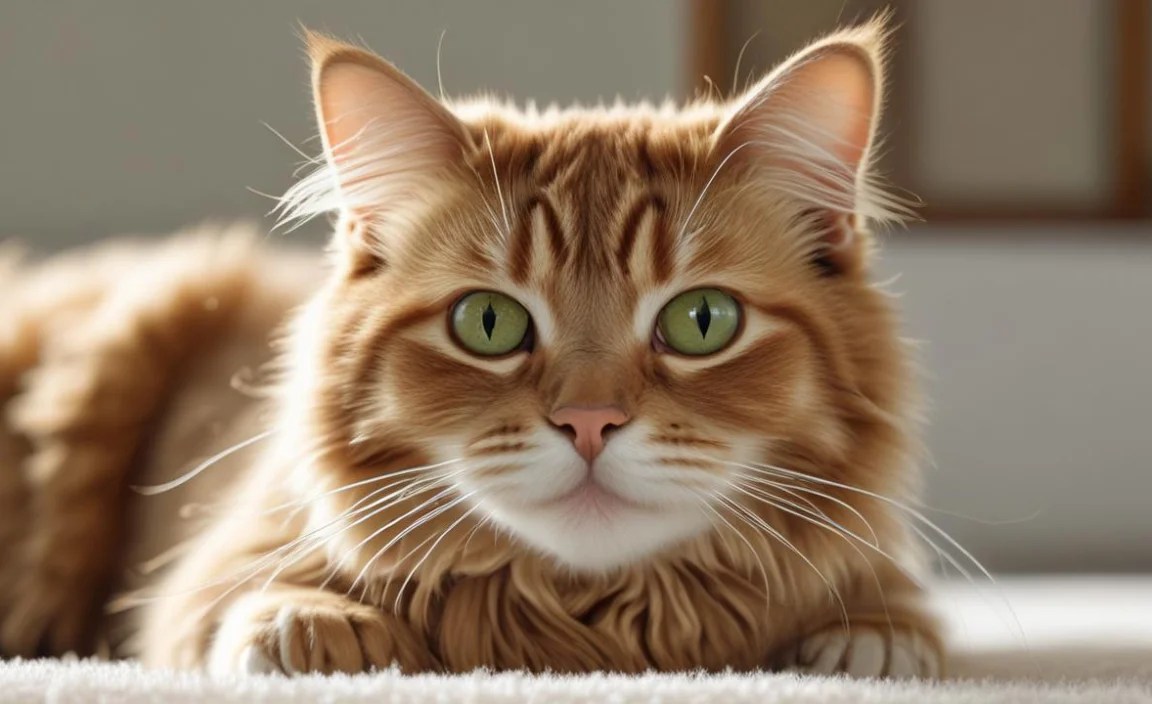
Creating a comfortable environment for your cat involves more than just temperature. It also includes providing them with the right resources. Cats need access to fresh water, food, and a clean litter box. They also need places to rest and play. Make sure your cat has a comfortable bed. Provide scratching posts to keep their claws healthy. Spend time playing with your cat to keep them active and engaged. A happy cat is a healthy cat. Consider the indoor temperature for cats as part of their overall comfort.
- Provide fresh water and food.
- Keep the litter box clean.
- Offer comfortable beds and spaces.
- Provide scratching posts.
- Play with your cat regularly.
The location of your cat’s resources is also important. Place their food and water in a quiet area. Make sure their litter box is easily accessible. Put their bed in a warm and safe place. Avoid placing resources near windows or doors. Drafts can make your cat uncomfortable. By creating a comfortable and safe environment, you can help your cat thrive. Always keep the indoor temperature for cats in mind when setting up their space.
The Importance of Cat Beds
Why are cat beds so important? Cat beds provide a safe and comfortable place for your cat to rest. Cats sleep a lot. So, they need a cozy spot to nap. Cat beds come in many shapes and sizes. Some are soft and plush. Others are heated. Choose a bed that your cat will love. Place it in a quiet and warm spot. This will encourage your cat to use it. A good bed contributes to a comfortable indoor temperature for cats.
Why Scratching Posts Are Essential
Do you know why cats need scratching posts? Scratching is a natural behavior for cats. It helps them keep their claws healthy. It also allows them to mark their territory. Without a scratching post, your cat might scratch your furniture. Provide a scratching post that is tall and sturdy. Place it in a visible area. This will encourage your cat to use it. Remember, scratching is good for cats!
The Role of Playtime in Cat Health
Why is playtime important for cats? Playtime helps cats stay active and engaged. It also helps them bond with you. Cats need exercise to stay healthy. Playtime provides that exercise. Use toys that your cat enjoys. Wand toys, balls, and stuffed animals are all good choices. Spend at least 15 minutes playing with your cat each day. This will help them stay happy and healthy. Don’t forget to consider the indoor temperature for cats during playtime.
Fun Fact or Stat: Cats can jump up to six times their height! This is why they love climbing and playing on high surfaces.
Using Technology to Monitor Cat Comfort
In today’s world, we can use technology to help monitor our cat’s comfort. There are many smart devices that can help. Smart thermostats can adjust the indoor temperature for cats automatically. You can set schedules to keep your home at the right temperature. Smart cameras can let you watch your cat when you’re away. You can see if they are too hot or too cold. Smart feeders can ensure your cat always has access to food and water. Technology can make it easier to keep your furry friend happy and healthy.
- Smart thermostats adjust temperature.
- Smart cameras let you watch your cat.
- Smart feeders provide food and water.
- Temperature sensors monitor conditions.
- Apps help track cat’s behavior.
Using technology can give you peace of mind. You can be sure that your cat is always comfortable, even when you’re not home. Smart devices can also help you track your cat’s behavior. You can see how much they are eating, drinking, and sleeping. This can help you identify any potential health problems. By using technology, you can be a better cat owner. Always consider the indoor temperature for cats when using these tools.
Smart Thermostats for Cat Owners
Have you heard of smart thermostats? These devices can help you control the indoor temperature for cats. You can set different temperatures for different times of day. For example, you can keep the house warmer at night when your cat is sleeping. You can also adjust the temperature remotely. This is helpful if you’re away from home. Smart thermostats can also save you money on your energy bill. They can learn your habits and adjust the temperature accordingly. It’s a great way to care for your furry friend.
Smart Cameras for Pet Monitoring
Do you worry about your cat when you’re not home? Smart cameras can help. These cameras let you watch your cat from your phone. You can see if they are comfortable. You can also talk to them through the camera. Some cameras even have treat dispensers. This lets you give your cat a treat remotely. Smart cameras can give you peace of mind. You can be sure that your cat is safe and happy, even when you’re away. Monitoring the indoor temperature for cats is easier with these tools.
Temperature and Humidity Sensors
Want to know the exact temperature and humidity in your home? Temperature and humidity sensors can help. These small devices measure the temperature and humidity in a room. You can view the data on your phone. This can help you make sure your cat is comfortable. High humidity can make it feel hotter. Low humidity can make it feel colder. By monitoring these factors, you can create the perfect environment for your cat. The ideal indoor temperature for cats can be maintained more easily.
Fun Fact or Stat: Some smart pet devices can even track your cat’s activity levels and alert you to any unusual behavior!
Seasonal Temperature Adjustments for Cats
The indoor temperature for cats needs to change with the seasons. In the summer, it’s important to keep your home cool. In the winter, it’s important to keep your home warm. Cats can be sensitive to these changes. Pay attention to your cat’s behavior. Adjust the temperature as needed. Provide them with resources to stay comfortable. Blankets in the winter and cool spots in the summer can help. By making seasonal adjustments, you can keep your cat happy all year long.
- Keep cool in the summer.
- Stay warm in the winter.
- Watch your cat’s behavior.
- Provide blankets in winter.
- Offer cool spots in summer.
During the summer, make sure your cat has access to shade and water. Avoid leaving them in direct sunlight. Use air conditioning or fans to keep the air circulating. In the winter, make sure your cat has a warm bed. Keep their bed away from drafts. You can also dress them in a sweater. By making these adjustments, you can help your cat stay comfortable all year long. Remember to always check the indoor temperature for cats.
Summer Heat Safety Tips for Cats
How can you keep your cat safe in the summer heat? Never leave your cat in a hot car. Even on a mild day, the temperature inside a car can rise quickly. This can be deadly for cats. Make sure your cat has access to shade and water. Avoid taking them outside during the hottest part of the day. If you have air conditioning, use it. You can also put a cool, wet towel on them. Always ensure a safe indoor temperature for cats during summer.
Winter Warmth Tips for Cats
What can you do to keep your cat warm in the winter? Keep your home well-heated. Seal any drafts around windows and doors. Provide your cat with a warm bed. You can also dress them in a sweater. Spend extra time cuddling with them. Your warmth can help them feel more comfortable. Warmth is key to maintaining the ideal indoor temperature for cats in winter.
Adapting to Spring and Fall Temperatures
How do you adjust to the changing temperatures of spring and fall? These seasons can be tricky. The temperature can change quickly. Keep an eye on the forecast. Adjust your thermostat as needed. Provide your cat with options. Offer both warm and cool places. This allows them to choose what’s most comfortable. Being adaptable ensures the best indoor temperature for cats year-round.
Fun Fact or Stat: Cats can change their fur thickness depending on the season to help regulate their body temperature!
Health Issues Related to Temperature Extremes in Cats
Extreme temperatures can cause health problems for cats. Being too cold can lead to hypothermia. This is a dangerous condition where the body temperature drops too low. Being too hot can lead to heatstroke. This is also a dangerous condition where the body temperature rises too high. Both of these conditions can be life-threatening. It’s important to prevent them by keeping your cat at a comfortable temperature. Always monitor the indoor temperature for cats to keep them safe.
- Hypothermia from being too cold.
- Heatstroke from being too hot.
- Respiratory issues from dry air.
- Dehydration from overheating.
- Exacerbation of existing conditions.
Other health issues can also be related to temperature. Dry air can cause respiratory problems. Overheating can lead to dehydration. Existing health conditions can be made worse by extreme temperatures. By keeping your cat at a comfortable temperature, you can help prevent these problems. Regular vet checkups can also help. Your vet can identify any potential health issues early. A stable indoor temperature for cats contributes to their overall health.
Recognizing Hypothermia in Cats
How can you recognize hypothermia in cats? Signs of hypothermia include shivering, lethargy, and weakness. Your cat might also have pale gums. Their breathing might be slow and shallow. If you notice these signs, it’s important to take action. Warm your cat up slowly. Use blankets and warm water bottles. Don’t use a hair dryer. This can burn their skin. Take your cat to the vet right away. Early treatment is crucial. Always maintain a safe indoor temperature for cats to avoid this.
Recognizing Heatstroke in Cats
What are the signs of heatstroke in cats? Signs of heatstroke include panting, drooling, and weakness. Your cat might also have red gums. They might seem confused or disoriented. If you notice these signs, it’s important to cool your cat down. Move them to a cooler place. Give them fresh water. Put a cool, wet towel on them. Take them to the vet right away. Heatstroke can be deadly. Quick action is necessary to ensure an appropriate indoor temperature for cats.
The Impact of Humidity on Cat Health
How does humidity affect cat health? High humidity can make it feel hotter. This can increase the risk of heatstroke. Low humidity can dry out your cat’s skin and respiratory system. This can lead to health problems. Try to keep the humidity in your home at a comfortable level. Use a humidifier or dehumidifier as needed. Monitoring the humidity helps maintain a healthy indoor temperature for cats.
Fun Fact or Stat: Cats are more prone to heatstroke than dogs because they are less efficient at panting to cool themselves!
| Temperature | Potential Health Issue | Symptoms | Action |
|---|---|---|---|
| Below 60°F (15°C) | Hypothermia | Shivering, lethargy, pale gums, slow breathing | Warm slowly, use blankets, see a vet |
| Above 85°F (29°C) | Heatstroke | Panting, drooling, red gums, weakness | Cool down, fresh water, wet towel, see a vet |
| Low Humidity | Respiratory Issues | Dry skin, coughing, sneezing | Use a humidifier, provide fresh water |
| High Humidity | Increased Heat Risk | Panting, discomfort, lethargy | Use a dehumidifier, provide cool spots |
Summary
Keeping your cat comfortable involves paying attention to the temperature. The ideal indoor temperature for cats is between 68°F and 78°F. However, this can vary depending on the breed, age, and health of your cat. Watch for signs of being too hot or too cold. Adjust the temperature as needed. Provide resources like blankets, cool spots, and fresh water. Technology can help you monitor your cat’s comfort. Smart thermostats and cameras can make it easier to keep them happy. Remember that seasonal adjustments are important. What’s comfortable in summer might not be comfortable in winter. By taking these steps, you can ensure your cat is always comfortable and healthy.
Conclusion
Creating a comfortable environment for your feline friend is essential. By understanding the ideal indoor temperature for cats, you can ensure their well-being. Pay attention to your cat’s behavior. Adjust your home’s temperature accordingly. Provide resources to help them stay warm or cool. With a little care and attention, you can create a happy and healthy home for your cat. Always prioritize their comfort.
Frequently Asked Questions
Question No 1: What is the best indoor temperature for cats?
Answer: The best indoor temperature for cats typically falls between 68°F and 78°F (20°C to 26°C). This range is generally comfortable for most cats. However, it’s important to consider your cat’s individual needs. Factors like breed, age, and health can influence their temperature preferences. Observe your cat’s behavior. Adjust the temperature as needed to ensure their comfort. Providing a stable and comfortable environment is key to their well-being.
Question No 2: How can I tell if my cat is too cold?
Answer: There are several signs that your cat might be too cold. Shivering is a clear indicator. Your cat might also curl up into a tight ball to conserve heat. They might seek out warm places, such as near a heater or under blankets. Their ears might feel cold to the touch. If you notice these signs, it’s important to warm your cat up. Provide them with a warm blanket and a cozy bed. Adjust the indoor temperature for cats to keep them comfortable.
Question No 3: What are the signs that my cat is too hot?
Answer: If your cat is too hot, they might exhibit several signs. Panting is a common symptom. Cats don’t usually pant unless they are very hot. Drooling and lethargy are also signs of overheating. Your cat might also stretch out on the floor to cool down. They might avoid activity and seek out cool places. If you notice these signs, it’s important to cool your cat down. Provide them with fresh water and move them to a cooler location.
Question No 4: How does humidity affect my cat’s comfort?
Answer: Humidity plays a significant role in your cat’s comfort. High humidity can make it feel hotter. This can increase the risk of heatstroke. Low humidity can dry out your cat’s skin and respiratory system. Aim for a moderate humidity level. Use a humidifier or dehumidifier to maintain a comfortable environment. Monitoring both temperature and humidity helps ensure the right indoor temperature for cats.
Question No 5: Do different cat breeds have different temperature preferences?
Answer: Yes, different cat breeds can have different temperature preferences. Long-haired breeds like Persians and Maine Coons tend to prefer cooler temperatures. Short-haired breeds like Siamese and Bengals might prefer warmer temperatures. Hairless breeds like Sphynx cats need warmer environments. Consider your cat’s breed when setting the indoor temperature for cats. Watch their behavior to determine their ideal comfort level.
Question No 6: How can I keep my cat comfortable when I’m not home?
Answer: There are several ways to ensure your cat’s comfort when you’re not home. Use a smart thermostat to maintain a consistent indoor temperature for cats. Provide plenty of fresh water and food. Leave out a comfortable bed and scratching post. Consider using a smart camera to monitor your cat’s behavior. This can help you identify any potential issues. With a little preparation, you can ensure your cat stays happy and healthy in your absence.
