Have you ever walked on a cold floor in winter? It’s not fun! Imagine a warm floor, even when it’s snowy outside. That’s what radiant floor heat can do. Some people use an indoor wood boiler to heat their homes. Could indoor wood boiler radiant floor heat be right for you?
Think of a cozy cabin in the woods. It has a crackling fire and warm floors. You can get that feeling in your own home. Indoor wood boilers can heat water. The hot water then warms your floors. It makes your house feel nice and toasty.
Key Takeaways
- Indoor wood boiler radiant floor heat can provide efficient and comfortable warmth.
- Radiant floor heat evenly distributes warmth throughout your home.
- Wood boilers use a renewable resource, which can save you money.
- Proper installation and maintenance are key for system longevity.
- Consider your home’s size and heating needs before choosing a system.
What is Indoor Wood Boiler Radiant Floor Heat?

Indoor wood boiler radiant floor heat is a way to warm your home. It uses hot water to heat your floors. An indoor wood boiler burns wood to heat the water. The hot water flows through pipes under your floor. This warms the floor, which then warms the room. It’s like having a giant, warm blanket under your feet! This type of heating is different from using vents. Vents blow hot air into a room. Radiant heat warms objects and people directly. This makes the heat feel more even and comfortable. It also saves energy because you don’t lose heat through leaky vents. Many people like using wood because it’s a renewable resource. This means we can grow more trees to replace the ones we use. This is better for the environment than using fossil fuels. Fossil fuels like oil and gas can run out and pollute the air.
- It uses hot water to heat floors.
- The wood boiler burns wood.
- Pipes under the floor carry hot water.
- This creates even, comfortable heat.
- It can be more energy-efficient.
Many homeowners choose indoor wood boiler radiant floor heat for its comfort. The warmth feels very natural. It rises from the floor and warms the whole room. It also reduces dust and allergens. Forced air systems can blow dust around. Radiant heat doesn’t do that. This can be helpful for people with allergies or asthma. Plus, walking on a warm floor in the winter is a real treat. Imagine stepping out of bed onto a toasty floor. No more cold feet! Choosing the right system for your home is important. A professional can help you decide what size boiler you need. They can also help with installation and maintenance. This will ensure your system works well for many years.
Fun Fact or Stat: Radiant floor heat can be up to 25% more efficient than traditional heating systems!
How Does Radiant Heat Work?
Have you ever noticed how the sun warms you on a cold day? That’s radiant heat! Radiant floor heat works in a similar way. It uses hot water to warm the floor. The warm floor then radiates heat into the room. This heat warms objects and people directly. It doesn’t just heat the air. This is different from how a furnace works. A furnace heats air and blows it through vents. This can create hot and cold spots in a room. Radiant floor heat provides more even warmth. It’s like having a gentle, all-over warmth. The hot water is heated by an indoor wood boiler. The boiler burns wood to create the heat. The hot water then flows through pipes under the floor. These pipes are usually made of plastic or rubber. They are designed to withstand high temperatures. The system also includes a pump to circulate the water. A thermostat controls the temperature. You can set it to your desired comfort level.
What are the Benefits of Radiant Heat?
Why do people choose radiant floor heat? There are many reasons! First, it’s very comfortable. The warmth is even and gentle. You won’t have cold spots in your room. Second, it can save you money on your energy bill. Radiant floor heat is more efficient than forced air systems. It doesn’t lose heat through leaky vents. Third, it can improve your indoor air quality. Forced air systems can blow dust and allergens around. Radiant floor heat doesn’t do that. This is great for people with allergies or asthma. Fourth, it’s quiet. You won’t hear the loud noise of a furnace turning on and off. Finally, it adds value to your home. Many homebuyers are looking for homes with radiant floor heat. It’s a desirable feature that can make your home more attractive.
Is Radiant Heat Right for My Home?
Is radiant floor heat the right choice for you? Think about your home’s needs. Consider the size of your home. How much space do you need to heat? Think about your budget. Radiant floor heat can be more expensive to install than forced air. But it can save you money in the long run. Consider your lifestyle. Do you have allergies or asthma? Do you want a quiet and comfortable heating system? If you answered yes to these questions, radiant floor heat might be a good choice. Talk to a professional. They can help you decide if it’s right for you. They can also give you a quote for installation. They can explain the different types of systems available. They can help you choose the best one for your home.
Choosing an Indoor Wood Boiler

Choosing the right indoor wood boiler is important. It will heat the water for your radiant floor heat. The size of the boiler matters. You need a boiler that’s big enough to heat your home. But you don’t want one that’s too big. A boiler that’s too big will waste energy. Look for a boiler that’s energy-efficient. This will save you money on your heating bill. Consider the type of wood the boiler uses. Some boilers can burn different types of wood. Others are designed for specific types. Think about how easy it is to load the wood. Some boilers have a large firebox. This means you don’t have to load wood as often. Consider the boiler’s emissions. Look for a boiler that’s EPA-certified. This means it meets certain standards for air pollution. Finally, think about the boiler’s warranty. A good warranty will protect you if something goes wrong.
- Consider the boiler’s size and efficiency.
- Choose a boiler that uses the right type of wood.
- Think about how easy it is to load the wood.
- Check the boiler’s emissions.
- Look for a boiler with a good warranty.
Before you buy an indoor wood boiler, do your research. Read reviews online. Talk to other people who have wood boilers. Ask them about their experiences. Get quotes from different installers. Compare the prices and the features. Make sure the installer is licensed and insured. This will protect you if something goes wrong during installation. A well-chosen indoor wood boiler can provide years of reliable heat. It can also save you money on your energy bill. It’s a great way to heat your home with a renewable resource. Just remember to maintain it properly. Regular maintenance will keep it running efficiently and safely.
Fun Fact or Stat: Wood is a carbon-neutral fuel source when harvested sustainably!
What Size Boiler Do I Need?
Choosing the right size indoor wood boiler is important. A boiler that is too small will not heat your home properly. A boiler that is too large will waste energy and money. So, how do you determine the right size? First, consider the size of your home. How many square feet do you need to heat? Next, think about your home’s insulation. A well-insulated home will require a smaller boiler. An poorly insulated home will need a larger boiler. Consider your climate. If you live in a cold climate, you will need a larger boiler. If you live in a mild climate, you can get away with a smaller boiler. Talk to a professional. They can perform a heat loss calculation. This will help you determine the exact size boiler you need. They will consider all of the factors mentioned above. They will also take into account your specific heating needs.
What are the Different Types of Boilers?
There are different types of indoor wood boilers. Each type has its own advantages and disadvantages. Some boilers are designed to burn wood pellets. Wood pellets are small, compressed pieces of wood. They are easy to store and handle. Other boilers burn wood chips. Wood chips are larger pieces of wood. They are less expensive than wood pellets. But they are also more difficult to store and handle. Some boilers burn cordwood. Cordwood is logs that are cut to a specific length. Cordwood is the least expensive type of wood. But it requires more effort to load and store. Some boilers are gasification boilers. Gasification boilers burn wood in a two-stage process. This makes them more efficient and cleaner burning. Consider your needs and preferences when choosing a type of boiler.
How Much Does a Boiler Cost?
The cost of an indoor wood boiler can vary. It depends on the size, type, and brand. Wood pellet boilers tend to be more expensive. Cordwood boilers are usually less expensive. Gasification boilers can be more efficient, but also cost more. Installation costs can also vary. It depends on the complexity of the installation. Get quotes from different installers. Compare the prices and the features. Don’t just choose the cheapest option. Choose the option that provides the best value for your money. Remember to factor in the cost of fuel. Wood pellets, wood chips, and cordwood all have different prices. Consider the long-term costs of owning a wood boiler. A well-maintained boiler can last for many years. It can also save you money on your energy bill.
Installing Radiant Floor Heating
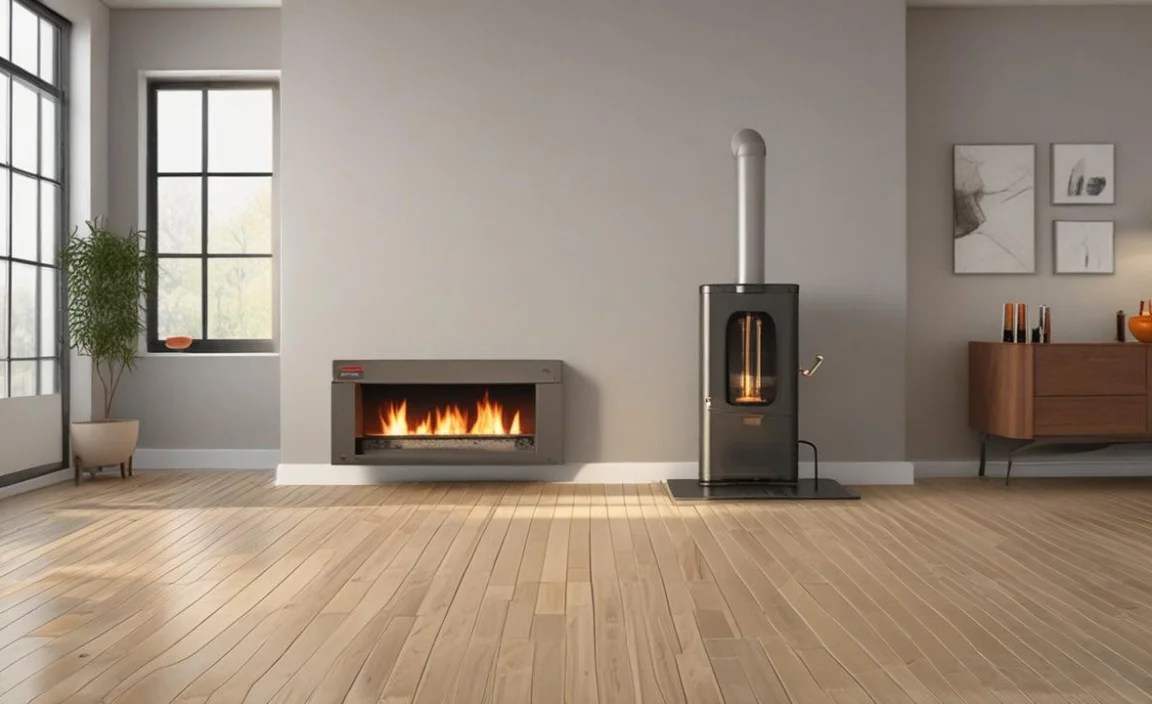
Installing radiant floor heating is a big project. It’s best to hire a professional. They have the experience and knowledge to do it right. First, they will need to prepare the floor. This may involve removing existing flooring. Then, they will install the pipes or tubes. These will carry the hot water. The pipes are usually laid in a pattern. This ensures even heat distribution. Next, they will cover the pipes with a layer of concrete or mortar. This protects the pipes and helps to distribute the heat. Finally, they will install the finished flooring. This could be tile, wood, or carpet. The type of flooring you choose can affect the efficiency of the system. Tile and concrete are the most efficient. Carpet is the least efficient. Make sure the installer tests the system after installation. This ensures that it’s working properly.
- Hire a professional installer.
- Prepare the floor properly.
- Install the pipes in a pattern.
- Cover the pipes with concrete or mortar.
- Install the finished flooring.
- Test the system after installation.
Indoor wood boiler radiant floor heat installation can be complex. It’s important to choose an experienced installer. They can help you choose the right system for your home. They can also ensure that it’s installed correctly. A poorly installed system can be inefficient and unreliable. It can also be dangerous. Make sure the installer is licensed and insured. This will protect you if something goes wrong during installation. Get a written contract before work begins. The contract should outline the scope of work, the price, and the timeline. It should also include a warranty. This will protect you if the system fails after installation. With proper installation, your radiant floor heat system can provide years of comfortable and efficient heat.
Fun Fact or Stat: Radiant floor heating was used by the Romans over 2,000 years ago!
What are the Different Types of Installation?
There are different ways to install radiant floor heating. One way is to embed the pipes in concrete. This is a good option for new construction. It provides excellent heat distribution. Another way is to install the pipes under a wood floor. This is a good option for existing homes. It’s less disruptive than embedding the pipes in concrete. A third way is to use thin mats. These mats contain the heating elements. They can be installed under almost any type of flooring. Each method has its own advantages and disadvantages. Consider your needs and preferences when choosing an installation method. Talk to a professional. They can help you choose the best method for your home.
How Long Does Installation Take?
The time it takes to install radiant floor heating depends on several factors. It depends on the size of the area being heated. It depends on the type of installation. Embedding the pipes in concrete takes longer. Installing the pipes under a wood floor is faster. Using thin mats is the fastest option. It depends on the complexity of the project. A simple installation can be completed in a few days. A more complex installation can take a week or more. Talk to your installer. They can give you a more accurate estimate of the time required. Remember that proper installation is important. Don’t rush the process. A well-installed system will provide years of comfortable and efficient heat.
How Much Does Installation Cost?
The cost of radiant floor heating installation can vary. It depends on the size of the area being heated. It depends on the type of installation. Embedding the pipes in concrete is more expensive. Installing the pipes under a wood floor is less expensive. Using thin mats is the least expensive option. It depends on the complexity of the project. A simple installation will cost less. A more complex installation will cost more. Get quotes from different installers. Compare the prices and the features. Choose an installer who is licensed and insured. Get a written contract before work begins. This will protect you if something goes wrong.
Maintaining Your Wood Boiler System

Like any heating system, indoor wood boiler radiant floor heat needs care. Regular maintenance keeps it running well. Check the water level in the boiler often. Add water if needed. Clean the firebox regularly. This removes ash and creosote. Inspect the chimney for creosote buildup. Creosote is a flammable substance. It can cause a chimney fire. Have the chimney cleaned regularly by a professional. Inspect the pipes for leaks. Repair any leaks immediately. Check the pump and circulator. Make sure they are working properly. Inspect the expansion tank. Make sure it is not overfilled. Test the water quality. Add chemicals if needed to prevent corrosion. By following these tips, you can keep your indoor wood boiler radiant floor heat system running smoothly for many years.
- Check the water level regularly.
- Clean the firebox to remove ash.
- Inspect the chimney for creosote.
- Check the pipes for leaks.
- Inspect the pump and expansion tank.
- Test the water quality.
Proper maintenance is key to the longevity of your system. Neglecting maintenance can lead to problems. These problems can be expensive to repair. It can also shorten the lifespan of your equipment. A well-maintained indoor wood boiler radiant floor heat system will provide years of reliable heat. It will also save you money on your energy bill. It’s important to follow the manufacturer’s recommendations for maintenance. Consult your owner’s manual for specific instructions. If you’re not comfortable performing maintenance yourself, hire a professional. They can inspect your system and perform any necessary repairs. They can also help you troubleshoot any problems you may be having.
Fun Fact or Stat: Regular chimney cleaning can prevent dangerous chimney fires!
How Often Should I Clean the Boiler?
How often you clean your indoor wood boiler depends on how often you use it. If you burn wood every day, you’ll need to clean it more often. If you only use it occasionally, you can clean it less often. A good rule of thumb is to clean the firebox every week. Remove the ash and any unburned wood. Inspect the chimney every month. Look for creosote buildup. If you see a lot of creosote, have the chimney cleaned by a professional. It’s also a good idea to have your boiler professionally inspected once a year. A professional can identify potential problems before they become serious. They can also perform any necessary maintenance. Regular cleaning and inspection will keep your boiler running efficiently and safely.
How Do I Prevent Corrosion?
Corrosion can damage your indoor wood boiler and radiant floor heat system. It’s important to take steps to prevent it. One way to prevent corrosion is to test the water quality. Use a test kit to check the pH level. The pH level should be between 7 and 8. If the pH level is too low, add chemicals to raise it. Another way to prevent corrosion is to use a corrosion inhibitor. A corrosion inhibitor is a chemical that protects metal from corrosion. Add it to the water in your boiler according to the manufacturer’s instructions. You can also install a water softener. A water softener removes minerals from the water. These minerals can contribute to corrosion. By taking these steps, you can protect your system from corrosion.
What Do I Do If My System Leaks?
If you notice a leak in your indoor wood boiler radiant floor heat system, act quickly. Turn off the boiler immediately. This will prevent further damage. Identify the source of the leak. If the leak is small, you may be able to repair it yourself. Use a pipe wrench to tighten any loose fittings. If the leak is larger, you’ll need to call a professional. They can repair the leak and prevent further damage. It’s important to repair leaks promptly. Leaks can waste water and energy. They can also damage your flooring and walls. Regular inspection can help you identify leaks early. This will allow you to repair them before they become serious.
Benefits of Radiant Floor Heat

Radiant floor heat has many benefits. It’s more comfortable than forced air heat. It provides even warmth throughout the room. There are no cold spots. It’s also more energy-efficient. It doesn’t lose heat through leaky ducts. This saves you money on your energy bill. Radiant floor heat is also healthier. It doesn’t blow dust and allergens around. This is good for people with allergies or asthma. It’s also quieter than forced air heat. You don’t hear the noise of the furnace turning on and off. Radiant floor heat can also add value to your home. It’s a desirable feature that many homebuyers are looking for. Plus, who doesn’t love walking on a warm floor in the winter?
- It’s more comfortable than forced air.
- It’s more energy-efficient.
- It’s healthier for people with allergies.
- It’s quieter than forced air.
- It can add value to your home.
Think about the comfort of radiant floor heat. It’s like having a warm blanket under your feet. The heat rises gently from the floor. It warms the entire room evenly. You won’t have cold spots near the windows or doors. You’ll also save money on your energy bill. Radiant floor heat is more efficient than forced air. It doesn’t lose heat through leaky ducts. This means you can set your thermostat lower and still be comfortable. Plus, you’ll breathe easier. Radiant floor heat doesn’t blow dust and allergens around. This is great for people with allergies or asthma. It’s also a quiet and unobtrusive heating system. You won’t hear the loud noise of a furnace turning on and off. If you’re looking for a comfortable, efficient, and healthy heating system, radiant floor heat is a great choice.
Fun Fact or Stat: Radiant floor heat can reduce allergen circulation by up to 80%!
What are the Health Benefits?
Radiant floor heat can improve your health. It doesn’t blow dust and allergens around. This is good for people with allergies or asthma. Forced air systems can stir up dust and allergens. This can irritate your respiratory system. Radiant floor heat also helps to maintain humidity levels. Forced air systems can dry out the air. This can lead to dry skin and irritated sinuses. Radiant floor heat provides a more comfortable and healthy indoor environment. It can also reduce the risk of mold growth. Mold thrives in damp environments. Radiant floor heat helps to keep floors dry. This can prevent mold from growing. If you’re concerned about your health, radiant floor heat is a great choice.
How Does it Save Energy?
Radiant floor heat saves energy in several ways. It doesn’t lose heat through leaky ducts. Forced air systems can lose up to 30% of their heat through leaky ducts. Radiant floor heat also heats the objects in the room. Not just the air. This means you can set your thermostat lower. Still be comfortable. You don’t have to heat the air to a high temperature. Finally, radiant floor heat provides more even heat. You don’t have cold spots. You don’t have to overheat the entire room. To compensate for the cold spots. All of these factors contribute to energy savings. You can save money on your energy bill. You can also reduce your carbon footprint.
Is it Comfortable?
Is radiant floor heat comfortable? Yes, it is very comfortable! It provides even warmth throughout the room. There are no cold spots. The heat rises gently from the floor. It warms your feet first. This is a very pleasant sensation. Especially on a cold winter day. It’s like walking on a warm beach. Radiant floor heat also doesn’t dry out the air. Forced air systems can dry out the air. This can lead to dry skin and irritated sinuses. Radiant floor heat provides a more comfortable and healthy indoor environment. Many people who have radiant floor heat say they would never go back to forced air. It’s the ultimate in comfort and luxury.
Radiant Floor Heat System Costs
Radiant floor heat systems have different costs. The cost of the system depends on several factors. The size of your home. The type of flooring you choose. The type of boiler you use. Installation costs also vary. It’s important to get quotes from different installers. Compare the prices and the features. Don’t just choose the cheapest option. Choose the option that provides the best value for your money. Remember to factor in the long-term costs. Radiant floor heat can save you money on your energy bill. It can also add value to your home. This can offset the initial cost of the system. Consider all of these factors when budgeting for your radiant floor heat system.
| Cost Factor | Description | Estimated Cost |
|---|---|---|
| Boiler | The cost of the indoor wood boiler itself. | $5,000 – $15,000 |
| Installation | Labor and materials for installing the system. | $3,000 – $8,000 |
| Flooring | Cost of flooring materials suitable for radiant heat. | $5 – $20 per sq ft |
| Operating Costs | Cost of wood and electricity to run the system. | Varies by location and usage |
When considering indoor wood boiler radiant floor heat, think long-term. While the initial investment can be significant, the benefits add up. Lower energy bills are a big plus. The increased comfort and health benefits are also valuable. A well-maintained system can last for many years. It can also increase the value of your home. Talk to a professional about your options. Get a detailed estimate of the costs. Consider all of the factors before making a decision. With careful planning, you can enjoy the benefits of radiant floor heat for years to come.
Fun Fact or Stat: Homes with radiant floor heating often have higher resale values!
What is the Initial Investment?
The initial investment for radiant floor heat can be significant. It includes the cost of the boiler. The cost of the pipes or tubes. The cost of the installation. The cost of the flooring. The cost of the controls. The cost can vary depending on the size of your home. The type of system you choose. Get quotes from different installers. Compare the prices and the features. Don’t just choose the cheapest option. Choose the option that provides the best value for your money. Remember to factor in the long-term costs. Radiant floor heat can save you money on your energy bill. It can also add value to your home.
What are the Operating Costs?
The operating costs for radiant floor heat depend on several factors. The cost of wood. The efficiency of your boiler. The size of your home. The insulation of your home. The climate you live in. You can reduce your operating costs. Insulate your home properly. Choose an energy-efficient boiler. Set your thermostat at a comfortable level. Don’t overheat your home. Regular maintenance will also help to keep your operating costs down. A well-maintained system will run more efficiently. This will save you money on your energy bill. Consider all of these factors when budgeting for your radiant floor heat system.
Does it Increase Home Value?
Yes, radiant floor heat can increase your home’s value! It’s a desirable feature that many homebuyers are looking for. It provides a comfortable and efficient heating system. It also adds a touch of luxury to your home. Homes with radiant floor heat often sell for more than homes without it. It can also make your home more attractive to buyers. It can help you sell your home faster. If you’re planning to sell your home in the future, radiant floor heat is a great investment. It can increase your home’s value and make it more appealing to buyers.
Summary
Indoor wood boiler radiant floor heat is a great way to heat your home. It uses a renewable resource, wood, to create heat. The heat warms water, which then flows through pipes under your floor. This creates a comfortable, even heat throughout your home. It’s more efficient than traditional heating systems. It can save you money on your energy bill. It’s also healthier, as it doesn’t blow dust and allergens around. However, it’s important to choose the right size boiler for your home. Proper installation and maintenance are also key.
While the initial cost can be higher than other heating systems, the long-term benefits are worth it. Indoor wood boiler radiant floor heat can increase your home’s value. It provides a comfortable and healthy living environment. It also helps you reduce your carbon footprint. It’s a great way to heat your home while also being environmentally responsible.
Conclusion
Indoor wood boiler radiant floor heat is a fantastic option for comfortable, efficient, and eco-friendly home heating. It offers even warmth, reduces allergens, and uses a renewable fuel source. While it requires careful planning and installation, the long-term benefits are significant. You will enjoy lower energy bills, a healthier living environment, and the cozy feeling of warm floors all winter long. If you’re looking for a sustainable and luxurious way to heat your home, consider indoor wood boiler radiant floor heat.
Frequently Asked Questions
Question No 1: What is an indoor wood boiler?
Answer: An indoor wood boiler is a heating system that burns wood to heat water. This hot water can then be used to heat your home. It is often connected to a radiant floor heat system. The boiler is located inside your home, usually in a basement or utility room. Indoor wood boilers are a renewable and sustainable way to heat your home. They use wood, which is a natural resource. They are also more efficient than traditional wood stoves. This means they burn less wood to produce the same amount of heat. Regular maintenance is important to keep it running smoothly.
Question No 2: How does radiant floor heat work?
Answer: Radiant floor heat works by circulating hot water through pipes under your floor. The hot water warms the floor, which then radiates heat into the room. This heat warms objects and people directly, rather than just heating the air. This creates a more comfortable and even heat. It also eliminates cold spots. Radiant floor heat is more efficient than forced air systems. It doesn’t lose heat through leaky ducts. This saves you money on your energy bill. The water is heated by a boiler, such as an indoor wood boiler.
Question No 3: Is radiant floor heat expensive to install?
Answer: The initial cost of installing radiant floor heat can be higher. This is compared to other heating systems. However, it’s important to consider the long-term benefits. Radiant floor heat is more energy-efficient. You will save money on your energy bill over time. It can also add value to your home. This can offset the initial cost of the system. Get quotes from different installers. Compare the prices and the features. Choose the option that provides the best value. A well-installed system will provide years of comfortable and efficient heat. Using an indoor wood boiler can also save money on fuel costs.
Question No 4: What are the benefits of using an indoor wood boiler for radiant floor heat?
Answer: Using an indoor wood boiler for radiant floor heat has many benefits. Wood is a renewable resource. This can save you money on your heating bill. It’s also a more environmentally friendly option. Wood boilers are more efficient than traditional wood stoves. This means they burn less wood to produce the same amount of heat. Radiant floor heat provides a comfortable and even heat. It also eliminates cold spots. The combination of these two systems creates a very efficient and comfortable heating solution.
Question No 5: How do I maintain my radiant floor heat system?
Answer: Maintaining your radiant floor heat system is important. Regular maintenance will keep it running efficiently. It will also prevent problems. Check the water level in the boiler regularly. Clean the firebox to remove ash and creosote. Inspect the pipes for leaks. Check the pump and circulator. Make sure they are working properly. Test the water quality. Add chemicals if needed to prevent corrosion. Have your system professionally inspected once a year. A well-maintained system will provide years of reliable heat. If you have an indoor wood boiler, ensure you clean it regularly.
Question No 6: Is radiant floor heat suitable for all types of flooring?
Answer: Radiant floor heat is suitable for many types of flooring. Some types of flooring are more efficient than others. Tile and concrete are the most efficient. They conduct heat well. Carpet is the least efficient. It insulates the floor. This reduces the amount of heat that radiates into the room. Wood flooring is also a good option. But it’s important to choose a wood that is stable and resistant to warping. Talk to your installer about the best flooring options for your radiant floor heat system. They can help you choose a flooring that is both beautiful and efficient. With an indoor wood boiler, you can enjoy warm floors no matter what the weather.
