Did you know cats can get cold, just like us? If your cat spends time outside, it needs a safe, warm place. An outdoor cat house can be a lifesaver. But a regular cat house might not be enough in winter. That’s where insulation for outdoor cat house comes in!
Keeping your kitty warm and cozy is super important. Let’s find out how to make the best insulated cat house.
Key Takeaways
- Proper insulation for an outdoor cat house keeps your cat warm in winter.
- Use safe materials like straw or foam boards to insulate the cat house.
- A good cat house should be waterproof and protected from wind.
- Regularly check the insulation to ensure it’s dry and in good shape.
- Consider adding a self-warming bed inside for extra comfort.
Why Use Insulation for Outdoor Cat House?

Imagine you are outside in the snow without a coat. You would be very cold! Cats feel the same way. An outdoor cat house gives them shelter. But without insulation for outdoor cat house, it’s like a tent. It blocks the wind, but doesn’t hold in heat. Insulation traps the cat’s body heat. This makes the house warm and cozy. It protects them from freezing temperatures. Insulation also helps in the summer. It keeps the house cooler by blocking the sun’s heat. So, insulation is important all year round. It keeps your cat comfortable no matter the weather. This is why choosing the right insulation is key. It makes a big difference for your furry friend.
- Insulation keeps cats warm in winter.
- It also keeps them cool in summer.
- Insulation protects from wind and rain.
- A good cat house needs proper insulation.
- This helps cats stay healthy.
Think about building a fort. You would want thick walls to keep the cold out, right? Insulation for outdoor cat house is like those thick walls. It creates a barrier between the inside and outside temperatures. This means your cat uses less energy to stay warm. They can relax and sleep comfortably. A well-insulated cat house can even save a cat’s life in very cold weather. Make sure to check the insulation regularly. Look for any signs of damage or moisture. Replace it if needed to keep it working well. A little effort can make a big difference in your cat’s well-being.
Fun Fact or Stat: A cat’s normal body temperature is between 100.5°F and 102.5°F. Insulation helps them maintain this temperature in cold weather!
How Does Insulation Work?
Have you ever worn a puffy coat in the winter? The coat traps air. This air warms up from your body heat. Insulation works the same way! It has tiny pockets that trap air. These pockets slow down the transfer of heat. In winter, it keeps the warm air inside the cat house. This stops the cold air from getting in. In summer, it does the opposite. It keeps the hot air outside and the cool air inside. The better the insulation, the more effective it is. Different materials have different insulation properties. Some are better at trapping air than others. The thickness of the insulation also matters. Thicker insulation provides more protection. Choosing the right type and thickness is important for your cat’s comfort.
Best Types of Insulation
There are many types of insulation for outdoor cat house. Straw is a popular choice. It is natural and provides good insulation. It’s also inexpensive and easy to find. Foam boards are another option. They are lightweight and easy to cut to size. Reflective foil insulation can also be used. It reflects heat back towards the cat. Avoid using fiberglass insulation. It can be harmful if inhaled or touched. Always choose safe and non-toxic materials for your cat. Consider the climate where you live. If it’s very cold, you’ll need thicker, more effective insulation. If it’s milder, a thinner layer might be enough. Do some research to find the best option for your cat’s needs.
DIY Insulation Tips
Making your own insulated cat house can be a fun project. First, build a simple wooden box with a roof. Make sure it’s big enough for your cat to turn around in. Then, line the inside with your chosen insulation material. Cut the material to fit snugly against the walls, floor, and roof. Secure it in place with glue or staples. Make sure there are no gaps where cold air can get in. Add a layer of waterproof material on the outside. This will protect the insulation from rain and snow. A simple door flap can also help keep the warmth inside. Regularly check your DIY insulation. Replace it if it gets wet or damaged. Your cat will thank you for the cozy home!
Choosing the Right Materials for Cat House Insulation

Picking the right materials for insulation for outdoor cat house is key. You want something safe and effective. Straw is a great natural choice. It’s cheap and keeps the warmth in. But, it can get moldy if it gets wet. So, make sure the cat house is waterproof. Foam boards are another good option. They are easy to cut and fit. Plus, they don’t absorb water. Reflective foil insulation reflects heat. This helps keep the cat house warm. Avoid fiberglass. It can cause skin and breathing problems. Always think about your cat’s health first. The best material will depend on your climate. It also depends on how much work you want to put in.
- Straw is a cheap and natural option.
- Foam boards are easy to cut and waterproof.
- Reflective foil reflects heat back.
- Avoid fiberglass due to health risks.
- Consider your climate when choosing.
Imagine building a house for yourself. You would pick the best materials to stay safe and cozy. It’s the same for your cat! Think about how each material will hold up over time. Will it stay dry? Will it stay in place? Check the insulation often. Replace it if needed. This will ensure your cat always has a warm, dry place to rest. Proper insulation for outdoor cat house is not just about warmth. It’s about creating a safe and healthy environment. Your cat will appreciate the extra effort you put in.
Fun Fact or Stat: Straw bales have an R-value of about 1.5 to 3 per inch, making them a decent natural insulator!
Straw: A Natural Choice
Straw is a classic and affordable option for insulation for an outdoor cat house. It provides good insulation. It’s also biodegradable. This means it’s good for the environment. Straw is easy to find at farms or garden centers. It creates a cozy and warm bedding for your cat. However, straw can get wet and moldy. This is why it’s important to keep the cat house dry. Replace the straw regularly to avoid mold growth. Some cats may also be allergic to straw. Watch for signs of allergies like sneezing or itching. If your cat shows these signs, try a different type of insulation.
Foam Boards: Lightweight and Effective
Foam boards are a popular choice for insulation for outdoor cat house. They are lightweight, easy to cut, and water-resistant. This makes them a great option for DIY projects. Foam boards come in different thicknesses. Choose a thickness that will provide enough insulation for your climate. They are also more expensive than straw. But they last longer and require less maintenance. Make sure to cover the foam boards with a layer of fabric. This will prevent your cat from scratching or chewing on them. This helps keep the insulation intact and safe.
Reflective Foil: Reflecting Heat
Reflective foil insulation works by reflecting heat back towards the source. This can be very effective in keeping a cat house warm. It is especially helpful in sunny areas. The foil reflects the sun’s heat away from the house in summer. This helps keep it cool. Reflective foil is lightweight and easy to install. It can be used in combination with other types of insulation. For example, you can use foam boards with a layer of reflective foil on top. Make sure the foil is facing the inside of the cat house in winter. This will help reflect the cat’s body heat back to them.
Building Your Own Insulated Cat Shelter

Building an insulated cat shelter is a fun and rewarding project. It provides a safe and warm place for your cat. Start with a basic wooden box. Make sure it has a roof and a small entrance. The entrance should be small enough to keep out the wind and rain. But it should be big enough for your cat to easily get in and out. Next, add the insulation for outdoor cat house. Choose the material that works best for your climate and budget. Cut the insulation to fit snugly inside the box. Secure it with glue or staples. Add a layer of waterproof material on the outside. This will protect the insulation from the elements. Finally, add a soft bedding inside for extra comfort.
| Material | Pros | Cons | Cost |
|---|---|---|---|
| Straw | Cheap, natural, good insulation | Can get moldy, may cause allergies | Low |
| Foam Boards | Lightweight, waterproof, easy to cut | More expensive than straw | Medium |
| Reflective Foil | Reflects heat, lightweight | Works best with other insulation | Medium |
| Fiberglass | Good insulation | Harmful to health | Low |
- Start with a basic wooden box.
- Add insulation to the inside.
- Use waterproof material on the outside.
- Make the entrance small to keep out wind.
- Add soft bedding for comfort.
Think of it as building a tiny house just for your cat. You want to make it as comfortable and safe as possible. Pay attention to the details. Make sure the insulation is secure. Check for any gaps where cold air can get in. A well-built and insulated cat shelter can make a big difference in your cat’s life. It provides a warm and dry place to escape the elements. It also gives them a sense of security and comfort. Your cat will thank you for providing such a wonderful home.
Fun Fact or Stat: A cat house with proper insulation can be 20-30 degrees warmer than the outside temperature!
Choosing the Right Size
The size of the insulated cat house is important. It should be big enough for your cat to turn around and lie down comfortably. But it shouldn’t be too big. A larger space will be harder to heat. A good rule of thumb is to make the house about 1.5 times the length of your cat. Measure your cat from nose to tail. Then add about 50% to that measurement. This will give you the ideal size for the cat house. If you have multiple cats, you’ll need a larger house. Make sure there is enough space for each cat to have their own area. They need to be able to stay warm and comfortable.
Adding a Door Flap
A door flap is a great addition to an insulated cat house. It helps to keep out the wind and rain. It also helps to trap heat inside. The door flap should be made of a flexible material. This will allow your cat to easily push it open. Clear plastic or heavy fabric are good choices. Cut the flap slightly larger than the entrance. This will ensure it covers the opening completely. Attach the flap to the top of the entrance. Use screws or staples to secure it in place. Make sure the flap swings freely. It should not be too stiff or heavy for your cat to push open.
Waterproofing the Shelter
Waterproofing is crucial for an insulated cat house. Wet insulation loses its effectiveness. It can also lead to mold growth. This can be harmful to your cat. Use a waterproof sealant on all the seams and joints of the house. This will prevent water from seeping in. Cover the outside of the house with a waterproof material. Roofing felt or plastic sheeting are good options. Make sure the roof is sloped. This will allow water to run off easily. Elevate the cat house off the ground. This will prevent water from wicking up from the bottom. A few simple steps can keep your cat’s house dry and comfortable.
Maintaining Your Outdoor Cat House Insulation

Keeping your outdoor cat house insulation in good shape is important. Check it regularly for any damage. Look for signs of moisture or mold. Replace the insulation if it gets wet or damaged. This will ensure it continues to provide warmth and protection. Clean the cat house regularly. This will help prevent the buildup of dirt and debris. Add fresh bedding to keep it cozy. A little maintenance will go a long way. It will help your cat stay comfortable and healthy.
- Check insulation regularly for damage.
- Replace wet or damaged insulation.
- Clean the cat house regularly.
- Add fresh bedding for comfort.
- Keep the area around the house clean.
Think of it like taking care of your own home. You wouldn’t let the roof leak or the walls crumble, right? The same goes for your cat’s house. Regular maintenance will keep it in top condition. This will provide a safe and comfortable place for your cat to rest. Pay attention to the details. A little effort can make a big difference in your cat’s well-being. Proper insulation for outdoor cat house is an investment in your cat’s health and happiness.
Fun Fact or Stat: Regularly cleaning your cat house can reduce the risk of fleas and other pests by up to 80%!
Checking for Moisture
Moisture is the enemy of insulation for outdoor cat house. Wet insulation loses its ability to trap heat. It can also lead to mold and mildew. Check the insulation regularly for any signs of moisture. Look for damp spots or discoloration. Feel the insulation to see if it’s wet or soggy. If you find any moisture, remove the insulation immediately. Replace it with dry insulation. Make sure to address the source of the moisture. Check for leaks in the roof or walls. Ensure the cat house is properly waterproofed. This will prevent moisture from returning.
Replacing Damaged Insulation
Even with proper care, insulation for outdoor cat house can get damaged. Cats may scratch or chew on it. Rodents may try to nest in it. Replace any damaged insulation as soon as possible. This will maintain the effectiveness of the insulation. Remove the old insulation carefully. Dispose of it properly. Cut new insulation to fit the space. Secure it in place with glue or staples. Make sure there are no gaps where cold air can get in. A quick replacement can keep your cat warm and comfortable.
Cleaning the Cat House
Cleaning the cat house regularly is important for your cat’s health. It will also help keep the insulation for outdoor cat house in good condition. Remove any soiled bedding. Sweep out any dirt or debris. Wipe down the inside of the house with a mild cleaner. Avoid using harsh chemicals. These can be harmful to your cat. Rinse the house thoroughly with water. Allow it to dry completely before adding fresh bedding. A clean cat house is a happy cat house.
Extra Tips for Keeping Your Cat Warm
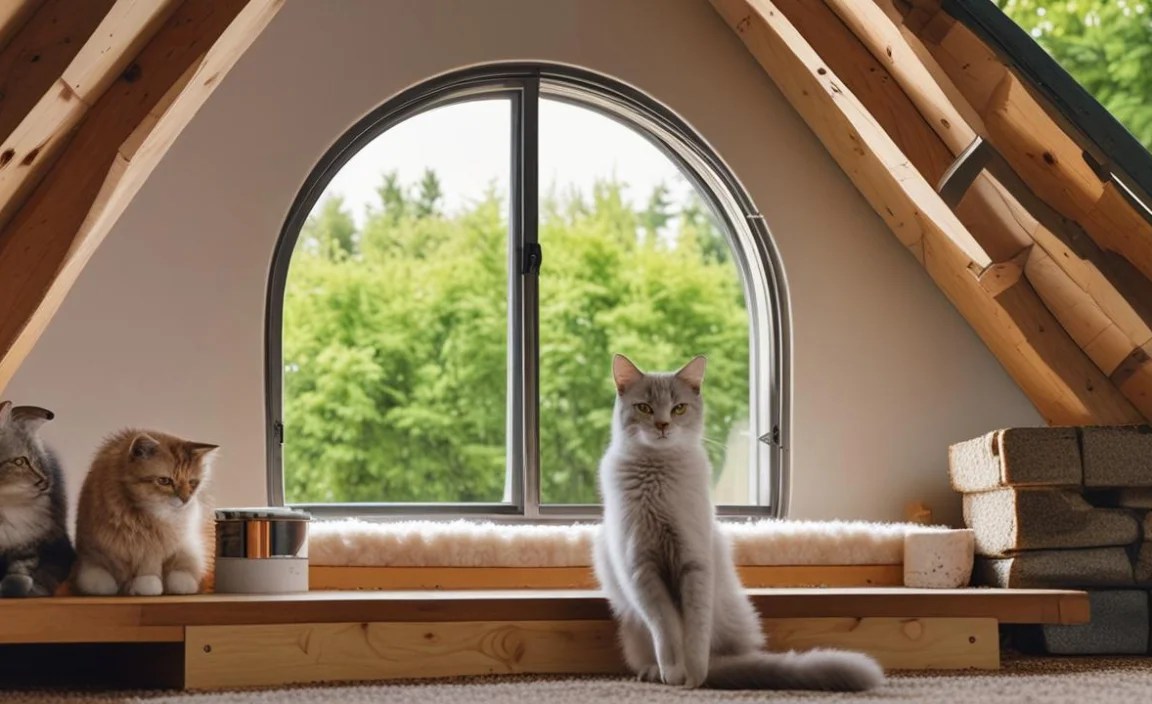
Besides insulation for outdoor cat house, there are other ways to keep your cat warm. Add a self-warming bed inside the house. These beds reflect your cat’s body heat back to them. This provides extra warmth without electricity. Provide plenty of food and water. Cats need more calories in the winter to stay warm. Make sure their water doesn’t freeze. Place the cat house in a sheltered location. This will protect it from wind and snow. Check on your cat regularly. Make sure they are warm and comfortable. A little extra care can make a big difference.
- Add a self-warming bed.
- Provide plenty of food and water.
- Place the house in a sheltered spot.
- Check on your cat regularly.
- Consider a heated water bowl.
Think of it as creating a cozy retreat for your cat. You want to provide everything they need to stay warm and comfortable. Pay attention to their behavior. If they seem cold, try adding more insulation. Or move the house to a warmer location. Your cat will appreciate the extra effort you put in to keep them safe and warm. Remember, insulation for outdoor cat house is just one part of the equation. It’s important to consider all the factors that contribute to your cat’s comfort.
Fun Fact or Stat: Self-warming beds can increase the temperature inside a cat house by up to 15 degrees!
Self-Warming Beds
Self-warming beds are a great addition to an insulated cat house. They use a special material that reflects your cat’s body heat back to them. This creates a warm and cozy spot for your cat to sleep. Self-warming beds don’t require any electricity. This makes them safe and energy-efficient. They are also easy to clean. Simply toss them in the washing machine. Choose a self-warming bed that is the right size for your cat house. Make sure it’s comfortable and durable. Your cat will love snuggling up in their warm bed.
Heated Water Bowls
Keeping your cat’s water from freezing in the winter can be a challenge. A heated water bowl can solve this problem. These bowls use a small amount of electricity to keep the water warm. This prevents it from freezing, even in very cold weather. Choose a heated water bowl that is designed for outdoor use. Make sure it’s safe and durable. Place the bowl inside the insulated cat house to protect it from the elements. Check the bowl regularly to make sure it’s working properly. Your cat will appreciate having access to fresh, unfrozen water.
Sheltered Locations
The location of your insulated cat house can make a big difference in how warm it stays. Place the house in a sheltered location. This will protect it from wind and snow. A good spot is near a building or under a tree. Avoid placing the house in an open area where it will be exposed to the elements. Face the entrance away from the prevailing wind. This will prevent wind from blowing directly into the house. Elevate the house off the ground. This will help to keep it dry and warm. A little planning can make a big difference in your cat’s comfort.
Summary
Insulation for outdoor cat house is essential for keeping your feline friend warm and safe during cold weather. Choosing the right materials, such as straw, foam boards, or reflective foil, can make a significant difference. Building your own insulated shelter is a rewarding project. It provides a cozy retreat for your cat. Regular maintenance, including checking for moisture and replacing damaged insulation, ensures the shelter remains effective. Adding extra features like self-warming beds and heated water bowls can further enhance your cat’s comfort. Providing a sheltered location protects the house from wind and snow.
Conclusion
Providing a safe and warm outdoor space for your cat is an act of love. Insulation for outdoor cat house is a key part of that. With the right materials and a little effort, you can create a cozy shelter that protects your cat from the elements. Regular maintenance will ensure it stays in good condition. Your cat will appreciate having a warm and secure place to call their own. This will keep them happy and healthy all winter long.
Frequently Asked Questions
Question No 1: What is the best material for insulation for outdoor cat house?
Answer: The best material depends on your climate and budget. Straw is a natural and affordable option. Foam boards are lightweight and water-resistant. Reflective foil reflects heat. Avoid using fiberglass, as it can be harmful. Consider what’s most safe and effective for your cat’s needs. Proper insulation is essential to keep your cat warm during the colder months. Remember to check and replace the insulation regularly to maintain its effectiveness. This will keep your cat safe and warm.
Question No 2: How often should I replace the insulation in my cat house?
Answer: You should replace the insulation for outdoor cat house whenever it gets wet, damaged, or starts to smell. Check it regularly, especially after rain or snow. Wet insulation loses its insulating properties. It can also promote mold growth. Damaged insulation won’t provide adequate warmth. A smelly cat house is not a healthy cat house. Replacing the insulation ensures your cat always has a clean, dry, and warm place to rest. Aim to check the insulation at least once a month during the colder seasons.
Question No 3: Can I use a regular dog house for my cat?
Answer: While you can use a dog house, it’s important to make sure it’s the right size and properly insulated. Dog houses are often too large for cats. This makes it harder for them to stay warm. Add extra insulation to make it cozy. A smaller space is easier for a cat to heat with its own body heat. Also, make sure the entrance is small enough to keep out wind and rain. A cat house designed specifically for cats is usually a better option. They are designed for their specific needs.
Question No 4: How can I keep the water from freezing in my outdoor cat house?
Answer: Keeping water from freezing is important. Cats need access to fresh water, even in winter. Use a heated water bowl designed for outdoor use. These bowls use electricity to keep the water warm. You can also try placing the water bowl inside the insulated cat house. This will help protect it from the elements. Check the water bowl regularly to make sure it’s not frozen. Replace the water with warm water if needed. There are also solar powered options to help keep water warm.
Question No 5: Is it better to buy or build an insulated cat house?
Answer: This depends on your skills and budget. Building your own insulated cat house can be a fun and rewarding project. It allows you to customize it to your cat’s needs. It also allows you to choose the specific insulation materials. Buying a pre-made cat house is more convenient. It saves you time and effort. There are many options available online and in pet stores. Choose one that is well-insulated and made from safe materials. Both options can provide a warm and safe shelter for your cat.
Question No 6: How do I encourage my cat to use the outdoor cat house?
Answer: To encourage your cat to use the outdoor cat house, make it inviting! Place soft, comfortable bedding inside. Add some of your cat’s favorite toys. You can also sprinkle some catnip inside. Place the house in a quiet, sheltered location. This will help your cat feel safe and secure. You can also try feeding your cat inside the house. This will create a positive association. Be patient. It may take some time for your cat to get used to the new house. Make sure the insulation for outdoor cat house is working correctly and the house is at a comfortable temperature.
