Do you love playing in your garden? Do you want your plants to grow big and strong? Sometimes, watering them can be hard work. You have to carry heavy watering cans. What if there was an easier way? There is! It involves using special irrigation hoses for gardens.
These hoses can help you water your plants easily. They save you time and energy. They also help your plants get the right amount of water. Let’s find out more about these amazing tools!
Key Takeaways
- Irrigation hoses for gardens deliver water directly to plant roots, saving water.
- Soaker hoses and drip hoses are two common types for efficient watering.
- Proper installation and maintenance extend the life of your irrigation hoses.
- Using a timer with your hose can automate your garden watering schedule.
- Consider your garden size and plant needs when choosing the best hose.
Choosing the Right Irrigation Hoses for Gardens

Picking the right irrigation hoses for gardens can feel tricky. There are many choices! First, think about your garden size. Is it a small flower bed or a big vegetable patch? Small gardens might only need a short hose. Larger gardens will need longer hoses. Next, think about your plants. Do they need a lot of water, or just a little? Some plants like to be watered at their roots. Other plants like a gentle shower. Different hoses work best for different plants. Think about how much time you want to spend watering. Some hoses can be set on a timer. This means you don’t have to stand there and water them yourself! Choosing the right hose will make gardening much easier and more fun.
- Consider your garden’s size.
- Think about the type of plants.
- Decide if you need a timer.
- Check the hose material.
- Read reviews before you buy.
Different materials affect how well a hose works. Rubber hoses are strong and last a long time. They can handle hot and cold weather. Vinyl hoses are lighter and cheaper. But they might not last as long as rubber hoses. Some hoses are made of special materials that stop them from kinking. Kinking is when the hose gets bent and stops the water from flowing. Look for hoses that are easy to roll up and store. A good hose reel can keep your hose neat and tidy. It will also stop it from getting damaged. Taking good care of your hose will make it last longer and save you money.
What Size Hose Do I Need?
Picking the right size hose is important. A hose that is too short won’t reach all your plants. A hose that is too long can be hard to move around. First, measure the distance from your water source to the farthest plant. Add a few extra feet to that measurement. This will give you the minimum length you need. Next, think about the diameter of the hose. A wider hose will let more water flow through. This is good for watering large areas quickly. A narrower hose is better for smaller areas or for plants that need less water. Ask a grown-up to help you measure and choose the right size hose. This will make watering your garden much easier.
How Will I Store the Hose?
Storing your irrigation hoses for gardens properly is very important. It keeps them from getting damaged. It also makes them last longer. After you use your hose, drain all the water out of it. Water left inside can freeze in cold weather. This can cause the hose to crack. Roll up the hose neatly. You can use a hose reel to make this easier. Store the hose in a cool, dry place. Avoid leaving it in direct sunlight. The sun can make the hose brittle and crack. If you don’t have a hose reel, you can hang the hose on a hook. Just make sure it is not bent or kinked. Proper storage will keep your hose in good shape for many years.
Are There Special Connectors I Might Need?
Special connectors can make using your irrigation hoses for gardens easier. Quick-connect fittings let you attach and detach the hose quickly. This is helpful if you need to switch between different watering tools. Swivel connectors stop the hose from getting twisted. This makes it easier to move around your garden. Y-connectors let you split one water source into two hoses. This is useful if you want to water two different areas at the same time. Some connectors have shut-off valves. These let you stop the water flow without turning off the main water source. Check the size of your hose and your water source. Make sure the connectors you buy are the right size. Using the right connectors will make watering your garden more efficient.
Fun Fact or Stat: Did you know that using irrigation hoses can save up to 50% more water than using a sprinkler? This is because the water goes right to the plant’s roots!
Different Types of Irrigation Hoses Available

There are many different types of irrigation hoses for gardens. Each type works best for different situations. Soaker hoses are great for watering rows of plants. They have tiny holes that slowly release water along the entire length of the hose. This is perfect for vegetable gardens. Drip hoses deliver water directly to the roots of plants. This helps to save water and prevent weeds from growing. Sprinkler hoses have nozzles that spray water over a wide area. These are good for watering lawns or large flower beds. Flat hoses are lightweight and easy to store. They roll up flat when they are not in use. Choosing the right type of hose will make your watering more effective.
- Soaker hoses water rows of plants.
- Drip hoses water plant roots directly.
- Sprinkler hoses spray water widely.
- Flat hoses are easy to store.
- Expandable hoses are lightweight.
Expandable hoses are another popular choice. They are lightweight and easy to move around. They expand when you turn on the water. They shrink back to their original size when you turn off the water. This makes them easy to store. However, they may not be as durable as other types of hoses. When choosing a hose, think about your garden’s needs. Consider the type of plants you have and how much water they need. Think about how easy the hose is to use and store. A little research will help you find the perfect hose for your garden. Your plants will thank you for it!
What is a Soaker Hose?
A soaker hose is a special type of irrigation hose. It is designed to slowly release water into the soil. The hose is made of a porous material. This means that water can seep through it. Soaker hoses are great for watering plants at their roots. This helps to prevent water from being wasted. It also helps to prevent diseases that can grow on wet leaves. To use a soaker hose, simply lay it along the rows of your plants. Turn on the water and let it soak into the soil. You can bury the hose under a thin layer of mulch. This will help to keep the soil moist and cool. Soaker hoses are a great way to save water and keep your plants healthy.
What is a Drip Hose?
A drip hose is another type of irrigation hose. It delivers water slowly and directly to the plant’s roots. Drip hoses have small emitters spaced along the hose. These emitters release water in a slow, steady drip. Drip hoses are very efficient. They minimize water waste by delivering water only where it is needed. This also helps to prevent weeds from growing. To use a drip hose, lay it along your plants. Make sure the emitters are close to the plant’s roots. You can bury the hose under a layer of mulch. This will help to keep the soil moist. Drip hoses are a great way to save water and keep your plants healthy.
What is a Sprinkler Hose?
A sprinkler hose is different from soaker and drip hoses. It sprays water into the air like a traditional sprinkler. Sprinkler hoses have small nozzles along the hose. These nozzles spray water over a wide area. Sprinkler hoses are good for watering lawns and large flower beds. They can also be used to cool down plants on hot days. However, sprinkler hoses are not as efficient as soaker and drip hoses. They can waste water through evaporation. They can also wet the leaves of plants, which can lead to diseases. If you use a sprinkler hose, water early in the morning. This will give the leaves time to dry before nightfall.
Fun Fact or Stat: Drip irrigation hoses can reduce water usage by up to 60% compared to traditional watering methods. That’s a lot of water saved!
Installing Irrigation Hoses Correctly
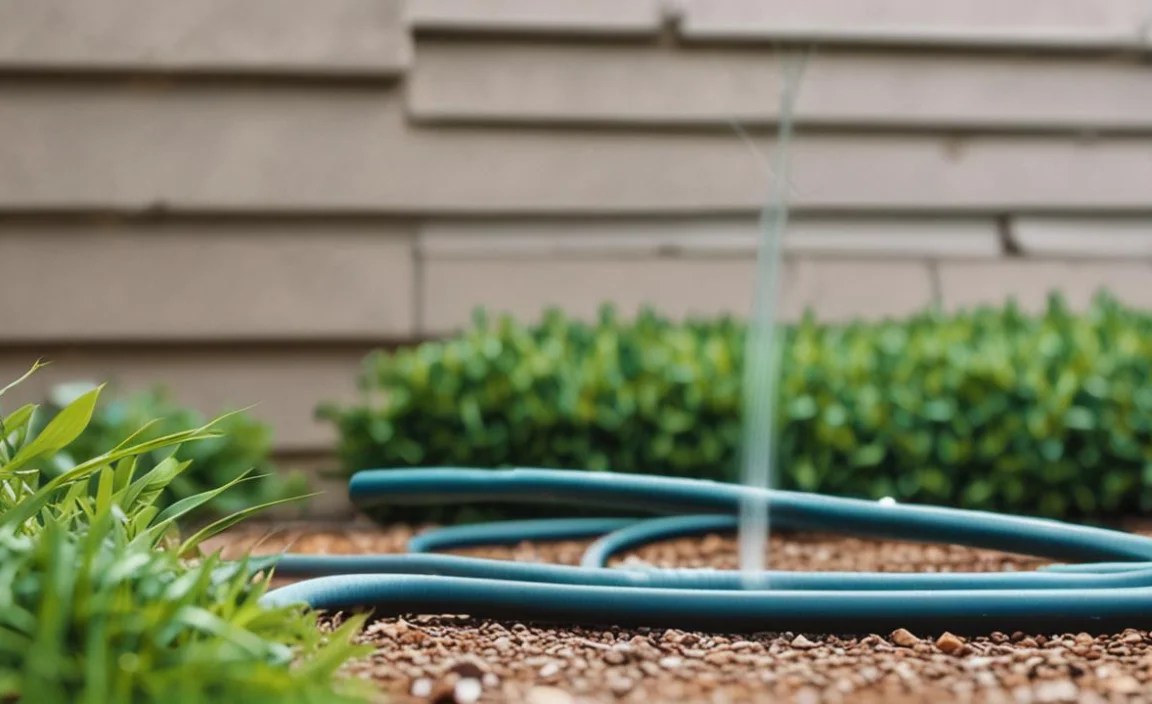
Installing irrigation hoses for gardens the right way is important. It makes sure your plants get enough water. It also stops the hoses from getting damaged. First, plan where you want to put the hose. Make sure it reaches all the plants you want to water. Clear away any rocks or sharp objects that could damage the hose. Connect the hose to your water source. Use a hose clamp to make sure it is secure. Lay the hose along your plants. Make sure the emitters or holes are facing the plants’ roots. Cover the hose with a thin layer of mulch. This will help to keep the soil moist and cool. Turn on the water and check for leaks. Adjust the water pressure as needed.
| Hose Type | Best Use | Watering Style | Cost |
|---|---|---|---|
| Soaker Hose | Vegetable gardens, rows of plants | Slow, even soaking | Low |
| Drip Hose | Individual plants, flower beds | Targeted drips | Medium |
| Sprinkler Hose | Lawns, large areas | Wide spray | Medium |
| Flat Hose | General watering, easy storage | Variable spray | Low |
- Plan your hose layout carefully.
- Clear the area of sharp objects.
- Use hose clamps to secure connections.
- Cover the hose with mulch.
- Check for leaks after installation.
If you are using a soaker hose, lay it in a snake-like pattern. This will help to water all the plants evenly. If you are using a drip hose, make sure the emitters are close to the plant’s roots. You can use stakes to hold the hose in place. If you are using a sprinkler hose, adjust the nozzles to cover the area you want to water. Avoid watering the leaves of plants. This can lead to diseases. Water early in the morning so the leaves have time to dry. With a little planning and effort, you can install your irrigation hoses correctly and keep your plants healthy.
How Do I Connect the Hose to the Water Source?
Connecting your irrigation hoses for gardens to the water source is easy. First, find the outdoor faucet closest to your garden. Make sure the faucet is clean and free of debris. Screw a hose connector onto the faucet. The connector should be the same size as your hose. If the connector is too loose, use Teflon tape to seal the threads. Attach the other end of the connector to your hose. Use a hose clamp to secure the connection. Turn on the water slowly. Check for leaks at the connection points. Tighten the connections if necessary. If you have low water pressure, you can use a water pressure booster. This will help to increase the water flow to your hose.
How Should I Lay Out the Hose in My Garden?
The way you lay out your irrigation hoses depends on the type of hose you are using. For soaker hoses, lay the hose in a snake-like pattern along the rows of your plants. This will ensure that all the plants get watered evenly. For drip hoses, place the emitters close to the roots of each plant. You can use stakes to hold the hose in place. For sprinkler hoses, position the hose so that it covers the entire area you want to water. Adjust the nozzles to get the right spray pattern. Make sure the hose is not kinked or twisted. This can restrict the water flow. Walk around your garden and check that all the plants are getting enough water.
How Do I Bury the Hose?
Burying your irrigation hoses for gardens can help to protect them from damage. It can also help to conserve water by reducing evaporation. Dig a shallow trench along the rows of your plants. The trench should be about 2-3 inches deep. Lay the hose in the trench. Make sure the emitters or holes are facing the plants’ roots. Cover the hose with soil. You can also cover the hose with a layer of mulch. This will help to keep the soil moist and cool. Be careful not to damage the hose when you are burying it. Avoid using sharp tools. Check the hose regularly for leaks. Repair any leaks as soon as possible.
Fun Fact or Stat: Proper installation of irrigation hoses can reduce water waste by up to 70% compared to hand-watering. That’s good for your wallet and the environment!
Maintaining Your Irrigation Hoses for Longevity

Taking care of your irrigation hoses for gardens will make them last longer. Check your hoses often for leaks or damage. Look for cracks, holes, or kinks. Fix any problems right away. Leaks waste water. Kinks stop the water from flowing properly. Clean your hoses regularly. Dirt and debris can clog the emitters or holes. This will reduce the water flow. Flush the hoses with clean water. Store your hoses properly when you are not using them. Drain all the water out of the hose. Roll it up neatly and store it in a cool, dry place. Avoid leaving the hose in direct sunlight. The sun can damage the hose material.
- Check for leaks and damage often.
- Fix problems immediately.
- Clean hoses regularly to remove debris.
- Flush hoses with clean water.
- Store hoses properly in a cool, dry place.
- Protect hoses from direct sunlight.
In the winter, protect your hoses from freezing. Freezing water can cause the hoses to crack. Disconnect the hoses from the water source. Drain all the water out of the hoses. Store the hoses indoors. If you cannot store the hoses indoors, wrap them in insulation. This will help to protect them from the cold. Avoid stepping on or driving over your hoses. This can damage them. With proper care and maintenance, your irrigation hoses will last for many years. This will save you money and keep your plants healthy.
How Often Should I Clean My Hose?
Cleaning your irrigation hoses for gardens regularly is important. It helps to prevent clogs and ensures proper water flow. You should clean your hose at least once a month. If you notice that the water flow is reduced, clean it more often. To clean your hose, disconnect it from the water source. Remove any nozzles or attachments. Flush the hose with clean water. You can use a hose cleaning tool to scrub the inside of the hose. This will help to remove any dirt or debris. Rinse the hose thoroughly before using it again. Regular cleaning will keep your hose in good condition.
How Do I Fix a Leak in My Hose?
Leaks in irrigation hoses for gardens are common. They can waste water and reduce water pressure. Luckily, fixing a leak is usually easy. First, turn off the water. Find the leak. If it is a small hole, you can use a hose repair clamp. Place the clamp over the hole and tighten it. If the leak is a larger tear, you may need to cut out the damaged section of the hose. Use a hose connector to join the two ends of the hose. Make sure the connector is the right size for your hose. Tighten the connector securely. Turn on the water and check for leaks. If the leak persists, try using Teflon tape on the threads of the connector.
How Do I Protect My Hose in the Winter?
Protecting your irrigation hoses for gardens in the winter is crucial. Freezing temperatures can cause the water inside the hose to expand. This can lead to cracks and breaks. Before the first frost, disconnect your hose from the water source. Drain all the water out of the hose. Coil the hose loosely. Store it in a garage, shed, or basement. If you cannot store the hose indoors, wrap it in insulation. You can use old blankets or towels. This will help to protect it from the cold. Avoid leaving the hose outside in freezing temperatures. This will significantly extend its lifespan.
Fun Fact or Stat: A well-maintained irrigation hose can last for 5-10 years, saving you money on replacements!
Using Timers with Your Irrigation Hoses

Using timers with your irrigation hoses for gardens can save you time and effort. Timers automate your watering schedule. You don’t have to remember to turn the water on and off. Timers can be set to water your plants at specific times of the day. This is especially useful if you are away from home. Timers can also help you to conserve water. You can set the timer to water your plants for a specific amount of time. This will prevent you from overwatering them. There are many different types of timers available. Some timers are simple and easy to use. Others are more complex and offer more features. Choose a timer that meets your needs and budget.
- Timers automate watering schedules.
- They save time and effort.
- Timers can be set to specific times.
- They help conserve water.
- Choose a timer that meets your needs.
When choosing a timer, consider the number of zones you need. A zone is a separate area of your garden that you want to water. If you have multiple zones, you will need a timer that can control multiple valves. Also, think about the water pressure in your garden. Some timers require a certain amount of water pressure to operate properly. Read the product specifications carefully before you buy a timer. Install the timer according to the manufacturer’s instructions. Test the timer to make sure it is working properly. With a little planning and effort, you can use a timer to automate your garden watering and keep your plants healthy.
What Type of Timer Should I Get?
Choosing the right timer for your irrigation hoses for gardens depends on your needs. Simple mechanical timers are easy to use. You just turn a dial to set the watering duration. Digital timers offer more precise control. You can set specific start times and durations. Some digital timers even have multiple programs. This allows you to water different zones at different times. Smart timers connect to your Wi-Fi network. You can control them from your smartphone. They can also adjust watering schedules based on the weather forecast. Consider your budget and the features you need when choosing a timer.
How Do I Set Up the Timer?
Setting up a timer for your irrigation hoses for gardens is usually straightforward. First, attach the timer to your outdoor faucet. Make sure the connection is secure. Then, connect your hose to the timer. Program the timer according to the manufacturer’s instructions. Set the start time, watering duration, and frequency. Test the timer to make sure it is working properly. Observe your plants to see if they are getting enough water. Adjust the timer settings as needed. With a little practice, you will be able to set up your timer quickly and easily.
How Can a Timer Help Me Save Water?
Timers can help you save water by automating your watering schedule. You can set the timer to water your plants only when they need it. This prevents you from overwatering them. Timers can also be set to water your plants during the cooler parts of the day. This reduces evaporation and helps the water reach the plant’s roots. Some timers have rain sensors. These sensors automatically shut off the water when it rains. This prevents you from wasting water. By using a timer, you can save water and keep your plants healthy.
Fun Fact or Stat: Using a timer with your irrigation hoses can reduce water consumption by up to 30%!
Troubleshooting Common Irrigation Hose Problems
Even with good care, you might have problems with your irrigation hoses for gardens. Hoses can get clogged. This stops water from flowing. Check the hose for kinks or bends. Straighten them out to restore water flow. Emitters on drip hoses can get blocked. Clean them with a small brush or pin. Leaks can happen at connections. Tighten the connections with a wrench. If the hose is damaged, repair it with a hose repair kit. Low water pressure can be a problem. Check the water pressure at the faucet. Make sure the hose is not too long or too narrow. With a little troubleshooting, you can fix most common hose problems.
- Check for kinks and bends.
- Clean clogged emitters.
- Tighten leaky connections.
- Repair damaged hoses.
- Check water pressure.
Sometimes, the problem is not with the hose itself. The problem could be with the water source. Make sure the faucet is turned on all the way. Check the water filter for clogs. If you have well water, the pump might be failing. If you live in an area with hard water, mineral deposits can build up in the hose. Flush the hose with vinegar to dissolve the deposits. By checking both the hose and the water source, you can usually find the cause of the problem. A little patience and effort can save you from having to replace your hose.
What Do I Do if My Hose is Clogged?
If your irrigation hoses for gardens are clogged, try these steps. First, disconnect the hose from the water source. Check the faucet screen for debris. Clean the screen if necessary. Next, flush the hose with water. Hold the hose up and let the water run through it. This will help to dislodge any clogs. If the clog is stubborn, try using a hose cleaning tool. This tool has a small brush that can be used to scrub the inside of the hose. You can also try using a mixture of vinegar and water. Let the mixture sit in the hose for a few hours, then flush it with clean water.
Why is My Water Pressure Low?
Low water pressure in your irrigation hoses for gardens can be frustrating. First, check the faucet to make sure it is turned on all the way. Then, check the hose for kinks or bends. Straighten them out to improve water flow. Make sure the hose is not too long or too narrow. A longer or narrower hose will reduce water pressure. Check the water filter for clogs. A clogged filter can restrict water flow. If you have well water, the pump might be failing. If you live in an area with low water pressure, you can install a water pressure booster.
How Do I Prevent Kinks in My Hose?
Kinks in irrigation hoses for gardens can stop the water flow. To prevent kinks, choose a hose that is made of high-quality material. Rubber hoses are less likely to kink than vinyl hoses. When you are using the hose, avoid bending it sharply. Store the hose properly when you are not using it. Coil it loosely and store it in a cool, dry place. You can also use a hose reel to prevent kinks. A hose reel will keep the hose neatly coiled and prevent it from getting tangled. Avoid stepping on or driving over the hose. This can damage it and make it more prone to kinking.
Fun Fact or Stat: Regular troubleshooting can extend the life of your irrigation hose by several years!
Choosing Eco-Friendly Irrigation Options
Being kind to our planet is very important. You can choose eco-friendly irrigation hoses for gardens. Look for hoses made from recycled materials. These hoses help reduce waste. Some hoses are designed to save water. Drip hoses and soaker hoses use less water than sprinklers. They put water right where the plants need it. This stops water from being wasted. You can also use rain barrels to collect rainwater. Use this water to fill your hoses. This saves water and helps the environment. When you choose eco-friendly options, you help protect our planet.
- Choose hoses made from recycled materials.
- Use drip hoses and soaker hoses to save water.
- Collect rainwater in rain barrels.
- Avoid using harmful chemicals.
- Compost your garden waste.
Avoid using harmful chemicals in your garden. These chemicals can pollute the soil and water. Use organic fertilizers instead. Compost your garden waste. Compost is a natural fertilizer that is good for your plants. Mulch your garden beds. Mulch helps to keep the soil moist and cool. It also prevents weeds from growing. By following these tips, you can create a beautiful garden that is also good for the environment. Every little bit helps. Let’s all do our part to protect our planet.
What are Recycled Hoses Made From?
Recycled irrigation hoses for gardens are made from materials that would otherwise be thrown away. These materials can include old tires, plastic bottles, and other recycled plastics. The recycled materials are processed and turned into new hoses. This helps to reduce waste and conserve resources. Recycled hoses are just as strong and durable as traditional hoses. They are a great choice for gardeners who want to be eco-friendly. Look for hoses that are labeled as “recycled” or “made from recycled materials.”
How Do Drip Hoses Save Water?
Drip irrigation hoses for gardens save water by delivering water directly to the plant’s roots. This reduces water waste from evaporation and runoff. Drip hoses have small emitters that release water slowly and steadily. This allows the water to soak into the soil and reach the plant’s roots. Drip hoses also help to prevent weeds from growing. By watering only the plants you want to water, you can reduce the amount of water available for weeds to grow. Drip hoses are a great way to save water and keep your plants healthy.
How Do Rain Barrels Work?
Rain barrels are a simple and effective way to collect rainwater. A rain barrel is a large container that is placed under a downspout. The downspout collects rainwater from your roof. The rainwater flows into the rain barrel. You can then use the rainwater to water your garden. Rainwater is naturally soft and free of chemicals. It is also better for your plants than tap water. Rain barrels are easy to install and maintain. They are a great way to save water and reduce your water bill. You can use the collected rainwater with your irrigation hoses.
Fun Fact or Stat: Using recycled irrigation hoses can reduce your carbon footprint by up to 80%!
Summary
Irrigation hoses for gardens are great tools. They help you water your plants easily and efficiently. There are many different types of hoses to choose from. Soaker hoses, drip hoses, and sprinkler hoses each have their own benefits. Installing the hoses correctly is important. This ensures that your plants get enough water. Taking care of your hoses will make them last longer. Timers can automate your watering schedule and save you time. Choose eco-friendly options to help protect the environment. With the right hose and proper care, you can have a beautiful and healthy garden.
Conclusion
Irrigation hoses for gardens make watering plants easier. They save water and keep plants healthy. You can pick the right hose for your garden. Remember to install and care for it properly. Using timers and eco-friendly options is also a good idea. Now you can enjoy a beautiful, thriving garden with less effort.
Frequently Asked Questions
Question No 1: What is the best type of irrigation hose for a vegetable garden?
Answer: Soaker hoses are often the best choice for vegetable gardens. They release water slowly and evenly along the entire length of the hose. This is perfect for watering rows of plants. Soaker hoses help to prevent water waste and promote healthy growth. They also help to keep the leaves of your plants dry. This can prevent diseases from spreading. Consider using a timer with your soaker hose to automate your watering schedule. This will save you time and effort.
Question No 2: How do I prevent my irrigation hose from getting clogged?
Answer: To prevent your irrigation hoses for gardens from getting clogged, clean them regularly. Flush the hoses with clean water to remove any dirt or debris. You can also use a hose cleaning tool to scrub the inside of the hose. Make sure your water source is clean. Check the faucet screen for debris and clean it if necessary. Avoid using fertilizers or other chemicals that can clog the hose. Store your hoses properly when you are not using them. This will help to keep them clean and prevent clogs.
Question No 3: Can I bury my irrigation hose?
Answer: Yes, you can bury your irrigation hoses for gardens. Burying the hose can help to protect it from damage. It can also help to conserve water by reducing evaporation. Dig a shallow trench along the rows of your plants. Lay the hose in the trench. Make sure the emitters or holes are facing the plants’ roots. Cover the hose with soil. You can also cover the hose with a layer of mulch. Be careful not to damage the hose when you are burying it.
Question No 4: How often should I water my garden with an irrigation hose?
Answer: The frequency of watering depends on several factors. These include the type of plants you have, the weather, and the soil conditions. As a general rule, water your garden deeply but infrequently. This encourages the roots to grow deeper into the soil. Check the soil moisture before watering. If the soil is dry to the touch, it is time to water. Avoid overwatering, which can lead to root rot. Using a timer with your irrigation hose can help you to water consistently.
Question No 5: What is the best way to store my irrigation hose during the winter?
Answer: The best way to store your irrigation hoses for gardens during the winter is to disconnect them from the water source. Drain all the water out of the hoses. Coil the hoses loosely. Store them in a garage, shed, or basement. If you cannot store the hoses indoors, wrap them in insulation. This will help to protect them from the cold. Avoid leaving the hoses outside in freezing temperatures. This can cause them to crack and break.
Question No 6: Can I use my irrigation hose with a well water system?
Answer: Yes, you can use your irrigation hoses for gardens with a well water system. However, there are a few things to keep in mind. Well water may contain sediment or minerals. These can clog your hose. Install a filter at the water source to remove any sediment or minerals. Also, check the water pressure of your well water system. Some irrigation hoses require a certain amount of water pressure to operate properly. If your water pressure is low, you may need to install a water pressure booster.
