Do you want your garden to be healthy? Have you heard about compost? Compost can help your plants grow big and strong. But is compost good for gardens? Let’s find out.
Imagine your garden is like a person. It needs food and care. Compost is like a super healthy meal for your garden. It gives your plants the nutrients they need. This helps them fight off sickness and grow well.
Compost comes from things like food scraps and leaves. These things break down over time. Then, they turn into a dark, crumbly material. This material is full of good stuff for your plants. So, is compost good for gardens? Yes, it is!
Key Takeaways
- Using compost improves soil health and plant growth naturally.
- Compost helps plants resist diseases and pests, keeping them healthy.
- It reduces the need for chemical fertilizers, making your garden greener.
- Is compost good for gardens? Absolutely, it enriches the soil.
- Compost recycles kitchen and yard waste, benefiting the environment.
Why Is Compost Good for Soil Health?

Compost is like a vitamin boost for your soil. It adds important nutrients that plants need to grow. These nutrients include nitrogen, phosphorus, and potassium. Without these, plants can become weak. They might not grow as big or produce as many fruits and vegetables. Compost helps to balance the soil. It can help sandy soil hold more water. It also helps clay soil drain better. This means your plants get the right amount of water. Good soil health also means more helpful bugs and worms. These critters help break down organic matter. They also create air pockets in the soil. This makes it easier for plant roots to grow.
- Compost adds essential nutrients to the soil.
- It improves soil structure and drainage.
- Compost helps soil retain moisture.
- It encourages beneficial soil organisms.
- Compost balances the soil’s pH levels.
Imagine your soil is like a playground. If the playground is hard and dry, it’s not fun to play on. But if the playground is soft and has good things to play with, it’s much better. Compost makes your soil a better playground for your plants. It helps them grow strong roots. These roots can then find more water and nutrients. This means healthier, happier plants. Using compost is a simple way to make your garden thrive. It’s like giving your plants a big hug.
Fun Fact or Stat: Compost can reduce the need for chemical fertilizers by up to 50%!
How Does Compost Improve Soil Structure?
Have you ever built a sandcastle? If the sand is too dry, it crumbles. If it’s too wet, it’s hard to shape. Soil is similar. It needs the right structure to support plants. Compost helps create this perfect structure. It binds soil particles together. This creates small clumps called aggregates. These aggregates improve soil aeration. Air can reach the roots, which is very important. Compost also helps with water drainage. In clay soil, it prevents water from logging. In sandy soil, it helps the soil hold onto water longer. This means plants get a steady supply of moisture. This is especially important during dry spells.
Why Is Compost Good for Soil Organisms?
Think of your garden as a tiny city. Like any city, it needs its own helpful workers. These workers are the soil organisms. They include earthworms, fungi, and bacteria. Compost provides food and shelter for these organisms. Earthworms are like tiny gardeners. They tunnel through the soil. This creates air pockets and improves drainage. Fungi help plants absorb nutrients. Bacteria break down organic matter. All these organisms work together to create healthy soil. Compost helps them thrive. When they thrive, your plants thrive too.
What Nutrients Does Compost Add to Soil?
Compost is full of essential nutrients. These nutrients are like vitamins for plants. Nitrogen helps plants grow green leaves. Phosphorus helps with root development. Potassium helps with overall plant health. Compost also contains micronutrients. These are needed in smaller amounts. But they are still very important. Compost releases these nutrients slowly over time. This provides a steady supply of food for your plants. Unlike chemical fertilizers, compost doesn’t burn plants. It’s a gentle and natural way to feed your garden.
How Does Compost Help Plants Grow?
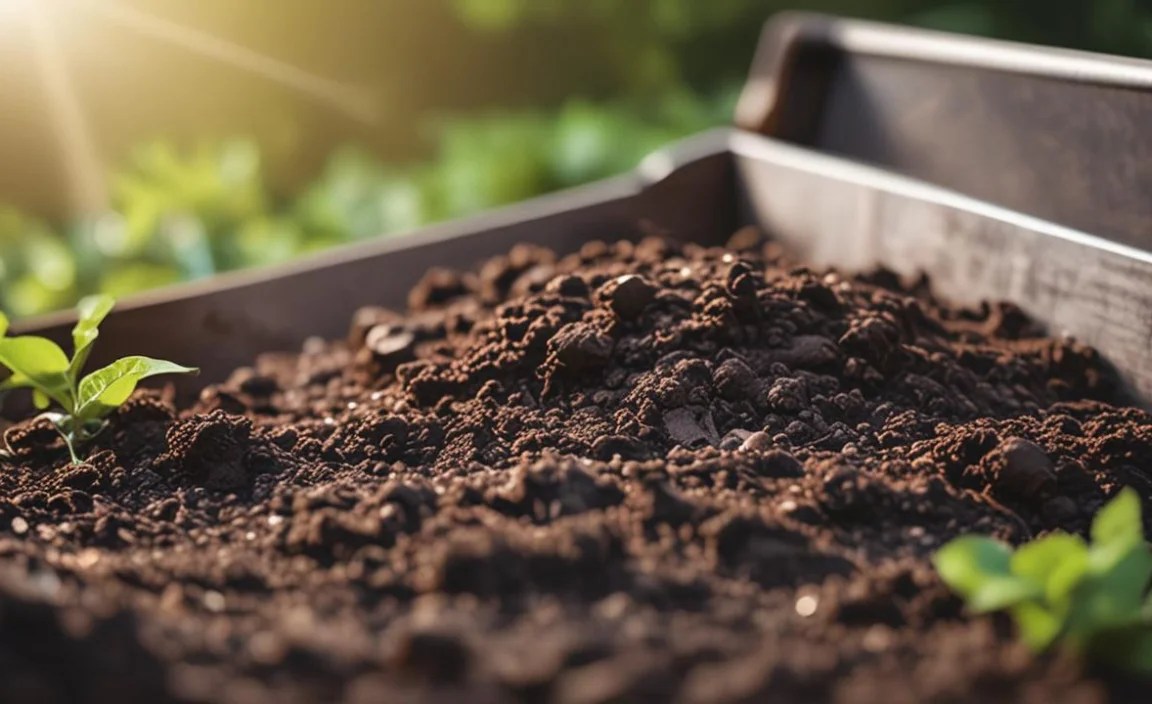
Compost is a fantastic food source for plants. It gives them the energy they need to grow big and strong. When you add compost to your garden, it’s like giving your plants a super-powered meal. The nutrients in compost help plants develop healthy roots, stems, and leaves. Strong roots mean plants can soak up more water and nutrients from the soil. Healthy stems and leaves allow plants to make more food through photosynthesis. This whole process helps them grow faster and produce more fruits and vegetables. Using compost helps your plants resist diseases and pests.
- Compost provides essential nutrients for plant growth.
- It improves root development and strength.
- Compost enhances plant resistance to diseases.
- It promotes healthier stems and leaves.
- Compost increases fruit and vegetable yields.
Imagine your plants are like athletes. They need the right fuel to perform their best. Compost is like a natural energy drink for your plants. It gives them the boost they need to thrive. When plants are healthy, they are better able to fight off diseases. Pests are also less likely to attack strong plants. Using compost is a simple way to make sure your plants get everything they need. It’s like giving them a head start in life. Healthy plants also make your garden look beautiful.
Fun Fact or Stat: Plants grown with compost can have up to 25% higher yields!
How Does Compost Improve Root Growth?
Roots are like the foundation of a building. They support the entire plant. They also absorb water and nutrients from the soil. Compost helps roots grow stronger and deeper. It loosens the soil, making it easier for roots to spread. Compost also provides nutrients that roots need to develop. Strong roots mean plants can access more water and nutrients. This is especially important during dry weather. With healthy roots, plants are more resilient and less likely to be stressed.
Why Does Compost Enhance Plant Resistance to Diseases?
Compost contains beneficial microbes. These microbes help protect plants from diseases. They compete with harmful pathogens in the soil. This reduces the risk of infection. Compost also strengthens the plant’s immune system. This makes it better able to fight off diseases. When plants are healthy, they are less susceptible to problems. Using compost is like giving your plants a natural shield against diseases. This helps them stay healthy and productive.
How Does Compost Increase Vegetable Yields?
If you want to grow lots of vegetables, compost is your secret weapon. It provides plants with the nutrients they need to produce big, juicy fruits. Compost also improves soil structure. This makes it easier for roots to absorb water and nutrients. Healthy plants produce more flowers. More flowers mean more vegetables. By using compost, you can increase your vegetable yields. You can also enjoy a more abundant harvest.
What Are the Environmental Benefits of Compost?

Compost is not only good for your garden, but also for the environment. When you compost, you recycle food scraps and yard waste. This reduces the amount of trash that goes to landfills. Landfills are places where trash is buried. They can create harmful gases that pollute the air. By composting, you help reduce these gases. Compost also helps reduce the need for chemical fertilizers. These fertilizers can pollute our waterways. Compost is a natural and sustainable way to improve your garden. It helps protect the environment at the same time.
- Compost reduces landfill waste.
- It minimizes the need for chemical fertilizers.
- Compost helps conserve water.
- It reduces greenhouse gas emissions.
- Compost improves soil health naturally.
Imagine your kitchen scraps are going on an adventure. Instead of ending up in a landfill, they get transformed into something useful. They become compost, which feeds your plants. This is a great way to reduce your environmental footprint. You’re not just throwing things away. You’re turning them into something valuable. Using compost helps create a healthier planet for everyone. It’s a small change that can make a big difference. Plus, you get to enjoy a beautiful, thriving garden.
Fun Fact or Stat: Composting can reduce your household waste by up to 30%!
How Does Compost Reduce Landfill Waste?
Think about all the food scraps you throw away. Apple cores, banana peels, and coffee grounds. These things can all be composted. When you compost, you keep them out of landfills. Landfills are filling up fast. They take up a lot of space. They also release harmful gases. By composting, you help reduce the amount of waste in landfills. You also help reduce pollution.
Why Does Compost Minimize the Need for Chemical Fertilizers?
Chemical fertilizers can harm the environment. They can pollute our water and soil. Compost is a natural alternative. It provides plants with the nutrients they need. Without the harmful side effects of chemical fertilizers. By using compost, you can reduce your reliance on these chemicals. You can also create a healthier garden.
How Does Compost Conserve Water?
Compost helps soil hold onto water. This means you don’t need to water your plants as often. Compost acts like a sponge. It soaks up water and releases it slowly. This is especially helpful during dry spells. By using compost, you can conserve water. You can also save money on your water bill.
How to Make Compost at Home?

Making compost at home is easy and fun. You can turn your kitchen scraps and yard waste into valuable garden food. All you need is a compost bin or pile. Start by layering green and brown materials. Green materials include food scraps and grass clippings. Brown materials include leaves and twigs. Turn the compost regularly to help it break down faster. In a few months, you’ll have nutrient-rich compost. You can use it to feed your plants and improve your soil. Making compost is a great way to recycle and help the environment.
- Collect green and brown materials.
- Layer the materials in a compost bin.
- Turn the compost regularly.
- Keep the compost moist.
- Wait for the materials to decompose.
- Use the compost in your garden.
Imagine you are a chef creating a special recipe for your garden. The ingredients are your kitchen scraps and yard waste. You mix them together and let them cook. Over time, they transform into a delicious, nutrient-rich food for your plants. Making compost is like creating a magical potion. It turns waste into something valuable. Plus, it’s a fun and rewarding activity. You can involve your family and friends. Together, you can create a greener and healthier world.
Fun Fact or Stat: You can compost indoors using a worm bin, called vermicomposting!
What Materials Can You Compost?
You can compost a wide variety of materials. This includes fruit and vegetable scraps. Coffee grounds, tea bags, and eggshells are also good. Yard waste like leaves, grass clippings, and small twigs can be composted too. Avoid composting meat, dairy, and oily foods. These can attract pests and create bad odors. Also, avoid composting diseased plants. They can spread diseases to your garden.
How Often Should You Turn Compost?
Turning your compost helps it break down faster. It aerates the pile. This provides oxygen for the microbes that do the work. Turn your compost every few days. Use a pitchfork or shovel to mix the materials. This will speed up the decomposition process. If you don’t turn your compost, it will still break down. But it will take longer.
How Long Does It Take to Make Compost?
The time it takes to make compost depends on several factors. These include the materials you use and how often you turn it. Generally, it takes a few months to make compost. If you turn it regularly, it can take as little as a month. Be patient. The end result is worth the wait. You’ll have a valuable resource for your garden.
Using Compost in Different Types of Gardens

Compost is beneficial for all types of gardens. Whether you have a vegetable garden, flower garden, or herb garden. It can improve soil health and plant growth. In vegetable gardens, compost helps plants produce more fruits. In flower gardens, it promotes vibrant blooms. In herb gardens, it enhances the flavor and aroma of the herbs. Compost is a versatile tool for any gardener. It helps create a thriving and beautiful outdoor space. Adding compost to your garden is like giving it a big dose of love and care.
- Compost improves vegetable garden yields.
- It enhances flower garden blooms.
- Compost enriches herb garden flavors.
- It benefits container gardens.
- Compost helps with raised bed gardens.
Imagine you are a painter. You’re using compost as your secret ingredient to create a masterpiece. It helps your plants grow strong and vibrant. It makes your garden look beautiful. You can use compost in different ways. Mix it into the soil before planting. Use it as a top dressing around existing plants. Add it to your container gardens. No matter how you use it, compost will improve your garden. It will bring you joy and satisfaction.
Fun Fact or Stat: Compost can help reduce water runoff in gardens by up to 70%!
How Does Compost Benefit Vegetable Gardens?
Vegetable gardens need lots of nutrients. Plants use these nutrients to produce fruits and vegetables. Compost provides a slow-release source of nutrients. This feeds your plants throughout the growing season. Compost also improves soil structure. This makes it easier for roots to absorb water and nutrients. By using compost, you can grow bigger, healthier vegetables.
Why Is Compost Good for Flower Gardens?
Flowers need healthy soil to produce beautiful blooms. Compost improves soil drainage. This prevents roots from rotting. Compost also provides nutrients that flowers need to thrive. By using compost, you can create a vibrant and colorful flower garden.
How Does Compost Enrich Herb Gardens?
Herbs need well-drained soil and plenty of sunlight. Compost helps improve soil drainage. It also provides nutrients that enhance the flavor and aroma of herbs. By using compost, you can grow delicious and fragrant herbs.
Compost vs. Chemical Fertilizers: Which Is Better?
When it comes to feeding your plants, you have two main choices. Compost and chemical fertilizers. Compost is a natural and organic option. It improves soil health and provides slow-release nutrients. Chemical fertilizers are synthetic. They provide a quick boost of nutrients. But they can also harm the environment. Compost is a sustainable choice that benefits both your garden and the planet. Chemical fertilizers can be helpful in certain situations. But they should be used with caution.
| Feature | Compost | Chemical Fertilizers |
|---|---|---|
| Nutrient Release | Slow and steady | Quick burst |
| Soil Health | Improves soil structure | Can harm soil over time |
| Environmental Impact | Reduces waste, eco-friendly | Can pollute water and soil |
| Cost | Often free (homemade) | Can be expensive |
Imagine you are choosing between a healthy homemade meal and fast food. Compost is like the healthy meal. It provides long-lasting benefits and nourishes your plants from the inside out. Chemical fertilizers are like fast food. They give a quick burst of energy. But they don’t provide lasting nutrition. Choosing compost is a simple way to support a healthier garden. You also help protect the environment for future generations.
Fun Fact or Stat: Chemical fertilizers can contribute to water pollution, while compost helps clean the soil!
What Are the Benefits of Using Compost?
Compost has many benefits. It improves soil health, provides nutrients, and conserves water. It also reduces waste and helps protect the environment. Using compost is a sustainable way to garden. It supports a healthy ecosystem. Compost is a win-win for your garden and the planet.
What Are the Drawbacks of Using Chemical Fertilizers?
Chemical fertilizers can harm the environment. They can pollute our water and soil. They can also burn plants if used incorrectly. Chemical fertilizers can be expensive. They don’t improve soil health. They only provide a temporary boost of nutrients.
When Might Chemical Fertilizers Be Necessary?
In some cases, chemical fertilizers might be necessary. If your soil is severely deficient in certain nutrients. If your plants need a quick boost. But it’s important to use them carefully. Follow the instructions on the label. Avoid over-fertilizing. Consider using a combination of compost and chemical fertilizers. This can provide the best of both worlds.
Troubleshooting Common Compost Problems
Sometimes, making compost can be challenging. You might encounter problems like bad odors, slow decomposition, or pests. But don’t worry. These problems are usually easy to fix. By understanding the causes of these issues. You can take steps to prevent them. Composting can be a rewarding and successful experience. With a little bit of knowledge and effort. You can create valuable garden food from your waste.
- Addressing bad odors in compost.
- Speeding up slow decomposition.
- Preventing pests in the compost bin.
- Managing moisture levels.
- Balancing green and brown materials.
Imagine you are a detective solving a mystery in your compost bin. You notice a strange smell or the pile isn’t breaking down as quickly as you’d hoped. Don’t panic! You can use your knowledge to identify the problem. You can take corrective action. Making compost is like conducting a science experiment. You learn something new every time. It’s a process of trial and error. But the end result is worth the effort.
Fun Fact or Stat: Adding a compost starter can speed up decomposition by up to 50%!
How to Address Bad Odors in Compost?
Bad odors in compost are often caused by anaerobic conditions. This means there isn’t enough oxygen in the pile. To fix this, turn the compost regularly. This will aerate the pile. Add more brown materials like leaves or shredded paper. This will help absorb excess moisture. Avoid composting meat, dairy, and oily foods.
How to Speed Up Slow Decomposition?
Slow decomposition can be frustrating. But there are several ways to speed it up. Make sure your compost pile is moist but not too wet. Turn it regularly to aerate it. Add a compost starter. This contains beneficial microbes. Chop up materials into smaller pieces. This will make it easier for microbes to break them down.
How to Prevent Pests in the Compost Bin?
Pests can be a nuisance in the compost bin. To prevent them, avoid composting meat, dairy, and oily foods. Cover the compost with a layer of soil or leaves. This will deter flies. Make sure your compost bin has a lid. This will keep out rodents.
Summary
Compost is a wonderful addition to any garden. Is compost good for gardens? Yes! It improves soil health and helps plants grow strong. Compost adds nutrients and helps soil hold water. It also reduces the need for chemical fertilizers. Making compost at home is easy. You can recycle kitchen scraps and yard waste. This reduces landfill waste and benefits the environment.
Using compost in your garden is a sustainable choice. It helps create a healthier planet. Whether you have a vegetable garden, flower garden, or herb garden, compost can help your plants thrive. So, start composting today and enjoy the many benefits it offers.
Conclusion
In conclusion, compost is extremely beneficial for gardens. It enriches the soil, promotes healthy plant growth, and helps the environment. Making compost at home is a simple way to recycle waste. It turns it into a valuable resource. So, is compost good for gardens? The answer is a resounding yes! Start composting today and watch your garden flourish.
Frequently Asked Questions
Question No 1: What is compost?
Answer: Compost is a mix of decayed organic matter. It is used to fertilize and improve the soil. It’s made from things like kitchen scraps, leaves, and grass clippings. These materials break down over time. They create a nutrient-rich substance. This substance is great for your garden. Using compost is like giving your plants a healthy, natural boost. It helps them grow big and strong.
Question No 2: How does compost help plants grow?
Answer: Compost helps plants grow in many ways. It adds essential nutrients to the soil. These nutrients are like vitamins for plants. They help them develop strong roots and healthy leaves. Compost also improves soil structure. This makes it easier for roots to absorb water and nutrients. Compost helps the soil retain moisture. So plants don’t dry out as quickly. Plus, compost encourages helpful organisms in the soil. These organisms further enhance plant growth.
Question No 3: What materials can I compost?
Answer: You can compost a wide range of materials. Green materials include fruit and vegetable scraps, coffee grounds, and grass clippings. Brown materials include leaves, twigs, and shredded paper. Avoid composting meat, dairy, and oily foods. These can attract pests and cause bad odors. Also, don’t compost diseased plants. They can spread diseases to your garden. Using a mix of green and brown materials helps create good compost.
Question No 4: How do I make compost at home?
Answer: Making compost at home is easy. Start with a compost bin or pile. Layer green and brown materials. Turn the compost regularly to aerate it. Keep it moist, like a damp sponge. In a few months, the materials will break down into compost. You’ll know it’s ready when it’s dark and crumbly. It should smell earthy, not bad. Then you can use it in your garden. Is compost good for gardens when you make it yourself? Yes!
Question No 5: Can I use too much compost?
Answer: Yes, you can use too much compost. While compost is great, too much can be a problem. Over-application can lead to excess nutrients in the soil. This can harm plants. It can also create an imbalance in the soil. A good rule of thumb is to mix compost with your existing soil. Don’t use pure compost as a potting mix. A ratio of 1 part compost to 2 or 3 parts soil is usually ideal.
Question No 6: Is compost good for all types of plants?
Answer: Yes, compost is generally good for all types of plants. It benefits vegetable gardens, flower gardens, and herb gardens. It can also help improve the soil for trees and shrubs. However, some plants prefer different soil conditions. For example, acid-loving plants like blueberries may benefit from specific compost types. But for most plants, compost is a great way to improve soil health and promote growth. It’s a natural and effective way to keep your garden thriving. Using compost helps ensure your plants get the nutrients they need.
