Do you love gardening? Do you want your plants to grow big and strong? Many gardeners use different things to help their plants. One thing you might have heard about is peat moss. But, is peat moss good for gardens? Let’s find out!
Sometimes, things that seem helpful can also have problems. It’s important to know the good and the bad. This helps us make the best choices for our plants and our planet. So, let’s explore peat moss together.
Imagine your garden is like a home for your plants. You want to give them the best start. You need to know what helps them grow. Let’s dig in and learn all about using peat moss in your garden!
Key Takeaways
- Using peat moss can improve soil for better plant growth, but consider its environmental impact.
- Peat moss helps soil hold water and nutrients, which plants need to thrive.
- The sustainability of harvesting peat moss is a concern, as it comes from bogs.
- Alternatives like coconut coir and compost can offer similar benefits without harming bogs.
- Knowing is peat moss good for gardens involves weighing benefits against environmental costs.
What Is Peat Moss and Is It Good?

Peat moss is made from dead plants. These plants, mostly sphagnum moss, grow in bogs. Bogs are like very wet, swampy areas. Over time, the dead plants don’t break down completely. They form a soft, spongy material. This material is peat moss. Gardeners use it to improve their soil. It can hold a lot of water. It also helps air get to plant roots. These are very important for healthy growth. But is peat moss good for gardens in every way? We need to think about where it comes from. Harvesting peat moss can harm the environment. Bogs take a long time to form. When we dig up peat moss, we damage these important ecosystems. So, using peat moss is a trade-off. We get benefits for our gardens. But there are also environmental costs to consider. It’s important to be aware of both sides.
- Peat moss comes from sphagnum moss in bogs.
- It helps soil hold water and nutrients.
- It improves air flow to plant roots.
- Harvesting it can damage bog ecosystems.
- Consider the environmental impact before using it.
Using peat moss in your garden can be very helpful. It can improve the quality of your soil. This helps your plants grow better. Peat moss is especially good for sandy or clay soil. Sandy soil doesn’t hold water well. Peat moss helps it retain moisture. Clay soil can be hard and compacted. Peat moss makes it looser and easier for roots to grow. You can mix peat moss into your soil before planting. Or, you can use it as a top dressing around your plants. This helps keep the soil moist and prevents weeds from growing. Remember to wet the peat moss before using it. It can be hard to wet once it’s dry. So, adding water before you mix it in is best. Always think about where your peat moss comes from. Try to find sources that harvest it responsibly. This can help protect the environment.
Fun Fact or Stat: Peat bogs store twice as much carbon as all the world’s forests!
How Does Peat Moss Help Plants Grow?
Have you ever wondered why some plants grow so much better in certain soils? Peat moss can be a big part of the answer. It helps plants grow by improving the soil in several ways. First, it holds a lot of water. This means plants don’t dry out as quickly. Second, it helps the soil stay loose. This lets air get to the roots. Roots need air to breathe, just like we do. Third, it doesn’t have any nutrients itself. But, it holds onto nutrients that you add to the soil. This keeps the nutrients available for the plants to use. Peat moss also has an acidic pH. Some plants like acidic soil. Blueberries and azaleas are two examples. Peat moss can help create the right conditions for these plants. It’s like giving them the perfect home to grow in. Knowing how it works helps us use it wisely.
Is Peat Moss Sustainable?
Is using peat moss good for the planet? This is a really important question. Peat moss comes from bogs. Bogs are special places that take thousands of years to form. When we dig up peat moss, we damage these bogs. They can’t grow back quickly. This means that peat moss is not a renewable resource. Some people say that we can harvest peat moss sustainably. This means taking only a little bit at a time. It would allow the bogs to recover. But, it’s hard to do this in practice. Many bogs are being damaged faster than they can heal. So, it’s important to think about alternatives. Coconut coir and compost are two options. These are more sustainable. They don’t harm bogs. We need to make choices that help our gardens and protect the environment.
What Types of Plants Benefit Most?
Not all plants like the same kind of soil. Some plants love peat moss. They thrive in its acidic environment. Blueberries are a great example. They need acidic soil to grow well. Azaleas and rhododendrons also love peat moss. These plants do well in soil that is slightly sour. Other plants don’t like peat moss as much. Vegetables, for example, often prefer soil that is more neutral. If you’re planting vegetables, you might not need peat moss. It’s important to know what your plants need. This will help you choose the right soil amendments. Using peat moss for the right plants can make a big difference. It can help them grow strong and healthy. Always check what your plants prefer.
Fun Fact or Stat: Sphagnum moss can hold up to 20 times its weight in water!
How Does Peat Moss Improve Soil?
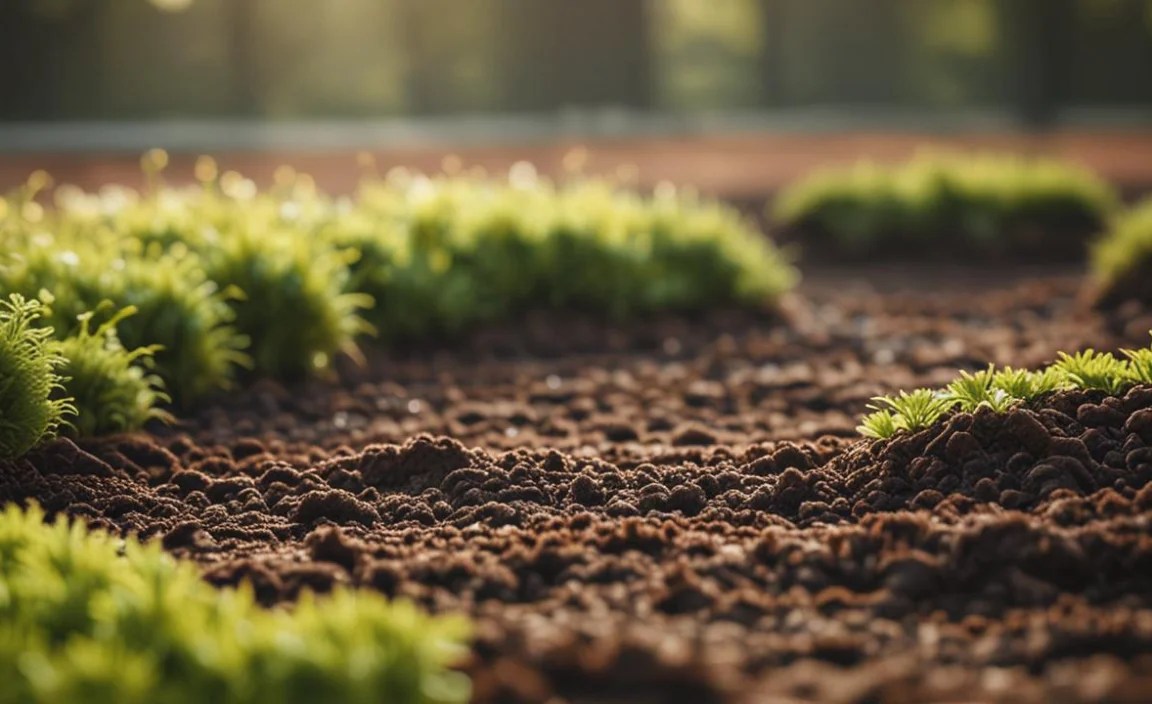
Peat moss is a great soil conditioner. This means it makes soil better for plants. It improves soil in a few key ways. First, it helps with water retention. Sandy soils drain too quickly. Peat moss holds onto water, so plants don’t dry out. Second, it improves aeration. Clay soils are often compacted. Peat moss makes the soil looser. This lets air get to the roots. Roots need air to breathe. Third, it helps with nutrient retention. Peat moss doesn’t have many nutrients itself. But it holds onto nutrients that you add to the soil. This keeps them available for plants. By improving water retention, aeration, and nutrient retention, peat moss creates a better environment for plant roots. This leads to healthier and stronger plants. So, is peat moss good for gardens? It can be, especially for certain types of soil.
- It improves water retention in sandy soils.
- It enhances aeration in compacted clay soils.
- It helps retain nutrients for plant use.
- It creates a better root environment.
- It makes soil healthier for plants.
- Peat moss is a great soil conditioner.
Using peat moss is simple. You can mix it into your garden soil. This works well when you are planting new plants. Just add peat moss to the hole before you put the plant in. You can also use it as a top dressing. This means spreading it on top of the soil around your plants. This helps keep the soil moist. It also prevents weeds from growing. When you use peat moss, make sure to wet it first. Dry peat moss is hard to get wet. It will just sit on top of the soil. Wetting it first helps it mix in better. It also helps it hold water. Remember to use peat moss responsibly. Think about where it comes from. Consider using alternatives if you can. This will help protect the environment.
Fun Fact or Stat: Peat moss has been used in gardening for over 100 years!
How to Mix Peat Moss Into Soil?
Mixing peat moss into soil is easy. First, you need to get the peat moss wet. Put it in a bucket or wheelbarrow. Add water and mix it around. You want it to be damp, not soaking wet. Next, dig a hole where you want to plant. The hole should be big enough for the plant’s roots. Now, mix the peat moss with the soil you dug out. Use your hands or a shovel to mix it well. You want the peat moss to be evenly distributed. Fill the hole with the mixture. Then, plant your plant in the hole. Water the plant well. The peat moss will help hold the water in the soil. This will help the plant get off to a good start. Mixing peat moss into the soil is a great way to improve it.
Using Peat Moss as a Top Dressing?
A top dressing is like a blanket for your soil. It helps keep it moist and protects it from weeds. Using peat moss as a top dressing is simple. First, water your plants. This helps the peat moss stick to the soil. Next, spread a layer of peat moss around your plants. The layer should be about one or two inches thick. Be careful not to cover the stems of your plants. This can cause them to rot. Water the peat moss lightly. This helps it settle into place. The peat moss will help keep the soil moist. It will also prevent weeds from growing. Check the top dressing regularly. Add more peat moss as needed. This will keep your soil healthy and your plants happy.
How Much Peat Moss Should I Use?
How much peat moss should you use in your garden? It depends on your soil. If you have sandy soil, you can use more peat moss. Sandy soil drains quickly. Peat moss will help it hold water. If you have clay soil, you don’t need as much. Clay soil already holds water well. Too much peat moss can make it too wet. A good rule of thumb is to use about one-third peat moss to two-thirds soil. Mix it well before planting. You can always add more later if you need to. Watch your plants. If they look healthy, you’re using the right amount. If they look stressed, you might need to adjust the amount of peat moss. Always remember to water well after planting.
Fun Fact or Stat: Some peat bogs are over 10,000 years old!
What Are the Environmental Concerns?

The biggest problem with peat moss is where it comes from. It comes from peat bogs. These bogs are special ecosystems. They take a very long time to form. They also store a lot of carbon. When we dig up peat moss, we release this carbon into the air. This contributes to climate change. Digging up peat moss also destroys the bogs. This harms the plants and animals that live there. Some people argue that we can harvest peat moss sustainably. But, it’s hard to do this in practice. Many bogs are being damaged faster than they can recover. So, it’s important to think about the environmental impact. Is peat moss good for gardens if it hurts the planet? We need to consider this question carefully. There are other ways to improve our soil. We can use compost or coconut coir. These are more sustainable choices.
- Harvesting peat moss releases carbon.
- It destroys bog ecosystems.
- Bogs take a long time to form.
- Sustainable harvesting is difficult.
- Consider the environmental impact.
- Explore alternatives like compost.
Many gardeners are now looking for alternatives to peat moss. This is because they are worried about the environment. Coconut coir is a popular choice. It’s made from the husks of coconuts. It holds water well and improves aeration. Compost is another great option. It’s made from broken down food scraps and yard waste. It adds nutrients to the soil. It also improves soil structure. Leaf mold is also a good choice. It’s made from broken down leaves. It helps the soil retain water. Using these alternatives can help protect peat bogs. It’s important to be aware of the environmental impact of our choices. By choosing sustainable options, we can help protect the planet.
Fun Fact or Stat: Canada has the most peat bogs in the world!
Carbon Release and Climate Change
Did you know that peat moss is linked to climate change? Peat bogs store a lot of carbon. This carbon has been locked away for thousands of years. When we dig up peat moss, we release this carbon into the atmosphere. This contributes to the greenhouse effect. The greenhouse effect is what causes the planet to warm up. By using peat moss, we are adding to this problem. It’s like opening a door and letting heat escape. We need to find ways to keep the carbon in the ground. This will help slow down climate change. Using alternatives to peat moss is one way to do this. It’s a small change that can make a big difference. Every little bit helps to protect our planet.
Habitat Destruction and Loss of Biodiversity
Imagine a forest filled with different plants and animals. Now imagine someone comes along and cuts down all the trees. This is similar to what happens when we dig up peat moss. Peat bogs are home to many unique plants and animals. When we destroy the bogs, we destroy their homes. This can lead to a loss of biodiversity. Biodiversity means having lots of different kinds of living things. It’s important for the health of our planet. When we lose biodiversity, we make the environment less stable. It’s like taking pieces out of a puzzle. The puzzle becomes weaker. We need to protect peat bogs to protect the plants and animals that live there. This will help maintain the biodiversity of our planet.
The Slow Regeneration of Peat Bogs
Peat bogs are not like regular forests. They take a very, very long time to grow back. It can take hundreds or even thousands of years for a peat bog to regenerate. This means that when we dig up peat moss, we are not just damaging the environment for a short time. We are damaging it for a very long time. It’s like breaking a vase that can never be fixed. The damage is permanent. This is why it’s so important to be careful about using peat moss. We need to think about the long-term consequences. Using sustainable alternatives is a way to protect these important ecosystems. It’s a way to make sure that future generations can enjoy them too. We should try to leave the world a better place than we found it.
Fun Fact or Stat: Peat bogs are often called “carbon sinks” because they store so much carbon!
What Are Some Alternatives to Peat Moss?

If you’re worried about the environment, there are many great alternatives to peat moss. One popular option is coconut coir. This is made from the outer husk of coconuts. It holds water well and provides good aeration for plant roots. Another excellent choice is compost. Compost is made from decomposed organic matter. It adds nutrients to the soil and improves its structure. Leaf mold, made from decomposed leaves, is also a good option. It helps the soil retain moisture. Worm castings, which are worm poop, are another fantastic soil amendment. They are full of nutrients and beneficial microbes. By using these alternatives, you can improve your garden without harming peat bogs. Is peat moss good for gardens when there are so many other choices? It’s worth considering the alternatives.
- Coconut coir holds water well.
- Compost adds nutrients to the soil.
- Leaf mold helps retain moisture.
- Worm castings are full of nutrients.
- These alternatives protect peat bogs.
- They are sustainable choices.
When choosing an alternative to peat moss, think about your plants’ needs. Coconut coir is great for plants that need good drainage. Compost is excellent for plants that need lots of nutrients. Leaf mold is good for plants that like moist soil. Worm castings are beneficial for all types of plants. You can also mix different alternatives together. For example, you could mix coconut coir and compost. This would give you the benefits of both. Experiment and see what works best for your garden. Remember to water your plants well after adding any soil amendment. This will help them get used to the new conditions. By using these tips, you can create a healthy and sustainable garden.
Fun Fact or Stat: Coconut coir is a byproduct of the coconut industry, making it a sustainable choice!
Coconut Coir: A Sustainable Option
Have you ever wondered what happens to the husks of coconuts? They used to be thrown away. Now, they are used to make coconut coir. Coconut coir is a great alternative to peat moss. It’s made from the fibers of the coconut husk. It holds water well and provides good aeration. It’s also a renewable resource. Coconuts grow quickly. This means we can harvest them without harming the environment. Coconut coir is a sustainable choice for your garden. It helps you grow healthy plants while protecting peat bogs. It’s a win-win situation. So, next time you see a coconut, think about how it can help your garden.
Compost: Recycling for Your Garden
Imagine turning your food scraps into something useful for your garden. That’s what composting is all about. Compost is made from decomposed organic matter. This includes food scraps, yard waste, and leaves. It’s like recycling for your garden. Compost adds nutrients to the soil. It also improves its structure. It helps the soil retain water. It’s a great alternative to peat moss. It’s also a sustainable choice. You can make your own compost at home. It’s easy to do. All you need is a compost bin and some organic matter. Composting is a great way to reduce waste and improve your garden.
Leaf Mold: Nature’s Soil Conditioner
Have you ever noticed how leaves decompose on the forest floor? This creates leaf mold. Leaf mold is a natural soil conditioner. It’s made from decomposed leaves. It helps the soil retain water. It also improves its structure. It’s a great alternative to peat moss. It’s also a sustainable choice. You can make your own leaf mold at home. All you need is a pile of leaves and some time. Just pile up the leaves in a corner of your yard. Let them decompose over a year or two. Then, you’ll have leaf mold to use in your garden. Leaf mold is a great way to improve your soil naturally.
Fun Fact or Stat: Worm castings contain five times more nitrogen, seven times more phosphorus, and eleven times more potassium than ordinary soil!
How to Choose the Best Option for Your Garden?

Choosing the best option for your garden depends on several factors. First, consider your soil type. If you have sandy soil, you need something that holds water well. Coconut coir or peat moss might be good choices. If you have clay soil, you need something that improves aeration. Compost or leaf mold might be better. Second, think about your plants’ needs. Some plants prefer acidic soil. Peat moss can help create acidic conditions. Other plants prefer neutral soil. Compost or coconut coir might be better. Third, consider the environmental impact. Peat moss has a negative impact on the environment. Coconut coir, compost, and leaf mold are more sustainable choices. By considering these factors, you can choose the best option for your garden. Is peat moss good for gardens in your specific situation? Weigh the pros and cons.
- Consider your soil type.
- Think about your plants’ needs.
- Consider the environmental impact.
- Choose sustainable options.
- Experiment with different choices.
- See what works best for your garden.
It’s a good idea to experiment with different soil amendments. Try using peat moss in one part of your garden. Use coconut coir in another part. Use compost in a third part. Then, see which plants grow best in each area. This will help you learn what works best for your soil and your plants. Keep in mind that soil conditions can change over time. You might need to adjust your soil amendments as your garden matures. The most important thing is to pay attention to your plants. If they look healthy and happy, you’re doing something right. If they look stressed, you might need to make some changes. Gardening is a learning process. Have fun and enjoy the journey.
Fun Fact or Stat: Adding organic matter to your soil can increase its water-holding capacity by up to 25%!
Understanding Your Soil Type
Do you know what kind of soil you have in your garden? It’s important to know. Different plants like different types of soil. Sandy soil is loose and drains quickly. Clay soil is heavy and holds water well. Loamy soil is a mix of sand, silt, and clay. It’s the best type of soil for most plants. You can test your soil to find out what kind it is. There are soil testing kits you can buy at garden stores. You can also send a sample of your soil to a lab. They will test it for you and tell you what kind of soil you have. Once you know your soil type, you can choose the right soil amendments. This will help your plants grow healthy and strong. Knowing your soil is the first step to a successful garden.
Matching Amendments to Plant Needs
Just like people, plants have different needs. Some plants like acidic soil. Other plants like neutral soil. Some plants need lots of nutrients. Other plants don’t need as much. It’s important to match your soil amendments to your plants’ needs. Blueberries, azaleas, and rhododendrons like acidic soil. Peat moss can help create acidic conditions. Vegetables, herbs, and most flowers like neutral soil. Compost, coconut coir, and leaf mold are good choices for these plants. Do some research to find out what your plants need. Then, choose the right soil amendments to help them thrive. Giving your plants what they need is the key to a beautiful garden.
Balancing Sustainability and Garden Health
How can we take care of our gardens and the planet at the same time? It’s a question many gardeners are asking. We want to grow healthy plants. But we also want to protect the environment. The good news is that we can do both. By choosing sustainable soil amendments, we can improve our gardens without harming peat bogs. Coconut coir, compost, and leaf mold are all great choices. We can also reduce our use of pesticides and herbicides. These chemicals can harm the environment. By using organic gardening methods, we can create a healthy and sustainable garden. It’s a way to give back to the earth while enjoying the beauty of nature.
| Amendment | Pros | Cons | Sustainability |
|---|---|---|---|
| Peat Moss | Good water retention, improves aeration | Unsustainable, releases carbon | Low |
| Coconut Coir | Good water retention, sustainable | Can be salty, may need rinsing | High |
| Compost | Adds nutrients, improves soil structure | Can be inconsistent, may contain weed seeds | High |
| Leaf Mold | Improves water retention, sustainable | Takes time to decompose | High |
Fun Fact or Stat: Organic gardening practices can improve soil health and reduce the need for synthetic fertilizers by up to 50%!
Summary
So, is peat moss good for gardens? It can be helpful. It improves water retention and aeration. But, it also has environmental costs. Harvesting peat moss damages peat bogs. These bogs are important ecosystems. They also store a lot of carbon. Releasing this carbon contributes to climate change. There are many sustainable alternatives to peat moss. Coconut coir, compost, and leaf mold are all great choices. These alternatives improve soil health without harming the environment. By choosing sustainable options, we can protect our planet and grow healthy plants. It’s all about making informed choices and finding what works best for your garden.
Conclusion
Choosing the right soil amendment is important for a healthy garden. Peat moss can be useful, but it’s not the only option. Consider the environmental impact and explore alternatives. Coconut coir, compost, and leaf mold offer sustainable ways to improve your soil. Think about your plants’ needs and your soil type. By making informed choices, you can create a beautiful and eco-friendly garden. You can grow healthy plants while protecting the planet.
Frequently Asked Questions
Question No 1: What exactly is peat moss?
Answer: Peat moss is a material made from dead plants. These plants, mostly sphagnum moss, grow in bogs. Bogs are like very wet, swampy areas. Over time, the dead plants don’t break down completely. They form a soft, spongy material. This material is what we call peat moss. Gardeners use it to improve their soil. It can hold a lot of water. It also helps air get to plant roots. It’s important to remember that harvesting peat moss can impact the environment, so consider alternatives.
Question No 2: Is peat moss good for all types of plants?
Answer: No, peat moss is not good for all types of plants. Some plants love it. They thrive in its acidic environment. Blueberries, azaleas, and rhododendrons are examples. Other plants don’t like it as much. Vegetables, for example, often prefer soil that is more neutral. Before using peat moss, check what your plants prefer. This will help you choose the right soil amendment. Using peat moss for the right plants can make a big difference. It can help them grow strong and healthy. Remember to consider the plant’s specific needs.
Question No 3: How does peat moss help improve soil?
Answer: Peat moss is a great soil conditioner. This means it makes soil better for plants. It improves soil in a few key ways. First, it helps with water retention. Sandy soils drain too quickly. Peat moss holds onto water, so plants don’t dry out. Second, it improves aeration. Clay soils are often compacted. Peat moss makes the soil looser. This lets air get to the roots. Third, it helps with nutrient retention. Peat moss doesn’t have many nutrients itself. But it holds onto nutrients that you add to the soil. This keeps them available for plants.
Question No 4: What are the environmental concerns with using peat moss?
Answer: The biggest concern with peat moss is where it comes from. It comes from peat bogs. These bogs are special ecosystems. They take a very long time to form. They also store a lot of carbon. When we dig up peat moss, we release this carbon into the air. This contributes to climate change. Digging up peat moss also destroys the bogs. This harms the plants and animals that live there. Because of these issues, many gardeners are looking for alternatives. They want to protect the environment. Considering these environmental factors is key when asking, is peat moss good for gardens?
Question No 5: What are some alternatives to peat moss?
Answer: If you’re worried about the environment, there are many great alternatives to peat moss. One popular option is coconut coir. This is made from the outer husk of coconuts. It holds water well and provides good aeration for plant roots. Another excellent choice is compost. Compost is made from decomposed organic matter. It adds nutrients to the soil and improves its structure. Leaf mold, made from decomposed leaves, is also a good option. Worm castings are another fantastic soil amendment. By using these alternatives, you can improve your garden without harming peat bogs.
Question No 6: How do I choose the best option for my garden?
Answer: Choosing the best option for your garden depends on several things. Think about your soil. If it’s sandy, you need something that holds water. If it’s clay, you need something that helps with air. Consider what your plants need. Some like soil that is a bit acidic. Peat moss is suitable for these plants. Also, consider the planet. Some options are better for the environment. Coconut coir and compost are good choices. By thinking about these things, you can choose the best option for your garden. You will know if is peat moss good for gardens in your case.
