Have you ever seen a garden with bright red mulch? It looks pretty, doesn’t it? But is red mulch safe for vegetable gardens? Some people worry about the chemicals used to make it red. Let’s find out if it’s okay to use around your yummy veggies. We will explore what makes mulch red and if it could harm your plants or you.
Key Takeaways
- Using red mulch in vegetable gardens requires careful consideration.
- Some red mulches contain chemicals that could leach into the soil.
- Always check the source and composition of the red mulch you use.
- Organic red mulch options are generally safer for vegetable gardens.
- Consider the potential impact on soil health and plant growth.
Understanding What Makes Mulch Red

Red mulch is often made by dyeing wood chips. The dye can be made of different things. Some dyes are safe, but others might not be. The big question is, is red mulch safe for vegetable gardens when it gets its color from artificial dyes? You have to know what the mulch is made from. Some companies use recycled wood. This wood might have been treated with chemicals. These chemicals can get into your soil. They could even hurt your plants. So, always ask what’s in the mulch before you use it. Knowing the source helps you keep your garden healthy and safe.
- Red mulch can be made from dyed wood chips.
- Dyes can be artificial or natural.
- Recycled wood might contain chemicals.
- Chemicals can leach into the soil.
- Always ask about the mulch’s source.
Always read the label or ask the store. Find out what kind of dye was used. Some dyes are made from iron oxide. Iron oxide is a type of rust. It is usually safe for plants. Other dyes might have heavy metals. Heavy metals are not good for you or your plants. They can stay in the soil for a long time. They can also get into your vegetables. This is why it is important to choose your mulch wisely. Your garden should be a safe place for healthy food.
What Dyes Are Commonly Used?
What exactly makes red mulch so red? Common dyes include iron oxide and synthetic pigments. Iron oxide is often considered safer. Synthetic pigments can contain heavy metals. These metals might include arsenic or chromium. These substances can be harmful if they leach into the soil. They can affect plant growth and even contaminate your vegetables. So, it’s really important to know what’s in your mulch. Look for mulches that use natural or less harmful dyes. Your plants and your health will thank you for it.
How Do Dyes Affect Soil?
Ever wonder how dyes change the soil? Dyes in red mulch can affect the soil’s pH level. Some dyes can make the soil more acidic. This can change how well plants absorb nutrients. Heavy metals from dyes can also build up in the soil. This can harm the tiny organisms that help plants grow. These organisms are important for healthy soil. So, the type of dye used can have a big impact on your garden. Choosing the right mulch helps keep your soil healthy and balanced.
Are Natural Dyes a Better Option?
Are there better ways to get that pop of color? Natural dyes are often a safer choice. These dyes come from plants or minerals. They are less likely to contain harmful chemicals. For example, iron oxide is a natural dye. It’s often used to color mulch red. It doesn’t usually hurt plants or the soil. Other natural dyes could include vegetable dyes. Always check the label to be sure. Natural dyes are a good way to add color without worry.
Fun Fact or Stat: Some studies show that up to 20% of red mulches contain detectable levels of heavy metals!
Potential Risks of Using Red Mulch
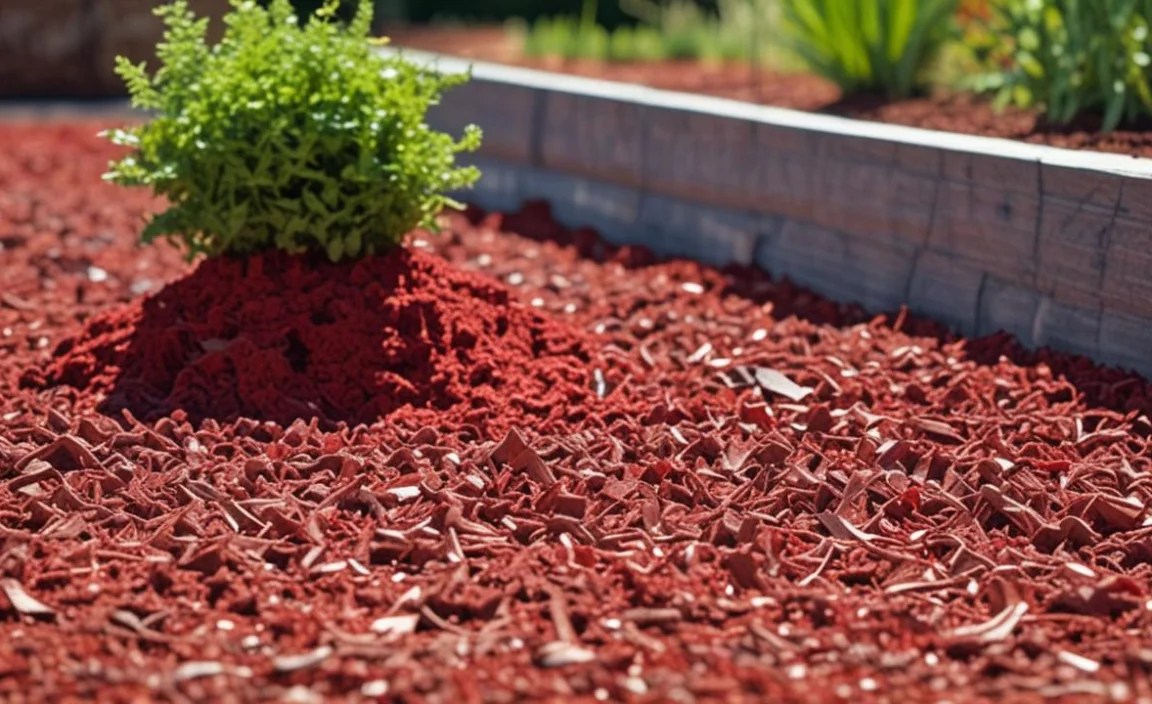
Using red mulch can pose some risks to your garden. The biggest worry is the chemicals in the dye. Is red mulch safe for vegetable gardens if it contains harmful substances? Some dyes have heavy metals. These metals can seep into the soil. They can then be absorbed by your plants. This is especially concerning for vegetables you eat. The chemicals can also harm helpful bugs and worms in the soil. These creatures help keep your garden healthy. So, choosing the right kind of mulch is very important for a safe and thriving garden.
- Heavy metals can leach into the soil.
- Plants can absorb harmful chemicals.
- Beneficial insects can be harmed.
- Soil health can be affected.
- Choose mulch carefully to avoid risks.
It’s important to think about the long-term effects. Over time, chemicals can build up in the soil. This can make it hard for plants to grow well. It can also change the pH balance of the soil. A healthy pH is important for plants to get the nutrients they need. If the pH is off, plants might not grow as well. They might also be more likely to get sick. This is why it’s important to use mulch that is safe and won’t harm your garden in the long run.
Can Red Mulch Contaminate Vegetables?
Can your veggies become contaminated? Yes, they can. If the red mulch contains harmful chemicals, these can leach into the soil. Vegetables can then absorb these chemicals through their roots. This is especially true for root vegetables like carrots and potatoes. Eating contaminated vegetables can be bad for your health. That’s why it’s important to choose red mulch carefully. Look for options that are tested and proven safe for vegetable gardens.
Does Red Mulch Affect Soil Organisms?
Do the tiny helpers in your garden get hurt? Yes, they can. Soil organisms like earthworms and beneficial bacteria are very important. They help break down organic matter and keep the soil healthy. Harmful chemicals in red mulch can kill these organisms. This can disrupt the natural balance of the soil. When the soil isn’t healthy, plants can’t grow as well. Choosing safe mulch helps protect these important soil dwellers.
What Are the Long-Term Effects on Soil?
What happens to your soil over time? The long-term effects can be significant. Continuous use of red mulch with harmful chemicals can lead to a buildup of toxins in the soil. This can make the soil less fertile over time. It can also make it harder to grow healthy plants. This is why it’s important to consider the long-term impact of your mulch choice. Safe, organic options are better for the lasting health of your garden.
Fun Fact or Stat: Earthworm populations can decrease by up to 40% in soils heavily treated with chemical-laden mulches!
Benefits of Using Red Mulch

Red mulch isn’t all bad news. There are some benefits to using it. It can make your garden look nice. The bright red color can add a lot of curb appeal. Red mulch can also help keep weeds down. Weeds steal water and nutrients from your plants. Mulch helps block sunlight. This stops weeds from growing. Also, is red mulch safe for vegetable gardens in terms of moisture retention? Yes, it can help keep the soil moist. This means you don’t have to water as often. Just make sure you choose a safe type of red mulch.
- Red color can enhance garden appearance.
- Mulch helps suppress weed growth.
- It can retain soil moisture.
- Red mulch can regulate soil temperature.
- It helps prevent soil erosion.
Red mulch can also help regulate soil temperature. It keeps the soil cooler in the summer. It also keeps it warmer in the winter. This can help your plants grow better. Mulch also protects the soil from erosion. Erosion happens when wind or water washes away the topsoil. Topsoil is the most important layer of soil for plant growth. So, using mulch helps keep your soil healthy and your plants happy.
How Does Red Mulch Improve Garden Aesthetics?
Want a beautiful garden? Red mulch can really boost your garden’s look. The vibrant color makes flowers and plants stand out. It creates a neat and tidy appearance. A well-mulched garden looks cared for and attractive. This can make your yard the envy of the neighborhood. Just be sure the beauty doesn’t come at the cost of safety. Always prioritize mulch that is safe for your plants and soil.
Does Red Mulch Effectively Suppress Weeds?
Tired of pulling weeds? Red mulch can be a big help. Mulch blocks sunlight. Weeds need sunlight to grow. By blocking the light, mulch stops weed seeds from sprouting. This means fewer weeds in your garden. Less weeding gives you more time to enjoy your plants. Choose a thick layer of mulch for the best weed control. This will keep your garden looking neat and weed-free.
Can Red Mulch Help Retain Soil Moisture?
Want to water less often? Mulch helps keep moisture in the soil. It acts like a blanket. It slows down evaporation. This means the soil stays moist for longer. Plants need water to grow. When the soil stays moist, plants thrive. Mulch is especially helpful in hot, dry weather. It helps your plants stay healthy and hydrated. This can also save you water and time.
Fun Fact or Stat: Gardens with mulch can require up to 50% less watering than those without!
How to Choose Safe Red Mulch

Choosing safe red mulch is very important. You want to protect your plants and your health. Is red mulch safe for vegetable gardens when you pick the right kind? Look for mulch that is labeled as “natural” or “organic.” This means it doesn’t have harmful chemicals. Check the list of ingredients. Make sure there are no heavy metals or toxic dyes. Ask the store where the mulch comes from. Choose mulch from companies that test their products. This will give you peace of mind knowing your garden is safe.
- Look for “natural” or “organic” labels.
- Check the ingredient list carefully.
- Avoid mulches with heavy metals.
- Ask about the mulch’s source.
- Choose tested and certified products.
Consider buying mulch from local sources. Local companies often use safer practices. They are also more likely to be transparent about their ingredients. Read reviews from other gardeners. See what they say about the mulch. Their experiences can help you make a good choice. A little research can go a long way in ensuring your garden is healthy and safe.
What Labels Should You Look For?
What should you look for on the bag? Look for labels like “OMRI Listed” or “Certified Organic.” These labels mean the mulch has been tested. It meets certain standards for safety. These certifications ensure the mulch is free from harmful chemicals. They also mean the mulch is made in an environmentally friendly way. These labels are a good sign that the mulch is safe for your garden.
How Can You Check the Ingredients?
How do you know what’s really in the mulch? Check the ingredient list on the bag. Look for any mention of dyes or chemicals. If you see anything you don’t recognize, ask the store. They should be able to tell you more about it. You can also contact the company that makes the mulch. Ask them for a list of all the ingredients. Transparency is a good sign of a safe product.
Why Is the Source of Mulch Important?
Where does your mulch come from? Knowing the source is key. Mulch made from recycled wood can be risky. The wood might have been treated with chemicals. These chemicals can end up in your garden. Choose mulch made from sustainably harvested trees. This is a better option for the environment. It’s also more likely to be free from harmful substances. A good source means a safer garden.
| Mulch Type | Pros | Cons | Safety |
|---|---|---|---|
| Dyed Red Mulch | Aesthetically pleasing, weed control | Potential for chemical leaching | Varies; check dye source |
| Organic Mulch | Improves soil health, natural | May decompose faster | Generally safe |
| Wood Chips | Good for pathways, affordable | Can attract pests | Safe if untreated |
| Pine Straw | Acidic, good for certain plants | May mat down | Safe |
Fun Fact or Stat: OMRI Listed products are reviewed to ensure compliance with organic standards!
Alternatives to Red Mulch

If you’re worried about red mulch, there are other choices. You can use natural wood chips. These are often made from cedar or pine. They don’t have any dyes or chemicals. Is red mulch safe for vegetable gardens compared to these options? Natural wood chips are usually safer. You can also use straw. Straw is a good option for vegetable gardens. It breaks down over time and adds nutrients to the soil. Another option is compost. Compost is made from broken-down food scraps and yard waste. It’s a great way to recycle and feed your plants.
- Natural wood chips are a safe option.
- Straw is good for vegetable gardens.
- Compost adds nutrients to the soil.
- Pine needles are good for acidic soil.
- Leaf mold is a natural soil amendment.
Consider using pine needles. Pine needles are good for plants that like acidic soil. They also break down slowly, so you don’t have to replace them as often. Another option is leaf mold. Leaf mold is made from broken-down leaves. It’s a great way to improve the soil in your garden. There are many ways to mulch your garden without using dyed red mulch.
What Are the Benefits of Wood Chips?
Why choose wood chips? Wood chips are a natural and affordable option. They help retain moisture in the soil. They also suppress weed growth. Wood chips break down slowly. This means you don’t have to replace them often. They are a good choice for pathways and around trees. Just make sure the wood chips are not treated with chemicals.
Why Is Straw a Good Choice for Vegetables?
Why is straw so great for veggies? Straw is a lightweight and easy-to-use mulch. It breaks down over time. This adds organic matter to the soil. Organic matter helps improve soil structure and fertility. Straw also helps keep the soil warm in the winter. It’s a great choice for vegetable gardens. Just make sure the straw is clean and free from weed seeds.
How Does Compost Improve Soil Health?
Want healthy soil? Use compost! Compost is a natural soil amendment. It’s made from broken-down organic matter. Compost adds nutrients to the soil. It also improves soil structure. This helps plants grow stronger and healthier. Compost is a great way to recycle food scraps and yard waste. It’s also a sustainable choice for your garden.
Fun Fact or Stat: Compost can increase crop yields by up to 25%!
Testing Your Soil After Using Red Mulch
It’s a good idea to test your soil. Especially if you’ve used red mulch for a while. Testing can tell you if there are any harmful chemicals. Is red mulch safe for vegetable gardens? Testing your soil will help you know for sure. You can buy a soil testing kit at a garden store. Follow the instructions on the kit. You can also send a soil sample to a lab. The lab will give you a detailed report. This report will tell you if there are any problems with your soil.
- Buy a soil testing kit.
- Follow the kit instructions.
- Send a sample to a lab for analysis.
- Check for heavy metals and pH levels.
- Take corrective action if needed.
If your soil test shows problems, don’t worry. There are things you can do. You can add compost to help clean the soil. Compost can bind to the chemicals and make them less harmful. You can also plant cover crops. Cover crops are plants that help improve soil health. They can absorb chemicals from the soil. Testing your soil and taking action is a good way to keep your garden healthy.
How Often Should You Test Your Soil?
How often should you check your soil? It’s a good idea to test your soil every few years. This will help you catch any problems early. If you use red mulch regularly, test more often. Test at least once a year. This will help you make sure your garden is safe and healthy. Regular testing gives you peace of mind.
What Should You Test For?
What should you look for in your soil? Test for pH levels. The pH level tells you how acidic or alkaline your soil is. Most plants like a pH between 6 and 7. Also, test for heavy metals. Heavy metals like lead, arsenic, and mercury can be harmful. These metals can get into your plants. Knowing what’s in your soil helps you grow healthy food.
What to Do If Your Soil Is Contaminated?
What if your soil isn’t healthy? Don’t panic! There are ways to fix it. Add organic matter like compost. This can help bind to the contaminants. Plant cover crops like mustard or sunflowers. These plants can absorb toxins from the soil. You can also consider raised beds. Raised beds use new, clean soil. This helps you avoid the contaminated soil.
Fun Fact or Stat: Soil testing can identify nutrient deficiencies and toxicities with over 95% accuracy!
Organic Gardening and Mulch Safety
Organic gardening is all about using natural methods. You want to avoid harmful chemicals. Is red mulch safe for vegetable gardens in an organic setting? It depends on the mulch. Choose mulch that is certified organic. This means it has been tested and is free from harmful chemicals. Use compost and other natural materials. These materials will feed your plants and improve your soil. Organic gardening is a great way to grow healthy food. It’s also good for the environment.
- Choose certified organic mulch.
- Use compost to enrich the soil.
- Avoid synthetic fertilizers and pesticides.
- Practice crop rotation.
- Use natural pest control methods.
Practice crop rotation. Crop rotation means planting different crops in different places each year. This helps prevent soil problems. It also helps control pests and diseases. Use natural pest control methods. Instead of using pesticides, try using beneficial insects. Ladybugs, for example, eat aphids. Aphids are small bugs that can damage your plants. Organic gardening is a holistic approach to growing food.
What Does “Certified Organic” Mean?
What does that label really mean? “Certified Organic” means a product has met strict standards. These standards are set by a certifying organization. The product must be free from synthetic chemicals. It must also be produced in an environmentally friendly way. Look for the USDA Organic seal. This is a good sign that the product is safe and sustainable.
How Can Compost Benefit Organic Gardens?
Why is compost so important for organic gardens? Compost is a natural fertilizer. It adds nutrients to the soil. It also improves soil structure. Compost helps retain moisture and suppress weeds. It’s a great way to recycle kitchen and yard waste. Compost is the heart of organic gardening. It helps create a healthy and thriving ecosystem.
What Are Natural Pest Control Methods?
How can you fight pests without chemicals? Use natural pest control methods. Introduce beneficial insects like ladybugs and lacewings. These insects eat harmful pests. Use insecticidal soap or neem oil. These are natural products that kill pests. Practice companion planting. Plant certain plants together to repel pests. Natural methods are safer for your garden and the environment.
Fun Fact or Stat: Organic farms have 50% more plant, insect, and bird life than conventional farms!
Summary
So, is red mulch safe for vegetable gardens? The answer is, it depends. Some red mulch can contain harmful chemicals. These chemicals can leach into the soil and harm your plants. They can also contaminate your vegetables. Always choose red mulch carefully. Look for natural or organic options. Check the ingredients and the source. If you’re not sure, choose a different type of mulch. There are many safe and natural alternatives.
Testing your soil is a good idea. This will help you know if there are any problems. If you find contamination, take action to fix it. Organic gardening practices can help you grow healthy food. They also protect the environment. By making informed choices, you can have a beautiful and safe garden.
Conclusion
Choosing the right mulch for your vegetable garden is important. It affects the health of your plants and the safety of your food. While red mulch can add beauty to your garden, it’s important to be cautious. Look for natural or organic options. Check the source and ingredients carefully. If you’re unsure about is red mulch safe for vegetable gardens, consider using a safer alternative like wood chips or straw. By making informed choices, you can create a healthy and productive garden.
Frequently Asked Questions
Question No 1: What are the main concerns about using red mulch in vegetable gardens?
Answer: The main concern is the potential for harmful chemicals in the dye. Some red mulches use dyes that contain heavy metals. These metals can leach into the soil and be absorbed by plants. This can contaminate your vegetables and harm beneficial soil organisms. That’s why it’s important to choose red mulch carefully. Look for options that are tested and proven safe for vegetable gardens. Always prioritize the health and safety of your garden.
Question No 2: How can I tell if red mulch is safe for my vegetable garden?
Answer: Look for labels like “natural” or “organic.” These labels mean the mulch has been tested and is free from harmful chemicals. Check the ingredient list carefully. Avoid mulches with heavy metals or synthetic dyes. Ask the store about the mulch’s source. Choose products from companies that are transparent about their ingredients and processes. Reading reviews from other gardeners can also provide valuable insights. Doing your research ensures is red mulch safe for vegetable gardens before you use it.
Question No 3: What are some safe alternatives to red mulch for vegetable gardens?
Answer: There are many safe alternatives to red mulch. Natural wood chips are a good option. They don’t have any dyes or chemicals. Straw is another great choice. It breaks down over time and adds nutrients to the soil. Compost is also a wonderful option. It’s made from broken-down food scraps and yard waste. Pine needles are good for plants that like acidic soil. These alternatives provide the benefits of mulch without the potential risks. You can have a healthy and productive garden without worrying about harmful chemicals.
Question No 4: Can red mulch affect the pH level of my soil?
Answer: Yes, red mulch can affect the pH level of your soil. Some dyes can make the soil more acidic. This can change how well plants absorb nutrients. It’s a good idea to test your soil regularly. This will help you monitor the pH level. If the pH is off, you can add amendments to correct it. Lime can raise the pH. Sulfur can lower it. Maintaining the right pH is important for healthy plant growth. It ensures your plants get the nutrients they need.
Question No 5: How often should I replace red mulch in my vegetable garden?
Answer: How often you need to replace red mulch depends on the type of mulch. Organic mulches like straw and compost break down faster. You may need to replace them every year. Wood chips and pine needles last longer. You might only need to replace them every few years. Keep an eye on the mulch. If it starts to decompose or thin out, it’s time to add more. Regular maintenance will keep your garden looking its best. It also helps ensure your plants stay healthy.
Question No 6: What should I do if I suspect my soil has been contaminated by red mulch?
Answer: If you suspect your soil has been contaminated, the first step is to test it. You can buy a soil testing kit or send a sample to a lab. If the test shows contamination, there are several things you can do. Add organic matter like compost. Plant cover crops to absorb toxins. Consider using raised beds with new, clean soil. Avoid using the contaminated soil for growing vegetables. These steps will help you remediate the soil and create a safer garden. Knowing is red mulch safe for vegetable gardens beforehand is also a key step.
