Do you want to make your home feel like a jungle? You can do it with plants! Large tropical plants indoors can make any room feel more fun. They can also help clean the air. But which plants are best? And how do you take care of them?
Big plants can change a room. They bring nature inside. They can make you feel good. Let’s learn about these amazing plants!
Key Takeaways
- Large tropical plants indoors can make your home feel like a jungle.
- Many big plants help clean the air in your home.
- Some popular large indoor plants include the Fiddle Leaf Fig and the Monstera.
- Make sure you know how much light and water your plant needs.
- Wipe the leaves of your big plants to keep them healthy and happy.
Choosing Large Tropical Plants Indoors

Picking the right large tropical plants indoors is important. Think about the light in your room. Some plants need lots of sunlight. Other plants do better in the shade. Also, think about how much space you have. Some plants can get very big! You don’t want a plant that takes over the whole room. Consider your lifestyle too. Do you travel a lot? Some plants need more care than others. Choose plants that fit your home and your life. This will help your plants stay healthy and happy.
- Check how much sunlight your room gets.
- Measure the space where you want the plant.
- Think about how much time you have for plant care.
- Read about the plant before you buy it.
- Choose a pot that is the right size for the plant.
It’s also a good idea to visit a local plant store. The people there can help you choose the right plant. They can also give you tips on how to care for it. Don’t be afraid to ask questions! The more you know, the better you can care for your new plant. Remember, a happy plant makes a happy home. Large tropical plants indoors can really brighten up your space. They can also be a fun hobby. So, take your time, do your research, and enjoy the process!
Fun Fact or Stat: Did you know that some large indoor plants can live for over 50 years?
What Kind of Light Do Plants Need?
Have you ever wondered why some plants grow tall and strong, while others stay small and weak? Light is a big part of it. Plants use light to make their own food. This is called photosynthesis. Different plants need different amounts of light. Some plants need bright, direct sunlight. Others do better in low light. If a plant doesn’t get enough light, it might not grow well. Its leaves might turn yellow or brown. It’s like not giving your body the right food! So, make sure your large tropical plants indoors get the light they need to thrive.
How Big Will the Plant Get?
Imagine planting a tiny seed and watching it grow into a giant tree! Plants can surprise you with how big they get. When you choose large tropical plants indoors, think about their mature size. Some plants grow slowly, while others grow very fast. Read the plant label or ask a plant expert. This will help you know how much space the plant will need. You don’t want a plant that outgrows its pot or your room! Give your plants enough space to spread their roots and leaves. This will help them stay healthy and happy.
How Often Should You Water Plants?
Water is like a drink for plants. But too much or too little water can be bad. Some large tropical plants indoors like to be watered often. Others like their soil to dry out between waterings. How do you know how much water to give? Check the soil! If the top inch of soil feels dry, it’s probably time to water. Water deeply, until the water comes out of the bottom of the pot. Then, let the soil dry out again before watering again. Overwatering can lead to root rot, which is bad for plants.
Best Large Tropical Plants for Indoors

There are many amazing large tropical plants indoors. Some popular choices include the Fiddle Leaf Fig, Monstera, and Bird of Paradise. The Fiddle Leaf Fig has big, beautiful leaves. It needs lots of light and can be a bit fussy. The Monstera, also known as the Swiss Cheese Plant, has unique holes in its leaves. It’s easier to care for than the Fiddle Leaf Fig. The Bird of Paradise has stunning flowers that look like birds. It needs lots of sunlight and water. Each plant has its own special needs. Do your research to find the best plant for you.
- Fiddle Leaf Fig needs bright light and careful watering.
- Monstera is easy to care for and has cool leaves.
- Bird of Paradise needs lots of sun and water to bloom.
- Snake Plant is very easy to care for and tolerates low light.
- ZZ Plant can survive with very little water and light.
Don’t forget about other great options too! The Snake Plant is very easy to care for and can tolerate low light. The ZZ Plant is another low-maintenance choice. It can survive with very little water and light. These plants are great for beginners. No matter which plant you choose, remember to give it the right care. This includes light, water, and fertilizer. With a little love, your large tropical plants indoors will thrive and bring joy to your home.
Fun Fact or Stat: Monsteras are native to tropical forests in Central America and can grow over 70 feet tall in the wild!
Fiddle Leaf Fig: A Popular Choice
The Fiddle Leaf Fig is a star among large tropical plants indoors. It’s known for its big, violin-shaped leaves. These leaves add a touch of elegance to any room. But be warned, the Fiddle Leaf Fig can be a bit picky. It needs bright, indirect light. Too much direct sunlight can burn its leaves. It also needs consistent watering. Let the top inch of soil dry out before watering. Avoid overwatering, as this can lead to root rot. With the right care, a Fiddle Leaf Fig can become a stunning focal point in your home.
Monstera: The Swiss Cheese Plant
Have you ever seen a plant with holes in its leaves? That’s a Monstera! This plant is also called the Swiss Cheese Plant because of its unique leaves. Monsteras are easy to care for. They can tolerate different light conditions. They also don’t need to be watered very often. Let the soil dry out between waterings. Monsteras can grow quite large, so give them plenty of space. They are a great choice for adding a tropical vibe to your home. Large tropical plants indoors like the Monstera are fun and easy!
Bird of Paradise: A Tropical Beauty
Imagine a plant with flowers that look like colorful birds. That’s the Bird of Paradise! This plant is a real showstopper. It needs lots of sunlight to bloom. It also needs plenty of water. Keep the soil consistently moist. Bird of Paradise plants can grow quite tall. They need a large pot and plenty of space. If you give them the right care, they will reward you with beautiful, exotic flowers. Large tropical plants indoors like the Bird of Paradise can bring a taste of the tropics to your home.
How to Care for Large Indoor Plants

Taking care of large tropical plants indoors is like taking care of a pet. They need food, water, and attention. Make sure your plants get enough light. Water them when the soil is dry. Feed them with fertilizer during the growing season. Wipe their leaves to keep them clean. Check for pests and diseases. If you see any problems, take action quickly. With a little care, your plants will thrive and bring you joy for years to come. Remember, healthy plants make a happy home!
- Water plants when the top inch of soil is dry.
- Fertilize plants during the growing season.
- Wipe leaves to remove dust and pests.
- Check for pests and diseases regularly.
- Repot plants when they outgrow their pots.
It’s also important to choose the right pot for your plant. Make sure the pot has drainage holes. This will prevent the soil from becoming waterlogged. Repot your plants when they outgrow their pots. Choose a pot that is one size larger. Use fresh potting soil when you repot. Don’t forget to talk to your plants! Some people believe that talking to plants helps them grow. Whether it’s true or not, it’s a fun way to connect with your green friends. Large tropical plants indoors are a great addition to any home.
Fun Fact or Stat: Plants can actually help reduce stress and improve your mood!
Watering Tips for Big Plants
Watering is a key part of caring for large tropical plants indoors. But how do you know how much water to give? The best way is to check the soil. Stick your finger into the soil. If the top inch feels dry, it’s time to water. Water deeply, until the water comes out of the bottom of the pot. Then, let the soil dry out again before watering again. Avoid overwatering, as this can lead to root rot. Use a watering can with a long spout to reach the soil without wetting the leaves. This can help prevent fungal diseases.
Fertilizing Your Tropical Plants
Plants need food to grow, just like people do. Fertilizer is like a vitamin for plants. It gives them the nutrients they need to thrive. Use a balanced fertilizer that is designed for indoor plants. Follow the instructions on the fertilizer label. Don’t over-fertilize, as this can burn the roots. Fertilize your plants during the growing season, which is usually spring and summer. In the fall and winter, plants need less fertilizer. Large tropical plants indoors will thank you for the extra boost!
Dealing With Pests and Diseases
Sometimes, large tropical plants indoors can get pests or diseases. Pests are small insects that can damage plants. Common pests include aphids, spider mites, and mealybugs. Diseases are caused by fungi or bacteria. They can cause spots on the leaves or rot the roots. If you see any pests or diseases, take action quickly. You can use insecticidal soap or neem oil to get rid of pests. For diseases, you may need to use a fungicide. It’s important to identify the problem correctly before you treat it.
Best Locations for Large Indoor Plants

Where you put your large tropical plants indoors matters. Some plants need lots of sunlight. Place them near a sunny window. Other plants do better in the shade. Put them in a corner of the room. Think about the humidity too. Some plants like moist air. Put them in the bathroom or kitchen. Make sure the location is safe for your plants. Keep them away from drafts and heaters. Choose a spot that is both beautiful and healthy for your plants. This will help them thrive and bring joy to your home.
- Place sun-loving plants near a sunny window.
- Put shade-tolerant plants in a corner of the room.
- Increase humidity for plants that like moist air.
- Keep plants away from drafts and heaters.
- Consider the size of the plant when choosing a location.
It’s also a good idea to rotate your plants regularly. This will help them get even light on all sides. Dust the leaves of your plants to keep them clean. Clean leaves can absorb more light. This will help your plants grow better. Don’t forget to enjoy your plants! Take time to admire their beauty. Notice how they change and grow. Large tropical plants indoors can bring a sense of peace and tranquility to your home.
Fun Fact or Stat: NASA has studied how indoor plants can help clean the air in your home!
Plants in the Living Room
The living room is a great place for large tropical plants indoors. A big Fiddle Leaf Fig can be a stunning focal point. A Monstera can add a touch of the tropics. Place plants near a window to get enough light. Use decorative pots to match your decor. Arrange plants in groups to create a jungle vibe. Make sure the plants don’t block walkways or furniture. Living room plants can make your space feel more inviting and relaxing. Do you want to have the best looking living room?
Plants in the Bedroom
Did you know that large tropical plants indoors can help you sleep better? Some plants clean the air and reduce stress. A Snake Plant is a great choice for the bedroom. It releases oxygen at night. Place plants on a nightstand or dresser. Choose plants that are easy to care for. Avoid plants with strong fragrances. Bedroom plants can create a calm and peaceful atmosphere. Make sure your bedroom is a sanctuary.
Plants in the Bathroom
The bathroom is a humid place. This makes it perfect for some large tropical plants indoors. Ferns and orchids love the humidity. Place plants on a windowsill or shelf. Choose plants that can tolerate low light. Water plants less often in the bathroom. The humidity will help keep them moist. Bathroom plants can add a touch of luxury to your space. They will also help clean the air. This makes your bathroom more enjoyable.
Dealing with Common Plant Problems
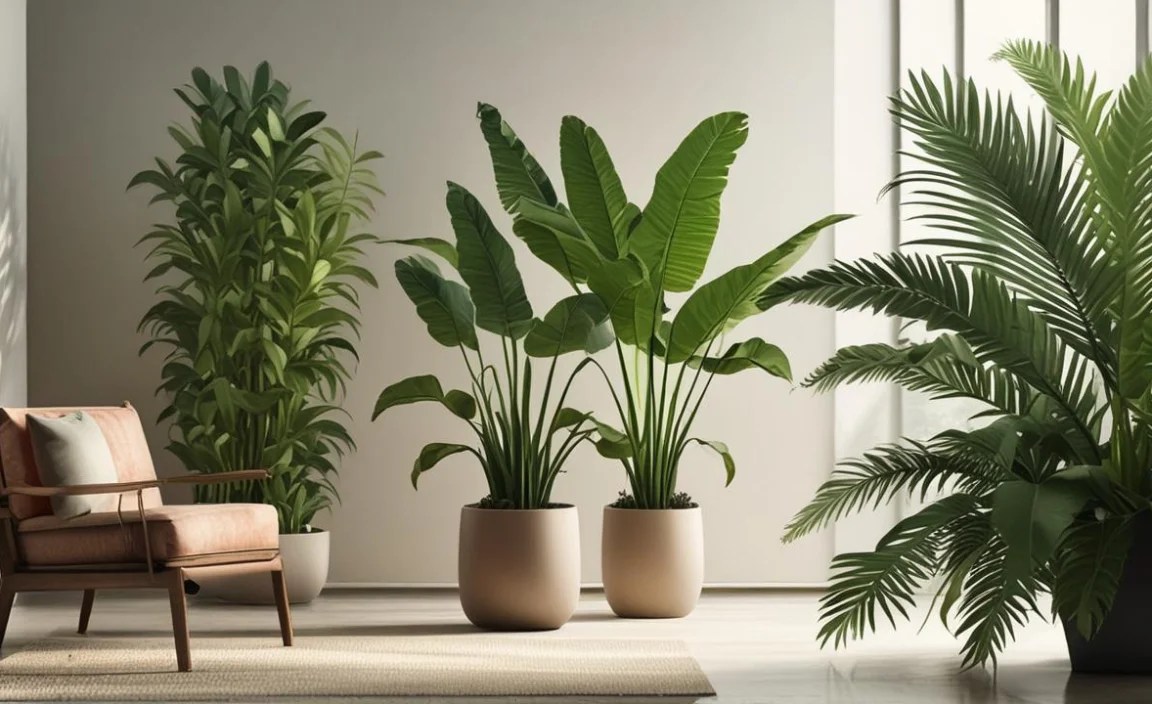
Even with the best care, large tropical plants indoors can sometimes have problems. Yellow leaves can mean too much or too little water. Brown spots can mean sunburn or disease. Drooping leaves can mean not enough water or light. Check your plants regularly for signs of trouble. Take action quickly to solve the problem. With a little detective work, you can keep your plants healthy and happy. Remember, even experienced plant owners have problems sometimes!
- Yellow leaves can mean overwatering or underwatering.
- Brown spots can mean sunburn or disease.
- Drooping leaves can mean lack of water or light.
- Check soil moisture before watering.
- Adjust light levels based on plant needs.
Don’t be afraid to ask for help! Your local plant store can be a great resource. They can help you identify the problem and find a solution. There are also many online resources and forums where you can get advice from other plant owners. Remember, learning about plants is a journey. There will be ups and downs along the way. But with patience and persistence, you can become a successful plant parent. Large tropical plants indoors are worth the effort!
Fun Fact or Stat: Some plants can actually communicate with each other through their roots!
Why Are the Leaves Turning Yellow?
Yellow leaves are a common problem for large tropical plants indoors. But what does it mean? Yellow leaves can be a sign of overwatering. Too much water can cause the roots to rot. Yellow leaves can also be a sign of underwatering. Not enough water can cause the leaves to dry out. Check the soil moisture. If the soil is soggy, you are probably overwatering. If the soil is dry, you are probably underwatering. Adjust your watering schedule accordingly. Do you know what else could be the reason?
What Causes Brown Spots on Leaves?
Brown spots on leaves can be a sign of sunburn. If your large tropical plants indoors are getting too much direct sunlight, the leaves can burn. Move the plant to a shadier location. Brown spots can also be a sign of disease. Fungal diseases can cause spots on the leaves. Treat the plant with a fungicide. Remove any affected leaves. Make sure the plant has good air circulation. It is important to take care of plants.
Why Are the Leaves Drooping?
Drooping leaves can be a sign of not enough water. If your large tropical plants indoors are not getting enough water, the leaves will droop. Water the plant deeply. Make sure the water drains out of the bottom of the pot. Drooping leaves can also be a sign of not enough light. If the plant is not getting enough light, the leaves will droop. Move the plant to a brighter location. Plants are very sensitive.
Propagating Large Tropical Plants
Do you want more large tropical plants indoors? You can propagate them! Propagation is the process of creating new plants from existing ones. There are several ways to propagate plants. You can take stem cuttings, leaf cuttings, or air layer. Stem cuttings are the most common method. Cut a stem from the plant and place it in water or soil. Leaf cuttings involve cutting a leaf and placing it in soil. Air layering involves creating roots on a stem while it is still attached to the plant. Propagation is a fun and easy way to expand your plant collection.
| Propagation Method | Description | Best Plants | Difficulty |
|---|---|---|---|
| Stem Cuttings | Cutting a stem and placing it in water or soil. | Monstera, Snake Plant | Easy |
| Leaf Cuttings | Cutting a leaf and placing it in soil. | Snake Plant, ZZ Plant | Medium |
| Air Layering | Creating roots on a stem while it is still attached. | Fiddle Leaf Fig | Difficult |
| Division | Separating a plant into multiple plants. | Bird of Paradise | Medium |
Before you start, make sure you have the right tools. You will need a sharp knife or scissors, rooting hormone, and a pot with soil. Choose a healthy stem or leaf from the plant. Apply rooting hormone to the cut end. Place the cutting in water or soil. Keep the cutting moist and warm. In a few weeks, roots will start to grow. Once the roots are established, you can transplant the new plant into its own pot. Large tropical plants indoors are a gift that keeps on giving!
Fun Fact or Stat: Some plants can be propagated from just a single leaf!
Stem Cuttings: A Simple Method
Stem cuttings are a simple way to propagate large tropical plants indoors. Choose a healthy stem from the plant. Cut the stem into sections, each with a few leaves. Remove the leaves from the bottom of the stem. Dip the cut end in rooting hormone. Place the stem cutting in water or soil. Keep the cutting moist and warm. In a few weeks, roots will start to grow. Once the roots are established, you can transplant the new plant into its own pot. Have you ever tried this before?
Leaf Cuttings: Growing New Plants
Leaf cuttings are another way to propagate large tropical plants indoors. Choose a healthy leaf from the plant. Cut the leaf into sections. Place the leaf cuttings in soil. Keep the soil moist and warm. In a few weeks, roots will start to grow. Once the roots are established, you can transplant the new plant into its own pot. This method works well for Snake Plants and ZZ Plants. It is a fun and rewarding project.
Air Layering: Creating Roots
Air layering is a more advanced method of propagating large tropical plants indoors. Choose a healthy stem from the plant. Make a small cut in the stem. Wrap the cut with moist sphagnum moss. Cover the moss with plastic wrap. Secure the plastic wrap with tape. In a few weeks, roots will start to grow through the moss. Once the roots are established, you can cut the stem below the roots. Transplant the new plant into its own pot. This method works well for Fiddle Leaf Figs.
Summary
Large tropical plants indoors can transform your home into a green paradise. These plants not only add beauty but also help purify the air. Choosing the right plants, providing proper care, and knowing how to deal with common problems are essential for success. From the popular Fiddle Leaf Fig to the easy-to-care-for Monstera, there is a large tropical plant for every home and lifestyle. Regular watering, fertilizing, and pest control will keep your plants healthy and thriving. Propagating your plants is a great way to expand your collection and share the joy of gardening with others.
Conclusion
Adding large tropical plants indoors to your home is a wonderful way to bring nature inside. They add beauty, clean the air, and create a relaxing atmosphere. By choosing the right plants and providing proper care, you can enjoy these green companions for years to come. Don’t be afraid to experiment and learn as you go. With a little love and attention, your indoor jungle will thrive and bring you joy every day.
Frequently Asked Questions
Question No 1: What are some easy-to-care-for large tropical plants for indoors?
Answer: If you’re new to indoor gardening, some great options for large tropical plants indoors that are easy to care for include the Snake Plant and the ZZ Plant. These plants are very tolerant of low light and infrequent watering. The Monstera, or Swiss Cheese Plant, is also a good choice. It’s relatively easy to care for and has unique, eye-catching leaves. These plants can thrive even if you forget to water them sometimes, making them perfect for beginners or busy people.
Question No 2: How much light do large tropical plants indoors need?
Answer: The amount of light large tropical plants indoors need depends on the specific plant. Some plants, like the Fiddle Leaf Fig and Bird of Paradise, need bright, indirect light. This means they should be placed near a sunny window, but not in direct sunlight. Other plants, like the Snake Plant and ZZ Plant, can tolerate low light conditions. It’s important to research the specific light requirements of your plant and adjust its location accordingly. If a plant isn’t getting enough light, its leaves may turn yellow or it may not grow well.
Question No 3: How often should I water my large indoor plants?
Answer: Watering frequency depends on the plant type, size, and the environment. A good rule of thumb is to check the soil moisture before watering. Stick your finger about an inch into the soil. If it feels dry, it’s time to water. Water deeply, until water drains out of the bottom of the pot. Then, allow the soil to dry out again before watering. Overwatering can lead to root rot, which is harmful to plants. Some large tropical plants indoors, like succulents, prefer drier conditions, while others need more consistent moisture.
Question No 4: How do I deal with pests on my large indoor plants?
Answer: Pests can be a problem for large tropical plants indoors. Common pests include aphids, spider mites, and mealybugs. If you notice pests on your plants, take action quickly. You can try wiping the leaves with a damp cloth to remove the pests. You can also use insecticidal soap or neem oil, which are natural and safe for plants. Be sure to follow the instructions on the product label. Regularly inspect your plants for pests to catch problems early.
Question No 5: What kind of soil should I use for large indoor plants?
Answer: The best soil for large tropical plants indoors is a well-draining potting mix. This type of soil allows water to drain easily, preventing root rot. Avoid using garden soil, as it can be too heavy and compact. You can also add perlite or vermiculite to the potting mix to improve drainage. When repotting your plants, always use fresh potting mix. This will provide your plants with the nutrients they need to grow.
Question No 6: How can I increase humidity for my tropical plants indoors?
Answer: Many large tropical plants indoors thrive in high humidity. If the air in your home is dry, there are several ways to increase humidity. You can use a humidifier to add moisture to the air. You can also group plants together, as they create their own microclimate. Another option is to place plants on a tray filled with pebbles and water. As the water evaporates, it increases the humidity around the plants. Misting the leaves of your plants can also help, but do it sparingly to avoid fungal diseases.
