Do you love the smell of lavender? Imagine having that lovely scent in your home all year. You can! Growing lavender indoors is possible. It brings beauty and calm to your space.
Have you ever seen a lavender field? The purple flowers are so pretty. The air smells amazing. Now, you can have a little piece of that inside. It is easier than you think.
Lavender not only smells great but also looks beautiful. It can brighten up any room. Plus, it can help you relax. Ready to learn how to grow lavender indoors? Let’s get started!

Key Takeaways
- Lavender indoors needs lots of sunlight, at least six hours every day.
- Use well-draining soil and a pot with holes to prevent root rot.
- Water lavender only when the soil feels dry to the touch.
- Prune your lavender regularly to encourage new growth and flowering.
- Choose the right lavender variety for growing indoors, like ‘Hidcote’ or ‘Munstead’.
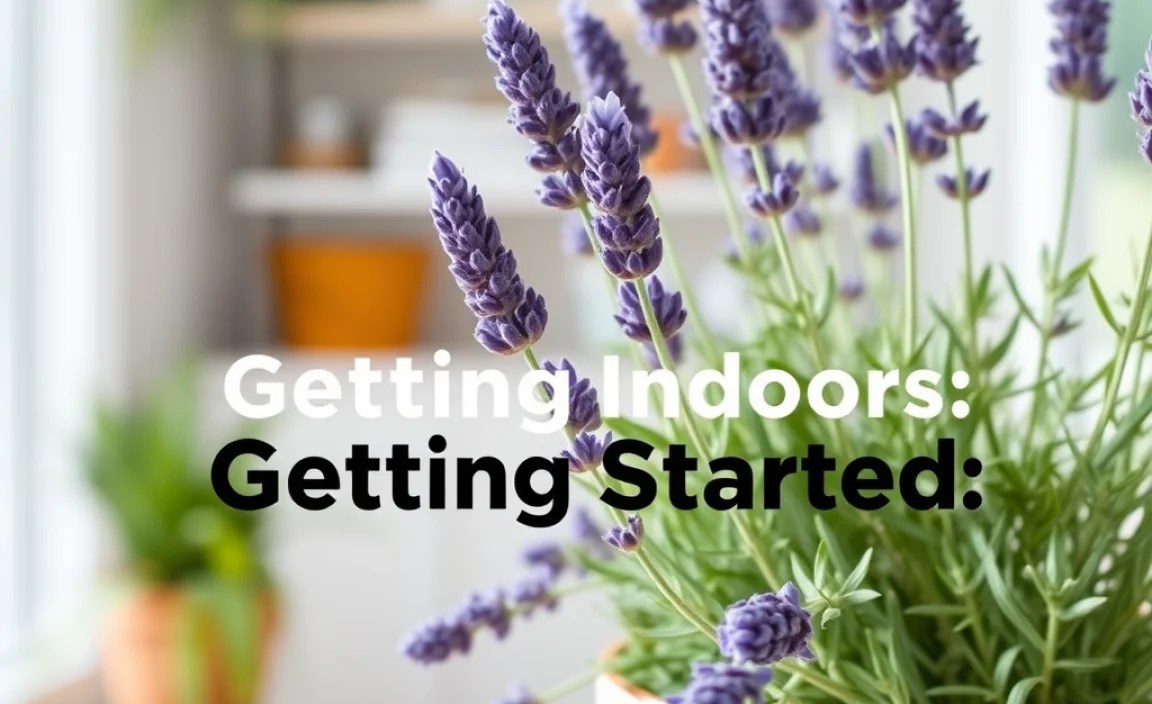
Growing Lavender Indoors: Getting Started
Growing lavender indoors can be a fun and rewarding experience. First, you need to choose the right type of lavender. Some types grow better inside than others. ‘Hidcote’ and ‘Munstead’ are good choices. They are smaller and do well in pots. Next, you need a good pot. Make sure it has holes at the bottom. This helps the water drain out. Lavender does not like wet feet. The soil is also important. Use a mix that drains well. You can buy special potting mix for lavender. Or, you can make your own. Mix regular potting soil with sand. This helps the water flow through. Now, you are ready to plant your lavender. Be gentle with the roots. Place the plant in the pot. Add soil around it. Water it lightly. Find a sunny spot for your lavender. It needs at least six hours of sun each day. A south-facing window is best. With the right care, your lavender will thrive indoors.
- Choose the right lavender variety for indoors.
- Use a pot with good drainage holes.
- Select well-draining soil.
- Provide at least six hours of sunlight daily.
- Water sparingly, only when the soil is dry.
Once your lavender is planted, it is important to give it the right care. Sunlight is very important. If you do not have a sunny window, you can use a grow light. Place the light close to the plant. Water is another key. Do not overwater lavender. Let the soil dry out between waterings. When you do water, soak the soil well. Then, let the extra water drain out. Lavender also needs good air circulation. This helps prevent diseases. Open a window sometimes. Or, use a small fan. Pruning is also important. Trim your lavender regularly. This helps it grow bushier. It also encourages more flowers. With a little care, you can enjoy beautiful lavender indoors. It will add beauty and fragrance to your home.
Fun Fact or Stat: Lavender is part of the mint family. It has been used for thousands of years for its fragrance and medicinal properties.
Choosing the Right Lavender Variety
Choosing the right lavender variety is super important. Not all lavender plants are the same. Some grow very tall. Others spread out wide. For growing lavender indoors, you want a smaller type. ‘Hidcote’ is a great choice. It stays compact. It also has beautiful purple flowers. ‘Munstead’ is another good option. It is also small and easy to grow. English lavender types usually do well indoors. They are used to cooler weather. Spanish lavender likes it warmer. So, it might not be the best choice for inside. Look for lavender plants that are labeled for containers. These are usually smaller varieties. They will be happier in a pot. Before you buy, check the plant for bugs. Make sure it looks healthy. With the right variety, your lavender will thrive indoors.
Providing Adequate Sunlight
Does your room get enough sunlight? Lavender loves the sun! It needs at least six hours of sunlight every day. If you have a sunny window, that is perfect. Place your lavender plant right there. A south-facing window is usually the sunniest. If you do not have enough sun, do not worry. You can use a grow light. Grow lights give plants the light they need. Place the light close to your lavender plant. Turn it on for six to eight hours a day. Watch your lavender. If it is not getting enough light, it will look pale. The stems might get long and skinny. This means it is trying to reach for more light. Give it more sun or more time under the grow light. With enough light, your lavender will be happy and healthy.
Proper Watering Techniques
How often do you water your plants? Watering is key for lavender. But, you have to be careful. Lavender does not like to be too wet. Overwatering can cause problems. The roots can rot. Then, your lavender will die. The best way to water lavender is to let the soil dry out first. Stick your finger in the soil. If it feels dry, it is time to water. When you water, soak the soil well. Water until it comes out the bottom of the pot. Then, let the extra water drain away. Do not let the pot sit in water. This can cause root rot. In the winter, you might need to water less. The soil stays wet longer. Check the soil often. Only water when it is dry. With the right watering, your lavender will be healthy and happy.

Choosing the Right Pot for Lavender Indoors
The pot you choose for your lavender indoors is very important. It affects how well your plant grows. First, make sure the pot has drainage holes. These holes let extra water escape. Lavender does not like sitting in wet soil. Root rot can happen if the soil stays too wet. The size of the pot matters too. Start with a pot that is about 12 inches wide. As your lavender grows, you might need to move it to a bigger pot. Choose a pot made of terracotta or clay. These materials let the soil breathe. Plastic pots can hold too much water. This can be bad for lavender. Before you plant, clean the pot well. This helps prevent diseases. A good pot will help your lavender thrive indoors.
- Ensure the pot has adequate drainage holes.
- Choose a pot made of terracotta or clay.
- Start with a 12-inch wide pot.
- Clean the pot before planting.
- Consider the material of the pot.
Consider the weight of the pot too. A big lavender plant can get heavy. You want a pot that is stable. It should not tip over easily. Think about where you will put the pot. If it is on a windowsill, make sure the windowsill is strong enough. You can also use a saucer under the pot. This catches any water that drains out. It protects your furniture. Make sure to empty the saucer after watering. You do not want the plant sitting in water. With the right pot, your lavender will have a happy home indoors. It will grow strong and healthy.
Fun Fact or Stat: Terracotta pots are made from baked clay. They have been used for growing plants for thousands of years.
Drainage Hole Importance
Have you ever seen a plant sitting in water? It is not a good thing. Drainage holes are very important. They let extra water escape from the pot. Lavender does not like wet feet. If the soil stays too wet, the roots can rot. Root rot is a big problem for lavender. It can kill the plant. Make sure your pot has at least one or two drainage holes. The holes should be big enough to let water flow out easily. You can also add a layer of gravel at the bottom of the pot. This helps with drainage. If your pot does not have drainage holes, you can drill some. Be careful not to crack the pot. With good drainage, your lavender will be much happier.
Pot Material Matters
Did you know that the pot’s material matters? It does! Different materials hold water differently. Terracotta and clay pots are great for lavender. They are porous. This means they let air and water move through the soil. This helps the soil dry out faster. Plastic pots hold more water. They can be good for plants that like wet soil. But, they are not the best choice for lavender. If you use a plastic pot, be extra careful not to overwater. You can also add some sand to the soil. This will help it drain better. Choose the right pot material for happy lavender.
Pot Size Considerations
How big should your pot be? Pot size is important for lavender. If the pot is too small, the roots will get crowded. The plant will not grow well. If the pot is too big, the soil will stay wet for too long. This can cause root rot. Start with a pot that is about 12 inches wide. This gives the roots enough room to grow. As your lavender gets bigger, you might need to move it to a bigger pot. This is called repotting. Choose a pot that is a few inches bigger than the old one. Be gentle when you repot. Do not damage the roots. With the right pot size, your lavender will thrive.

Soil Requirements for Healthy Lavender Indoors
The soil is like food for your lavender. It gives the plant the nutrients it needs to grow. Lavender needs soil that drains well. It does not like to sit in wet soil. A good mix is potting soil with sand. The sand helps the water flow through. You can also add perlite. Perlite is like little white rocks. It helps the soil drain and breathe. Avoid using soil from your garden. It can be too heavy. It might not drain well. You can buy special potting mixes for lavender. These mixes are made just for lavender plants. They have the right balance of nutrients and drainage. Before you plant, check the soil. Make sure it is not too wet or too dry. It should feel slightly moist. With the right soil, your lavender will grow strong and healthy indoors.
- Use well-draining soil.
- Mix potting soil with sand and perlite.
- Avoid using garden soil.
- Consider using a special lavender potting mix.
- Ensure the soil is slightly moist before planting.
It is important to check the soil regularly. Stick your finger in the soil. If it feels dry, it is time to water. If it feels wet, wait a few days. Over time, the soil can lose nutrients. You might need to add fertilizer. Use a fertilizer that is made for lavender. Follow the instructions on the package. Do not over-fertilize. Too much fertilizer can hurt your lavender. You can also add compost to the soil. Compost is like a natural fertilizer. It helps the soil stay healthy. With the right soil care, your lavender will thrive indoors. It will reward you with beautiful flowers and fragrance.
Fun Fact or Stat: Perlite is made from volcanic glass. It is heated until it pops like popcorn, making it lightweight and good for drainage.
Importance of Well-Draining Soil
Why is well-draining soil so important? Lavender does not like wet feet. When the soil stays too wet, the roots can rot. Root rot can kill your lavender plant. Well-draining soil lets extra water flow away from the roots. This helps prevent root rot. You can improve drainage by adding sand or perlite to the soil. These materials create air pockets in the soil. The air pockets help the water drain faster. Make sure your pot also has drainage holes. This helps the water escape from the bottom of the pot. With well-draining soil, your lavender will stay healthy and happy.
Mixing Your Own Soil
Have you ever mixed your own soil? It is easier than you think. You can create the perfect soil mix for your lavender. Start with regular potting soil. Add some sand. The sand helps the water drain. Add some perlite. Perlite also helps with drainage. Mix everything together well. You can also add some compost. Compost adds nutrients to the soil. It helps your lavender grow strong. Use about half potting soil, one-quarter sand, and one-quarter perlite. Add a small amount of compost. This mix will provide good drainage and nutrients for your lavender. Your lavender will love it!
Soil pH Levels
Did you know that soil has a pH level? The pH level tells you how acidic or alkaline the soil is. Lavender likes soil that is slightly alkaline. A pH of around 6.5 to 8.0 is best. You can test the pH of your soil with a soil test kit. These kits are easy to use. You can buy them at garden stores. If your soil is too acidic, you can add lime. Lime helps raise the pH level. If your soil is too alkaline, you can add sulfur. Sulfur helps lower the pH level. Test your soil regularly. Adjust the pH as needed. With the right pH, your lavender will thrive.

Watering Lavender Indoors: Best Practices
Watering is very important for growing lavender indoors. But, it can be tricky. Lavender does not like to be overwatered. Overwatering can lead to root rot. Root rot can kill your plant. The best way to water lavender is to let the soil dry out between waterings. Stick your finger in the soil. If it feels dry, it is time to water. When you water, soak the soil well. Water until it comes out the bottom of the pot. Then, let the extra water drain away. Do not let the pot sit in water. This can cause root rot. In the winter, you might need to water less. The soil stays wet longer. Check the soil often. Only water when it is dry. With the right watering, your lavender will be healthy and happy indoors.
- Let the soil dry out between waterings.
- Soak the soil well when watering.
- Allow excess water to drain away.
- Avoid letting the pot sit in water.
- Water less frequently in the winter.
Pay attention to the leaves of your lavender plant. If the leaves are turning yellow, you might be overwatering. If the leaves are wilting, you might be underwatering. Adjust your watering schedule as needed. You can also use a moisture meter. A moisture meter tells you how wet the soil is. This can help you avoid overwatering or underwatering. Water in the morning is best. This gives the leaves time to dry out during the day. Wet leaves can lead to fungal problems. With careful watering, your lavender will thrive indoors. It will bring beauty and fragrance to your home.
Fun Fact or Stat: Lavender is drought-tolerant. This means it can survive for long periods without water.
Signs of Overwatering
Have you noticed yellow leaves on your lavender? This could be a sign of overwatering. Overwatering is a common problem. It can hurt your lavender plant. Other signs of overwatering include wilting leaves, soft stems, and mold on the soil. The soil might also smell bad. If you see these signs, stop watering. Let the soil dry out completely. You might also need to repot your lavender. Use fresh, dry soil. Make sure the pot has good drainage. Avoid watering too often in the future. With careful watering, your lavender can recover.
Signs of Underwatering
What happens if you do not water enough? Underwatering can also be a problem. If your lavender is not getting enough water, the leaves will turn brown. They might also get crispy. The plant might start to droop. The soil will be very dry. If you see these signs, water your lavender right away. Soak the soil well. Let the extra water drain out. Check the soil more often. Make sure you are watering enough. With proper watering, your lavender will perk up quickly.
Best Time to Water
When is the best time to water? Watering in the morning is usually best. This gives the leaves time to dry out during the day. Wet leaves can lead to fungal problems. If you water in the evening, the leaves might stay wet all night. This creates a perfect environment for fungus to grow. Water deeply when you water. Soak the soil well. Then, let the extra water drain out. Avoid watering the leaves. Focus on watering the soil. With the right timing, your lavender will stay healthy and happy.
Pruning Lavender Indoors for Better Growth
Pruning is like giving your lavender a haircut. It helps the plant grow better. Pruning encourages new growth. It also helps the plant stay healthy. When you prune lavender indoors, use sharp scissors. Cut off the tips of the stems. This encourages the plant to grow bushier. You can also remove any dead or dying leaves. This helps prevent diseases. Prune your lavender after it flowers. This is usually in the late summer or early fall. Do not prune too much at once. Remove about one-third of the plant. This gives it time to recover. With regular pruning, your lavender will stay healthy and beautiful indoors.
- Use sharp scissors for pruning.
- Cut off the tips of the stems.
- Remove dead or dying leaves.
- Prune after flowering.
- Do not prune more than one-third of the plant at once.
Pruning also helps your lavender produce more flowers. When you cut off the old flowers, the plant will make new ones. Prune your lavender regularly. This will help it stay compact and bushy. Avoid pruning in the late fall or winter. This can damage the plant. The best time to prune is after the flowers fade. You can also shape your lavender when you prune. Trim it into a nice round shape. With regular pruning, your lavender will look its best indoors.
Fun Fact or Stat: Pruning is a technique used by gardeners to control the shape and size of plants.
When to Prune
When should you prune your lavender? The best time to prune is after it flowers. This is usually in the late summer or early fall. Pruning after flowering encourages new growth. It also helps the plant stay compact. Avoid pruning in the late fall or winter. This can damage the plant. If you prune too late, the plant might not have time to recover before winter. Prune your lavender at the right time for the best results.
How to Prune
How do you prune lavender? Use sharp scissors or pruning shears. Make sure they are clean. This helps prevent diseases. Cut off the tips of the stems. Remove any dead or dying leaves. Shape the plant as you prune. Trim it into a nice round shape. Do not prune too much at once. Remove about one-third of the plant. This gives it time to recover. With the right technique, your lavender will look great.
Benefits of Pruning
Why is pruning so important? Pruning has many benefits. It encourages new growth. It helps the plant stay healthy. It also helps the plant produce more flowers. Pruning also keeps the plant compact. It prevents it from getting too leggy. Regular pruning will keep your lavender looking its best. It will also help it live longer. Prune your lavender for a healthy and beautiful plant.
Dealing with Pests and Diseases in Indoor Lavender
Even indoors, lavender can have problems. Pests like aphids and spider mites can attack. Diseases like root rot can also occur. Check your lavender regularly for signs of pests or diseases. Aphids are small, green bugs. They suck the sap from the leaves. Spider mites are tiny, red bugs. They create webs on the plant. Root rot is caused by overwatering. The roots turn brown and mushy. If you see pests, you can wash them off with water. You can also use insecticidal soap. If you see root rot, you need to repot the plant. Use fresh, dry soil. Make sure the pot has good drainage. With quick action, you can keep your lavender healthy.
- Check lavender regularly for pests and diseases.
- Wash off aphids with water or use insecticidal soap.
- Treat spider mites with insecticidal soap.
- Repot plants with root rot in fresh, dry soil.
- Ensure good drainage to prevent root rot.
Good air circulation can help prevent problems. Open a window sometimes. Or, use a small fan. This helps keep the air moving. Avoid overwatering. This is the best way to prevent root rot. Water only when the soil is dry. Keep your lavender in a sunny spot. This helps it stay strong and healthy. With good care, your lavender will be less likely to have problems. It will thrive indoors and bring joy to your home.
Fun Fact or Stat: Insecticidal soap is a natural way to control pests. It is safe for plants and the environment.
Common Pests
What pests might attack your lavender? Aphids are common pests. They are small, green bugs. They suck the sap from the leaves. Spider mites are tiny, red bugs. They create webs on the plant. Whiteflies are small, white bugs. They fly around when you touch the plant. Mealybugs are white, cottony bugs. They hide in the crevices of the plant. Check your lavender regularly for these pests. Take action quickly if you see them.
Common Diseases
What diseases can affect lavender? Root rot is a common disease. It is caused by overwatering. The roots turn brown and mushy. Fungal diseases can also occur. These diseases cause spots on the leaves. Good air circulation can help prevent fungal diseases. Avoid overwatering. This is the best way to prevent root rot. Keep your lavender in a sunny spot. This helps it stay strong and healthy.
Prevention Techniques
How can you prevent pests and diseases? Good air circulation is important. Open a window sometimes. Or, use a small fan. Avoid overwatering. This is the best way to prevent root rot. Keep your lavender in a sunny spot. This helps it stay strong and healthy. Check your plant regularly for signs of problems. Take action quickly if you see anything. With good care, your lavender will stay healthy.
Harvesting and Using Indoor Lavender
Harvesting lavender indoors can be fun. It lets you enjoy the fragrance and beauty of your plant even more. Wait until the flowers are fully open. This is when they have the most fragrance. Cut the stems in the morning. This is when the oils are most concentrated. Use sharp scissors. Gather the stems into small bundles. Tie them with string. Hang the bundles upside down in a cool, dry place. Let them dry for a few weeks. Once they are dry, you can use the lavender in many ways. You can make sachets. You can add it to bathwater. You can even use it in cooking. With a little effort, you can enjoy your lavender harvest all year long.
- Harvest flowers when fully open.
- Cut stems in the morning for best fragrance.
- Hang bundles upside down to dry.
- Use dried lavender in sachets or bathwater.
- Consider using dried lavender in cooking.
Dried lavender can also be used to make tea. Lavender tea is calming and relaxing. It can help you sleep better. You can also use lavender to make essential oil. Lavender essential oil has many uses. It can be used in aromatherapy. It can be used to soothe skin irritations. It can even be used to clean your home. With a little creativity, you can find many ways to use your lavender harvest. It will bring beauty and fragrance to your life.
Here is a simple table showing how you can utilize different parts of the lavender plant:
| Part of Lavender | How to Use It | Benefits |
|---|---|---|
| Flowers | Sachets, tea, bathwater | Relaxing scent, calming tea |
| Leaves | Cooking, herbal remedies | Unique flavor, medicinal properties |
| Stems | Crafts, potpourri | Aromatic filler, decorative uses |
| Essential Oil | Aromatherapy, skin care | Relaxation, soothing skin |
Fun Fact or Stat: Lavender has been used for centuries for its medicinal and aromatic properties.
Drying Lavender
How do you dry lavender? Drying lavender is easy. Gather the stems into small bundles. Tie them with string. Hang the bundles upside down in a cool, dry place. A dark place is best. This helps preserve the color and fragrance. Let the lavender dry for a few weeks. Check it regularly. It is dry when the stems are brittle. The flowers will crumble easily. Once it is dry, you can use it in many ways.
Making Sachets
Have you ever made a lavender sachet? It is a fun and easy project. You need dried lavender flowers. You also need a small cloth bag. You can buy these bags at craft stores. Or, you can make your own. Fill the bag with dried lavender flowers. Tie the bag closed. Place the sachet in your closet or drawer. The lavender will release its fragrance. It will keep your clothes smelling fresh. You can also place a sachet under your pillow. The lavender will help you relax and sleep better.
Using Lavender in Cooking
Did you know you can cook with lavender? Lavender adds a unique flavor to food. Use it sparingly. A little goes a long way. You can add lavender to cookies. You can add it to cakes. You can even add it to savory dishes. Lavender pairs well with lemon. It also pairs well with honey. Use dried lavender flowers. Make sure they are food-grade. Not all lavender is safe to eat. Add a small amount of lavender to your recipe. Taste it and adjust as needed. With a little experimentation, you can create delicious lavender dishes.
Summary
Growing lavender indoors can bring beauty and fragrance to your home. Choose the right variety, like ‘Hidcote’ or ‘Munstead’. Use a pot with drainage holes. Select well-draining soil. Provide at least six hours of sunlight daily. Water sparingly, only when the soil is dry. Prune regularly to encourage new growth. Watch for pests and diseases. With a little care, you can enjoy lavender indoors all year long.
Conclusion
Growing lavender indoors is a rewarding experience. It requires attention to detail. Sunlight, soil, and watering are key. Pruning helps maintain its shape. By following these tips, you can enjoy the beauty and fragrance of lavender indoors. It will thrive and bring joy to your home.
Frequently Asked Questions
Question No 1: What is the best type of lavender to grow indoors?
Answer: The best types of lavender to grow indoors are smaller varieties like ‘Hidcote’ and ‘Munstead’. These English lavender types adapt well to container growing. They don’t get too big and they still offer that classic lavender fragrance. Spanish lavender might not be the best choice because it prefers warmer climates. Make sure you choose a variety that is known for doing well in pots. This will increase your chances of success when growing lavender indoors.
Question No 2: How much sunlight does lavender need indoors?
Answer: Lavender needs a lot of sunlight. Aim for at least six hours of direct sunlight each day. A south-facing window is usually the best spot. If you don’t have enough natural light, you can use a grow light. Place the grow light close to the plant. Keep it on for about six to eight hours a day. Without enough light, your lavender might become leggy and won’t flower as much. So, make sure to give it plenty of sunshine!
Question No 3: How often should I water my lavender plant indoors?
Answer: Lavender does not like wet feet, so it is important to water it carefully. Let the soil dry out completely between waterings. Stick your finger in the soil. If it feels dry, it’s time to water. When you water, soak the soil well. Then, let the extra water drain out of the pot. Don’t let the pot sit in water. Overwatering can lead to root rot. In the winter, you might need to water even less often. Check the soil regularly to avoid overwatering.
Question No 4: What kind of soil is best for growing lavender indoors?
Answer: Lavender needs soil that drains very well. A good mix is potting soil with sand and perlite. The sand and perlite help the water flow through the soil. Avoid using soil from your garden. It can be too heavy and hold too much water. You can also buy special potting mixes for lavender. These mixes are designed to provide the right drainage and nutrients. Make sure the soil is slightly alkaline for best results. Healthy soil is key for growing healthy lavender indoors.
Question No 5: How do I prune my lavender plant indoors?
Answer: Pruning helps your lavender plant grow better. Use sharp scissors or pruning shears. Cut off the tips of the stems. Remove any dead or dying leaves. Prune after the plant flowers, usually in late summer or early fall. Do not prune too much at once. Remove about one-third of the plant. This gives it time to recover. Regular pruning will keep your lavender compact and encourage more flowers.
Question No 6: How can I use my lavender harvest from my indoor plant?
Answer: Once you harvest and dry your lavender, there are many ways to use it. You can make sachets to keep your clothes smelling fresh. You can add it to bathwater for a relaxing soak. You can even use it in cooking. Lavender tea is calming and can help you sleep better. You can also make essential oil. With a little creativity, you can enjoy the benefits of your lavender harvest all year long. Growing lavender indoors offers many rewards.
