Have you ever seen a plant with dusty leaves? It does not look very happy. Plants need clean leaves to soak up sunlight. Sunlight helps them make food. What if there was a way to make leaves extra shiny? There is! It is called using leaf shine. You can use leaf shine on indoor plants.
Leaf shine can make your plants look their best. It can also help them stay healthy. Let’s learn more about using it!
Key Takeaways
- Leaf shine boosts plant health by improving photosynthesis.
- Always test leaf shine on a small area of the plant first.
- Proper cleaning prevents pests and diseases on indoor plants.
- Choose the right leaf shine for indoor plants to avoid damage.
- Regularly cleaning leaves improves their overall appearance.
What is Leaf Shine for Indoor Plants?

Leaf shine is a product. It makes plant leaves look shiny. It also helps keep them clean. Plants with clean leaves can take in more sunlight. Sunlight helps them grow big and strong. Some leaf shine products are sprays. Others are wipes. You put them on the leaves of your indoor plants. This makes the leaves look like new. It is important to use the right kind of leaf shine. Some products can hurt your plants. Always read the label carefully. Look for products made for indoor plants. Using leaf shine is like giving your plants a spa day. It makes them look good and feel good!
- Leaf shine enhances the look of plants.
- It aids photosynthesis by cleaning leaves.
- Some products come as a spray.
- Wipes are another option for leaf shine.
- Always read the product label first.
Leaf shine is not just for looks. It also helps your plants stay healthy. Dust and dirt can block sunlight. This makes it hard for plants to make food. Leaf shine removes this dirt. This lets your plants get more sunlight. More sunlight means more food for the plant. Some leaf shine products also protect against bugs. Bugs can hurt your plants. Leaf shine can keep them away. It is important to use leaf shine the right way. Too much can hurt your plants. Always follow the directions on the label. Your plants will thank you for it!
Why Do Plants Need Leaf Shine?
Have you ever noticed dust on your furniture? Plants get dusty too! Dust blocks sunlight. Plants need sunlight to make food. It is like they are tiny chefs, and sunlight is their oven! When leaves are covered in dust, the “oven” does not work well. Leaf shine helps remove the dust. It lets the plant leaves soak up the sun. This helps the plant make more food and grow stronger. Think of it like washing your face. You feel better when you are clean, right? Plants feel better too when their leaves are clean and shiny. So, leaf shine is like a spa treatment for your leafy friends.
What Kinds of Plants Benefit?
Not all plants need leaf shine. But many indoor plants can benefit. Plants with big, smooth leaves love it. Think of plants like snake plants or fiddle-leaf figs. Their leaves get dusty easily. Leaf shine helps keep them clean and shiny. Plants with fuzzy leaves do not need it as much. Fuzzy leaves do not get as dusty. Also, some plants are sensitive to leaf shine. It is always a good idea to test it first. Try it on one leaf and wait a few days. If the leaf looks healthy, you can use it on the whole plant. So, check what kind of plant you have before using leaf shine.
Is Leaf Shine a Substitute for Cleaning?
Imagine you spilled juice on the floor. Would you just spray it with air freshener? No, you would clean it up! Leaf shine is similar. It is not a substitute for cleaning. You should still wipe your plant leaves. Use a damp cloth to remove dust and dirt. Then, you can use leaf shine. It adds extra shine and protection. Think of it like polishing your shoes. You clean them first, then polish them to make them shine. Cleaning and leaf shine work together. They keep your plants looking their best. So, do not skip the cleaning step!
Fun Fact or Stat: Did you know that clean plant leaves can absorb up to 50% more light than dusty leaves?
Choosing the Right Leaf Shine Product

Picking the right leaf shine is important. Not all products are the same. Some are made with chemicals. These can hurt your plants. Look for natural leaf shine products. These are safer for your plants and the environment. Read the label carefully. Make sure the product is for indoor plants. Some products are only for outdoor plants. These can be too strong for indoor plants. Also, think about how you want to apply the leaf shine. Do you want a spray or a wipe? Sprays are good for big plants. Wipes are good for small plants. Choose the product that is best for you and your plants.
- Look for natural ingredients.
- Check if it is for indoor plants.
- Consider spray versus wipe options.
- Read customer reviews online.
- Check the expiration date.
Before you use any leaf shine, do a test. Pick one leaf on your plant. Apply a small amount of leaf shine. Wait a few days. See if the leaf looks healthy. If it does, you can use the product on the whole plant. If the leaf looks bad, do not use the product. It is not right for your plant. This test can save your plant from damage. It is like trying on a new food. You take a small bite first, right? You want to make sure you like it before eating the whole thing. Testing leaf shine is the same idea. It helps you protect your plant.
| Type of Leaf Shine | Pros | Cons | Best For |
|---|---|---|---|
| Aerosol Spray | Easy to apply, quick drying | Can be harsh, may contain chemicals | Large plants with smooth leaves |
| Non-Aerosol Spray | More eco-friendly, gentler | May require more applications | Smaller plants, sensitive plants |
| Wipes | Precise application, easy to control | Can be time-consuming, not for large plants | Small plants, detailed cleaning |
| Homemade Solutions | Natural, cost-effective | May not be as effective, requires mixing | Plants needing gentle cleaning |
What Ingredients Should I Avoid?
Some leaf shine products have bad ingredients. You should avoid these. Look out for chemicals like alcohol. Alcohol can dry out leaves. Also, avoid products with strong fragrances. These can irritate your plants. Check the ingredient list carefully. If you do not know what an ingredient is, look it up. Choose products with simple, natural ingredients. These are usually the safest. Think of it like choosing food. You want to know what is in it, right? The same goes for leaf shine. Knowing the ingredients helps you protect your plants.
How Do I Read the Label?
Reading the label on leaf shine is important. The label tells you what is in the product. It also tells you how to use it. Look for words like “indoor plants.” This means the product is safe for your indoor plants. Read the directions carefully. They will tell you how much to use. They will also tell you how often to use it. Pay attention to any warnings. Some products should not be used on certain plants. The label will tell you this. Reading the label helps you use leaf shine safely and effectively.
Where Can I Buy Leaf Shine?
You can buy leaf shine at many places. Garden stores sell it. Big stores like Walmart and Target also sell it. You can also buy it online. Amazon is a good place to look. When you buy leaf shine, compare prices. Some stores are more expensive than others. Also, read reviews before you buy. Reviews can tell you if a product is good. Choose a store that you trust. Make sure they have a good return policy. This way, if you do not like the product, you can return it. Buying leaf shine is easy if you know where to look.
Fun Fact or Stat: Natural leaf shine products are becoming more popular, with sales increasing by 20% in the last year!
Preparing Your Plants for Leaf Shine
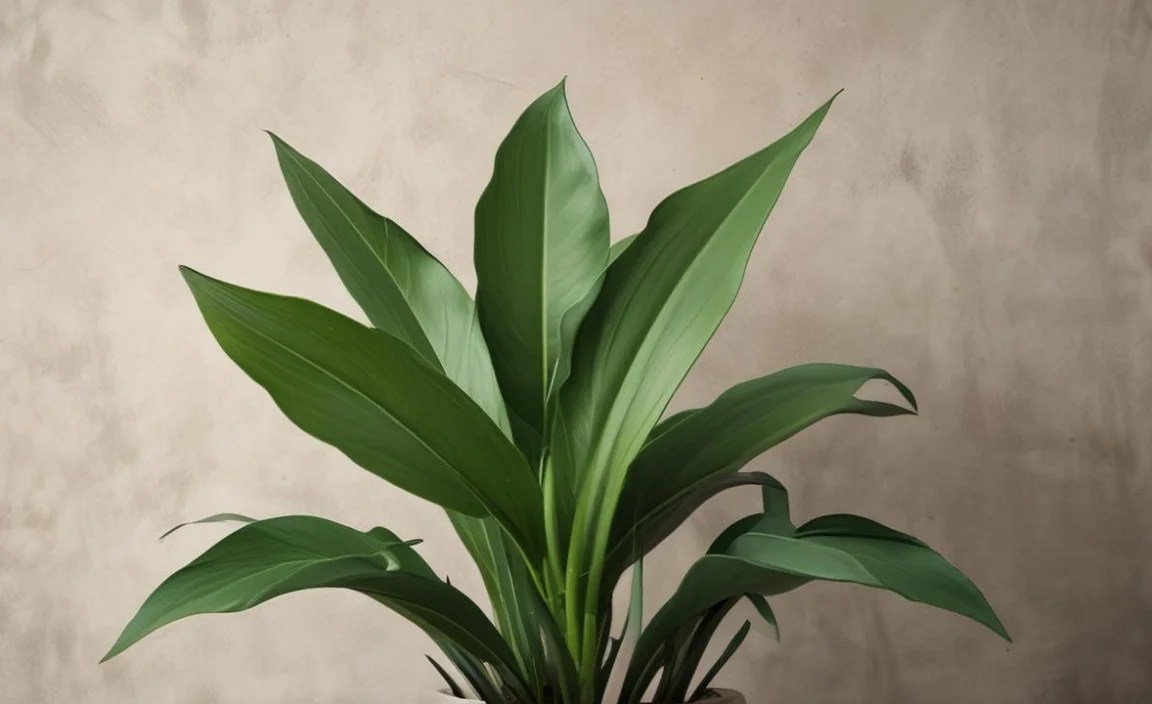
Before you use leaf shine, get your plants ready. First, check your plants for bugs. If you see bugs, get rid of them first. You can use insecticidal soap. Follow the directions on the label. Let the plant dry before using leaf shine. Next, clean the leaves. Use a damp cloth to wipe off dust. Make sure to get both sides of the leaves. This helps the leaf shine work better. Preparing your plants is like getting ready for a party. You want to look your best, right? Plants want to look their best too!
- Check for and remove any pests.
- Clean the leaves with a damp cloth.
- Allow the leaves to dry completely.
- Move the plant to a well-ventilated area.
- Protect the surrounding surfaces.
Think of your plants like little people. They need to be clean before they get a makeover. Dust and dirt can get in the way of the leaf shine. It is like trying to paint a dirty wall. The paint will not stick well. Cleaning the leaves first helps the leaf shine work better. It also helps your plants stay healthy. Clean leaves can take in more sunlight. This helps them grow big and strong. So, do not skip the cleaning step. It is an important part of the process.
How Do I Check for Pests?
Checking for pests is like being a plant detective. Look closely at the leaves. Check both the top and bottom. Look for tiny bugs. They might be green, white, or black. Also, look for sticky stuff on the leaves. This could be from bugs. Use a magnifying glass if you need to. Pests can hurt your plants. They suck the juice out of the leaves. This makes the leaves turn yellow or brown. If you see pests, act fast. Use insecticidal soap to get rid of them. Keeping your plants pest-free helps them stay healthy and happy.
What is the Best Way to Clean Leaves?
The best way to clean leaves is simple. Use a damp cloth. You can use plain water. Or, you can add a little bit of dish soap. Make sure the soap is gentle. Wipe each leaf carefully. Get both the top and bottom. If the leaves are very dusty, rinse them first. You can use a spray bottle. Or, you can hold the plant under the faucet. Be gentle so you do not damage the leaves. Cleaning leaves is like washing your car. It makes it look shiny and new. Clean leaves help your plants grow better too.
Should I Prune Before Applying Leaf Shine?
Sometimes, plants have dead or yellow leaves. You should prune these before using leaf shine. Pruning means cutting off the dead leaves. This helps the plant focus its energy. It is like getting a haircut. It makes you feel lighter and fresher. Pruning also helps air circulate around the plant. This can prevent diseases. Use clean scissors or pruning shears. Cut the leaves close to the stem. Be careful not to damage the healthy leaves. Pruning is an important part of plant care. It helps your plants stay healthy and beautiful.
Fun Fact or Stat: Regular pruning can increase a plant’s lifespan by up to 30%!
Applying Leaf Shine to Indoor Plants

Now it is time to apply the leaf shine. Read the directions on the label. This will tell you how much to use. Hold the spray bottle about 12 inches away from the plant. Spray the leaves lightly. Do not spray too much. Too much leaf shine can hurt the plant. If you are using wipes, gently wipe each leaf. Make sure to cover the whole leaf. Let the leaf shine dry completely. This usually takes a few minutes. After it is dry, your plants will look shiny and new. Applying leaf shine is like putting on makeup. It makes you look your best!
- Read the product instructions first.
- Hold the spray bottle at the right distance.
- Apply a light, even coat.
- Wipe leaves gently with leaf shine wipes.
- Allow the leaves to dry completely.
Think of applying leaf shine like painting a picture. You want to use smooth, even strokes. This helps the paint look its best. The same is true for leaf shine. A light, even coat will make your plants look amazing. If you use too much, the leaves can get sticky. This can attract dust and bugs. So, be careful not to overdo it. Less is more when it comes to leaf shine. A little bit goes a long way. Your plants will thank you for it!
What is the Best Time of Day to Apply?
The best time of day to apply leaf shine is in the morning. This gives the leaves time to dry before night. If you apply it at night, the leaves might stay wet. This can lead to diseases. Also, avoid applying leaf shine in direct sunlight. The sun can make the leaves burn. Choose a time when the light is soft and gentle. This will help protect your plants. Think of it like going to the beach. You do not want to go in the middle of the day when the sun is strongest. You want to go in the morning or evening when the sun is gentler.
How Often Should I Apply Leaf Shine?
You should not apply leaf shine too often. Once a month is usually enough. Too much leaf shine can hurt your plants. It can clog the pores on the leaves. This makes it hard for the plant to breathe. Also, it can make the leaves sticky. This attracts dust and bugs. So, stick to once a month. If you notice your plants looking dull, you can clean the leaves with a damp cloth. This is a gentler way to keep them looking their best. Think of it like taking a bath. You do not need to take a bath every day, right? The same is true for leaf shine.
What If I Accidentally Use Too Much?
If you accidentally use too much leaf shine, do not worry. You can fix it. Use a damp cloth to wipe off the extra leaf shine. Be gentle so you do not damage the leaves. You might need to wipe them a few times. This will remove the sticky residue. Next time, be more careful. Use a lighter touch. Remember, less is more. If you catch the mistake quickly, your plants will be fine. Think of it like spilling milk. You can clean it up if you act fast. The same is true for leaf shine.
Fun Fact or Stat: Plants with shiny leaves reflect more light, which can help them stay cooler in warm environments!
Maintaining Your Indoor Plants After Applying Leaf Shine

After you apply leaf shine, keep taking care of your plants. Water them when the soil is dry. Make sure they get enough sunlight. Check for bugs regularly. If you see any, get rid of them right away. Clean the leaves with a damp cloth every few weeks. This will keep them looking shiny and healthy. Remember, leaf shine is not a one-time thing. It is part of a regular care routine. Taking care of your plants is like taking care of a pet. They need your love and attention to thrive.
- Water plants when the soil is dry.
- Ensure adequate sunlight exposure.
- Regularly check for pests.
- Wipe leaves with a damp cloth.
- Fertilize as needed.
Think of your plants like athletes. They need the right food, water, and rest to perform their best. Leaf shine is like giving them a special boost. But it is not the only thing they need. They also need you to provide the basics. Water, sunlight, and pest control are all important. If you take good care of your plants, they will reward you with beautiful foliage. They will also help clean the air in your home. So, keep up the good work!
How Do I Know If My Plant is Healthy?
There are many signs of a healthy plant. The leaves should be green and vibrant. They should not be yellow or brown. The plant should be growing new leaves. The stems should be strong and upright. The soil should be moist, but not soggy. If you see these signs, your plant is probably healthy. If you see signs of trouble, like yellow leaves or bugs, take action right away. Early detection is key to keeping your plants healthy.
What Kind of Fertilizer Should I Use?
Plants need fertilizer to grow. Fertilizer provides them with nutrients. There are many kinds of fertilizer. Some are liquid, and some are solid. Some are organic, and some are synthetic. Choose a fertilizer that is made for indoor plants. Read the label carefully. It will tell you how much to use. Do not over-fertilize your plants. This can hurt them. Follow the directions on the label. Fertilizing your plants is like giving them vitamins. It helps them stay strong and healthy.
How Do I Prevent Pests and Diseases?
Preventing pests and diseases is important. Keep your plants clean. Wipe the leaves regularly. This will remove dust and dirt. Also, check your plants for bugs. If you see any, get rid of them right away. Use insecticidal soap or neem oil. Make sure your plants have good air circulation. This will help prevent diseases. Do not overwater your plants. This can also lead to diseases. Prevention is the best medicine when it comes to plant care. Keeping your plants healthy will help them resist pests and diseases.
Fun Fact or Stat: Well-maintained indoor plants can improve air quality by removing up to 87% of toxins in a 24-hour period!
Troubleshooting Common Leaf Shine Problems
Sometimes, things can go wrong when using leaf shine. The leaves might turn yellow or brown. This could be a sign of over-application. Or, it could be a sign of a bad product. Stop using the leaf shine right away. Clean the leaves with a damp cloth. If the problem continues, try a different product. Always test new products on one leaf first. Also, make sure you are not using too much leaf shine. Less is more. Troubleshooting is part of plant care. Do not be afraid to experiment. Just be careful and pay attention to your plants.
- Yellowing leaves may indicate over-application.
- Browning leaves could mean a bad product.
- Sticky residue attracts dust and pests.
- Uneven shine suggests improper application.
- Allergic reactions are rare but possible.
Think of troubleshooting like being a doctor for your plants. You need to look at the symptoms and figure out what is wrong. Then, you can prescribe the right treatment. Sometimes, the problem is simple. You might just be using too much leaf shine. Other times, the problem is more complex. You might need to change your watering schedule or use a different fertilizer. The key is to pay attention to your plants and respond to their needs. With a little bit of care, you can solve most plant problems.
Why Are My Leaves Turning Yellow?
Yellow leaves can mean many things. It could be overwatering. Or, it could be underwatering. It could also be a nutrient deficiency. Check the soil. Is it too wet or too dry? If it is too wet, let it dry out before watering again. If it is too dry, water the plant thoroughly. Also, consider using fertilizer. Yellow leaves can be a sign that the plant needs more nutrients. Follow the directions on the fertilizer label. If the problem continues, consult a plant expert.
What Should I Do About Sticky Residue?
Sticky residue is usually caused by too much leaf shine. It can also be caused by pests. Clean the leaves with a damp cloth. Use a gentle soap if needed. Make sure to remove all the residue. If you see pests, treat them with insecticidal soap. Follow the directions on the label. Prevent sticky residue by using leaf shine sparingly. A little bit goes a long way. Also, keep your plants clean. This will help prevent pests.
Can Leaf Shine Cause Allergies?
It is rare, but leaf shine can cause allergies. If you have sensitive skin, wear gloves when using it. Also, avoid spraying it near your face. If you develop a rash or other allergic reaction, stop using the product right away. Wash the affected area with soap and water. Consult a doctor if the reaction is severe. Choose natural leaf shine products. These are less likely to cause allergies. If you are concerned, test the product on a small area of skin before using it on your plants.
Fun Fact or Stat: Some people use milk to shine their plant’s leaves.
Summary
Leaf shine is a great way to make your indoor plants look their best. It cleans the leaves and makes them shiny. This helps the plants get more sunlight. More sunlight means more food for the plant. But it is important to use leaf shine the right way. Choose the right product for your plants. Prepare your plants before applying it. Apply it lightly and evenly. Do not use too much. And keep taking care of your plants after applying it. Water them, fertilize them, and check them for pests.
With a little bit of care, you can keep your indoor plants looking beautiful. Leaf shine is just one part of the process. But it is an important part. It helps your plants stay healthy and vibrant. So, give it a try. Your plants will thank you for it. Just remember to follow the directions and use it sparingly. Your plants will shine like never before!
Conclusion
Leaf shine can really help your indoor plants. It makes them look nicer and stay healthier. Remember to pick the right kind. Always clean the leaves first. Use it carefully and not too often. Keep taking care of your plants after you use it. If you do these things, your plants will look great. They will also be happier and healthier. So go ahead and give leaf shine a try. You will love the results!
Frequently Asked Questions
Question No 1: What is leaf shine, and why should I use it on my indoor plants?
Answer: Leaf shine is a product that makes the leaves of your indoor plants look shiny and clean. You should use it because it helps remove dust and dirt that can block sunlight. Sunlight is important for plants because they use it to make food through a process called photosynthesis. Clean leaves allow plants to absorb more light, which helps them grow stronger and healthier. It also makes your plants look more attractive! Think of it like washing your face – it helps you feel and look better.
Question No 2: How often should I apply leaf shine to my indoor plants?
Answer: You should not apply leaf shine too often. Generally, once a month is enough. Overusing leaf shine can clog the pores on the leaves, which prevents them from breathing properly. This can also make the leaves sticky, attracting dust and pests. If you notice your plants looking dull between applications, simply wipe the leaves with a damp cloth to remove any dust. This is a gentler way to keep them looking their best without harming them. Remember, moderation is key!
Question No 3: Are there any plants that should not be treated with leaf shine?
Answer: Yes, some plants should not be treated with leaf shine. Plants with fuzzy or delicate leaves, such as African violets, should not be sprayed. The leaf shine can damage their sensitive surfaces. Also, avoid using leaf shine on plants that are already stressed or unhealthy. Always check the plant’s specific care instructions before applying any leaf shine. When in doubt, test the product on a single leaf first to see how the plant reacts before treating the entire plant.
Question No 4: Can I make my own homemade leaf shine solution?
Answer: Yes, you can make your own homemade leaf shine solution! A simple and effective recipe involves mixing a small amount of mild dish soap with water. Use a soft cloth to gently wipe the leaves with the solution, then rinse with clean water. Another option is to use diluted milk. Mix one part milk with ten parts water and wipe the leaves. These homemade solutions are natural and can help clean and shine your plant’s leaves without harsh chemicals. Always test on a small area first!
Question No 5: What should I do if my plant’s leaves turn yellow after applying leaf shine?
Answer: If your plant’s leaves turn yellow after applying leaf shine, it could be a sign of over-application or a reaction to the product. Stop using the leaf shine immediately. Gently wipe the leaves with a damp cloth to remove any residue. Make sure the plant is getting the right amount of water and sunlight. If the yellowing persists, consider repotting the plant with fresh soil or consulting a local nursery for advice. Sometimes, less is more when caring for your green friends!
Question No 6: How do I choose the best leaf shine product for my specific indoor plants?
Answer: To choose the best leaf shine product, consider the type of plants you have. Look for products specifically labeled for indoor plants. Read the ingredient list and avoid products with harsh chemicals or strong fragrances. Natural, plant-based formulas are often a safer choice. Check online reviews to see what other plant owners have experienced with different products. Also, consider whether you prefer a spray or wipes for application. Testing a small area first is always a good idea to ensure the product is safe for your plant.
