Do you ever wonder how streetlights know when to turn on? Have you ever noticed your porch light magically comes on at dusk? A small device called a light sensor for outdoor lighting makes this happen. These sensors are like tiny eyes. They detect how much light there is outside.
When the light sensor for outdoor lighting notices it’s getting dark, it tells the light to turn on. When the sun rises, the sensor tells the light to turn off. It’s like having a robot that controls your lights. Isn’t that neat? These sensors help us save energy too.
Imagine you have a garden. You want your garden lights to shine only at night. A light sensor for outdoor lighting can do that! It makes sure your lights aren’t on during the day. This saves electricity and money. These sensors are used in many places. They are on streets, in parks, and even at your home.
These sensors are helpful because they work automatically. You don’t have to remember to turn lights on and off. They do it for you! This is great for when you’re on vacation. Your house looks like someone is home. This can help keep your house safe. Light sensors for outdoor lighting make our lives easier and safer.
Key Takeaways
- Light sensors for outdoor lighting automatically turn lights on at dusk and off at dawn.
- They help save energy by ensuring lights are only on when needed.
- These sensors enhance safety by making homes look occupied, even when empty.
- Light sensors are used in various outdoor settings, including streets and gardens.
- They offer convenience by eliminating the need to manually control outdoor lights.
How a Light Sensor for Outdoor Lighting Works

A light sensor for outdoor lighting is a small device. It detects the amount of light in its surroundings. It uses a component called a photoresistor or a photodiode. These components change their electrical properties based on light levels. When light shines on the sensor, it creates an electrical signal. A circuit inside the sensor measures this signal. If the signal is weak (meaning it’s dark), the sensor sends a signal to turn on the light. If the signal is strong (meaning it’s bright), the sensor tells the light to turn off. This entire process happens automatically. The sensor is always watching the light levels. It is ready to turn the light on or off as needed. This makes our lives more convenient and saves energy.
- The sensor uses a photoresistor or photodiode to detect light.
- Electrical properties change based on light levels.
- A circuit measures the electrical signal.
- The sensor turns the light on when it’s dark.
- It turns the light off when it’s bright.
- This process happens automatically.
The light sensor for outdoor lighting is like a tiny brain. It knows when it’s time to turn on the lights. It also knows when it’s time to turn them off. This helps us save energy. It also makes our homes safer. Imagine if we had to turn on all our lights every night. It would be a lot of work! These sensors do it for us. They are a simple but important part of our modern world. They make our lives easier and more efficient. They are an example of how technology can help us.
What is a Photoresistor?
Have you ever played with a toy that uses a battery? The toy works because electricity flows through it. A photoresistor is a special part. It changes how easily electricity flows based on light. When it’s bright, electricity flows easily. When it’s dark, electricity doesn’t flow as well. A light sensor for outdoor lighting uses this. It knows when it’s dark because the photoresistor stops the flow of electricity. This tells the light to turn on. It’s a simple way to control lights with light!
How Does a Photodiode Work?
Imagine a tiny gate that controls electricity. This gate is a photodiode. When light shines on it, the gate opens. Electricity can flow through. When it’s dark, the gate closes. Electricity can’t flow. A light sensor for outdoor lighting uses this gate. It opens the gate when it’s bright. This keeps the light off. It closes the gate when it’s dark. This turns the light on. It’s like a switch that’s controlled by light.
Why Are These Sensors Important?
Think about all the lights that are on at night. Streetlights, porch lights, and garden lights. All these lights use electricity. A light sensor for outdoor lighting helps us save electricity. It makes sure the lights are only on when we need them. This saves energy and money. It also helps the environment. By using less electricity, we reduce pollution. These sensors are a small but important part of making our world greener.
Fun Fact or Stat: Some light sensors can last for over 10 years, turning lights on and off every single day!
Types of Light Sensors for Outdoor Lighting

There are different kinds of light sensors for outdoor lighting. Some are simple and turn lights on or off. These are often used for streetlights and porch lights. Other sensors are more advanced. They can adjust the brightness of the light. This is useful for saving even more energy. Some sensors can even detect motion. They turn the light on when someone walks by. This is great for security. The type of sensor you need depends on what you want to use it for. Simple sensors are good for basic lighting. Advanced sensors are good for saving energy and security. There are many options to choose from. You can find the perfect sensor for your needs.
- Simple sensors turn lights on or off.
- Advanced sensors adjust brightness.
- Motion-detecting sensors turn lights on when someone is near.
- Some sensors are wireless and easy to install.
- Others are wired directly into the electrical system.
- The best type depends on your needs.
When choosing a light sensor for outdoor lighting, think about where you will use it. Consider the weather in your area. Some sensors are better at handling rain and snow. Also, think about how much light you need. Some sensors are more sensitive to light than others. If you need the light to turn on when it’s very dark, choose a sensitive sensor. If you only need the light to turn on at night, a less sensitive sensor will work fine. By considering these factors, you can choose the best sensor for your needs. This will help you save energy and keep your home safe.
What is a Dusk-to-Dawn Sensor?
Imagine a light that turns on automatically when the sun goes down. It turns off when the sun comes up. This is what a dusk-to-dawn sensor does. It’s a type of light sensor for outdoor lighting. It’s very convenient. You don’t have to remember to turn the lights on and off. The sensor does it for you. This is great for porch lights and streetlights. They turn on automatically at night. They turn off automatically in the morning. It’s simple and saves energy.
What is a Motion Sensor?
Have you ever seen a light that turns on when you walk by? That light has a motion sensor. A motion sensor detects movement. When it senses movement, it turns on the light. This is great for security. It can scare away burglars. It’s also helpful for lighting up pathways. You don’t have to fumble for a light switch. The light turns on automatically. Some motion sensors also have a light sensor. This means they only turn on the light at night. This saves even more energy.
What is an Adjustable Sensor?
Some light sensors for outdoor lighting are adjustable. This means you can change how sensitive they are. You can set them to turn on the light when it’s very dark. Or you can set them to turn on the light when it’s just getting dark. This is helpful because you can customize the sensor to your needs. If you want the light to turn on early, you can adjust the sensor. If you want the light to turn on later, you can adjust the sensor too. It gives you more control over your outdoor lighting.
Fun Fact or Stat: The first light sensors were invented in the late 1800s, but they weren’t widely used until much later!
Benefits of Using Light Sensors for Outdoor Lighting

There are many benefits to using a light sensor for outdoor lighting. One of the biggest benefits is energy savings. These sensors make sure your lights are only on when they are needed. This saves electricity and money. Another benefit is convenience. You don’t have to remember to turn the lights on and off. The sensor does it for you automatically. This is especially helpful when you’re on vacation. It makes your house look like someone is home. This can help deter burglars. Light sensors also make our streets safer. Streetlights turn on automatically at night. This makes it easier for drivers to see. They also make it easier for people to walk safely.
- They save energy by turning lights on only when needed.
- They provide convenience by automating lighting.
- They enhance security by making homes look occupied.
- They improve safety on streets and pathways.
- They reduce light pollution by minimizing unnecessary lighting.
- They are easy to install and use.
Using a light sensor for outdoor lighting is a smart choice. It helps you save money. It also helps you protect the environment. By using less electricity, you reduce pollution. These sensors are also easy to install. You can often install them yourself. They are also very reliable. They will work for many years without needing to be replaced. If you’re looking for a way to improve your outdoor lighting, consider using a light sensor. It’s a simple way to make a big difference. It’s a win-win for you and the environment.
Saving Money on Electricity
Imagine you leave your porch light on all day. That light is using electricity. Electricity costs money. A light sensor for outdoor lighting can save you money. It turns the light off during the day. This means you’re not wasting electricity. Over time, this can add up to a lot of savings. You can use that money for other things. Maybe you can buy a new toy. Or maybe you can save it for a special trip. Saving electricity is good for your wallet.
Improving Home Security
Have you ever worried about your home when you’re away? A light sensor for outdoor lighting can help. It makes your home look like someone is there. This can scare away burglars. They are less likely to break into a house that looks occupied. The light turns on automatically at night. This makes it look like someone is home. It’s a simple way to improve your home security. It gives you peace of mind when you’re not there.
Protecting the Environment
Electricity comes from power plants. Some power plants burn coal. Burning coal causes pollution. Pollution is bad for the environment. A light sensor for outdoor lighting helps reduce pollution. It does this by saving electricity. When you use less electricity, power plants don’t have to burn as much coal. This means less pollution. Using a light sensor is a small way to help protect the environment. Every little bit helps. Together, we can make a big difference.
Fun Fact or Stat: If every home in the US used light sensors, we could save enough energy to power millions of homes!
Installing a Light Sensor for Outdoor Lighting
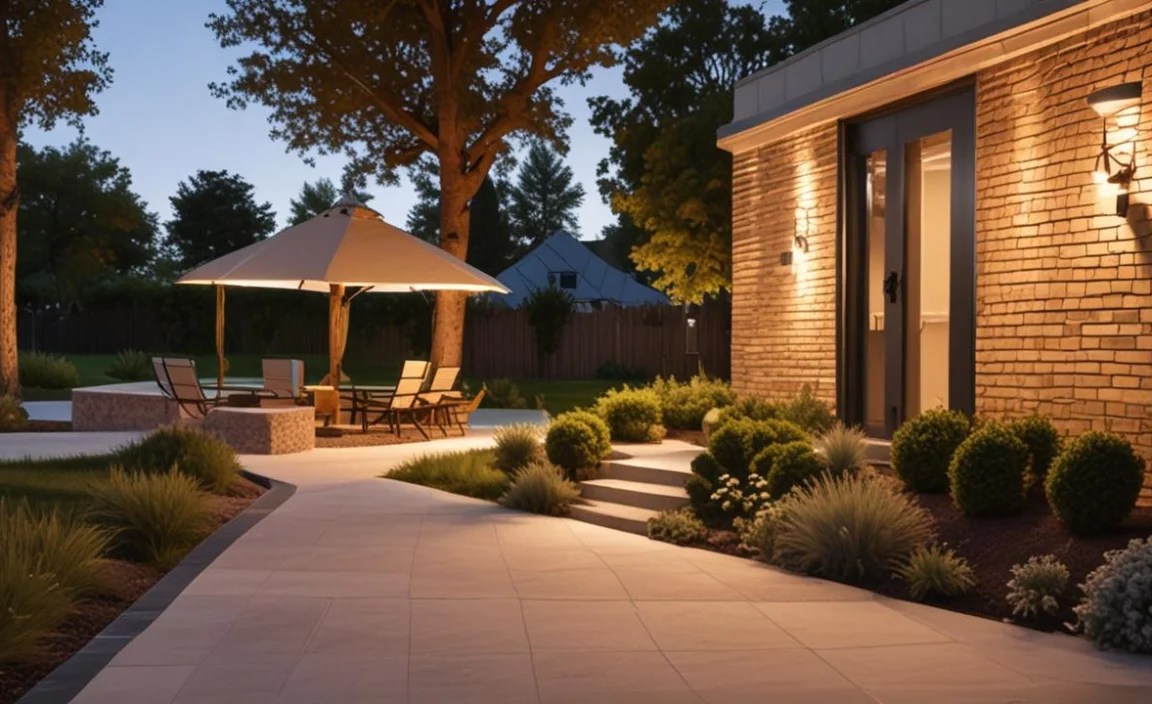
Installing a light sensor for outdoor lighting is usually quite simple. Many sensors come with easy-to-follow instructions. You’ll typically need a screwdriver and maybe some wire strippers. First, you’ll need to turn off the power to the light fixture. This is very important for safety. Then, you’ll connect the sensor to the light fixture’s wires. The instructions will show you exactly which wires to connect. Once the sensor is connected, you can turn the power back on. The sensor should now automatically turn the light on at dusk and off at dawn. If you’re not comfortable working with electricity, it’s best to ask an adult for help. An electrician can install the sensor for you safely.
- Turn off the power to the light fixture.
- Follow the instructions that come with the sensor.
- Connect the sensor to the light fixture’s wires.
- Make sure the connections are secure.
- Turn the power back on.
- Test the sensor to make sure it’s working.
Before you start installing a light sensor for outdoor lighting, read the instructions carefully. Make sure you understand each step. If you have any questions, ask an adult for help. It’s also a good idea to wear safety glasses. This will protect your eyes from any flying debris. When connecting the wires, make sure they are tightly secured. Loose wires can cause problems. Once you’ve installed the sensor, test it to make sure it’s working correctly. Wait until dusk to see if the light turns on automatically. If it doesn’t, double-check your connections. With a little patience, you can easily install a light sensor and start saving energy.
Safety First When Installing Sensors
Electricity can be dangerous. Always turn off the power before working with wires. This will prevent electric shock. Tell an adult you are working with electricity. They can supervise you. Make sure your hands are dry. Water and electricity don’t mix. Wear rubber gloves for extra protection. If you’re not sure what you’re doing, ask for help. It’s better to be safe than sorry. A light sensor for outdoor lighting is useful, but safety comes first.
Tools You’ll Need for Installation
To install a light sensor for outdoor lighting, you’ll need a few tools. A screwdriver is essential for tightening screws. Wire strippers are helpful for removing insulation from wires. Electrical tape is used to cover exposed wires. Safety glasses protect your eyes. A ladder might be needed to reach high light fixtures. Make sure you have all the tools before you start. This will make the installation process easier. Ask an adult to help if needed.
Testing the Sensor After Installation
After you install the light sensor for outdoor lighting, test it. Wait until it gets dark. See if the light turns on automatically. If it doesn’t, check the wiring. Make sure everything is connected properly. If the light still doesn’t turn on, the sensor might be faulty. Contact the manufacturer for help. It’s important to test the sensor to ensure it’s working. This will save you time and trouble later. It will also ensure your outdoor lighting is working properly.
Fun Fact or Stat: Professional electricians install thousands of light sensors every year!
Troubleshooting Common Issues With Light Sensors

Sometimes, a light sensor for outdoor lighting might not work as expected. The light might not turn on at dusk. Or it might not turn off at dawn. There are a few common reasons for this. One reason is that the sensor is blocked. If something is blocking the sensor, it can’t detect the light properly. Another reason is that the sensor is dirty. Dust and dirt can interfere with the sensor’s ability to detect light. Another reason is that the sensor is faulty. If the sensor is broken, it might not work correctly. Check the sensor for any visible damage. If you’ve checked all these things and the sensor still isn’t working, you might need to replace it.
- Check if the sensor is blocked by anything.
- Clean the sensor with a soft cloth.
- Make sure the sensor is properly wired.
- Check the light bulb to make sure it’s working.
- Test the sensor in a dark room.
- Consider replacing the sensor if it’s faulty.
When troubleshooting a light sensor for outdoor lighting, start with the simplest solutions. Make sure the sensor is clean and not blocked. Then, check the wiring. Make sure all the connections are secure. If the light bulb is burned out, replace it. If the sensor still isn’t working, try testing it in a dark room. Cover the sensor with your hand. If the light turns on, the sensor is working. If the light doesn’t turn on, the sensor might be faulty. In this case, you might need to replace the sensor. With a little troubleshooting, you can usually fix the problem and get your light sensor working again.
The Light Stays On All the Time
Imagine your porch light is always on. Even during the day! This can be annoying. It also wastes electricity. The light sensor for outdoor lighting might be broken. Or, something might be blocking the sensor. Check to see if anything is covering the sensor. If not, the sensor might need to be replaced. A new sensor will fix the problem. Your light will turn off during the day. It will save energy and money.
The Light Never Turns On
It’s dark outside, but your porch light isn’t on. This can be a safety issue. You want your light to turn on automatically. The light sensor for outdoor lighting might be faulty. Or, the light bulb might be burned out. Check the light bulb first. If it’s good, the sensor might need to be replaced. Replacing the sensor will solve the problem. Your light will turn on at night. It will make your home safer.
The Light Flickers
A flickering light can be distracting. It can also be a sign of a problem. The light sensor for outdoor lighting might be loose. Or, the wiring might be faulty. Check the wiring connections. Make sure they are tight. If the light still flickers, the sensor might need to be replaced. A new sensor will stop the flickering. Your light will shine steadily. It will look much better.
Fun Fact or Stat: Many light sensor problems are caused by simple issues like a dirty sensor or a loose wire!
Comparing Different Light Sensors for Outdoor Lighting
Choosing the right light sensor for outdoor lighting can be tricky. There are many different types and brands available. Some sensors are more sensitive than others. Some are better at handling different weather conditions. Some are easier to install. To help you choose the best sensor for your needs, it’s helpful to compare different options. Consider the features that are most important to you. Do you need a sensor that is very sensitive? Do you need a sensor that can withstand extreme weather? Do you need a sensor that is easy to install? By comparing different sensors, you can find the perfect one for your needs.
| Feature | Sensor A | Sensor B | Sensor C |
|---|---|---|---|
| Sensitivity | High | Medium | Low |
| Weather Resistance | Good | Excellent | Fair |
| Installation | Easy | Medium | Difficult |
| Price | $15 | $25 | $35 |
- Consider the sensitivity of the sensor.
- Think about the weather conditions in your area.
- Check how easy the sensor is to install.
- Compare the prices of different sensors.
- Read reviews from other customers.
- Choose a sensor that meets your needs and budget.
When comparing light sensors for outdoor lighting, pay attention to the specifications. The specifications will tell you how sensitive the sensor is. They will also tell you what weather conditions the sensor can handle. Read reviews from other customers. This can give you a good idea of how well the sensor works in real-world conditions. Consider your budget. Some sensors are more expensive than others. Choose a sensor that fits your budget and meets your needs. With a little research, you can find the perfect light sensor for your outdoor lighting.
Sensitivity Levels of Light Sensors
Some light sensors for outdoor lighting are very sensitive. They turn on the light when it’s just getting dark. Other sensors are less sensitive. They wait until it’s very dark to turn on the light. The sensitivity level you need depends on your preferences. If you want the light to turn on early, choose a sensitive sensor. If you want the light to turn on later, choose a less sensitive sensor. Consider what works best for you.
Weather Resistance for Outdoor Sensors
Outdoor sensors are exposed to the weather. Rain, snow, and sun can damage the sensor. Choose a sensor that is designed to withstand the weather in your area. Look for sensors that are waterproof or weather-resistant. This will ensure the sensor lasts a long time. A good light sensor for outdoor lighting should be durable. It needs to handle the elements.
Installation Difficulty: DIY or Professional?
Some light sensors for outdoor lighting are easy to install. You can do it yourself with a few simple tools. Other sensors are more difficult to install. You might need to hire a professional electrician. Consider your skills and comfort level. If you’re comfortable working with electricity, you can probably install the sensor yourself. If not, it’s best to hire a professional. This will ensure the sensor is installed safely and correctly.
Fun Fact or Stat: The price of light sensors can range from just a few dollars to over $100, depending on the features and quality!
Summary
Light sensors for outdoor lighting are small devices that automatically control lights. They turn lights on at dusk and off at dawn. This saves energy and money. They also improve safety by making homes look occupied. There are different types of sensors. Some adjust brightness. Others detect motion. Choosing the right sensor depends on your needs. Installation is usually simple. But safety is important. Troubleshooting can help fix common issues. These sensors make our lives easier and more efficient. They also help protect the environment.
Conclusion
Light sensors for outdoor lighting are a valuable addition to any home or business. They provide convenience, save energy, and enhance security. These devices work automatically. They make our lives simpler. By understanding how they work and choosing the right type, you can enjoy the many benefits they offer. Consider adding a light sensor to your outdoor lighting system today.
Frequently Asked Questions
Question No 1: What is a light sensor for outdoor lighting?
Answer: A light sensor for outdoor lighting is a device. It detects the amount of light outside. When it gets dark, the sensor tells the light to turn on. When it gets bright, the sensor tells the light to turn off. It’s like a little robot that controls your lights. This saves energy and makes your home safer. It also makes your life easier. You don’t have to remember to turn the lights on and off.
Question No 2: How does a light sensor save energy?
Answer: A light sensor saves energy by only turning on the lights when they are needed. During the day, the sensor keeps the lights off. This means you’re not wasting electricity. At night, the sensor turns the lights on automatically. This ensures you have light when you need it. By using a light sensor, you can reduce your electricity bill. You can also help protect the environment. It’s a simple way to make a big difference.
Question No 3: Where can I use a light sensor for outdoor lighting?
Answer: You can use a light sensor for outdoor lighting in many places. They are great for porch lights. They can also be used for streetlights. You can use them in your garden. They can even be used for security lights. Anywhere you have outdoor lighting, a light sensor can be helpful. It will make your lights more efficient. It will also make your home safer. Think about all the places you could use one!
Question No 4: How do I install a light sensor?
Answer: Installing a light sensor is usually easy. Most sensors come with instructions. First, turn off the power to the light. Then, connect the sensor to the wires. The instructions will show you how. Make sure the connections are tight. Then, turn the power back on. Test the sensor to make sure it works. If you’re not comfortable working with electricity, ask an adult for help. It’s important to be safe.
Question No 5: What if my light sensor isn’t working?
Answer: If your light sensor isn’t working, check a few things. Make sure the sensor is clean. Dirt can block the sensor. Also, make sure the sensor isn’t blocked by anything else. Check the wiring to make sure it’s connected properly. If the light bulb is burned out, replace it. If you’ve checked all these things and the sensor still isn’t working, it might be broken. You might need to replace it.
Question No 6: Are there different types of light sensors?
Answer: Yes, there are different types of light sensors. Some sensors just turn the light on and off. Other sensors can adjust the brightness of the light. Some sensors also detect motion. These sensors turn on the light when someone walks by. The type of sensor you need depends on what you want to use it for. Think about your needs. Then, choose the best sensor for you. They all help you save energy.
