Do you like taking pictures? Have you ever tried taking photos inside? It can be tricky! Good lighting is super important for indoor photography. But how do you get good light when you’re not outside?
Taking pictures inside can be a lot of fun. You can take photos of your toys. Maybe you want to snap a picture of your pet. Lighting indoor photography well helps make your pictures look great. Let’s learn how!
Getting the right light can make all the difference. Even a simple phone camera can take amazing photos. You just need to know some secrets about light. Ready to become an indoor photography expert? Let’s start!
Key Takeaways
- Good lighting is the most important thing in indoor photography.
- Use natural light from windows whenever you can for better photos.
- You can use lamps and other lights to brighten dark spaces inside.
- Change your camera settings to help with different light levels.
- Practice taking lots of pictures to get better at lighting indoor photography.
Understanding Light for Indoor Photography

Lighting is super important in indoor photography. It’s like the secret ingredient that makes your photos look amazing. Think about it like this: light is like paint for your camera. It helps show all the colors and details in your picture. Without enough light, your photos can look dark and blurry. When you have good light, everything looks clear and bright. You can see all the cool details and colors.
Imagine you’re taking a photo of your favorite toy. If the room is dark, the toy will look dull. But if you turn on a lamp, the toy will shine! The light helps your camera see all the cool things about the toy. It shows its colors and shapes. Good lighting can make even simple things look awesome in photos. That’s why understanding light is key for indoor photography. It helps you take the best pictures possible, no matter what you’re photographing.
- Light helps show colors in your photos.
- It makes details clearer and sharper.
- Too little light makes photos dark.
- Too much light can wash out colors.
- The right light makes photos look great.
So, how do you find good light inside? One way is to use natural light. This is light from the sun that comes through windows. Natural light is usually soft and makes things look nice. You can also use artificial light. This is light from lamps and other lights. When using artificial light, try to make it soft. You don’t want it to be too harsh. Experiment with different types of light to see what works best for your photos. Remember, good lighting is key to great indoor photography!
Fun Fact or Stat: Did you know that professional photographers often spend hours setting up the perfect lighting for a single photo?
Why is Light So Important?
Have you ever tried to draw in the dark? It’s super hard to see what you’re doing, right? Lighting in indoor photography is kind of the same thing. Your camera needs light to “see” the picture. If there isn’t enough light, the camera struggles. It can’t capture all the details and colors. This is why photos taken in dark rooms often look grainy or blurry. They might even be too dark to see anything clearly. Light helps the camera see everything clearly. It captures all the little details that make a photo special.
What Happens Without Good Light?
Imagine you’re trying to take a picture of your birthday cake inside. The room is dim, and you don’t have any extra lights on. When you take the photo, the cake looks dark and shadowy. You can’t really see the frosting or the candles very well. The colors are dull, and the whole picture looks kind of sad. This is what happens when you don’t have good light for indoor photography. Your photos can end up looking dark, blurry, and not very interesting. But with the right light, that cake would look amazing!
How Does Light Affect Color?
Think about your favorite t-shirt. Maybe it’s bright red or sunny yellow. Now, imagine looking at that t-shirt in a dark room. The color doesn’t seem as bright, does it? That’s because light affects how we see color. In indoor photography, good lighting helps bring out the true colors of things. It makes reds look redder, blues look bluer, and yellows look yellower. Without enough light, colors can look dull and faded. So, if you want your photos to show off all the vibrant colors of your subject, make sure you have plenty of light!
Using Natural Light for Indoor Photos

Natural light is like a gift from the sun! It’s the light that comes through your windows. Using natural light for indoor photography can make your photos look amazing. It’s soft and even, which means it doesn’t create harsh shadows. Harsh shadows can make your photos look strange. Natural light helps to show off the true colors of things. It makes everything look bright and cheerful. You don’t need any special equipment to use natural light. Just find a window and start taking pictures!
When using natural light, pay attention to the time of day. The light is different in the morning than in the afternoon. Morning light is often soft and golden. It’s perfect for taking warm, cozy photos. Afternoon light can be brighter and more intense. This can be good for some photos, but it can also create harsh shadows. Experiment with different times of day to see what kind of light you like best. Remember, natural light is your friend in indoor photography!
- Natural light is free and easy to use.
- It’s soft and doesn’t make hard shadows.
- Morning light is warm and golden.
- Afternoon light can be bright.
- Try different times of day.
- Clean windows let in more light.
To make the most of natural light, try positioning your subject near a window. If the light is too strong, you can use a thin curtain to soften it. A thin, white curtain works great! This will help to spread the light out and make it less harsh. You can also use a reflector to bounce light back onto your subject. A reflector is just a white board or piece of paper. It helps to fill in any shadows and make the light more even. With a little practice, you can become a master of using natural light for lighting indoor photography.
Fun Fact or Stat: The best time to take photos using natural light is often called the “golden hour,” which is the hour after sunrise and the hour before sunset.
What is a Good Time to Use Natural Light?
Imagine you want to take a picture of your pet cat sleeping on the couch. You could take the photo at noon, when the sun is high in the sky. But the light might be too bright and create harsh shadows. Instead, try taking the photo in the late afternoon. The sun is lower in the sky, and the light is softer and warmer. This will create a much nicer photo of your furry friend. When using natural light, think about the time of day and how it will affect your photos.
How Can Curtains Help with Light?
Pretend you’re building a fort out of blankets and pillows. You probably don’t want it to be too bright inside, right? You might use a thin blanket to let some light in but block out the harsh sun. Curtains can do the same thing for indoor photography. If the sunlight coming through your window is too strong, you can use a thin curtain to soften it. The curtain will spread the light out and make it less harsh. This will help you take better photos without any harsh shadows.
Where Should I Stand for Natural Light?
Have you ever played tag with your friends? You need to position yourself just right to catch them, right? Using natural light for indoor photography is kind of the same thing. You need to position yourself in the right spot to get the best light. Try standing to the side of the window, not directly in front of it. This will help you avoid harsh shadows and create a more even light on your subject. Experiment with different positions to see what works best for your photos.
Using Artificial Light for Indoor Shots
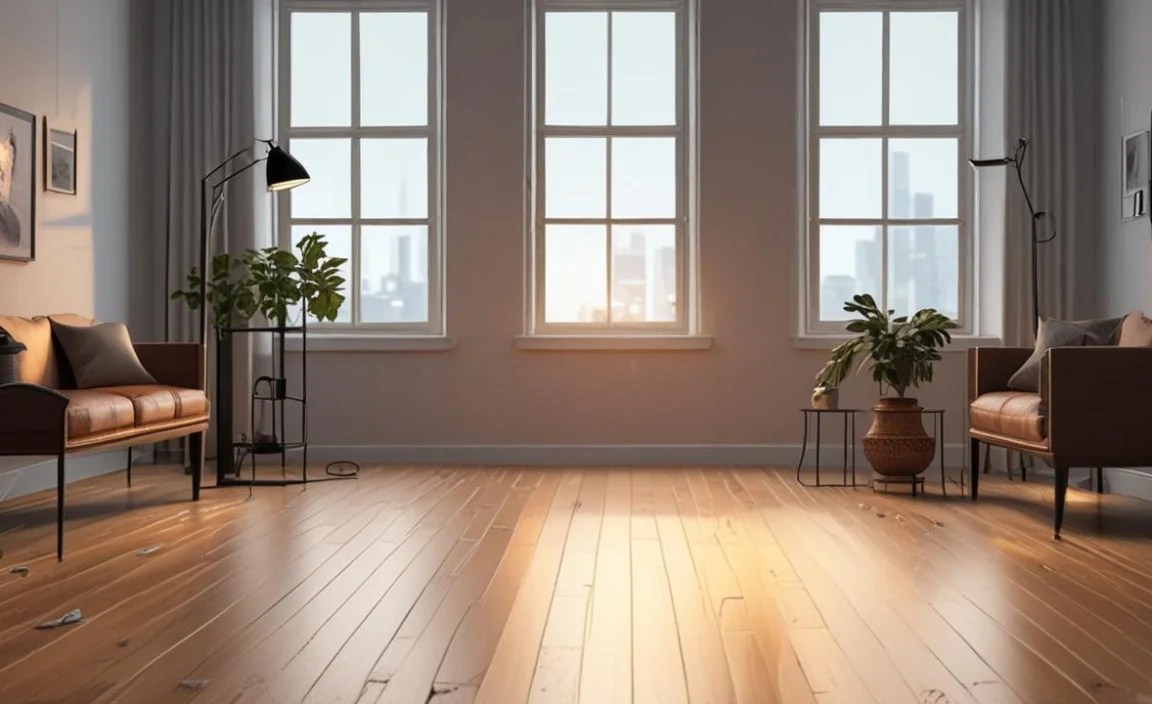
Sometimes, natural light isn’t enough. Maybe it’s a cloudy day, or you’re taking pictures at night. That’s when artificial light comes in handy! Artificial light is light from lamps, flashlights, or other light sources. It can help you brighten up your photos and make them look great. When using artificial light for lighting indoor photography, it’s important to be careful. Some lights can be too harsh and create strange shadows. But with a little practice, you can learn how to use artificial light to your advantage.
One way to soften artificial light is to use a lampshade. A lampshade helps to spread the light out and make it less harsh. You can also bounce the light off of a wall or ceiling. This will help to create a more even light in your photo. Experiment with different types of artificial light to see what works best for you. You might be surprised at how much of a difference it can make!
- Lamps can help brighten dark rooms.
- Flashlights can add light to small areas.
- Lampshades soften harsh light.
- Bounce light off walls and ceilings.
- Try different types of bulbs.
- Be careful of harsh shadows.
When using artificial light, pay attention to the color of the light. Some lights are warm and yellow, while others are cool and blue. The color of the light can affect the way your photos look. Warm light can make your photos look cozy and inviting. Cool light can make them look more modern and clean. Experiment with different colors of light to see what you like best. Just remember, artificial light can be a great tool for indoor photography. With a little practice, you can use it to create amazing photos!
Fun Fact or Stat: Some photographers use special lights called “softboxes” to make artificial light look more like natural light.
What Kinds of Lights Can I Use?
Imagine you’re putting on a play with your friends. You might use different lights to create different moods, right? A bright spotlight for exciting scenes, and a dim lamp for quiet moments. You can do the same thing with artificial light in indoor photography. You can use lamps, flashlights, or even the light from your phone. Experiment with different types of lights to see what kind of effect they create. You might be surprised at how many different options you have!
How Can I Make Light Less Harsh?
Pretend you’re trying to read a book outside on a sunny day. The bright sunlight might be too harsh on your eyes, right? You might put on a pair of sunglasses to soften the light. You can do something similar with artificial light in indoor photography. Try using a lampshade or bouncing the light off of a wall. This will help to spread the light out and make it less harsh. You can also use a diffuser, which is a special piece of material that softens light.
How Does Color of Light Matter?
Have you ever noticed how some lights make things look warm and cozy, while others make them look cold and sterile? That’s because light has different colors. In indoor photography, the color of the light can affect the way your photos look. Warm light can make your photos look inviting and comfortable. Cool light can make them look clean and modern. Think about the mood you want to create in your photo, and then choose a light color that matches that mood.
Camera Settings for Indoor Photography

Your camera has lots of different settings. These settings can help you take better photos. When you’re taking photos inside, you might need to adjust these settings. One important setting is called “ISO.” ISO controls how sensitive your camera is to light. If the room is dark, you might need to increase the ISO. This will make your camera more sensitive to light. But be careful! If you increase the ISO too much, your photos can look grainy.
Another important setting is called “aperture.” Aperture controls how much light enters your camera. A wider aperture lets in more light. This is good for taking photos in dark rooms. But a wider aperture can also make the background of your photo blurry. Another setting is called “shutter speed.” Shutter speed controls how long your camera’s shutter stays open. A slower shutter speed lets in more light. This is good for taking photos in dark rooms. But a slower shutter speed can also make your photos blurry if you move the camera.
- ISO controls light sensitivity.
- Aperture controls light amount.
- Shutter speed controls exposure time.
- Use a tripod for slow shutter speeds.
- Experiment with settings.
- Practice makes perfect!
Lighting indoor photography often requires some adjustments to your camera settings. If you’re not sure what settings to use, try experimenting. Take a few photos with different settings and see what looks best. You can also look up tutorials online or ask a photographer for help. With a little practice, you’ll be able to master your camera settings. You’ll be taking amazing indoor photography in no time!
Fun Fact or Stat: Professional photographers often use manual mode on their cameras, which allows them to control every setting and get the perfect shot.
What Does ISO Do?
Have you ever turned up the volume on your radio? When you turn up the volume, the radio gets louder. ISO is kind of like the volume control for your camera’s light sensitivity. If the room is dark, you can turn up the ISO to make your camera more sensitive to light. This will help you take brighter photos. But be careful! Turning up the ISO too much can make your photos look grainy. It’s like turning the volume up too loud on your radio. It can make the sound distorted.
How Does Aperture Help?
Imagine you’re looking through a window. If the window is small, you can’t see much, right? But if the window is big, you can see a lot more. Aperture is like the size of the window in your camera. It controls how much light enters the camera. A wider aperture lets in more light, which is good for taking photos in dark rooms. But a wider aperture can also make the background of your photo blurry. So, you need to find the right balance.
Why Use Shutter Speed?
Pretend you’re trying to catch a ball. If you close your hand too quickly, you might miss the ball. But if you close your hand too slowly, the ball will fly right past. Shutter speed is like how quickly your camera “catches” the light. It controls how long the camera’s shutter stays open. A slower shutter speed lets in more light, which is good for taking photos in dark rooms. But a slower shutter speed can also make your photos blurry if you move the camera.
Composition Tips for Indoor Photography

Composition is how you arrange things in your photo. Good composition can make your photos look more interesting and professional. When taking photos inside, there are a few things to keep in mind. First, think about the background. Make sure the background isn’t too cluttered or distracting. A clean background will help your subject stand out. Second, think about the rule of thirds. The rule of thirds says that you should divide your photo into nine equal parts with imaginary lines. Then, place your subject at one of the intersections of the lines. This will create a more balanced and interesting photo.
Third, think about the angle from which you’re taking the photo. Sometimes, a different angle can make all the difference. Try taking photos from above, below, or to the side. Experiment with different angles to see what looks best. Fourth, think about the colors in your photo. Colors can affect the mood of your photo. Warm colors like red and yellow can make your photos look cheerful. Cool colors like blue and green can make them look calm. Lighting indoor photography and composition are two very important parts of capturing the perfect photo.
- Keep backgrounds simple.
- Use the rule of thirds.
- Try different angles.
- Think about colors.
- Fill the frame.
- Get close to your subject.
Finally, don’t be afraid to experiment! The best way to learn about composition is to practice. Take lots of photos and try different things. See what works and what doesn’t. With a little practice, you’ll be able to create amazing photos with great composition. Just remember, composition is all about arranging things in a way that looks good. Have fun and be creative!
Fun Fact or Stat: Many famous paintings follow the rule of thirds, which shows how important composition is in art.
Why Does the Background Matter?
Have you ever tried to watch a movie in a noisy room? It’s hard to focus on the movie when there’s a lot of other stuff going on, right? The background in your photos is kind of the same thing. If the background is too cluttered or distracting, it can take away from your subject. A simple, clean background will help your subject stand out and make your photos look more professional.
What is the Rule of Thirds?
Imagine you’re drawing a tic-tac-toe board. You have two lines going across and two lines going down. The rule of thirds says that you should place the important parts of your photo where those lines intersect. This will make your photo look more balanced and interesting. It’s like a secret trick that photographers use to make their photos look amazing.
How Can Angles Change a Photo?
Pretend you’re taking a picture of a tall building. If you stand right in front of the building and take the photo, it might look kind of boring. But if you crouch down low and take the photo from below, the building will look much taller and more impressive. The angle from which you take a photo can make a big difference in how it looks. Experiment with different angles to see what kind of effect they create.
Editing Your Indoor Photos
Editing is like the final touch on your photos. It’s a way to make them look even better. You can use editing software to adjust the brightness, contrast, and colors in your photos. You can also use it to remove blemishes or other imperfections. There are lots of different editing software programs available. Some are free, and some cost money. Some are easy to use, and some are more complicated. Find one that works for you and start experimenting!
When editing your photos, it’s important to be careful not to overdo it. Too much editing can make your photos look fake and unnatural. The goal is to enhance your photos, not to completely change them. Start with small adjustments and see how they look. You can always make more changes later if you need to. And remember, editing is a matter of personal preference. What looks good to you might not look good to someone else. So, have fun and be creative!
- Adjust brightness and contrast.
- Correct colors.
- Remove blemishes.
- Crop photos.
- Sharpen images.
- Don’t over-edit.
Lighting indoor photography may not always be perfect when you take the initial shot. Editing can help you correct any problems with the lighting. You can brighten up dark photos, reduce harsh shadows, and adjust the colors to make them look more natural. Editing can also help you improve the overall composition of your photos. You can crop them to remove distractions or straighten them if they’re crooked. With a little practice, you can become a master of editing. You’ll be able to turn your ordinary photos into amazing works of art!
Fun Fact or Stat: The first photo editing software was created in the 1960s, long before computers were common in homes.
What Can Editing Software Do?
Imagine you’re baking a cake. You can use frosting, sprinkles, and other decorations to make the cake look even better, right? Editing software is like the frosting and sprinkles for your photos. You can use it to adjust the brightness, contrast, and colors in your photos. You can also use it to remove blemishes or other imperfections. It’s a way to add the finishing touches and make your photos look their best.
How Much Editing is Too Much?
Pretend you’re putting on makeup. A little bit of makeup can enhance your natural features and make you look great. But too much makeup can make you look fake and unnatural. Editing your photos is kind of the same thing. A little bit of editing can improve your photos and make them look better. But too much editing can make them look fake and unnatural. It’s important to find the right balance.
Can Editing Fix Bad Lighting?
Have you ever tried to fix a mistake in a drawing? Sometimes, you can erase the mistake and redraw it. But sometimes, the mistake is too big to fix. Editing can help you fix some problems with lighting in your photos. You can brighten up dark photos or reduce harsh shadows. But if the lighting is really bad, it might be hard to fix in editing. It’s always better to start with good lighting when you take the photo.
Gear for Better Indoor Photography
You don’t need a lot of fancy equipment to take great indoor photography. But there are a few things that can help. One useful tool is a tripod. A tripod is a stand that holds your camera steady. This is especially helpful when you’re taking photos in low light. A tripod will prevent your photos from being blurry. Another helpful tool is a reflector. A reflector is a surface that bounces light back onto your subject. This can help to fill in shadows and make the light more even.
You can also use different lenses for your camera. A wide-angle lens is good for taking photos of large spaces. A telephoto lens is good for taking photos of things that are far away. A macro lens is good for taking close-up photos of small objects. Experiment with different lenses to see what works best for you. And don’t forget about lighting! You can use lamps, flashlights, or other light sources to improve the lighting in your photos.
| Gear | Pros | Cons | Best For |
|---|---|---|---|
| Tripod | Prevents blur, steady shots | Can be bulky, needs setup | Low light, group photos |
| Reflector | Fills shadows, even light | Needs positioning, can be awkward | Portraits, product shots |
| Wide-Angle Lens | Captures wide scenes | Can distort edges | Rooms, landscapes |
| Macro Lens | Detailed close-ups | Shallow depth of field | Flowers, insects |
With a little bit of gear and a lot of creativity, you can take amazing indoor photography. Just remember to experiment and have fun! The most important thing is to keep practicing and learning. The more you practice, the better you’ll become. And who knows, maybe one day you’ll be a famous photographer!
Fun Fact or Stat: The most expensive camera lens in the world costs over $2 million!
Why Use a Tripod?
Have you ever tried to build a tower out of blocks? It’s hard to keep the tower from wobbling if you don’t have a steady base, right? A tripod is like a steady base for your camera. It helps to keep the camera from moving, which is especially important when you’re taking photos in low light. A tripod will prevent your photos from being blurry.
What Does a Reflector Do?
Imagine you’re playing outside on a sunny day. If you stand in the shade, it might be too dark to see clearly. But if you stand in the sun, it might be too bright. A reflector is like a way to bounce the sunlight back into the shade. It helps to fill in the shadows and make the light more even. This will make your photos look brighter and more balanced.
What are Different Camera Lenses For?
Pretend you’re looking through a telescope. A telescope helps you see things that are far away, right? Different camera lenses do different things. A wide-angle lens lets you see a wide view, like a big room. A telephoto lens lets you see things that are far away, like a bird in a tree. A macro lens lets you see things up close, like the details of a flower.
Indoor Photography Ideas to Try
Are you ready to start taking amazing indoor photography? Here are a few ideas to get you started! First, try taking photos of your pets. Pets are always fun to photograph, and they can make for some really cute pictures. Second, try taking photos of your toys. Toys can be a great subject for indoor photography, especially if you use creative lighting.
Third, try taking photos of food. Food photography is a popular genre, and it can be a lot of fun. Fourth, try taking photos of your family and friends. Family and friends are the most important subjects of all. Capture memories that you can cherish forever. Remember to pay attention to lighting and composition. With a little practice, you can take amazing photos of anything you want!
- Photograph your pets.
- Photograph your toys.
- Photograph food.
- Photograph family.
- Photograph friends.
- Photograph flowers.
Lighting indoor photography is important no matter what you’re photographing. Experiment with different lighting techniques to see what works best for you. You can use natural light, artificial light, or a combination of both. Just remember to have fun and be creative! The possibilities are endless when it comes to indoor photography.
Fun Fact or Stat: The most liked photo on Instagram is a picture of an egg!
Photographing Pets Indoors
Have you ever tried to take a picture of your dog or cat? They’re always moving around, right? It can be hard to get them to stay still long enough to take a good photo. Try using treats or toys to get their attention. You can also try taking photos of them when they’re sleeping. Sleeping pets are always adorable. And don’t forget to use good lighting!
Taking Toy Photos with Good Lighting
Imagine you’re creating a scene for a movie. You would want to use good lighting to make the scene look its best, right? You can do the same thing when you’re taking photos of your toys. Use lamps, flashlights, or other light sources to create interesting shadows and highlights. You can also use different colors of light to create different moods.
Capturing Great Food Photos
Pretend you’re a chef presenting a delicious meal. You would want to make the food look as appealing as possible, right? You can do the same thing when you’re taking photos of food. Use good lighting to show off the colors and textures of the food. You can also use props like plates, napkins, and utensils to create a more interesting composition.
Summary
Lighting indoor photography can be tricky, but it’s also a lot of fun. Good lighting is the key to taking great photos inside. You can use natural light from windows or artificial light from lamps. It’s important to understand how light affects your photos. Adjust your camera settings to help with different light levels.
Experiment with composition to create interesting photos. Editing can help you fix any problems with the lighting or composition. You don’t need a lot of fancy equipment to take great photos. With a little practice, you can become an indoor photography expert! Remember to have fun and be creative. The possibilities are endless!
Conclusion
Lighting indoor photography is like solving a fun puzzle. Understanding light, using your camera settings, and trying different ideas will help you take amazing pictures. Don’t be afraid to try new things. The more you practice, the better you’ll get. So grab your camera and start snapping photos!
Frequently Asked Questions
Question No 1: Why is lighting so important for indoor photography?
Answer: Lighting is super important because it helps your camera “see” the picture. Without enough light, the camera struggles to capture details and colors. Good lighting makes everything look clear and bright. It shows off all the cool things about your subject. Think of light as paint for your camera. It helps show colors and details. When you are lighting indoor photography subjects, be sure to have enough light.
Question No 2: What is the best way to use natural light indoors?
Answer: Natural light is like a gift from the sun! It’s soft and even, which means it doesn’t create harsh shadows. Position your subject near a window to get the most natural light. If the light is too strong, use a thin curtain to soften it. A thin curtain spreads the light out. Try different times of day to see what kind of light you like best for lighting indoor photography. Morning light is often warm and golden.
Question No 3: How can I use artificial light if I don’t have enough natural light?
Answer: Artificial light comes from lamps, flashlights, or other light sources. It can help brighten your photos. Use a lampshade to soften the light. You can also bounce the light off of a wall or ceiling. This creates a more even light. Pay attention to the color of the light. Some lights are warm, and some are cool. Experiment with different types of artificial lights for lighting indoor photography.
Question No 4: What camera settings should I use for indoor photography?
Answer: Your camera has lots of settings that can help you take better photos. ISO controls how sensitive your camera is to light. Aperture controls how much light enters your camera. Shutter speed controls how long the shutter stays open. If the room is dark, increase the ISO or use a wider aperture. Use a tripod for slow shutter speeds. Experiment with different settings to see what looks best. When you are lighting indoor photography subjects be sure to check your camera settings.
Question No 5: What are some composition tips for taking indoor photos?
Answer: Composition is how you arrange things in your photo. Keep the background simple and clean. Use the rule of thirds by dividing your photo into nine equal parts. Place your subject at one of the intersections. Try taking photos from different angles. Think about the colors in your photo. Experiment and have fun! Good composition makes your photos look interesting.
Question No 6: Can I edit my photos to improve the lighting?
Answer: Yes, editing can help make your photos look even better. You can adjust the brightness, contrast, and colors. You can also remove blemishes or other imperfections. Be careful not to overdo it. Too much editing can make your photos look fake. Editing can help correct problems with lighting indoor photography if it wasn’t quite right when you took the photo. Start with small changes and see how they look.
