Have you ever seen a really cool garden? Did it have neat rocks or pretty paths? Some gardens use a special rock called limestone. Limestone for gardens can make them look amazing. It can also help plants grow better.
Limestone is a rock made from tiny shells. It is often light in color. People have used it for buildings for a long time. Now, people use limestone for gardens too! It can make your yard a fun place to play.
Is your garden missing something special? Maybe it needs limestone! It might be just what you need. Limestone for gardens can change everything. It can make your plants happy and your yard beautiful.
Key Takeaways
- Limestone can help balance the soil’s pH, making it better for plants.
- Using limestone for gardens adds a natural and beautiful touch to any landscape.
- Limestone is durable and lasts a long time, saving you money in the long run.
- It can be used to create pathways, walls, or decorative features.
- Limestone helps improve drainage in your garden, preventing water from pooling.
Using Limestone Rocks for Gardens
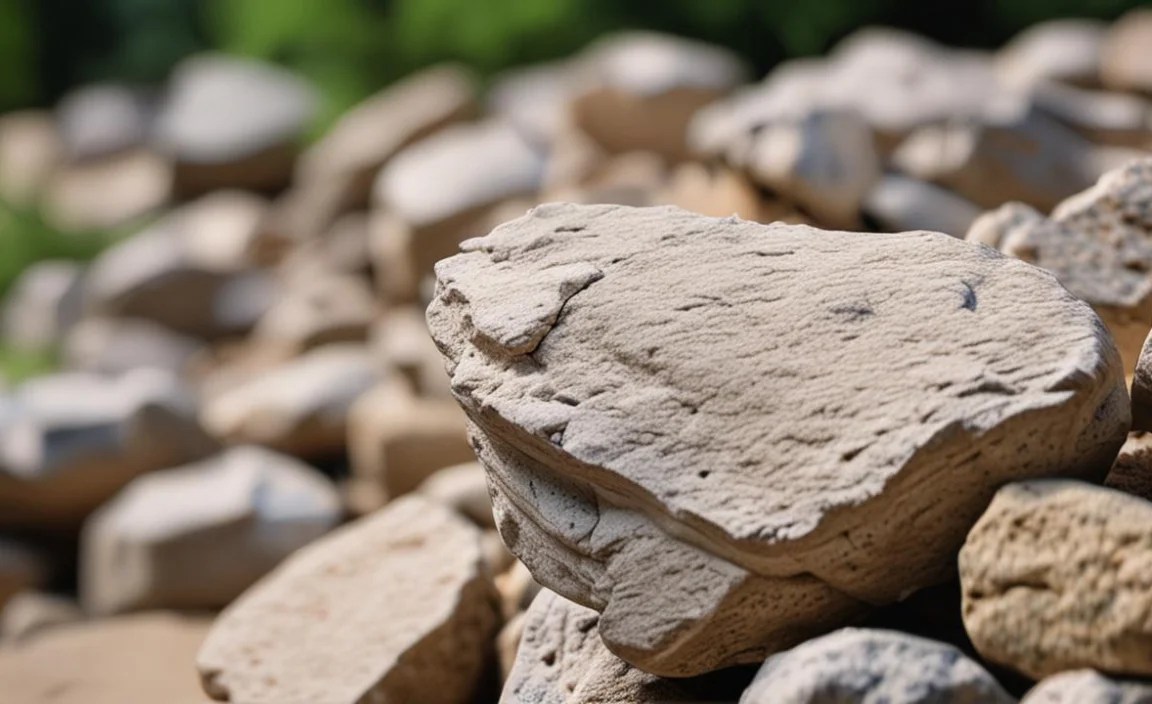
Limestone rocks for gardens are super cool. They can make your garden look like a fairy tale. You can use big limestone rocks to make borders. Borders are like fences for your plants. They keep everything in place. Little rocks can make pretty paths. Paths help you walk around your garden. You do not have to step on the plants. You can even build a small limestone wall. It will look like a tiny castle. Limestone comes in different shapes and sizes. You can find the perfect rocks for your garden. Limestone is also very strong. It will not break easily. This means your garden will look great for a long time. Using limestone rocks for gardens is a fun way to be creative. You can make your garden a special place. Think about all the fun things you can build! What will you create with your limestone?
- Create rock gardens with different limestone sizes.
- Use limestone to edge flower beds neatly.
- Build small retaining walls with limestone blocks.
- Make a dry creek bed using limestone pebbles.
- Design a limestone patio for outdoor seating.
Do you know why limestone is good for plants? It helps the soil. Soil is like food for plants. Sometimes, the soil is not very good. It might be too acidic. This means it has too much acid. Plants do not like too much acid. Limestone can fix this. It makes the soil less acidic. Then, plants can grow better. They get all the food they need. Limestone also helps with water. It helps the water drain. If there is too much water, the plants can drown. Limestone helps the water go away. This keeps the plants healthy. Using limestone rocks for gardens is not just about looks. It is also about helping your plants grow. So, you can have a pretty and healthy garden!
Fun Fact or Stat: Limestone is made of calcium carbonate. This helps neutralize acidic soil. Some limestone rocks are millions of years old!
How to Choose Limestone Rocks
Choosing limestone rocks can be fun. Do you like big rocks or small rocks? Think about what you want to do with them. If you want to build a wall, you need big rocks. If you want to make a path, you need small rocks. Look at the color of the limestone. Some are white, and some are grey. Pick the color you like best. Make sure the rocks are strong. You do not want them to break. Ask a grown-up to help you. They can help you find the best limestone rocks. Remember to have fun! Making your garden beautiful is a great project. What colors and sizes will you choose for your limestone?
Building a Limestone Pathway
Have you ever walked on a limestone path? It feels so nice! Building one is not too hard. First, you need to plan your path. Where do you want it to go? Then, dig a little trench. A trench is like a small ditch. Put the limestone rocks in the trench. Make sure they are flat. You do not want anyone to trip. Fill the spaces between the rocks with sand. Sand helps keep the rocks in place. Now you have a beautiful path! You can walk on it and enjoy your garden. Building a limestone pathway is a fun project. It makes your garden look even better. Imagine walking on your new path every day!
Maintaining Your Limestone Features
Once you have limestone in your garden, you need to take care of it. Clean the rocks sometimes. You can use a hose to wash them. This will keep them looking nice. Check for cracks. If you see a crack, fix it. You do not want the rock to break. Keep plants away from the limestone. Sometimes, plants can grow on the rocks. This can make the rocks look dirty. Pull the plants off gently. Taking care of your limestone will make it last longer. Then, your garden will look beautiful for many years. What steps will you take to keep your limestone in good shape?
Limestone Gravel for Garden Paths

Limestone gravel for garden paths is a great idea. Gravel is made of small pieces of rock. It is perfect for making paths. It is easy to walk on. It also looks very pretty. You can use limestone gravel to make a path through your flowers. It will look like a magical trail. Limestone gravel comes in different colors. You can choose the color you like best. White gravel looks very clean. Gray gravel looks more natural. You can even mix the colors. This will make your path look unique. Limestone gravel is also good for your plants. It helps water drain away. This keeps the plants from getting too wet. Using limestone gravel for garden paths is a smart choice. It makes your garden beautiful and healthy. What color gravel will you choose?
- Use limestone gravel to create a rustic garden path.
- Mix different sizes of gravel for a unique texture.
- Add a border to your gravel path with larger stones.
- Use gravel to fill in spaces between stepping stones.
- Choose a color that complements your garden’s theme.
- Rake the gravel regularly to keep it looking tidy.
Have you ever tried to walk on a muddy path? It is not very fun! Your shoes get all dirty. You might even slip and fall. Limestone gravel can fix this problem. It helps the water drain away. This means the path will not be muddy. You can walk on it even after it rains. Limestone gravel for garden paths is very useful. It makes your garden more enjoyable. You can walk around without getting dirty. You can also show off your beautiful garden to your friends. They will love walking on your limestone path. It is a great way to add beauty and function to your garden. Imagine how much fun you will have exploring your garden on a clean, dry path!
Fun Fact or Stat: Limestone gravel is often used in formal gardens for its clean, bright appearance. It reflects sunlight, making paths easier to see.
Preparing the Path for Gravel
Before you put down the limestone gravel, you need to prepare the path. First, clear the area. Remove any grass or weeds. You want a clean surface. Then, put down a layer of fabric. This fabric keeps weeds from growing up through the gravel. It is like a shield for your path. Next, spread the limestone gravel evenly. Use a rake to make it smooth. Now your path is ready to use! Preparing the path carefully will make it last longer. It will also look much nicer. What steps will you take to prepare your path for limestone gravel?
Choosing the Right Size Gravel
The size of the limestone gravel matters. Small gravel is good for walking on. It is smooth and easy to manage. Big gravel can be used for decoration. It adds a nice texture to the path. You can even mix small and big gravel. This will make your path look more interesting. Think about what you want your path to look like. Then, choose the right size gravel. The right size will make your path perfect. What size limestone gravel do you think would look best in your garden?
Maintaining Your Gravel Path
Keeping your limestone gravel path looking nice is easy. Rake it regularly. This will keep it smooth and even. Remove any weeds that grow. You do not want weeds ruining your path. Add more gravel if needed. Sometimes, the gravel can get thin. Adding more will keep the path looking full. Wash the gravel if it gets dirty. You can use a hose to clean it. Taking care of your gravel path will make it last longer. It will also keep your garden looking beautiful. What tools will you use to maintain your limestone gravel path?
Limestone Boulders for Garden Design

Limestone boulders for garden design are awesome. Boulders are big, cool rocks. They can make your garden look like a mountain. You can use limestone boulders to create a focal point. A focal point is something that catches your eye. It makes your garden more interesting. You can also use boulders to make a natural wall. This wall can keep soil in place. It can also create a private space. Limestone boulders come in different shapes and sizes. You can find the perfect boulder for your garden. Some boulders are smooth, and some are rough. Some are light, and some are dark. Using limestone boulders for garden design is a fun way to be creative. You can make your garden a unique and special place. What kind of boulder will you choose for your garden?
- Use limestone boulders to create a dramatic landscape.
- Arrange boulders to mimic a natural rock formation.
- Plant flowers around boulders for a pop of color.
- Use boulders to define different areas of the garden.
- Place a boulder near a water feature for a serene look.
- Choose boulders with interesting textures and patterns.
- Add small plants in the crevices of the boulders.
Imagine you are walking in a forest. You see big rocks covered in moss. They look so natural and beautiful. You can create the same feeling in your garden. Limestone boulders for garden design can help you do this. They add a sense of age and history. They make your garden feel more peaceful. You can even add plants around the boulders. This will make them look even more natural. Ferns and moss are great choices. They grow well in shady areas. Limestone also provides a home for small creatures. Bugs and insects will love living around the boulders. Your garden will become a living, breathing ecosystem. It is a great way to connect with nature. How will you use limestone boulders to create a natural space?
Fun Fact or Stat: Large limestone boulders can weigh several tons. They require special equipment to move and place them in your garden.
Selecting the Right Boulders
Choosing the right limestone boulders is important. Look for boulders with interesting shapes. You want them to stand out. Check the color of the boulders. Make sure it matches your garden’s theme. Consider the size of the boulders. They should be proportional to your garden. Too big, and they will overwhelm the space. Too small, and they will get lost. Ask a professional for help if needed. They can give you advice on selecting the best boulders. What features will you look for when selecting your limestone boulders?
Placing Boulders Strategically
Where you put the limestone boulders matters. Place them in areas where they will have the most impact. Use them to create pathways. They can guide people through your garden. Group them together to create a focal point. This will draw attention to a specific area. Make sure the boulders are stable. You do not want them to fall over. Bury them slightly in the ground. This will make them more secure. How will you arrange your limestone boulders to create the best effect?
Enhancing Boulders with Plants
Adding plants around limestone boulders makes them look even better. Choose plants that complement the boulders. Ferns and moss are great options. They add a soft, natural touch. Flowers can add a pop of color. Choose flowers that match your garden’s theme. Plant the flowers around the base of the boulders. This will create a beautiful contrast. Water the plants regularly. This will keep them healthy and vibrant. What plants will you choose to enhance your limestone boulders?
Limestone Stepping Stones for Gardens

Limestone stepping stones for gardens are super useful. They let you walk through your garden. You do not have to step on the plants. They also look very nice. Limestone stepping stones come in different shapes. Some are round, and some are square. Some are big, and some are small. You can choose the ones you like best. You can make a path with the stepping stones. The path can lead to your favorite flowers. It can also lead to a secret garden. Limestone stepping stones are strong. They will not break easily. This means you can walk on them for a long time. Using limestone stepping stones for gardens is a great idea. It makes your garden more fun and easy to explore. What shape stepping stones will you choose?
- Create a winding path with limestone stepping stones.
- Use different sizes of stones for visual interest.
- Plant ground cover between the stones for a lush look.
- Place stones close together for easy walking.
- Choose stones that match your garden’s style.
- Add lighting along the path for nighttime ambiance.
- Make sure the stones are level to prevent tripping.
Have you ever tried to walk through a garden after it rains? It can be very slippery. You might fall and get muddy. Limestone stepping stones can help. They give you a safe place to walk. You do not have to worry about slipping. They also protect your plants. You will not step on them by accident. Limestone stepping stones for gardens are a great addition. They make your garden safer and more enjoyable. You can walk around and admire your plants without any worries. It is a simple way to make a big difference in your garden. Imagine how much easier it will be to care for your plants with a clear, safe path!
Fun Fact or Stat: Limestone stepping stones can last for decades with proper care. They are a durable and long-lasting addition to any garden.
Installing Stepping Stones Correctly
Putting in limestone stepping stones is easy. First, decide where you want the path to go. Then, dig a small hole for each stone. Make sure the hole is big enough. Put the stone in the hole. Make sure it is level. You do not want it to wobble. Fill the space around the stone with soil. Press the soil down firmly. Now your stepping stone is ready to use! Installing the stones correctly will make them safer. It will also make them last longer. What tools will you need to install your limestone stepping stones?
Spacing Stepping Stones Appropriately
The distance between limestone stepping stones is important. You want to be able to walk comfortably. The stones should not be too far apart. You also do not want them to be too close together. A good rule is to space them about one step apart. This will make it easy to walk on the path. Try walking on the path before you finish. This will help you find the perfect spacing. How will you decide on the best spacing for your limestone stepping stones?
Decorating Around Stepping Stones
Making the area around limestone stepping stones look nice is fun. You can plant flowers along the path. Choose flowers that match your garden’s theme. You can also add small rocks. These rocks can fill the space between the stones. This will make the path look more natural. You can even add lights. This will make the path look beautiful at night. Decorating around the stones will make your garden even more special. What decorations will you add to your limestone stepping stone path?
Limestone as a Soil Amendment for Gardens

Limestone as a soil amendment for gardens is very helpful. Soil needs to be just right for plants. Sometimes, soil is too acidic. This means it has too much acid. Plants do not like this. Limestone can fix this problem. It makes the soil less acidic. It balances the soil. Then, plants can grow better. They get the nutrients they need. Limestone also adds calcium to the soil. Calcium is like a vitamin for plants. It helps them grow strong. Using limestone as a soil amendment for gardens is a smart idea. It helps your plants stay healthy and happy. Have you tested your garden soil recently?
| Benefit | Description | How it Helps |
|---|---|---|
| Reduces Acidity | Limestone neutralizes acidic soil. | Creates a better environment for plants. |
| Adds Calcium | Limestone provides calcium to the soil. | Strengthens plant cell walls. |
| Improves Nutrient Uptake | Balanced pH helps plants absorb nutrients. | Plants grow healthier and stronger. |
| Enhances Soil Structure | Limestone improves soil structure. | Better drainage and aeration for roots. |
- Test your soil’s pH before adding limestone.
- Use ground limestone for best results.
- Mix limestone evenly into the soil.
- Apply limestone in the fall or early spring.
- Follow the instructions on the limestone package.
- Water the soil after applying limestone.
Imagine your plants are feeling sick. They are not growing well. Their leaves are turning yellow. This could mean the soil is too acidic. You can use limestone as a soil amendment for gardens to help them. It is like giving them medicine. The limestone will make the soil healthier. The plants will start to grow again. Their leaves will turn green. They will be strong and happy. Using limestone is a simple way to care for your plants. It can make a big difference in their health. Think about how much better your garden will look with healthy, thriving plants. How will you use limestone to improve your garden’s soil?
Fun Fact or Stat: Different plants prefer different soil pH levels. Limestone helps create the right pH for many common garden plants.
Testing Your Soil’s pH Level
Before you use limestone, test your soil. You can buy a soil test kit at a garden store. Follow the instructions on the kit. It will tell you the pH level of your soil. If the pH is too low, your soil is too acidic. Then, you can add limestone. Testing your soil is important. It helps you know how much limestone to use. How will you test your soil to determine if it needs limestone?
Applying Limestone Correctly
When you add limestone, follow the instructions. Use the right amount. Too much limestone can be bad for your plants. Spread the limestone evenly over the soil. Mix it in well. Water the soil after you add the limestone. This helps it work better. Applying limestone correctly will help your plants grow strong. What steps will you take to ensure you apply limestone correctly in your garden?
Monitoring Your Soil After Application
After you add limestone, check your soil again. Test the pH level. See if it has improved. If it is still too acidic, you may need to add more limestone. Monitor your plants. See if they are growing better. Healthy plants are a sign that the limestone is working. Checking your soil regularly will help you keep your garden healthy. How often will you check your soil after applying limestone?
Cost-Effective Landscaping with Limestone
Cost-effective landscaping with limestone is smart. Limestone is not too expensive. It can make your garden look great. You can use it to build walls. You can use it to make paths. You can even use it to decorate. Limestone lasts a long time. You do not have to replace it often. This saves you money. Limestone is also easy to find. You can buy it at most garden stores. Using limestone for landscaping is a good idea. It looks nice, and it does not cost too much. Have you considered using limestone to save money on your garden?
- Use limestone to create low-maintenance garden features.
- Buy limestone in bulk to save money.
- Use recycled limestone for an eco-friendly option.
- Choose local limestone to reduce transportation costs.
- Compare prices from different suppliers before buying.
- Use limestone to prevent soil erosion, saving on repairs.
Imagine you want to make your garden look amazing. But you do not want to spend a lot of money. Limestone is the perfect solution. It is a natural material. It looks beautiful. It also does not cost a fortune. You can create stunning landscapes without breaking the bank. Cost-effective landscaping with limestone is a great way to improve your home’s value. It also makes your garden a more enjoyable place to be. Think about all the creative things you can do with limestone. How will you use limestone to create a beautiful and affordable garden?
Fun Fact or Stat: Limestone is a sustainable landscaping material. It is a natural resource that is abundant in many areas.
Finding Affordable Limestone Suppliers
To save money, find affordable limestone suppliers. Shop around and compare prices. Look for local suppliers. They may have lower prices. Ask about discounts. Some suppliers offer discounts for large orders. Check online for deals. You can often find good prices online. Finding the right supplier will help you save money. How will you find affordable limestone for your landscaping project?
Using Limestone in DIY Projects
Doing DIY projects with limestone can save you money. Build your own walls. Make your own paths. Create your own decorations. There are many tutorials online. They can teach you how to work with limestone. DIY projects are fun and rewarding. They also save you money on labor costs. What DIY projects will you try with limestone in your garden?
Maintaining Limestone to Extend Its Life
Taking care of your limestone will make it last longer. Clean it regularly. Repair any cracks or damage. Protect it from harsh weather. This will prevent it from deteriorating. Maintaining your limestone will save you money in the long run. You will not have to replace it as often. What steps will you take to maintain your limestone and extend its life?
Summary
Limestone for gardens is a great idea. It can make your garden look beautiful. You can use it for many things. You can build walls and paths. You can use it as stepping stones. Limestone also helps your plants grow. It makes the soil better. It adds important nutrients. Limestone is not too expensive. It is a cost-effective way to landscape. You can find it at most garden stores. Remember to choose the right type of limestone for your needs. Have fun creating your dream garden with limestone!
Conclusion
Using limestone for gardens is a fantastic choice. It can transform your outdoor space. You can create beautiful and functional features. Limestone helps your plants thrive. It also adds a natural touch to your landscape. It is a durable and cost-effective material. Consider using limestone in your garden today. You will be amazed at the results. Enjoy your beautiful, limestone-enhanced garden for years to come.
Frequently Asked Questions
Question No 1: What is limestone?
Answer: Limestone is a type of rock. It is made mostly of calcium carbonate. This comes from the shells of tiny sea creatures. Limestone is often used in building and landscaping. It is a strong and durable material. It can also help improve soil quality. Limestone comes in different colors and textures. It is a versatile material for many uses. It is a popular choice for gardens because it looks nice and is good for plants. You can find limestone in many places around the world.
Question No 2: How does limestone help plants grow?
Answer: Limestone helps plants grow in several ways. First, it reduces soil acidity. Many plants do not like acidic soil. Limestone neutralizes the acid, making the soil better for plants. Second, it adds calcium to the soil. Calcium is an important nutrient for plants. It helps them grow strong and healthy. Third, limestone improves soil structure. This helps water and air reach the plant roots. All of these things help plants thrive. Using limestone for gardens can make a big difference in plant health.
Question No 3: Can I use any type of limestone in my garden?
Answer: Not all types of limestone are the same. Some are better for gardens than others. Ground limestone is a good choice. It is finely ground, so it mixes easily with the soil. Avoid using limestone that is too coarse. It will not break down easily. Also, check the limestone for any harmful chemicals. You want to use a natural product that is safe for your plants and the environment. Ask your garden store for advice on the best type of limestone for your garden.
Question No 4: How much limestone should I use in my garden?
Answer: The amount of limestone you need depends on your soil. Test your soil’s pH level first. This will tell you how acidic your soil is. Follow the instructions on the limestone package. They will tell you how much to use based on your soil’s pH. It is important to use the right amount. Too much limestone can be harmful. It can make the soil too alkaline. Start with a small amount and test your soil again after a few weeks. You can always add more if needed.
Question No 5: How often should I apply limestone to my garden?
Answer: You do not need to apply limestone very often. Usually, once every few years is enough. Test your soil regularly to check the pH level. If the pH starts to drop, you can add more limestone. The frequency depends on your soil type and the plants you are growing. Some plants need more limestone than others. Pay attention to your plants. If they are not growing well, test your soil. It might be time to add more limestone.
Question No 6: Is limestone safe for pets and children?
Answer: Yes, limestone is generally safe for pets and children. It is a natural material. It does not contain harmful chemicals. However, it is always a good idea to keep pets and children away from limestone while you are applying it. Dust from the limestone can irritate their eyes and lungs. Once the limestone is mixed into the soil, it is safe for them to be in the garden. Always wash your hands after handling limestone.
