Have you ever built a sandcastle? Did you use the same tools every time? Garden tools are like sandcastle tools. They help us make our gardens beautiful. But what happens when our tools get rusty or dirty? Maintaining garden tools is very important. It keeps them working well for a long time.
Taking care of your tools is easier than you think. It also makes gardening more fun. Let’s learn how to keep our garden tools in tip-top shape!
Key Takeaways
- Regular cleaning and drying are essential for maintaining garden tools effectively.
- Sharpening blades ensures clean cuts and prevents damage to your plants.
- Proper storage protects tools from rust and weather, prolonging their life.
- Oiling moving parts keeps your tools working smoothly and prevents sticking.
- Handle care, like sanding and sealing wood, prevents splintering and breakage.
Why Maintaining Garden Tools Matters

Have you ever tried cutting a tomato with a dull knife? It’s hard! The same is true for garden tools. When we don’t take care of them, they become dull and rusty. This makes gardening harder. Dull tools can also hurt your plants. A clean cut helps plants grow better. A jagged cut can let in disease. Maintaining garden tools helps them work their best. Clean tools also make gardening more fun. You don’t have to struggle as much. Plus, taking care of your tools saves money. You won’t have to replace them as often. Think of it like brushing your teeth. You brush them to keep them healthy. We clean our garden tools to keep them healthy too.
- Clean tools cut better.
- Sharp tools are safer.
- Clean tools prevent plant diseases.
- Well-maintained tools last longer.
- It saves you money.
Imagine your favorite shovel, shiny and new. Now imagine it covered in mud and rust. Which shovel would you rather use? Taking care of your tools shows you respect them. It also shows you respect your garden. When you care for your tools, they will care for your garden. It’s a win-win! So, let’s learn how to keep those tools sparkling. Remember, a little care goes a long way. You will have happy tools and a happy garden. Maintaining garden tools is not just a chore; it’s an act of kindness.
Fun Fact or Stat: Did you know that properly maintained garden tools can last up to 10 times longer than neglected ones?
Cleaning Garden Tools After Use
Do you wash your hands after playing outside? Cleaning your garden tools is just as important. Dirt and grime can cause rust. Rust makes tools hard to use. After each use, wipe your tools down with a damp cloth. Remove any soil or plant matter. For tougher dirt, use a scrub brush. You can also use a hose to rinse them off. Make sure to dry your tools completely. Water can cause rust. A clean tool is a happy tool. Maintaining garden tools starts with simple cleaning. This small step can make a big difference. It keeps your tools working well for years to come. Always remember to clean, dry, and store your tools properly.
Drying Tools to Prevent Rust
Imagine leaving a wet bike outside. What happens? It gets rusty! The same thing happens to garden tools. After cleaning, it’s important to dry them well. Use a clean cloth to wipe off all the water. You can also let them air dry in the sun. But be careful! Don’t leave them in the sun for too long. The sun can damage wooden handles. Make sure every part of the tool is dry. Pay special attention to metal parts. Rust can form quickly. Maintaining garden tools includes proper drying. It’s a simple step that prevents a lot of damage. Dry tools are happy tools!
Proper Garden Tool Storage Ideas
Where do you keep your toys? Probably in a toy box or on a shelf, right? Garden tools need a home too. Storing them properly protects them from the weather. It also keeps them from getting lost. A shed or garage is a great place to store tools. You can also use a storage bin. Make sure the area is dry. Moisture can cause rust. Hang your tools on hooks. This keeps them off the ground. It also makes them easy to find. Maintaining garden tools includes proper storage. A little planning can keep your tools safe and sound. Think of it as giving your tools a cozy home.
Sharpening Blades for Better Cutting

Have you ever tried cutting paper with dull scissors? It’s frustrating! Dull garden tools are just as frustrating. They tear and rip instead of cutting cleanly. This can hurt your plants. Sharpening blades makes cutting easier. It also helps your plants stay healthy. Sharp tools make clean cuts. Clean cuts heal faster. You can use a file or a sharpening stone. Hold the tool at the correct angle. Carefully run the blade along the stone. Always wear gloves to protect your hands. Maintaining garden tools includes regular sharpening. It keeps your tools working like new. Remember, a sharp tool is a safe tool.
- Sharp blades cut cleanly.
- It prevents plant damage.
- Sharp tools are safer to use.
- It makes gardening easier.
- Sharpening saves energy.
- Sharp blades last longer.
Imagine trying to dig in hard soil with a dull shovel. It’s hard work! A sharp shovel cuts through the soil easily. Sharpening your tools makes gardening more enjoyable. It also makes it more efficient. You can get more done in less time. Think of sharpening as giving your tools a tune-up. Just like a car needs a tune-up, your tools need sharpening. This keeps them running smoothly. So, grab your file and get sharpening! Your garden will thank you. Maintaining garden tools through sharpening is an important part of gardening.
Fun Fact or Stat: A sharp hoe can weed a garden bed twice as fast as a dull one!
Identifying When a Tool Needs Sharpening
How do you know when your pencil needs sharpening? It doesn’t write as well! Garden tools are the same. If your pruners are crushing stems instead of cutting, they need sharpening. If your shovel is bouncing off the soil, it needs sharpening. Look for nicks or dents on the blade. These can make cutting difficult. Test the tool on a piece of wood. If it tears or rips, it’s time to sharpen. Maintaining garden tools requires knowing when they need attention. Pay attention to how your tools perform. This will help you keep them in top shape. A little observation goes a long way.
Tools Needed for Sharpening Garden Tools
Imagine baking a cake without the right tools. It would be hard! Sharpening garden tools requires the right tools too. You’ll need a file or a sharpening stone. A sharpening stone is a flat piece of stone. It comes in different grits. A file is a metal tool with a rough surface. You might also need a vise to hold the tool steady. Wear gloves to protect your hands. Safety glasses are also a good idea. These protect your eyes from metal shavings. Maintaining garden tools safely requires the right equipment. Gather your supplies and get ready to sharpen!
Step-by-Step Sharpening Guide
Have you ever followed a recipe? Sharpening tools is like following a recipe. You need to follow the steps carefully. First, clean the blade. Remove any dirt or rust. Next, secure the tool in a vise. This keeps it from moving. Hold the file or sharpening stone at the correct angle. Usually, this is about 20-30 degrees. Run the blade along the stone in one direction. Use smooth, even strokes. Repeat this several times. Check the blade for sharpness. If it’s still dull, repeat the process. Maintaining garden tools involves careful sharpening. Follow these steps for sharp and effective tools. Always be careful and take your time.
Cleaning and Oiling Moving Parts

Have you ever seen a rusty bike chain? It’s hard to pedal! The same thing happens to garden tools with moving parts. Pruners, shears, and loppers have hinges and joints. These need to be kept clean and oiled. Dirt and rust can make them stick. This makes them hard to use. Clean the moving parts with a brush. Remove any dirt or debris. Then, apply a few drops of oil. Use a light machine oil. Wipe off any excess oil. Maintaining garden tools with moving parts requires regular cleaning and oiling. This keeps them working smoothly. It also prevents wear and tear. Oiled tools are happy tools!
- Oiling prevents sticking.
- It makes tools easier to use.
- Oiling protects against rust.
- It extends the life of the tool.
- Regular oiling saves energy.
- It keeps tools working smoothly.
Imagine trying to cut a branch with sticky pruners. It’s hard work! Oiled pruners cut through branches easily. Oiling your tools makes gardening more enjoyable. It also makes it more efficient. You can get more done in less time. Think of oiling as giving your tools a spa day. Just like you enjoy a relaxing spa day, your tools enjoy a little oil. This keeps them running smoothly. So, grab your oil and get oiling! Your garden will thank you. Maintaining garden tools through oiling is an important part of gardening.
Fun Fact or Stat: A well-oiled pruner requires 50% less force to cut through a branch!
Identifying Moving Parts That Need Attention
Have you ever noticed a squeaky door? It needs oil! Garden tools with moving parts will also tell you when they need attention. If the tool is hard to open or close, it needs oil. If the blades are sticking, it needs oil. Look for rust or dirt around the joints. These are signs that the tool needs cleaning and oiling. Maintaining garden tools means paying attention to the signs. Listen to your tools. They will tell you what they need. A little observation can prevent big problems.
Choosing the Right Oil for Garden Tools
Imagine using the wrong kind of gas in your car. It wouldn’t run well! The same is true for garden tools. You need to use the right kind of oil. Use a light machine oil. This type of oil is designed for moving parts. Avoid using cooking oil or vegetable oil. These can attract dirt and grime. They can also become sticky over time. Maintaining garden tools requires using the right products. Choose a high-quality oil for best results. Your tools will thank you.
How to Apply Oil Properly
Have you ever put too much syrup on your pancakes? It can be messy! Applying oil to garden tools is the same. You don’t want to use too much. Start by cleaning the moving parts. Remove any dirt or debris. Then, apply a few drops of oil to each joint. Work the oil into the joint by moving the tool back and forth. Wipe off any excess oil with a clean cloth. Maintaining garden tools includes proper oil application. A little oil goes a long way. Your tools will work smoothly and efficiently.
Handle Care: Wood and Metal

Have you ever gotten a splinter from a wooden handle? Ouch! Wooden handles need special care. They can dry out and crack. Metal handles can rust. Both types of handles need to be kept clean and protected. For wooden handles, sand them down if they are rough. Apply a coat of linseed oil or varnish. This protects the wood from moisture. For metal handles, clean them with a wire brush. Remove any rust. Apply a coat of paint or rust-resistant coating. Maintaining garden tools includes handle care. This keeps your tools comfortable to use. It also prevents damage and extends their life.
- Sanding prevents splinters.
- Sealing protects wood from moisture.
- Painting prevents rust on metal.
- It makes tools more comfortable.
- Handle care extends tool life.
Imagine holding a smooth, comfortable shovel handle. It feels good, right? Taking care of your handles makes gardening more enjoyable. It also makes it safer. A broken handle can be dangerous. Think of handle care as giving your tools a makeover. Just like you enjoy a fresh haircut, your tools enjoy a little handle TLC. This keeps them looking and feeling their best. So, grab your sandpaper and get to work! Your hands will thank you. Maintaining garden tools through handle care is an important part of gardening.
Fun Fact or Stat: A well-maintained wooden handle can last for generations!
Protecting Wooden Handles from Weather
Have you ever left a wooden toy outside in the rain? It can warp and crack! Wooden handles are the same. They need to be protected from the weather. Store your tools in a dry place. Avoid leaving them outside in the sun or rain. Apply a coat of linseed oil or varnish to the wood. This helps to seal it and protect it from moisture. Maintaining garden tools includes protecting wooden handles. A little care can prevent a lot of damage. Keep your handles dry and protected.
Repairing Damaged Handles
Imagine trying to use a tool with a broken handle. It’s impossible! Damaged handles need to be repaired. If the handle is cracked, you can try to glue it back together. Use a strong wood glue. Clamp the handle together until the glue dries. If the handle is broken, you may need to replace it. You can buy replacement handles at most hardware stores. Maintaining garden tools sometimes means repairing damage. Don’t give up on a tool just because the handle is broken. A little repair can save you money.
Metal Handle Maintenance Tips
Have you ever seen a rusty swing set? It’s not very fun! Metal handles can rust if they are not properly maintained. Clean the handles with a wire brush. Remove any rust. Apply a coat of paint or rust-resistant coating. This will protect the metal from moisture. Maintaining garden tools with metal handles requires regular cleaning and protection. Keep your handles rust-free and strong. This will keep your tools working well for years to come.
Preventing Rust and Corrosion
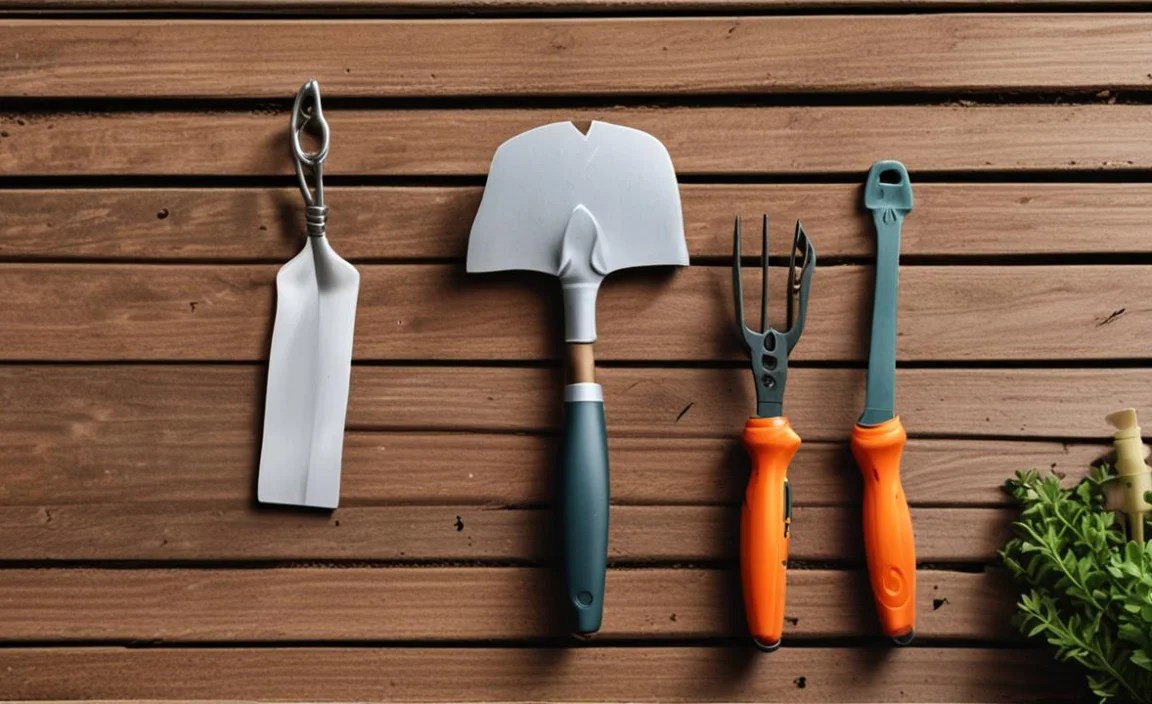
Have you ever seen a rusty car? Rust can ruin metal! Rust and corrosion are the enemies of garden tools. They can weaken the metal and make the tools unusable. The best way to prevent rust is to keep your tools clean and dry. After each use, wipe them down with a damp cloth. Dry them thoroughly. Store them in a dry place. You can also apply a coat of oil or wax to the metal. This will help to protect it from moisture. Maintaining garden tools includes preventing rust and corrosion. A little prevention goes a long way. It will keep your tools in top condition.
- Clean tools after each use.
- Dry tools thoroughly.
- Store tools in a dry place.
- Apply oil or wax to metal parts.
- Regular maintenance prevents rust.
Imagine using a shiny, rust-free shovel. It’s a pleasure to use! Preventing rust makes gardening more enjoyable. It also extends the life of your tools. Think of rust prevention as giving your tools a shield. Just like a superhero needs a shield, your tools need protection from rust. This keeps them strong and effective. So, grab your oil and get to work! Your tools will thank you. Maintaining garden tools through rust prevention is an important part of gardening.
Fun Fact or Stat: Tools stored in a humid environment are 70% more likely to rust!
Best Rust-Proofing Products
Have you ever used sunscreen to protect your skin? Rust-proofing products protect your tools! There are many products available to help prevent rust. Look for rust-resistant paints and coatings. You can also use oils and waxes. WD-40 is a popular choice. It helps to displace moisture and prevent rust. Choose a product that is designed for metal. Maintaining garden tools effectively involves using the right products. Protect your tools with the best rust-proofing products available.
Creating a Dry Storage Environment
Imagine storing your clothes in a damp basement. They would get moldy! Garden tools need a dry storage environment too. Store your tools in a shed, garage, or storage bin. Make sure the area is well-ventilated. This will help to prevent moisture buildup. You can also use a dehumidifier. This will help to keep the air dry. Maintaining garden tools includes creating a dry storage environment. Keep your tools safe from moisture and rust.
Removing Existing Rust
Have you ever tried to clean a rusty bike? It can be tough! Removing existing rust requires some elbow grease. Use a wire brush or sandpaper to scrub off the rust. You can also use a rust remover product. Follow the instructions carefully. After removing the rust, apply a coat of paint or oil. This will help to prevent it from coming back. Maintaining garden tools sometimes means removing rust. Don’t let rust ruin your tools. Take action and restore them to their former glory.
## Garden Tool Maintenance Schedule
Think of maintaining garden tools like brushing your teeth. Doing it regularly keeps them in good shape. Setting up a schedule helps. Clean your tools after each use. Sharpen blades every few weeks. Oil moving parts monthly. Check wooden handles twice a year. Repair or replace as needed. A schedule makes tool care easier. It also prevents problems. You won’t have to worry about rusty or dull tools. Create a simple schedule and stick to it. Your tools will thank you.
Here’s a table showing a sample maintenance schedule:
| Task | Frequency | Tools Needed |
|---|---|---|
| Cleaning | After each use | Cloth, water, brush |
| Sharpening | Every 4-6 weeks | File, sharpening stone |
| Oiling | Monthly | Light machine oil |
| Handle Check | Twice a year | Sandpaper, linseed oil |
| Rust Prevention | Every 3 months | Rust-proofing spray |
- Clean after each use.
- Sharpen blades regularly.
- Oil moving parts monthly.
- Check handles twice a year.
- Store tools properly.
- Repair tools as needed.
Imagine following a recipe without knowing the steps. It would be hard! A maintenance schedule is like a recipe for tool care. It tells you what to do and when to do it. This makes tool care easier and more effective. Think of your schedule as a promise to your tools. You are promising to take care of them. In return, they will help you create a beautiful garden. So, create a schedule and keep your promise! Maintaining garden tools through a schedule is a smart way to garden.
Fun Fact or Stat: Gardeners with a tool maintenance schedule spend 30% less time replacing tools!
Daily Garden Tool Maintenance
Have you ever made your bed in the morning? It starts the day off right! Daily tool maintenance is similar. It’s about quick, simple actions after each use. Wipe off dirt and debris with a cloth. Rinse with water if needed. Dry tools completely before storing. This prevents rust and keeps tools ready. Maintaining garden tools daily is a habit that saves time later. It’s a small effort for big rewards. Think of it as a quick “thank you” to your tools.
Monthly Garden Tool Maintenance
Imagine giving your pet a bath once a month. It keeps them clean and healthy! Monthly tool maintenance is like that. It includes deeper cleaning and care. Sharpen blades to maintain cutting efficiency. Oil moving parts to prevent sticking. Check handles for cracks or damage. This ensures tools work smoothly and safely. Maintaining garden tools monthly is a more thorough check-up. It addresses potential issues before they become problems.
Seasonal Garden Tool Maintenance
Have you ever changed your clothes for the season? Tools need seasonal attention, too! At the end of each season, give your tools a deep clean. Sharpen all blades. Apply rust-proofing products. Store tools properly for the off-season. This ensures they are ready for the next gardening year. Maintaining garden tools seasonally prepares them for changing conditions. It protects them during periods of inactivity.
Safety Tips for Handling Garden Tools
Have you ever seen someone get hurt because they were not being safe? Safety is very important when using garden tools. Always wear gloves to protect your hands. Wear safety glasses to protect your eyes. Use the right tool for the job. Don’t try to force a tool to do something it’s not designed for. Keep your tools sharp. Dull tools are more dangerous than sharp tools. Be aware of your surroundings. Make sure there are no children or pets nearby. Maintaining garden tools includes using them safely. Follow these tips to prevent accidents. A safe gardener is a happy gardener.
- Wear gloves to protect hands.
- Use safety glasses to protect eyes.
- Use the right tool for the job.
- Keep tools sharp.
- Be aware of surroundings.
- Store tools safely.
Imagine driving a car without knowing the rules of the road. It would be dangerous! Using garden tools without knowing the safety rules is also dangerous. Following safety tips makes gardening more enjoyable. It also prevents injuries. Think of safety as wearing a seatbelt. Just like a seatbelt protects you in a car, safety tips protect you in the garden. So, follow the safety rules and enjoy your gardening! Maintaining garden tools and using them safely are both important.
Fun Fact or Stat: Over 200,000 gardening-related injuries occur each year!
Wearing Protective Gear
Have you ever worn a helmet while riding a bike? It protects your head! Protective gear is also important when gardening. Wear gloves to protect your hands from cuts and scrapes. Wear safety glasses to protect your eyes from flying debris. Wear sturdy shoes to protect your feet. Maintaining garden tools and using them safely starts with protective gear. Gear up and stay safe in the garden!
Safe Sharpening Techniques
Imagine sharpening a pencil without being careful. You could poke yourself! Sharpening garden tools requires careful techniques. Always wear gloves and safety glasses. Secure the tool in a vise. Use smooth, even strokes. Keep your fingers away from the blade. Maintaining garden tools includes safe sharpening practices. Sharpen with caution and protect yourself from injury.
Proper Tool Storage for Safety
Have you ever tripped over a toy left on the floor? It can be painful! Proper tool storage prevents accidents. Store tools in a safe place, away from children and pets. Hang tools on hooks or store them in a bin. Keep blades covered when not in use. Maintaining garden tools and storing them safely keeps everyone out of harm’s way.
Summary
Maintaining garden tools is important for several reasons. It helps them last longer. It makes gardening easier. It also keeps your plants healthy. Simple steps like cleaning, sharpening, and oiling can make a big difference. Store your tools properly to protect them from the weather. A little care goes a long way. It will save you time and money in the long run. Remember to always use your tools safely. Wear gloves and safety glasses. By following these tips, you can keep your garden tools in top condition for years to come. A well-maintained garden is a happy garden.
Conclusion
Taking care of your garden tools might seem like a chore. But it’s really an act of love. It shows you care about your tools and your garden. Clean and sharp tools make gardening more fun. They also help you grow healthy plants. So, take a few minutes each week to care for your tools. You will be rewarded with a beautiful garden and tools that last a lifetime. Start maintaining garden tools today!
Frequently Asked Questions
Question No 1: How often should I clean my garden tools?
Answer: You should clean your garden tools after each use. This removes dirt and debris that can cause rust and corrosion. Simply wipe the tools down with a damp cloth or rinse them with water. Dry them thoroughly before storing. This simple step can greatly extend the life of your tools. It also helps prevent the spread of plant diseases. Regular cleaning is key to maintaining garden tools properly.
Question No 2: What is the best way to store garden tools?
Answer: The best way to store garden tools is in a dry, sheltered place. A shed or garage is ideal. You can also use a storage bin. Make sure the area is well-ventilated to prevent moisture buildup. Hang your tools on hooks to keep them off the ground. This also makes them easier to find. Proper storage protects your tools from the weather and prevents rust. This is an important part of maintaining garden tools.
Question No 3: How do I sharpen my garden tools?
Answer: Sharpening garden tools is easier than you might think. You will need a file or a sharpening stone. Secure the tool in a vise. Hold the file or stone at the correct angle. Usually, this is about 20-30 degrees. Run the blade along the stone in one direction. Use smooth, even strokes. Repeat this several times. Check the blade for sharpness. This process ensures your tools cut efficiently and helps in maintaining garden tools for longer.
Question No 4: What kind of oil should I use on my garden tools?
Answer: You should use a light machine oil on your garden tools. This type of oil is designed for moving parts. It helps to prevent sticking and rust. Avoid using cooking oil or vegetable oil. These can attract dirt and grime. They can also become sticky over time. A good quality machine oil is essential for maintaining garden tools with moving parts.
Question No 5: How can I prevent rust on my garden tools?
Answer: Preventing rust is all about keeping your tools clean and dry. After each use, wipe them down with a damp cloth. Dry them thoroughly. Store them in a dry place. You can also apply a coat of oil or wax to the metal. This will help to protect it from moisture. Regular cleaning and protection are key to preventing rust and effectively maintaining garden tools.
Question No 6: What should I do if my garden tool handle is broken?
Answer: If your garden tool handle is broken, you may need to replace it. You can buy replacement handles at most hardware stores. Follow the instructions carefully when installing the new handle. Make sure it is securely attached. A broken handle can be dangerous. Replacing it ensures your tools are safe and effective. You can also try repairing a cracked handle with wood glue as part of maintaining garden tools.
