Do you love pretty flowers? What if you could keep them all year? You can! Some plants can live inside during cold months. One of these is the mandevilla. You can bring mandevilla indoors winter to keep it safe. It will bring color to your home. Let’s learn how to care for it.
These plants are tropical. They love warm weather outside. But winter can be too cold for them. That is why you need to bring them in. Are you ready to learn more? Let’s get started and grow!
Key Takeaways
- Mandevilla plants need less water indoors during winter.
- Provide bright, indirect sunlight for healthy growth all winter long.
- Prune your mandevilla lightly before bringing it inside for the winter.
- Keep indoor temperatures between 60–70°F for optimal mandevilla care.
- Check regularly for pests and address them quickly to keep your plant healthy.
Preparing Mandevilla for Winter Indoors

When the weather gets cold, mandevilla needs your help. These plants cannot survive freezing temperatures. So, you must prepare to bring them inside. First, check your plant for any pests. Bugs can hitch a ride inside. You do not want them spreading to your other plants. Use insecticidal soap to clean the leaves. Next, prune the plant lightly. Cut off any dead or overgrown vines. This helps the plant fit better indoors. It also encourages new growth in the spring. Finally, choose the right pot. Make sure it has good drainage. This will prevent the roots from rotting. Now, your mandevilla is ready for its indoor vacation! Remember to water it less often. It will not need as much water inside as it did outside.
- Check for pests before bringing the plant inside.
- Prune the plant to remove dead or overgrown vines.
- Use a pot with good drainage to prevent root rot.
- Water the plant less frequently during the winter.
- Clean the leaves to remove dust and potential pests.
Getting your mandevilla ready for winter is important. It helps the plant stay healthy. A little care now makes a big difference. Your plant will thank you with beautiful blooms. Imagine having bright flowers in the middle of winter! This is possible with the right care. Remember to give it lots of light. Keep it away from cold drafts. Check the soil moisture regularly. With these tips, your mandevilla will thrive indoors. It will be ready to go back outside when spring arrives. Taking these steps ensures a happy and healthy plant. You’ll be enjoying its beauty for years to come.
How to Check for Pests?
Do you know how to check your plant for pests? It is like being a detective! Look closely at the leaves and stems. Use a magnifying glass if you have one. Pests like to hide under leaves. Check for small bugs or sticky residue. This can be a sign of aphids or spider mites. These tiny creatures can harm your plant. They suck the sap from the leaves. This makes the leaves turn yellow or brown. If you see any pests, act quickly. Use insecticidal soap or neem oil. These are safe for plants. They will get rid of the pests. Check your plant regularly to catch problems early. This keeps your mandevilla healthy and strong.
Why is Pruning Important?
Have you ever had a haircut? Pruning is like a haircut for your plant! It helps the plant stay healthy and look its best. When you prune, you remove dead or damaged parts. This allows the plant to focus its energy on new growth. Pruning also helps control the size and shape of the plant. This is important when bringing mandevilla indoors winter. It can get quite large if you let it! By pruning, you make it easier to manage. You also encourage it to bloom more. New flowers grow on new stems. So, pruning helps your plant produce more beautiful blooms. It is a simple way to keep your plant happy and healthy.
Best Type of Pot for Indoors?
Choosing the right pot is very important. It is like picking the right shoes! You want something that fits well and is comfortable. The best pots have drainage holes. These holes let extra water escape. If water stays in the pot, it can cause root rot. Root rot is very bad for plants. It can kill them! Clay pots are a good choice. They allow air to move through the soil. Plastic pots are also okay. Just make sure they have drainage holes. The size of the pot matters too. Choose a pot that is big enough for the roots to grow. But don’t go too big. A pot that is too large can hold too much water. This can also lead to root rot. So, choose wisely!
Fun Fact or Stat: Did you know that mandevilla plants can grow up to 20 feet long outdoors? Indoors, they usually stay much smaller due to limited space and pruning.
Ideal Lighting for Mandevilla Indoors Winter

Mandevilla plants love light. They need lots of it to bloom. But the winter sun is not as strong. So, you need to help your plant get enough light. Place your mandevilla near a sunny window. A south-facing window is best. This gives the most light during the day. If you don’t have a sunny window, use grow lights. These lights give the plant the energy it needs. Keep the lights on for 12–14 hours a day. This mimics the summer sun. Rotate the plant regularly. This ensures all sides get enough light. Without enough light, the plant will not bloom. The leaves may also turn yellow. With enough light, your mandevilla will stay healthy and bloom beautifully all winter long.
- Place the plant near a south-facing window for maximum light.
- Use grow lights if natural light is insufficient.
- Rotate the plant regularly for even light exposure.
- Keep lights on for 12–14 hours daily to mimic summer sun.
- Watch for yellowing leaves, a sign of insufficient light.
Lighting is key to keeping your mandevilla happy inside. Think of light as food for the plant. Without enough food, it cannot grow. Pay attention to the plant’s leaves. If they are dark green, it is getting enough light. If they are pale or yellow, it needs more light. You can also tell by how the plant grows. If it is reaching for the window, it needs more light. Sometimes, moving the plant is enough. Other times, you need to add grow lights. There are many types of grow lights available. Choose one that is designed for plants. With the right light, your mandevilla will thrive. You will enjoy its beautiful flowers even in the winter.
What if I Don’t Have a Sunny Window?
Not everyone has a sunny window. Don’t worry! You can still grow a mandevilla indoors winter. Grow lights are a great solution. These lights provide the light your plant needs. There are different types of grow lights. LED lights are energy-efficient. They don’t get too hot. Fluorescent lights are another option. They are also good for plants. Place the grow light close to the plant. About 6–12 inches is a good distance. Keep the light on for 12–14 hours a day. This gives the plant enough light to grow. Check the plant regularly. Make sure it is not getting too hot. If the leaves start to burn, move the light further away. With grow lights, you can create your own sunshine!
How Do Grow Lights Work?
Have you ever wondered how grow lights work? They are like the sun, but indoors! Plants need light to make food. This process is called photosynthesis. Grow lights provide the right kind of light. They emit light in the colors plants need. These colors are mostly red and blue. Red light helps with flowering. Blue light helps with leaf growth. By providing these colors, grow lights help plants grow healthy. They allow plants to make their own food. This is why grow lights are so important. They help plants thrive even without natural sunlight. It’s like giving them a special energy boost!
Signs of Too Much or Too Little Light?
Plants can talk to you! They show you when they are happy or unhappy. The leaves can tell you if they are getting too much or too little light. If the leaves are pale or yellow, they need more light. If the leaves are brown or burnt, they are getting too much light. The plant’s growth can also tell you. If it is growing tall and skinny, it needs more light. If it is not growing at all, it may be getting too much light. Watch your plant closely. Adjust the light as needed. This will help your mandevilla stay healthy and bloom beautifully.
Fun Fact or Stat: A mandevilla needs at least six hours of sunlight each day to produce abundant blooms. Using grow lights can replicate this requirement indoors.
Watering Needs for Indoor Mandevilla in Winter

Mandevilla plants need less water in the winter. They are not growing as fast. So, they do not need as much water. Overwatering is a common problem. It can cause the roots to rot. Check the soil before watering. Stick your finger into the soil. If it feels dry, it is time to water. If it feels wet, wait a few more days. When you water, water deeply. Let the water drain out of the bottom of the pot. Do not let the plant sit in water. This can cause root rot. Water in the morning. This gives the leaves time to dry. Wet leaves can get diseases. With the right watering, your mandevilla will stay healthy all winter long.
- Check the soil before watering to avoid overwatering.
- Water deeply, allowing excess water to drain out.
- Water in the morning to allow leaves to dry.
- Reduce watering frequency during the winter months.
- Ensure the pot has good drainage to prevent root rot.
Watering seems simple, but it can be tricky. Think of watering like giving a drink. You want to give just enough, not too much. Pay attention to the plant’s leaves. If they are drooping, it may need water. But drooping can also mean too much water! Check the soil to be sure. The best way to water is slowly and deeply. This allows the water to reach all the roots. Avoid getting water on the leaves. If you do, gently wipe them dry. Remember, less is more in the winter. Your mandevilla will appreciate your careful watering.
How to Tell if You’re Overwatering?
Overwatering is a common mistake. It can be hard to know if you are doing it. But there are signs! The leaves may turn yellow. They may also feel soft and mushy. The soil may smell bad. This is a sign of root rot. If you see these signs, stop watering. Let the soil dry out completely. You may need to repot the plant. Remove any rotten roots. Use fresh soil. Water less often in the future. It is better to underwater than overwater. Your mandevilla will thank you for it!
What Type of Water to Use?
Did you know the type of water matters? Tap water can contain chemicals. These chemicals can harm your plant. It is best to use filtered water. Rainwater is also a good choice. Let the water sit out overnight. This allows the chemicals to evaporate. The water should be room temperature. Cold water can shock the plant. Warm water is also not good. Use water that is just right. This will help your mandevilla thrive.
Best Time of Day to Water?
The best time to water is in the morning. This gives the leaves time to dry. Wet leaves can lead to fungal diseases. Watering in the morning also helps the plant. It gets ready for the day. The sun helps the plant use the water. Avoid watering in the evening. The leaves will stay wet all night. This can cause problems. Morning is the best time for a drink!
Fun Fact or Stat: Overwatering is one of the most common reasons for mandevilla plants to die indoors. Always check soil moisture before watering!
Temperature and Humidity for Mandevilla

Mandevilla plants like warm temperatures. They do not like the cold. Keep the temperature between 60–70°F. This is the ideal range. Avoid placing the plant near drafts. Cold air can harm the plant. Mandevilla also likes humidity. Humidity is the amount of moisture in the air. Winter air can be very dry. This is especially true indoors. Use a humidifier to increase humidity. You can also place the plant on a pebble tray. Fill a tray with pebbles and water. As the water evaporates, it increases humidity. Mist the plant regularly. This also helps increase humidity. With the right temperature and humidity, your mandevilla will thrive indoors.
| Factor | Ideal Condition |
|---|---|
| Temperature | 60-70°F (15-21°C) |
| Humidity | 50-60% |
| Watering | When top inch of soil is dry |
| Lighting | Bright, indirect sunlight |
| Fertilizing | Not needed in winter |
- Maintain a temperature between 60–70°F for optimal growth.
- Increase humidity using a humidifier or pebble tray.
- Avoid placing the plant near cold drafts.
- Mist the plant regularly to increase humidity.
- Monitor temperature and humidity levels closely.
Temperature and humidity are important for plant health. Think of it like this: Plants need a comfortable home. If it’s too cold or too dry, they won’t be happy. You can use a thermometer to check the temperature. A hygrometer measures humidity. These tools can help you keep track. Adjust the environment as needed. Move the plant to a warmer spot. Add a humidifier to increase moisture. Small changes can make a big difference. Your mandevilla will thank you for creating a comfortable space. It will reward you with beautiful flowers.
Why is Humidity Important?
Have you ever felt dry skin in the winter? Plants feel that way too! Low humidity can dry out the leaves. This can make them turn brown and crispy. Humidity helps the plant stay healthy. It helps the leaves absorb moisture. This keeps them green and lush. Increasing humidity is easy. Use a humidifier or pebble tray. Mist the plant regularly. These simple steps can make a big difference. Your mandevilla will love the extra moisture. It will thrive in its humid home.
What is a Pebble Tray?
A pebble tray is a simple way to increase humidity. It is easy to make. You need a tray, some pebbles, and water. Fill the tray with pebbles. Add water until it is just below the top of the pebbles. Place the plant on top of the pebbles. The water will evaporate. This creates humidity around the plant. Refill the water as needed. The pebble tray is a natural way to increase moisture. It is also very pretty! It adds a nice touch to your indoor garden.
How to Mist Your Plant?
Misting is like giving your plant a gentle shower. Use a spray bottle filled with water. Make sure the water is room temperature. Spray the leaves lightly. Do not soak them. Mist in the morning. This gives the leaves time to dry. Avoid misting in the evening. This can lead to fungal diseases. Misting helps increase humidity. It also keeps the leaves clean. Dust can block sunlight. Clean leaves help the plant absorb more light. Misting is a simple way to keep your mandevilla healthy and happy.
Fun Fact or Stat: Mandevilla plants thrive in humidity levels between 50% and 60%. Low humidity can lead to dry, brittle leaves.
Fertilizing Mandevilla During Winter Months
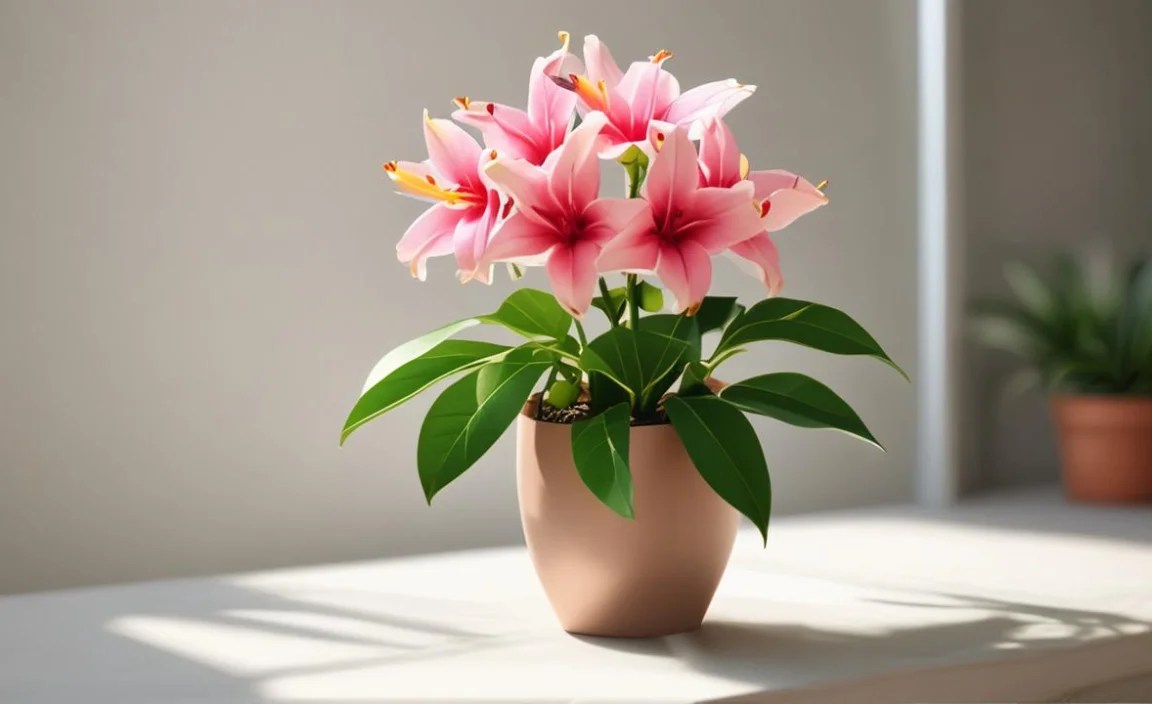
Mandevilla plants do not need much fertilizer in the winter. They are not actively growing. So, they do not need extra nutrients. Fertilizing can actually harm the plant. Too much fertilizer can burn the roots. This can kill the plant. If you want to fertilize, do it sparingly. Use a balanced fertilizer. Dilute it to half strength. Fertilize only once or twice during the winter. Wait until spring to fertilize regularly. Then, the plant will be growing again. It will need more nutrients. For now, less is more. Your mandevilla will be fine without much fertilizer in the winter.
- Avoid fertilizing mandevilla during the winter months.
- If needed, use a diluted, balanced fertilizer sparingly.
- Fertilize only once or twice during the entire winter.
- Over-fertilizing can burn the roots and harm the plant.
- Resume regular fertilizing in the spring when growth resumes.
Fertilizing is like giving the plant vitamins. But too many vitamins can be bad. Plants need different amounts of nutrients at different times. In the winter, they are resting. They do not need a lot of extra food. Pay attention to the plant’s leaves. If they are healthy and green, it does not need fertilizer. If they are pale or yellow, it may need a little. But be careful. Too much fertilizer can cause more harm than good. When in doubt, skip the fertilizer. Your mandevilla will be happier with less.
What is Balanced Fertilizer?
Balanced fertilizer contains equal amounts of three nutrients. These are nitrogen (N), phosphorus (P), and potassium (K). You will see these letters on the fertilizer label. They are listed as numbers, such as 10-10-10. This means the fertilizer contains 10% nitrogen, 10% phosphorus, and 10% potassium. Nitrogen helps with leaf growth. Phosphorus helps with root growth. Potassium helps with overall plant health. A balanced fertilizer provides all these nutrients. This helps the plant grow strong and healthy.
Signs of Over-Fertilizing?
Over-fertilizing can damage your plant. The leaves may turn brown at the edges. They may also become yellow and wilt. The plant may stop growing. You may see a white crust on the soil surface. These are all signs of too much fertilizer. If you see these signs, stop fertilizing. Flush the soil with water. This helps remove excess fertilizer. Repot the plant with fresh soil. Be careful not to over-fertilize in the future.
When to Start Fertilizing Again?
Start fertilizing again in the spring. This is when the plant starts to grow. You will see new leaves and flowers. This means the plant needs more nutrients. Use a balanced fertilizer. Follow the instructions on the label. Fertilize every 2–4 weeks. This will help the plant grow strong and healthy. It will also produce lots of beautiful flowers. Enjoy the blooms!
Fun Fact or Stat: Mandevilla plants require very little to no fertilizer during the winter months due to their dormancy period.
Common Problems with Indoor Mandevilla Winter
Even with the best care, problems can arise. Mandevilla plants can face challenges indoors during winter. One common issue is pest infestations. Spider mites, aphids, and mealybugs can attack. Check your plant regularly. Look for small bugs or sticky residue. Use insecticidal soap to get rid of pests. Another problem is leaf drop. This can be caused by low humidity or cold drafts. Increase humidity and move the plant away from drafts. Root rot is another concern. This is caused by overwatering. Water less often and ensure good drainage. With quick action, you can solve these problems. Your mandevilla will be healthy again in no time.
- Watch for pests like spider mites, aphids, and mealybugs.
- Address pest infestations with insecticidal soap promptly.
- Prevent leaf drop by increasing humidity and avoiding drafts.
- Avoid root rot by reducing watering and ensuring drainage.
- Monitor the plant regularly to catch problems early.
Dealing with plant problems can be frustrating. But don’t give up! Think of yourself as a plant doctor. You need to diagnose the problem and find a solution. Sometimes, it’s as simple as moving the plant. Other times, you need to use special treatments. The key is to pay attention to your plant. Notice any changes in its appearance. This will help you catch problems early. With a little patience and care, you can overcome any challenge. Your mandevilla will be thriving again soon.
How to Identify Pests?
Identifying pests is like solving a mystery. You need to look for clues. Spider mites are tiny. They look like small dots on the leaves. They also leave behind webs. Aphids are small, soft-bodied insects. They can be green, black, or brown. They often cluster on new growth. Mealybugs are white and cottony. They look like small pieces of cotton on the plant. Look closely at the leaves and stems. Use a magnifying glass if needed. Once you identify the pest, you can treat it effectively.
Why is Leaf Drop Happening?
Leaf drop can be alarming. But it is often a sign of stress. Low humidity is a common cause. Dry air can make the leaves dry out and fall off. Cold drafts can also cause leaf drop. Move the plant away from windows and doors. Overwatering can also lead to leaf drop. Check the soil moisture. Make sure you are not watering too much. With the right care, you can stop leaf drop. Your mandevilla will start to grow new leaves soon.
Best Way to Treat Root Rot?
Root rot is a serious problem. It can kill your plant if not treated. The first step is to stop watering. Let the soil dry out completely. Remove the plant from the pot. Gently wash the roots. Cut off any rotten roots. These will be soft and brown. Repot the plant with fresh soil. Use a pot with good drainage. Water sparingly. Keep the plant in a warm, bright location. With careful care, your mandevilla can recover from root rot.
Fun Fact or Stat: Early detection of pests and diseases can increase the survival rate of mandevilla plants indoors by up to 80%.
Summary
Bringing mandevilla indoors winter requires some special care. These tropical plants need warmth and light. Prepare your plant by checking for pests. Prune it lightly before bringing it inside. Place your mandevilla near a sunny window. Use grow lights if needed. Water less often in the winter. Overwatering can cause root rot. Maintain a temperature between 60–70°F. Increase humidity with a humidifier or pebble tray. Avoid fertilizing during the winter months. Watch for common problems like pests and leaf drop. With these tips, your mandevilla will thrive indoors. You can enjoy its beautiful blooms all winter long.
Conclusion
Growing mandevilla indoors winter is possible. It takes a little effort. But the reward is worth it. You get to enjoy beautiful flowers. Even when it is cold outside. Remember to provide enough light. Water carefully and control humidity. Watch for pests and diseases. With the right care, your plant will thrive. You will have a touch of the tropics in your home. Enjoy your beautiful mandevilla all year round!
Frequently Asked Questions
Question No 1: Can I leave my mandevilla outside all winter?
Answer: No, you cannot leave your mandevilla outside all winter. These plants are tropical. They cannot tolerate freezing temperatures. When temperatures drop below 50°F, you must bring them inside. If you leave them outside, they will likely die. Protect your plant by bringing it indoors. This ensures it survives the winter. Remember, mandevilla plants need warmth to thrive. Keeping them inside is the best way to keep them healthy. This small effort will allow you to enjoy its blooms for years to come.
Question No 2: How often should I water my mandevilla indoors winter?
Answer: You should water your mandevilla less often in the winter. The plant is not actively growing. So, it does not need as much water. Check the soil before watering. Stick your finger into the soil. If the top inch feels dry, it is time to water. If it feels moist, wait a few more days. Overwatering can cause root rot. This is a common problem with indoor plants. Water deeply when you do water. Let the excess water drain out. This prevents the plant from sitting in water. Adjust your watering schedule based on the plant’s needs. It is better to underwater than overwater.
Question No 3: What kind of light does my mandevilla need indoors?
Answer: Mandevilla plants need bright, indirect light. Place your plant near a sunny window. A south-facing window is best. This provides the most light. If you don’t have a sunny window, use grow lights. These lights provide the light your plant needs. Keep the lights on for 12–14 hours a day. Rotate the plant regularly. This ensures all sides get enough light. Insufficient light can cause the leaves to turn yellow. It can also prevent the plant from blooming. Adequate light is essential for healthy growth and flowering. Make sure your mandevilla gets enough light indoors.
Question No 4: Do I need to fertilize my mandevilla in the winter?
Answer: No, you do not need to fertilize your mandevilla in the winter. The plant is not actively growing. It does not need extra nutrients. Fertilizing can actually harm the plant. Too much fertilizer can burn the roots. If you want to fertilize, do it sparingly. Use a diluted, balanced fertilizer. Fertilize only once or twice during the winter. Wait until spring to fertilize regularly. Then, the plant will be growing again. It will need more nutrients. For now, less is more. Your mandevilla will be fine without much fertilizer during the winter months.
Question No 5: How can I increase humidity for my mandevilla indoors winter?
Answer: Increasing humidity is important for mandevilla plants indoors. Winter air can be very dry. This can harm the plant. Use a humidifier to increase humidity. This is the most effective method. You can also place the plant on a pebble tray. Fill a tray with pebbles and water. As the water evaporates, it increases humidity. Mist the plant regularly. This also helps increase humidity. Group plants together. This creates a humid microclimate. With these methods, you can create a more humid environment. Your mandevilla will thrive indoors. Remember, these plants love moisture in the air.
Question No 6: What should I do if my mandevilla gets pests indoors?
Answer: If your mandevilla gets pests indoors, act quickly. Pests can spread to other plants. Check the plant regularly for pests. Look for small bugs or sticky residue. Use insecticidal soap to treat the plant. Follow the instructions on the label. You may need to apply the soap several times. Isolate the plant from other plants. This prevents the pests from spreading. Clean the leaves regularly. This helps remove pests and dust. With prompt treatment, you can get rid of pests. Your mandevilla will be healthy again. Remember to check your plant often for any signs of trouble.
