Do you love plants? Do you have a small space? You can still enjoy nature! Mini plants indoor are perfect for you. They bring life and color to any room. Even a tiny apartment can become a green oasis.
These little plants are easy to care for. They don’t need much space or attention. Imagine having fresh herbs in your kitchen. Or a cute succulent on your desk. Mini plants indoor make it possible.
Key Takeaways
- Mini plants indoor bring nature’s beauty into your home, even with limited space.
- Succulents and cacti are great low-maintenance choices for busy people.
- Terrariums offer a unique and creative way to display tiny plants.
- Proper lighting and watering are essential for healthy indoor plants.
- Small plants purify air, reduce stress, and boost your mood.
Choosing Your Mini Plants Indoor

Selecting the right mini plants indoor is exciting! Think about your space first. How much sunlight does it get? Some plants need bright light. Others do well in shade. Consider your lifestyle too. Do you travel often? Choose plants that don’t need much watering. Succulents and cacti are good choices. If you want something more colorful, try African violets. They bloom indoors with the right care. You can also grow herbs like basil or mint. Imagine fresh herbs all year round! When picking your plants, check for healthy leaves. Avoid plants with brown spots or pests. A healthy start means a happy plant. With a little planning, you can create a thriving indoor garden. Your space will become a green paradise. Even small plants can make a big difference.
- Consider the amount of sunlight in your space.
- Think about how much time you can spend caring for plants.
- Succulents and cacti are low-maintenance options.
- African violets add color with their blooms.
- Herbs like basil and mint are useful and fragrant.
Once you pick your plants, find the perfect pots. Small pots are great for mini plants. Make sure the pots have drainage holes. This helps prevent overwatering. Use good quality potting soil. This gives your plants the nutrients they need. Arrange your plants in a pleasing way. Group plants with similar needs together. This makes watering easier. Add some decorative stones or moss. These can add beauty to your display. Now you are ready to enjoy your indoor garden! Watch your plants grow and thrive. They will bring joy to your home every day. Small plants can make a big impact on your well-being. With the right plants and care, you can create a green oasis indoors.
What Kind of Light Do They Need?
Light is very important for plants. Different plants need different amounts of light. Some plants like bright, direct sunlight. Others prefer indirect light. How do you know what your plants need? Look at the plant tag. It usually tells you the light requirements. If you don’t have a plant tag, do some research. Find out what kind of plant you have. Then, learn about its light needs. If a plant needs bright light, put it near a sunny window. If it needs indirect light, put it a few feet away from the window. You can also use grow lights. These lights help plants grow when there isn’t enough natural light. Pay attention to your plants. If their leaves are turning yellow, they might be getting too much light. If they are growing tall and spindly, they might not be getting enough light. Adjust their location as needed. With the right light, your plants will thrive.
How Often Should I Water Them?
Watering is another key to success. Overwatering can be as bad as underwatering. How do you know when to water? Check the soil. Stick your finger into the soil. If the soil feels dry, it’s time to water. If the soil feels wet, wait a few days. Different plants need different amounts of water. Succulents and cacti don’t need much water. Water them only when the soil is completely dry. Other plants need more water. Water them when the top inch of soil is dry. When you water, water thoroughly. Make sure the water drains out of the bottom of the pot. This helps prevent root rot. Don’t let your plants sit in standing water. Empty the saucer under the pot after watering. With the right watering schedule, your plants will stay healthy and happy.
What Kind of Soil Is Best?
The right soil is important for healthy plants. Different plants need different types of soil. Most mini plants indoor do well in potting mix. Potting mix is a blend of peat moss, vermiculite, and perlite. This mix drains well and provides nutrients. Succulents and cacti need a special soil mix. This mix drains very quickly. You can buy a cactus mix or make your own. To make your own, mix potting mix with sand and perlite. Avoid using garden soil in pots. Garden soil is too heavy and doesn’t drain well. This can cause root rot. When you repot your plants, use fresh soil. This gives them a boost of nutrients. You can also add fertilizer to the soil. Follow the instructions on the fertilizer package. With the right soil, your plants will grow strong and healthy.
Fun Fact or Stat: The smallest flowering plant in the world is the Wolffia globosa, also known as the Asian watermeal. It is only about the size of a grain of rice!
Best Types of Mini Plants Indoor

Many mini plants indoor options are available. Succulents are a popular choice. They are easy to care for and come in many shapes and colors. Echeverias, sedums, and haworthias are great succulents to start with. Cacti are another good choice for beginners. They also don’t need much water. Look for small cacti like Mammillaria or Rebutia. These cacti are cute and easy to grow. If you want something green and leafy, try a peperomia. Peperomias come in many varieties. Some have round leaves, others have textured leaves. They are easy to care for and tolerate low light. Air plants are another unique option. They don’t need soil! Just mist them with water once a week. With so many choices, you can find the perfect plants for your space. These little plants will bring beauty and joy to your home.
- Succulents are easy to care for and come in many forms.
- Cacti are drought-tolerant and add a desert vibe.
- Peperomias offer a variety of leaf shapes and textures.
- Air plants are unique and don’t need soil.
- Choose plants that fit your lifestyle and space.
When choosing your plants, think about their size. Some plants stay small. Others can grow quite large. Make sure you have enough space for your plants to grow. You can also prune your plants to keep them small. Pruning means cutting off some of the leaves or stems. This encourages the plant to grow in a more compact shape. Don’t be afraid to experiment with different plants. Try a few different varieties and see what you like best. You can also mix and match different plants in the same pot. This creates a beautiful and interesting display. Just make sure the plants have similar needs. With a little creativity, you can create a stunning indoor garden. Your plants will thrive and bring joy to your home.
Succulents for Small Spaces
Succulents are great for small spaces. They don’t need much water. They come in many shapes and sizes. Echeverias are a popular choice. They have beautiful rosette shapes. Sedums are also easy to grow. They come in trailing and upright varieties. Haworthias are another good option. They have interesting patterns on their leaves. These succulents are all easy to care for. They need bright light and well-draining soil. Water them only when the soil is completely dry. With the right care, your succulents will thrive. They will add beauty to your small space. You can arrange them in small pots or terrariums. They are perfect for desks, shelves, and windowsills. Succulents are a great way to bring nature indoors.
Cacti That Stay Tiny
Cacti are another great choice for small spaces. They are also drought-tolerant. They come in many shapes and sizes. Some cacti stay very small. Mammillarias are a good example. They are small and round with spines. Rebutias are another good option. They produce beautiful flowers. These cacti need bright light and well-draining soil. Water them only when the soil is completely dry. Be careful not to overwater them. Overwatering can cause them to rot. With the right care, your cacti will thrive. They will add a desert vibe to your small space. You can arrange them in small pots or bowls. They are perfect for adding a touch of the desert to your home.
Air Plants: No Soil Needed!
Air plants are unique and interesting. They don’t need soil to grow. They get their nutrients from the air. You can display them in many ways. You can hang them in glass orbs. You can place them on shells or rocks. You can even glue them to driftwood. Air plants need bright, indirect light. Mist them with water once a week. Soak them in water every few weeks. Let them dry completely after watering. Don’t let them sit in standing water. With the right care, your air plants will thrive. They will add a touch of whimsy to your home. They are perfect for people who want something different.
Fun Fact or Stat: Some succulents can store enough water to survive for months without rain!
Setting Up Mini Plants Indoor
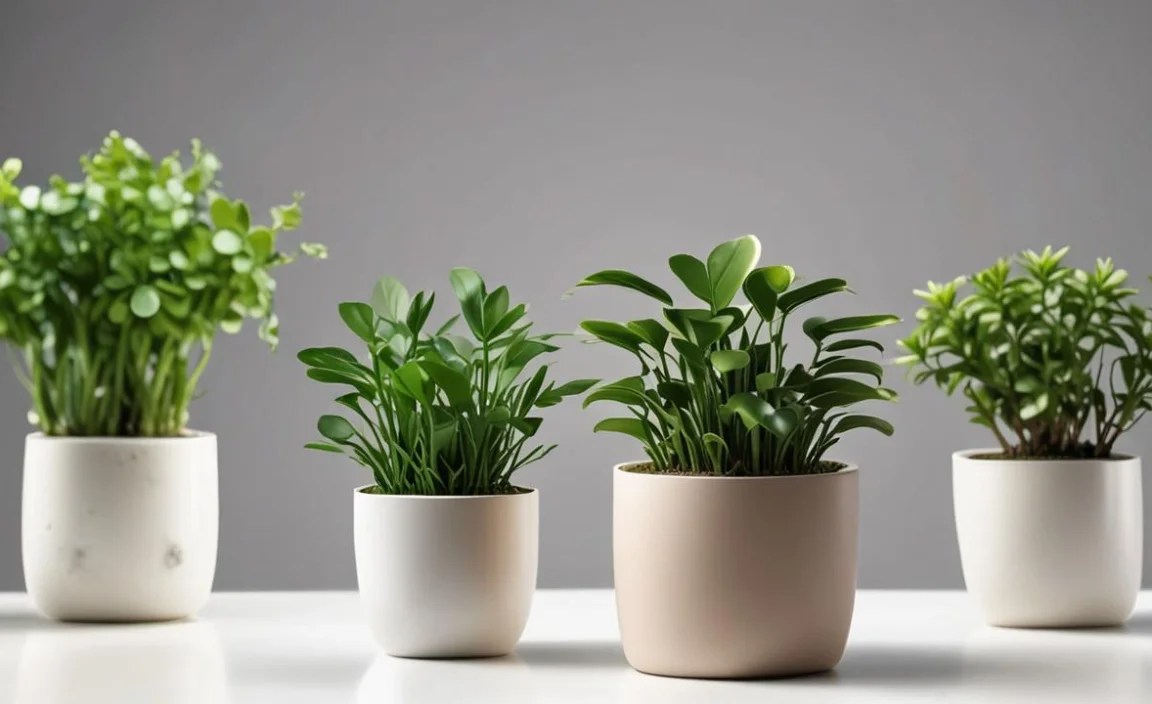
Setting up your mini plants indoor is fun! First, choose the right pots. Small pots are perfect for mini plants. Make sure they have drainage holes. This prevents overwatering. Next, select a good potting mix. Use a mix designed for indoor plants. This provides the right nutrients. Now, it’s time to plant! Gently remove the plant from its original container. Loosen the roots a little. Place the plant in the new pot. Add potting mix around the plant. Press the soil gently. Water the plant thoroughly. Let the water drain out. Place the pot in a spot with the right light. Remember to water regularly. Check the soil often. Enjoy your new indoor garden! These little plants will bring life to your space.
- Choose small pots with drainage holes.
- Use a good quality potting mix.
- Gently remove the plant from its old container.
- Water the plant thoroughly after planting.
- Place the plant in a spot with the right light.
You can also create a terrarium. A terrarium is a glass container with plants inside. Terrariums are a great way to display mini plants. You can use a jar, a bowl, or a special terrarium container. Start with a layer of gravel at the bottom. This helps with drainage. Add a layer of charcoal. This helps keep the terrarium clean. Then, add a layer of potting mix. Plant your mini plants in the terrarium. Add some decorative stones or moss. Water the plants lightly. Cover the terrarium with a lid or plastic wrap. This creates a humid environment. Place the terrarium in a spot with indirect light. Open the terrarium occasionally to let fresh air in. With a little care, your terrarium will thrive. It will be a beautiful addition to your home.
Choosing the Right Container
The right container is important for your plants. It should be the right size. It should also have drainage holes. Small pots are perfect for mini plants indoor. You can also use other types of containers. Glass jars, bowls, and teacups can all be used. Just make sure they have drainage. If they don’t, you can add a layer of gravel to the bottom. This will help with drainage. When choosing a container, think about the style of your home. Choose a container that matches your decor. You can also decorate your containers. Paint them, add stickers, or wrap them in twine. Get creative and have fun!
Creating a Mini Terrarium
Terrariums are a fun way to display plants. They are like little ecosystems. You can create a terrarium in any glass container. Jars, bowls, and vases all work well. Start with a layer of gravel at the bottom. This helps with drainage. Add a layer of charcoal. This helps keep the terrarium clean. Then, add a layer of potting mix. Plant your mini plants indoor in the terrarium. Add some decorative stones or moss. Water the plants lightly. Cover the terrarium with a lid or plastic wrap. This creates a humid environment. Place the terrarium in a spot with indirect light. Open the terrarium occasionally to let fresh air in.
Arranging Your Plants Attractively
Arranging your plants is an art. You can create a beautiful display by following a few simple tips. Group plants with similar needs together. This makes watering easier. Place taller plants in the back. Place shorter plants in the front. Use different colors and textures. This adds interest to your display. Add some decorative elements. Stones, shells, and driftwood can all be used. Don’t be afraid to experiment. Try different arrangements until you find one you like. Your plants will look beautiful in their new home.
Fun Fact or Stat: Terrariums were invented by accident in the 1800s when a doctor noticed plants growing in a sealed jar!
Watering Mini Plants Indoor

Watering is key to healthy mini plants indoor. But how much water do they need? It depends on the plant. Succulents and cacti need very little water. Water them only when the soil is completely dry. Other plants need more water. Water them when the top inch of soil is dry. Always check the soil before watering. Stick your finger into the soil. If it feels dry, it’s time to water. If it feels wet, wait a few days. When you water, water thoroughly. Make sure the water drains out of the bottom of the pot. This prevents root rot. Empty the saucer under the pot after watering. Don’t let your plants sit in standing water. With the right watering, your plants will thrive.
- Check the soil before watering.
- Water thoroughly until water drains out.
- Empty the saucer under the pot.
- Succulents and cacti need very little water.
- Other plants need more frequent watering.
Overwatering is a common mistake. It can kill your plants. Signs of overwatering include yellow leaves, mushy stems, and root rot. If you think you have overwatered your plant, stop watering it. Let the soil dry out completely. You may need to repot the plant with fresh soil. Underwatering is also a problem. Signs of underwatering include dry, brittle leaves and wilting. If you think you have underwatered your plant, water it thoroughly. Make sure the water drains out of the bottom of the pot. With practice, you will learn how much water your plants need. They will reward you with their beauty.
How to Tell When to Water
Knowing when to water is important. Check the soil regularly. Stick your finger into the soil. If the top inch is dry, it’s time to water. You can also use a moisture meter. This tool tells you how much moisture is in the soil. Another way to tell is by the weight of the pot. A dry pot will feel lighter than a wet pot. Look at the leaves of the plant. If they are wilting, it’s time to water. With practice, you will learn to recognize the signs. Your plants will thank you for it.
Avoiding Overwatering
Overwatering is a common problem. It can lead to root rot. Root rot is a disease that can kill your plants. To avoid overwatering, check the soil before watering. Water only when the soil is dry. Use pots with drainage holes. Empty the saucer under the pot after watering. Don’t let your plants sit in standing water. If you think you have overwatered your plant, stop watering it. Let the soil dry out completely. You may need to repot the plant with fresh soil.
Proper Drainage Techniques
Proper drainage is essential for healthy plants. Use pots with drainage holes. This allows excess water to drain out. Add a layer of gravel to the bottom of the pot. This helps with drainage. Use a well-draining potting mix. This allows water to flow through the soil easily. Empty the saucer under the pot after watering. Don’t let your plants sit in standing water. With proper drainage, your plants will thrive.
Fun Fact or Stat: Some plants can actually tell you when they need water by slightly changing the color of their leaves!
Lighting for Mini Plants Indoor

Lighting is very important for mini plants indoor. Plants need light to grow. Different plants need different amounts of light. Some plants need bright, direct sunlight. Others need indirect light. How do you know what your plants need? Read the plant label. It will tell you the light requirements. If you don’t have a label, research your plant online. Find out what kind of light it needs. Place your plants in a spot that provides the right light. If you don’t have enough natural light, use grow lights. Grow lights can help your plants thrive. With the right light, your plants will grow strong and healthy.
- Read the plant label for light requirements.
- Research your plant if you don’t have a label.
- Place plants in a spot with the right light.
- Use grow lights if you don’t have enough natural light.
- Observe your plants to see if they are getting enough light.
Signs of too much light include scorched leaves and faded color. If your plant is getting too much light, move it to a shadier spot. Signs of not enough light include leggy growth and pale leaves. If your plant is not getting enough light, move it to a brighter spot. You can also use grow lights to supplement the natural light. Pay attention to your plants. They will tell you if they are getting the right amount of light. With the right light, your plants will thrive and bring joy to your home.
Understanding Light Requirements
Understanding light requirements is key. Plants need light to perform photosynthesis. Photosynthesis is how plants make their food. Different plants need different amounts of light. Some plants need full sun. This means they need at least six hours of direct sunlight per day. Other plants need partial sun. This means they need four to six hours of direct sunlight per day. Still other plants need shade. This means they need less than four hours of direct sunlight per day. Know what your plants need.
Using Grow Lights Effectively
Grow lights can be very helpful. They provide artificial light for your plants. This is especially useful in winter. When there is less natural light. There are different types of grow lights. LED grow lights are energy-efficient. Fluorescent grow lights are also a good option. Choose a grow light that is appropriate for your plants. Place the grow light a few inches above the plants. Turn the grow light on for 12-16 hours per day. Monitor your plants to see how they are responding to the grow light.
Recognizing Signs of Light Problems
It is important to recognize light problems. Too much light can cause scorched leaves. The leaves may also turn yellow or brown. Not enough light can cause leggy growth. The stems may become long and spindly. The leaves may also turn pale green or yellow. If you see these signs, adjust the light accordingly. Move the plant to a different location. Or adjust the grow light settings. With the right light, your plants will thrive.
Fun Fact or Stat: Plants turn sunlight into energy using a green pigment called chlorophyll!
Troubleshooting Mini Plants Indoor
Even with the best care, mini plants indoor can have problems. Pests can attack your plants. Common pests include aphids, spider mites, and mealybugs. Check your plants regularly for pests. Look for small insects on the leaves and stems. If you find pests, treat your plants right away. You can use insecticidal soap or neem oil. Diseases can also affect your plants. Common diseases include root rot and powdery mildew. Prevent diseases by providing good air circulation. Avoid overwatering. Remove any diseased leaves or stems. With quick action, you can solve most plant problems.
- Check your plants regularly for pests.
- Treat pests with insecticidal soap or neem oil.
- Prevent diseases by providing good air circulation.
- Avoid overwatering to prevent root rot.
- Remove any diseased leaves or stems.
Sometimes, plants just don’t thrive. They may not grow as fast as you expect. They may not bloom. Don’t give up! Try different things. Adjust the amount of light or water. Add fertilizer to the soil. Repot the plant in fresh soil. Sometimes, a plant just needs a little extra care. With patience and persistence, you can help your plants thrive. They will reward you with their beauty and joy.
| Problem | Possible Cause | Solution |
|---|---|---|
| Yellow Leaves | Overwatering, poor drainage | Reduce watering, improve drainage |
| Wilting | Underwatering, too much sun | Increase watering, move to shade |
| Brown Spots | Sunburn, fungal infection | Move to shade, treat with fungicide |
| Pests | Poor air circulation, weak plant | Improve air flow, treat with insecticide |
Dealing with Common Pests
Pests can be a problem for mini plants indoor. Aphids are small, green insects. They suck the sap from plants. Spider mites are tiny, spider-like creatures. They create webs on the leaves. Mealybugs are white, cottony insects. They also suck the sap from plants. To get rid of pests, try spraying your plants with insecticidal soap. You can also use neem oil. These are natural and safe for your plants. Repeat the treatment every few days until the pests are gone.
Preventing Plant Diseases
Preventing plant diseases is important. Good air circulation is key. This helps prevent fungal diseases. Avoid overwatering. Overwatering can lead to root rot. Remove any dead or dying leaves. These can harbor diseases. Sterilize your pots and tools. This helps prevent the spread of diseases. Use a good quality potting mix. This provides the right nutrients for your plants. With these tips, you can keep your plants healthy and disease-free.
Reviving Unhealthy Plants
Sometimes, plants get sick. They may look unhealthy. Don’t give up on them! There are things you can do to revive them. First, identify the problem. Is it pests, disease, or something else? Once you know the problem, you can take action. Remove any dead or dying leaves. Repot the plant in fresh soil. Adjust the amount of light or water. Add fertilizer to the soil. With a little care, you can bring your plants back to life.
Fun Fact or Stat: Plants can communicate with each other through their roots and even through the air, warning each other about pests and diseases!
Benefits of Mini Plants Indoor
Mini plants indoor offer many benefits. They add beauty to your home. They purify the air. They can also boost your mood. Studies have shown that plants can reduce stress and improve focus. Having plants in your home can create a calming and relaxing environment. They can also make your space feel more welcoming. Even a few small plants can make a big difference. They bring nature indoors and improve your well-being. They are a great way to add life to your home.
- Plants add beauty and life to your home.
- They purify the air by removing toxins.
- Plants can reduce stress and improve focus.
- They create a calming and relaxing environment.
- Even a few small plants can make a big difference.
Caring for plants can be a rewarding hobby. It can teach you about nature and patience. Watching your plants grow and thrive can bring you joy. It can also be a great way to connect with nature. Even if you live in a city, you can still enjoy the benefits of plants. Mini plants indoor are perfect for small spaces. They are easy to care for and bring many benefits. Start your indoor garden today and enjoy the beauty of nature.
Improving Air Quality
Plants improve air quality. They remove toxins from the air. These toxins can come from furniture, carpets, and cleaning products. Plants absorb these toxins through their leaves. They then release clean oxygen into the air. This makes the air in your home healthier to breathe. Some plants are better at purifying the air than others. Snake plants, spider plants, and peace lilies are all good choices. Adding these plants to your home can improve your health and well-being.
Reducing Stress and Anxiety
Plants reduce stress and anxiety. Studies have shown that being around plants can lower your heart rate and blood pressure. Plants can also help you feel more relaxed and calm. Caring for plants can be a therapeutic activity. It can help you focus on the present moment. It can also give you a sense of accomplishment. Adding plants to your home or office can create a more peaceful and relaxing environment.
Boosting Mood and Productivity
Plants boost mood and productivity. Studies have shown that being around plants can improve your mood. Plants can also help you feel more creative and energized. Adding plants to your workspace can improve your focus and productivity. Plants can also make your workspace feel more welcoming and inviting. They can help you feel more connected to nature. This can lead to increased happiness and well-being.
Fun Fact or Stat: NASA studies have shown that indoor plants can remove up to 87% of air toxins in 24 hours!
Summary
Mini plants indoor are a great way to bring nature into your home. They are perfect for small spaces and offer many benefits. They add beauty, purify the air, and boost your mood. Choosing the right plants, setting them up properly, and watering them correctly are key to success. Remember to provide the right amount of light and watch out for pests and diseases. With a little care, your mini plants will thrive and bring joy to your home.
Whether you choose succulents, cacti, or leafy greens, these little plants can make a big difference. They create a calming and welcoming environment, reduce stress, and improve air quality. So, start your indoor garden today and enjoy the many benefits of mini plants indoor. They are a simple and beautiful way to connect with nature and improve your well-being.
Conclusion
Mini plants indoor are a wonderful addition to any home. They bring beauty and life to your space. They are easy to care for and offer many benefits. From purifying the air to boosting your mood, these little plants can make a big difference. So, why not start your own indoor garden today? Choose your favorite plants, find the perfect pots, and enjoy the beauty of nature in your home. These tiny plants will bring you joy for years to come.
Frequently Asked Questions
Question No 1: What are the best mini plants for beginners?
Answer: Succulents and cacti are great for beginners. They don’t need much water. They are also very forgiving. Some popular choices include echeverias, sedums, haworthias, and mammillaria cacti. These plants are easy to care for and come in many shapes and colors. They are perfect for people who are new to indoor gardening. Just make sure to give them plenty of sunlight and well-draining soil. With a little care, they will thrive and bring you joy.
Question No 2: How often should I water my mini plants?
Answer: How often you water your mini plants indoor depends on the type of plant. Succulents and cacti need very little water. Water them only when the soil is completely dry. Other plants need more water. Water them when the top inch of soil is dry. Always check the soil before watering. Stick your finger into the soil. If it feels dry, it’s time to water. If it feels wet, wait a few days. Overwatering is a common mistake. It can kill your plants. So, it’s better to underwater than overwater.
Question No 3: What kind of light do mini plants need?
Answer: Different mini plants indoor need different amounts of light. Some plants need bright, direct sunlight. Others need indirect light. Read the plant label to find out what your plant needs. If you don’t have a label, research your plant online. If your plant needs bright light, place it near a sunny window. If it needs indirect light, place it a few feet away from the window. You can also use grow lights. These lights help plants grow when there isn’t enough natural light. Pay attention to your plants. If their leaves are turning yellow, they might be getting too much light. If they are growing tall and spindly, they might not be getting enough light.
Question No 4: How do I prevent pests from attacking my mini plants?
Answer: To prevent pests, check your plants regularly. Look for small insects on the leaves and stems. Good air circulation helps a lot. It will also help to keep your plants healthy and strong. Strong plants are less likely to be attacked by pests. If you find pests, treat your plants right away. You can use insecticidal soap or neem oil. These are natural and safe for your plants. Repeat the treatment every few days until the pests are gone.
Question No 5: Can I grow mini plants in a terrarium?
Answer: Yes, you can grow mini plants indoor in a terrarium. Terrariums are a great way to display mini plants. Choose plants that like humidity. Some good choices include ferns, mosses, and small succulents. Start with a layer of gravel at the bottom of the terrarium. This helps with drainage. Add a layer of charcoal. This helps keep the terrarium clean. Then, add a layer of potting mix. Plant your mini plants in the terrarium. Add some decorative stones or moss. Water the plants lightly. Cover the terrarium with a lid or plastic wrap. This creates a humid environment. Place the terrarium in a spot with indirect light.
Question No 6: What are the benefits of having mini plants indoors?
Answer: There are many benefits to having mini plants indoor. They add beauty to your home. They purify the air by removing toxins. Plants can also reduce stress and improve focus. They create a calming and relaxing environment. Even a few small plants can make a big difference. Caring for plants can be a rewarding hobby. It can teach you about nature and patience. Watching your plants grow and thrive can bring you joy.
