Do you love to garden? Do your plants need a boost? Mushroom compost for gardening might be the answer. It is a special soil mix. It can help your plants grow big and strong.
Have you ever seen mushrooms growing? They grow in dark, damp places. After the mushrooms are picked, something is left behind. This leftover stuff can be used to make mushroom compost for gardening. It’s like magic for your plants.
Mushroom compost for gardening is not just dirt. It’s full of good things. These things help plants grow. It can make your garden the best on the block. Let’s find out more about it.
Key Takeaways
- Mushroom compost for gardening is a great way to help your plants grow healthier and stronger.
- It adds important nutrients to the soil, feeding your plants and improving soil structure.
- Using mushroom compost helps your garden hold more water, reducing the need to water often.
- It is made from leftover materials after harvesting mushrooms, making it an eco-friendly choice.
- Be sure to mix it well with your existing soil to avoid any potential salt issues.
What Is Mushroom Compost For Gardening?

Mushroom compost for gardening is a special kind of compost. Farmers use it to grow mushrooms. After they harvest the mushrooms, they have leftover compost. This compost is full of good stuff for plants. It includes things like straw, manure, and other natural materials. This mix has been broken down by the mushroom-growing process. This makes it easy for plants to use. It is different from regular compost you might make at home. It has a unique blend of nutrients. These nutrients help plants grow big and strong. Using mushroom compost can make your garden healthier. It also helps the environment by recycling used materials. It’s a win-win for you and your plants. The compost helps the soil. This makes it easier for plants to get what they need.
- It’s made from materials used to grow mushrooms.
- The compost contains straw, manure, and gypsum.
- Mushroom compost adds nutrients to the soil.
- It improves soil structure for better growth.
- It helps retain water in the garden.
Mushroom compost for gardening is a great way to improve your soil. It adds important nutrients that plants need. These nutrients help plants grow healthy and strong. The compost also helps the soil hold more water. This means you don’t have to water your plants as often. It can save you time and effort in the garden. Plus, using mushroom compost is good for the environment. It recycles materials that would otherwise be wasted. This helps reduce waste and protect our planet. So, if you want a healthier garden and want to help the environment, try using mushroom compost. Your plants will thank you for it.
Fun Fact or Stat: Mushroom compost can increase crop yields by up to 30%!
What Materials Are in It?
Have you ever wondered what goes into mushroom compost? It’s not just dirt. It’s a mix of many different things. Farmers start with things like straw and hay. They also add manure from animals like horses or chickens. Sometimes, they include things like cottonseed hulls or corncobs. These materials provide food for the mushrooms to grow. After the mushrooms are harvested, the leftover mix is mushroom compost. It’s full of nutrients that plants love. The exact mix can vary depending on the farm. But it always includes natural, organic materials. These materials break down over time. They release nutrients into the soil. This helps your plants grow big and strong. So, the next time you use mushroom compost, remember it’s a special blend of nature’s best.
How Is It Different From Regular Compost?
Do you know how mushroom compost is different from regular compost? Regular compost is usually made from kitchen scraps and yard waste. Things like vegetable peels and grass clippings can be used. Mushroom compost, on the other hand, is made from materials used to grow mushrooms. This includes things like straw, manure, and gypsum. Mushroom compost also has a higher pH level than regular compost. This means it is more alkaline. Some plants like alkaline soil, while others do not. It’s important to know what kind of soil your plants prefer. Mushroom compost is also usually richer in certain nutrients than regular compost. This can give your plants an extra boost. So, while both types of compost are good for your garden, they are different in what they are made of and how they affect the soil.
How Does It Help Plants Grow?
Have you ever wondered how mushroom compost helps plants grow? It’s all about the nutrients. Mushroom compost is full of things that plants need to thrive. It contains nitrogen, phosphorus, and potassium. These are like vitamins for plants. Nitrogen helps plants grow green and leafy. Phosphorus helps with strong roots. Potassium helps with flowers and fruits. Mushroom compost also improves the soil. It makes it easier for roots to grow. It also helps the soil hold more water. This means plants don’t dry out as quickly. The compost also adds organic matter to the soil. This feeds the beneficial microbes in the soil. These microbes help plants absorb nutrients. So, mushroom compost is a great way to give your plants everything they need to grow big and strong.
Benefits of Using Mushroom Compost For Your Garden

Using mushroom compost for your garden has many benefits. First, it’s a great way to improve your soil. It adds important nutrients that plants need. These nutrients help plants grow healthy and strong. Second, mushroom compost helps the soil hold more water. This means you don’t have to water your plants as often. It can save you time and effort. Third, it improves the structure of the soil. This makes it easier for roots to grow. Fourth, it’s an eco-friendly choice. It recycles materials that would otherwise be wasted. Fifth, it can help suppress some plant diseases. This means your plants will be healthier and less likely to get sick. Sixth, it can attract beneficial insects to your garden. These insects can help control pests and pollinate your plants. Overall, using mushroom compost is a great way to make your garden thrive.
- It improves soil structure and drainage.
- Mushroom compost adds essential nutrients.
- It helps retain moisture in the soil.
- It can suppress some plant diseases.
- It attracts beneficial insects to the garden.
- Using it recycles waste materials.
One of the best things about mushroom compost for gardening is how it improves the soil. It adds organic matter, which is like food for the soil. This organic matter helps the soil hold more water and nutrients. It also improves the structure of the soil. This means the soil is less likely to become compacted. Compacted soil can make it hard for roots to grow. Mushroom compost also helps to aerate the soil. This means it creates small pockets of air in the soil. These air pockets help roots get the oxygen they need. The compost also helps to balance the pH level of the soil. This is important because plants grow best in soil with a certain pH level. By improving the soil, mushroom compost creates a better environment for plants to grow.
Fun Fact or Stat: Mushroom compost can improve soil drainage by up to 50%!
Better Soil Structure
Do you know why soil structure is important? Good soil structure helps plants grow strong. It lets roots spread out easily. It also helps water drain well. Mushroom compost can make soil structure better. It adds organic matter to the soil. Organic matter acts like glue. It holds soil particles together. This makes the soil less likely to compact. Compacted soil is hard for roots to grow in. Mushroom compost also creates air pockets in the soil. These air pockets let roots breathe. They also help water move through the soil. Better soil structure means healthier plants. Mushroom compost can help your garden have the best soil possible.
Increased Water Retention
Have you ever watered your plants and then they dry out quickly? This can be frustrating. Mushroom compost can help. It helps the soil hold more water. The organic matter in the compost acts like a sponge. It soaks up water and holds it in the soil. This means your plants have water available for longer. You don’t have to water them as often. This can save you time and effort. It also helps your plants stay healthy. They don’t get stressed from drying out. Mushroom compost is a great way to make your garden more water-wise. It helps you conserve water and keep your plants happy.
Nutrient-Rich Compost
Are your plants hungry? Mushroom compost is like a buffet for them. It’s full of nutrients that plants need to grow. It has nitrogen, phosphorus, and potassium. These are the main nutrients that plants need. It also has other important nutrients. These include calcium, magnesium, and sulfur. These nutrients help plants grow strong and healthy. They help them fight off diseases. Mushroom compost releases these nutrients slowly over time. This means your plants get a steady supply of food. They don’t get a big burst of nutrients all at once. This helps them grow evenly and consistently. Mushroom compost is a great way to feed your plants naturally.
How to Use Mushroom Compost For Gardening

Using mushroom compost for gardening is easy. First, you need to get some compost. You can buy it at a garden center. You can also get it from a mushroom farm. Next, prepare your garden bed. Remove any weeds or old plants. Then, spread a layer of mushroom compost over the soil. You want to spread about 2-4 inches of compost. Mix the compost into the soil. Use a shovel or garden fork to mix it well. You want to mix it in about 6-8 inches deep. After you mix it in, you can plant your plants. Water them well after planting. The mushroom compost will help them grow strong roots. It will also give them the nutrients they need. Remember to water your plants regularly. This will help them thrive in their new home.
- Buy mushroom compost from a garden center.
- Spread 2-4 inches of compost on the soil.
- Mix the compost 6-8 inches into the soil.
- Plant your plants and water them well.
- Water regularly to help plants thrive.
- Avoid using too much in sensitive areas.
When using mushroom compost for gardening, it’s important to consider the type of plants you are growing. Some plants, like tomatoes and roses, love mushroom compost. Other plants, like blueberries and azaleas, prefer acidic soil. Mushroom compost can make the soil more alkaline. So, it’s not the best choice for these plants. You can still use it, but you should mix it with other materials. Add things like peat moss or pine needles to lower the pH. Also, be careful not to use too much mushroom compost. It can be high in salts, which can harm some plants. A good rule of thumb is to use no more than 25% mushroom compost in your soil mix. This will give your plants the benefits of the compost without the risk of salt damage.
Fun Fact or Stat: Mixing mushroom compost with regular soil can improve drainage by up to 25%!
Preparing the Soil
Before you add mushroom compost, it’s important to prep the soil. First, clear any weeds or old plants. Use a garden fork or tiller to loosen the soil. This makes it easier for the compost to mix in. It also helps the roots of your new plants grow. If your soil is very hard, add some other organic matter. Things like peat moss or leaf mold can help. These materials will improve the soil structure. They will also help the soil hold more water. Once you’ve loosened the soil and added any other organic matter, you’re ready to add the mushroom compost. Spread it evenly over the soil surface.
Mixing It With Existing Soil
Once you have spread the mushroom compost, you need to mix it in. Use a shovel or garden fork to do this. Mix the compost with the existing soil. Aim to mix it in about 6-8 inches deep. Make sure the compost is evenly distributed. You don’t want clumps of compost in one area. This could create problems for your plants. As you mix, break up any large clumps of soil. This will create a smooth, even soil bed. This is perfect for planting. Mixing the mushroom compost well ensures your plants get the most benefit from it.
Best Plants to Use It With
Do you know which plants love mushroom compost? Some plants thrive with it. Tomatoes are one example. They love the nutrients in mushroom compost. Roses also do well with it. The compost helps them produce beautiful blooms. Vegetables like peppers and eggplant also benefit. The compost gives them a boost. But not all plants like mushroom compost. Acid-loving plants don’t do as well. These include blueberries, azaleas, and rhododendrons. The compost can make the soil too alkaline for them. So, it’s important to know your plants. Choose the right compost for their needs. Mushroom compost can be a great addition to your garden, if used correctly.
Potential Problems With Mushroom Compost
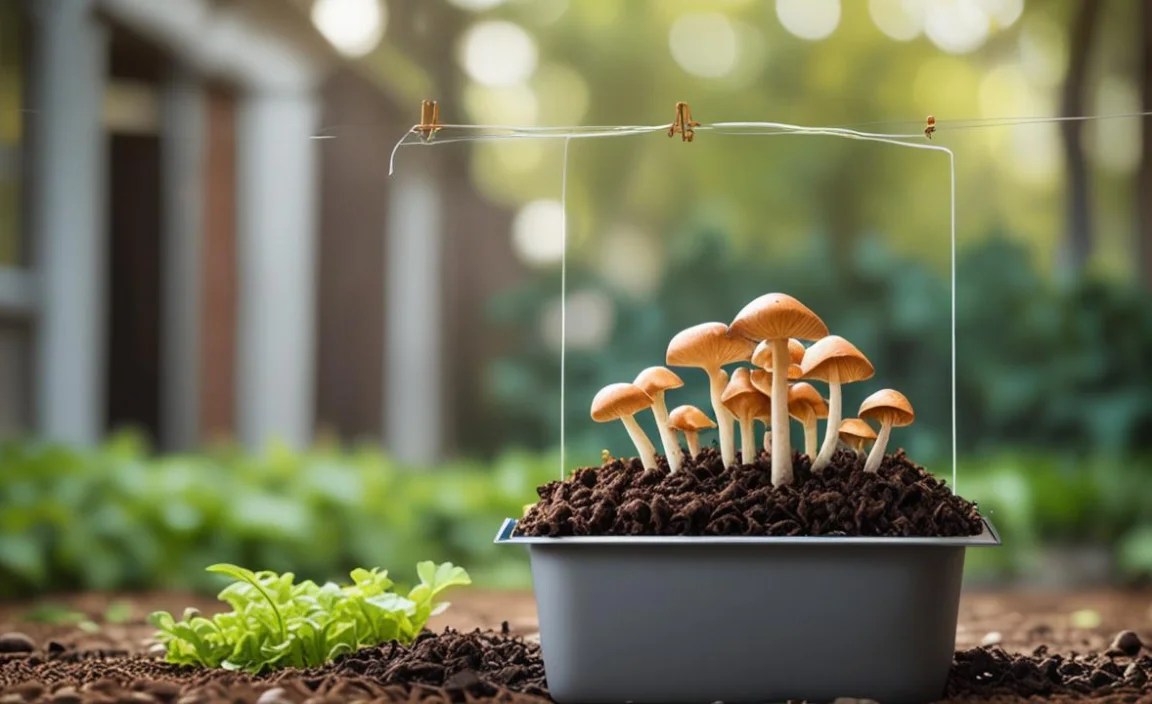
While mushroom compost for gardening is great, there can be some problems. One problem is that it can be high in salts. These salts can harm some plants. Especially young seedlings. It’s important to test your soil before using it. Another problem is that it can be alkaline. This means it has a high pH level. Some plants prefer acidic soil. Mushroom compost is not the best choice for them. It can also contain weed seeds. These seeds can sprout in your garden. This can create more work for you. Finally, it can sometimes have an unpleasant smell. This smell usually goes away after a few days. But it can be bothersome at first. Knowing these problems can help you use mushroom compost safely and effectively.
| Problem | Description | Solution |
|---|---|---|
| High Salt Content | Can harm sensitive plants, especially seedlings. | Test soil, mix with other compost, water thoroughly. |
| Alkaline pH | Not suitable for acid-loving plants like blueberries. | Mix with acidic materials like peat moss. |
| Weed Seeds | Can introduce unwanted weeds into the garden. | Use compost from a reputable source, weed regularly. |
| Unpleasant Smell | Can be bothersome when first applied. | Allow it to air out before using, mix into soil. |
- It can have a high salt content.
- It may be too alkaline for some plants.
- Mushroom compost can contain weed seeds.
- It might have an unpleasant smell at first.
- Overuse can cause nutrient imbalances.
- Quality can vary depending on the source.
One of the biggest concerns with mushroom compost for gardening is the salt content. The salts come from the materials used to grow the mushrooms. These materials include manure and gypsum. Gypsum is added to help improve the soil structure. But it also adds salt. High salt levels can damage plants. They can prevent them from absorbing water. This can cause them to wilt and die. To avoid this problem, it’s important to test your soil before using mushroom compost. If the salt levels are already high, you may want to use a different type of compost. You can also mix the mushroom compost with other materials. Add things like peat moss or coconut coir. These materials can help dilute the salt content.
Fun Fact or Stat: Washing mushroom compost before use can reduce salt content by up to 40%!
High Salt Content
Have you heard that mushroom compost can be salty? It’s true. The salt comes from how it’s made. The materials used to grow mushrooms can have salt. This salt stays in the compost. Too much salt can hurt plants. It can stop them from taking up water. This can make them dry out. So, it’s important to be careful. Don’t use too much mushroom compost. Mix it with other things. This will lower the salt level. You can also water your plants well. This helps wash the salt away. Checking the salt level of your soil is a good idea too. This way, you know if you need to be extra careful.
Alkaline Soil
Do your plants like soil that is not too acidic? Mushroom compost can make soil less acidic. It makes it more alkaline. Some plants don’t like this. They like soil that is more acidic. Blueberries and azaleas are examples. If you have these plants, be careful. Don’t use too much mushroom compost. You can also add things to make the soil more acidic. Pine needles and peat moss can help. These things lower the pH. This makes the soil better for acid-loving plants. Knowing what kind of soil your plants like is important. It helps you choose the right compost.
Potential Weed Seeds
Have you ever planted something and then weeds pop up? Weed seeds can hide in compost. Mushroom compost is no different. It can sometimes have weed seeds. These seeds can sprout in your garden. This means more work for you. You have to pull the weeds out. To avoid this, buy your compost from a good place. A place that makes sure there are no weed seeds. You can also try to kill the weed seeds yourself. You can do this by heating the compost. But be careful not to overheat it. This can kill the good stuff in the compost too. So, it’s a balancing act.
Alternatives to Mushroom Compost For Gardening

If you can’t use mushroom compost for gardening, don’t worry. There are other options. Regular compost is a good choice. You can make it yourself. Use kitchen scraps and yard waste. Worm castings are another option. These are made by worms. They are full of nutrients. Manure is also a good choice. But make sure it is well-rotted. Fresh manure can burn plants. Peat moss can improve soil structure. But it doesn’t have many nutrients. Coconut coir is another option. It holds water well. Each of these alternatives has its own benefits. Choose the one that is best for your plants and your garden. If you are having trouble, you can always get professional help.
- Regular compost is a great alternative.
- Worm castings are nutrient-rich and good.
- Well-rotted manure can be used carefully.
- Peat moss improves soil structure.
- Coconut coir helps retain water.
- Leaf mold is a good soil amendment.
When considering alternatives to mushroom compost for gardening, it’s important to think about your soil type. If you have sandy soil, you need something that will help it hold water. Coconut coir or peat moss might be good choices. If you have clay soil, you need something that will improve drainage. Compost or well-rotted manure can help. Also, think about the nutrients your plants need. If your plants need a lot of nitrogen, manure or worm castings might be a good choice. If they need more phosphorus or potassium, regular compost might be better. It’s also important to consider the pH level. If your plants prefer acidic soil, avoid using too much compost or manure. These can make the soil more alkaline. Always test your soil and research your plants’ needs before choosing a compost alternative.
Fun Fact or Stat: Worm castings can improve plant growth by up to 25% compared to regular soil!
Regular Compost
Have you ever made your own compost? It’s a great way to recycle kitchen scraps and yard waste. Regular compost is a good alternative to mushroom compost. You can use things like vegetable peels, coffee grounds, and grass clippings. These materials break down over time. They create a nutrient-rich soil amendment. Compost improves soil structure. It also helps the soil hold more water. It releases nutrients slowly over time. This is good for plants. Making your own compost is also good for the environment. It reduces waste and helps you save money. So, regular compost is a win-win for you and your garden.
Worm Castings
Do you know what worm castings are? They are basically worm poop. But they are also amazing for plants. Worms eat organic matter. Then, they poop it out. This poop is called worm castings. It’s full of nutrients. It also has beneficial microbes. These microbes help plants grow. Worm castings improve soil structure. They also help the soil hold more water. They are a great alternative to mushroom compost. You can buy worm castings at a garden center. Or, you can make your own. It’s called vermicomposting. It’s a fun and easy way to recycle food scraps.
Well-Rotted Manure
Have you ever heard of using manure in the garden? It can be a great fertilizer. But it’s important to use well-rotted manure. Fresh manure can burn plants. It can also have harmful bacteria. Well-rotted manure has been broken down over time. This makes it safe for plants. It’s full of nutrients. It also improves soil structure. It’s a good alternative to mushroom compost. You can get well-rotted manure from a farm. Or, you can compost it yourself. Just make sure it gets hot enough to kill any harmful bacteria. Using well-rotted manure is a natural way to feed your plants.
Buying Mushroom Compost For Gardening
If you decide to buy mushroom compost for gardening, there are some things to know. You can buy it at garden centers or online. You can also get it from mushroom farms. Check the quality of the compost. It should be dark and crumbly. It should not have a strong smell. Ask about the salt content. Make sure it is not too high. Also, ask about weed seeds. You don’t want to bring weeds into your garden. Compare prices from different sources. Some places may be cheaper than others. Think about how much you need. Buy enough to cover your garden. But don’t buy too much. It can be hard to store. Buying mushroom compost from a reputable source can help ensure you get a good product.
- Check the compost’s quality before buying.
- Ask about the salt content and weed seeds.
- Compare prices from different sources.
- Buy enough for your garden needs.
- Store it properly if you buy in bulk.
- Look for reputable suppliers for quality.
When buying mushroom compost for gardening, consider the packaging. It is often sold in bags or in bulk. Bags are easier to handle and store. But they can be more expensive. Buying in bulk can save you money. But you need a way to transport it. You also need a place to store it. Make sure the packaging is clearly labeled. It should say what the compost is made of. It should also have instructions on how to use it. Read the label carefully before buying. This will help you choose the right compost for your needs. It will also help you use it safely and effectively. If you have any questions, ask the seller for more information.
Fun Fact or Stat: Buying mushroom compost in bulk can save you up to 30% compared to buying it in bags!
Where to Buy It
Do you know where to buy mushroom compost? Garden centers are a good place to start. They often have a variety of composts. This includes mushroom compost. You can also check with local nurseries. They may carry it. Another option is to buy it online. There are many websites that sell garden supplies. You can also contact mushroom farms directly. They may sell compost to the public. Before you buy, compare prices from different sources. Also, check the quality of the compost. Make sure it is what you need. Buying from a trusted source is always a good idea.
What to Look For
When you’re buying mushroom compost, what should you look for? First, check the color. It should be dark brown or black. This means it is well-composted. Next, check the texture. It should be crumbly. It should not be clumpy or sticky. Also, smell it. It should have an earthy smell. It should not smell bad. Ask about the ingredients. Make sure it is made from natural materials. Avoid compost that has chemicals added. Finally, check the salt content. It should not be too high. High salt content can hurt plants. By checking these things, you can choose good-quality mushroom compost.
How Much to Buy
How much mushroom compost do you need? It depends on the size of your garden. It also depends on how you plan to use it. If you are just amending the soil, you don’t need much. A few bags may be enough. If you are creating a new garden bed, you need more. Measure the area of your garden. Then, calculate how much compost you need. A good rule of thumb is to spread 2-4 inches of compost. Use a compost calculator online. This can help you figure out the amount. It’s better to buy a little extra. You can always store it for later. But it’s frustrating to run out in the middle of a project.
Summary
Mushroom compost for gardening is a beneficial soil amendment made from leftover materials after growing mushrooms. It improves soil structure, adds essential nutrients, and helps retain moisture. Using mushroom compost can lead to healthier plants and a more productive garden. However, it’s important to be aware of potential issues like high salt content and alkaline pH. Mixing it properly with existing soil and choosing the right plants are key to success. When used correctly, mushroom compost can be a valuable tool for any gardener. It provides plants with the nourishment they need to thrive.
Conclusion
Mushroom compost for gardening is a wonderful way to help your plants. It improves soil and gives nutrients. It can help your garden be the best it can be. Just remember to use it wisely. Consider your plants’ needs. Watch out for salt and pH levels. With a little care, mushroom compost can make your garden thrive. You can enjoy healthy, happy plants.
Frequently Asked Questions
Question No 1: What exactly is mushroom compost?
Answer: Mushroom compost is a special type of compost. It is made from the leftover materials after growing mushrooms. These materials often include things like straw, manure, and gypsum. It has been broken down and is full of nutrients. These nutrients are great for plants. It is different from regular compost. It is not made from kitchen scraps or yard waste. It has a unique blend of ingredients. It helps improve soil structure and plant growth. It’s a great way to recycle materials. It also makes your garden healthier.
Question No 2: Is mushroom compost safe for all plants?
Answer: Mushroom compost is great for many plants. But it is not the best for all plants. Some plants prefer acidic soil. Mushroom compost can make the soil more alkaline. This means it is not the best choice for plants like blueberries and azaleas. These plants like soil with a lower pH. Other plants, like tomatoes and roses, love mushroom compost. It gives them the nutrients they need to grow big and strong. So, it’s important to know what kind of soil your plants like. This will help you decide if mushroom compost is the right choice for them. If you are not sure, ask a garden expert.
Question No 3: How do I use mushroom compost in my garden?
Answer: Using mushroom compost in your garden is easy. First, spread a layer of compost over the soil. You want about 2-4 inches of compost. Then, mix it into the soil. Use a shovel or garden fork to mix it well. You want to mix it in about 6-8 inches deep. After you mix it in, you can plant your plants. Water them well after planting. The mushroom compost will help them grow strong roots. It will also give them the nutrients they need. Remember to water your plants regularly. This will help them thrive in their new home.
Question No 4: What are the benefits of using mushroom compost for gardening?
Answer: There are many benefits to using mushroom compost for gardening. First, it improves soil structure. This means it helps the soil hold more water and nutrients. Second, it adds essential nutrients to the soil. These nutrients help plants grow healthy and strong. Third, it helps retain moisture in the soil. This means you don’t have to water your plants as often. Fourth, it can suppress some plant diseases. Fifth, it attracts beneficial insects to the garden. It is also an environmentally friendly way to improve your soil.
Question No 5: Are there any problems with using mushroom compost?
Answer: Yes, there can be some problems with using mushroom compost. One problem is that it can be high in salts. These salts can harm some plants. It’s important to test your soil before using it. Another problem is that it can be alkaline. This means it has a high pH level. Some plants prefer acidic soil. Mushroom compost is not the best choice for them. It can also contain weed seeds. These seeds can sprout in your garden. Finally, it can sometimes have an unpleasant smell. But this smell usually goes away after a few days.
Question No 6: Where can I buy mushroom compost?
Answer: You can buy mushroom compost at many places. Garden centers are a good place to start. They often have a variety of composts. This includes mushroom compost. You can also check with local nurseries. They may carry it. Another option is to buy it online. There are many websites that sell garden supplies. You can also contact mushroom farms directly. They may sell compost to the public. Before you buy, compare prices from different sources. Also, check the quality of the compost. Make sure it is what you need.
