Do you want to grow yummy veggies? Plants need food just like you. The food for plants is called nutrients. These nutrients help plants grow big and strong. What are the best nutrients for vegetable gardens? Let’s find out how to feed your plants. We can learn how to make your garden thrive!
Good soil has lots of nutrients. Think of soil as a big lunchbox. It holds all the good stuff plants need. But sometimes, soil needs extra help. We can add things to the soil. These things give the plants more nutrients for vegetable gardens.
Imagine your tomato plant is a superhero. To be strong, it needs the right food. Nutrients are like the superhero’s power source. They give the plant energy to fight off bad things. They also help it make lots of juicy tomatoes. Let’s explore the world of plant food!
Key Takeaways
- Using the right nutrients for vegetable gardens makes plants grow bigger and healthier.
- Nitrogen, phosphorus, and potassium are the three most important plant nutrients.
- Compost and manure are natural ways to add nutrients to your garden soil.
- You can buy special plant food to give your veggies the nutrients they need.
- Test your soil to know which nutrients your vegetable garden needs most.

Understanding Essential Nutrients for Vegetable Gardens
Growing a successful vegetable garden means understanding what plants need. Just like people, plants need nutrients to grow strong. These nutrients come from the soil. Some important nutrients are nitrogen, phosphorus, and potassium. Nitrogen helps plants grow green leaves. Phosphorus helps roots grow strong. Potassium helps plants fight off diseases. These three are very important. You will often see them listed as NPK on fertilizers. The numbers tell you how much of each nutrient is in the fertilizer. For example, a 10-10-10 fertilizer has 10% nitrogen, 10% phosphorus, and 10% potassium. Other nutrients like calcium, magnesium, and sulfur are also important. They help with different things like making strong stems and healthy fruit. Knowing what your plants need will help you choose the right nutrients for vegetable gardens.
- Nitrogen helps plants grow green leaves.
- Phosphorus helps roots grow strong and deep.
- Potassium helps plants fight off diseases.
- Calcium makes stems strong.
- Magnesium helps with healthy leaves.
- Sulfur is important for growth.
Think of your garden as a big team. Each plant has a job to do. To do their jobs well, they need the right nutrients. If a plant doesn’t get enough nitrogen, its leaves might turn yellow. If it doesn’t get enough phosphorus, its roots might be weak. If it doesn’t get enough potassium, it might get sick easily. You can help your plants by giving them the nutrients they need. You can use things like compost, manure, or special plant food. You can also test your soil to see what it needs. Understanding nutrients for vegetable gardens is like being a coach for your plants. You help them be the best they can be!
Why is Nitrogen Important?
Have you ever seen a plant with yellow leaves? That could mean it needs more nitrogen. Nitrogen is like a building block for plants. It helps them grow big and strong. Without enough nitrogen, plants can’t make their own food. They need nitrogen to make chlorophyll. Chlorophyll is what makes plants green. It also helps them turn sunlight into energy. So, nitrogen is super important for healthy, green plants. You can add nitrogen to your garden by using compost or manure. Some special plant foods also have lots of nitrogen. Make sure to give your plants enough nitrogen so they can grow well. Nutrients for vegetable gardens must include nitrogen.
What Does Phosphorus Do?
Imagine a plant trying to grow without strong roots. It would be like trying to build a house on sand! Phosphorus helps plants grow strong roots. Strong roots help plants get water and nutrients from the soil. Phosphorus also helps plants make flowers and fruits. So, if you want lots of tomatoes or peppers, make sure your plants get enough phosphorus. You can add phosphorus to your garden by using bone meal. Bone meal is made from crushed bones and is a good source of phosphorus. Some special plant foods also have phosphorus. Remember, strong roots mean healthy plants!
Why Plants Need Potassium
Do you want your plants to be healthy and strong? Then they need potassium! Potassium helps plants fight off diseases. It also helps them handle stress, like hot weather or not enough water. Think of potassium as a superhero for your plants. It protects them from bad things. Plants that get enough potassium are less likely to get sick. They are also more likely to produce lots of yummy fruits and vegetables. You can add potassium to your garden by using wood ash. Wood ash is what’s left after you burn wood. Some special plant foods also have potassium. Keeping nutrients for vegetable gardens balanced ensures healthy plants.
Fun Fact or Stat: Did you know that plants use 17 essential nutrients to grow? Each one plays a special role in keeping them healthy!
Testing Your Garden Soil for Nutrient Levels
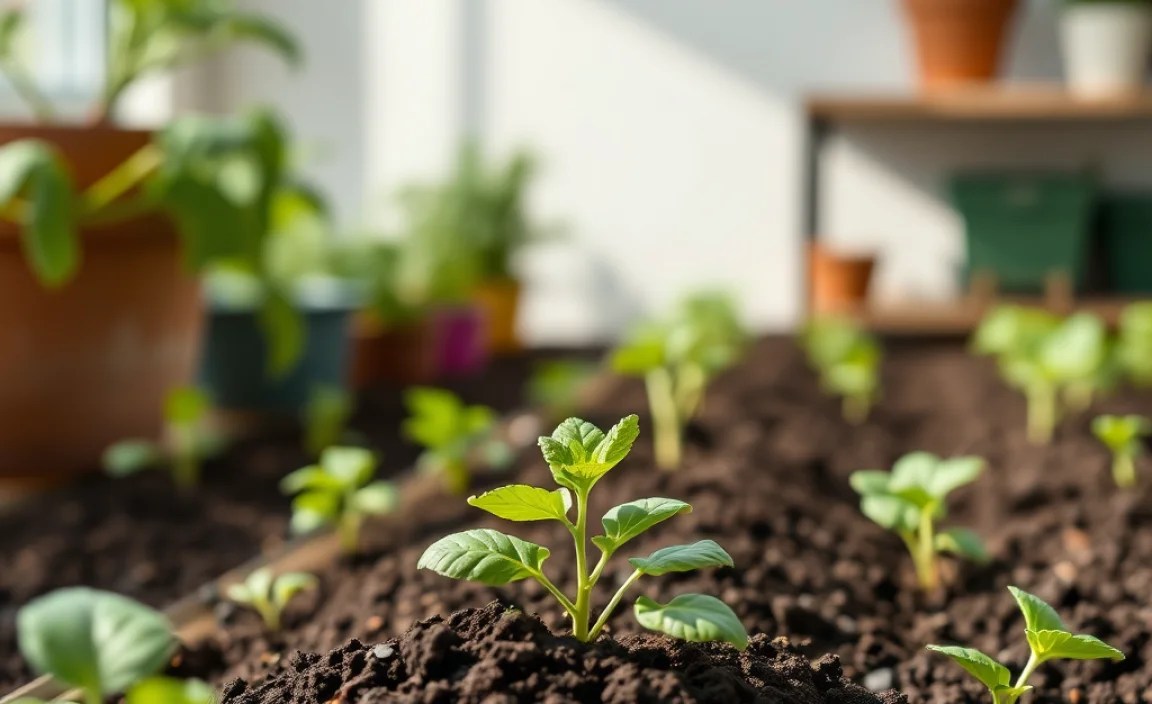
Knowing what’s in your soil is super important. It’s like knowing what ingredients you have before you bake a cake. Soil tests tell you what nutrients are already in your soil. They also tell you if your soil is too acidic or too alkaline. You can buy a soil test kit at a garden store. Or, you can send a soil sample to a lab. The test results will tell you if your soil needs more nitrogen, phosphorus, or potassium. They might also tell you if you need to add lime to make your soil less acidic. Once you know what your soil needs, you can add the right nutrients for vegetable gardens. This will help your plants grow their best. Testing helps you avoid adding too much of one nutrient. Too much of one thing can be bad for plants. Think of it like giving a plant too much sugar!
- Soil tests tell you what nutrients are in your soil.
- They also tell you if your soil is too acidic or alkaline.
- You can buy a soil test kit at a garden store.
- You can also send a soil sample to a lab.
- The test results will help you choose the right nutrients.
- Testing helps you avoid adding too much of one nutrient.
Imagine you are a doctor for your plants. A soil test is like giving your plants a checkup. The test tells you what’s wrong and what they need to get better. If the test shows your soil is low in nitrogen, you can add a fertilizer that is high in nitrogen. If it’s low in phosphorus, you can add bone meal. If it’s low in potassium, you can add wood ash. Knowing what your soil needs is the first step to growing a healthy garden. It’s like giving your plants the right medicine to help them thrive. Remember, a healthy garden starts with healthy soil. Nutrients for vegetable gardens are essential for plant health.
How to Collect a Soil Sample
Taking a soil sample is easy! You will need a clean shovel or trowel. You will also need a clean bucket or container. Dig several small holes in different parts of your garden. Take a small amount of soil from each hole. Mix the soil together in the bucket. This will give you a good sample of your garden soil. Remove any rocks or big pieces of plant matter. Let the soil dry out a little bit. Then, follow the instructions on your soil test kit or the lab. Make sure to label your sample with your name and address. This will help you get the correct results. Collecting a good soil sample is important for accurate results. You want to know exactly what your soil needs!
Understanding Soil pH
Soil pH is a measure of how acidic or alkaline your soil is. Most plants like soil that is slightly acidic. A pH of around 6.0 to 7.0 is usually best. Some plants like blueberries prefer more acidic soil. If your soil is too acidic, you can add lime to raise the pH. If your soil is too alkaline, you can add sulfur to lower the pH. You can find out your soil pH by doing a soil test. Knowing your soil pH is important for growing healthy plants. Plants can’t absorb nutrients properly if the pH is too high or too low. So, make sure to check your soil pH and adjust it if needed.
Choosing the Right Soil Test
There are different kinds of soil tests you can choose. Some tests are simple and easy to do at home. These tests usually measure pH, nitrogen, phosphorus, and potassium. Other tests are more detailed and need to be done in a lab. These tests can measure other nutrients and tell you more about your soil. If you are just starting out, a simple home test might be enough. If you are having problems with your plants, a more detailed lab test might be helpful. Choose the test that is right for you and your garden. Remember, the goal is to learn what your soil needs so you can grow healthy plants. Understanding nutrients for vegetable gardens starts with a soil test.
Fun Fact or Stat: One teaspoon of healthy soil can contain more living organisms than there are people on Earth!

Natural Sources of Nutrients for Vegetable Gardens
There are many natural ways to add nutrients to your garden. Compost is a great option. It is made from decayed plants and food scraps. Compost adds nutrients to the soil and helps it hold water. Manure is another natural source of nutrients. It comes from animal waste. Make sure to use aged manure, not fresh manure. Fresh manure can burn your plants. Cover crops are plants that you grow to improve the soil. They can add nitrogen and other nutrients to the soil. They also help prevent weeds and erosion. Using natural sources of nutrients is good for the environment. It also helps you grow healthy, delicious vegetables. These options help you create a balanced and thriving garden ecosystem. The best nutrients for vegetable gardens are often natural.
- Compost adds nutrients and helps soil hold water.
- Aged manure is a good source of nutrients.
- Cover crops add nitrogen and prevent erosion.
- Using natural sources is good for the environment.
- Natural sources help you grow healthy vegetables.
Imagine your garden is a recycling center. You can turn your kitchen scraps and yard waste into valuable nutrients for your plants. Compost is like a superfood for your soil. It feeds the plants and helps them grow strong. Manure is like giving your plants a vitamin boost. It gives them extra nutrients to help them thrive. Cover crops are like giving your soil a blanket. They protect it from the sun and wind. They also add nutrients back into the soil. Using natural sources of nutrients is like working with nature to create a healthy garden. It’s good for the plants, the soil, and the environment. Nutrients for vegetable gardens can be sourced sustainably.
Making Your Own Compost
Making compost is easier than you think! You will need a compost bin or pile. You can buy a compost bin or build your own. Add brown materials like leaves, twigs, and paper. Also add green materials like grass clippings, vegetable scraps, and coffee grounds. Turn the compost pile regularly to help it decompose. Keep the compost pile moist, but not too wet. In a few months, you will have rich, dark compost to add to your garden. Compost is a great way to recycle waste and add nutrients to your soil. It’s like turning trash into treasure!
Using Manure in Your Garden
Manure can be a great source of nutrients for your garden. But it’s important to use aged manure, not fresh manure. Fresh manure can burn your plants and spread diseases. Aged manure has been broken down and is safe to use. You can buy aged manure at a garden store. Or, you can compost fresh manure for several months to age it. Add the aged manure to your garden soil before planting. Mix it in well so it doesn’t burn the plants. Manure can help your plants grow big and strong. Remember to use caution and always use aged manure.
Planting Cover Crops
Cover crops are plants that you grow to improve your soil. They can add nitrogen, prevent erosion, and suppress weeds. Some common cover crops include clover, rye, and oats. Plant cover crops in the fall after you harvest your vegetables. They will grow over the winter and protect the soil. In the spring, you can cut down the cover crops and till them into the soil. This will add nutrients and organic matter to your garden. Cover crops are a great way to improve your soil health. They help you prepare your garden for planting in the spring. The right nutrients for vegetable gardens can come from cover crops.
Fun Fact or Stat: Compost can reduce the amount of waste you send to the landfill by up to 30%!

Choosing the Right Commercial Fertilizers
Sometimes, your garden needs extra help. Commercial fertilizers can give your plants a boost. These fertilizers come in different forms. Some are granular, and you sprinkle them on the soil. Others are liquid, and you mix them with water. The numbers on the fertilizer bag tell you how much nitrogen, phosphorus, and potassium it contains. Choose a fertilizer that is right for your plants. For example, tomatoes need a fertilizer that is high in phosphorus. Leafy greens need a fertilizer that is high in nitrogen. Follow the instructions on the fertilizer bag carefully. Too much fertilizer can burn your plants. Using the right commercial fertilizer can help you grow healthy, productive vegetables. Just be sure to use them wisely. The best nutrients for vegetable gardens sometimes come in a bag.
- Commercial fertilizers give your plants a boost.
- They come in granular and liquid forms.
- The numbers on the bag tell you the nutrient content.
- Choose a fertilizer that is right for your plants.
- Follow the instructions on the bag carefully.
- Too much fertilizer can burn your plants.
Imagine your plants are athletes. Sometimes they need a little extra energy to perform their best. Commercial fertilizers are like energy drinks for plants. They give them a quick boost of nutrients. But just like with energy drinks, it’s important to use them in moderation. Too much fertilizer can be harmful to plants and the environment. Choose a fertilizer that is specifically designed for vegetables. Follow the instructions on the bag carefully. And remember, natural sources of nutrients are always a good option too. Using commercial fertilizers wisely can help you grow a thriving garden. It is important to understand the nutrients for vegetable gardens.
Understanding NPK Ratios
The NPK ratio tells you the percentage of nitrogen, phosphorus, and potassium in a fertilizer. For example, a 10-10-10 fertilizer has 10% nitrogen, 10% phosphorus, and 10% potassium. A 20-5-10 fertilizer has 20% nitrogen, 5% phosphorus, and 10% potassium. Different plants need different NPK ratios. Leafy greens like lettuce need more nitrogen. Root vegetables like carrots need more phosphorus and potassium. Choose a fertilizer with an NPK ratio that is right for your plants. Understanding NPK ratios can help you choose the best nutrients for your garden.
Granular vs. Liquid Fertilizers
Granular fertilizers are slow-release fertilizers. They release nutrients into the soil over time. This is good for plants that need a steady supply of nutrients. Liquid fertilizers are fast-release fertilizers. They provide a quick boost of nutrients to plants. This is good for plants that are struggling or need a quick pick-me-up. Choose the type of fertilizer that is best for your plants and your gardening style. Some gardeners prefer the convenience of liquid fertilizers. Others prefer the slow-release action of granular fertilizers.
Organic vs. Synthetic Fertilizers
Organic fertilizers are made from natural sources. They include compost, manure, and bone meal. Synthetic fertilizers are made in a factory. They are usually cheaper than organic fertilizers. Organic fertilizers release nutrients slowly. They also improve the soil structure. Synthetic fertilizers release nutrients quickly. But they don’t do much to improve the soil. Choose the type of fertilizer that is best for your plants and your values. Some gardeners prefer organic fertilizers for their environmental benefits. Others prefer synthetic fertilizers for their lower cost and quick results. The best nutrients for vegetable gardens are often organic.
Fun Fact or Stat: The first commercial fertilizer was made from ground-up bones!
Applying Nutrients Correctly in Your Garden
Knowing how to apply nutrients is just as important as choosing the right ones. Always follow the instructions on the fertilizer label. Apply fertilizer evenly around the plants. Avoid getting fertilizer on the leaves, as this can burn them. Water the fertilizer into the soil after applying it. This helps the nutrients reach the roots. Be careful not to over-fertilize. Too much fertilizer can be harmful to plants. It can also pollute the environment. Applying nutrients correctly will help your plants grow healthy and strong. It will also help you protect the environment. Applying nutrients for vegetable gardens takes practice.
| Nutrient | Deficiency Symptoms | Natural Sources | Commercial Sources |
|---|---|---|---|
| Nitrogen | Yellow leaves, slow growth | Compost, manure | Ammonium nitrate |
| Phosphorus | Stunted growth, purple leaves | Bone meal, rock phosphate | Superphosphate |
| Potassium | Yellow leaf edges, weak stems | Wood ash, greensand | Potassium sulfate |
| Calcium | Blossom-end rot, stunted new growth | Lime, gypsum | Calcium nitrate |
- Follow the instructions on the fertilizer label.
- Apply fertilizer evenly around the plants.
- Avoid getting fertilizer on the leaves.
- Water the fertilizer into the soil.
- Be careful not to over-fertilize.
Imagine you are giving your plants a healthy meal. You want to give them the right amount of food, not too much and not too little. Applying nutrients correctly is like serving your plants a balanced diet. Follow the instructions on the fertilizer label. This will help you give your plants the right amount of nutrients. Apply the fertilizer evenly around the plants. This will ensure that all the roots get the nutrients they need. Water the fertilizer into the soil. This will help the nutrients reach the roots quickly. Be careful not to over-fertilize. Too much fertilizer can be harmful to plants and the environment. Using nutrients for vegetable gardens properly ensures success.
When to Fertilize Your Garden
The best time to fertilize your garden is before you plant. This gives the nutrients time to soak into the soil. You can also fertilize your plants during the growing season. But be careful not to fertilize too often. Over-fertilizing can burn your plants. A good rule of thumb is to fertilize every few weeks. Watch your plants for signs of nutrient deficiencies. If they are looking pale or growing slowly, they may need more fertilizer. Fertilizing at the right time can help your plants grow their best. It’s like giving them a boost when they need it most.
How to Avoid Over-Fertilizing
Over-fertilizing can be harmful to plants and the environment. It can burn the roots and leaves of plants. It can also pollute the soil and water. To avoid over-fertilizing, follow the instructions on the fertilizer label carefully. Use a soil test to determine what nutrients your soil needs. Apply fertilizer evenly and water it into the soil. Avoid fertilizing too often. Watch your plants for signs of nutrient deficiencies. If they are looking healthy and growing well, they probably don’t need more fertilizer. Being careful prevents problems related to nutrients for vegetable gardens.
Using Slow-Release Fertilizers
Slow-release fertilizers release nutrients into the soil over time. This is a good way to provide a steady supply of nutrients to your plants. Slow-release fertilizers are less likely to burn plants than fast-release fertilizers. They are also less likely to pollute the environment. Apply slow-release fertilizers before planting. Mix them into the soil well. They will gradually release nutrients as the plants grow. Using slow-release fertilizers can help you grow healthy, productive vegetables. It simplifies the process of using nutrients for vegetable gardens.
Fun Fact or Stat: Some plants can absorb nutrients through their leaves! This is called foliar feeding.
Troubleshooting Common Nutrient Deficiencies
Sometimes, plants don’t get enough of the nutrients they need. This can cause problems like yellow leaves or stunted growth. If you see these signs, your plants might have a nutrient deficiency. The color and pattern of the leaves can tell you which nutrient is missing. Yellow leaves might mean a lack of nitrogen. Purple leaves might mean a lack of phosphorus. Brown edges on leaves might mean a lack of potassium. Once you know which nutrient is missing, you can add it to the soil. You can use compost, manure, or a special fertilizer. Watching your plants closely can help you catch nutrient deficiencies early. This will help you keep your garden healthy and productive. Addressing nutrients for vegetable gardens early is important.
- Yellow leaves might mean a lack of nitrogen.
- Purple leaves might mean a lack of phosphorus.
- Brown edges on leaves might mean a lack of potassium.
- Watch your plants closely for signs of deficiencies.
- Add the missing nutrient to the soil.
Imagine your plants are trying to tell you something. They might be showing you signs that they need more nutrients. If you see yellow leaves, it’s like the plant is saying, “I need more nitrogen!” If you see purple leaves, it’s like the plant is saying, “I need more phosphorus!” If you see brown edges on the leaves, it’s like the plant is saying, “I need more potassium!” Pay attention to what your plants are telling you. Give them the nutrients they need to stay healthy and strong. Understanding what your plants need helps ensure proper use of nutrients for vegetable gardens.
Identifying Nitrogen Deficiency
Nitrogen deficiency is one of the most common nutrient deficiencies in plants. The main symptom is yellow leaves. The yellowing usually starts on the older leaves at the bottom of the plant. The leaves may also be small and stunted. To fix a nitrogen deficiency, add a nitrogen-rich fertilizer to the soil. You can also add compost or manure. Make sure to water the fertilizer into the soil. This will help the plants absorb the nitrogen. Giving plants the right nutrients for vegetable gardens can prevent this.
Recognizing Phosphorus Deficiency
Phosphorus deficiency can cause stunted growth and purple leaves. The purple color is usually most noticeable on the underside of the leaves. The leaves may also be small and deformed. To fix a phosphorus deficiency, add a phosphorus-rich fertilizer to the soil. You can also add bone meal or rock phosphate. Make sure to mix the fertilizer into the soil well. This will help the plants absorb the phosphorus. Early identification of phosphorus needs is important when providing nutrients for vegetable gardens.
Spotting Potassium Deficiency
Potassium deficiency can cause yellow or brown edges on the leaves. The leaves may also be curled or spotted. The plant may also have weak stems and be more susceptible to diseases. To fix a potassium deficiency, add a potassium-rich fertilizer to the soil. You can also add wood ash or greensand. Make sure to water the fertilizer into the soil. This will help the plants absorb the potassium. Watch for these signs to keep your garden healthy with the correct nutrients for vegetable gardens.
Fun Fact or Stat: Some plants can actually change the pH of the soil around their roots to help them absorb nutrients!
Summary
Growing healthy vegetables needs the right nutrients. Nitrogen, phosphorus, and potassium are very important. They help plants grow strong roots, green leaves, and fight off diseases. You can test your soil to see what nutrients it needs. There are natural ways to add nutrients, like compost and manure. You can also use commercial fertilizers. Just be careful not to use too much. Watch your plants for signs of nutrient problems. Giving your plants the right nutrients for vegetable gardens helps them grow big and yummy.
Conclusion
Nutrients are like food for your plants. They help them grow healthy and strong. By understanding what nutrients your plants need, you can grow a thriving vegetable garden. Remember to test your soil, use natural sources of nutrients, and apply fertilizers carefully. With the right care, you can enjoy a bountiful harvest of delicious vegetables. Supplying the right nutrients for vegetable gardens is key to success.
Frequently Asked Questions
Question No 1: What are the most important nutrients for a vegetable garden?
Answer: The three most important nutrients are nitrogen (N), phosphorus (P), and potassium (K). Nitrogen helps plants grow green leaves. Phosphorus helps plants grow strong roots and flowers. Potassium helps plants fight off diseases. These three nutrients are often listed on fertilizer bags as NPK. They are essential for healthy plant growth. If your plants are not getting enough of these nutrients, they may not grow well or produce many vegetables. It’s important to choose fertilizers that provide a balance of these nutrients to meet the specific needs of your plants.
Question No 2: How do I know if my soil needs more nutrients?
Answer: The best way to know if your soil needs more nutrients is to do a soil test. You can buy a soil test kit at a garden store, or you can send a soil sample to a lab. The soil test will tell you what nutrients are already in your soil and what nutrients are lacking. You can also look for signs of nutrient deficiencies in your plants. Yellow leaves, stunted growth, and purple leaves can all be signs that your soil needs more nutrients. Observing your plants and testing your soil will give you the best information.
Question No 3: What are some natural ways to add nutrients to my garden?
Answer: There are many natural ways to add nutrients to your garden. Compost is a great option. It is made from decayed plants and food scraps. Compost adds nutrients to the soil and helps it hold water. Manure is another natural source of nutrients. Make sure to use aged manure, not fresh manure. Cover crops are plants that you grow to improve the soil. They can add nitrogen and other nutrients to the soil. Using natural sources is a great way to provide the right nutrients for vegetable gardens.
Question No 4: Can I use too much fertilizer in my garden?
Answer: Yes, you can definitely use too much fertilizer in your garden. Over-fertilizing can burn your plants and damage the soil. It can also pollute the environment. Always follow the instructions on the fertilizer label carefully. Avoid getting fertilizer on the leaves, as this can burn them. Water the fertilizer into the soil after applying it. If you are not sure how much fertilizer to use, it is always better to use less than more. Observing your plants will help you determine the proper amount of nutrients for vegetable gardens.
Question No 5: What is the best type of fertilizer for tomatoes?
Answer: Tomatoes need a fertilizer that is high in phosphorus. Phosphorus helps tomatoes grow strong roots and produce lots of fruit. A fertilizer with an NPK ratio of 5-10-5 or 10-20-10 is a good choice for tomatoes. You can also add bone meal to the soil to provide extra phosphorus. Make sure to follow the instructions on the fertilizer label carefully. Providing the right nutrients for vegetable gardens helps ensure a bountiful harvest. Watch for signs of nutrient deficiencies and adjust your fertilizing schedule as needed.
Question No 6: How often should I fertilize my vegetable garden?
Answer: How often you should fertilize your vegetable garden depends on several factors. These include the type of soil you have, the type of plants you are growing, and the type of fertilizer you are using. As a general rule, you should fertilize your plants every few weeks during the growing season. Watch your plants for signs of nutrient deficiencies. If they are looking pale or growing slowly, they may need more fertilizer. Always follow the instructions on the fertilizer label carefully. Remember, the goal is to provide adequate nutrients for vegetable gardens.
