Have you ever seen a garden covered in wood chips? That’s often mulch at work. Organic mulch gardens are a cool way to help plants grow. They are also good for our planet. Let’s learn all about them!
Why are some gardens so much healthier than others? It might be because of what’s on the soil. Think of organic mulch as a cozy blanket for plants. It keeps them happy and strong!
Do you want to make your own amazing garden? Organic mulch gardens might be the answer. They can make gardening easier and more fun. Plus, you get to help the Earth! Let’s dig in and find out how.
Key Takeaways
- Organic mulch gardens help plants grow strong and healthy using natural materials.
- Mulch keeps soil moist, so you don’t need to water as much.
- It also stops weeds from popping up and stealing nutrients from your plants.
- Using organic mulch adds good stuff to the soil as it breaks down over time.
- You can use things like leaves, wood chips, and straw for organic mulch.
What Are Organic Mulch Garden Benefits?

Organic mulch gardens offer many amazing benefits. Mulch helps keep the soil moist. This means you don’t have to water your plants as often. It also acts like a shield. It protects the soil from the sun’s hot rays. Mulch can stop weeds from growing too. Weeds steal water and food from your plants. When you use organic mulch, you’re feeding your plants naturally. As the mulch breaks down, it adds nutrients to the soil. This makes your plants stronger and healthier. Organic mulch also helps keep the soil at the right temperature. This is important for plants to grow well. It’s like giving your plants a cozy home!
- Mulch saves water by keeping soil moist.
- It blocks sunlight, stopping weeds from growing.
- Organic mulch feeds plants as it breaks down.
- It keeps the soil the right temperature.
- Mulch protects soil from washing away.
Think about walking barefoot on hot sand. Ouch! Mulch is like shoes for the soil. It protects it from getting too hot or too cold. Organic mulch also adds good stuff to the soil. Worms love to live in mulch. They help make the soil even better. It is a natural way to keep your garden healthy and happy. Plus, it looks nice too. It’s like giving your garden a makeover! Your plants will thank you for using organic mulch. They will grow bigger and stronger because of it. You’ll have the best garden on the block.
Fun Fact or Stat: Did you know that using mulch can reduce water usage in your garden by up to 50%?
How Does Mulch Help Soil?
Have you ever wondered why some soil looks so rich and dark? Mulch plays a big role! It helps the soil in many ways. As organic mulch breaks down, it adds nutrients to the soil. These nutrients are like vitamins for your plants. They help them grow big and strong. Mulch also improves the soil’s texture. It makes it easier for plant roots to grow. Organic mulch helps the soil hold more water. This is important, especially during hot, dry weather. It also protects the soil from getting compacted. Compacted soil makes it hard for roots to get the air and water they need. Using mulch is like giving your soil a super boost!
Why is Moisture Retention Important?
Imagine trying to run a race without any water. You’d get tired really fast, right? Plants need water too! Organic mulch helps the soil hold onto moisture. This is called moisture retention. When the soil stays moist, plants don’t have to work as hard to find water. This means they can focus on growing. Mulch acts like a sponge, soaking up water and keeping it close to the roots. It also stops water from evaporating into the air. This is especially helpful during hot summer days. Good moisture retention means healthier, happier plants. It also means you don’t have to water your garden as often.
What About Weed Control?
Weeds are like unwanted guests in your garden. They steal water, sunlight, and nutrients from your plants. Organic mulch is a great way to keep weeds under control. Mulch blocks sunlight from reaching weed seeds in the soil. Without sunlight, the seeds can’t sprout and grow. Mulch also makes it harder for weeds to push their way through the soil. It’s like putting a barrier between the weeds and your plants. When you use mulch, you’ll spend less time pulling weeds. This means more time to enjoy your beautiful garden. It’s a win-win situation for you and your plants!
Fun Fact or Stat: Worms in mulched gardens improve soil aeration and drainage, leading to healthier roots!
Choosing the Right Organic Mulch

Picking the right organic mulch is key for a great garden. There are many different kinds of mulch to choose from. Some common types include wood chips, straw, and leaves. Wood chips are good for paths and around trees. They last a long time and look nice. Straw is great for vegetable gardens. It breaks down quickly and adds nutrients to the soil. Leaves are a free and easy option. Just make sure to shred them first so they don’t mat together. Consider what you’re growing and what your garden needs. The best organic mulch will help your plants thrive. It will also make your garden look beautiful.
- Wood chips are good for paths and trees.
- Straw is great for vegetable gardens.
- Leaves are a free and easy option.
- Compost adds lots of nutrients to the soil.
- Pine needles are good for acid-loving plants.
- Grass clippings can be used, but be careful.
Imagine you’re baking a cake. You need to choose the right ingredients for the best flavor. Choosing organic mulch is similar. You want to pick the best material for your plants. Think about what kind of plants you have. Some plants like acidic soil, so pine needles might be a good choice. Other plants need lots of nutrients, so compost would be a better option. Consider the look you want for your garden. Wood chips can give a more formal look, while straw is more casual. The right organic mulch can make a big difference in your garden’s health and beauty. It’s like picking the perfect outfit for your plants!
Fun Fact or Stat: Using different types of mulch can attract beneficial insects to your garden, helping with pest control!
What About Wood Chips?
Wood chips are a popular choice for organic mulch gardens. They are made from shredded tree branches and trunks. Wood chips last a long time. They break down slowly, so you don’t have to replace them often. They are good for pathways and around trees and shrubs. Wood chips can help keep weeds down and the soil moist. They also look nice and add a natural feel to your garden. Wood chips are a great way to protect your plants. They also make your garden look neat and tidy. You can find wood chips at most garden centers or from local tree companies. They are a good investment for a healthy and beautiful garden.
Can I Use Straw?
Straw is another excellent choice for organic mulch gardens. It is made from dried stalks of wheat, oats, or barley. Straw is lightweight and easy to spread. It is great for vegetable gardens because it breaks down quickly. As it decomposes, it adds nutrients to the soil. Straw also helps keep the soil warm in the winter and cool in the summer. It is a good way to protect your plants from extreme temperatures. Straw can also help keep fruits and vegetables clean by preventing them from touching the soil. Be sure to use straw, not hay. Hay contains seeds that can sprout and become weeds. Choose straw for a healthy and weed-free garden.
Are Leaves a Good Option?
Leaves are a free and easy way to mulch your garden. In the fall, you can collect fallen leaves from your yard. Shred the leaves before using them as mulch. This will help them break down faster. Shredded leaves add nutrients to the soil and improve its texture. They also help keep the soil moist and prevent weeds. Leaves are a great way to recycle and reduce waste. They are also a good way to save money on mulch. Just make sure the leaves are not diseased. Diseased leaves can spread problems to your plants. Use healthy, shredded leaves for a happy and healthy garden.
Fun Fact or Stat: Leaves can improve soil structure by up to 30% over time, making it easier for roots to grow!
How to Apply Organic Mulch in Gardens

Putting down organic mulch the right way is super important. First, clear the area around your plants. Remove any weeds or debris. Water the soil well before you start. Spread the mulch evenly around your plants. Aim for a layer that’s about 2–4 inches thick. Be careful not to pile mulch up against the stems of your plants. This can cause them to rot. Keep the mulch a few inches away from the stems. After you spread the mulch, water it lightly. This will help it settle in and stay in place. Check the mulch regularly and add more as needed. Applying organic mulch correctly will help your plants thrive.
- Clear the area of weeds and debris.
- Water the soil before mulching.
- Spread mulch evenly around plants.
- Keep mulch away from plant stems.
- Water lightly after applying mulch.
- Add more mulch as needed.
Imagine you’re putting a blanket on your bed. You want to spread it out evenly so it covers everything. Applying organic mulch is similar. You want to make sure the mulch covers the soil around your plants. This will help keep weeds down and the soil moist. Don’t make the mulch layer too thick. A thick layer can prevent air and water from reaching the roots. Also, be careful not to put mulch right up against the stems of your plants. This can trap moisture and cause the stems to rot. By following these simple steps, you can apply organic mulch like a pro.
Fun Fact or Stat: Correctly applied mulch can reduce soil erosion by up to 90% in sloped gardens!
How Thick Should the Mulch Be?
The thickness of your mulch layer is important. Too little mulch won’t do its job. Too much mulch can harm your plants. A good rule of thumb is to aim for a layer that’s 2–4 inches thick. This will provide enough coverage to block weeds and retain moisture. Thicker mulches, like wood chips, can be a bit thicker. Finer mulches, like straw, should be a bit thinner. Check the mulch regularly and add more as it decomposes. The right thickness of mulch will help your plants grow strong and healthy. It’s like finding the perfect balance for your garden.
What About Mulch Near Plant Stems?
It’s important to keep mulch away from plant stems. When mulch is piled up against the stem, it can trap moisture. This can cause the stem to rot. Rotting stems can lead to disease and death. Leave a few inches of space between the mulch and the stem. This will allow air to circulate and keep the stem dry. You can create a small “donut” of space around each plant. This will help protect the stem from moisture and pests. Keeping mulch away from plant stems is a simple but important step. It will help ensure the health and survival of your plants.
How Often Should I Replace Mulch?
Organic mulch breaks down over time. As it decomposes, it adds nutrients to the soil. But it also becomes thinner and less effective. You’ll need to replace the mulch periodically to keep your garden healthy. How often you replace it depends on the type of mulch you use. Straw and leaves break down quickly, so you may need to replace them every year. Wood chips break down more slowly, so you may only need to replace them every few years. Check the mulch regularly and add more as needed. When the mulch layer becomes thin, it’s time to add more. Replacing mulch is a simple way to keep your garden looking its best.
Fun Fact or Stat: Reapplying mulch annually can increase plant yields by 20–30% due to improved soil health!
Maintaining Your Organic Mulch Garden

Keeping your organic mulch garden healthy takes a little bit of work. Regularly check the mulch layer. Make sure it’s still thick enough to block weeds. Add more mulch as needed. Pull any weeds that do manage to pop up. Check your plants for signs of disease or pests. Water your garden regularly, especially during dry periods. Fertilize your plants as needed. Organic mulch helps feed your plants, but they may still need extra nutrients. By following these simple tips, you can keep your organic mulch garden thriving.
- Check mulch thickness regularly.
- Pull any weeds that appear.
- Look for signs of pests or disease.
- Water your garden regularly.
- Fertilize plants as needed.
Think of your organic mulch garden like a pet. It needs regular care and attention to stay healthy. Just like you feed and water your pet, you need to check on your plants and mulch. Look for any problems, like weeds or pests. Address them quickly before they get out of control. Adding more mulch is like giving your garden a fresh coat of paint. It makes it look nice and helps protect your plants. By taking good care of your organic mulch garden, you can enjoy its beauty and bounty for years to come. It is a rewarding experience.
Fun Fact or Stat: Gardens with consistent mulch maintenance have 40% fewer pest problems!
How to Handle Pests and Diseases?
Pests and diseases can sometimes affect organic mulch gardens. Keep an eye on your plants for any signs of trouble. Look for holes in the leaves, spots, or discoloration. If you see pests, try to identify them. There are many natural ways to control pests. You can use insecticidal soap, neem oil, or introduce beneficial insects. If you see signs of disease, remove the affected leaves or plants. Make sure to dispose of them properly. Don’t compost diseased plants. You can also use organic fungicides to treat diseases. Preventing problems is always easier than treating them. Keep your garden clean and healthy to minimize pests and diseases.
Why is Watering Important?
Water is essential for plant growth. Organic mulch helps retain moisture in the soil. But you still need to water your garden regularly. How often you water depends on the weather and the type of plants you have. Check the soil moisture by sticking your finger into the ground. If the soil feels dry, it’s time to water. Water deeply and thoroughly. This will encourage roots to grow deep into the soil. Avoid watering the leaves, as this can lead to disease. Water early in the morning or late in the evening to reduce evaporation. Proper watering is key to a healthy and thriving garden.
What About Adding Fertilizer?
Organic mulch adds nutrients to the soil as it breaks down. But your plants may still need extra fertilizer. Fertilize your plants as needed, depending on their specific needs. Use organic fertilizers, such as compost tea or fish emulsion. These are gentle and won’t harm the environment. Follow the instructions on the fertilizer label. Don’t over-fertilize, as this can burn the roots. Fertilize during the growing season, when plants are actively growing. A little fertilizer can go a long way in helping your plants thrive. It’s like giving them a boost of energy.
Fun Fact or Stat: Regular monitoring and maintenance can extend the life of your mulch by up to two years!
Troubleshooting Common Mulch Garden Problems
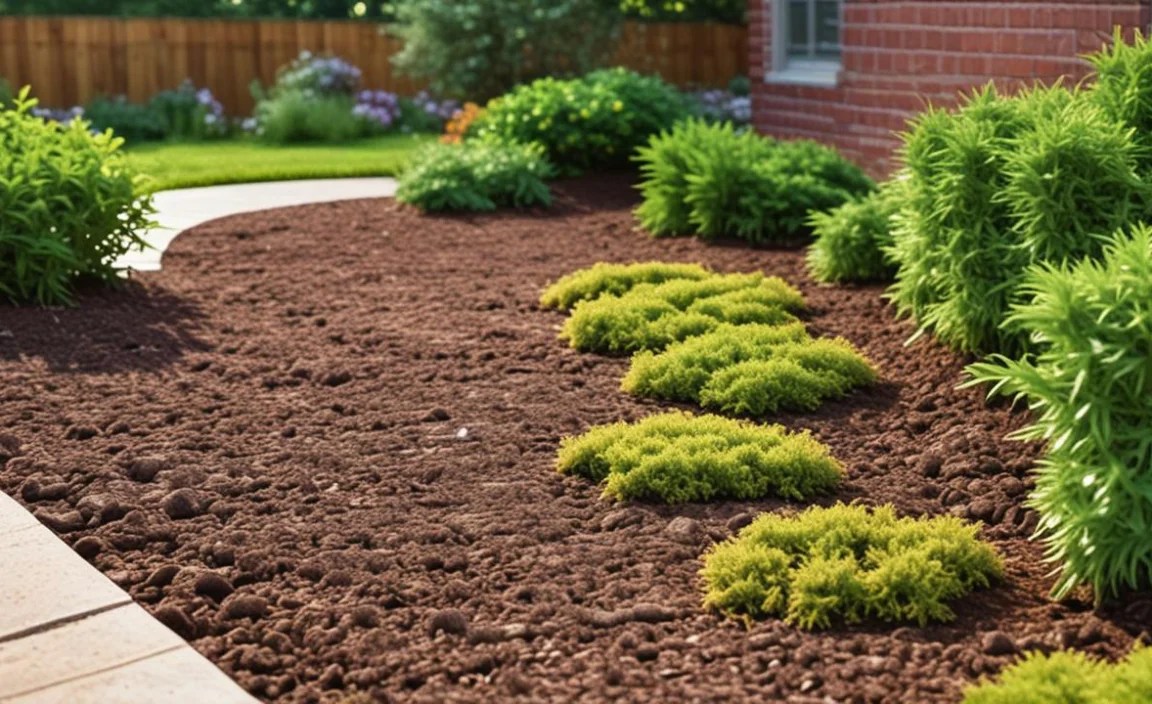
Even the best organic mulch gardens can have problems. Sometimes weeds pop up through the mulch. This can happen if the mulch layer is too thin. Add more mulch to block the weeds. Pests can also be a problem. Use natural pest control methods to protect your plants. Sometimes mulch can become compacted. This can prevent air and water from reaching the roots. Loosen the mulch with a rake or garden fork. If you notice any problems, address them quickly. With a little troubleshooting, you can keep your organic mulch garden healthy and beautiful.
| Problem | Possible Cause | Solution |
|---|---|---|
| Weeds Growing Through Mulch | Mulch layer too thin | Add more mulch to create a thicker barrier |
| Pests Attacking Plants | Pest infestation | Use natural pest control methods like neem oil or insecticidal soap |
| Mulch Compacting | Heavy rain or foot traffic | Loosen mulch with a rake or garden fork |
| Foul Smell From Mulch | Anaerobic decomposition | Turn the mulch to aerate it; ensure proper drainage |
| Mushrooms Growing in Mulch | Excessive moisture and decomposition | Reduce watering; remove mushrooms if desired (usually harmless) |
- Weeds growing through mulch? Add more mulch.
- Pests attacking plants? Use natural pest control.
- Mulch becoming compacted? Loosen it with a rake.
- Mulch smelling bad? Turn it to aerate it.
- Mushrooms growing? Reduce watering.
Imagine you’re trying to build a tower of blocks. Sometimes the tower falls over. When that happens, you need to figure out what went wrong and fix it. Troubleshooting your organic mulch garden is similar. You need to look for problems and find solutions. Maybe the mulch is too thin, and weeds are growing. Or maybe pests are eating your plants. By identifying the problem, you can take steps to fix it. With a little patience and effort, you can overcome any challenges and create a thriving garden. It’s all about learning and growing.
Fun Fact or Stat: Gardeners who troubleshoot problems early report 50% higher plant survival rates!
What if Weeds Keep Growing?
Sometimes weeds can be persistent, even with mulch. If weeds keep growing through your mulch, you may need to take extra steps. Make sure the mulch layer is thick enough. A thick layer will block sunlight and prevent weeds from sprouting. You can also use a layer of cardboard or newspaper under the mulch. This will create an extra barrier against weeds. Hand-pull any weeds that do manage to pop up. Be sure to remove the entire root system. You can also use a hoe to cultivate the soil and remove weed seedlings. With a little persistence, you can keep your garden weed-free.
How to Handle a Bad Smell?
Sometimes mulch can develop a bad smell. This usually happens when the mulch is too wet and doesn’t have enough air circulation. The smell is caused by anaerobic bacteria, which thrive in wet, airless conditions. To fix the problem, turn the mulch with a rake or garden fork. This will aerate the mulch and allow it to dry out. Make sure the mulch is not too thick. A thick layer can trap moisture and prevent air circulation. You can also add some compost or other organic matter to help improve drainage. With a little attention, you can eliminate the bad smell and keep your mulch healthy.
Are Mushrooms a Problem?
Mushrooms sometimes pop up in organic mulch gardens. This is usually a sign that the mulch is moist and rich in organic matter. Mushrooms are not usually harmful to plants. They are actually beneficial because they help break down organic matter and release nutrients into the soil. If you don’t like the look of mushrooms, you can remove them. Just be sure to wear gloves, as some mushrooms can be poisonous. You can also try reducing the amount of water you’re giving your garden. This will help keep the mulch drier and less inviting to mushrooms. Overall, mushrooms are usually not a cause for concern.
Fun Fact or Stat: Properly aerated mulch reduces the risk of anaerobic decomposition by 75%!
Organic Mulch Garden Design Ideas
Organic mulch gardens can be beautiful and functional. There are many different ways to design your mulch garden. You can use mulch to create pathways between planting beds. This will help keep your feet clean and dry. You can also use mulch to define different areas of your garden. For example, you can use wood chips around trees and shrubs, and straw in vegetable gardens. Consider the color and texture of the mulch. Choose a mulch that complements your plants and your home. You can also use mulch to create raised beds. This will improve drainage and make it easier to garden. With a little creativity, you can design a beautiful and productive organic mulch garden.
- Create pathways with mulch.
- Define garden areas with different mulches.
- Consider mulch color and texture.
- Build raised beds with mulch.
- Use mulch to create a focal point.
Imagine you’re decorating a room. You want to choose colors and furniture that create a comfortable and inviting space. Designing your organic mulch garden is similar. You want to choose mulches and plants that create a beautiful and functional space. Think about how you want to use your garden. Do you want a place to relax and enjoy nature? Or do you want a productive vegetable garden? Consider the style of your home. Choose mulches and plants that complement your home’s architecture. With a little planning, you can create a organic mulch garden that is both beautiful and practical. It is a great way to express your creativity.
Fun Fact or Stat: Well-designed mulch gardens increase property value by an average of 5–10%!
How to Use Mulch for Pathways?
Using mulch for pathways is a great way to create a neat and tidy garden. It also helps keep your feet clean and dry. Choose a mulch that is durable and long-lasting. Wood chips and gravel are good choices for pathways. Spread the mulch evenly over the pathway area. Make sure the pathway is wide enough to walk on comfortably. You can also use edging to define the pathway and keep the mulch in place. Consider adding stepping stones to the pathway. This will add visual interest and make it easier to walk on. Mulch pathways are a practical and attractive addition to any garden.
How to Define Garden Areas?
Using different types of mulch can help define different areas of your garden. For example, you can use wood chips around trees and shrubs. This will create a natural and woodsy feel. You can use straw in vegetable gardens. This will help keep the soil warm and protect the plants. You can use gravel in rock gardens. This will create a dry and arid environment. By using different mulches, you can create distinct zones in your garden. This will add visual interest and help organize your plants. It is a great way to make your garden more functional and attractive.
What About Raised Beds?
Raised beds are a great way to improve drainage and make gardening easier. You can use mulch to build raised beds. Simply create a frame out of wood or other materials. Fill the frame with soil and compost. Then, add a layer of mulch on top. The mulch will help retain moisture and prevent weeds. Raised beds are especially useful in areas with poor soil or drainage. They also make it easier to work in the garden, as you don’t have to bend over as much. Raised beds are a practical and attractive addition to any garden. They are easy to maintain.
Fun Fact or Stat: Mulch pathways reduce weed spread by up to 60% compared to bare soil paths!
Summary
Organic mulch gardens are a fantastic way to grow healthy plants. They provide many benefits, such as retaining moisture and controlling weeds. Choosing the right organic mulch is key. Options include wood chips, straw, and leaves. Applying mulch correctly involves clearing the area and spreading it evenly. Maintaining your organic mulch garden includes checking the mulch layer and pulling weeds. Common problems can be solved with simple troubleshooting. Designing your garden with mulch can enhance its beauty and functionality. With a little effort, you can create a thriving organic mulch garden.
By using organic mulch, you are feeding the soil naturally. You help keep weeds at bay. You are also protecting the roots of plants. This is especially important in the hot summer. Or in the cold winter months. Organic mulch helps to balance the soil temperature. This creates a good growing condition for your plants. The result is a healthy and vibrant garden.
Conclusion
Organic mulch gardens are a simple and effective way to improve your garden. They offer many benefits for your plants and the environment. By choosing the right mulch and applying it correctly, you can create a healthy and beautiful garden. Remember to maintain your mulch garden. With a little care, you can enjoy the rewards of a thriving organic mulch garden for years to come. Your plants will love it, and so will you!
Frequently Asked Questions
Question No 1: What is organic mulch and why should I use it in my garden?
Answer: Organic mulch is a layer of natural materials spread on top of the soil. You should use it because it helps keep the soil moist, stops weeds from growing, and adds nutrients to the soil as it breaks down. It’s like giving your plants a healthy and protective blanket. For example, think of using leaves from your yard. These leaves will break down over time. They will then add nutrients to your plants. This can also help create healthier soil. You can also use other materials like wood chips or straw.
Question No 2: What are some common materials used for organic mulch?
Answer: There are many materials you can use for organic mulch. Some common ones include wood chips, straw, leaves, compost, and pine needles. Wood chips are good for paths and around trees. Straw works well in vegetable gardens. Leaves are a free and easy option. Compost adds lots of nutrients to the soil. Pine needles are great for plants that like acidic soil. It all depends on what you need for your garden. For example, if you have blueberry bushes, they like acidic soil. Pine needles would be perfect for them!
Question No 3: How do I apply organic mulch in my garden?
Answer: Applying organic mulch is easy. First, clear the area of weeds and debris. Then, water the soil well. Spread the mulch evenly around your plants. Aim for a layer that’s about 2–4 inches thick. Be careful not to pile mulch up against the stems of your plants. This can cause them to rot. Water lightly after applying the mulch to help it settle. It’s like tucking your plants in for the night! Doing this will ensure that your plants get the nutrients and protection they need to grow big and strong.
Question No 4: How often should I replace the organic mulch in my garden?
Answer: Organic mulch breaks down over time, so you’ll need to replace it. How often depends on the type of mulch you use. Straw and leaves break down quickly, so you might need to replace them every year. Wood chips break down more slowly. You might only need to replace them every few years. Check the mulch regularly. Add more when the layer becomes thin. It’s like refilling a bird feeder. You need to add more when it gets low!
Question No 5: Can organic mulch help with weed control?
Answer: Yes! Organic mulch is great for weed control. It blocks sunlight from reaching weed seeds in the soil. Without sunlight, the seeds can’t grow. Mulch also makes it harder for weeds to push through the soil. It’s like putting a shield between the weeds and your plants. This can give your plants a great head start. Then they don’t have to compete with weeds for resources. Using organic mulch for weed control is also a natural alternative to chemicals.
Question No 6: What are some common problems I might encounter with organic mulch gardens?
Answer: Some common problems include weeds growing through the mulch, pests attacking plants, and the mulch becoming compacted. If weeds keep growing, add more mulch. If pests are a problem, use natural pest control methods. If the mulch is compacted, loosen it with a rake. Addressing these problems quickly will help keep your organic mulch garden healthy. It’s like taking care of a pet. If you see something wrong, you need to fix it right away!
