Do you love fresh veggies? Have you ever thought about growing them yourself? Organic vegetable gardening is a fun way to get healthy food. It is also good for our planet. Let’s learn how to grow yummy veggies!
Imagine biting into a juicy tomato. You grew it in your own backyard. That tomato tastes so much better. Why? Because you know where it came from. You used no bad stuff on it. Organic vegetable gardening lets you do this.
It’s easier than you think to start. You don’t need a lot of space. A small garden can make a big difference. You can grow your favorite foods. Plus, you will help the bees and butterflies. Are you ready to get started?
Key Takeaways
- Organic vegetable gardening helps you eat healthy and protect the Earth.
- Choose the right spot with lots of sunlight for your veggie garden.
- Use compost and natural stuff to feed your plants and keep them strong.
- Water your garden regularly, especially when it is hot and dry outside.
- Keep an eye on your plants and protect them from bugs without chemicals.

Starting Your Organic Vegetable Garden
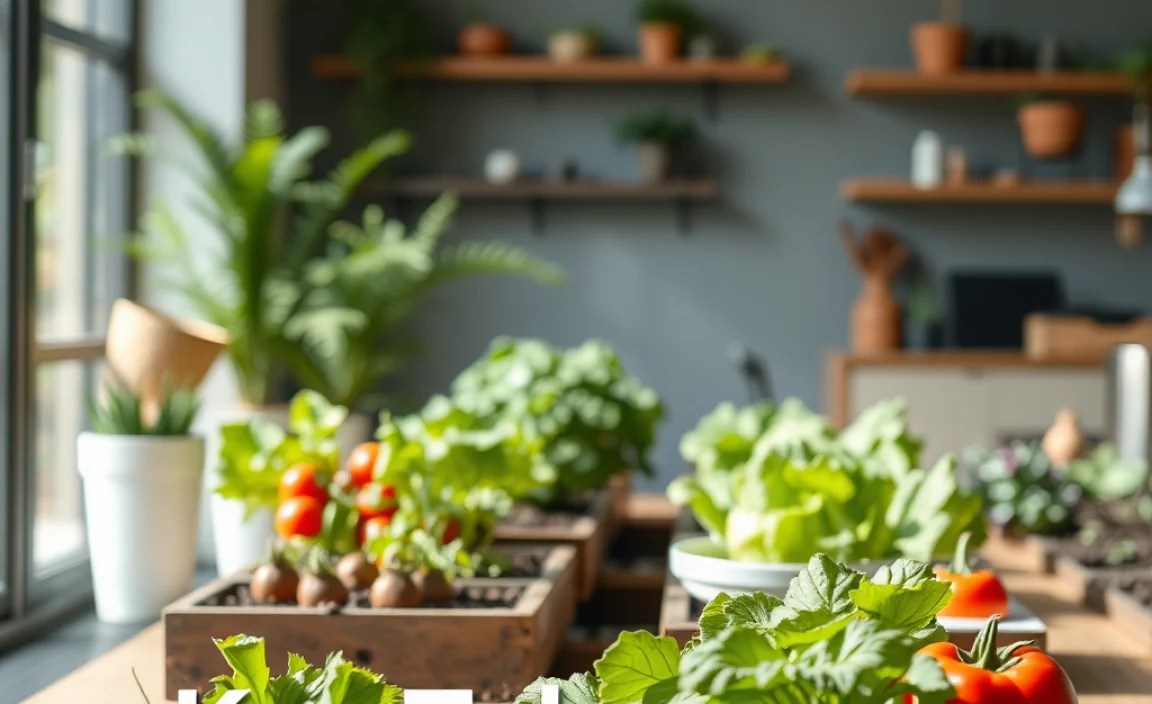
Organic vegetable gardening can be a great hobby. You will get fresh food. You will also help the environment. Starting your own garden is easier than you think. First, find a sunny spot in your yard. Most vegetables need at least six hours of sunlight each day. Make sure the soil is good for growing. You can add compost to make it better. Compost is like food for plants. It helps them grow big and strong. Choose vegetables that you like to eat. Some easy ones to start with are tomatoes, lettuce, and carrots. You can buy seeds or small plants from a garden store. Follow the instructions on the seed packets. Water your plants regularly. Watch them grow into yummy food. Remember, organic vegetable gardening is about using natural methods. This means no harmful chemicals. You can use things like ladybugs to help control pests. Have fun and enjoy the process of growing your own food!
- Find a sunny spot in your yard.
- Make sure the soil is good.
- Choose veggies you like to eat.
- Water your plants often.
- Use natural pest control.
Now you have a spot. You have your seeds or plants. You are ready to plant. Dig small holes for your seeds or plants. Space them out according to the instructions. Cover them with soil. Gently water the area. Be patient. It takes time for plants to grow. Keep the soil moist. Pull out any weeds that pop up. Weeds steal food and water from your plants. As your plants grow, you may need to support them. Tomatoes, for example, need stakes or cages. This helps them stay upright. Organic vegetable gardening is a learning process. Don’t be afraid to experiment. Try different vegetables each year. See what grows best in your area. The most important thing is to have fun!
Fun Fact or Stat: Did you know that organic food has more vitamins than regular food?
Choosing the Right Location
Where you put your garden matters a lot. Plants need sunlight to grow. Most vegetables need at least six hours of sun each day. Watch your yard during the day. Notice where the sun shines the longest. That’s the best spot for your garden. Also, think about water. You will need to water your plants regularly. Is there a water source nearby? A hose or a watering can will work. Make sure the soil drains well. If the soil stays too wet, the plants can rot. You can add compost or other materials to improve drainage. Choosing the right location will help your organic vegetable gardening efforts succeed.
Preparing the Soil for Planting
Good soil is key for healthy plants. You can buy soil from a store. Or, you can improve the soil you already have. Dig up the soil in your garden area. Remove any rocks or weeds. Add compost to the soil. Compost is made from things like leaves and food scraps. It adds nutrients to the soil. It also helps the soil hold water. Mix the compost well with the soil. You can also add other things like manure or bone meal. These add extra nutrients. Make sure the soil is loose and easy to dig in. Healthy soil will help your plants grow strong and produce lots of vegetables. This is a big part of organic vegetable gardening.
Selecting Your First Vegetables
What do you like to eat? That’s a great place to start. Some vegetables are easier to grow than others. Lettuce, spinach, and radishes are good choices for beginners. Tomatoes and peppers are also popular. But they need more care. Beans and peas are easy to grow from seeds. Carrots and beets need loose soil. Choose vegetables that grow well in your area. Ask your local garden store for advice. Plant vegetables that grow at different times of the year. This way, you will have fresh food all season long. Organic vegetable gardening lets you enjoy the fruits (and vegetables) of your labor.
Fun Fact or Stat: The world’s largest tomato weighed over 7 pounds!

Understanding Organic Soil Amendments
What are organic soil amendments? They are things you add to your soil. They make it better for plants. These amendments are natural. They don’t have harmful chemicals. Compost is a great amendment. It adds nutrients and helps the soil hold water. Manure is another good choice. It is animal poop. It has lots of nutrients. Bone meal is made from ground-up bones. It adds phosphorus to the soil. Phosphorus helps plants grow strong roots. Green manure is when you grow plants to improve the soil. Then, you dig them back into the soil. These amendments feed your plants naturally. They help them grow healthy and strong. Using organic soil amendments is important for organic gardening.
- Compost adds nutrients to the soil.
- Manure is a good source of nitrogen.
- Bone meal helps with root growth.
- Green manure improves soil structure.
- Use natural amendments for healthy plants.
Different plants need different things. Some plants like acidic soil. Others like alkaline soil. You can test your soil to see what it needs. A soil test will tell you the pH level. It will also tell you what nutrients are missing. You can buy a soil test kit at a garden store. Or, you can send a sample to a lab. Once you know what your soil needs, you can add the right amendments. Don’t add too much of anything. Too much can be bad for your plants. Follow the instructions on the amendment packaging. Remember, healthy soil means healthy plants. And healthy plants mean lots of yummy vegetables from your organic vegetable gardening.
Fun Fact or Stat: Worm castings are a great organic soil amendment. They are worm poop!
Using Compost Effectively
Compost is like gold for your garden. It’s made from decomposed organic matter. This includes things like leaves, food scraps, and grass clippings. You can make your own compost at home. Or, you can buy it from a store. Compost adds nutrients to the soil. It also helps the soil hold water. And it improves the soil structure. To use compost, spread it on top of the soil. Then, mix it in with a garden fork or shovel. You can also use compost as mulch. Mulch is a layer of material that covers the soil. It helps keep the soil moist. And it prevents weeds from growing. Compost is a key ingredient for successful organic vegetable gardening.
Understanding Green Manure
Green manure is a cool idea. You grow certain plants just to improve the soil. These plants are usually legumes, like clover or beans. Legumes take nitrogen from the air. They store it in their roots. Nitrogen is a nutrient that plants need to grow. When the legumes are done growing, you cut them down. Then, you dig them back into the soil. This releases the nitrogen into the soil. It also adds organic matter. Green manure can improve soil structure. It can also help prevent erosion. It’s a great way to improve your soil naturally. Green manure is a helpful practice in organic vegetable gardening.
Choosing the Right Manure
Manure is animal poop. It’s a great source of nutrients for plants. But not all manure is the same. Different animals produce different types of manure. Chicken manure is very rich in nutrients. It can be too strong for some plants. Cow manure is milder. It’s a good choice for most vegetables. Horse manure is also a good choice. But it may contain weed seeds. Make sure the manure is well-composted before you use it. This will kill any harmful bacteria. It will also reduce the risk of burning your plants. Manure can be a great addition to your organic vegetable gardening efforts.
Fun Fact or Stat: Some people use coffee grounds as a soil amendment. Coffee grounds add nitrogen to the soil.

Watering Techniques for Organic Gardens
Water is very important for plants. They need water to grow. But you don’t want to give them too much. Overwatering can be bad. The roots can rot. The leaves can turn yellow. Underwatering is also bad. The plants will wilt. The leaves will turn brown. So, how do you know how much water to give? Check the soil. Stick your finger into the soil. If it feels dry, it’s time to water. Water deeply. This means giving the plants enough water to soak the soil. Water in the morning. This gives the plants time to dry off during the day. Wet leaves can get diseases. Use a watering can or a hose. Water at the base of the plants. Avoid getting water on the leaves. Good watering techniques are key for organic vegetable gardening.
- Check the soil before watering.
- Water deeply and less often.
- Water in the morning.
- Water at the base of plants.
- Avoid getting water on the leaves.
There are different ways to water your garden. You can use a watering can. This is good for small gardens. You can use a hose. This is good for larger gardens. You can also use a sprinkler. This is good for watering large areas. But it can waste water. Drip irrigation is a good way to save water. It delivers water directly to the roots of the plants. Soaker hoses are another good option. They are like hoses that leak water slowly. Choose the watering method that works best for you. And remember to water regularly. Especially during hot, dry weather. Organic vegetable gardening requires consistent watering.
Fun Fact or Stat: Some plants need less water than others. Succulents are plants that store water in their leaves.
Using a Watering Can Effectively
A watering can is a simple tool. But it can be very effective. Choose a watering can that is comfortable to hold. Fill it with water. Then, gently pour the water at the base of the plants. Avoid splashing water on the leaves. This can spread diseases. A watering can is good for watering individual plants. It allows you to control the amount of water each plant gets. It’s also good for watering seedlings. Seedlings are young, delicate plants. They need gentle watering. A watering can is a useful tool for any organic vegetable gardening enthusiast.
Setting Up a Drip Irrigation System
Drip irrigation is a great way to save water. It delivers water directly to the roots of the plants. This reduces water waste. It also helps prevent diseases. To set up a drip irrigation system, you will need a few things. You will need a water source. You will need a timer. You will need a filter. You will need tubing and emitters. The emitters are small devices that release water slowly. Connect the tubing to the water source. Place the emitters near the base of the plants. Set the timer to water the plants regularly. Drip irrigation can be a great investment for your organic vegetable gardening project.
Collecting Rainwater for Your Garden
Rainwater is a free source of water. It’s also good for plants. Rainwater is naturally soft. It doesn’t contain chemicals like tap water. You can collect rainwater in a rain barrel. A rain barrel is a large container that sits under a downspout. The downspout is the pipe that carries water from the roof. Connect the downspout to the rain barrel. Make sure the rain barrel has a lid. This will prevent mosquitoes from breeding. Use the rainwater to water your garden. Rainwater harvesting is a sustainable practice. It can help you save money on your water bill. It’s also good for the environment. Collecting rainwater is a smart idea for organic vegetable gardening.
Fun Fact or Stat: Rainwater is slightly acidic. This can help some plants absorb nutrients better.

Natural Pest Control in Organic Gardens
Bugs can be a problem in any garden. But you don’t have to use harmful chemicals to control them. There are many natural ways to keep pests away. One way is to attract beneficial insects. These are insects that eat other insects. Ladybugs are a good example. They eat aphids, which are small pests that suck plant sap. You can buy ladybugs at a garden store. Or, you can attract them to your garden by planting certain flowers. Another way to control pests is to use companion planting. This is when you plant different plants together that help each other. For example, planting basil near tomatoes can help repel tomato hornworms. You can also use natural sprays. These are made from things like soap, garlic, or pepper. Natural pest control is important for organic vegetable gardening.
- Attract beneficial insects.
- Use companion planting.
- Use natural sprays.
- Handpick pests off plants.
- Use row covers to protect plants.
Sometimes, you have to get your hands dirty. Handpicking pests off plants can be effective. Wear gloves. Look for pests on the leaves and stems. Pick them off and drop them in a bucket of soapy water. You can also use row covers. These are lightweight fabrics that cover your plants. They protect them from pests. But they still allow sunlight and water to reach the plants. Row covers are good for protecting young plants. They can also help prevent diseases. Remember, organic vegetable gardening is about working with nature. Not against it. By using natural pest control methods, you can keep your garden healthy and productive.
Fun Fact or Stat: Some plants, like marigolds, have a strong smell that repels pests.
Attracting Beneficial Insects
Beneficial insects are your friends in the garden. They eat pests that can damage your plants. To attract beneficial insects, plant flowers that they like. Some good choices are sunflowers, daisies, and zinnias. These flowers provide nectar and pollen. The insects need these for food. You can also provide shelter for beneficial insects. Leave some areas of your garden undisturbed. This will give them a place to live and breed. Avoid using pesticides. Pesticides can kill beneficial insects as well as pests. Creating a welcoming habitat for beneficial insects will help keep your garden healthy. This is an important part of organic vegetable gardening.
Using Companion Planting
Companion planting is a clever way to use nature’s help. Some plants help each other grow. For example, carrots and onions are good companions. Onions repel carrot root flies. Basil and tomatoes are another good combination. Basil repels tomato hornworms. Marigolds are also good companions for many vegetables. They repel nematodes, which are tiny worms that can damage roots. Do some research to find out which plants are good companions. Then, plant them together in your garden. Companion planting can help you control pests naturally. It can also improve the growth of your plants. This is a smart technique for organic vegetable gardening.
Making Natural Pest Sprays
Natural pest sprays are easy to make at home. One common spray is made from soap and water. Mix a few drops of dish soap with water in a spray bottle. Spray the plants with the mixture. This will kill aphids and other soft-bodied pests. Another spray is made from garlic. Crush some garlic cloves and soak them in water for a few days. Then, strain the water and use it as a spray. Garlic repels many pests. You can also make a spray from hot peppers. Boil some hot peppers in water. Then, strain the water and use it as a spray. Be careful when using hot pepper spray. It can irritate your skin and eyes. Always test the spray on a small area of the plant first. This will make sure it doesn’t damage the plant. Natural pest sprays are a safe and effective way to control pests in your organic vegetable gardening.
Fun Fact or Stat: Diatomaceous earth is a natural powder that can kill pests. It’s made from fossilized algae.
Crop Rotation for Healthy Gardens
Crop rotation means changing where you plant your vegetables each year. Why is this important? It helps keep the soil healthy. Different vegetables take different nutrients from the soil. If you plant the same vegetable in the same spot every year, it will use up all of that nutrient. The soil will become poor. Crop rotation also helps control pests and diseases. Some pests and diseases live in the soil. They attack certain vegetables. If you move the vegetables to a different spot, the pests and diseases will have a harder time finding them. Crop rotation is a simple but effective way to improve your garden. It helps keep your plants healthy and productive. This is a key practice in organic vegetable gardening.
- Improves soil health naturally.
- Controls soil pests and diseases.
- Helps balance soil nutrients.
- Reduces the need for fertilizers.
- Promotes stronger plant growth.
How do you rotate your crops? Divide your garden into sections. Each year, move the vegetables in each section to a different section. A simple rotation system is to divide your vegetables into four groups: leafy greens, root vegetables, fruits, and legumes. Leafy greens include lettuce, spinach, and kale. Root vegetables include carrots, beets, and radishes. Fruits include tomatoes, peppers, and cucumbers. Legumes include beans and peas. Each year, move each group to the next section. For example, if you planted leafy greens in section one this year, plant root vegetables there next year. Keep track of where you planted each vegetable each year. This will help you plan your rotations in the future. Crop rotation is a smart way to keep your garden thriving.
Fun Fact or Stat: Some farmers use a five-year crop rotation system. It takes five years to complete the cycle.
Planning Your Crop Rotation System
Planning is key for successful crop rotation. Start by mapping out your garden. Divide it into sections. Then, decide which vegetables you will plant in each section. Keep track of what you plant each year. You can use a notebook or a computer. Plan your rotations in advance. This will help you make sure you are moving the vegetables to the right sections. Consider the needs of each vegetable. Some vegetables need more nutrients than others. Plant vegetables that need a lot of nutrients after vegetables that don’t need as many. This will help balance the soil nutrients. A well-planned crop rotation system will improve your soil and your harvest. This is essential for organic vegetable gardening.
Grouping Vegetables for Rotation
Grouping vegetables makes crop rotation easier. Group vegetables that have similar needs together. Leafy greens, like lettuce and spinach, are one group. Root vegetables, like carrots and beets, are another group. Fruits, like tomatoes and peppers, are a third group. Legumes, like beans and peas, are a fourth group. Each year, move each group to the next section. This will help you rotate your crops effectively. It will also help you improve your soil. Grouping vegetables is a simple way to organize your crop rotation. It makes it easier to plan and implement. This is a helpful technique for organic vegetable gardening.
Benefits of Different Crop Rotations
Different crop rotations offer different benefits. A simple four-year rotation is good for beginners. It’s easy to plan and implement. A more complex rotation can offer more benefits. For example, a five-year rotation can include a cover crop. A cover crop is a plant that is grown to improve the soil. It can help prevent erosion and add nutrients. A longer rotation can also help control pests and diseases. Choose a crop rotation that fits your needs and your garden. Consider the size of your garden. Consider the types of vegetables you grow. Consider the problems you have with pests and diseases. The right crop rotation will improve your soil and your harvest in your organic vegetable gardening.
Fun Fact or Stat: Crop rotation has been used for thousands of years. Farmers in ancient times knew that it improved their harvests.
Dealing with Common Garden Problems
Even the best gardens can have problems. Pests, diseases, and weeds can all cause trouble. But don’t give up! There are many ways to deal with these problems naturally. We already talked about natural pest control. Now, let’s talk about diseases. Diseases can be caused by fungi, bacteria, or viruses. The best way to prevent diseases is to keep your plants healthy. Water them properly. Give them enough sunlight. And make sure the soil is well-drained. If you see signs of disease, remove the affected leaves or plants. This will help prevent the disease from spreading. Weeds can also be a problem. They steal water and nutrients from your plants. The best way to control weeds is to pull them by hand. You can also use mulch to prevent weeds from growing. Dealing with garden problems is part of organic vegetable gardening.
| Problem | Cause | Solution |
|---|---|---|
| Aphids | Small, sap-sucking insects | Spray with soapy water |
| Tomato Blight | Fungal disease | Remove affected leaves, improve air circulation |
| Weeds | Unwanted plants | Hand-pull, mulch |
| Squash Bugs | Insects that feed on squash plants | Handpick, use row covers |
Sometimes, you need to get creative. You can use household items to solve garden problems. For example, you can use coffee grounds to deter slugs. You can use eggshells to add calcium to the soil. You can use beer to trap snails. Don’t be afraid to experiment. Try different solutions to see what works best for you. Organic vegetable gardening is about learning and growing. Both for you and your plants. By dealing with garden problems naturally, you can keep your garden healthy and productive.
Fun Fact or Stat: Epsom salts can help plants grow stronger. They contain magnesium, which is important for plant growth.
Identifying Common Pests and Diseases
Knowing what pests and diseases look like is important. Aphids are small, green insects that suck plant sap. They can cause leaves to curl and turn yellow. Tomato blight is a fungal disease that causes brown spots on leaves. It can also cause the fruit to rot. Powdery mildew is another fungal disease. It causes a white, powdery coating on leaves. Squash bugs are brown insects that feed on squash plants. They can cause the leaves to wilt and die. Learn to identify these common pests and diseases. This will help you take action quickly. Early detection is key to preventing serious damage. This is an important skill for organic vegetable gardening.
Using Natural Remedies for Plant Diseases
Natural remedies can help treat plant diseases. Baking soda is a good fungicide. Mix one teaspoon of baking soda with one quart of water. Spray the plants with the mixture. This can help control powdery mildew. Neem oil is another natural fungicide. It’s made from the seeds of the neem tree. It can help control many different diseases. Chamomile tea can also help prevent diseases. Brew a cup of chamomile tea. Let it cool. Then, use it to water your plants. Chamomile has antifungal properties. Natural remedies are a safe and effective way to treat plant diseases. They are a good alternative to chemical fungicides. This is important for organic vegetable gardening.
Preventing Weed Growth Naturally
Weeds can be a big problem in the garden. They steal water and nutrients from your plants. Mulch is a great way to prevent weeds from growing. Mulch is a layer of material that covers the soil. It blocks sunlight. This prevents weed seeds from germinating. You can use many different materials for mulch. Straw, wood chips, and shredded leaves are all good choices. You can also use cardboard or newspaper. Just make sure to wet it down first. Hand-pulling weeds is another effective way to control them. Pull the weeds when they are small. This will make it easier to remove them. Hoeing is another way to control weeds. A hoe is a tool that you use to cut the weeds off at the soil surface. Preventing weed growth is important for a healthy garden. This is a key part of organic vegetable gardening.
Fun Fact or Stat: Some weeds are edible. Dandelions are a good example. Their leaves can be used in salads.
Summary
Organic vegetable gardening is a rewarding way to grow your own food. You can enjoy fresh, healthy vegetables. You can also help the environment. Starting your own garden is easier than you think. Find a sunny spot in your yard. Prepare the soil with compost and other organic amendments. Choose vegetables that you like to eat. Water your plants regularly. Protect them from pests and diseases naturally. Rotate your crops each year. And don’t be afraid to experiment.
Organic vegetable gardening takes time and effort. But it’s worth it. You will learn a lot about plants and nature. You will also get some exercise and fresh air. And you will have the satisfaction of knowing that you grew your own food. So, get out there and start gardening! You’ll be amazed at what you can grow.
Conclusion
Organic vegetable gardening is a fun and healthy hobby. You can grow your own food without using harmful chemicals. It’s good for you and the planet. Start small and learn as you go. You’ll be enjoying fresh veggies in no time. Have fun and happy gardening!
Frequently Asked Questions
Question No 1: What does “organic” mean in organic vegetable gardening?
Answer: “Organic” means growing vegetables without using artificial stuff. This includes things like chemical fertilizers and pesticides. Instead, organic gardeners use natural methods. They use compost to feed the plants. They use beneficial insects to control pests. They focus on creating healthy soil. Healthy soil leads to healthy plants. This is better for you and the environment. Organic vegetable gardening is all about working with nature, not against it. It protects our soil and water, and it helps us grow safe, healthy food.
Question No 2: What are the easiest vegetables to grow for beginners?
Answer: Some vegetables are easier to grow than others. Lettuce, spinach, and radishes are good choices for beginners. They grow quickly and don’t need much care. Tomatoes and peppers are also popular. But they need more attention. Green beans and zucchini are also fairly easy to grow. Start with a few easy vegetables. Then, you can add more as you gain experience. Don’t be afraid to try new things. Organic vegetable gardening is a learning process. The most important thing is to have fun and enjoy the experience of growing your own food.
Question No 3: How much sunlight do vegetables need?
Answer: Most vegetables need at least six hours of sunlight each day. Some vegetables can tolerate less sunlight. But they won’t produce as much food. Watch your yard during the day. Notice where the sun shines the longest. That’s the best spot for your garden. If you don’t have a sunny spot, you can still grow some vegetables. Leafy greens like lettuce and spinach can tolerate partial shade. You can also use grow lights to provide extra light. But natural sunlight is always best. Sunlight is essential for photosynthesis. Photosynthesis is how plants make their own food. This is why sunlight is so important for organic vegetable gardening.
Question No 4: How often should I water my vegetable garden?
Answer: How often you water your garden depends on several things. It depends on the weather, the type of soil, and the type of vegetables. Check the soil regularly. Stick your finger into the soil. If it feels dry, it’s time to water. Water deeply. This means giving the plants enough water to soak the soil. Water in the morning. This gives the plants time to dry off during the day. Wet leaves can get diseases. Avoid overwatering. Overwatering can cause the roots to rot. A good rule of thumb is to water deeply once or twice a week. But adjust as needed based on the weather and the needs of your plants. This careful attention is needed when organic vegetable gardening.
Question No 5: How can I keep pests away from my vegetables without using chemicals?
Answer: There are many natural ways to control pests. Attract beneficial insects. These are insects that eat other insects. Ladybugs are a good example. Use companion planting. This is when you plant different plants together that help each other. Basil and tomatoes are a good example. Use natural sprays. These are made from things like soap, garlic, or pepper. Handpick pests off plants. Wear gloves. Remove the pests and drop them in a bucket of soapy water. Use row covers. These are lightweight fabrics that cover your plants. By using these natural methods, you can keep your garden healthy and productive. Organic vegetable gardening emphasizes these environmentally friendly approaches.
Question No 6: What is compost, and why is it important for organic vegetable gardening?
Answer: Compost is decomposed organic matter. It’s made from things like leaves, food scraps, and grass clippings. Compost is like food for plants. It adds nutrients to the soil. It also helps the soil hold water. And it improves the soil structure. You can make your own compost at home. Or, you can buy it from a store. Compost is essential for organic vegetable gardening. It’s a natural way to improve your soil and feed your plants. It also helps reduce waste. By composting, you can turn your kitchen scraps and yard waste into valuable resources for your garden. It’s a win-win for you and the environment.
