Do you love cats? Do you worry about them in the summer heat? Many cats live outside. They need a safe, cool place. An outdoor cat shelter for summer can help! It keeps them safe from the sun and heat. Let’s learn how to help outdoor cats.
Imagine a hot summer day. The sun is blazing. You want a cool place to rest. Outdoor cats feel the same way! They need shade and protection. An outdoor cat shelter for summer can be their safe haven. It’s a cool, shaded spot just for them.
Many people care for outdoor cats. These cats might be strays. They might be feral or just like to roam. No matter what, they deserve comfort. Providing an outdoor cat shelter for summer is a kind thing to do. It can even save a cat’s life!
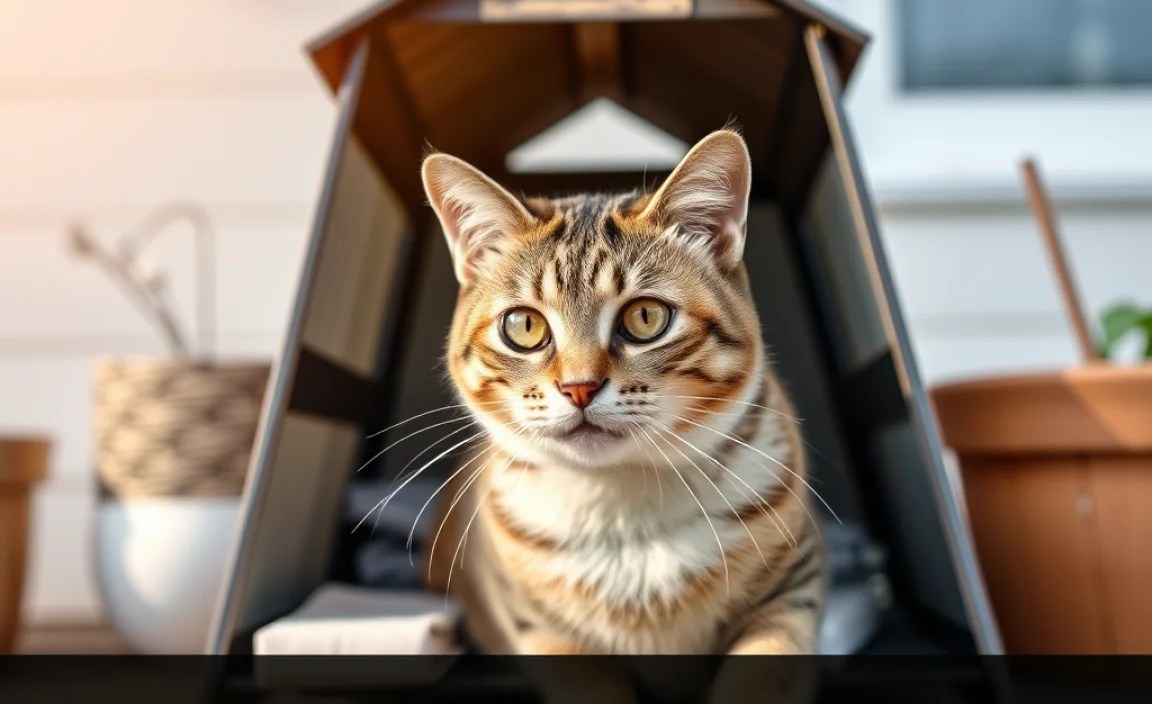
Key Takeaways
- An outdoor cat shelter for summer helps protect cats from the sun and heat.
- Provide water inside or near the shelter to keep cats hydrated.
- Choose a shady spot for the shelter to maximize coolness.
- Simple DIY shelters can be made from common household items.
- Regularly check the shelter to ensure it is clean and in good condition.

Choosing the Best Outdoor Cat Shelter for Summer
Selecting the right outdoor cat shelter for summer is important. You want to keep the cats cool and comfortable. Think about the location of the shelter. Place it in a shady area. This will help keep the shelter cool. Consider the size of the shelter. It should be big enough for the cat to move around. But it should not be too big. A smaller space is easier to keep cool. The materials matter too. Use light-colored materials. They reflect sunlight. Dark colors absorb heat. This can make the shelter too hot. Choose materials that are also waterproof. This will protect the cat from rain. Think about ventilation too. Airflow is important. It keeps the shelter from getting stuffy. Make sure the shelter is easy to clean. Regular cleaning prevents the spread of germs. A good shelter will make a big difference for outdoor cats.
- Choose a shady location.
- Make sure the shelter is the right size.
- Use light-colored, waterproof materials.
- Ensure good ventilation.
- Make it easy to clean.
Think about what the cat will like. Some cats like to hide. Others like to see what is going on. You can get a shelter with a small opening. This gives the cat privacy. You can also get one with a clear door. This lets the cat see outside. Place the shelter in a quiet area. Cats don’t like loud noises. Make sure the shelter is stable. You don’t want it to tip over. Add soft bedding inside. This makes it cozy. Check the shelter regularly. Make sure it is clean and dry. Replace the bedding if it gets wet. An outdoor cat shelter for summer can make a big difference in a cat’s life.
What Size Shelter is Best?
Choosing the right size shelter is key. Too big, and it loses heat in winter. Too small, and it’s cramped and uncomfortable. What’s the sweet spot? Imagine a cat curling up for a nap. They need enough room to turn around. A shelter about 1.5 to 2 times the cat’s length is ideal. This gives them space to feel secure. It also helps them conserve body heat in cooler weather. Remember, it’s all about creating a safe and cozy haven for your feline friends. An outdoor cat shelter for summer can be just the right size.
Where Should You Place the Shelter?
Location, location, location! It’s not just for real estate. It matters for cat shelters too. Think about protection from the elements. A spot under a tree offers shade in summer. A place near a building provides a windbreak in winter. Avoid areas prone to flooding. Cats don’t like wet feet! Choose a quiet spot away from traffic. This reduces stress for the cats. Make sure the location is accessible for you. You need to be able to clean and maintain the shelter. The right spot makes all the difference. Ensure your outdoor cat shelter for summer is in the perfect location.
What Materials are Safe for Cats?
Safety first! When building a cat shelter, choose safe materials. Avoid anything toxic or that could cause injury. Untreated wood is a good option. It’s natural and breathable. Straw makes great bedding. It’s warm and cozy. Avoid using blankets or towels. They can get wet and moldy. Make sure any plastic is BPA-free. Check for sharp edges or small parts. These could be a choking hazard. Think about insulation. Styrofoam can provide warmth. But make sure it’s covered. Cats might try to eat it! Choose materials that are durable and easy to clean. A safe shelter is a happy shelter. Prioritize the right materials for your outdoor cat shelter for summer.
Fun Fact or Stat: Studies show that outdoor cat shelters can increase a cat’s lifespan by providing protection from the elements and predators.

DIY Outdoor Cat Shelter for Summer
Making your own outdoor cat shelter for summer is fun and easy. You can use things you already have. A plastic storage bin works great. Cut a hole in the side for the door. Make sure the edges are smooth. This prevents the cat from getting hurt. Line the bin with straw or an old towel. This makes it cozy. Place the lid on the bin. This keeps the rain out. You can also use a cardboard box. Reinforce the box with duct tape. This makes it stronger. Cut a hole for the door. Add some soft bedding. Place the box in a sheltered area. This protects it from the rain. A DIY shelter is a great way to help outdoor cats.
- Use a plastic storage bin or cardboard box.
- Cut a hole for the door.
- Line the shelter with straw or an old towel.
- Reinforce the shelter with duct tape.
- Place the shelter in a sheltered area.
You can get creative with your DIY shelter. Paint the shelter a light color. This reflects sunlight. Add a small roof over the door. This keeps the rain out. Decorate the shelter with cat-friendly designs. Make it a fun project for the whole family. Get your kids involved in building the shelter. This teaches them about caring for animals. Remember to check the shelter regularly. Make sure it is clean and dry. Replace the bedding as needed. A little effort can make a big difference. Building an outdoor cat shelter for summer is a rewarding experience. It provides a safe haven for a cat in need.
How to Insulate a DIY Shelter?
Insulation is key for year-round comfort. But how do you insulate a DIY shelter? Straw is a great natural insulator. It traps air and keeps the shelter warm in winter. Reflectix bubble wrap is another option. It reflects heat away in summer and keeps warmth in during winter. Attach it to the inside walls of the shelter. Avoid using fiberglass insulation. It can be harmful if ingested. Make sure the insulation is protected from moisture. Wet insulation loses its effectiveness. A well-insulated shelter provides comfort in all seasons. Consider insulation when designing your outdoor cat shelter for summer.
What Tools Do You Need?
Before you start building, gather your tools. A utility knife is essential for cutting. Use it to create the door opening. Duct tape is your best friend. It reinforces the structure and seals edges. A measuring tape ensures accurate cuts. A marker helps you draw lines. Safety glasses protect your eyes. Gloves protect your hands. A saw is useful for cutting wood. A drill is needed for attaching materials. Having the right tools makes the job easier and safer. Prepare your toolkit before building your outdoor cat shelter for summer.
How Do You Keep the Shelter Dry?
Keeping the shelter dry is crucial. Moisture can lead to mold and discomfort. Elevate the shelter off the ground. This prevents water from seeping in. Use a waterproof material for the roof. Plastic sheeting or tarps work well. Ensure the roof overhangs the sides. This directs water away from the entrance. Place the shelter in a sheltered location. Under an eave or near a fence helps. Regularly check for leaks. Repair them promptly. Dry bedding is essential for a comfortable shelter. Keeping your outdoor cat shelter for summer dry is a must.
Fun Fact or Stat: DIY shelters can be made for under $20 using recycled materials, making them an affordable option for helping outdoor cats.

Maintaining Your Outdoor Cat Shelter in Summer
Keeping your outdoor cat shelter for summer clean is very important. Clean it regularly to prevent germs. Remove any old food or trash. Change the bedding often. This keeps it fresh. Check for pests like fleas or ticks. Treat the shelter if needed. Make sure the shelter is in good repair. Fix any holes or damage. Check the location. Make sure it is still shady. Trim any plants that are blocking airflow. Provide fresh water near the shelter. This helps keep the cats hydrated. Regular maintenance keeps the shelter safe and comfortable.
- Clean the shelter regularly.
- Change the bedding often.
- Check for pests.
- Repair any damage.
- Provide fresh water.
Summer can be hard on outdoor shelters. The sun can fade the materials. The heat can make them brittle. Check the shelter often. Make sure it is still in good shape. Add extra shade if needed. A tarp or umbrella can help. Make sure the shelter is secure. Strong winds can blow it away. Weigh it down with rocks or bricks. Keep the area around the shelter clean. This prevents pests. A well-maintained outdoor cat shelter for summer provides a safe and comfortable place for cats.
How Often Should You Clean the Shelter?
Regular cleaning is essential. But how often is often enough? A weekly check is a good starting point. Remove any debris or old food. Replace the bedding every two weeks. More frequent cleaning may be needed if it’s heavily used. Check for signs of pests or parasites. Clean immediately if you find anything. A clean shelter is a healthy shelter. Establish a cleaning routine for your outdoor cat shelter for summer.
What Cleaning Products are Safe?
Choosing the right cleaning products is crucial. Harsh chemicals can be harmful to cats. Opt for natural and non-toxic cleaners. Diluted vinegar and water is a safe option. It disinfects and deodorizes. Avoid using bleach or ammonia. These can irritate cats’ skin and respiratory systems. Rinse the shelter thoroughly after cleaning. This removes any residue. Let the shelter air dry before replacing the bedding. Safe cleaning practices protect the cats. Prioritize safe products for your outdoor cat shelter for summer.
How to Control Pests Around the Shelter?
Pests can be a nuisance. They can also carry diseases. How do you control them around the shelter? Keep the area clean and free of food scraps. This deters insects and rodents. Use cat-safe pest control products. Diatomaceous earth is a natural option. It’s effective against fleas and ants. Plant cat-friendly herbs like lavender and mint. These repel insects. Regularly check the cats for fleas and ticks. Treat them as needed. A pest-free shelter is a comfortable shelter. Implement pest control measures around your outdoor cat shelter for summer.
Fun Fact or Stat: Regularly cleaning an outdoor cat shelter can reduce the risk of flea infestations by up to 80%.

Location Tips for Outdoor Cat Shelters in Summer
The location of your outdoor cat shelter for summer is very important. Choose a spot that is shady. This keeps the shelter cool. Avoid areas that get direct sunlight. Look for a place that is protected from the wind. This prevents the shelter from blowing away. Place the shelter near a water source. This makes it easy for cats to stay hydrated. Make sure the location is quiet. Cats don’t like loud noises. Avoid areas with heavy foot traffic. Place the shelter in a safe area. Away from roads and other dangers. A good location makes a big difference.
- Choose a shady spot.
- Avoid direct sunlight.
- Protect the shelter from the wind.
- Place it near a water source.
- Choose a quiet location.
Think about the cat’s needs. Some cats like to hide. Others like to see what is going on. Choose a location that suits their personality. You can also provide multiple shelters. This gives the cats a choice. Make sure the location is easy to access. You need to be able to clean and maintain the shelter. Check the location regularly. Make sure it is still suitable. Adjust the location if needed. A well-chosen location provides a safe and comfortable haven. Consider the ideal location for your outdoor cat shelter for summer.
How to Protect the Shelter from Rain?
Rain can make a shelter damp and uncomfortable. How do you protect it from the rain? Choose a location under an eave or overhang. This provides natural protection. Use a waterproof material for the roof. Plastic sheeting or tarps work well. Ensure the roof overhangs the sides. This directs water away from the entrance. Elevate the shelter off the ground. This prevents water from seeping in. Regularly check for leaks. Repair them promptly. A dry shelter is a comfortable shelter. Implement rain protection measures for your outdoor cat shelter for summer.
How to Keep the Shelter Cool in Summer?
Keeping the shelter cool in summer is essential. Overheating can be dangerous for cats. Choose a shady location. This blocks direct sunlight. Use light-colored materials. These reflect heat. Provide ventilation. This allows air to circulate. Add a reflective barrier. Reflectix bubble wrap works well. Place a frozen water bottle inside. This provides a cool spot for the cat to lie near. Regularly check the temperature inside the shelter. Make adjustments as needed. A cool shelter provides relief from the summer heat. Prioritize cooling strategies for your outdoor cat shelter for summer.
How to Secure the Shelter from Wind?
Strong winds can blow a shelter away. How do you secure it from the wind? Choose a sheltered location. Near a building or fence helps. Weigh down the shelter with rocks or bricks. Place them on top or around the base. Anchor the shelter to the ground. Use stakes or rope. Make sure the shelter is stable. A sturdy shelter can withstand strong winds. Implement wind-proofing measures for your outdoor cat shelter for summer.
Fun Fact or Stat: Shelters placed in shaded areas can be up to 15 degrees cooler than those in direct sunlight.
Essential Features of a Summer Cat Shelter
A good outdoor cat shelter for summer has several key features. Shade is very important. It protects the cat from the sun. Ventilation is also important. It keeps the shelter from getting stuffy. The shelter should be waterproof. This protects the cat from rain. It should also be easy to clean. This prevents the spread of germs. The shelter should be safe. Free from sharp edges or toxic materials. It should be the right size. Big enough for the cat to move around. But not too big. These features make the shelter comfortable and safe.
| Feature | Description | Why it’s Important |
|---|---|---|
| Shade | Protection from direct sunlight | Prevents overheating and sunburn |
| Ventilation | Airflow through the shelter | Reduces humidity and prevents stuffiness |
| Waterproof | Protection from rain and moisture | Keeps the shelter dry and comfortable |
| Easy to Clean | Simple to wipe down and disinfect | Prevents the spread of germs and parasites |
| Safe Materials | Non-toxic and free from sharp edges | Protects cats from injury and poisoning |
- Shade to protect from the sun.
- Ventilation to prevent overheating.
- Waterproof to keep the cat dry.
- Easy to clean for hygiene.
- Safe materials for the cat’s health.
Think about the cat’s comfort. Add soft bedding. This makes the shelter cozy. Provide a bowl of fresh water. This helps the cat stay hydrated. Place the shelter in a quiet area. Away from loud noises and traffic. Check the shelter regularly. Make sure it is in good condition. A little extra care makes a big difference. These features ensure the outdoor cat shelter for summer is a welcoming space.
Why is Ventilation Important?
Ventilation is often overlooked. But it’s crucial for a summer cat shelter. Stuffy, stagnant air can lead to overheating. Proper ventilation allows air to circulate. This keeps the shelter cool and fresh. It also reduces humidity. This prevents mold growth. Small openings or vents provide airflow. Make sure they are screened. This keeps insects out. Good ventilation improves air quality. Prioritize ventilation in your outdoor cat shelter for summer.
What Type of Bedding is Best?
Choosing the right bedding is important. It affects the cat’s comfort. Straw is a great option. It’s warm in winter and cool in summer. It also wicks away moisture. Fleece is another good choice. It’s soft and cozy. Avoid using blankets or towels. They can get wet and moldy. Cedar shavings repel insects. But some cats are allergic to them. Observe the cat’s preferences. Provide bedding that is comfortable and safe. Select appropriate bedding for your outdoor cat shelter for summer.
How to Make the Shelter Appealing to Cats?
Building a shelter is only half the battle. You also need to make it appealing to cats. Place the shelter in a quiet, safe location. Add catnip to attract them. Provide soft, comfortable bedding. Offer food and water nearby. Make the entrance inviting. A ramp or step can help. Be patient. It may take time for cats to use the shelter. Don’t force them. Let them explore at their own pace. A welcoming shelter is more likely to be used. Make your outdoor cat shelter for summer irresistible.
Fun Fact or Stat: A well-ventilated shelter can be up to 10 degrees cooler than a shelter with poor airflow.
Additional Tips for Summer Cat Care
Providing an outdoor cat shelter for summer is just one part of caring for outdoor cats. Make sure they have access to fresh water. Especially during hot weather. Provide food regularly. Feed them at the same time each day. This helps them feel secure. Watch for signs of illness. Take them to a vet if needed. Protect them from fleas and ticks. Use a cat-safe product. Be aware of dangers. Cars, predators, and poisons. Offer them love and attention. Even feral cats can benefit from human interaction. These tips help keep outdoor cats healthy and happy.
- Provide fresh water daily.
- Feed them regularly.
- Watch for signs of illness.
- Protect them from fleas and ticks.
- Be aware of potential dangers.
Consider getting the cats spayed or neutered. This helps control the population. It also improves their health. Work with local rescue groups. They can help you care for the cats. Educate your neighbors. Encourage them to be kind to the cats. A little effort can make a big difference. These tips help you provide the best possible care. Remember to focus on comprehensive care when you think about your outdoor cat shelter for summer.
How to Provide Fresh Water?
Fresh water is essential for cats. Especially in hot weather. Use a clean bowl. Change the water daily. Place the bowl in a shady spot. This keeps the water cool. Consider using a water fountain. Some cats prefer running water. Check the water level regularly. Refill as needed. Provide multiple water sources. This ensures all cats have access. A hydrated cat is a healthy cat. Prioritize fresh water for your outdoor cat shelter for summer visitors.
What Food is Best for Outdoor Cats?
Choosing the right food is important. Outdoor cats need a balanced diet. Dry food is convenient. It doesn’t spoil quickly. Wet food provides moisture. This is especially important in summer. Choose a high-quality food. Look for one with meat as the first ingredient. Avoid foods with fillers. Feed the cats at the same time each day. This helps them feel secure. Monitor their weight. Adjust the amount of food as needed. A well-fed cat is a healthy cat. Provide appropriate food for the cats near your outdoor cat shelter for summer.
How to Protect Cats from Fleas and Ticks?
Fleas and ticks can be a problem for outdoor cats. They can transmit diseases. Use a cat-safe flea and tick treatment. There are many options available. Spot-on treatments, collars, and oral medications. Follow the instructions carefully. Check the cats regularly for fleas and ticks. Remove any ticks you find. Keep the area around the shelter clean. This reduces the risk of infestation. A pest-free cat is a happy cat. Protect cats from fleas and ticks around your outdoor cat shelter for summer.
Fun Fact or Stat: Outdoor cats need about one ounce of water per pound of body weight each day, especially in summer.
Summary
Providing an outdoor cat shelter for summer is a great way to help outdoor cats. It gives them a safe, cool place to rest. Choose the right location for the shelter. Make sure it is shady and protected from the wind. Build or buy a shelter that is waterproof and well-ventilated. Maintain the shelter regularly. Keep it clean and in good repair. Provide fresh water and food nearby. Watch for signs of illness. Protect them from fleas and ticks. By following these tips, you can make a big difference in the lives of outdoor cats.
Conclusion
Caring for outdoor cats is a rewarding experience. Providing them with a safe and comfortable place to rest is important. An outdoor cat shelter for summer can protect them from the heat and sun. Even simple steps can make a big difference. Build a simple shelter from a plastic bin or cardboard box. Provide fresh water and food. Your kindness can improve the lives of these animals. It’s our duty to take care of the animals around us.
Frequently Asked Questions
Question No 1: Why do outdoor cats need shelters in the summer?
Answer: Outdoor cats need shelters in the summer to protect themselves from the heat and sun. Direct sunlight can cause overheating and sunburn. A shelter provides a cool, shady place to rest. This helps them regulate their body temperature. Without a shelter, cats can suffer from heatstroke. This can be very dangerous, even deadly. Make sure your outdoor cat shelter for summer is well-ventilated and in a shady area to provide the best protection.
Question No 2: What materials are best for a summer cat shelter?
Answer: Light-colored materials are best for a summer cat shelter. They reflect sunlight and heat. This helps keep the shelter cool. Avoid dark colors. They absorb heat and can make the shelter too hot. Waterproof materials are also important. This protects the cat from rain. Good choices include plastic, light-colored wood, and waterproof fabrics. Make sure the materials are safe and non-toxic. Prioritize light colors for your outdoor cat shelter for summer.
Question No 3: How can I keep my outdoor cat shelter cool?
Answer: There are several ways to keep your outdoor cat shelter cool. Place the shelter in a shady area. Provide ventilation. This allows air to circulate. Use light-colored materials. Add a reflective barrier. Place a frozen water bottle inside. Check the temperature regularly. Make adjustments as needed. These steps help keep the shelter comfortable. Proper ventilation is key for your outdoor cat shelter for summer.
Question No 4: How often should I clean my outdoor cat shelter?
Answer: You should clean your outdoor cat shelter regularly. A weekly check is a good starting point. Remove any debris or old food. Replace the bedding every two weeks. More frequent cleaning may be needed. Especially if the shelter is heavily used. Check for signs of pests or parasites. Clean immediately if you find anything. A clean shelter is a healthy shelter. Keeping your outdoor cat shelter for summer clean is a must.
Question No 5: What should I do if a cat won’t use the shelter?
Answer: If a cat won’t use the shelter, be patient. It may take time. Make sure the shelter is in a quiet, safe location. Add catnip to attract them. Provide soft, comfortable bedding. Offer food and water nearby. Make the entrance inviting. Don’t force them. Let them explore at their own pace. Try moving the shelter to a different location. A welcoming shelter is more likely to be used. Ensure your outdoor cat shelter for summer is inviting.
Question No 6: How can I protect the shelter from rain and wind?
Answer: To protect the shelter from rain, choose a location under an eave or overhang. Use a waterproof material for the roof. Ensure the roof overhangs the sides. Elevate the shelter off the ground. To protect it from wind, choose a sheltered location. Weigh down the shelter with rocks or bricks. Anchor the shelter to the ground. These steps help keep the shelter dry and secure. Protecting your outdoor cat shelter for summer from the elements is important.
