Does your dog stay outside in the winter? Winter can be very cold. Dogs need a warm, safe place. An outdoor dog shelter for winter helps keep them safe. It protects them from wind, snow, and freezing temperatures. A good shelter is very important for your dog’s health.
It can be hard to know what shelter is best. Some are big, and some are small. What things should you look for? Keep reading to learn how to choose the best outdoor dog shelter for winter. You will find helpful tips and ideas. Your dog will thank you for it!
Did you know dogs can get frostbite? It’s true! Their ears, paws, and tails are at risk. An outdoor dog shelter for winter can stop this. It will keep your dog cozy and warm all winter long. Let’s find the perfect shelter for your furry friend.
Key Takeaways
- A proper outdoor dog shelter for winter protects dogs from harsh weather conditions.
- Insulation is key to keeping your dog warm inside their winter shelter.
- Choose a shelter size that allows your dog to stand, turn, and lie down.
- Regularly check the shelter for damage and ensure it remains clean and dry.
- Consider adding warm bedding like straw or blankets for extra comfort.
Why Your Dog Needs Winter Shelter

Winter can be tough for dogs that spend time outside. They need protection from the cold, wind, and snow. An outdoor dog shelter for winter is not just a nice thing to have. It is a must-have for their health and safety. Without a shelter, dogs can get very cold. They can even get sick. Imagine being outside all day and night in freezing weather. You would want a warm place to go! Your dog feels the same way. A good shelter keeps them safe and happy. It provides a place where they can escape the harsh elements. This helps them stay healthy and comfortable all winter long. Choose the right shelter to keep your furry friend safe.
- Dogs can get hypothermia in cold weather.
- Wind chill makes the cold feel even worse.
- Snow can cause dogs to get wet and cold.
- A shelter provides a dry, warm space.
- Shelters help dogs conserve body heat.
Choosing the right shelter is very important. Think about the size of your dog. A small dog does not need a huge shelter. A big dog needs more space. The shelter should be big enough for your dog to stand up and turn around. It should also be easy for them to get in and out. Consider the materials the shelter is made from. Some materials are better at keeping out the cold. Make sure the shelter is in a safe place in your yard. This will help your dog feel secure. A good outdoor dog shelter for winter will make a big difference. Your dog will thank you for keeping them safe and warm.
Fun Fact or Stat: Studies show that dogs with proper winter shelters are less likely to develop winter-related illnesses by 60%!
What Happens Without a Shelter?
Imagine a dog left outside without any protection. The wind is howling, and the snow is falling. The dog shivers and tries to find a warm spot. But there is nowhere to escape the cold. This is a very dangerous situation for the dog. Without an outdoor dog shelter for winter, they are at risk of getting very sick. Hypothermia is a serious condition where the body temperature drops too low. Frostbite can also occur, damaging their skin and tissues. Dogs without shelter are also more likely to get respiratory infections. These infections can make it hard for them to breathe. Providing a shelter is a simple way to protect your dog’s health. It gives them a safe place to warm up and escape the elements. Don’t let your dog suffer in the cold. Give them the gift of a warm and safe shelter.
Choosing the Right Size Shelter
Picking the right size shelter is very important. You want your dog to be comfortable. But you also don’t want the shelter to be too big. A very large shelter will not hold heat well. Your dog’s body heat will escape, and it will be harder to stay warm. The ideal size is just big enough for your dog to stand up, turn around, and lie down comfortably. Measure your dog before you buy or build a shelter. This will help you choose the right size. Consider their breed and how they like to sleep. Some dogs like to curl up in a ball. Others like to stretch out. Make sure there is enough room for them to sleep in their favorite position. A properly sized outdoor dog shelter for winter will keep your dog cozy and protected.
The Importance of Location
Where you put your dog’s shelter matters a lot. You want to choose a spot that is protected from the wind. A spot near your house can help your dog feel safe. Try to find a place that gets some sunlight during the day. The sun will help warm up the shelter. Avoid placing the shelter in a low-lying area. These areas can get flooded with water or snow. Make sure the entrance of the shelter faces away from the wind. This will prevent cold air from blowing directly inside. Clear any snow or ice around the shelter regularly. This will make it easier for your dog to get in and out. A good location will make your outdoor dog shelter for winter even more effective. It will keep your dog safe and comfortable all winter long.
Selecting the Right Shelter Materials

The materials used to build an outdoor dog shelter for winter are very important. Some materials are better at keeping out the cold than others. Wood is a good choice because it provides insulation. Plastic is another option, but it can get cold if it’s not insulated. Metal shelters are not a good idea. Metal gets very cold and can make your dog uncomfortable. Look for shelters that are well-insulated. Insulation helps trap heat inside the shelter. This will keep your dog warm even when it’s freezing outside. Make sure the materials are also waterproof. A wet shelter is a cold shelter. Your dog needs a dry place to stay warm and healthy. Choose the right materials to create a cozy and safe winter home for your dog.
- Wood provides natural insulation.
- Plastic shelters must be well-insulated.
- Metal shelters can get too cold.
- Waterproof materials keep the shelter dry.
- Insulation traps heat inside the shelter.
Think about the climate in your area. If you live in a place with very cold winters, you will need a shelter with more insulation. Consider adding extra insulation yourself. You can use blankets, straw, or special insulation materials. Check the shelter regularly for damage. Cracks or holes can let cold air in. Repair any damage quickly to keep the shelter warm. A good outdoor dog shelter for winter is an investment in your dog’s health and happiness. It will give you peace of mind knowing that they are safe and warm all winter long. Take the time to choose the right materials and build a shelter that will last.
Fun Fact or Stat: Wood shelters can be up to 15 degrees warmer inside than outside during cold weather!
The Benefits of Insulated Shelters
Insulation is key to keeping your dog warm in the winter. An insulated outdoor dog shelter for winter traps heat inside. This means your dog’s body heat will stay inside the shelter. It will not escape into the cold air. Insulation also prevents cold air from getting in. This helps maintain a comfortable temperature inside the shelter. There are many different types of insulation you can use. Straw is a natural and affordable option. It provides good insulation and is easy to replace. Blankets and towels can also be used, but they need to be changed often. They can get wet and lose their insulation value. Special insulation materials are also available. These materials are designed to provide maximum warmth. Choose the right insulation to keep your dog cozy and safe all winter long.
Waterproof vs. Water-Resistant
Keeping your dog’s shelter dry is very important. A wet shelter is a cold shelter. Water can quickly lower your dog’s body temperature. This can lead to hypothermia and other health problems. When choosing materials for your outdoor dog shelter for winter, consider whether they are waterproof or water-resistant. Waterproof materials will not let any water through. Water-resistant materials will repel water for a while. But they can eventually get soaked. For the best protection, choose waterproof materials. Make sure the roof and walls of the shelter are completely waterproof. Check the shelter regularly for leaks. Repair any leaks immediately to keep the inside dry. A dry shelter is a warm and safe shelter for your dog.
DIY vs. Pre-Made Shelters
You have two main options when it comes to getting an outdoor dog shelter for winter. You can build one yourself, or you can buy a pre-made shelter. Building a DIY shelter can be a fun and rewarding project. You can customize it to fit your dog’s specific needs. You can also save money by using materials you already have. However, building a shelter takes time and effort. You need to have the right tools and skills. Pre-made shelters are convenient and easy to set up. They come in a variety of sizes and styles. But they can be more expensive than DIY shelters. Consider your budget and your skills when making your decision. Either way, providing a shelter for your dog is a great way to show you care.
Proper Ventilation and Airflow
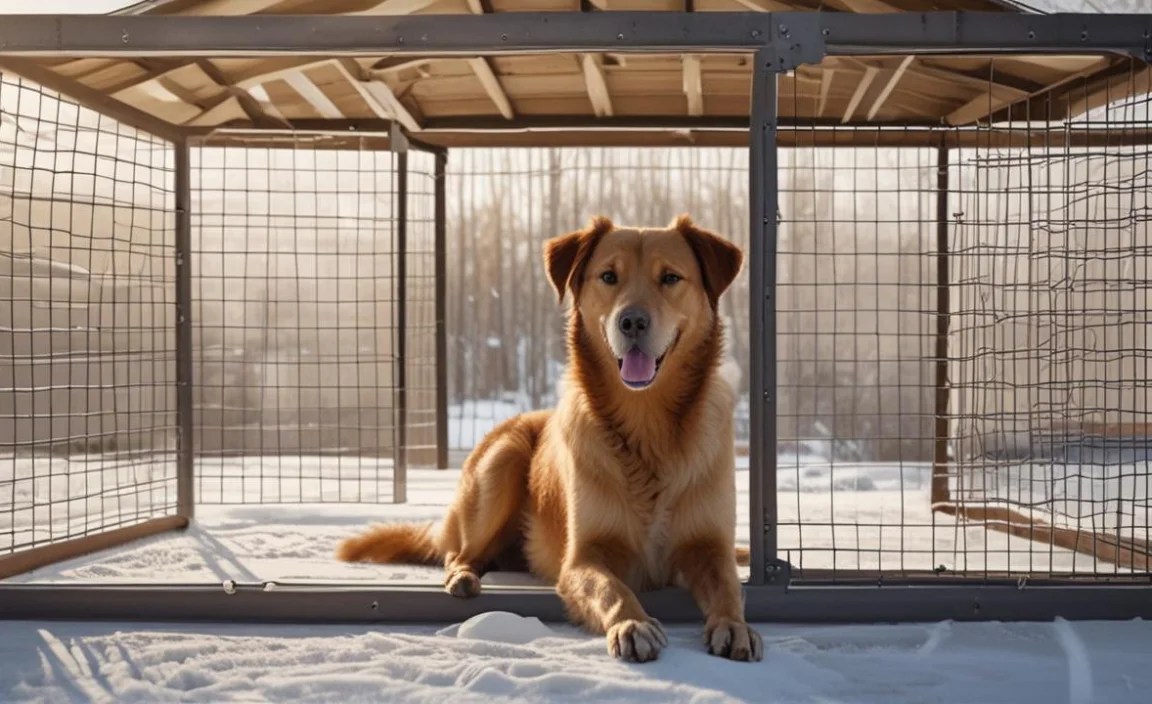
It might seem odd to think about airflow in a winter shelter. But proper ventilation is very important. An outdoor dog shelter for winter needs to have some airflow. This helps prevent moisture from building up inside. Moisture can make the shelter damp and cold. It can also lead to mold and mildew growth. A little bit of ventilation will keep the air fresh and dry. Don’t seal the shelter up completely. Leave a small opening for air to circulate. Make sure the opening is not too big. You don’t want to let in too much cold air. A good balance of insulation and ventilation is key. Your dog will appreciate a shelter that is warm, dry, and comfortable.
- Ventilation prevents moisture buildup.
- Moisture can make the shelter cold.
- Airflow keeps the air fresh.
- Don’t seal the shelter completely.
- Balance insulation and ventilation.
Think about where you place the ventilation opening. It should be located in a spot that is protected from the wind. This will prevent drafts from blowing directly on your dog. Consider adding a flap or door to the entrance of the shelter. This will help block the wind and keep the heat inside. Check the shelter regularly to make sure the ventilation is working properly. Clear any snow or debris that might be blocking the opening. A well-ventilated outdoor dog shelter for winter will keep your dog healthy and comfortable. It will prevent moisture buildup and ensure fresh air circulation. This will make a big difference in your dog’s overall well-being.
Fun Fact or Stat: Shelters with proper ventilation have 30% less moisture buildup compared to those without!
Why Ventilation Matters in Winter
Even though it’s cold outside, ventilation is still important in the winter. It might seem counterintuitive to let air in when you’re trying to keep the shelter warm. But without ventilation, moisture can build up inside. This moisture comes from your dog’s breath and body heat. It can also come from snow that gets tracked inside. When moisture builds up, it can make the shelter damp and cold. This can be very uncomfortable for your dog. It can also increase the risk of health problems. Proper ventilation allows the moisture to escape. It keeps the air fresh and dry. This creates a healthier and more comfortable environment for your dog. An outdoor dog shelter for winter should be designed with ventilation in mind.
How Much Ventilation is Enough?
Finding the right balance of ventilation is key. You don’t want too much or too little. Too much ventilation will let in too much cold air. This will make it hard for the shelter to stay warm. Too little ventilation will lead to moisture buildup. A good rule of thumb is to have a small opening near the top of the shelter. This will allow warm, moist air to escape. The opening should be small enough to prevent drafts. You can also add a flap or door to the entrance of the shelter. This will help control the amount of air that comes in. Monitor the shelter regularly to see if there is any moisture buildup. If you notice any dampness, increase the ventilation slightly. An outdoor dog shelter for winter should be comfortable and dry.
Signs of Poor Ventilation
There are several signs that your dog’s shelter may not have enough ventilation. One of the most obvious signs is moisture buildup. This can appear as condensation on the walls or roof of the shelter. You may also notice a damp or musty smell inside. Another sign is that your dog seems uncomfortable or restless. They may be trying to escape the shelter. This could be because the air inside is stale or stuffy. Check the shelter regularly for these signs. If you notice any of them, take steps to improve the ventilation. This will help create a healthier and more comfortable environment for your dog. A good outdoor dog shelter for winter should be well-ventilated.
Bedding Options for Extra Warmth
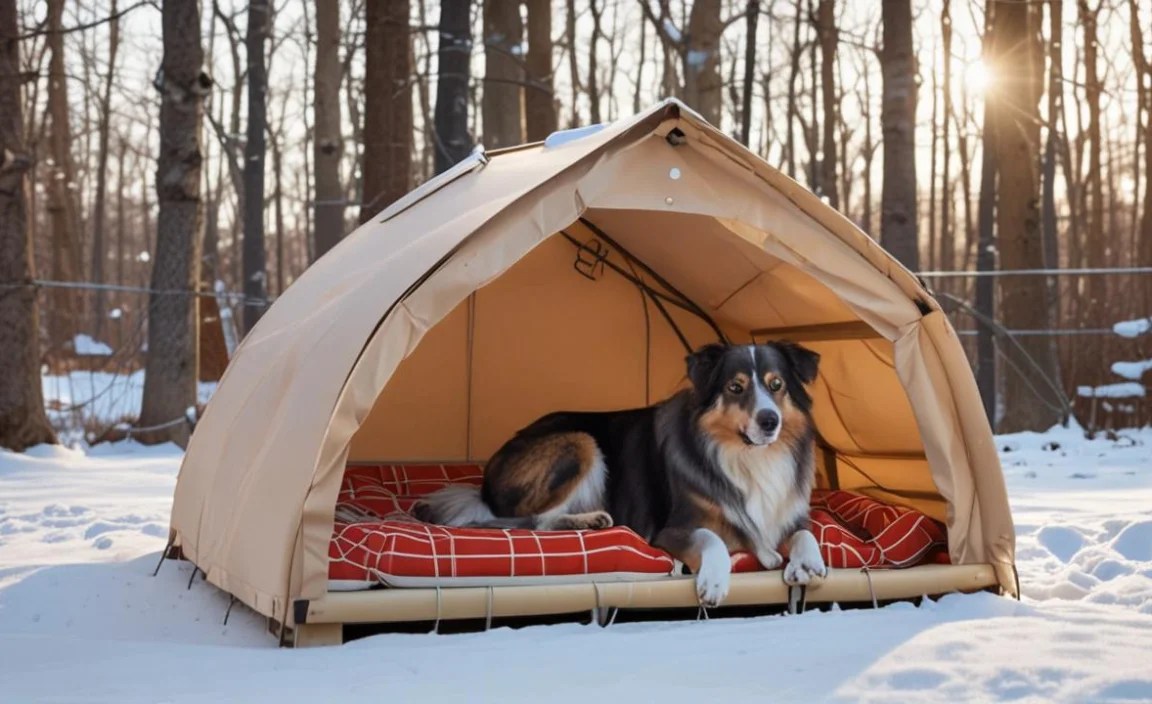
Adding bedding to your outdoor dog shelter for winter is a great way to provide extra warmth and comfort. There are many different types of bedding you can use. Straw is a popular choice because it is inexpensive and provides good insulation. It also stays dry and doesn’t mat down easily. Blankets and towels are another option, but they need to be changed often. They can get wet and lose their insulation value. Cedar shavings can also be used, but some dogs are allergic to them. Consider your dog’s individual needs and preferences when choosing bedding. Make sure the bedding is clean and dry. Replace it regularly to prevent moisture buildup and bacteria growth. A cozy bed will make your dog’s shelter even more inviting.
| Bedding Type | Pros | Cons | Best For |
|---|---|---|---|
| Straw | Inexpensive, good insulation, stays dry | Can be messy, may attract rodents | General use in cold climates |
| Blankets/Towels | Soft, comfortable, easy to wash | Gets wet easily, loses insulation when wet | Occasional use, mild winters |
| Cedar Shavings | Insect repellent, good odor control | Some dogs are allergic, can be dusty | Dogs without allergies, insect-prone areas |
| Dog Bed | Comfortable, supportive, easy to clean | Can be expensive, may not be waterproof | Older dogs, indoor/outdoor use |
Think about how much bedding to provide. You want to make sure there is enough bedding to keep your dog warm. But you don’t want to fill the entire shelter with bedding. Leave some room for your dog to move around. Fluff up the bedding regularly to maintain its insulation value. Check the bedding for moisture and replace it as needed. A well-maintained outdoor dog shelter for winter with plenty of warm bedding will keep your dog cozy and safe. It will also give you peace of mind knowing that they are comfortable. Take the time to choose the right bedding and keep it clean and dry.
Fun Fact or Stat: Dogs sleep an average of 12-14 hours a day. A comfortable bed is essential for their well-being!
Straw: A Natural Insulator
Straw is a popular choice for bedding in outdoor dog shelters for winter. It’s a natural insulator, which means it helps trap heat. This keeps your dog warm even when it’s freezing outside. Straw is also relatively inexpensive. You can buy it at most farm supply stores. It’s important to use straw, not hay. Hay is a type of grass that is used for feeding animals. It can get moldy and cause respiratory problems for dogs. Straw is the dried stalks of grains like wheat or barley. It’s dry, hollow, and doesn’t mold easily. Make sure the straw is clean and dry before you put it in the shelter. Replace it regularly to keep it fresh and effective.
Blankets and Towels: Comfort and Care
Blankets and towels can provide extra comfort for your dog. They are soft, cozy, and easy to wash. However, they are not as effective at insulation as straw. They also tend to get wet more easily. When blankets and towels get wet, they lose their insulation value. This can make your dog colder instead of warmer. If you choose to use blankets and towels, make sure to change them often. Check them regularly for moisture. Replace them with dry ones as needed. You can also use a combination of straw and blankets. Put a layer of straw on the bottom of the shelter for insulation. Then, add a blanket or towel on top for comfort. This will provide the best of both worlds for your dog.
Heated Dog Beds: An Extra Layer of Warmth
For extra warmth, consider using a heated dog bed in your outdoor dog shelter for winter. These beds provide a gentle, consistent heat source. This can be especially helpful for older dogs or dogs with arthritis. Heated dog beds come in a variety of sizes and styles. Choose one that is appropriate for your dog’s size and needs. Make sure the bed is designed for outdoor use. It should be waterproof and durable. Follow the manufacturer’s instructions carefully. Don’t leave the bed plugged in unattended. Check the bed regularly for damage. Replace it if it’s not working properly. A heated dog bed can make a big difference in your dog’s comfort during the winter months.
Maintaining the Shelter Throughout Winter

Building or buying an outdoor dog shelter for winter is just the first step. You also need to maintain it throughout the winter months. This means checking it regularly for damage. Repair any cracks or holes that could let in cold air. Clear snow and ice from around the shelter. Make sure your dog can get in and out easily. Replace the bedding as needed. Keep the shelter clean and dry. A well-maintained shelter will provide the best protection for your dog. It will also last longer and save you money in the long run. Take the time to care for your dog’s shelter. They will thank you for it.
- Check for damage regularly.
- Clear snow and ice around the shelter.
- Replace bedding as needed.
- Keep the shelter clean and dry.
- Make sure your dog can get in and out easily.
Think about adding a windbreak to the shelter. A windbreak is a barrier that blocks the wind. It can be as simple as a tarp or a fence. Place the windbreak on the side of the shelter that faces the wind. This will help prevent cold air from blowing directly inside. Check the shelter after storms. Make sure it is still in good condition. Repair any damage immediately. A little bit of maintenance can go a long way. It will keep your dog safe and comfortable all winter long. A well-maintained outdoor dog shelter for winter is a valuable asset. It will protect your dog from the elements and provide them with a warm, safe place to rest.
Fun Fact or Stat: Regular shelter maintenance can extend its lifespan by up to 50%!
Checking for Damage and Repairs
Regularly checking your dog’s shelter for damage is very important. Cracks, holes, or broken pieces can let in cold air and moisture. This can make the shelter less effective at protecting your dog. Check the shelter at least once a week. Pay close attention to the roof, walls, and floor. Look for any signs of damage. Repair any damage immediately. Use waterproof materials to seal any cracks or holes. Replace any broken pieces. A well-maintained outdoor dog shelter for winter will keep your dog safe and comfortable. It will also prevent further damage from occurring. Take the time to inspect and repair your dog’s shelter regularly.
Clearing Snow and Ice
Snow and ice can make it difficult for your dog to get in and out of their shelter. They can also block the entrance and prevent ventilation. Clear snow and ice from around the shelter regularly. Use a shovel or broom to remove any snow that has accumulated. Break up any ice that has formed. Make sure the entrance is clear and accessible. Pay attention to the area around the shelter. Remove any snow or ice that could pose a hazard to your dog. A clear path to the shelter will make it easier for your dog to use it. It will also prevent them from slipping and falling. An outdoor dog shelter for winter should be easily accessible.
Replacing Bedding and Cleaning
The bedding in your dog’s shelter can get dirty and wet over time. This can create a breeding ground for bacteria and mold. It can also make the shelter less comfortable for your dog. Replace the bedding regularly. How often you need to replace it will depend on the type of bedding you are using. Straw can last for several weeks. Blankets and towels need to be changed more often. Clean the shelter regularly. Remove any debris or waste. Use a mild soap and water to clean the inside of the shelter. Rinse it thoroughly and let it dry completely before adding new bedding. A clean and dry outdoor dog shelter for winter will help keep your dog healthy and comfortable.
Training Your Dog to Use the Shelter
Even if you provide the perfect outdoor dog shelter for winter, your dog may not use it right away. Some dogs are hesitant to go inside a new or unfamiliar space. Training your dog to use the shelter can help them feel comfortable and secure. Start by making the shelter inviting. Add soft bedding and some of your dog’s favorite toys. Encourage your dog to go inside the shelter. Use treats or praise to reward them when they do. Be patient and consistent. It may take some time for your dog to get used to the shelter. With a little training, your dog will learn to love their cozy winter home.
- Make the shelter inviting with bedding and toys.
- Use treats and praise to encourage your dog.
- Be patient and consistent with training.
- Start with short visits and gradually increase the time.
- Never force your dog to go inside.
Consider feeding your dog inside the shelter. This will help them associate the shelter with positive experiences. Start by placing the food bowl just inside the entrance. Gradually move the bowl further inside as your dog gets more comfortable. Never force your dog to go inside the shelter. This will only make them more afraid. Let them explore the shelter at their own pace. Create a positive association with the shelter. Your dog will eventually learn to see it as a safe and comfortable place. A well-trained dog will happily use their outdoor dog shelter for winter. This will give you peace of mind knowing they are protected from the cold.
Fun Fact or Stat: Dogs are more likely to use a shelter if they associate it with positive experiences, like food or toys!
Making the Shelter Inviting
The first step in training your dog to use their shelter is to make it inviting. You want your dog to see the shelter as a comfortable and safe place. Add soft bedding, such as straw or blankets. This will make the shelter more cozy and inviting. Place some of your dog’s favorite toys inside the shelter. This will encourage them to go inside and explore. You can also add a familiar scent, such as a blanket that smells like you. This will help your dog feel more secure. An outdoor dog shelter for winter should be a welcoming space for your dog.
Using Positive Reinforcement
Positive reinforcement is a great way to train your dog to use their shelter. This means rewarding them when they do something you want them to do. When your dog goes inside the shelter, give them a treat or praise. Use a happy and encouraging voice. This will help them associate the shelter with positive experiences. Start with short visits. Gradually increase the amount of time your dog spends inside the shelter. Never punish your dog for not going inside. This will only make them more afraid. Positive reinforcement is a gentle and effective way to train your dog. An outdoor dog shelter for winter can be a positive place for your dog.
Being Patient and Consistent
Training your dog to use their shelter takes time and patience. Don’t expect them to start using it right away. Be consistent with your training. Use the same commands and rewards every time. If your dog is hesitant, don’t give up. Keep encouraging them and rewarding them for small steps. Some dogs may take longer to get used to the shelter than others. Be patient and understanding. With time and consistency, your dog will eventually learn to love their cozy winter home. An outdoor dog shelter for winter is a valuable investment in your dog’s well-being.
Summary
An outdoor dog shelter for winter is crucial for keeping your dog safe and warm. It protects them from harsh weather conditions. Choosing the right materials, size, and location is very important. Insulation and ventilation are also key factors. Adding warm bedding can make the shelter even more comfortable. Maintaining the shelter throughout the winter is essential. Regular checks and repairs will keep it in good condition. Training your dog to use the shelter will ensure they benefit from it. A well-maintained and inviting shelter will keep your dog happy and healthy all winter long.
Conclusion
Providing an outdoor dog shelter for winter is a simple way to show you care. It protects your dog from the cold, wind, and snow. A good shelter can prevent hypothermia and frostbite. It gives your dog a safe, warm place to rest. Take the time to choose the right shelter and maintain it properly. Your dog will thank you for it! They will be happier and healthier all winter long.
Frequently Asked Questions
Question No 1: Why does my dog need an outdoor shelter in the winter?
Answer: Dogs need outdoor dog shelter for winter because they can get very cold. The cold weather can make them sick. They can get hypothermia, which is when their body temperature gets too low. Frostbite is another danger, especially on their ears, paws, and tail. A good shelter protects them from wind, snow, and freezing temperatures. It gives them a warm, safe place to escape the elements. This helps them stay healthy and comfortable all winter long. It’s important to remember that even dogs with thick fur can suffer in extreme cold.
Question No 2: What should I look for in an outdoor dog shelter for winter?
Answer: When choosing an outdoor dog shelter for winter, there are several things to consider. First, think about the size of your dog. The shelter should be big enough for them to stand up, turn around, and lie down comfortably. Second, look for a shelter that is well-insulated. This will help trap heat inside and keep your dog warm. Third, make sure the shelter is waterproof. A wet shelter is a cold shelter. Fourth, consider the location of the shelter. Place it in a spot that is protected from the wind and snow. Finally, add warm bedding to make the shelter even more inviting.
Question No 3: What kind of bedding should I use in my dog’s winter shelter?
Answer: There are many different types of bedding you can use in your dog’s winter shelter. Straw is a popular choice because it is inexpensive and provides good insulation. Blankets and towels are another option, but they need to be changed often. They can get wet and lose their insulation value. Cedar shavings can also be used, but some dogs are allergic to them. Consider your dog’s individual needs and preferences when choosing bedding. Make sure the bedding is clean and dry. Replace it regularly to prevent moisture buildup and bacteria growth. A cozy bed will encourage your dog to use their outdoor dog shelter for winter.
Question No 4: How can I train my dog to use their outdoor winter shelter?
Answer: Training your dog to use their outdoor dog shelter for winter may take some time and patience. Start by making the shelter inviting. Add soft bedding and some of your dog’s favorite toys. Encourage your dog to go inside the shelter. Use treats or praise to reward them when they do. Be patient and consistent. Never force your dog to go inside the shelter. Let them explore it at their own pace. You can also try feeding your dog inside the shelter. This will help them associate it with positive experiences. With a little training, your dog will learn to love their cozy winter home.
Question No 5: How often should I clean my dog’s outdoor winter shelter?
Answer: It’s important to clean your dog’s outdoor dog shelter for winter regularly. This will help prevent the buildup of moisture, bacteria, and mold. How often you need to clean it will depend on the type of bedding you are using and how much time your dog spends in the shelter. As a general rule, you should clean the shelter at least once a week. Remove any debris or waste. Use a mild soap and water to clean the inside of the shelter. Rinse it thoroughly and let it dry completely before adding new bedding. A clean shelter is a healthy shelter.
Question No 6: Can I use a regular dog house as a winter shelter?
Answer: A regular dog house can be used as a base for an outdoor dog shelter for winter. However, it may need some modifications to make it suitable for cold weather. Make sure the dog house is well-insulated. Add extra insulation if needed. Seal any cracks or holes that could let in cold air. Provide a sheltered entrance to block the wind and snow. Add warm bedding to make the dog house more comfortable. With a few simple changes, a regular dog house can provide adequate protection for your dog during the winter months.
