Did you know some cats live outside all year? These cats are called feral cats. Winter can be very hard for them. They need a safe place to stay warm. An outdoor feral cat house for winter can help them survive.
Imagine a little kitten in the snow. It is cold and scared. Where will it go to get warm? An outdoor feral cat house for winter can be its only hope. These houses protect cats from wind, rain, and snow.
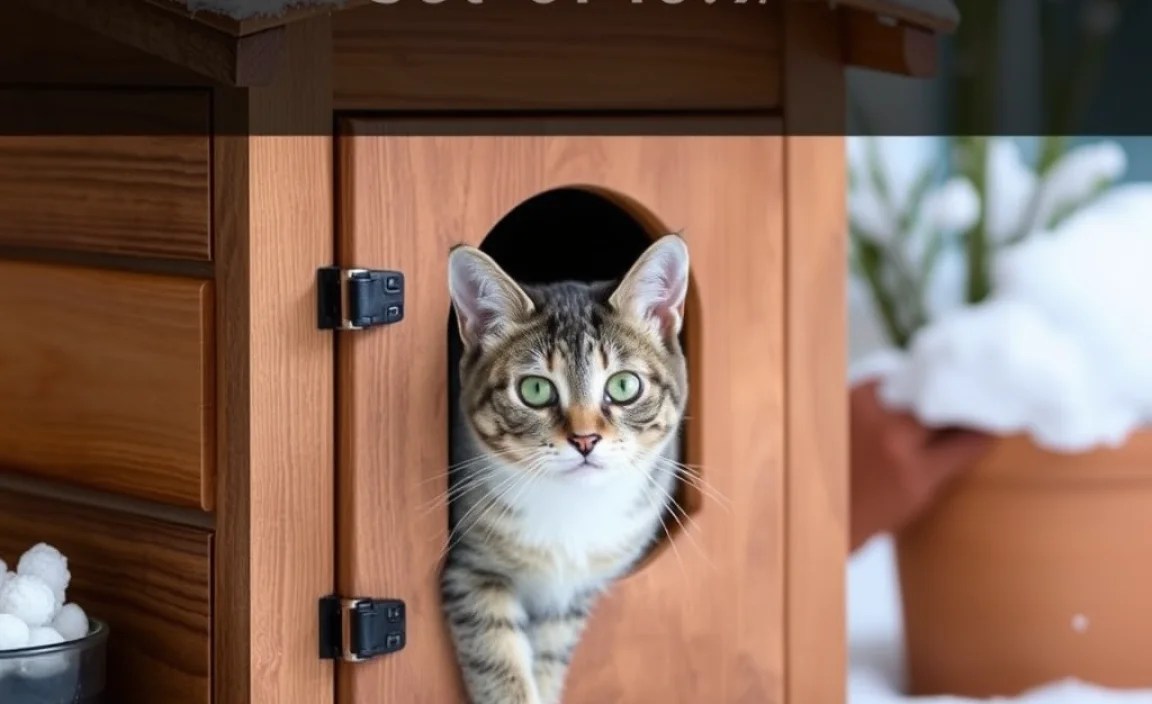
Key Takeaways
- An outdoor feral cat house for winter helps keep outdoor cats safe and warm.
- Choose a house that is insulated and waterproof for best protection.
- Place the house in a quiet, sheltered area away from danger.
- Regularly check the house to ensure it is clean and in good condition.
- Providing food and water near the house encourages cats to use it.

Choosing the Right Outdoor Feral Cat House for Winter
When winter comes, feral cats need our help. Finding the right outdoor feral cat house for winter is important. You want a house that keeps them warm and dry. Think about the size of the cat. The house should be big enough for the cat to turn around. It should also be small enough to hold in heat. Look for houses made of strong, waterproof materials. Insulation is also key. This will keep the cat warm even when it is very cold outside. Consider houses with features like a small door to keep out the wind. Also, make sure the house is easy to clean. A clean house is a healthy house. Helping feral cats survive winter can make a big difference in their lives.
- Size matters: choose the right size for one or two cats.
- Waterproof material keeps cats dry.
- Insulation helps trap body heat.
- A small door reduces wind exposure.
- Easy to clean for a healthy environment.
Think about where you will put the house. Find a spot that is out of the wind and rain. A good spot might be under a bush or on a porch. You can also put it near a building for extra shelter. Make sure the spot is safe from cars and other dangers. Place some straw inside the house for bedding. Straw is better than blankets because it stays dry. Check the house often to make sure it is clean and dry. You can also leave food and water near the house. This will encourage the cats to use it. By taking these steps, you can help feral cats stay safe and warm all winter long.
What Size House Do Cats Need?
Picking the right size is important. A house that’s too big will not hold heat well. A house that’s too small might be uncomfortable. For one or two cats, a house about 2 feet by 3 feet is good. The height should be about 1.5 feet. This gives them enough room to turn around. They can also curl up to stay warm. Remember, the goal is to keep them safe and warm. Have you ever tried to sleep in a tent that was too big in the winter? It can be hard to stay warm. The same is true for cats. A smaller, well-insulated space is much better. Always measure the space where you plan to put the house. This helps make sure it fits well.
What Materials Work Best?
The material of the house matters a lot. Wood is a good choice because it is strong and holds heat well. Plastic is also good because it is waterproof. Some people use old dog houses or plastic storage bins. If you use wood, make sure it is treated to be waterproof. You can also cover it with a tarp. For insulation, straw is the best choice. It stays dry and keeps cats warm. Blankets and towels can get wet and freeze. This makes the cats colder. Always choose materials that are safe and easy to clean. Would you want to live in a house made of flimsy material? Probably not! Cats deserve a safe and sturdy home.
How Do I Insulate the House?
Insulation is key to keeping cats warm. Straw is a great insulator. It traps heat and stays dry. You can fill the house with a thick layer of straw. Make sure to replace it if it gets wet or dirty. Some people use foam insulation boards. You can cut them to fit the inside of the house. This adds extra warmth. Avoid using fiberglass insulation. It can be harmful to cats. Think of insulation like a warm coat. It keeps the heat in and the cold out. Have you ever worn a coat on a cold day? It makes a big difference! The same is true for the cat house. Good insulation makes it a cozy place for cats to stay warm all winter.
Fun Fact or Stat: A well-insulated feral cat house can be 20-30 degrees warmer than the outside temperature!

Location Tips for Your Outdoor Feral Cat House for Winter
Where you put the outdoor feral cat house for winter is very important. You want to find a spot that is safe and sheltered. A good location will protect the house from wind and rain. It will also keep it away from danger. Look for a place that is quiet and hidden. Cats like to feel safe and secure. Avoid areas with a lot of traffic or noise. Under a bush or behind a shed can be a good choice. You can also put the house on a porch or under an overhang. Make sure the entrance faces away from the wind. This will help keep the inside warm and dry. A good location can make the difference between a cat using the house or not. So, take your time and choose wisely. The goal is to provide a safe haven for the cats during the cold winter months.
- Choose a quiet, sheltered location.
- Place the house away from traffic.
- Position the entrance away from the wind.
- Elevate the house to avoid flooding.
- Camouflage the house for added security.
Consider the direction of the wind when placing the house. The entrance should face away from the wind. This will prevent cold air from blowing directly into the house. You can also use natural barriers to block the wind. Bushes, trees, or buildings can all provide shelter. Think about how water will drain around the house. You don’t want it to flood during heavy rain or snow. Elevate the house slightly to keep it dry. You can use bricks or wooden blocks to raise it off the ground. This will also help prevent the bottom of the house from rotting. Remember, a little bit of planning can go a long way in keeping the cats safe and comfortable.
How High Should the House Be Off the Ground?
Elevating the house a few inches can help a lot. It keeps the house dry and prevents water from getting inside. Use bricks or wooden blocks to lift the house. About 4 to 6 inches is usually enough. This also helps keep bugs and other pests out. Have you ever had water seep into your tent while camping? It’s not fun! The same is true for the cat house. Keeping it off the ground helps prevent this. Plus, it makes it easier to clean around the house. You can sweep or rake away leaves and debris. This keeps the area clean and tidy. A little bit of elevation can make a big difference in the comfort and cleanliness of the cat house.
How Do I Protect It from the Wind?
Protecting the house from the wind is crucial. The wind can make the inside of the house very cold. Use natural barriers like bushes or trees. Place the house behind them to block the wind. You can also build a simple windbreak using plywood or tarps. Position the entrance away from the direction of the wind. This prevents cold air from blowing straight inside. Have you ever stood outside on a windy day? It can feel much colder than the actual temperature. The same is true for cats. A windbreak can make a big difference in how warm they feel. It creates a cozy and sheltered space for them to escape the cold.
Should It Be Hidden or in Plain Sight?
This is a tricky question. Some people think the house should be hidden. This keeps it safe from people and other animals. Others think it should be in plain sight. This makes it easier for the cats to find. The best approach depends on your location. If you live in a busy area, hiding the house might be best. If you live in a quiet area, it might be okay to leave it in plain sight. Consider the needs of the cats. Do they seem scared and shy? If so, a hidden location might be better. Do they seem confident and friendly? If so, a more visible location might be okay. Ultimately, the goal is to provide a safe and comfortable space for them.
Fun Fact or Stat: Cats are more likely to use a shelter if they feel it is hidden and safe from predators.

Materials for an Outdoor Feral Cat House for Winter
Choosing the right materials for your outdoor feral cat house for winter is essential. The materials should be waterproof, durable, and insulating. Wood is a popular choice because it provides good insulation. Plastic is another good option because it is waterproof and easy to clean. Straw is the best choice for bedding because it stays dry and warm. Avoid using blankets or towels because they can get wet and freeze. Consider using recycled materials to build your cat house. This is a great way to help the environment. Old wooden pallets or plastic bins can be repurposed into cozy shelters. Remember, the goal is to create a safe and comfortable space for the cats. So, choose materials that will protect them from the elements and keep them warm all winter long.
- Wood offers good insulation and durability.
- Plastic is waterproof and easy to clean.
- Straw provides warm, dry bedding.
- Recycled materials are eco-friendly.
- Avoid blankets that can get wet and freeze.
Think about the climate in your area when choosing materials. If you live in a very cold area, you will need extra insulation. You can use foam insulation boards or extra layers of straw. If you live in a wet area, make sure the house is completely waterproof. Use a tarp or waterproof sealant to protect it from the rain. Consider the weight of the materials. You want the house to be sturdy enough to withstand wind and snow. But you also want it to be light enough to move if needed. Remember, the cats will be relying on this house for shelter. So, choose materials that will provide them with the best possible protection.
Is Wood a Good Choice?
Wood is a great choice for a cat house. It’s strong and provides good insulation. Cedar and pine are good options because they are naturally resistant to rot. You can also use plywood, but make sure to seal it to make it waterproof. Wood can be painted or stained to make it more attractive. But be sure to use non-toxic paints and stains. Have you ever built a treehouse out of wood? It’s a lot of fun! Building a cat house out of wood is similar. You can use your creativity to design a cozy and safe shelter for the cats. Just remember to choose the right type of wood and protect it from the elements.
What About Plastic?
Plastic is another good option for a cat house. It’s waterproof and easy to clean. Plastic storage bins can be repurposed into cat shelters. Just make sure to cut a hole for the entrance. You can also use plastic sheeting to cover a wooden frame. This will make it waterproof. Plastic is lightweight and easy to move. But it doesn’t provide as much insulation as wood. So, you’ll need to add extra insulation, like straw or foam boards. Have you ever used a plastic bin to store things? They’re very useful and versatile. The same is true for cat houses. Plastic is a practical and affordable option for providing shelter to feral cats.
Why Is Straw Recommended for Bedding?
Straw is the best choice for bedding in a cat house. It stays dry and provides good insulation. Blankets and towels can get wet and freeze. This makes the cats colder. Straw also allows air to circulate. This helps prevent mold and mildew. You can find straw at most farm supply stores. It’s inexpensive and easy to use. Just spread a thick layer of straw inside the house. Replace it regularly to keep it clean and dry. Have you ever slept on a straw mattress? It’s surprisingly comfortable! Cats love to burrow into the straw and stay warm. It’s the perfect bedding for a winter cat house.
| Material | Pros | Cons | Best Use |
|---|---|---|---|
| Wood | Good insulation, durable | Can rot if not treated | Main structure of the house |
| Plastic | Waterproof, easy to clean | Less insulation | Roof or outer layer for weather protection |
| Straw | Warm, dry, inexpensive | Needs replacing | Bedding material |
| Foam Board | Excellent insulation | Can be expensive | Insulation layer |
Fun Fact or Stat: Straw is a renewable resource and is biodegradable, making it an eco-friendly choice for bedding.

Building Your Own Outdoor Feral Cat House for Winter
Building your own outdoor feral cat house for winter can be a fun and rewarding project. It allows you to customize the house to meet the specific needs of the cats in your area. You can choose the size, shape, and materials. You can also add extra features, like a covered porch or a scratching post. Building your own house can also save you money. You can use recycled materials and find inexpensive supplies. There are many free plans and tutorials available online. These can guide you through the process. Remember, the goal is to create a safe and comfortable shelter for the cats. So, take your time and do it right. The cats will appreciate your efforts. A handmade house shows you care.
- DIY houses save money on materials.
- Customizable to fit specific needs.
- Use recycled materials for eco-friendliness.
- Online plans offer easy-to-follow instructions.
- Adding extra features improves comfort.
Start by gathering your materials and tools. You will need wood, plastic, or other building materials. You will also need insulation, like straw or foam boards. You will need tools like a saw, hammer, and nails or screws. Follow the plans carefully. Cut the materials to the correct sizes. Assemble the house using nails or screws. Add the insulation and bedding. Make sure the house is waterproof and windproof. Place the house in a safe and sheltered location. Check it regularly to make sure it is clean and in good condition. By building your own cat house, you are making a big difference in the lives of feral cats.
Where Can I Find Free Plans?
There are many websites that offer free plans for cat houses. Search online for “free feral cat house plans.” You will find a variety of options to choose from. Some plans are simple and easy to follow. Others are more complex and require more skill. Choose a plan that matches your skill level and the materials you have available. Look for plans that include clear instructions and diagrams. This will make the building process easier. Have you ever built something from a plan? It’s a great way to learn new skills! Building a cat house from free plans is a fun and affordable way to help feral cats.
What Tools Do I Need?
The tools you need will depend on the type of house you are building. But here are some basic tools that you will likely need. A saw for cutting wood or plastic. A hammer for driving nails. A screwdriver for driving screws. A measuring tape for measuring materials. A pencil for marking measurements. A drill for making holes. Safety glasses for protecting your eyes. Gloves for protecting your hands. Have you ever used a hammer and nails? It takes practice to get good at it! But with a little effort, you can learn to use these tools safely and effectively. Building a cat house is a great way to improve your DIY skills.
How Do I Make It Waterproof?
Making the cat house waterproof is essential. This will protect the cats from rain and snow. Use waterproof materials like plastic or treated wood. Seal all the seams and joints with waterproof sealant. Cover the roof with a tarp or plastic sheeting. Make sure the roof slopes slightly to allow water to drain off. Raise the house off the ground to prevent water from seeping in. Have you ever tried to keep something dry in the rain? It can be challenging! But with the right materials and techniques, you can build a waterproof cat house that will keep the cats safe and dry all winter long.
Fun Fact or Stat: DIY cat houses can be made from recycled materials like old tires or wooden pallets, reducing waste and helping the environment.
Maintaining Your Outdoor Feral Cat House for Winter
Maintaining your outdoor feral cat house for winter is important. Regular maintenance will keep the house clean, safe, and comfortable for the cats. Check the house regularly for damage. Repair any holes or cracks. Replace the bedding if it gets wet or dirty. Clean the house periodically to remove dirt and debris. Provide fresh food and water near the house. Monitor the cats to make sure they are healthy and safe. Consider adding a sign that says “Do Not Disturb.” This will help protect the cats from unwanted attention. Remember, the cats are relying on you to provide them with a safe haven. So, make sure to keep the house in good condition.
- Regular checks prevent damage and decay.
- Replace wet or soiled bedding promptly.
- Clean the house to prevent disease.
- Provide fresh food and water nearby.
- Monitor the cats for health issues.
Pay attention to the weather conditions. During heavy rain or snow, check the house more frequently. Make sure the entrance is not blocked by snow. Remove any ice or snow that has accumulated around the house. During extreme cold, add extra insulation. Use a blanket or towel to cover the entrance. Be careful not to block the entrance completely. The cats need to be able to get in and out. Remember, the goal is to provide a safe and comfortable shelter for the cats. So, be prepared to adjust your maintenance routine as needed.
How Often Should I Clean It?
You should clean the cat house at least once a month. More often if it gets very dirty. Remove all the bedding and dispose of it properly. Sweep or vacuum the inside of the house. Wipe down the walls and floor with a mild disinfectant. Replace the bedding with fresh straw. Cleaning the house helps prevent the spread of disease. It also makes the house more comfortable for the cats. Have you ever cleaned your own room? It feels good to have a clean and tidy space! The same is true for cats. A clean house is a healthy and happy house.
How Do I Keep It Pest-Free?
Keeping the cat house pest-free is important. Pests like fleas, ticks, and mites can make the cats uncomfortable. They can also transmit diseases. Clean the house regularly to remove dirt and debris. Use a flea and tick spray to treat the house. You can also use diatomaceous earth to control pests. This is a natural and non-toxic powder. Avoid using harsh chemicals or pesticides. These can be harmful to the cats. Have you ever had a pest problem in your home? It can be very annoying! But with a little effort, you can keep the cat house pest-free and protect the cats from these unwanted visitors.
What If the Cats Don’t Use It?
Sometimes, cats don’t use the house right away. This can be frustrating. But don’t give up! Try moving the house to a different location. Make sure the location is quiet and sheltered. Add some catnip or treats inside the house. This can attract the cats. Be patient and persistent. It may take some time for the cats to get used to the house. Have you ever tried something new that you didn’t like at first? Sometimes, it takes time to adjust. The same is true for cats. With a little patience and encouragement, you can help them learn to use the house and stay safe and warm.
Fun Fact or Stat: Regular cleaning and maintenance can extend the life of a feral cat house by several years.
Providing Food and Water Near Your Outdoor Feral Cat House for Winter
Providing food and water near your outdoor feral cat house for winter is crucial. Cats need access to food and water to survive. Especially during the cold winter months. Place the food and water in a sheltered location. This will protect it from the elements. Use heated bowls to prevent the water from freezing. Provide dry food instead of wet food. Wet food can freeze and become inedible. Check the food and water regularly to make sure it is fresh and clean. Consider providing extra food during extreme cold. The cats will need more energy to stay warm. Remember, you are helping these cats survive. So, make sure they have access to the resources they need.
- Sheltered feeding areas protect food and water.
- Heated bowls prevent water from freezing.
- Dry food is better in cold weather.
- Regular checks ensure freshness.
- Extra food helps cats stay warm.
Be mindful of other animals. You don’t want to attract unwanted visitors, like raccoons or opossums. Place the food and water in a location that is only accessible to the cats. You can use a feeding station with a small entrance. This will keep larger animals out. Clean up any spilled food to prevent attracting pests. Consider using a motion-activated light to deter predators. Remember, you are providing a safe haven for the cats. So, take steps to protect them from harm.
What Type of Food Is Best?
Dry food is the best choice for feral cats in the winter. It doesn’t freeze as easily as wet food. Choose a high-quality dry food that is rich in protein and fat. This will provide the cats with the energy they need to stay warm. Avoid foods that are high in carbohydrates. These can be difficult for cats to digest. You can also supplement the dry food with canned food. But be sure to provide it in small amounts and only during the day. Have you ever tried to eat frozen food? It’s not very appetizing! The same is true for cats. Dry food is the most practical and nutritious option for winter feeding.
How Do I Keep the Water from Freezing?
Keeping the water from freezing is a challenge in the winter. But there are several things you can do. Use heated water bowls. These bowls have a built-in heating element that keeps the water from freezing. Place the water bowl in a sheltered location. This will protect it from the wind and cold. Use a deep bowl. This will help the water stay warmer longer. Check the water bowl frequently to make sure it is not frozen. If it is frozen, replace it with fresh water. Have you ever seen a frozen lake? It’s beautiful, but not very useful for drinking! Cats need access to fresh water to stay healthy. So, make sure to keep their water bowl from freezing.
How Often Should I Feed Them?
You should feed feral cats at least once a day. But twice a day is even better. Provide the food at the same time each day. This will help the cats establish a routine. Monitor the amount of food the cats are eating. Adjust the amount as needed to ensure they are getting enough. During extreme cold, provide extra food. The cats will need more energy to stay warm. Have you ever eaten a big meal before going outside in the cold? It helps you stay warmer! The same is true for cats. Regular feeding provides them with the energy they need to survive the winter.
Fun Fact or Stat: Providing a consistent food source near a feral cat house can increase the likelihood of cats using the shelter by up to 70%.
Helping Feral Cats Beyond the Outdoor Feral Cat House for Winter
Providing an outdoor feral cat house for winter is a great start. But there are other ways to help feral cats. Consider participating in a Trap-Neuter-Return (TNR) program. TNR helps control the feral cat population. It also improves the health and well-being of the cats. Educate your neighbors about feral cats. Encourage them to support TNR and other humane solutions. Volunteer at a local animal shelter or rescue organization. Donate food, supplies, or money to support their efforts. Report any signs of animal abuse or neglect. Remember, feral cats are vulnerable animals. They need our help to survive. By working together, we can make a difference in their lives.
- TNR programs control population humanely.
- Education promotes understanding.
- Volunteer at shelters to support cats.
- Donations provide needed resources.
- Report abuse to protect vulnerable cats.
Consider fostering a feral cat. Fostering provides a temporary home for cats. It gives them a chance to socialize and become adoptable. Advocate for policies that protect feral cats. Support legislation that promotes TNR and other humane solutions. Spread awareness about the challenges faced by feral cats. Encourage others to get involved. Remember, every little bit helps. By taking action, you can make a positive impact on the lives of feral cats in your community.
What Is Trap-Neuter-Return (TNR)?
Trap-Neuter-Return (TNR) is a humane way to manage feral cat populations. It involves trapping feral cats, neutering or spaying them, and then returning them to their original location. TNR prevents cats from reproducing. This helps control the population. It also reduces problem behaviors like fighting and spraying. TNR improves the health and well-being of the cats. They are vaccinated and treated for parasites during the process. Have you ever heard of a cat overpopulation problem? TNR is a proven solution that helps address this issue in a compassionate way.
How Can I Get Involved in TNR?
You can get involved in TNR in several ways. Contact your local animal shelter or rescue organization. They may have a TNR program that you can volunteer with. You can also learn how to trap cats safely and humanely. Many organizations offer training workshops. You can donate money to support TNR efforts. Your donations can help pay for spaying and neutering surgeries. You can also educate your neighbors about TNR. Encourage them to support this humane approach to managing feral cat populations. Have you ever helped an animal in need? It’s a rewarding experience! Getting involved in TNR is a great way to make a difference in the lives of feral cats.
Why Is Education Important?
Education is important because it promotes understanding. Many people don’t understand the challenges faced by feral cats. They may see them as pests or nuisances. Education can help change these perceptions. It can teach people about the benefits of TNR. It can also encourage them to support humane solutions. Education can also help prevent animal abuse and neglect. By spreading awareness, we can create a more compassionate community for all animals. Have you ever learned something new that changed your perspective? Education has the power to transform lives. It’s essential for creating a better world for feral cats and other animals.
Fun Fact or Stat: Communities with active TNR programs report a significant decrease in feral cat populations over time.
Summary
Winter is a tough time for feral cats. An outdoor feral cat house for winter provides essential shelter. It protects them from the cold, wind, and snow. When choosing a house, consider size, material, and insulation. Location matters too. Place the house in a quiet, sheltered area. Regular maintenance is key. Keep the house clean and dry. Providing food and water nearby encourages cats to use the house. Building your own house is a rewarding project. You can customize it to meet the cats’ needs. Beyond the house, support TNR programs. Education and volunteering also help. By taking these steps, you can make a big difference in the lives of feral cats. You ensure they have a safe and warm place to survive the winter.
Conclusion
Providing an outdoor feral cat house for winter is a simple yet powerful way to help feral cats. A warm shelter can save lives. It offers protection from harsh weather. Remember to choose the right materials and location. Maintain the house regularly. Also, offer food and water. Your kindness can make a huge difference. You can help these vulnerable animals survive the winter. Every little bit counts. By providing a safe haven, you are showing compassion and making a positive impact on your community. Helping feral cats is a rewarding act of kindness.
Frequently Asked Questions
Question No 1: Why do feral cats need outdoor houses in the winter?
Answer: Feral cats live outside and are not used to living indoors. Winter can be very hard for them. They need a safe, warm place to escape the cold, wind, and snow. An outdoor house provides this shelter. It helps them survive the winter months. Without a house, they can suffer from frostbite or even die from the cold. Providing an outdoor feral cat house for winter shows you care and helps protect these vulnerable animals. It’s a simple way to make a big difference in their lives.
Question No 2: What should I put inside the outdoor cat house to keep them warm?
Answer: Straw is the best material to put inside an outdoor cat house. It stays dry and provides good insulation. Blankets and towels can get wet and freeze, making the cats colder. Straw allows air to circulate, which helps prevent mold and mildew. You can find straw at most farm supply stores. It’s inexpensive and easy to use. Just spread a thick layer of straw inside the house. Replace it regularly to keep it clean and dry. The straw will keep the cats warm and comfortable all winter long. It’s a natural and effective way to insulate their shelter. So, always choose straw for the bedding in your outdoor feral cat house for winter.
Question No 3: Where is the best place to put an outdoor feral cat house?
Answer: The best place to put an outdoor feral cat house is in a quiet, sheltered area. Look for a spot that is protected from the wind and rain. Under a bush, behind a shed, or on a porch can be good choices. Make sure the area is safe from traffic and other dangers. Position the entrance of the house away from the wind. This will help keep the inside warm and dry. You can also camouflage the house with natural materials. This will help the cats feel more secure. Choosing the right location is key to ensuring the cats use the house and stay safe all winter. A good location combined with a well-built outdoor feral cat house for winter can save lives.
Question No 4: How can I encourage feral cats to use the outdoor house?
Answer: You can encourage feral cats to use the outdoor house by making it as inviting as possible. Place some catnip or treats inside the house. This can attract the cats and make them feel more comfortable. Provide fresh food and water near the house. This will encourage them to visit the area. Be patient and persistent. It may take some time for the cats to get used to the house. Avoid making loud noises or sudden movements near the house. This can scare the cats away. With a little patience and encouragement, you can help them learn to use the outdoor feral cat house for winter and stay safe and warm.
Question No 5: How often should I clean the outdoor cat house?
Answer: You should clean the outdoor cat house at least once a month. More often if it gets very dirty. Remove all the bedding and dispose of it properly. Sweep or vacuum the inside of the house. Wipe down the walls and floor with a mild disinfectant. Replace the bedding with fresh straw. Cleaning the house helps prevent the spread of disease. It also makes the house more comfortable for the cats. Regular cleaning is an important part of maintaining an outdoor feral cat house for winter. It ensures that the cats have a safe and healthy shelter to rely on.
Question No 6: What if the feral cats still won’t use the house after I’ve tried everything?
Answer: If the feral cats still won’t use the house after you’ve tried everything, don’t give up! Sometimes it just takes time. Make sure the house is in a quiet, safe location. Try moving it to a different spot. Check the house regularly to make sure it is clean and dry. Consider adding a second entrance. Some cats prefer to have an escape route. You can also try covering the house with a tarp or blanket. This can make it feel more secure. Remember, every cat is different. Some may be more hesitant than others. Just keep providing the outdoor feral cat house for winter and eventually, they may decide to use it.
