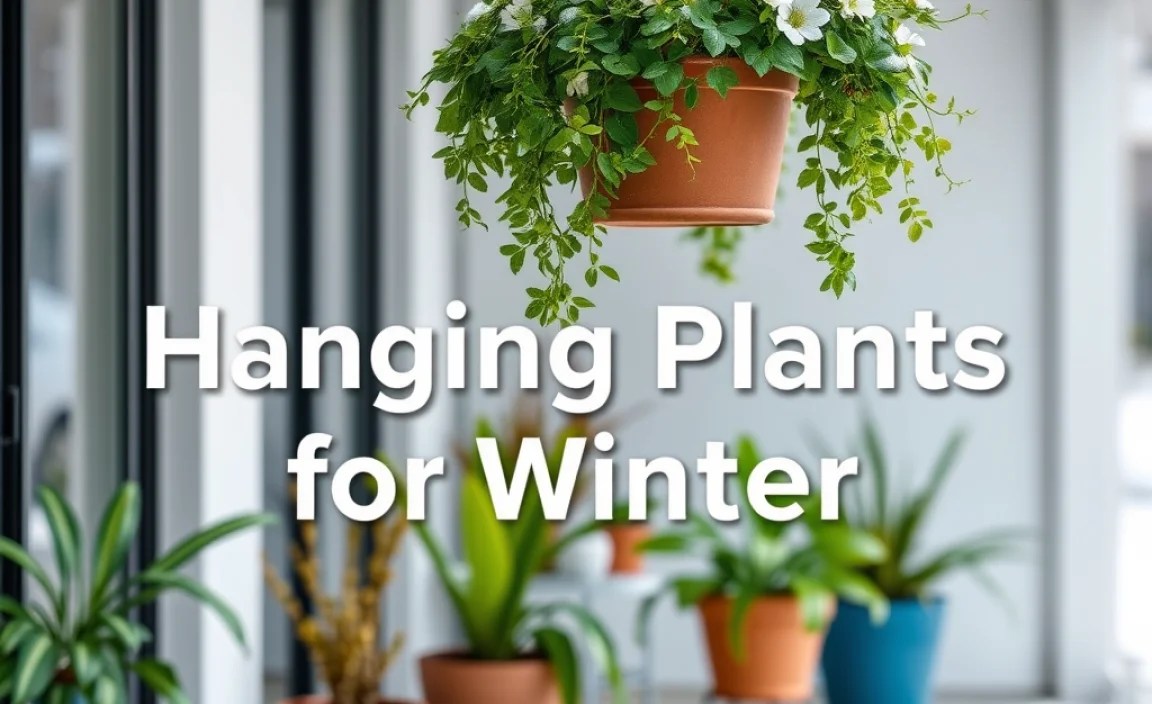
Did you know some plants can live outside in winter? It’s true! These outdoor hanging plants for winter add color to your yard. Even when it’s cold, you can have pretty plants.
Some plants even look better in the cold. They can make your house look happy. What outdoor hanging plants for winter are best? Read on to find out!
Let’s explore the world of outdoor hanging plants for winter. These plants can survive freezing weather. They bring life to your outdoor spaces. Many people think plants only grow in warm weather. But some plants love the cold! You can have beautiful hanging baskets all year. These plants are tough and pretty. They make winter less boring. Are you ready to learn more about these amazing plants?
Imagine your porch with green and colorful plants. Even when snow is falling, they look great. Outdoor hanging plants for winter can do this. They add cheer to your home. They also help the environment. Plants clean the air. Even in winter, they do their job. Some plants even have berries that birds can eat. This helps the birds stay healthy. Let’s discover how to choose the best plants.
Key Takeaways
- Outdoor hanging plants for winter can add color and life to your home during the coldest months.
- Choose plants like pansies and cyclamen that thrive in cooler temperatures for best results.
- Proper watering and protection from extreme conditions are key to plant survival.
- Consider the amount of sunlight your hanging baskets receive when selecting plants.
- Regularly check your plants for signs of stress or disease to ensure they stay healthy.

Choosing the Right Plants for Winter Hanging Baskets
Selecting the right outdoor hanging plants for winter is important. Some plants can handle the cold better than others. You need to know which plants will survive. Think about where you live. How cold does it get? Some plants are good for slightly cold places. Others can live in very cold areas. Look for plants labeled as “winter hardy.” These plants are strong. They can handle freezing temperatures. Also, think about the sun. Some plants need a lot of sun. Others like shade. Choose plants that fit your outdoor space. This will help them grow well. Choosing the right plants means your hanging baskets will look great all winter long.
- Pansies are colorful and cold-hardy.
- Cyclamen have beautiful blooms in winter.
- Winter heath provides evergreen foliage.
- Ornamental cabbage adds unique texture.
- Ivy offers trailing greenery for baskets.
- Dusty miller has a silvery, frosted look.
Don’t forget to check the soil. Good soil helps plants grow strong. Use a mix that drains well. This stops the roots from getting too wet. Wet roots can freeze and hurt the plant. Add some slow-release fertilizer. This gives the plants food over time. Check your plants often. Look for problems like yellow leaves. This could mean they need more water or food. By choosing the right plants and taking good care of them, you can have beautiful hanging baskets all winter long. Remember to have fun and enjoy the beauty of nature, even when it’s cold outside.
Fun Fact or Stat: Pansies can survive temperatures as low as 20°F (-6°C)!
What Makes a Plant “Winter Hardy”?
What makes a plant able to live through the winter? It’s all about how the plant is made. Winter hardy plants have special ways to protect themselves. They can slow down their growth. This helps them use less energy. They can also change the water inside their cells. This stops the water from freezing and hurting the plant. Some plants have thick leaves. These leaves protect them from the cold wind. Other plants have a waxy coating. This coating keeps them from losing too much water. Gardeners need to know if a plant is winter hardy. This helps them choose the right plants for their area.
Matching Plants to Your Climate
Have you ever seen a plant that looks sad in the winter? It might be because it’s not right for the climate. Different places have different winters. Some winters are mild. Others are very cold. Outdoor hanging plants for winter need to match the climate. Check the plant’s hardiness zone. This tells you what temperatures it can handle. If you live in a cold area, choose plants that can survive those temperatures. If you live in a warmer area, you have more choices. Matching plants to your climate is important for success. It means your plants will stay healthy and beautiful all winter.
Where Can You Buy Winter-Hardy Plants?
Finding winter-hardy plants is easier than you think! Many garden centers sell these plants. They know people want outdoor hanging plants for winter. Look for signs that say “winter hardy” or “cold-tolerant.” You can also ask the people who work there. They can help you choose the right plants for your area. Some stores sell plants online. This is a good way to find plants if you don’t have a garden center near you. Make sure to buy from a trusted seller. This way, you know you’re getting healthy plants. With a little searching, you’ll find the perfect plants for your winter hanging baskets!
Preparing Your Hanging Baskets for Winter
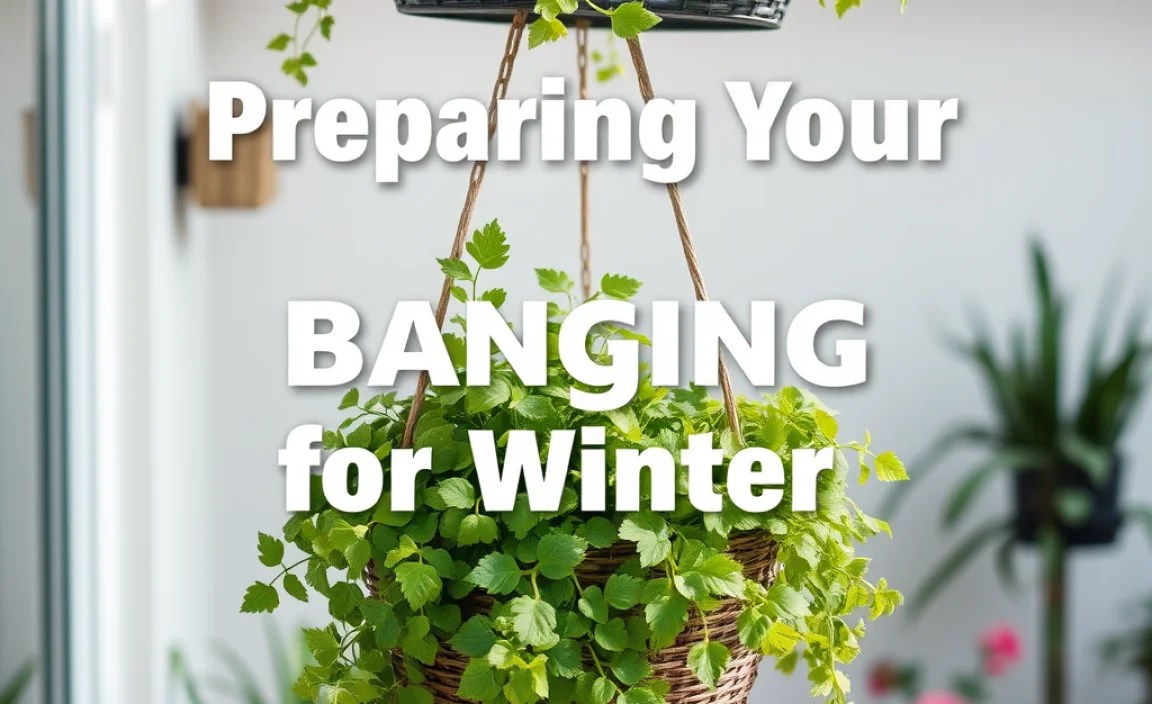
Getting your hanging baskets ready for winter is very important. It helps your outdoor hanging plants for winter survive. Start by checking your baskets. Are they strong enough to hold the plants? Winter weather can be hard on baskets. Make sure they won’t break. Next, think about the soil. Fresh soil gives your plants the best start. Use a mix that drains well. This stops the roots from getting too wet. Add some slow-release fertilizer. This gives your plants food all winter. Also, think about where you put your baskets. Choose a spot that protects them from strong winds. This will help them stay healthy and look beautiful, even in the cold.
- Check the strength of your hanging baskets.
- Use fresh, well-draining soil.
- Add slow-release fertilizer for winter feeding.
- Choose a sheltered location to protect from wind.
- Consider adding extra insulation to the basket.
Watering is also important. Even though it’s cold, plants still need water. Water them when the soil feels dry. But don’t water too much. Too much water can freeze and hurt the roots. Protect your plants from frost. Cover them if the temperature drops very low. You can use a blanket or burlap. Remove the cover when the weather gets warmer. Check your plants often. Look for signs of problems. Yellow leaves or brown spots could mean something is wrong. By preparing your hanging baskets well, you can enjoy beautiful outdoor hanging plants for winter.
Fun Fact or Stat: Adding a layer of mulch to the top of your hanging basket can help insulate the soil and protect the plant’s roots from freezing!
Insulating Your Hanging Baskets
Do you know how to keep your hanging baskets warm in winter? Insulating them is like giving them a cozy coat! You can use different things to do this. Bubble wrap is a good choice. Wrap it around the outside of the basket. This helps keep the cold out. Burlap is another option. It looks nice and also provides insulation. You can also use old blankets or towels. Just make sure they don’t get too wet. Wet insulation can freeze and make things worse. Insulating your hanging baskets helps your outdoor hanging plants for winter stay healthy.
Choosing the Right Soil Mix
The right soil is like a good meal for your plants. It gives them the food and water they need. For outdoor hanging plants for winter, choose a soil mix that drains well. This means water can flow through it easily. Soil that holds too much water can freeze. This can hurt the plant’s roots. Look for a mix that has perlite or vermiculite. These help with drainage. You can also add some compost. Compost is like a vitamin boost for your plants. It gives them extra nutrients. The right soil mix helps your plants grow strong and healthy all winter long.
Protecting Baskets from Wind
Wind can be tough on outdoor hanging plants for winter. It can dry them out and even break them. To protect your baskets, find a sheltered spot. This could be near a wall or under an overhang. If you can’t find a sheltered spot, you can use a windbreak. This is something that blocks the wind. You can use a screen or even a row of shrubs. Make sure your baskets are hanging securely. A strong wind can blow them down. Protecting your baskets from the wind helps your plants stay healthy and beautiful.

Watering and Maintenance Tips for Winter Plants
Taking care of outdoor hanging plants for winter is different than summer. Plants need less water in the cold. Water only when the soil feels dry. Overwatering can be bad. It can cause the roots to rot. Check the soil before you water. Stick your finger in the soil. If it feels dry, it’s time to water. Water slowly and carefully. Make sure the water reaches all the roots. Also, remove any dead leaves or flowers. This helps the plant stay healthy. Winter care is simple. Just pay attention to your plants. They will reward you with beauty all season long.
- Water sparingly, only when soil is dry.
- Check soil moisture with your finger.
- Remove dead leaves and flowers regularly.
- Avoid fertilizing during the coldest months.
- Protect plants from heavy snow or ice.
- Monitor for pests, even in winter.
Fertilizing is also important. But don’t fertilize too much in winter. Plants don’t grow as fast in the cold. They don’t need as much food. Use a slow-release fertilizer in the fall. This will give them food over time. Check your plants for pests. Even in winter, bugs can cause problems. Look for signs of pests. If you find any, treat them right away. With the right care, your outdoor hanging plants for winter will thrive. They will bring beauty to your home all season long.
Fun Fact or Stat: Plants need less water in winter because they are not actively growing as much as in warmer months!
How Often Should You Water?
How often should you water your outdoor hanging plants for winter? This is a tricky question. It depends on the weather and the plant. A good rule is to check the soil. If the top inch feels dry, it’s time to water. But don’t water if the soil is still wet. Overwatering can cause problems. Water in the morning if you can. This gives the plants time to dry out during the day. Avoid watering in the evening. The water might freeze overnight. Pay attention to your plants. They will tell you if they need water.
Dealing with Snow and Ice
Snow and ice can be hard on outdoor hanging plants for winter. Heavy snow can break branches. Ice can damage leaves. If it snows, gently brush the snow off your plants. Be careful not to break them. If there is ice, don’t try to remove it. This can damage the plant. Let the ice melt on its own. You can also move your baskets to a sheltered spot. This will protect them from the worst of the snow and ice. Dealing with snow and ice is important for keeping your plants healthy.
Recognizing Signs of Stress
Plants can’t talk, but they can show you when they’re stressed. Look for signs like yellow leaves. This could mean they need more water or food. Brown spots can mean they are too cold. Drooping leaves can mean they are too dry. If you see these signs, take action. Adjust your watering or move the plant to a better spot. The sooner you notice the problem, the easier it will be to fix. Paying attention to your outdoor hanging plants for winter will help them stay healthy and happy.

Best Plant Varieties for Winter Baskets
Choosing the right plants is key for beautiful winter baskets. Some plants love the cold. Others don’t do so well. Pansies are a great choice. They come in many colors. They can handle freezing temperatures. Cyclamen are also beautiful. They have pretty flowers. Winter heath is another good option. It stays green all winter. Ornamental cabbage adds a fun touch. It has colorful leaves. Ivy is a classic choice. It trails down the basket. These plants are all great for outdoor hanging plants for winter. They will add color and life to your home all season long.
- Pansies offer a wide range of colors.
- Cyclamen provide beautiful winter blooms.
- Winter heath stays green all season.
- Ornamental cabbage adds unique texture.
- Ivy provides classic trailing greenery.
- Violas are similar to pansies and cold-hardy.
When choosing plants, think about color. Do you want bright colors or more subtle shades? Consider the size of the plants. Some plants get big. Others stay small. Choose plants that fit your basket. Also, think about texture. Different plants have different textures. Mixing textures can make your basket more interesting. Don’t be afraid to experiment. Try different combinations of plants. Have fun creating your own unique winter baskets. With the right plants, you can have beautiful outdoor hanging plants for winter.
Fun Fact or Stat: Pansies are edible flowers and can be used to decorate salads and desserts!
Pansies: The Winter Color Pop
Pansies are like little bursts of sunshine in the winter. They come in so many colors. You can find them in shades of purple, yellow, blue, and red. They are also very tough. They can handle cold temperatures and even snow. Pansies are easy to grow. They don’t need much care. Just water them when the soil is dry. Remove any dead flowers. This will help them keep blooming. Pansies are a great choice for adding color to your outdoor hanging plants for winter. They will brighten up your home even on the grayest days.
Cyclamen: Elegant Winter Blooms
Cyclamen are known for their elegant flowers. The petals curve backwards. They come in shades of pink, red, and white. Cyclamen are a bit more delicate than pansies. They need a little more care. They like cool temperatures. They don’t like to be too wet. Water them from the bottom. This helps prevent the leaves from getting wet. Cyclamen are a beautiful addition to outdoor hanging plants for winter. They will add a touch of elegance to your home.
Ivy: The Classic Trailing Green
Ivy is a classic choice for hanging baskets. It has long, trailing vines. It stays green all winter. Ivy is very easy to grow. It can handle almost any conditions. It doesn’t need much water or care. Ivy adds a touch of greenery to your outdoor hanging plants for winter. It can also help to fill out the basket. There are many different types of ivy. Some have green leaves. Others have variegated leaves. Choose the type that you like best. Ivy is a great way to add a touch of classic beauty to your winter baskets.
Creative Ideas for Winter Hanging Basket Designs
Designing winter hanging baskets can be fun! Think about different colors. Use bright colors to cheer up a gray day. Or use soft colors for a calming look. Add different textures. Mix smooth leaves with rough leaves. Use plants of different sizes. Tall plants in the back. Short plants in the front. Add some non-plant items. Pine cones, berries, or ribbons can add a festive touch. Think about the shape of the basket. A round basket looks different than a square one. Let your imagination run wild! Create unique outdoor hanging plants for winter that reflect your style.
- Mix different colors for visual interest.
- Combine various textures for added depth.
- Use plants of different sizes and shapes.
- Add non-plant elements like pine cones.
- Consider the overall shape of the basket.
- Create a theme, like a holiday basket.
Don’t be afraid to try new things. Look at pictures for inspiration. Visit your local garden center. See what plants they have. Ask for advice. Most importantly, have fun! Creating outdoor hanging plants for winter is a great way to express your creativity. It’s also a great way to add beauty to your home during the cold winter months. Remember to choose plants that you love. Choose colors that make you happy. With a little planning and creativity, you can create stunning winter hanging baskets.
Fun Fact or Stat: Adding lights to your winter hanging baskets can create a magical and festive atmosphere at night!
Adding Holiday Cheer
Do you want to make your winter baskets extra festive? Add some holiday cheer! Use red and green plants for a Christmas theme. Add some silver and gold for a New Year’s theme. Use pine cones and berries for a natural look. Add some ribbons and ornaments for a touch of sparkle. String some lights around the basket for a magical glow. Think about what makes you happy during the holidays. Incorporate those elements into your outdoor hanging plants for winter. Let your baskets spread holiday cheer to everyone who sees them.
Using Natural Elements
Nature provides so many beautiful elements for winter baskets. Use pine cones of different sizes and shapes. Add branches of evergreen trees. Use berries of different colors. Collect interesting twigs and sticks. Gather dried flowers and seed heads. Arrange these natural elements among your plants. They will add texture and interest to your outdoor hanging plants for winter. They will also create a connection to nature. Using natural elements is a great way to create beautiful and sustainable winter baskets.
Creating a Themed Basket
Do you want to create a basket with a special theme? Think about your favorite things. Do you love birds? Create a bird-themed basket. Add birdseed and a small birdhouse. Do you love winter sports? Create a ski-themed basket. Add miniature skis and poles. Do you love a certain color? Create a basket with all plants of that color. The possibilities are endless! Creating a themed basket is a fun way to express your personality. It’s also a great way to make your outdoor hanging plants for winter unique and special.
Troubleshooting Common Winter Plant Problems
Even with the best care, problems can happen. Outdoor hanging plants for winter can face challenges. Yellow leaves can mean overwatering. Check the soil. If it’s wet, let it dry out. Brown spots can mean frost damage. Protect your plants when it’s very cold. Drooping leaves can mean underwatering. Water your plants more often. Pests can still be a problem in winter. Check your plants for bugs. Treat them if you find any. Don’t give up! Most problems are easy to fix. With a little attention, your plants will be healthy again.
| Problem | Possible Cause | Solution |
|---|---|---|
| Yellow Leaves | Overwatering, poor drainage | Reduce watering, improve drainage |
| Brown Spots | Frost damage, cold stress | Protect from cold, move to sheltered area |
| Drooping Leaves | Underwatering, dry air | Water more often, increase humidity |
| Pests | Aphids, spider mites | Treat with insecticidal soap |
| Lack of Blooms | Not enough sunlight, poor soil | Move to sunnier location, fertilize |
- Yellow leaves often mean overwatering.
- Brown spots can indicate frost damage.
- Drooping leaves suggest underwatering.
- Pests can still be a problem in winter.
- Lack of blooms may mean not enough light.
- Check soil drainage to avoid root rot.
Remember to check your plants often. Early detection is key. The sooner you spot a problem, the easier it is to fix. Don’t be afraid to ask for help. Your local garden center can offer advice. They can help you identify problems. They can also suggest solutions. With a little knowledge and care, you can overcome common winter plant problems. Enjoy the beauty of your outdoor hanging plants for winter all season long.
Fun Fact or Stat: Plants can sometimes recover from frost damage if you act quickly and provide them with proper care!
Identifying Common Pests
Even in winter, pests can bother your plants. Aphids are small, green bugs. They suck the sap from plants. Spider mites are tiny, red bugs. They create webs on the leaves. Whiteflies are small, white bugs. They fly around when you touch the plant. Look for these signs of pests. Check your plants regularly. If you find pests, take action. Use insecticidal soap. This is a safe way to get rid of pests. Identifying pests early is important. It helps you protect your outdoor hanging plants for winter.
Preventing Root Rot
Root rot is a common problem for outdoor hanging plants for winter. It happens when the roots sit in too much water. The roots start to rot. This can kill the plant. To prevent root rot, use well-draining soil. Don’t overwater your plants. Make sure the water can drain out of the pot. If you see signs of root rot, take action. Remove the plant from the pot. Cut off any rotten roots. Repot the plant in fresh soil. Preventing root rot is key to keeping your plants healthy.
Recognizing Frost Damage
Frost damage can happen when temperatures drop below freezing. The leaves can turn brown or black. The stems can become soft and mushy. If you see signs of frost damage, take action. Protect your plants from the cold. Move them to a sheltered spot. Cover them with a blanket. Water them well before a frost. Recognizing frost damage early is important. It helps you protect your outdoor hanging plants for winter.
Extending the Life of Your Winter Hanging Baskets
Want your outdoor hanging plants for winter to last longer? There are some simple things you can do. Choose the right plants. Some plants are hardier than others. Prepare your baskets well. Use good soil and drainage. Water your plants carefully. Don’t overwater or underwater. Protect your plants from the cold. Move them to a sheltered spot. Remove dead leaves and flowers. This encourages new growth. With a little care, you can extend the life of your winter hanging baskets. You can enjoy their beauty for many months.
- Choose hardy plant varieties.
- Prepare baskets with good soil and drainage.
- Water carefully to avoid over or underwatering.
- Protect plants from extreme cold temperatures.
- Remove dead leaves and flowers regularly.
- Fertilize lightly to encourage growth.
Fertilizing can also help. Use a slow-release fertilizer. This will give your plants food over time. Don’t fertilize too much in winter. Plants don’t grow as fast in the cold. Check your plants for pests. Even in winter, bugs can cause problems. Treat them right away if you find any. By following these tips, you can extend the life of your outdoor hanging plants for winter. You can enjoy their beauty for as long as possible.
Fun Fact or Stat: Some winter plants can rebloom in the spring if properly cared for!
Pruning for Continued Blooms
Pruning is like giving your plants a haircut. It helps them grow better. Remove dead or damaged branches. This encourages new growth. Cut back leggy stems. This makes the plant bushier. Remove spent flowers. This encourages more blooms. Use clean, sharp tools. This prevents the spread of disease. Pruning is important for keeping your outdoor hanging plants for winter healthy and beautiful. It helps them continue to bloom all season long.
Repotting for Spring Growth
As winter ends, think about repotting your plants. This gives them fresh soil and more room to grow. Choose a pot that is slightly larger than the old one. Use fresh, well-draining soil. Gently remove the plant from the old pot. Loosen the roots. Place the plant in the new pot. Fill in with soil. Water well. Repotting helps your plants transition to spring growth. It gives them a fresh start. Repotting is a great way to extend the life of your outdoor hanging plants for winter.
Transitioning to Warmer Weather
As the weather warms up, gradually introduce your plants to the outdoors. Start by placing them outside for a few hours each day. Increase the time each day. This helps them adjust to the warmer temperatures. Protect them from strong winds and direct sunlight. Water them more often as the weather gets warmer. Transitioning to warmer weather slowly is important. It helps your outdoor hanging plants for winter adjust to the new conditions. It prevents them from getting stressed.
Summary
Outdoor hanging plants for winter can bring cheer to your home during the coldest months. Choosing the right plants is key. Pansies, cyclamen, and winter heath are great options. Preparing your baskets well is also important. Use good soil and drainage. Water carefully and protect from the cold. With a little care, you can enjoy beautiful winter hanging baskets all season long. Remember to check your plants often. Look for signs of problems. Take action quickly if you see anything wrong. With a little effort, you can have beautiful hanging baskets all winter.
These plants can handle the cold. They add color and life to your outdoor spaces. Consider different colors, sizes, and textures. Don’t be afraid to experiment. Add non-plant elements for a festive touch. Follow these tips and enjoy your beautiful outdoor hanging plants for winter.
Conclusion
Outdoor hanging plants for winter are a wonderful way to add beauty to your home. Even when the weather is cold, you can have colorful flowers. Choosing the right plants is important. Pansies, cyclamen, and ivy are good choices. Taking care of your plants is also important. Water them when they need it. Protect them from frost. With a little effort, you can have beautiful hanging baskets all winter long. Enjoy the beauty of nature, even in the cold!
Frequently Asked Questions
Question No 1: What are the best plants for outdoor hanging baskets in winter?
Answer: Some of the best plants for outdoor hanging plants for winter include pansies, cyclamen, winter heath, and ornamental cabbage. These plants are cold-hardy and can tolerate freezing temperatures. They also offer a variety of colors and textures to brighten up your outdoor spaces during the winter months. Remember to choose plants that are appropriate for your specific climate and growing conditions for the best results.
Question No 2: How often should I water my outdoor hanging plants in winter?
Answer: Watering outdoor hanging plants for winter depends on the weather and the specific plant. Generally, you should water less often in winter than in summer. Check the soil moisture before watering. If the top inch of soil feels dry, it’s time to water. Avoid overwatering, as this can lead to root rot. Water in the morning to give the plants time to dry out during the day. Adjust your watering schedule based on the weather conditions and the needs of your plants.
Question No 3: How can I protect my hanging baskets from frost?
Answer: Protecting your hanging baskets from frost is important to keep your plants healthy. When frost is predicted, move your baskets to a sheltered location, such as a garage or shed. If you can’t move them, cover them with a blanket or burlap. Remove the cover when the weather warms up. You can also add extra insulation to the basket to help protect the roots from freezing. Taking these steps will help protect your outdoor hanging plants for winter from frost damage.
Question No 4: Do I need to fertilize my winter hanging plants?
Answer: Fertilizing outdoor hanging plants for winter is not always necessary. Plants grow slower in winter, so they don’t need as much food. If you choose to fertilize, use a slow-release fertilizer in the fall. This will provide nutrients over time. Avoid fertilizing during the coldest months. Over-fertilizing can harm your plants. Observe your plants and only fertilize if they show signs of nutrient deficiency.
Question No 5: How can I prevent my hanging baskets from drying out in the winter wind?
Answer: Winter winds can dry out your hanging baskets. To prevent this, choose a sheltered location for your baskets. This will protect them from the wind. You can also add mulch to the top of the soil. This helps retain moisture. Water your plants regularly, but don’t overwater. Check the soil moisture often. These steps will help keep your outdoor hanging plants for winter hydrated.
Question No 6: Can I reuse my hanging baskets from summer for winter plants?
Answer: Yes, you can reuse your hanging baskets from summer for outdoor hanging plants for winter. Clean the baskets thoroughly before replanting. Remove any old soil or debris. Check the baskets for damage. Make sure they are strong enough to hold the plants. Replace the soil with a fresh, well-draining mix. Reusing your baskets is a great way to save money and be environmentally friendly.
