Do you love fresh veggies? Imagine picking juicy tomatoes from your own yard. What if you don’t have much space? Outdoor planters for vegetables are a great solution. They let you grow food almost anywhere.
Outdoor planters for vegetables can make gardening easy and fun. Even kids can help! Let’s learn how to grow your own food.
Key Takeaways
- Outdoor planters for vegetables offer an easy way to grow food in limited spaces.
- Choose the right size and material for your outdoor planters to help your plants grow well.
- Good soil, sunlight, and water are key to successful vegetable container gardening.
- Great vegetables to grow in containers include tomatoes, peppers, lettuce, and herbs.
- Regular care, like watering and fertilizing, keeps your container garden healthy and productive.

Choosing the Best Outdoor Vegetable Planters
Picking the right outdoor planters for vegetables is super important. You need to think about size, material, and drainage. A good planter helps your plants grow big and strong. Big plants need bigger pots. Small plants can grow in smaller pots. Make sure the planter has holes at the bottom. These holes let extra water drain out. Too much water can hurt the roots. The material of the planter matters too. Some materials get hot in the sun. This can dry out the soil quickly. Other materials stay cool. Think about where you live and what the weather is like. This will help you choose the best planter for your veggies.
- Big planters are good for big plants.
- Small planters work well for herbs.
- Drainage holes stop roots from rotting.
- Dark colors get hot in the sun.
- Light colors stay cooler.
Think about what kind of vegetables you want to grow. Tomatoes need a lot of space. Lettuce doesn’t need as much space. You can find planters made of plastic, wood, or clay. Plastic is light and cheap. Wood looks nice but can rot over time. Clay pots are heavy but keep the soil cool. No matter what you pick, make sure it’s safe for growing food. Some materials can have bad chemicals. These chemicals can get into your vegetables. Look for planters that say they are food-safe. This means they won’t hurt your plants or you! With the right planter, you’re on your way to a yummy garden.
Fun Fact or Stat: Did you know that some people use old bathtubs as outdoor planters for vegetables?
What Size Planter Do I Need?
Do you know how much space your veggies need? Different vegetables need different sizes of planters. Tomatoes need a big space for their roots. Small herbs like basil don’t need as much room. If you pick a planter that is too small, your plants won’t grow well. Their roots will get crowded. This can make them sick. If you pick a planter that is too big, it can hold too much water. This can also hurt the roots. A good rule is to check the seed packet. The packet will tell you how much space the plant needs. You can also ask someone at the garden store. They can help you pick the right size. Remember, happy roots make happy plants!
Plastic, Wood, or Clay: Which is Best?
Have you ever touched a black plastic slide on a hot day? Ouch! The material of your planter matters. Plastic is cheap and light. It’s easy to move around. But plastic can get hot in the sun. Wood looks nice and natural. But wood can rot if it stays wet. Clay pots are heavy and can break easily. But clay keeps the soil cool. Think about your weather. If you live in a hot place, clay might be best. If you need to move your planters a lot, plastic might be better. Each material has good and bad things. Pick what works best for you and your plants.
What About Drainage?
Imagine wearing socks that are always wet. Yuck! Plants don’t like wet feet either. Drainage is super important for outdoor planters for vegetables. If the water can’t drain, the roots will rot. Most planters have holes in the bottom. But sometimes the holes are too small. Or they get blocked with dirt. You can add rocks or gravel to the bottom of the planter. This helps the water drain better. You can also buy special liners for your planters. These liners let the water out but keep the dirt in. Good drainage keeps your plants happy and healthy. You’ll get lots of yummy veggies!
Preparing Your Vegetable Planter Soil
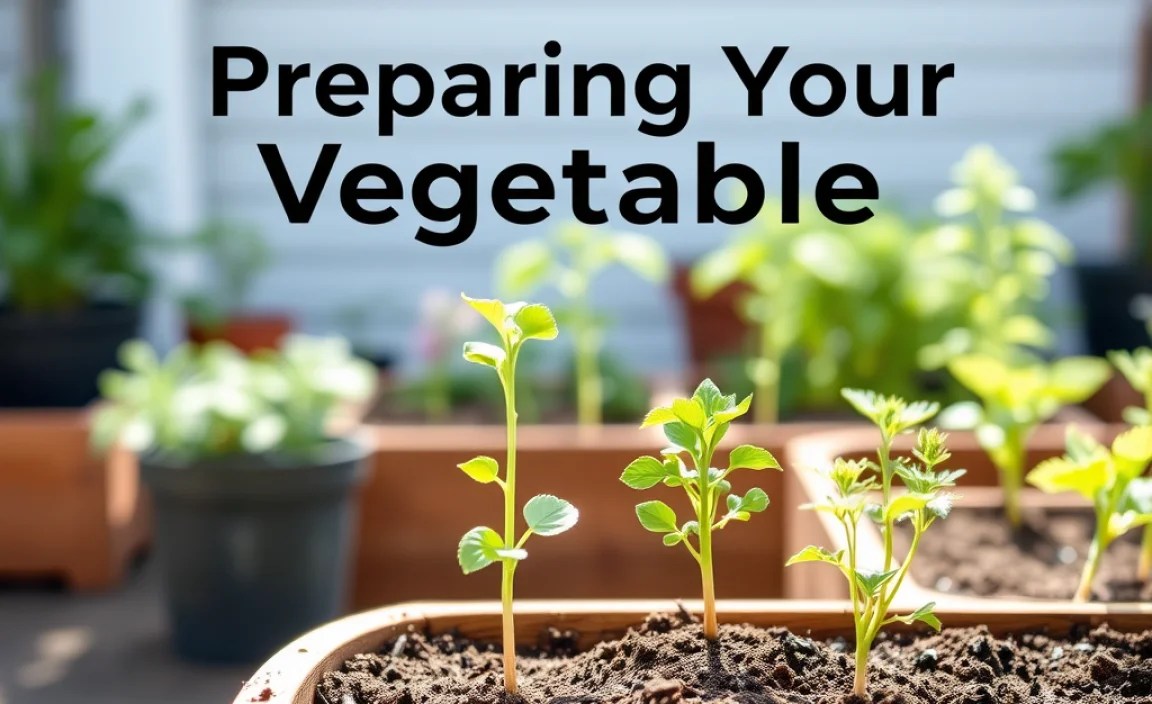
Good soil is like a good breakfast for your plants. It gives them the energy they need to grow. Don’t just use any dirt from your yard. That dirt might not have the right stuff. Outdoor planters for vegetables need special soil. This soil is called potting mix. Potting mix is light and fluffy. It lets the roots breathe. It also holds water well. You can buy potting mix at the garden store. Look for a mix that is made for vegetables. You can also make your own potting mix. Mix together peat moss, vermiculite, and compost. Compost is like food scraps that have turned into dirt. It’s full of good stuff for plants.
- Use potting mix, not garden soil.
- Potting mix lets roots breathe.
- Compost adds nutrients to the soil.
- Peat moss holds water well.
- Vermiculite helps with drainage.
Before you put the soil in the planter, wet it a little bit. This helps it settle. Don’t pack the soil down too hard. The roots need to be able to grow easily. Fill the planter almost to the top. Leave a little space so the water doesn’t spill out. When you water the plants, the water will soak into the soil. It will give the roots a nice drink. Good soil and water are the best way to start your vegetable garden. You’ll be amazed at how much your plants grow.
Fun Fact or Stat: Some people use coffee grounds in their potting mix because coffee grounds are good for plants!
Why Not Just Use Garden Soil?
Imagine trying to swim in mud. That’s what it’s like for roots in garden soil. Garden soil is too heavy and dense for planters. It doesn’t let the roots breathe. It also doesn’t drain well. This can cause the roots to rot. Potting mix is made to be light and airy. It has special ingredients that help the roots grow. It’s like giving your plants a spa day! So, skip the garden soil and use potting mix for happy, healthy plants.
What is Compost and Why Use It?
Have you ever seen a pile of old leaves and food scraps? That’s compost! Compost is like magic dirt. It’s made from things that used to be alive. Like leaves, grass clippings, and vegetable peels. When these things break down, they turn into a rich, dark soil. This soil is full of nutrients that plants love. Compost helps the soil hold water. It also helps the soil drain better. Adding compost to your potting mix is like giving your plants a super boost. They’ll grow bigger and stronger.
Mixing Your Own Potting Soil
Want to be a soil scientist? You can make your own potting mix! It’s like a fun science experiment. You’ll need three things: peat moss, vermiculite, and compost. Peat moss is like a sponge. It holds water really well. Vermiculite is like tiny rocks. It helps with drainage. Compost is the magic ingredient that feeds your plants. Mix equal parts of each ingredient. That’s it! You’ve made your own potting mix. Now you can plant your vegetables and watch them grow. You’re a soil expert!

Sunlight and Watering for Planter Vegetables
Just like you need sunshine and water, so do your plants! Sunlight gives them energy. Water keeps them from getting thirsty. Most vegetables need at least six hours of sunlight each day. Pick a spot for your outdoor planters for vegetables that gets lots of sun. If you don’t have a sunny spot, you can use grow lights. Grow lights are special lights that help plants grow. Water your plants when the soil feels dry. Stick your finger in the soil. If it feels dry, it’s time to water. Don’t water too much! Too much water can be just as bad as not enough.
- Most vegetables need 6+ hours of sun.
- Water when the soil feels dry.
- Don’t overwater your plants.
- Use grow lights if needed.
- Water early in the morning.
Water early in the morning. This gives the plants time to dry out during the day. Wet leaves can get sick. You can use a watering can or a hose. Be gentle! Don’t blast the plants with water. This can damage them. You can also use a soaker hose. A soaker hose is a special hose that drips water slowly. This is a good way to water plants without getting the leaves wet. Watch your plants carefully. If the leaves are drooping, they might need more water. If the leaves are yellowing, they might be getting too much water. With the right amount of sun and water, your plants will thrive.
Fun Fact or Stat: Plants are made of mostly water, just like you!
How Much Sun is Enough?
Imagine trying to play outside on a cloudy day. You can still have fun, but it’s not the same as a sunny day. Plants need sunshine to make their food. Most vegetables need at least six hours of direct sunlight each day. Direct sunlight means the sun is shining right on the plant. If your plants don’t get enough sun, they will grow slowly. They might not produce as many vegetables. If you don’t have a sunny spot, try moving your planters around. You can also use grow lights to give your plants extra light.
Best Time of Day to Water
Would you rather have a drink in the morning or at night? Plants like to drink in the morning too! The best time to water your plants is early in the morning. This gives the leaves time to dry out during the day. If you water at night, the leaves stay wet all night. This can cause diseases. Watering in the morning also helps the plants stay cool during the hot part of the day. So, set your alarm and give your plants a morning drink!
Signs of Overwatering and Underwatering
Have you ever seen a plant that looks sad and droopy? That plant might be thirsty! Or it might be getting too much water. It can be hard to tell the difference. If the leaves are drooping and the soil is dry, the plant needs water. If the leaves are yellowing and the soil is soggy, the plant is getting too much water. Stick your finger in the soil to check. If it feels dry, water the plant. If it feels wet, let the soil dry out before watering again. Your plants will thank you!

Great Vegetables for Container Gardening
Not all vegetables grow well in containers. Some get too big. Some need too much space. But lots of vegetables love growing in outdoor planters for vegetables. Tomatoes are a popular choice. They need a big planter and lots of sun. Peppers are also easy to grow in containers. They come in different colors and sizes. Lettuce is a great choice for beginners. It grows quickly and you can harvest it often. Herbs like basil, mint, and oregano are also easy to grow in containers. They smell great and add flavor to your food.
- Tomatoes need big planters and lots of sun.
- Peppers come in many colors and sizes.
- Lettuce grows fast and is easy to harvest.
- Herbs smell great and taste delicious.
- Radishes grow quickly in small containers.
Think about what you like to eat. Do you love salads? Grow lettuce, spinach, and cucumbers. Do you like spicy food? Grow peppers and chili peppers. Do you use a lot of herbs in your cooking? Grow basil, rosemary, and thyme. You can even grow strawberries in containers! They are a sweet and tasty treat. With a little planning, you can grow a whole meal in your outdoor planters for vegetables. It’s fun and rewarding to eat food that you grew yourself.
Fun Fact or Stat: The world’s largest tomato plant grew in a container and produced over 32,000 tomatoes!
Easy Vegetables for Beginners
Starting a garden can seem scary. But it doesn’t have to be! Some vegetables are super easy to grow. Even if you don’t have a green thumb. Lettuce is a great choice. It grows quickly and you can start harvesting it in just a few weeks. Radishes are also easy. They pop up in about a month. Spinach is another good option. It likes cool weather. Herbs like basil and mint are also easy to grow. They are perfect for small containers. Start with these easy vegetables and you’ll be a gardening pro in no time!
Tomatoes and Peppers: Container Garden Stars
Want to grow something really impressive? Try tomatoes and peppers! These vegetables are like the stars of the container garden. They need a little more attention. But they are worth it. Tomatoes need a big planter and lots of sun. You might need to stake them up so they don’t fall over. Peppers also need lots of sun. They like warm weather. You can grow different kinds of tomatoes and peppers. Like cherry tomatoes, bell peppers, and chili peppers. Imagine picking fresh tomatoes and peppers from your own garden. They taste so much better than the ones from the store!
Herbs: Flavor in Small Spaces
Do you love to cook? Then you need to grow herbs! Herbs are like the secret ingredient that makes food taste amazing. They don’t need a lot of space. So they are perfect for containers. Basil is great for Italian food. Mint is refreshing in drinks. Rosemary is delicious with chicken. Thyme is perfect for soups. You can grow all kinds of herbs in your outdoor planters for vegetables. Just snip off a few leaves when you need them. Fresh herbs add so much flavor to your meals. Plus, they smell wonderful!
Caring for Your Container Vegetable Garden
Your plants need more than just sun and water. They also need food! Just like you need to eat to grow, plants need nutrients. You can give your plants nutrients by fertilizing them. Fertilizer is like a vitamin for plants. You can buy fertilizer at the garden store. Look for a fertilizer that is made for vegetables. Follow the instructions on the package. Don’t use too much fertilizer! Too much fertilizer can burn the roots. You also need to watch out for bugs. Bugs can eat your plants. You can pick the bugs off by hand. Or you can use insect spray.
| Vegetable | Watering | Fertilizing | Pest Control |
|---|---|---|---|
| Tomatoes | Daily | Every 2 weeks | Handpick bugs |
| Peppers | Daily | Every 3 weeks | Insect spray |
| Lettuce | Every other day | Every 4 weeks | Neem oil |
| Basil | Every other day | Every 4 weeks | Handpick bugs |
- Fertilize your plants regularly.
- Watch out for bugs and pests.
- Pick off bugs by hand if you see them.
- Use insect spray if needed.
- Water and fertilize regularly.
Keep your garden clean. Remove any dead leaves or flowers. This will help prevent diseases. You might also need to prune your plants. Pruning means cutting off some of the branches. This helps the plants grow stronger. Caring for your container vegetable garden takes a little time and effort. But it’s worth it! You’ll get fresh, delicious vegetables that you grew yourself. Plus, it’s fun to watch your plants grow.
Fun Fact or Stat: Some bugs are good for your garden! Ladybugs eat other bugs that eat your plants.
When and How to Fertilize
Do you take vitamins to stay healthy? Plants need vitamins too! Fertilizer is like a vitamin for plants. It gives them the nutrients they need to grow. You should fertilize your plants every few weeks. Follow the instructions on the fertilizer package. There are different kinds of fertilizer. Some are liquid, and some are solid. Liquid fertilizer is easy to use. Just mix it with water and pour it on the soil. Solid fertilizer comes in little pellets. You sprinkle the pellets around the base of the plant. Water the soil after you fertilize. This helps the fertilizer soak into the soil.
Dealing with Pesky Bugs
Uh oh, bugs! Bugs can be a problem in the garden. They can eat your plants and make them sick. But don’t worry, you can fight back! One way to get rid of bugs is to pick them off by hand. Wear gloves and put the bugs in a bucket of soapy water. You can also use insect spray. But be careful! Some insect sprays can be harmful to people and pets. Look for a natural insect spray that is safe to use. You can also try attracting good bugs to your garden. Ladybugs eat other bugs that eat your plants. So, plant some flowers that attract ladybugs.
Pruning and Deadheading for Better Growth
Have you ever gotten a haircut? Pruning is like giving your plants a haircut. It helps them grow stronger and produce more vegetables. Pruning means cutting off some of the branches. You should prune your plants when they are getting too big. Or when they have dead or yellow leaves. Deadheading means removing dead flowers. This helps the plant focus on growing new flowers and vegetables. Use clean scissors or pruning shears to prune your plants. Cut the branches at an angle. This helps the plant heal faster.
Harvesting Your Homegrown Vegetables
The best part of gardening is harvesting your vegetables! Harvesting means picking your vegetables when they are ripe. Ripe vegetables taste the best. They are also full of nutrients. How do you know when a vegetable is ripe? It depends on the vegetable. Tomatoes should be red and slightly soft. Peppers should be firm and brightly colored. Lettuce should be crisp and green. Herbs can be harvested any time. Just snip off a few leaves when you need them. Use clean scissors or a knife to harvest your vegetables.
- Harvest vegetables when they are ripe.
- Tomatoes should be red and slightly soft.
- Peppers should be firm and brightly colored.
- Lettuce should be crisp and green.
- Herbs can be harvested anytime.
Handle your vegetables gently. They can bruise easily. Wash your vegetables before you eat them. This removes any dirt or bugs. Store your vegetables in the refrigerator. This will keep them fresh longer. Enjoy the taste of your homegrown vegetables! They taste so much better than the ones from the store. You can use them in salads, soups, and other dishes. You can even share them with your friends and neighbors. Growing your own vegetables is a fun and rewarding experience.
Fun Fact or Stat: A single tomato plant can produce up to 20 pounds of tomatoes in a season!
Knowing When Vegetables are Ripe
Imagine biting into a sour, unripe tomato. Yuck! Knowing when vegetables are ripe is super important. Ripe vegetables taste the best. They are also full of vitamins. Tomatoes should be red and slightly soft. Peppers should be firm and brightly colored. Lettuce should be crisp and green. Cucumbers should be firm and dark green. Carrots should be bright orange. Check your vegetables every day. When they look and feel ripe, it’s time to harvest them!
Best Time of Day to Harvest
Want your vegetables to taste their best? Harvest them in the morning! The best time to harvest your vegetables is early in the morning. This is when they are the coolest and freshest. The sun hasn’t had a chance to dry them out. The sugars in the vegetables are also at their highest in the morning. So, set your alarm and get ready to harvest some delicious vegetables!
Storing Your Harvest for Freshness
You’ve harvested your vegetables! Now what? You need to store them properly to keep them fresh. Store your vegetables in the refrigerator. This will slow down the ripening process. Wrap leafy greens in a damp paper towel. This will keep them crisp. Store tomatoes and peppers in a cool, dry place. Don’t wash your vegetables until you’re ready to eat them. Washing them too soon can make them rot faster. With proper storage, you can enjoy your homegrown vegetables for weeks!
Summary
Outdoor planters for vegetables are a fantastic way to grow your own food. You can grow yummy veggies even if you don’t have a big yard. Picking the right planter, soil, sunlight, and water is very important. Tomatoes, peppers, lettuce, and herbs grow well in containers. Remember to fertilize and protect your plants from bugs. Harvesting your veggies at the right time makes them taste the best. Enjoy the yummy food you grow!
Conclusion
Growing vegetables in outdoor planters for vegetables is fun and easy. You can have fresh food right outside your door. Even kids can help. It is a great way to learn about nature. You also get to eat healthy food. So, get some planters and start growing today!
Frequently Asked Questions
Question No 1: What are the best vegetables to grow in outdoor planters?
Answer: Many vegetables thrive in outdoor planters for vegetables. Tomatoes are a popular choice if you provide them with a large enough container and plenty of sunlight. Peppers, especially bell peppers and chili peppers, do well too. Leafy greens like lettuce, spinach, and kale are easy to grow and harvest repeatedly. Herbs such as basil, mint, rosemary, and thyme are also excellent options for container gardening. They add flavor to your meals and are relatively low-maintenance.
Question No 2: How big should my outdoor planters be for vegetables?
Answer: The size of your outdoor planters depends on the type of vegetable you want to grow. Larger vegetables like tomatoes and peppers need at least a 5-gallon container. This gives their roots enough room to grow. Leafy greens and herbs can grow in smaller containers, around 1-2 gallons. Make sure the planter has drainage holes to prevent water from building up. Check the seed packet or plant label for specific size recommendations.
Question No 3: What kind of soil should I use in my vegetable planters?
Answer: Do not use regular garden soil in your outdoor planters for vegetables. Garden soil is often too heavy and doesn’t drain well. Instead, use a potting mix specifically designed for containers. Potting mix is lighter and more porous. This allows for better drainage and aeration. You can also amend the potting mix with compost. Compost adds nutrients and improves soil structure. A good potting mix helps your plants grow strong and healthy.
Question No 4: How often should I water my container vegetables?
Answer: How often you need to water your container vegetables depends on several factors. These include the weather, the type of vegetable, and the size of the planter. Generally, you should water when the top inch of soil feels dry to the touch. Water deeply until water drains out of the bottom of the planter. Avoid overwatering, which can lead to root rot. Check your plants daily, especially during hot and dry periods.
Question No 5: Do I need to fertilize my outdoor container vegetables?
Answer: Yes, it is important to fertilize your outdoor planters for vegetables. Container plants rely on you to provide them with the nutrients they need. Use a fertilizer specifically formulated for vegetables. Follow the instructions on the fertilizer package. You can use either a liquid fertilizer or a slow-release granular fertilizer. Fertilize every few weeks during the growing season to ensure your plants get the nutrients they need to thrive.
Question No 6: How much sunlight do my outdoor vegetable planters need?
Answer: Most vegetables need at least six hours of sunlight per day. Choose a location for your outdoor planters that receives full sun. Some vegetables, like lettuce and spinach, can tolerate partial shade. However, they will still grow best with at least four hours of sunlight. If you don’t have a sunny spot, you can use grow lights to supplement the natural light. Make sure the plants get enough sunlight to produce plenty of vegetables.
