Have you ever seen a house with painted bricks outdoor? It can look amazing. Or maybe it looks not so good. What makes the difference?
Painting bricks is not as easy as it looks. You need to pick the right paint. You also need to prep the bricks. Let’s learn how to paint bricks outdoor the right way!
Did you know bricks can last over 100 years? That is if they are taken care of. Painting them can help them last longer. It can also make your house look new. Let’s explore how!
Key Takeaways
- Painting bricks outdoor boosts curb appeal and home value instantly.
- Always clean and prep the brick surface before you start painting.
- Use paints made for bricks so they can breathe and last longer.
- Apply a primer first to help the paint stick better to the bricks.
- Consider the weather before painting. Avoid rain and very hot days.

Why Paint Bricks Outdoor?
Painting bricks outdoor can change how your home looks. It can make an old house look new. It can also protect the bricks from weather. Bricks can get damaged by rain and sun. Paint can act like a shield. It keeps the bricks safe. Choosing the right color can also make your home stand out. A fresh coat of paint can hide stains or marks on the bricks. It can also make your home more modern. Painting bricks is a big job. But it can be worth it. It can make your home look great for years to come. Make sure you plan well. This will help you get the best results. Also, remember safety. Always wear gloves and eye protection. A mask is also a good idea. This will keep you safe from paint fumes and dust. Painting can be fun. But it is important to be careful.
- Paint protects bricks from water damage.
- New paint improves your home’s look.
- Painting can hide stains and marks.
- It can make your house look modern.
- Choose colors that match your style.
- Always wear safety gear when painting.
Think about the color before you start. Do you want a bright color? Or a more natural look? Some colors can fade in the sun. Other colors might not match your neighborhood. Take some time to look at other houses. See what colors you like. You can also ask for advice at the paint store. They can help you choose the right paint. They can also tell you how to prep the bricks. Remember, good prep is important. It will make the paint last longer. Painting bricks outdoor is a great way to update your home. Just make sure you do it right!
Is Painting Brick a Good Idea?
Is painting bricks outdoor a good idea? Well, it depends. Painting can make your house look better. It can also protect the bricks. But it can also cause problems if you do it wrong. Bricks need to breathe. If you use the wrong paint, they can’t. This can cause the bricks to crack. It can also trap moisture inside. This can lead to mold. So, choose the right paint. Also, make sure the bricks are clean and dry before you start. If you do these things, painting can be a great idea. It can make your home look beautiful for years to come.
What are the Cons of Painting Brick?
Painting bricks can have some downsides. Once you paint bricks outdoor, it is hard to go back. Removing paint from bricks is very difficult. Bricks also need to breathe. Paint can trap moisture. This can damage the bricks over time. The paint can also chip or peel. This means you will need to repaint every few years. Some people also think painted bricks don’t look as good as natural bricks. Consider these things before you decide to paint. Think about whether the benefits outweigh the risks for your home.
How Long Does Painted Brick Last?
How long will your paint bricks outdoor last? This depends on a few things. The type of paint matters. So does the weather. If you use good quality paint, it will last longer. If you live in a place with lots of rain or sun, it might not last as long. Proper prep work is also important. If you clean and prime the bricks well, the paint will stick better. You can expect a good paint job to last 5–10 years. After that, you might need to repaint. Check the paint regularly for chips or cracks. This will help you keep your home looking its best.
Fun Fact or Stat: Painting brick can increase a home’s value by up to 5%, according to real estate experts.
Choosing the Right Paint
Choosing the right paint is key when you paint bricks outdoor. Not all paints are the same. Some paints are made for wood. Others are made for metal. You need paint that is made for bricks. This type of paint is breathable. It lets moisture escape. This helps prevent damage to the bricks. Look for paints that say “masonry” or “brick.” These paints are designed for this purpose. Also, think about the finish. Do you want a flat finish? Or a glossy finish? Flat finishes hide imperfections better. Glossy finishes are easier to clean. Consider what is most important to you. Then, choose the right paint. The right paint will make your home look great for years. It will also protect your bricks from the weather. Ask for help at the paint store if you are not sure. They can give you advice.
- Use masonry paint for outdoor bricks.
- Choose a breathable paint to prevent damage.
- Flat finishes hide imperfections well.
- Glossy finishes are easy to clean.
- Ask for advice at the paint store.
- Consider the weather in your area.
Think about the color you want. Do you want a light color? Or a dark color? Light colors can make your house look bigger. Dark colors can make it look more modern. Get some samples of paint. Try them on a small area of the brick. This will help you see what the color looks like in different lights. It will also help you see how the paint looks with the rest of your house. Take your time to choose the right color. This is a big decision. You will be looking at it for years to come. Painting bricks outdoor is a great way to update your home. Just make sure you choose the right paint and color!
What Type of Paint is Best for Brick?
The best type of paint for brick is masonry paint. This paint is made to paint bricks outdoor. It is breathable. This means it lets moisture escape. It also sticks well to brick. Other types of paint might not work as well. They might peel or crack over time. Masonry paint is designed to last. It will protect your bricks from the weather. It will also make your home look great. Look for paints that are labeled for “exterior masonry.” These are the best choice for painting brick.
What is the Best Color to Paint Brick?
The best color to paint bricks outdoor depends on your style. It also depends on your neighborhood. Some people like light colors. Light colors can make your house look bigger. They can also make it look brighter. Other people like dark colors. Dark colors can make your house look more modern. They can also make it look more dramatic. Look at other houses in your area. See what colors you like. Also, think about the color of your roof and trim. Choose a color that goes well with these things. Sample the colors before committing.
How Much Does it Cost to Paint Brick?
The cost to paint bricks outdoor can vary. It depends on the size of your house. It also depends on the type of paint you use. If you hire someone to paint, it will cost more. If you do it yourself, it will cost less. You will need to buy paint, primer, and other supplies. Get some estimates from different painters. This will help you get a good price. Also, consider the cost of prep work. Cleaning and repairing the bricks can add to the cost. But it is important to do this right. It will make the paint last longer.
Fun Fact or Stat: Masonry paint can last up to 10 years on exterior brick surfaces when applied correctly.
Preparing the Bricks
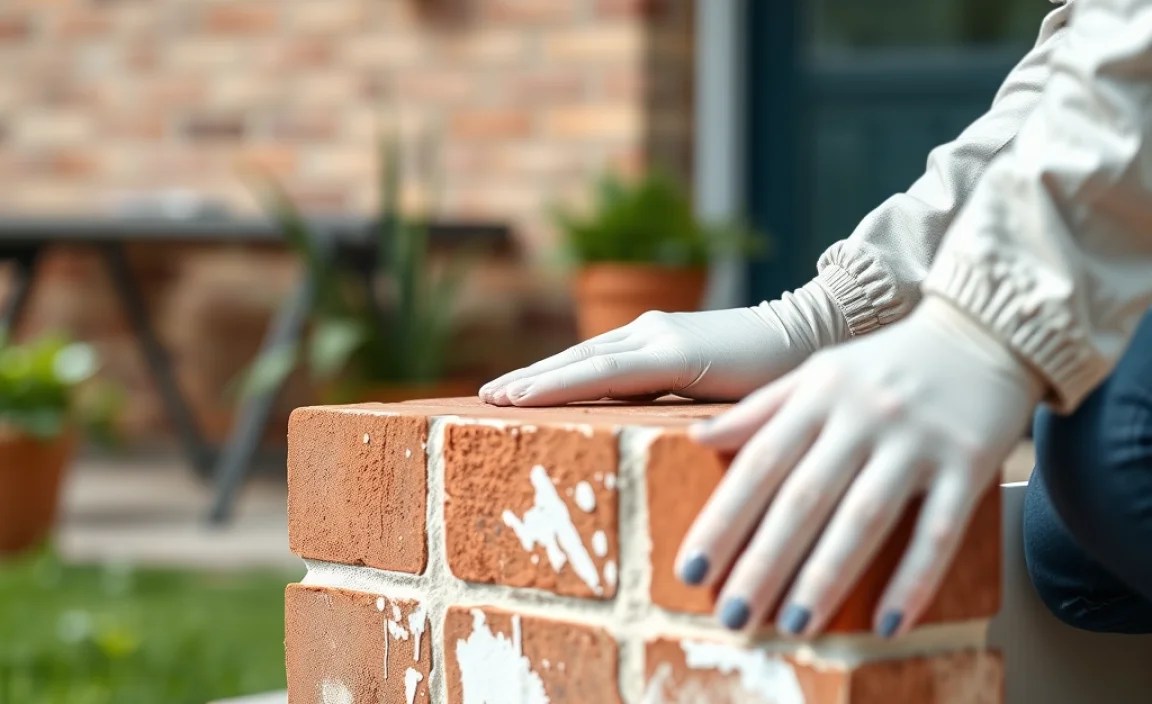
Preparing the bricks is very important. You can’t just paint bricks outdoor without getting them ready. First, clean the bricks. You can use a brush and some soapy water. This will remove dirt and dust. If there is mold or mildew, use a special cleaner. You can find this at the hardware store. Rinse the bricks well with water. Let them dry completely. This can take a few days. Next, check for cracks or damage. Fill any cracks with mortar. This will make the surface smooth. It will also prevent water from getting in. Finally, apply a primer. Primer helps the paint stick to the bricks. It also helps to seal the surface. This will make the paint last longer. Preparing the bricks takes time. But it is worth it. It will make your paint job look great!
- Clean the bricks with soap and water.
- Remove any mold or mildew.
- Rinse the bricks and let them dry.
- Fill any cracks with mortar.
- Apply a primer to help the paint stick.
- Let the primer dry completely before painting.
Think about the weather before you start. You don’t want to paint bricks outdoor when it is raining. The paint won’t stick. You also don’t want to paint when it is too hot. The paint can dry too quickly. This can cause it to crack. The best time to paint is on a cool, dry day. This will give the paint time to dry properly. It will also help it stick to the bricks. Remember, good prep is key to a good paint job. Take your time and do it right!
Why is Prep Important Before Painting?
Prep work is super important before you paint bricks outdoor. It makes the paint stick better. It also helps the paint last longer. If you don’t prep the bricks, the paint might peel or chip. Cleaning the bricks removes dirt and grime. Filling cracks makes the surface smooth. Primer helps the paint bond to the brick. All of these steps make a big difference. They will help you get a professional-looking paint job. So, don’t skip the prep work. It is worth the time and effort.
What Kind of Cleaner is Best?
The best cleaner for brick depends on what you are cleaning. For dirt and dust, soap and water work well. For mold or mildew, use a special cleaner. You can find these cleaners at the hardware store. Look for cleaners that are made for masonry. They will be safe to use on brick. Follow the instructions on the cleaner. Wear gloves and eye protection. Rinse the bricks well after cleaning. This will remove any cleaner residue. Let the bricks dry completely before painting.
Do I Need to Prime Before Painting?
Yes, you should always prime before you paint bricks outdoor. Primer helps the paint stick to the bricks. It also seals the surface. This prevents water from getting in. Choose a primer that is made for masonry. Apply the primer evenly. Let it dry completely before painting. This will make your paint job look better. It will also help it last longer. Primer is like a glue that helps the paint stick. Don’t skip this step!
Fun Fact or Stat: Proper cleaning and preparation can extend the life of a paint job on brick by up to 30%.
Applying the Paint
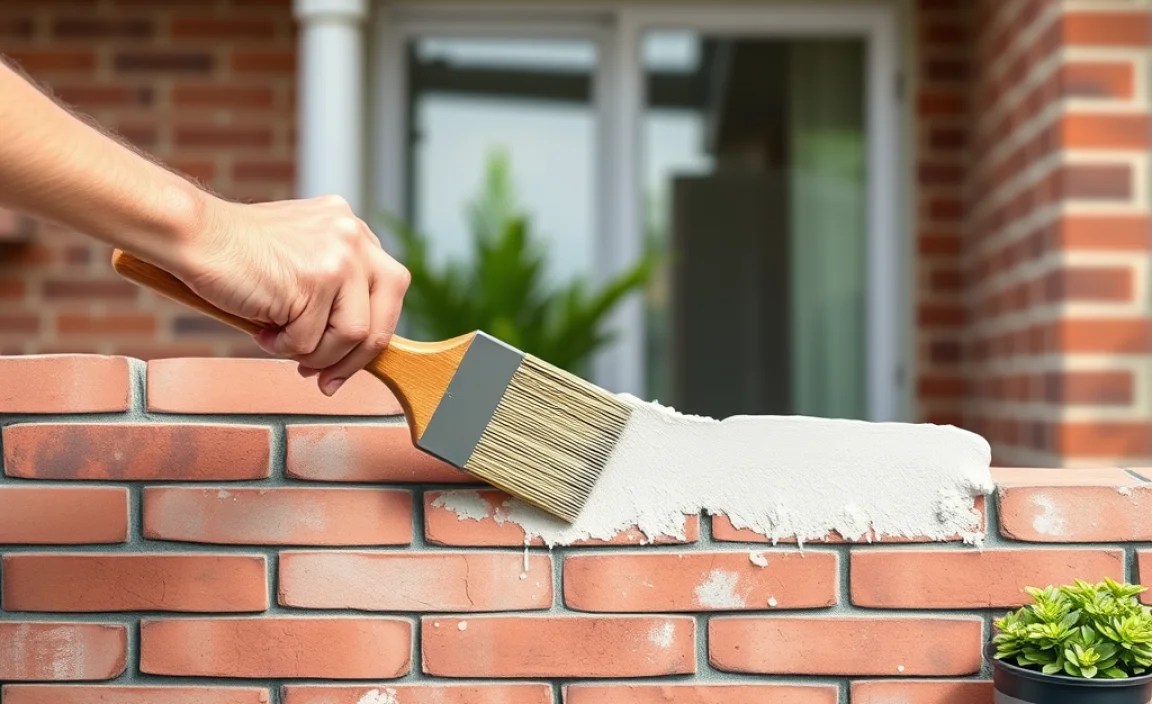
Now it’s time to apply the paint! When you paint bricks outdoor, use a brush or a roller. A brush is good for getting into small spaces. A roller is good for covering large areas. Start at the top and work your way down. This will prevent drips. Apply the paint in thin layers. This will help it dry evenly. Let each layer dry completely before applying the next. You might need to apply two or three layers. This will give you good coverage. Be careful not to get paint on other surfaces. Use painter’s tape to protect windows and doors. Clean up any spills right away. Applying the paint takes patience. But it is worth it. You will have a beautiful, freshly painted brick surface!
- Use a brush for small spaces.
- Use a roller for large areas.
- Start at the top and work down.
- Apply thin layers of paint.
- Let each layer dry completely.
- Use painter’s tape to protect surfaces.
Think about the weather again. You don’t want to paint bricks outdoor when it is too windy. The wind can blow paint everywhere. It can also make the paint dry too quickly. The best time to paint is on a calm day. This will help you get a smooth, even finish. Also, wear old clothes. Painting can be messy. You don’t want to ruin your good clothes. Remember, safety first. Wear gloves and eye protection. This will keep you safe from paint fumes and splatters.
How Many Coats of Paint Do I Need?
You usually need two or three coats of paint when you paint bricks outdoor. The first coat is like a base. It helps the other coats stick better. The second and third coats give you good coverage. They also make the color look richer. Let each coat dry completely before applying the next. This will prevent the paint from peeling or cracking. Follow the instructions on the paint can. This will tell you how long to wait between coats.
Should I Use a Brush or a Roller?
Whether you use a brush or a roller depends on the surface. For smooth surfaces, a roller is good. It covers large areas quickly. For rough surfaces, a brush is better. It can get into the cracks and crevices. You can also use both. Use a brush for the edges and corners. Then, use a roller for the flat areas. This will give you the best results when you paint bricks outdoor.
How Do I Prevent Drips?
To prevent drips when you paint bricks outdoor, don’t overload your brush or roller. Dip it in the paint, then tap off the excess. Apply the paint in thin layers. Start at the top and work your way down. This will help you see any drips right away. If you see a drip, brush it out immediately. Use painter’s tape to protect surfaces. This will catch any drips that you miss. Take your time and be careful. This will help you get a smooth, even finish.
Fun Fact or Stat: Using a high-quality brush or roller can reduce paint drips by up to 50%.
Maintaining Painted Bricks
Once you paint bricks outdoor, you need to take care of it. This will help it last longer. Clean the bricks regularly. You can use a brush and some soapy water. This will remove dirt and dust. Check for cracks or damage. Fill any cracks with mortar. This will prevent water from getting in. If the paint starts to peel or chip, touch it up. This will keep your home looking its best. You might need to repaint every few years. This will depend on the weather in your area. Maintaining painted bricks is not hard. But it is important. It will help your paint job last for years to come.
- Clean the bricks regularly.
- Check for cracks or damage.
- Touch up any peeling or chipping paint.
- Repaint every few years as needed.
- Keep an eye on the condition of the paint.
- Address problems quickly to prevent further damage.
Think about the plants around your house. Do they touch the bricks? If so, trim them back. This will prevent moisture from getting trapped. It will also prevent scratches on the paint. Also, be careful when you are doing yard work. Don’t bump the bricks with the lawnmower or other tools. This can damage the paint. Painting bricks outdoor is a great way to update your home. But it is important to take care of it!
How Often Should I Clean the Bricks?
You should clean your paint bricks outdoor at least once a year. This will remove dirt and dust. It will also prevent mold and mildew from growing. If you live in a dusty area, you might need to clean them more often. Use a brush and some soapy water. Rinse the bricks well with water. Let them dry completely. This will help your paint job last longer.
How Do I Touch Up Peeling Paint?
To touch up peeling paint, first clean the area. Remove any loose paint with a scraper. Then, apply a primer. Let it dry completely. Finally, apply a coat of paint. Use the same paint that you used before. This will make the touch-up blend in better. Let the paint dry completely. This will fix the peeling paint and protect the bricks. Touch-ups can keep your paint bricks outdoor looking great.
How Can I Prevent Damage to the Paint?
To prevent damage to the paint, be careful when doing yard work. Don’t bump the bricks with tools. Trim back any plants that touch the bricks. This will prevent moisture from getting trapped. Also, check for cracks or damage. Fill any cracks with mortar. This will prevent water from getting in. Clean the bricks regularly. This will remove dirt and dust. All of these things will help you protect your paint bricks outdoor.
Fun Fact or Stat: Regular cleaning and maintenance can extend the life of painted brick by up to 25%.
Troubleshooting Common Problems
Sometimes, things go wrong when you paint bricks outdoor. The paint might peel or crack. You might get mold or mildew. Or the color might fade. Don’t worry! There are solutions to these problems. If the paint is peeling, clean the area and re-paint it. If you have mold or mildew, use a special cleaner. If the color is fading, you might need to repaint. The key is to address problems quickly. This will prevent them from getting worse. With a little troubleshooting, you can keep your painted bricks looking great!
- Peeling paint: Clean and re-paint.
- Mold or mildew: Use a special cleaner.
- Fading color: Consider repainting.
- Cracks: Fill with mortar.
- Drips: Clean up immediately.
- Uneven coverage: Apply another coat.
Think about why the problem happened. Was it the wrong paint? Was the prep work not good enough? Was the weather too hot or too cold? Knowing the cause will help you prevent the problem in the future. Painting bricks outdoor can be tricky. But don’t give up. With a little effort, you can get great results!
Why is My Paint Peeling?
Paint can peel for several reasons. One reason is poor prep work. If you didn’t clean the bricks well, the paint might not stick. Another reason is the wrong paint. If you used paint that is not made for brick, it might peel. The weather can also cause paint to peel. If it is too hot or too cold, the paint might not dry properly. To fix peeling paint, clean the area well. Then, apply a primer. Finally, apply a coat of paint. Use the right paint for brick. This will help prevent peeling in the future when you paint bricks outdoor.
How Do I Get Rid of Mold?
Mold can grow on brick if it is damp. To get rid of mold, use a special cleaner. You can find these cleaners at the hardware store. Look for cleaners that are made for masonry. Follow the instructions on the cleaner. Wear gloves and eye protection. Rinse the bricks well after cleaning. Let them dry completely. To prevent mold from growing again, keep the bricks dry. Trim back any plants that touch the bricks. This will help air circulate. This will help prevent moisture from building up. Mold is not good for the brick or the paint.
Why is My Paint Fading?
Paint can fade over time. This is especially true for colors that are exposed to a lot of sun. To prevent fading, use a high-quality paint. Look for paints that are fade-resistant. You can also apply a clear coat of sealer. This will protect the paint from the sun. If your paint is already fading, you might need to repaint. Choose a color that is fade-resistant. This will help your paint job last longer. Consider what colors you will paint bricks outdoor.
| Problem | Possible Cause | Solution |
|---|---|---|
| Peeling Paint | Poor prep, wrong paint, bad weather | Clean, prime, and repaint with masonry paint |
| Mold Growth | Damp conditions, poor ventilation | Clean with mold cleaner, improve ventilation |
| Fading Color | Sun exposure, low-quality paint | Use fade-resistant paint, apply sealer |
| Cracking | Temperature changes, wrong mortar | Fill cracks with correct mortar, repaint |
Fun Fact or Stat: Addressing paint problems early can save you up to 75% on major repairs later.
Adding Special Effects
Want to get creative when you paint bricks outdoor? Try adding special effects! You can use a sponge to create a textured look. You can use a stencil to add patterns. Or you can use different colors to create a unique design. Be careful not to overdo it. Too many effects can look busy. The key is to have fun and experiment. Let your creativity shine. With a little imagination, you can create a one-of-a-kind look for your home!
- Use a sponge for a textured look.
- Use stencils for patterns.
- Use different colors for a unique design.
- Try a distressed or aged look.
- Add a clear coat for protection.
- Experiment with different techniques.
Think about the style of your home. Do you want a modern look? Or a more traditional look? Choose effects that match your style. Also, consider the colors you are using. Do they complement each other? Or do they clash? Get some inspiration online. Look at pictures of painted brick houses. See what effects you like. Then, try them on your own home. Painting bricks outdoor is a chance to express yourself. Have fun with it!
What is a Limewash Finish?
A limewash finish is a traditional way to paint bricks outdoor. It gives the brick a soft, chalky look. Limewash is made from lime and water. It is a natural and breathable finish. It allows the brick to breathe. This prevents moisture from getting trapped. Limewash is also eco-friendly. It is a great choice for older homes. It gives them a classic and timeless look. You can apply limewash with a brush. It is easy to do. Just follow the instructions carefully.
How Can I Create a Distressed Look?
To create a distressed look, you can use sandpaper. After you paint bricks outdoor, sand down some areas. This will reveal the brick underneath. This gives the brick an aged and weathered look. You can also use a dry brush technique. Dip a brush in paint, then wipe off most of the paint. Then, lightly brush the brick. This will leave a subtle layer of paint. It will also show the texture of the brick. A distressed look can add character to your home.
What is Faux Brick?
Faux brick is not real brick. It is a material that looks like brick. You can use faux brick on walls or fireplaces. It is lighter and easier to install than real brick. You can also paint bricks outdoor. Faux brick is a good option if you want the look of brick without the weight and cost. It comes in different colors and styles. You can find faux brick at most home improvement stores. Consider if faux brick is right for you.
Fun Fact or Stat: Special paint effects can increase the visual appeal of painted brick by up to 40%.
Summary
Painting bricks outdoor can transform your home. It can protect the bricks from weather damage. You need to choose the right paint. Masonry paint is best. It is breathable and durable. Preparing the bricks is also important. Clean them and fill any cracks. Apply a primer to help the paint stick. Apply the paint in thin layers. Let each layer dry completely. Maintain the painted bricks by cleaning them regularly. Touch up any peeling paint. With a little effort, you can have beautiful painted bricks for years to come.
Remember to consider the weather. Don’t paint when it is raining or too hot. Choose colors that match your style. Add special effects for a unique look. If you have problems, troubleshoot them quickly. Painting bricks outdoor can be a fun and rewarding project. Just follow these tips and you will be successful!
Conclusion
Painting bricks outdoor is a great way to update your home. It can make your house look new and fresh. It can also protect the bricks from the weather. Choose the right paint and prep the bricks well. Apply the paint carefully and maintain it regularly. With a little effort, you can have beautiful painted bricks for years to come. Enjoy your newly painted home!
Frequently Asked Questions
Question No 1: Is it OK to paint exterior brick?
Answer: Yes, it is okay to paint bricks outdoor. But you need to do it right. Use masonry paint. This paint is breathable. It lets moisture escape. This prevents damage to the bricks. Also, prep the bricks well. Clean them and fill any cracks. Apply a primer to help the paint stick. If you do these things, painting exterior brick can be a great way to update your home. It can also protect the bricks from the weather.
Question No 2: What is the best way to prepare brick for painting?
Answer: The best way to prepare brick for painting is to start with cleaning. Remove any dirt, dust, or mold. Use a brush and some soapy water. Rinse the bricks well with water. Let them dry completely. Then, check for cracks or damage. Fill any cracks with mortar. This will make the surface smooth. It will also prevent water from getting in. Finally, apply a primer. Primer helps the paint stick to the bricks. It also helps to seal the surface. This will make the paint last longer. Doing these steps is important before you paint bricks outdoor.
Question No 3: What kind of paint do you use on outdoor brick?
Answer: You should use masonry paint on outdoor brick. This paint is made for brick surfaces. It is breathable. This means it lets moisture escape. This prevents damage to the bricks. Other types of paint might trap moisture. This can cause the bricks to crack or crumble. Masonry paint is also durable. It can withstand the weather. It will last longer than other types of paint. Look for paints that are labeled for “exterior masonry.” These are the best choice for when you paint bricks outdoor.
Question No 4: How long does exterior brick paint last?
Answer: Exterior brick paint can last for many years. A good paint job can last 5–10 years, or even longer. The length of time depends on several factors. The type of paint matters. High-quality paints last longer. The weather also matters. If you live in a place with lots of rain or sun, the paint might not last as long. Proper prep work is also important. If you clean and prime the bricks well, the paint will stick better. Regular maintenance can also help the paint last longer. Clean the bricks regularly and touch up any peeling paint.
Question No 5: Is it better to spray or roll paint on brick?
Answer: It can be better to spray paint bricks outdoor. This depends on the look you want. It also depends on the type of brick. Spraying can give you a more even finish. It can also be faster. But spraying can also be messy. It can be hard to control the paint. Rolling can be less messy. It can also be easier to get into small spaces. But rolling might not give you as even a finish. It might also take longer. Try both methods and see what works best for you.
Question No 6: Does painting brick cause problems?
Answer: Yes, painting brick can cause problems if you do it wrong. If you use the wrong paint, it can trap moisture. This can damage the bricks. The paint can also peel or crack. This means you will need to repaint every few years. However, if you do it right, painting brick can be a great way to update your home. Use masonry paint and prep the bricks well. This will help prevent problems. Regular maintenance can also help. Clean the bricks and touch up any peeling paint. If you take care of the bricks, they will last longer. This is important when you paint bricks outdoor.
