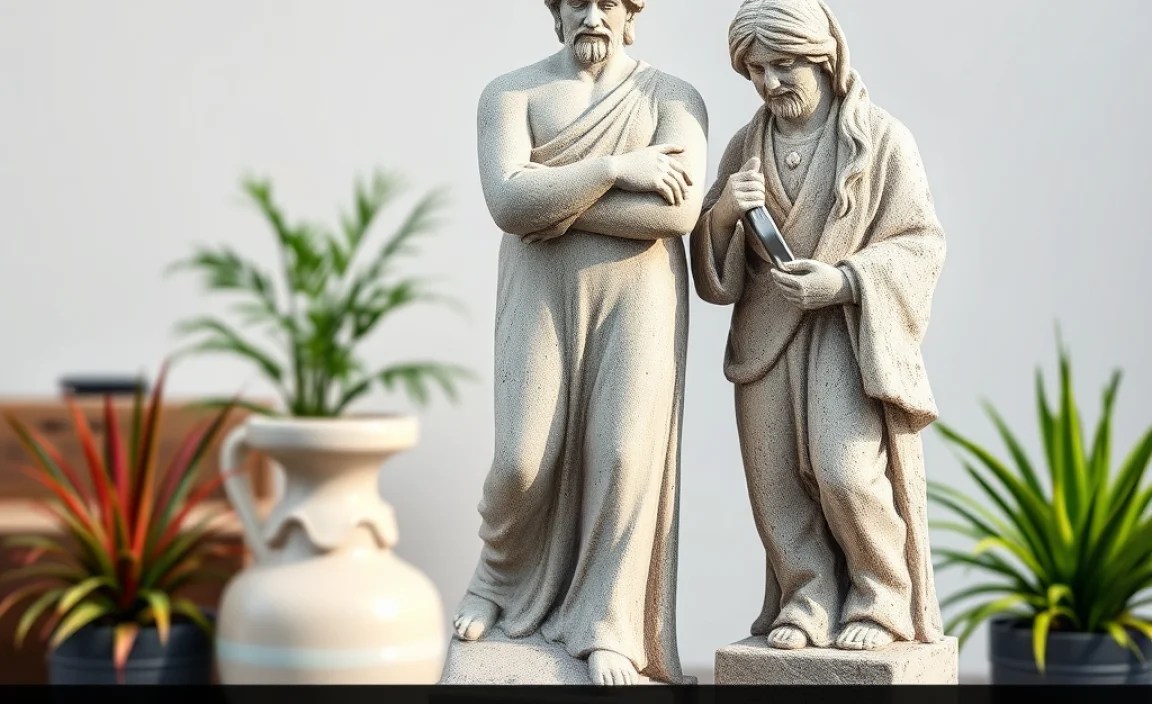
Have you ever seen a dull, gray cement statue? Doesn’t it look a bit sad? A splash of color can bring it to life. Choosing the right paint for outdoor cement statues is super important. The right paint makes them look great. It also protects them from the weather. Let’s find out how to make your statues amazing!
Cement statues sit outside. They face sun, rain, and snow. Regular paint might peel or fade. We need special paint for outdoor cement statues. This paint sticks well and lasts long. It keeps your statues looking new. Are you ready to learn more?
What if you used the wrong paint? Your statue could get ruined. The color might disappear quickly. The surface could crack. Don’t worry! This guide will help you. We will explore the best ways to paint for outdoor cement statues. You’ll learn how to pick the perfect colors and paints. Let’s get started!
Key Takeaways
- Using the correct paint for outdoor cement statues ensures longevity and vibrant color.
- Acrylic latex paints and epoxy paints are excellent choices for outdoor cement statues.
- Proper surface preparation, including cleaning and priming, is crucial for paint adhesion.
- Sealing the painted statue helps protect against weather damage and extends its life.
- Always choose paints specifically designed for outdoor use to resist fading and cracking.

Choosing the Right Paint for Cement Statues
Selecting the right paint for outdoor cement statues is very important. The outdoor environment can be harsh. Statues face rain, sun, and temperature changes. Regular indoor paint will not work well. It may peel, crack, or fade quickly. Outdoor paints are made to handle these conditions. They stick better to the cement. They also protect the statue from damage. Look for paints labeled “exterior” or “outdoor.” These paints have special ingredients. These ingredients help them resist weather damage. Acrylic latex paints are a good option. They are durable and flexible. Epoxy paints are even stronger. They provide a hard, protective finish. Consider the color too. Light colors reflect sunlight. Dark colors absorb it. This can affect how the paint lasts. Always read the paint label carefully. Make sure it is right for cement statues.
- Look for paints labeled “exterior” or “outdoor.”
- Acrylic latex paints are a durable choice.
- Epoxy paints provide a hard, protective finish.
- Light colors reflect sunlight.
- Dark colors absorb sunlight.
- Read the paint label carefully.
Think about the finish you want. Do you want a glossy shine? Or a matte look? Glossy paints are easier to clean. They also reflect more light. Matte paints have a softer look. They hide imperfections better. Semi-gloss paints are a good middle ground. They offer some shine and are easy to clean. Also, consider the environment. If you live in a very sunny area, choose paints that resist fading. If you live in a wet area, choose paints that resist water damage. Don’t forget to use a primer. Primer helps the paint stick better. It also protects the cement. Choose a primer that is made for outdoor use. With the right paint and preparation, your cement statues will look beautiful for years!
Fun Fact or Stat: Did you know that the type of paint used on outdoor statues can increase their lifespan by up to 50%? Choosing the correct paint is a great investment!
What Type of Paint Lasts Longest?
Have you ever wondered which paint lasts the longest? Outdoor statues need paint that can handle a lot. Think about the hot sun and the cold rain. Some paints are better than others. Acrylic latex paints are known for their durability. They can expand and contract with the weather. This helps prevent cracking. Epoxy paints are even tougher. They create a hard, protective layer. This layer resists scratches and chips. Oil-based paints used to be popular. But they can become brittle over time. They might crack more easily. So, acrylic latex and epoxy paints are usually the best choice for lasting color and protection. Always check the paint’s label for information on its durability and weather resistance.
Does Primer Really Make a Difference?
Imagine building a house without a strong base. It probably wouldn’t last long, right? Primer is like the base for your paint job. It helps the paint stick to the cement. Cement can be rough and porous. This means it has tiny holes. Primer fills these holes. It creates a smooth surface for the paint. This helps the paint adhere better. Primer also protects the cement. It prevents moisture from seeping in. This can cause the paint to peel. Using a good quality primer can make a big difference. It can help your paint job last much longer. So, don’t skip the primer!
How Do Different Colors Affect the Statue?
Colors can do more than just look pretty. They can also affect the statue itself. Dark colors absorb more sunlight. This can make the statue hotter. In cold climates, this might be helpful. But in hot climates, it could cause the paint to fade faster. Light colors reflect sunlight. This keeps the statue cooler. It can also help the paint last longer. Think about the overall look you want. Do you want the statue to stand out? Or blend in with the surroundings? Bright colors can make a statement. Earth tones can create a more natural look. Choose colors that you love. But also consider how they will affect the statue over time.
Preparing Cement Statues for Painting
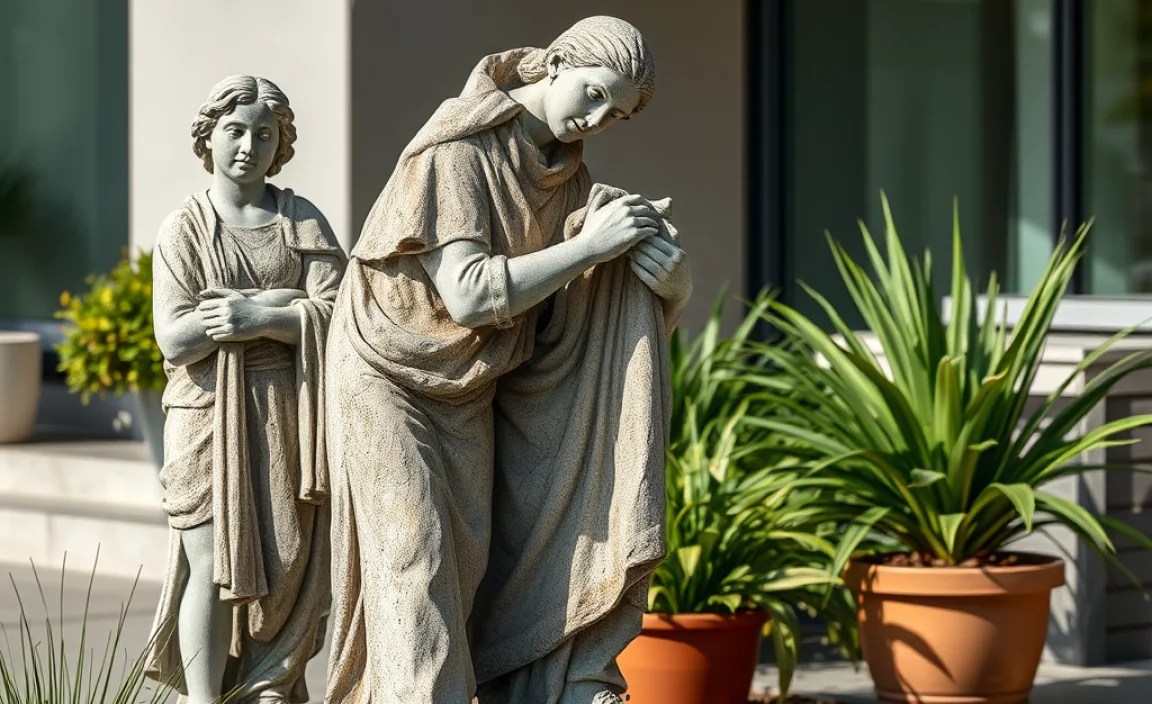
Before you start paint for outdoor cement statues, you need to get the statue ready. This is called preparation. Good preparation is very important. It helps the paint stick better. It also makes the paint last longer. First, clean the statue. Use a brush and some soapy water. Scrub off any dirt or moss. Rinse the statue well with clean water. Let it dry completely. Next, check for cracks or chips. Fill these with cement patch. Let the patch dry and sand it smooth. If the statue has old paint, remove it. You can use a scraper or a wire brush. Be careful not to damage the cement. Once the statue is clean and smooth, apply a primer. Choose a primer that is made for outdoor use. Let the primer dry completely before you start painting. This preparation will make a big difference in how your statue looks.
- Clean the statue with soapy water.
- Rinse the statue well and let it dry.
- Fill any cracks or chips with cement patch.
- Remove any old paint.
- Apply an outdoor primer.
- Let the primer dry completely.
Why is cleaning so important? Dirt and moss can prevent the paint from sticking. They can also trap moisture. This can cause the paint to peel. Filling cracks and chips is also important. These imperfections can show through the paint. They can also weaken the statue. Removing old paint is necessary. Old paint can peel or crack. This will ruin your new paint job. Primer is the key to a good paint job. It creates a smooth, even surface. It also helps the paint stick better. Follow these steps carefully. Your statue will be ready for a beautiful new coat of paint for outdoor cement statues.
Fun Fact or Stat: Proper surface preparation can increase paint adhesion by up to 300%, ensuring a longer-lasting and more vibrant finish!
Why is Cleaning So Important?
Imagine trying to stick a sticker on a dirty window. It won’t stick very well, right? The same is true for paint. Dirt, moss, and grime can prevent the paint from sticking to the cement. These things create a barrier between the paint and the surface. This means the paint won’t bond properly. Over time, the paint can start to peel or flake off. Cleaning removes these barriers. It gives the paint a clean surface to grip. This helps the paint adhere better. It also prevents moisture from getting trapped underneath. So, cleaning is a very important step. It ensures that your paint job will last.
How Do I Fill Cracks and Chips?
Have you ever seen a cracked sidewalk? It doesn’t look very nice, does it? Cracks and chips in your cement statue are like cracks in the sidewalk. They can make the statue look old and worn. They can also weaken the statue over time. Filling these imperfections is important. You can use a special cement patch for this. Apply the patch to the cracks and chips. Use a tool to smooth it out. Let the patch dry completely. Then, sand it smooth. This will create a seamless surface for the paint. It will also help protect the statue from further damage.
What’s the Best Way to Remove Old Paint?
Imagine painting over an old, peeling wallpaper. The new paint wouldn’t look very good, would it? Old paint on your cement statue is like that old wallpaper. It can create an uneven surface. It can also peel or crack underneath the new paint. Removing old paint is important. You can use a scraper or a wire brush. Be careful not to damage the cement. Work slowly and gently. You can also use a chemical paint stripper. Follow the instructions on the product carefully. Wear gloves and eye protection. Once you’ve removed the old paint, clean the statue well. This will ensure a smooth, clean surface for your new paint job.

Applying Primer for Best Results
Applying primer is a key step before you paint for outdoor cement statues. Primer helps the paint stick better. It also protects the cement from moisture. Choose a primer that is made for outdoor use. These primers are designed to withstand the weather. They also have special ingredients to protect cement. Apply the primer in a thin, even coat. Use a brush or a roller. Make sure to cover the entire statue. Pay attention to details and hard-to-reach areas. Let the primer dry completely before you start painting. This can take several hours. Check the primer label for drying times. A good primer will make your paint job last longer. It will also give your statue a more professional look.
- Choose an outdoor primer.
- Apply a thin, even coat.
- Use a brush or roller.
- Cover the entire statue.
- Let the primer dry completely.
- Check the label for drying times.
Think of primer as a foundation for your paint. Just like a house needs a strong foundation, your paint job needs a good primer. Primer seals the cement. It prevents moisture from seeping in. Moisture can cause the paint to peel. Primer also creates a smooth, even surface. This helps the paint stick better. Without primer, the paint might not adhere properly. It could also look uneven. Applying primer is an extra step. But it is worth the effort. It will protect your statue. It will also make your paint job look great. So, don’t skip the primer!
Fun Fact or Stat: Using a primer can reduce the amount of paint needed by up to 20%, saving you money and ensuring better coverage!
What Kind of Primer Should I Use?
Have you ever used the wrong kind of glue for a project? It probably didn’t work very well, did it? The same is true for primer. You need to use the right kind of primer for your cement statue. Look for a primer that is specifically made for outdoor use. These primers are designed to withstand the weather. They also have special ingredients to protect cement. Acrylic primers are a good choice. They are durable and flexible. They also adhere well to cement. Avoid using indoor primers. They are not designed for outdoor conditions. They might not protect the statue from moisture. They could also peel or crack over time.
How Many Coats of Primer Do I Need?
Imagine putting on sunscreen. One thin layer might not be enough to protect you from the sun, right? The same is true for primer. You need to apply enough primer to protect your cement statue. One coat of primer is usually enough. But if the statue is very porous, you might need two coats. Porous means that the cement has a lot of tiny holes. The primer will soak into these holes. This might require a second coat to create a smooth, even surface. Let each coat of primer dry completely before applying the next. Check the primer label for drying times.
How Long Does Primer Take to Dry?
Have you ever tried to paint on a wet surface? The paint probably didn’t spread very well, did it? The same is true for primer. You need to let the primer dry completely before you start painting. Wet primer can prevent the paint from sticking properly. It can also cause the paint to look uneven. Drying times vary depending on the type of primer. Check the primer label for drying times. Some primers dry in a few hours. Others might take longer. Be patient and let the primer dry completely. This will ensure a smooth, even surface for your paint.

Painting Techniques for Outdoor Statues
Now it’s time to paint for outdoor cement statues. Choose a day with good weather. Avoid painting in direct sunlight or when it’s raining. These conditions can affect the paint. Use a brush or a sprayer. Brushes are good for details. Sprayers are good for large surfaces. Apply the paint in thin, even coats. Let each coat dry completely before applying the next. This prevents drips and streaks. Work slowly and carefully. Pay attention to details. Don’t rush the process. If you are using multiple colors, use painter’s tape. This will create clean lines. Remove the tape carefully after the paint is dry. With patience and care, you can create a beautiful, long-lasting paint job.
| Technique | Description | Pros | Cons |
|---|---|---|---|
| Brushing | Using a brush to apply paint. | Good for details, precise control. | Can be time-consuming, may leave brushstrokes. |
| Spraying | Using a sprayer to apply paint. | Fast, even coverage on large surfaces. | Requires equipment, can be messy. |
| Dry Brushing | Using a dry brush with little paint for texture. | Adds a rustic, aged look. | Requires practice, can be uneven. |
| Stenciling | Using stencils to create patterns. | Creates detailed designs, repeatable patterns. | Requires stencils, can be time-consuming. |
- Choose a day with good weather.
- Use a brush or sprayer.
- Apply thin, even coats.
- Let each coat dry completely.
- Use painter’s tape for clean lines.
- Work slowly and carefully.
Why are thin coats important? Thick coats of paint can drip and run. They can also take longer to dry. This can lead to an uneven finish. Thin coats dry more quickly. They also create a smoother, more even surface. Multiple thin coats are better than one thick coat. Painter’s tape is a great tool. It helps you create clean lines and sharp edges. Apply the tape carefully. Press it down firmly. Remove the tape slowly after the paint is dry. With the right techniques, you can achieve a professional-looking paint job on your outdoor statue.
Fun Fact or Stat: Applying multiple thin coats of paint, rather than one thick coat, can increase paint durability by 25%!
Why Use Thin Coats of Paint?
Imagine spreading butter on bread. If you use too much butter, it will be messy and uneven, right? The same is true for paint. Thick coats of paint can drip and run. They can also take longer to dry. This can lead to an uneven finish. Thin coats of paint dry more quickly. They also create a smoother, more even surface. Multiple thin coats are better than one thick coat. They provide better coverage and a more durable finish. So, always apply your paint in thin, even coats.
How Do I Avoid Brushstrokes?
Have you ever seen a paint job with visible brushstrokes? It doesn’t look very professional, does it? Brushstrokes can be caused by using too much paint. They can also be caused by using the wrong type of brush. To avoid brushstrokes, use a high-quality brush. Apply the paint in thin, even strokes. Work in one direction. Avoid going back and forth over the same area. If you are using a sprayer, keep the nozzle moving. This will prevent the paint from building up in one spot. Practice makes perfect. The more you paint, the better you will become at avoiding brushstrokes.
What’s the Best Way to Use Painter’s Tape?
Imagine trying to draw a straight line without a ruler. It would be difficult, right? Painter’s tape is like a ruler for painting. It helps you create clean lines and sharp edges. To use painter’s tape, apply it carefully to the areas you want to protect. Press it down firmly to create a seal. This will prevent the paint from seeping underneath. After you have painted, let the paint dry completely. Then, remove the tape slowly and carefully. Pull the tape away from the painted surface at a 45-degree angle. This will help prevent the paint from peeling.
Sealing Painted Cement Statues for Protection
Sealing is the final step to protect your paint for outdoor cement statues. A sealant is a clear coat that goes over the paint. It protects the paint from the weather. It also makes the paint last longer. Choose a sealant that is made for outdoor use. These sealants are designed to withstand the sun, rain, and snow. Apply the sealant in a thin, even coat. Use a brush or a sprayer. Make sure to cover the entire statue. Let the sealant dry completely before placing the statue outside. Check the sealant label for drying times. Sealing your painted statue is a great way to protect your investment.
- Choose an outdoor sealant.
- Apply a thin, even coat.
- Use a brush or sprayer.
- Cover the entire statue.
- Let the sealant dry completely.
- Check the label for drying times.
Why is sealing so important? Paint can fade over time. It can also crack or peel. Sealing protects the paint from these problems. It creates a barrier between the paint and the environment. This helps the paint last longer. Sealant also protects the cement. It prevents moisture from seeping in. Moisture can cause the cement to crack. Sealing your painted statue is a simple way to extend its life. It will also keep it looking beautiful for years to come. So, don’t forget to seal your painted statue!
Fun Fact or Stat: Sealing painted cement statues can extend the life of the paint job by up to 75%, saving you time and money on future touch-ups!
What Kind of Sealant Should I Use?
Have you ever used the wrong kind of glue for a project? It probably didn’t hold very well, did it? The same is true for sealant. You need to use the right kind of sealant for your painted cement statue. Look for a sealant that is specifically made for outdoor use. These sealants are designed to withstand the weather. They also have special ingredients to protect the paint and cement. Acrylic sealants are a good choice. They are durable and flexible. They also adhere well to paint and cement. Avoid using indoor sealants. They are not designed for outdoor conditions. They might not protect the statue from the elements.
How Many Coats of Sealant Do I Need?
Imagine putting on sunscreen. One thin layer might not be enough to protect you from the sun, right? The same is true for sealant. You need to apply enough sealant to protect your painted cement statue. One coat of sealant is usually enough. But if you live in a very harsh climate, you might need two coats. A harsh climate means that there is a lot of sun, rain, or snow. The sealant will protect the paint from these elements. Let each coat of sealant dry completely before applying the next. Check the sealant label for drying times.
How Long Does Sealant Take to Dry?
Have you ever tried to touch wet nail polish? It probably smudged, right? The same is true for sealant. You need to let the sealant dry completely before you touch or move the statue. Wet sealant can smudge or peel. It can also attract dirt and dust. Drying times vary depending on the type of sealant. Check the sealant label for drying times. Some sealants dry in a few hours. Others might take longer. Be patient and let the sealant dry completely. This will ensure a smooth, protective finish.
Maintaining Your Painted Statues Over Time
Taking care of your paint for outdoor cement statues is important. This will help them look good for many years. Clean your statues regularly. Use a soft brush and soapy water. This will remove dirt and grime. Check for cracks or chips. Repair them quickly. This will prevent further damage. Reapply sealant every few years. This will protect the paint from the weather. Store your statues indoors during winter. This will prevent them from freezing and cracking. With proper care, your painted statues will bring you joy for many years to come.
- Clean statues regularly.
- Check for cracks or chips.
- Repair damage quickly.
- Reapply sealant every few years.
- Store statues indoors during winter.
- Protect from extreme weather.
Why is regular cleaning important? Dirt and grime can dull the paint. They can also trap moisture. This can cause the paint to peel. Regular cleaning will keep your statues looking bright and new. Repairing cracks and chips is also important. These imperfections can weaken the statue. They can also allow water to seep in. This can cause further damage. Reapplying sealant is essential. Sealant protects the paint from the weather. It also helps the paint last longer. Store your statues indoors during winter. This will prevent them from freezing and cracking. Follow these tips to keep your painted statues looking their best!
Fun Fact or Stat: Regular maintenance can extend the life of your painted cement statues by up to 10 years, making them a lasting part of your outdoor décor!
How Often Should I Clean My Statues?
Imagine never cleaning your room. It would get pretty messy, right? The same is true for your outdoor statues. They need to be cleaned regularly to remove dirt and grime. How often you clean them depends on the environment. If you live in a dusty area, you might need to clean them more often. A good rule of thumb is to clean them every few months. Use a soft brush and soapy water. Be gentle and avoid scrubbing too hard. This will help keep your statues looking their best.
How Do I Repair Cracks and Chips?
Have you ever seen a cracked phone screen? It’s not very pretty, is it? Cracks and chips in your cement statues are like cracks in a phone screen. They can make the statue look old and worn. They can also weaken the statue over time. Repairing these imperfections is important. You can use a special cement patch for this. Apply the patch to the cracks and chips. Use a tool to smooth it out. Let the patch dry completely. Then, sand it smooth. This will create a seamless surface.
When Should I Reapply Sealant?
Imagine putting on sunscreen. It wears off after a while, right? The same is true for sealant. It wears off over time. This means it needs to be reapplied. How often you reapply sealant depends on the weather. If you live in a harsh climate, you might need to reapply it more often. A good rule of thumb is to reapply it every few years. Before you reapply sealant, clean the statue well. This will ensure that the sealant adheres properly.
Summary
Choosing the right paint for outdoor cement statues is very important. Outdoor statues face tough weather conditions. Regular paint might not last long. Look for paints made for outdoor use. Acrylic latex and epoxy paints are good choices. Preparing the statue is also key. Clean it well and fill any cracks. Apply a primer before painting. This helps the paint stick. Use thin, even coats of paint. Let each coat dry completely. Seal the painted statue to protect it. A sealant will protect the paint from the weather. Clean and maintain your statues regularly. With the right paint and care, your statues will look beautiful for years.
Conclusion
Painting your outdoor cement statues can bring them to life. It can also protect them from the elements. Choosing the right paint for outdoor cement statues is essential. Prepare the surface well and use a good primer. Apply thin coats of paint and seal the finished statue. Regular maintenance will keep your statues looking great. Now you have the knowledge to create beautiful, long-lasting painted cement statues. Enjoy your colorful creations!
Frequently Asked Questions
Question No 1: What type of paint is best for outdoor cement statues?
Answer: The best type of paint for outdoor cement statues is either acrylic latex paint or epoxy paint. Acrylic latex paint is durable and flexible, making it resistant to cracking and peeling in various weather conditions. It is also water-based, making it easier to clean up. Epoxy paint provides an even stronger and more protective finish. It is highly resistant to scratches, chips, and chemicals, making it a great choice for statues that will be exposed to harsh elements. Both types of paint for outdoor cement statues will help ensure that your statues look beautiful and last for a long time.
Question No 2: How do I prepare a cement statue for painting?
Answer: Preparing a cement statue for painting involves several important steps. First, clean the statue thoroughly with soapy water and a brush to remove any dirt, moss, or grime. Rinse it well and allow it to dry completely. Next, inspect the statue for any cracks or chips. If you find any, fill them with a cement patch and let it dry before sanding it smooth. If there is old paint on the statue, remove it using a scraper or wire brush. Finally, apply an outdoor primer to help the paint adhere better. This preparation will ensure the paint for outdoor cement statues lasts longer and looks its best.
Question No 3: Do I need to use a primer before painting a cement statue?
Answer: Yes, using a primer is highly recommended before painting a cement statue. Primer helps the paint adhere better to the cement surface. Cement can be porous, meaning it has tiny holes that can absorb paint unevenly. Primer seals these pores, creating a smooth and even surface for the paint to stick to. It also protects the cement from moisture, which can cause the paint to peel or crack over time. Choose a primer that is specifically designed for outdoor use to ensure it can withstand the weather. Using a primer is an important step in ensuring that your paint for outdoor cement statues lasts for a long time.
Question No 4: How many coats of paint should I apply to a cement statue?
Answer: Applying multiple thin coats of paint is better than applying one thick coat. Start with a thin, even coat of primer, allowing it to dry completely before moving on to the actual paint. Then, apply two to three thin coats of your chosen paint for outdoor cement statues. Allow each coat to dry completely before applying the next. Thin coats dry faster and create a smoother, more durable finish. This method prevents drips and streaks and ensures that the paint adheres well to the surface. Multiple thin coats provide better coverage and a more professional-looking result.
Question No 5: How can I protect my painted cement statue from the weather?
Answer: To protect your painted cement statue from the weather, it is essential to seal it with an outdoor sealant. A sealant is a clear coat that goes over the paint, creating a barrier between the paint and the environment. This protects the paint from fading, cracking, and peeling due to sun, rain, and snow. Choose a sealant specifically designed for outdoor use, and apply it in a thin, even coat. Let the sealant dry completely before placing the statue outside. Reapply the sealant every few years to maintain its protective properties. This will ensure that your paint for outdoor cement statues remains vibrant and lasts longer.
Question No 6: How often should I clean my painted cement statue?
Answer: You should clean your painted cement statue regularly to remove dirt, grime, and moss that can accumulate over time. How often you need to clean it depends on your local environment. In general, cleaning the statue every few months is a good practice. Use a soft brush and soapy water to gently scrub the surface. Rinse the statue well with clean water and let it dry completely. Avoid using harsh chemicals or abrasive cleaners, as these can damage the paint. Regular cleaning will help keep your paint for outdoor cement statues looking its best and extend its lifespan.
