Have you ever felt sticky in your own home? Or maybe your skin feels dry and itchy? The air around us has water in it. This is called humidity. Too much or too little humidity can make you feel bad. Finding the perfect humidity indoors is important. It makes your home healthy and comfy.
Did you know that the air in your home can affect your health? It’s true! The right amount of moisture in the air helps you breathe easier. It also stops germs from spreading quickly. Let’s learn how to make your home’s air just right!
Imagine your house is like a big hug. The right humidity makes that hug feel nice and cozy. Too much or too little moisture can make the hug feel yucky. We want that hug to be the perfect humidity indoors! It keeps everyone happy and healthy. Let’s explore how to do it.
Key Takeaways
- Maintaining the perfect humidity indoors improves your family’s health.
- Ideal humidity levels prevent mold growth and reduce allergy symptoms.
- Use a humidifier or dehumidifier to control moisture in the air.
- Track humidity levels with a hygrometer for accurate readings.
- Proper ventilation helps to regulate indoor humidity effectively.
Understanding Perfect Indoor Humidity

Humidity is the amount of water vapor in the air. It affects how we feel. When the air is too humid, we feel sticky and uncomfortable. When it’s too dry, our skin gets itchy. The perfect humidity indoors is between 30% and 50%. This range is best for our health and comfort. Keeping humidity in this range can prevent problems. These problems include mold growth and static electricity.
To understand humidity, think of a sponge. A wet sponge has lots of water. That’s like high humidity. A dry sponge has no water. That’s like low humidity. We want our indoor air to be like a sponge that’s just right. Not too wet and not too dry. This perfect humidity indoors helps us breathe easier. It also protects our homes from damage. Use tools like a hygrometer to measure the humidity. Then, adjust with humidifiers or dehumidifiers.
- Ideal range is 30% to 50% humidity.
- High humidity feels sticky and uncomfortable.
- Low humidity can cause dry skin and irritation.
- Use a hygrometer to measure humidity levels.
- Adjust humidity with humidifiers or dehumidifiers.
Maintaining the perfect humidity indoors is a balancing act. Too much moisture can lead to mold and mildew. Too little can cause dry skin and respiratory issues. Monitoring and adjusting humidity levels are essential. You can use a hygrometer to check the humidity. Then, use a humidifier to add moisture or a dehumidifier to remove it. Proper ventilation also helps regulate humidity. Opening windows or using exhaust fans can make a big difference.
Fun Fact or Stat: The ideal indoor humidity is similar to the humidity in a desert! But not as extreme!
Why Is Humidity Important?
Have you ever wondered why some days feel more stuffy than others? Humidity plays a big role! When the air is too humid, sweat doesn’t evaporate. This makes us feel hot and sticky. Low humidity can dry out our skin and sinuses. This can lead to discomfort and health issues. Keeping the perfect humidity indoors helps our bodies stay comfortable. It also helps us breathe easier.
How to Measure Humidity
Measuring humidity is easy. You can use a device called a hygrometer. A hygrometer tells you the percentage of moisture in the air. Place the hygrometer in different rooms. This will give you a good idea of the humidity levels in your home. Many thermostats also have built-in hygrometers. Check the readings regularly. This helps you keep the perfect humidity indoors.
What Causes Humidity Changes?
Many things can change the humidity in your home. Weather outside is a big factor. Rainy days increase indoor humidity. Dry winter air decreases it. Activities like showering and cooking also add moisture to the air. Leaks in your home can also cause high humidity. Knowing these factors helps you control the perfect humidity indoors. Then you can adjust your humidifier or dehumidifier as needed.
Health Benefits of Ideal Humidity

The perfect humidity indoors does wonders for your health. When humidity is just right, it helps prevent dry skin and itchy eyes. It also reduces the risk of respiratory infections. Proper humidity can soothe sinuses and make breathing easier. This is especially important for people with asthma or allergies. Mold and mildew love high humidity. Keeping humidity levels in check prevents their growth. This creates a healthier living environment for everyone.
Imagine your body as a plant. Plants need the right amount of water to thrive. Too little water and they wilt. Too much and they rot. Our bodies are similar. We need the perfect humidity indoors to stay healthy. Dry air can irritate our airways. This makes us more likely to catch colds. The right humidity keeps our skin moisturized. It also helps our immune system fight off germs. So, maintaining ideal humidity is like giving your body a healthy boost.
- Prevents dry skin and itchy eyes.
- Reduces risk of respiratory infections.
- Soothes sinuses and eases breathing.
- Prevents mold and mildew growth.
- Improves overall indoor air quality.
- Helps maintain comfortable living environment.
Maintaining ideal humidity levels is a key part of a healthy home. It can improve sleep quality. When the air is too dry, it can disrupt your sleep. By keeping the perfect humidity indoors, you can sleep better. This leads to improved energy levels and overall well-being. A healthy home environment supports a healthy body. So, take steps to control the humidity in your home. It’s an investment in your family’s health.
Fun Fact or Stat: Studies show that the right humidity can reduce the spread of flu viruses by 30%!
Reducing Allergy Symptoms
Do you sneeze a lot indoors? Humidity might be the problem. Dust mites and mold thrive in high humidity. These are common allergens. Keeping the perfect humidity indoors can reduce these allergens. This helps you breathe easier. It also reduces allergy symptoms. Use a dehumidifier to keep humidity levels down. Clean regularly to remove dust and mold.
Improving Respiratory Health
Dry air can irritate your airways. This makes it harder to breathe. The perfect humidity indoors keeps your airways moist. This makes breathing easier. It’s especially important for people with asthma. Use a humidifier to add moisture to the air. Drink plenty of water to stay hydrated. Avoid irritants like smoke and strong perfumes.
Preventing Skin Irritation
Dry skin is a common problem in low humidity. It can cause itching, cracking, and discomfort. The perfect humidity indoors helps keep your skin moisturized. Use a humidifier to add moisture to the air. Apply moisturizer regularly. Avoid hot showers, which can dry out your skin. Drink plenty of water to stay hydrated.
How to Achieve Perfect Humidity

Achieving the perfect humidity indoors involves a few steps. First, measure the humidity with a hygrometer. Then, adjust it with a humidifier or dehumidifier. Humidifiers add moisture to the air. Dehumidifiers remove moisture. Ventilation is also important. Open windows or use exhaust fans to circulate air. Proper insulation helps maintain consistent humidity levels. Regular maintenance of your HVAC system is also key. This ensures it’s working efficiently.
Think of your home as a plant terrarium. To keep plants healthy, you need to control the moisture. Too much water leads to mold. Too little water leads to dryness. The same is true for your home. The perfect humidity indoors keeps your home healthy and comfortable. Use tools like hygrometers and humidifiers to create the right environment. Don’t forget about ventilation. Fresh air is essential for a healthy home.
- Measure humidity with a hygrometer.
- Use humidifiers to add moisture.
- Use dehumidifiers to remove moisture.
- Ventilate your home regularly.
- Maintain your HVAC system.
- Ensure proper insulation.
Maintaining the perfect humidity indoors is an ongoing process. It requires regular monitoring and adjustments. Weather changes can affect humidity levels. So, check your hygrometer regularly. Adjust your humidifier or dehumidifier as needed. Pay attention to how you feel. If you notice dry skin or stuffy air, it’s a sign to adjust the humidity. A comfortable home is a healthy home.
Fun Fact or Stat: Homes with balanced humidity use up to 7% less energy on heating and cooling!
Using Humidifiers
Humidifiers add moisture to the air. They are great for dry climates or winter months. There are different types of humidifiers. These include cool mist, warm mist, and ultrasonic humidifiers. Choose the right one for your needs. Clean your humidifier regularly to prevent mold growth. Follow the manufacturer’s instructions. The perfect humidity indoors can be achieved with the right humidifier.
Using Dehumidifiers
Dehumidifiers remove moisture from the air. They are useful in humid climates. They also help prevent mold growth. Choose the right size dehumidifier for your space. Empty the water tank regularly. Clean the dehumidifier to keep it working well. The perfect humidity indoors can be maintained with a good dehumidifier.
The Role of Ventilation
Ventilation helps circulate air in your home. Open windows and doors when weather permits. Use exhaust fans in bathrooms and kitchens. This helps remove moisture. Make sure your HVAC system is working properly. Change the air filters regularly. Good ventilation is key to achieving the perfect humidity indoors.
Tools for Monitoring Humidity Levels

Monitoring humidity levels is crucial. A hygrometer is your best tool for this. Hygrometers measure the amount of moisture in the air. Some thermostats have built-in hygrometers. There are also digital hygrometers available. These are easy to read and use. Keep track of humidity levels in different rooms. This helps you maintain the perfect humidity indoors.
Imagine you’re a gardener. You need to check the soil to see if your plants need water. A hygrometer is like a soil moisture meter for your home. It tells you if the air is too dry or too humid. Use it to monitor the humidity in different rooms. This will help you make adjustments. You can use a humidifier or dehumidifier as needed. Regular monitoring ensures a comfortable and healthy home.
- Use a hygrometer to measure humidity.
- Check humidity levels in different rooms.
- Monitor humidity regularly.
- Use digital hygrometers for easy reading.
- Keep track of humidity trends.
- Adjust humidity as needed.
Monitoring humidity levels is not a one-time task. It’s an ongoing process. Weather changes and daily activities can affect humidity. Make it a habit to check your hygrometer. Adjust your humidifier or dehumidifier as needed. This will help you keep the perfect humidity indoors. A little effort can make a big difference in your comfort and health.
Fun Fact or Stat: Smart hygrometers can send humidity alerts to your phone!
Types of Hygrometers
There are different types of hygrometers. Analog hygrometers use a needle to show humidity. Digital hygrometers display the humidity on a screen. Some smart thermostats have built-in hygrometers. Choose the type that works best for you. Make sure it’s accurate and easy to read. The perfect humidity indoors starts with accurate measurements.
Placement of Hygrometers
Where you place your hygrometer matters. Place it away from direct sunlight. Keep it away from vents and drafts. Put it in a central location in the room. This will give you a more accurate reading. Check humidity levels in different rooms. This will help you identify problem areas. The perfect humidity indoors requires monitoring in multiple locations.
Interpreting Hygrometer Readings
Understanding hygrometer readings is important. The ideal range is 30% to 50%. Readings above 50% indicate high humidity. This can lead to mold growth. Readings below 30% indicate low humidity. This can cause dry skin. Adjust your humidifier or dehumidifier as needed. The perfect humidity indoors requires understanding these readings.
Addressing Common Humidity Problems
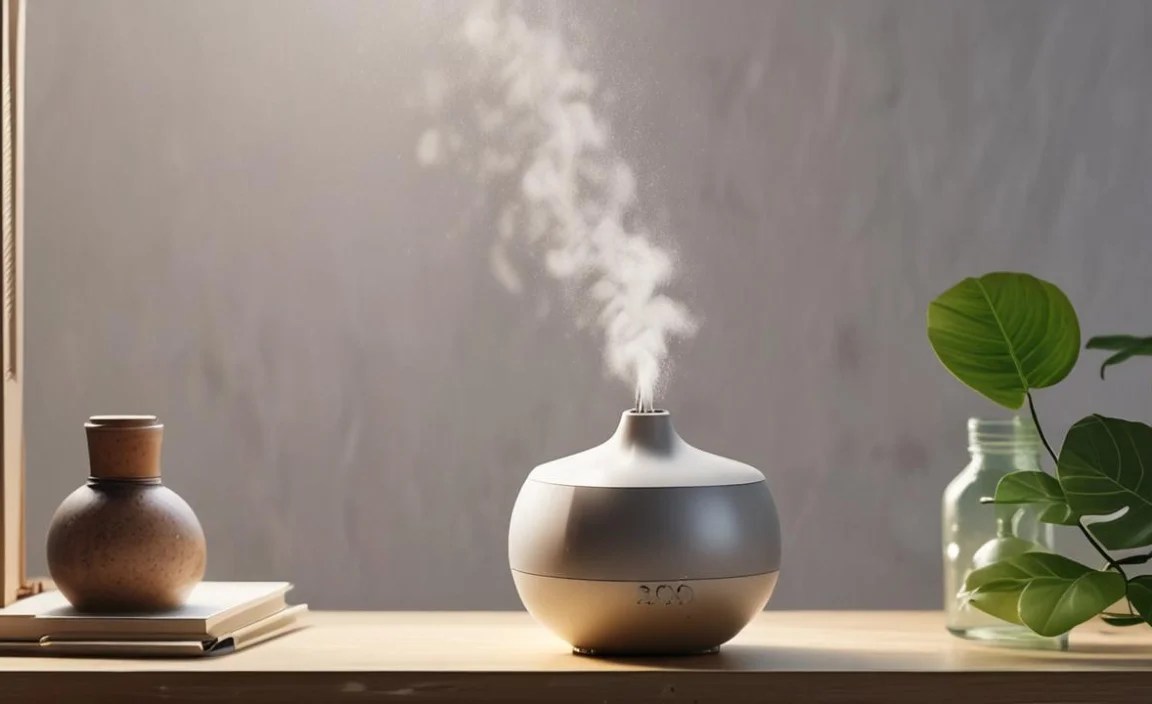
High humidity can lead to mold and mildew growth. It can also cause condensation on windows. Low humidity can cause dry skin and static electricity. Addressing these problems promptly is important. Use a dehumidifier to lower humidity. Use a humidifier to raise humidity. Improve ventilation by opening windows. Seal any leaks in your home. Maintaining the perfect humidity indoors prevents these issues.
Imagine your home is like a garden. Just like plants need the right conditions to thrive, so does your home. Too much moisture can cause problems, like mold. Too little moisture can cause dryness. By addressing common humidity problems, you can keep your home healthy. Use tools like dehumidifiers and humidifiers. Don’t forget about ventilation. The perfect humidity indoors is worth the effort.
- Address mold and mildew growth.
- Prevent condensation on windows.
- Relieve dry skin and static electricity.
- Use dehumidifiers to lower humidity.
- Use humidifiers to raise humidity.
- Improve ventilation.
- Seal leaks.
Addressing humidity problems promptly is crucial for your health. Mold and mildew can trigger allergies. Dry air can irritate your airways. Take action to control the humidity in your home. Use the tools and techniques we’ve discussed. Regular monitoring and adjustments will help you maintain the perfect humidity indoors. A healthy home is a happy home.
Fun Fact or Stat: Mold can start growing in as little as 24-48 hours in high humidity!
Dealing with Mold Growth
Mold thrives in high humidity. If you see mold, clean it immediately. Use a mold cleaner or bleach solution. Ensure good ventilation. Fix any leaks that are causing the high humidity. Use a dehumidifier to keep humidity levels down. Preventing mold growth is key to maintaining the perfect humidity indoors.
Preventing Condensation
Condensation forms when warm, moist air meets a cold surface. This often happens on windows. To prevent condensation, lower the humidity. Improve ventilation. Insulate your windows. Use a dehumidifier. Keeping the perfect humidity indoors will prevent condensation problems.
Reducing Static Electricity
Static electricity is common in low humidity. It can be annoying and uncomfortable. To reduce static electricity, raise the humidity. Use a humidifier. Use dryer sheets when doing laundry. Wear natural fabrics like cotton. Maintaining the perfect humidity indoors will reduce static electricity.
Seasonal Adjustments for Humidity
Humidity levels change with the seasons. In the summer, humidity is often high. Use a dehumidifier to remove excess moisture. In the winter, humidity is often low. Use a humidifier to add moisture. Adjust your humidifier or dehumidifier as needed. Monitor humidity levels regularly. Seasonal adjustments are key to maintaining the perfect humidity indoors.
Think of your home as a wardrobe. You change your clothes with the seasons. You wear lighter clothes in the summer. You wear heavier clothes in the winter. The same is true for your home’s humidity. You need to adjust it based on the season. Use a dehumidifier in the summer. Use a humidifier in the winter. This will help you maintain the perfect humidity indoors all year round.
- Use dehumidifiers in the summer.
- Use humidifiers in the winter.
- Adjust settings as needed.
- Monitor humidity levels regularly.
- Consider seasonal changes.
Seasonal adjustments are essential for maintaining a comfortable home. Pay attention to the weather outside. This will give you a clue about indoor humidity levels. Check your hygrometer regularly. Adjust your humidifier or dehumidifier as needed. The goal is to keep the perfect humidity indoors. This will ensure a healthy and comfortable living environment.
Fun Fact or Stat: Winter heating can drop indoor humidity to as low as 10%, drier than the Sahara Desert!
Summer Humidity Tips
Summer often brings high humidity. Use a dehumidifier to remove excess moisture. Open windows in the early morning. Close them during the hottest part of the day. Use air conditioning to cool and dry the air. Ensure proper ventilation. Follow these tips for the perfect humidity indoors in summer.
Winter Humidity Tips
Winter often brings low humidity. Use a humidifier to add moisture to the air. Avoid using exhaust fans unnecessarily. Seal any drafts in your home. Water your plants regularly. These tips will help you maintain the perfect humidity indoors in winter.
Spring and Fall Adjustments
Spring and fall are transition seasons. Humidity levels can fluctuate. Monitor humidity levels regularly. Adjust your humidifier or dehumidifier as needed. Open windows on pleasant days. This helps ventilate your home. These adjustments will help you maintain the perfect humidity indoors.
Humidity and Building Materials
Humidity can affect building materials. High humidity can cause wood to warp. It can also damage paint and wallpaper. Low humidity can cause wood to crack. It can also dry out drywall. Maintaining the perfect humidity indoors protects your home. Proper ventilation and insulation are also important. These help prevent damage to building materials.
Imagine your home is like a wooden ship. If the wood gets too wet, it can rot. If it gets too dry, it can crack. The perfect humidity indoors keeps the wood in good condition. This protects your home from damage. Proper ventilation also helps. It prevents moisture from building up. Regular maintenance is key to a healthy home.
- High humidity can warp wood.
- High humidity can damage paint.
- Low humidity can crack wood.
- Low humidity can dry out drywall.
- Maintain proper ventilation.
- Ensure proper insulation.
Humidity affects everything in your home. From your furniture to your walls. By maintaining the perfect humidity indoors, you protect your investment. Proper ventilation and insulation also play a role. These help regulate humidity levels. A well-maintained home is a comfortable and valuable home. So, take steps to control the humidity.
Fun Fact or Stat: Museums carefully control humidity to protect delicate artifacts!
Effects on Wood
Wood is sensitive to humidity changes. High humidity causes wood to expand. Low humidity causes wood to contract. This can lead to warping and cracking. Maintaining the perfect humidity indoors protects wooden furniture. It also protects floors and structural elements.
Effects on Paint and Wallpaper
High humidity can cause paint to peel. It can also cause wallpaper to loosen. Low humidity can cause paint to crack. It can also dry out wallpaper. Maintaining the perfect humidity indoors protects your walls. Use quality paint and wallpaper. This helps prevent damage.
Effects on Drywall
Drywall can be damaged by humidity. High humidity can cause drywall to sag. Low humidity can cause drywall to crack. Maintaining the perfect humidity indoors protects your walls. Seal any leaks that could damage the drywall. Proper ventilation is also important.
Summary
Maintaining the perfect humidity indoors is essential for health, comfort, and home preservation. The ideal range is between 30% and 50%. Use a hygrometer to monitor humidity levels. Adjust with humidifiers or dehumidifiers. Proper ventilation is also important. Seasonal adjustments are key to maintaining consistent humidity. Address common humidity problems promptly.
High humidity can lead to mold growth and condensation. Low humidity can cause dry skin and static electricity. Maintaining the perfect humidity indoors requires regular monitoring and adjustments. By following these tips, you can create a healthy and comfortable living environment.
Conclusion
Finding the perfect humidity indoors can seem tricky. It is worth the effort. You can improve your health and comfort. You also protect your home from damage. Use the tools and tips discussed. You will create a balanced and healthy environment. Your home will be a haven all year round.
Frequently Asked Questions
Question No 1: What is the ideal humidity level for indoors?
Answer: The ideal humidity level for indoors is between 30% and 50%. This range provides the best comfort and health benefits. It also helps prevent mold growth and other issues. Use a hygrometer to monitor the humidity. Adjust with a humidifier or dehumidifier as needed. Maintaining this range will keep your home healthy. It will also keep it comfortable for everyone. The perfect humidity indoors is a key part of a healthy home.
Question No 2: How can I measure the humidity in my home?
Answer: You can measure the humidity in your home using a hygrometer. This device measures the amount of moisture in the air. You can find hygrometers at most hardware stores. Some thermostats also have built-in hygrometers. Place the hygrometer in different rooms to get an accurate reading. Monitor the humidity levels regularly. This will help you maintain the perfect humidity indoors. Then your house will be cozy.
Question No 3: What are the signs of high humidity in my home?
Answer: Signs of high humidity include sticky or clammy air. You might also notice condensation on windows or mirrors. Mold or mildew growth is another sign. High humidity can also cause a musty odor. If you notice these signs, take steps to lower the humidity. Use a dehumidifier. Improve ventilation. Fix any leaks. Maintaining the perfect humidity indoors prevents these problems.
Question No 4: What are the signs of low humidity in my home?
Answer: Signs of low humidity include dry skin, itchy eyes, and a scratchy throat. You might also experience static electricity. Wood furniture may crack. If you notice these signs, take steps to raise the humidity. Use a humidifier. Drink plenty of water. Avoid hot showers. Maintaining the perfect humidity indoors will alleviate these symptoms.
Question No 5: How can I increase humidity in my home?
Answer: You can increase humidity in your home by using a humidifier. This device adds moisture to the air. There are different types of humidifiers. Choose the one that best suits your needs. You can also try placing bowls of water around your home. Water your plants regularly. These methods will help you achieve the perfect humidity indoors. This will make your home more comfortable.
Question No 6: How can I decrease humidity in my home?
Answer: You can decrease humidity in your home by using a dehumidifier. This device removes moisture from the air. Ensure proper ventilation. Open windows and use exhaust fans. Fix any leaks in your home. Avoid overwatering plants. These steps will help you maintain the perfect humidity indoors. This prevents mold growth and other problems. A dehumidifier is your best friend for this!
