Have you ever wished your backyard was more special? Do you want a cool place to relax outside? Pergolas for gardens can make your yard amazing. They add shade and beauty to any garden space. Let’s learn all about these fun structures!
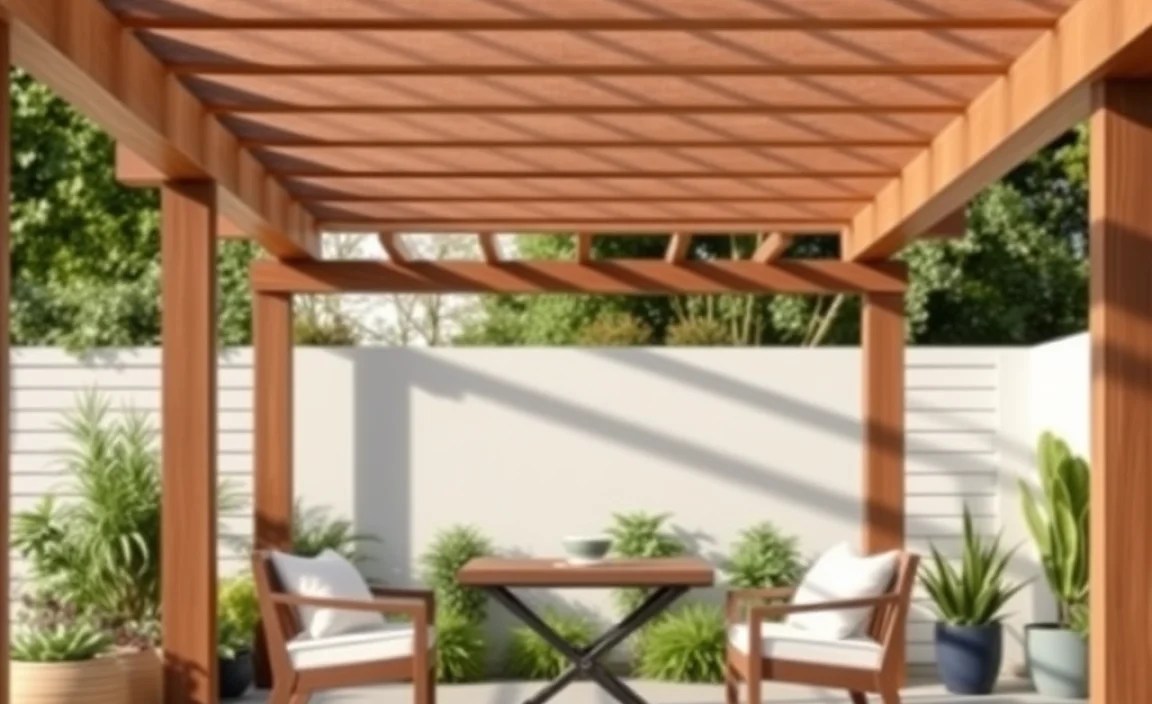
Key Takeaways
- Pergolas for gardens create shaded, beautiful outdoor spaces for relaxing and entertaining.
- Consider the pergola’s size, style, and material to match your garden’s design.
- Climbing plants like vines and roses add natural beauty and extra shade.
- Pergolas increase your property value and offer a stylish focal point.
- Properly built and maintained pergolas can last for many years.

Choosing Pergolas for Gardens
Choosing the right pergolas for gardens involves many steps. First, think about the size of your garden. A large pergola might overwhelm a small yard. A tiny pergola might get lost in a big garden. Think about how you want to use the space. Do you want a dining area? Maybe you want a quiet reading nook. The size should fit your needs. Next, consider the style of your home. Do you have a modern house? A simple, clean pergola would look great. Is your house more traditional? A wooden pergola with curved details might be better. The pergola should match your home’s style. Also, think about the materials. Wood, vinyl, and metal are popular choices. Wood looks natural but needs more care. Vinyl is easy to clean but may not look as natural. Metal is strong but can get hot in the sun. Pick a material that fits your style and budget. Finally, think about plants. Do you want vines to grow on your pergola? If so, pick a sturdy material that can handle the weight. By thinking about these things, you can choose the perfect pergola for your garden.
- Consider the size of your garden.
- Match the pergola style to your house.
- Choose the right materials.
- Think about adding plants.
- Plan how you will use the space.
When picking pergolas for gardens, remember to think about the long term. A well-built pergola can last for many years. Think about how the materials will age. Wood can rot if not treated. Metal can rust if not protected. Vinyl can fade in the sun. Regular care can help your pergola last longer. Also, think about the location. Is the pergola in a sunny spot? You might want a pergola with a solid roof for more shade. Is it in a windy area? You might need a stronger structure. Consider the weather in your area. This will help you pick the best pergola. A little planning can make a big difference. You will enjoy your pergola for many years to come.
Fun Fact or Stat: The word “pergola” comes from the Italian word “pergula,” which means “projecting eave.”
What Size Pergola Do You Need?
Have you ever wondered what size pergola you need? It depends on what you want to do with it. If you want to have a small table and chairs, a smaller pergola will work. If you want to have a big dining table, you will need a bigger pergola. Think about how many people you want to fit under the pergola. Also, think about the size of your garden. A huge pergola in a tiny garden will look strange. A small pergola in a huge garden might get lost. It is important to measure your space. Use a tape measure to see how much room you have. Mark the area where you want the pergola to go. This will help you choose the right size. Remember to leave enough room around the pergola. You want to be able to walk around it easily. Think about these things to find the perfect size pergola.
What Style of Pergola Fits Your Home?
Does your home have a certain style? Pergolas for gardens come in many styles. Some are simple and modern. Others are fancy and traditional. A modern home looks great with a simple pergola. Clean lines and basic shapes work well. A traditional home looks good with a more detailed pergola. Curved shapes and fancy carvings can add charm. Think about the colors of your home. A white pergola looks good with almost any house. A dark wood pergola can add warmth. Metal pergolas can look very modern. Look at pictures of different pergolas. See what styles you like. Consider the style of your garden too. A cottage garden looks great with a rustic pergola. A formal garden looks good with a more elegant pergola. Choose a style that makes you happy.
What Materials Should You Use?
What should you make your pergola out of? Wood is a popular choice. It looks natural and beautiful. But wood needs to be taken care of. You have to stain or paint it to protect it from the weather. Vinyl is another choice. It is easy to clean and does not rot. But some people do not like the way it looks. Metal is very strong. It can last a long time. But it can get hot in the sun. Think about the pros and cons of each material. Consider your budget. Wood can be expensive. Vinyl is often cheaper. Metal can be expensive too. Think about how much work you want to do. Wood needs more work than vinyl. Choose a material that fits your needs and budget. This will help you enjoy your pergola for years to come.

Designing Pergolas for Small Gardens
Designing pergolas for small gardens needs careful planning. Space is limited, so every inch counts. First, think about the location. Place the pergola where it will provide the most shade. Consider the path of the sun. A corner location can maximize space. Next, choose a simple design. Avoid bulky structures. A clean, minimalist pergola will look best. Use light colors. Light colors make a space look bigger. White or light gray are good choices. Think about vertical space. Use climbing plants to add height. Vines and roses can make a small pergola feel like a secret garden. Add built-in seating. Benches or small chairs save space. Use multi-functional furniture. A small table that folds down can be very useful. Finally, keep it simple. Avoid clutter. A few well-chosen items will make the space feel bigger. By following these tips, you can create a beautiful and functional pergola in your small garden.
- Choose a corner location.
- Use a simple design.
- Pick light colors.
- Add climbing plants.
- Use built-in seating.
- Keep it simple.
When designing pergolas for small gardens, remember to think about privacy. A small garden can feel exposed. Use the pergola to create a sense of enclosure. Add lattice panels to the sides. These panels will provide privacy and support climbing plants. Use curtains or screens. These can be drawn when you want more privacy. Plant shrubs or trees around the pergola. These will create a natural screen. Also, think about lighting. Soft lighting can make a small garden feel cozy. Use string lights or lanterns. These will add a warm glow. Consider solar lights. These are easy to install and do not need electricity. By thinking about privacy and lighting, you can create a relaxing and inviting space in your small garden.
Fun Fact or Stat: Small gardens with pergolas can increase property value by up to 10%.
How Can You Maximize Space?
How can you make the most of a small space? Think vertically! Pergolas for gardens are great for this. Use climbing plants like ivy or wisteria. They grow up and create a green wall. This saves space on the ground. Choose furniture that is small and lightweight. Folding chairs and tables are easy to store. Use shelves to hold pots and tools. This keeps things off the ground. Mirrors can make a small space look bigger. Hang a mirror on the wall or fence. Use light colors to brighten the space. Dark colors can make it feel smaller. Keep the design simple. Too many decorations can make it feel cluttered. By using these tips, you can make your small garden feel bigger and more useful.
What Plants Work Best in Small Gardens?
Do you have a small garden? You can still have lots of plants! Choose plants that do not get too big. Dwarf varieties are great. They are smaller versions of regular plants. Herbs like basil and thyme are good choices. They smell nice and you can use them in cooking. Flowers like pansies and petunias add color. They are easy to grow in pots. Climbing plants like clematis are perfect for pergolas. They grow up instead of out. This saves space. Vegetables like tomatoes and peppers can grow in pots. They are fun to grow and you can eat them! Remember to water your plants regularly. With a little care, you can have a beautiful garden, even if it is small.
How Can You Add Privacy to a Small Garden?
Everyone wants some privacy in their garden. How can you get it in a small space? Use tall plants to create a screen. Bamboo is a good choice. It grows quickly and is very dense. Fences are another option. A wooden fence can block the view from neighbors. Trellises with climbing plants are both pretty and private. Curtains or screens can be hung from the pergola. These can be closed when you want more privacy. Arrange your furniture to create a cozy nook. This will make you feel more secluded. Remember to check local rules about fence heights. With a little planning, you can create a private oasis in your small garden.

Choosing the Right Materials for Pergolas
Choosing the right materials for pergolas for gardens is important. The material affects how long the pergola lasts. It also affects how much care it needs. Wood is a popular choice. It looks natural and beautiful. Cedar and redwood are good choices. They are naturally resistant to rot and insects. But wood needs to be sealed or stained. This protects it from the weather. Vinyl is another option. It is easy to clean and does not rot. But it may not look as natural as wood. Aluminum is lightweight and strong. It does not rust. But it can get hot in the sun. Steel is very strong. It can hold a lot of weight. But it can rust if not protected. Composite materials are made from wood and plastic. They are durable and low-maintenance. Consider the pros and cons of each material. Choose the one that best fits your needs and budget.
- Wood is natural and beautiful.
- Vinyl is easy to clean.
- Aluminum is lightweight.
- Steel is very strong.
- Composite materials are durable.
When choosing materials for pergolas for gardens, think about the climate in your area. If you live in a wet climate, choose materials that resist rot. Wood that is not treated can rot quickly. Metal can rust if it is not protected. If you live in a hot climate, choose materials that do not get too hot. Metal can get very hot in the sun. Vinyl can soften and warp in the heat. Consider the maintenance required. Wood needs to be sealed or stained regularly. Vinyl is easy to clean. Metal needs to be painted to prevent rust. Composite materials are low-maintenance. Also, think about the cost. Wood can be expensive. Vinyl is often cheaper. Metal can be expensive too. Choose a material that fits your budget and your climate.
Fun Fact or Stat: Cedar wood is naturally resistant to insects and decay, making it a popular choice for pergolas.
What Are the Benefits of Wood?
Wood is a classic choice for pergolas for gardens. It has a natural look that many people love. Wood is also strong and can last a long time. You can paint or stain it to match your home. Wood pergolas can look great in any garden. They add warmth and charm. Wood is also a renewable resource. This means it is good for the environment. But wood does need some care. You have to protect it from the weather. Paint or stain it every few years. Check it for rot and insects. With proper care, a wood pergola can last for many years. It will add beauty and value to your home.
What Are the Benefits of Vinyl?
Vinyl is a popular choice for pergolas for gardens. It is easy to take care of. You do not have to paint or stain it. Just wash it with soap and water. Vinyl is also resistant to rot and insects. It will not rot like wood. It will not attract termites. Vinyl is also less expensive than wood. It is a good choice if you are on a budget. Vinyl pergolas come in many colors and styles. You can find one that matches your home. But some people do not like the way vinyl looks. It does not have the natural look of wood. But it is a practical and affordable choice.
What Are the Benefits of Metal?
Metal is a strong and durable choice for pergolas for gardens. It can hold a lot of weight. This is good if you want to grow heavy vines. Metal pergolas can last a long time. They are resistant to rot and insects. Metal is also fire resistant. This can be important in some areas. Metal pergolas can have a modern look. They can be painted any color. But metal can get hot in the sun. This can make it uncomfortable to sit under. Metal can also rust if it is not protected. You have to paint it regularly to prevent rust. Metal pergolas can be more expensive than wood or vinyl. But they are a good choice if you want a strong and durable pergola.

Adding Plants to Your Garden Pergola
Adding plants to your garden pergola makes it even more beautiful. Climbing plants are a great choice. They grow up and over the pergola. This creates a shaded and green space. Vines like wisteria and clematis are popular. They have beautiful flowers. Roses are another good choice. They add color and fragrance. Grapevines can provide shade and fruit. Hops are easy to grow and add a unique look. Consider the amount of sun your pergola gets. Some plants need full sun. Others prefer shade. Choose plants that will thrive in your garden. Also, think about the size of the plants. Some vines can get very large. Make sure your pergola can support the weight. Water your plants regularly. Fertilize them to keep them healthy. With a little care, your pergola will become a green oasis.
- Choose climbing plants.
- Consider the amount of sun.
- Think about the size of the plants.
- Water your plants regularly.
- Fertilize your plants.
When adding plants to your garden pergola, remember to train the vines. Tie the vines to the pergola with soft twine. This will help them grow in the right direction. Prune the vines regularly. This will keep them from getting too big. Remove dead or damaged leaves. This will keep the plants healthy. Also, think about the maintenance required. Some plants need more care than others. Roses need to be pruned regularly. Wisteria can be very aggressive. Choose plants that you are willing to care for. Also, consider the season. Some plants bloom in the spring. Others bloom in the summer or fall. Choose plants that will provide color and interest throughout the year. By following these tips, you can create a beautiful and thriving garden pergola.
Fun Fact or Stat: Climbing plants can help cool the area under a pergola by up to 20 degrees Fahrenheit.
What Climbing Plants Grow Well on Pergolas?
Do you want to add plants to your pergola? Climbing plants are perfect for this! Wisteria is a popular choice. It has beautiful purple flowers. Clematis is another good option. It comes in many colors. Roses are classic and romantic. They smell wonderful. Grapevines can provide shade and fruit. Honeysuckle has a sweet fragrance. Ivy is easy to grow. But it can be very aggressive. Choose plants that will thrive in your area. Consider the amount of sun your pergola gets. Some plants need full sun. Others prefer shade. Water your plants regularly. With a little care, your pergola will be covered in beautiful plants.
How Do You Train Climbing Plants?
Do you want your climbing plants to grow on your pergola? You need to train them! This means guiding them in the right direction. Use soft twine to tie the vines to the pergola. Be gentle! Do not tie them too tight. Check the ties regularly. Loosen them if they are too tight. Prune the vines to keep them from getting too big. Remove dead or damaged leaves. This will keep the plants healthy. Water your plants regularly. Fertilize them to help them grow. With a little patience, you can train your climbing plants to create a beautiful pergola.
How Do You Care for Plants on a Pergola?
Taking care of plants on a pergola is important. Water them regularly. Check the soil to see if it is dry. Fertilize them to give them nutrients. Prune them to keep them healthy. Remove dead or damaged leaves. Check for pests and diseases. Treat them if necessary. Make sure the pergola can support the weight of the plants. Climbing plants can get very heavy. Train the vines to grow in the right direction. Use soft twine to tie them to the pergola. With a little care, your plants will thrive on your pergola.
Decorating Your Garden Pergola
Decorating your garden pergola makes it a special place. Add comfortable seating. Chairs, benches, and cushions make it inviting. Use outdoor fabrics that can withstand the weather. Add a table for drinks and snacks. String lights create a magical atmosphere. Lanterns and candles add a warm glow. Use plants in pots to add color and texture. Hang wind chimes for a relaxing sound. Add a rug to define the space. Curtains or screens provide privacy and shade. Choose decorations that reflect your style. Make it a place where you love to spend time. Decorating your pergola can transform it into a beautiful outdoor retreat.
- Add comfortable seating.
- Use outdoor fabrics.
- Add a table.
- Use string lights.
- Add plants in pots.
- Hang wind chimes.
- Add a rug.
When decorating your garden pergola, remember to think about the season. In the summer, use bright colors and lightweight fabrics. Add fans to keep cool. In the fall, use warm colors and cozy blankets. Add pumpkins and gourds for a festive touch. In the winter, use evergreen branches and lights. Add a heater to keep warm. In the spring, use pastel colors and fresh flowers. Add bird feeders to attract birds. Also, think about the function of the pergola. If you use it for dining, add a dining table and chairs. If you use it for relaxing, add a hammock or lounge chairs. If you use it for entertaining, add a bar and a sound system. By thinking about the season and the function, you can create a pergola that is perfect for you.
Fun Fact or Stat: Adding outdoor lighting to a pergola can increase its usability by up to 40%.
What Kind of Furniture Should You Use?
Choosing furniture for your pergola is important. You want it to be comfortable and stylish. Use outdoor furniture that can withstand the weather. Wicker furniture is a classic choice. It is lightweight and durable. Metal furniture is strong and modern. Wood furniture is warm and inviting. Choose cushions and pillows that are water resistant. This will protect them from rain. Add a coffee table for drinks and snacks. A dining table is great for outdoor meals. Hammocks and lounge chairs are perfect for relaxing. Consider the size of your pergola. Do not overcrowd the space. Choose furniture that fits your style and needs.
How Can You Add Lighting to a Pergola?
Adding lights to your pergola can create a magical atmosphere. String lights are a popular choice. They are easy to hang and add a warm glow. Lanterns and candles are romantic and cozy. Use solar lights to save energy. Spotlights can highlight plants and features. Path lights can guide you at night. Use a dimmer switch to control the brightness. Consider the style of your pergola. Choose lights that match the style. Make sure the lights are safe for outdoor use. Use waterproof fixtures and wiring. Lighting can transform your pergola into a beautiful outdoor space.
What Are Some Unique Decorating Ideas?
Do you want to make your pergola stand out? Try some unique decorating ideas! Hang curtains or screens for privacy. Use colorful fabrics to add interest. Add a water feature, like a fountain or pond. Hang wind chimes or dream catchers. Use plants in hanging baskets. Create a theme, like a tropical or bohemian style. Add artwork or sculptures. Use reclaimed materials to create a rustic look. Paint the pergola a bright color. Add a fire pit for warmth and ambiance. Let your imagination run wild and create a pergola that is truly unique.
Maintaining Your Garden Pergola
Maintaining your garden pergola is important. This will help it last longer. Clean it regularly to remove dirt and debris. Use a brush or hose to wash it down. Check for damage, such as cracks or rot. Repair any damage quickly. Seal or stain wood pergolas every few years. This protects them from the weather. Tighten any loose screws or bolts. Trim any overgrown plants. Remove any weeds growing around the base. Inspect for pests, such as termites or ants. Treat any infestations immediately. By following these tips, you can keep your pergola in good condition for years to come.
- Clean it regularly.
- Check for damage.
- Seal or stain wood pergolas.
- Tighten loose screws.
- Trim overgrown plants.
- Inspect for pests.
When maintaining your garden pergola, remember to protect it from the elements. In the winter, remove snow and ice to prevent damage. Cover the pergola with a tarp to protect it from the weather. In the summer, provide shade to protect it from the sun. Use curtains or screens to block the sun’s rays. Water your plants regularly to keep them healthy. Fertilize them to help them grow. Also, think about the materials used to build the pergola. Wood needs to be sealed or stained regularly. Metal needs to be painted to prevent rust. Vinyl is easy to clean. By taking care of your pergola, you can enjoy it for many years to come.
Fun Fact or Stat: Regular maintenance can extend the life of a pergola by up to 50%.
How Often Should You Clean Your Pergola?
Cleaning your pergola is important. It keeps it looking nice. How often should you clean it? It depends on the weather and your location. If you live in a dusty area, you may need to clean it more often. If you live in a rainy area, the rain may help to keep it clean. In general, you should clean your pergola at least once a year. Spring is a good time to clean it. This will remove any dirt and debris that has accumulated over the winter. You can also clean it in the fall to prepare it for winter. Use a brush or hose to wash it down. You can also use a mild detergent. Rinse it well with water. With regular cleaning, your pergola will look its best.
How Do You Prevent Rot and Pests?
Rot and pests can damage your pergola. How can you prevent them? Use treated wood. Treated wood is resistant to rot and insects. Seal or stain the wood. This protects it from the weather. Keep the area around the pergola clean. Remove any leaves or debris. This will prevent moisture from building up. Inspect the pergola regularly. Look for signs of rot or pests. If you find any, treat them immediately. Use insect repellent to keep pests away. With a little care, you can protect your pergola from rot and pests.
| Problem | Solution | Frequency |
|---|---|---|
| Dirt and Debris | Hose down with water | Monthly |
| Rot | Apply wood preservative | Annually |
| Insects | Use insect repellent | As needed |
| Loose Screws | Tighten with screwdriver | Every 6 months |
What Should You Do in the Winter?
Winter can be hard on your pergola. How can you protect it? Remove snow and ice. Snow and ice can weigh down the pergola. This can cause damage. Cover the pergola with a tarp. This will protect it from the weather. Store any furniture indoors. This will prevent it from getting damaged. Prune any plants that are growing on the pergola. This will prevent them from getting damaged by the snow and ice. Inspect the pergola regularly. Look for any signs of damage. If you find any, repair them immediately. With a little preparation, you can protect your pergola from the winter weather.
Summary
Pergolas for gardens are awesome additions. They create beautiful outdoor spaces. You can relax, entertain, and enjoy nature. Choosing the right pergola is key. Think about size, style, and materials. Add plants for extra beauty and shade. Decorate it to match your taste. Regular maintenance keeps it looking great. A well-designed and cared-for pergola will enhance your garden. It will provide years of enjoyment. You can create a special outdoor retreat. This will make your home even more inviting. Pergolas add value and charm to any garden.
Conclusion
Pergolas for gardens are a fantastic way to improve your outdoor space. They offer shade, beauty, and a place to relax. You can choose the size, style, and materials that fit your needs. Adding plants and decorations makes it even more special. Remember to maintain your pergola to keep it looking great. A pergola can transform your garden into a beautiful and inviting retreat. So, start planning your dream pergola today!
Frequently Asked Questions
Question No 1: What is a pergola?
Answer: A pergola is an outdoor structure. It has posts and a roof made of beams. It does not have solid walls or a solid roof. It is often used to create a shaded area in a garden. People use it for relaxing, dining, or entertaining. Pergolas for gardens are usually made of wood, vinyl, or metal. They can be decorated with plants, lights, and furniture. A pergola adds beauty and function to any outdoor space. It is a great way to enjoy your garden.
Question No 2: What are the benefits of having a pergola?
Answer: There are many benefits to having pergolas for gardens. They provide shade on sunny days. This makes it more comfortable to be outside. They add beauty and style to your garden. A pergola can be a focal point in your yard. It can increase the value of your home. It creates a defined outdoor space. This can be used for dining, relaxing, or entertaining. Pergolas can support climbing plants. This adds natural beauty and shade. They also offer privacy from neighbors.
Question No 3: How much does a pergola cost?
Answer: The cost of a pergola varies. It depends on the size, materials, and design. A small, simple pergola made of vinyl may cost a few hundred dollars. A large, custom-built pergola made of wood can cost several thousand dollars. The cost of installation can also vary. Some people choose to build their own pergola. This can save money. Others hire a professional contractor. This ensures that the pergola is built correctly. When budgeting for a pergola, consider the cost of materials, installation, and any necessary permits.
Question No 4: How do I choose the right size pergola?
Answer: Choosing the right size pergola is important. Think about how you will use the space. If you want to use it for dining, you will need a larger pergola. If you want to use it for relaxing, a smaller pergola may be sufficient. Consider the size of your garden. A large pergola may overwhelm a small garden. A small pergola may get lost in a large garden. Measure the area where you plan to build the pergola. This will help you determine the appropriate size. Leave enough space around the pergola for walking and moving furniture.
Question No 5: What kind of plants can I grow on a pergola?
Answer: Many different plants can grow on pergolas for gardens. Climbing plants are a popular choice. Wisteria, clematis, roses, and grapevines are all good options. Choose plants that are appropriate for your climate. Consider the amount of sun your pergola receives. Some plants need full sun. Others prefer shade. Train the plants to grow up and over the pergola. Use soft twine or plant ties. Prune the plants regularly to keep them healthy and under control. Adding plants to your pergola adds beauty and shade.
Question No 6: How do I maintain a pergola?
Answer: Maintaining a pergola is important. It helps it last longer. Clean it regularly to remove dirt and debris. Check for damage, such as cracks or rot. Repair any damage quickly. Seal or stain wood pergolas every few years. This protects them from the weather. Tighten any loose screws or bolts. Trim any overgrown plants. Inspect for pests, such as termites or ants. Treat any infestations immediately. Proper maintenance will keep your pergolas for gardens in good condition for years.
