Have you ever wondered how streetlights know when to turn on? It is not magic. A small device tells them. This device is a photo sensor for outdoor lighting. It senses light. When it gets dark, the lights turn on. When it gets light, they turn off.
Do you want your porch light to do the same thing? It can. A photo sensor makes it easy. It saves you energy. It also saves you time. You do not have to turn the lights on and off each day.
Key Takeaways
- Photo sensors for outdoor lighting save energy by automatically turning lights on/off.
- These sensors enhance safety by illuminating areas when natural light is low.
- Installation is straightforward, making them accessible for most homeowners.
- Adjustable settings allow customization based on specific lighting needs and preferences.
- Using photo sensors reduces the need for manual operation of outdoor lights.
Understanding Photo Sensors for Outdoor Lighting

A photo sensor for outdoor lighting is a smart tool. It helps control outdoor lights. It does this by sensing how much light there is. When the sun goes down, the sensor notices. It then tells the lights to turn on. When the sun comes up, it tells them to turn off. This happens automatically. You do not have to do anything. These sensors are also called photocells or light sensors. They are very useful for saving energy. They also make our homes safer. Imagine you are on vacation. The photo sensor will turn on your lights each night. This makes it look like someone is home. This can help keep burglars away. Photo sensors are small. They are easy to install. They can make a big difference in your life.
- Photo sensors save energy.
- They make homes safer.
- They turn lights on and off automatically.
- They are easy to install.
- They are small and useful.
Photo sensors work because of a special material. This material changes when light hits it. When light hits the sensor, it creates a small electrical current. This current tells the light to turn off. When it is dark, there is no current. The sensor then tells the light to turn on. Some sensors have a timer. This timer can delay the light turning on or off. This prevents the light from turning on and off because of a passing cloud. You can also adjust some sensors. This lets you decide how dark it needs to be before the lights turn on. Photo sensors are a simple way to make your life easier and save energy.
Fun Fact or Stat: Did you know that using photo sensors can reduce your outdoor lighting energy consumption by up to 50%?
How Do Photo Sensors Detect Light?
Have you ever wondered how a photo sensor knows when it is dark? These sensors use special materials. These materials react to light. When light shines on the sensor, the material changes. This change creates an electrical signal. The signal tells the light to stay off. When there is no light, the signal stops. This tells the light to turn on. Some sensors use a small solar panel. The panel generates electricity when light hits it. This electricity keeps the light off. At night, the panel stops generating electricity. The light then turns on. Different sensors use different materials and methods. But they all do the same thing. They detect light and control the lights.
What Are the Different Types of Photo Sensors?
There are many types of photo sensors. Some are simple and some are complex. One type is a photocell. This uses a material that changes its resistance to electricity when light shines on it. Another type is a photodiode. This creates a small electrical current when light hits it. Some sensors use a light-dependent resistor (LDR). The LDR changes its resistance based on the amount of light. There are also more advanced sensors. These can detect different colors of light. They can also measure the intensity of light very accurately. The best type of sensor depends on what you need it for. For outdoor lighting, a simple photocell or LDR is often enough.
Why Are Photo Sensors Important for Saving Energy?
Imagine leaving your porch light on all day. That would waste a lot of energy. Photo sensors help us avoid this. They turn lights on only when needed. This saves energy and money. Many streetlights use photo sensors. This helps cities save a lot of energy. Think about all the streetlights in your town. If they were all on during the day, it would be a huge waste. Photo sensors are a simple way to be more energy-efficient. They help us protect the environment. They also help us save money on our electricity bills. Using photo sensors is a win-win for everyone.
Installing a Photo Sensor for Outdoor Lighting

Installing a photo sensor for outdoor lighting is usually easy. Most sensors come with simple instructions. First, you need to find a good place to install the sensor. It should be in a spot that gets direct sunlight. But it should not be near other lights. Other lights can trick the sensor. This makes it turn off at night. Once you find the right spot, you need to connect the sensor to your light. This usually involves connecting a few wires. If you are not comfortable working with electricity, ask an adult to help. After the sensor is connected, test it. Cover the sensor with your hand. The light should turn on. Remove your hand. The light should turn off. If it works, you are done!
- Find a good spot for the sensor.
- Connect the wires carefully.
- Test the sensor to make sure it works.
- Ask for help if you need it.
- Read the instructions carefully.
Some photo sensors plug directly into an outdoor outlet. These are very easy to install. You just plug the sensor into the outlet. Then, plug your light into the sensor. Other sensors need to be wired into the light fixture. This is a little more complicated. But it is still not too difficult. Make sure to turn off the power before you start. This will keep you safe. If you are not sure how to do it, call an electrician. They can install the sensor for you. No matter which type of sensor you use, make sure it is weatherproof. This will protect it from rain and snow.
Fun Fact or Stat: The average lifespan of a photo sensor is between 5 and 10 years!
What Tools Do You Need for Installation?
Installing a photo sensor is easier with the right tools. You will probably need a screwdriver. This helps you tighten the screws. You might also need wire strippers. These remove the plastic from the wires. This lets you connect them. A voltage tester is also useful. This makes sure the power is off before you start. Some sensors come with mounting hardware. If not, you might need to buy some screws or brackets. A ladder can help you reach high places. Always wear safety glasses. This protects your eyes. Having the right tools makes the job much easier and safer.
How Do You Choose the Right Location for the Sensor?
Choosing the right spot for your photo sensor is very important. The sensor needs to get enough sunlight. This will make sure it turns off the lights during the day. But it should not get too much light at night. Other lights can trick the sensor. This makes it turn off too early. Avoid placing the sensor near streetlights or porch lights. A north-facing location is often a good choice. This gets consistent light throughout the day. Make sure the sensor is not blocked by trees or bushes. These can cast shadows and affect its performance. Think carefully about the location before you install the sensor.
What Safety Precautions Should You Take?
Safety is very important when working with electricity. Always turn off the power before you start. This prevents electric shock. Use a voltage tester to make sure the power is off. Wear rubber gloves. This protects your hands. Never work with wet hands. Water conducts electricity. This can be dangerous. Read the instructions carefully. Follow all safety guidelines. If you are not comfortable working with electricity, ask an adult to help. An electrician can install the sensor safely. Taking these precautions will keep you safe.
Benefits of Using Photo Sensors for Outdoor Lighting

There are many reasons to use a photo sensor for outdoor lighting. One big reason is energy savings. These sensors turn lights on only when needed. This reduces energy waste. Another benefit is convenience. You do not have to remember to turn the lights on and off. The sensor does it for you. Photo sensors also improve safety. They make sure your outdoor areas are lit at night. This can deter burglars. It also makes it easier to see when you are walking outside. These sensors can also extend the life of your light bulbs. They are not on as long. This means you do not have to replace them as often. Using a photo sensor is a smart choice.
- Save energy and money.
- Enjoy the convenience of automatic lighting.
- Improve safety and security.
- Extend the life of your light bulbs.
- Reduce your carbon footprint.
Imagine you have a large yard with many outdoor lights. Turning them all on and off every day would be a chore. A photo sensor can do this for you automatically. This saves you time and effort. It also ensures that your yard is always well-lit at night. This can make your home look more inviting. It can also make it safer for your family and guests. Photo sensors are also good for the environment. By reducing energy consumption, they help lower greenhouse gas emissions. This helps protect our planet. Using photo sensors is a simple way to make a positive impact.
Fun Fact or Stat: Some studies show that homes with outdoor lighting controlled by photo sensors are less likely to be burglarized!
How Do Photo Sensors Save Energy?
Photo sensors save energy by turning lights on only when it is dark. This prevents lights from being on during the day. Think about a streetlight. Without a photo sensor, it might stay on all day. This would waste a lot of energy. With a photo sensor, the streetlight turns off automatically when the sun comes up. This saves a lot of energy over time. The same is true for your porch light or garden lights. By using a photo sensor, you can reduce your energy consumption. This helps lower your electricity bill. It also helps protect the environment.
How Do Photo Sensors Improve Security?
Having outdoor lights on at night can deter burglars. It makes it harder for them to hide. Photo sensors ensure that your lights are always on when it is dark. This can make your home safer. Burglars are less likely to target a home that is well-lit. Photo sensors can also help you see better when you are walking outside at night. This can prevent accidents. They can also help you spot potential dangers. A well-lit home is a safer home. Photo sensors are a simple way to improve your home security.
What Are the Long-Term Cost Savings?
Using photo sensors can save you money in the long run. They reduce your energy consumption. This lowers your electricity bill. They also extend the life of your light bulbs. This means you do not have to replace them as often. The cost of a photo sensor is usually small. But the savings over time can be significant. Think about how much you spend on electricity each month. A photo sensor can help you reduce that amount. Over several years, the savings can add up to a lot of money. Investing in a photo sensor is a smart financial decision.
Types of Outdoor Lighting That Benefit From Photo Sensors

Many types of outdoor lighting work well with photo sensors. Streetlights are a great example. They need to be on at night for safety. But they do not need to be on during the day. Photo sensors make sure they turn on and off automatically. Porch lights are another good example. They provide security and make it easier to see when you are entering your home. Garden lights can highlight your landscaping. They also make your yard look more inviting. Security lights are designed to deter burglars. Photo sensors ensure they are always on when needed. Any outdoor light can benefit from a photo sensor.
- Streetlights for public safety.
- Porch lights for home security.
- Garden lights for landscaping.
- Security lights to deter crime.
- Pathway lights for safe walking.
Imagine you have a long driveway. It can be hard to see at night. Pathway lights can help. They guide you to your door. Photo sensors make sure they turn on automatically when it gets dark. This makes it safer to walk to your car or your front door. Floodlights are another type of outdoor lighting. They can illuminate a large area. This is useful for security or for outdoor activities. Photo sensors can control floodlights. This makes sure they are not on during the day. This saves energy and money. No matter what type of outdoor lighting you have, a photo sensor can make it more efficient and convenient.
Fun Fact or Stat: Cities that use photo sensors on all their streetlights can save millions of dollars per year!
How Do Photo Sensors Work With Streetlights?
Streetlights are a very important part of our communities. They keep us safe at night. Photo sensors are used on most streetlights. They turn the lights on when it gets dark. They turn them off when it gets light. This saves a lot of energy. Without photo sensors, streetlights would be on all the time. This would waste a lot of electricity. Photo sensors are a simple and effective way to control streetlights. They help cities save money. They also help protect the environment. Next time you see a streetlight, think about the photo sensor that is controlling it.
How Can Photo Sensors Enhance Garden Lighting?
Garden lights can make your yard look beautiful at night. They can highlight your plants and flowers. They can also make your yard more inviting. Photo sensors can control your garden lights. This makes sure they turn on automatically when it gets dark. This creates a beautiful and welcoming atmosphere. You do not have to worry about turning them on and off. The photo sensor does it for you. This is especially useful if you are away from home. Photo sensors can also help you save energy. Your garden lights will only be on when they are needed. This reduces your electricity bill.
Why Are Photo Sensors Important for Security Lighting?
Security lights are designed to deter burglars. They illuminate your property at night. This makes it harder for criminals to hide. Photo sensors ensure that your security lights are always on when it is dark. This provides constant protection. You do not have to remember to turn them on. The photo sensor does it for you. This is especially important when you are away from home. Photo sensors can also help you save energy. Your security lights will only be on when they are needed. This reduces your electricity bill. A photo sensor is a simple way to improve your home security.
Troubleshooting Common Photo Sensor Issues
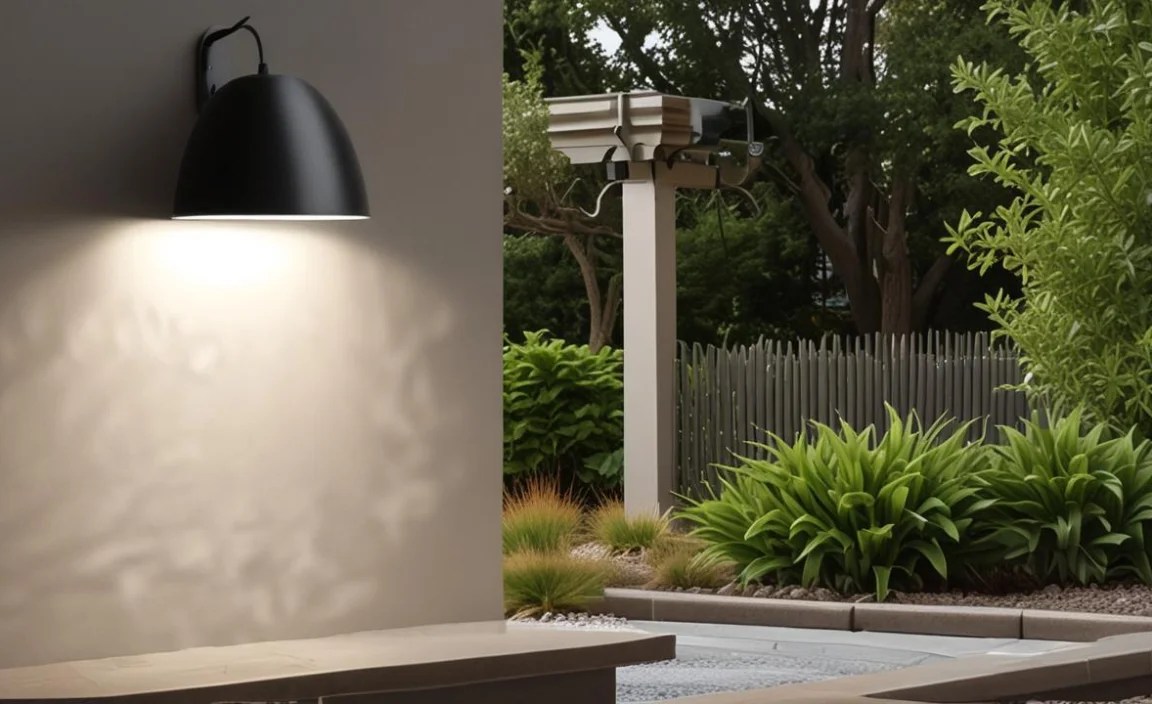
Sometimes, photo sensors for outdoor lighting can have problems. One common issue is that the light stays on all the time. This can happen if the sensor is blocked. Make sure nothing is covering the sensor. Another problem is that the light does not turn on at all. This could be because the sensor is broken. It could also be because the bulb is burned out. Sometimes, the light turns on and off repeatedly. This is called cycling. This can happen if the sensor is getting false readings. Check to see if there are any other lights nearby. These lights can trick the sensor. If you have problems with your photo sensor, try these tips.
- Check for obstructions blocking the sensor.
- Replace the light bulb.
- Adjust the sensor’s sensitivity.
- Ensure the sensor is not near other lights.
- Test the wiring connections.
- Consider replacing the sensor if problems persist.
Here is a table showing common photo sensor problems and solutions:
| Problem | Possible Cause | Solution |
|---|---|---|
| Light stays on all the time | Sensor is blocked | Remove the obstruction |
| Light does not turn on | Bulb is burned out | Replace the bulb |
| Light cycles on and off | False readings | Adjust sensor sensitivity or relocate |
| Sensor seems broken | Sensor is damaged | Replace the sensor |
Fun Fact or Stat: Many photo sensor problems are caused by simple issues like a blocked sensor or a burned-out bulb!
Why Is My Light Always On?
If your light is always on, there could be a few reasons. The most common reason is that the sensor is blocked. Check to see if anything is covering the sensor. Leaves, snow, or even a bird’s nest can block the sensor. Another reason could be that the sensor is set too low. Some sensors have an adjustable sensitivity. Try turning up the sensitivity. This will make the sensor more sensitive to light. If these steps do not work, the sensor may be broken. You may need to replace it. Check the wiring. A loose wire may cause the sensor to fail.
Why Is My Light Never On?
If your light is never on, the first thing to check is the bulb. Make sure the bulb is not burned out. If the bulb is good, the problem could be the sensor. The sensor may be set too high. This makes it not sensitive enough to light. Try turning down the sensitivity. This will make the sensor more likely to turn on the light. The sensor may also be broken. You may need to replace it. Check the power. No power may cause the light to not turn on.
How Do I Prevent Cycling Issues?
Cycling is when the light turns on and off repeatedly. This can be annoying. It can also shorten the life of your light bulb. The most common cause of cycling is false readings. This happens when the sensor is getting light from another source. Streetlights, porch lights, or even car headlights can trick the sensor. Try moving the sensor to a different location. Make sure it is not near any other lights. You can also try adjusting the sensitivity. This will make the sensor less likely to be tricked. Some sensors have a delay timer. This timer prevents the light from turning on and off quickly.
Adjusting Sensitivity on Your Photo Sensor
Many photo sensors for outdoor lighting have adjustable sensitivity. This lets you control how dark it needs to be before the lights turn on. If you want your lights to turn on earlier, you can increase the sensitivity. If you want them to turn on later, you can decrease the sensitivity. Adjusting the sensitivity is usually easy. There is often a small dial or switch on the sensor. You can turn the dial or flip the switch to adjust the sensitivity. Some sensors have a digital display. This lets you set the sensitivity more precisely. Experiment with different settings to find what works best for you.
- Locate the sensitivity adjustment dial or switch.
- Increase sensitivity for earlier activation.
- Decrease sensitivity for later activation.
- Test the settings after each adjustment.
- Consult the manufacturer’s instructions.
Imagine you live in an area with a lot of streetlights. You might not want your porch light to turn on until it is very dark. In this case, you would decrease the sensitivity of your photo sensor. This would prevent your light from turning on too early. On the other hand, if you live in a rural area with no streetlights, you might want your light to turn on as soon as it starts to get dark. In this case, you would increase the sensitivity. Adjusting the sensitivity of your photo sensor allows you to customize your outdoor lighting to your specific needs and preferences. This makes your lighting more efficient and effective.
Fun Fact or Stat: Adjustable sensitivity can help prevent your outdoor lights from being triggered by car headlights or lightning!
Why Is Sensitivity Adjustment Important?
Sensitivity adjustment is important because it allows you to customize your outdoor lighting. Every location is different. Some areas are brighter than others. Some areas have more streetlights. Sensitivity adjustment lets you fine-tune your photo sensor to work perfectly in your location. This ensures that your lights turn on when you want them to. It also prevents them from turning on when you do not need them. This saves energy and money. Sensitivity adjustment is a key feature of a good photo sensor.
How Do You Know What Sensitivity Setting to Use?
Choosing the right sensitivity setting is a matter of trial and error. Start with a medium setting. Then, observe how your lights behave. If they turn on too early, decrease the sensitivity. If they turn on too late, increase the sensitivity. Make small adjustments. Then, wait and see what happens. It may take a few days to find the perfect setting. Pay attention to the ambient light in your area. This will help you choose the right sensitivity. Consider the time of year. The amount of daylight changes throughout the year. You may need to adjust the sensitivity seasonally.
What Happens if the Sensitivity Is Set Too High or Too Low?
If the sensitivity is set too high, your lights will turn on too early. They might even turn on during the day. This wastes energy. It also shortens the life of your light bulbs. If the sensitivity is set too low, your lights will turn on too late. They might not turn on until it is very dark. This can be a safety issue. It can also make it hard to see when you are walking outside. Finding the right sensitivity setting is important. It ensures that your lights turn on at the right time. This saves energy and improves safety.
Future Trends in Photo Sensor Technology
Photo sensor technology is always improving. New sensors are becoming more efficient and more accurate. Some new sensors can detect different colors of light. This allows them to respond to different types of light sources. Other sensors are becoming smaller and more durable. This makes them easier to install and less likely to break. Wireless photo sensors are also becoming more popular. These sensors can be controlled remotely. This makes it easy to adjust the settings from your phone or computer. As technology continues to advance, photo sensors will become even more useful and convenient.
- Improved efficiency and accuracy.
- Detection of different light colors.
- Smaller and more durable designs.
- Wireless control and connectivity.
- Integration with smart home systems.
Imagine a future where all outdoor lights are controlled by smart photo sensors. These sensors could communicate with each other. They could adjust the lighting based on the weather conditions. They could also respond to the presence of people or animals. This would create a more efficient and safer environment. Smart photo sensors could also be integrated with smart home systems. This would allow you to control your outdoor lighting from your phone or computer. You could even set up schedules to turn the lights on and off automatically. The future of photo sensor technology is bright.
Fun Fact or Stat: Researchers are developing photo sensors that can harvest energy from sunlight to power themselves!
How Are Photo Sensors Becoming More Efficient?
New photo sensors are using more advanced materials. These materials are more sensitive to light. This means they can detect even small changes in light levels. This allows them to turn the lights on and off more precisely. New sensors are also using less energy. This makes them more efficient. Some sensors are even powered by solar energy. This makes them completely self-sufficient. As photo sensors become more efficient, they will save even more energy. This will help us protect the environment.
What Is the Role of Wireless Technology?
Wireless technology is changing the way we control our outdoor lighting. Wireless photo sensors can be controlled remotely. This means you can adjust the settings from your phone or computer. You can also set up schedules to turn the lights on and off automatically. Wireless sensors can also communicate with each other. This allows them to coordinate their actions. For example, if one sensor detects motion, it can tell other sensors to turn on the lights. Wireless technology makes photo sensors more convenient and more versatile.
How Will Photo Sensors Integrate With Smart Homes?
Smart homes are becoming more and more popular. Photo sensors can be easily integrated with smart home systems. This allows you to control your outdoor lighting from your smart home app. You can also create custom lighting scenes. For example, you could create a scene that turns on all the outdoor lights when you arrive home. You could also create a scene that dims the lights at bedtime. Smart home integration makes photo sensors even more convenient and more useful. You can control your outdoor lighting from anywhere in the world.
Summary
A photo sensor for outdoor lighting is a helpful device. It automatically controls outdoor lights. It turns them on when it gets dark. It turns them off when it gets light. This saves energy and money. It also improves safety and security. Photo sensors are easy to install. They are also easy to use. They come in different types. Some have adjustable settings. This lets you customize them to your needs. Photo sensors are used in streetlights, porch lights, garden lights, and security lights. They are a simple way to make your life easier and more efficient.
Conclusion
Photo sensors for outdoor lighting are a great invention. They make our lives easier. They save energy and money. They also improve safety. These sensors automatically turn lights on and off. You do not have to remember to do it. They are easy to install and use. As technology improves, photo sensors will become even better. They will help us create a more efficient and sustainable world. Using a photo sensor is a smart choice for any home or business.
Frequently Asked Questions
Question No 1: What is a photo sensor for outdoor lighting?
Answer: A photo sensor for outdoor lighting is a device that detects the amount of light. It uses this information to automatically turn outdoor lights on and off. When it gets dark, the sensor tells the lights to turn on. When it gets light, the sensor tells the lights to turn off. This helps save energy. It also makes your home safer. These sensors are also called photocells or light sensors. They are commonly used in streetlights, porch lights, and garden lights. They are a simple way to automate your outdoor lighting.
Question No 2: How does a photo sensor save energy?
Answer: A photo sensor saves energy by turning lights on only when they are needed. Without a photo sensor, lights might stay on all day. This wastes a lot of electricity. With a photo sensor, the lights turn off automatically when the sun comes up. This reduces energy consumption. It also lowers your electricity bill. Photo sensors are a simple way to be more energy-efficient. They help us protect the environment. They also help us save money. Using photo sensors is a win-win for everyone.
Question No 3: How do I install a photo sensor?
Answer: Installing a photo sensor is usually easy. Most sensors come with simple instructions. First, find a good spot to install the sensor. It should be in a spot that gets direct sunlight. But it should not be near other lights. Other lights can trick the sensor. Once you find the right spot, connect the sensor to your light. This usually involves connecting a few wires. If you are not comfortable working with electricity, ask an adult to help. After the sensor is connected, test it. Cover the sensor with your hand. The light should turn on. Remove your hand. The light should turn off.
Question No 4: What are some common problems with photo sensors?
Answer: Sometimes, photo sensors can have problems. One common issue is that the light stays on all the time. This can happen if the sensor is blocked. Make sure nothing is covering the sensor. Another problem is that the light does not turn on at all. This could be because the sensor is broken. It could also be because the bulb is burned out. Sometimes, the light turns on and off repeatedly. This is called cycling. This can happen if the sensor is getting false readings. Check to see if there are any other lights nearby. These lights can trick the sensor.
Question No 5: How do I adjust the sensitivity of a photo sensor?
Answer: Many photo sensors have adjustable sensitivity. This lets you control how dark it needs to be before the lights turn on. If you want your lights to turn on earlier, you can increase the sensitivity. If you want them to turn on later, you can decrease the sensitivity. Adjusting the sensitivity is usually easy. There is often a small dial or switch on the sensor. You can turn the dial or flip the switch to adjust the sensitivity. Experiment with different settings to find what works best for you. Make sure the photo sensor is clean before adjusting.
Question No 6: Can photo sensors be used with LED lights?
Answer: Yes, photo sensors can be used with LED lights. In fact, they work very well together. LED lights are very energy-efficient. When you combine them with a photo sensor, you can save even more energy. Make sure the photo sensor is compatible with LED lights. Some sensors are not designed to work with LEDs. Check the specifications before you buy a sensor. Using photo sensors with LED lights is a great way to reduce your carbon footprint. It’s also good for your wallet.
