Have you ever wondered how new plants are made? It’s not always about seeds. There are other ways to grow more plants. These other ways are called plant propagation methods. They are like magic tricks for gardeners.
Imagine you have a favorite flower. You can make more of that flower using these methods. It’s like making copies of your best toys! Let’s learn about these fun ways to grow new plants.
Key Takeaways
- Plant propagation methods help you make new plants from existing ones.
- Stem cuttings involve rooting a cut piece of a plant stem in water or soil.
- Layering encourages roots to grow on a stem while it’s still attached to the parent plant.
- Division involves separating a plant into multiple parts, each with its own roots.
- Grafting joins parts of two plants to create a new plant with combined traits.
Understanding Plant Propagation Methods
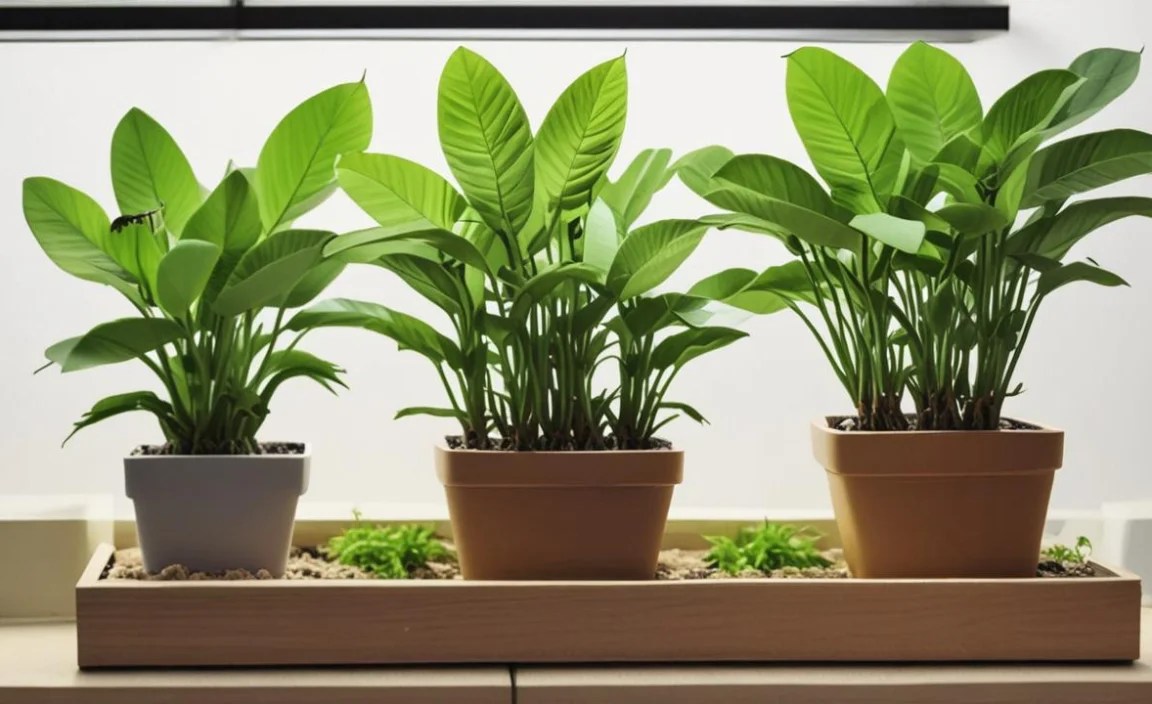
Plant propagation methods are how gardeners make new plants. They don’t always use seeds. Instead, they use parts of a parent plant. These parts can be stems, leaves, or roots. The goal is to grow a new plant that is just like the parent plant. It’s like making a clone! There are many different plant propagation methods. Some are easy, and some are harder. You can choose the best method for the type of plant you want to grow. Learning about these methods can make gardening more fun. You can grow more of your favorite plants. You can also share them with your friends and family. It’s a great way to make your garden bigger and better.
- Cuttings are a simple way to grow new plants.
- Layering works well for some plants like berries.
- Division is good for plants that grow in clumps.
- Grafting is used to combine the best parts of two plants.
- Seeds are still a common way to grow plants.
- Tissue culture is a more advanced method.
Growing plants is like cooking. You need the right ingredients and tools. For plant propagation, you need healthy plants. You also need sharp tools. Clean tools help prevent diseases. You’ll also need soil, water, and sunlight. Some methods need special things like rooting hormone. Rooting hormone helps cuttings grow roots faster. It’s important to follow the steps carefully. This will help you be successful. With practice, you can become a plant propagation expert. You can grow all sorts of new plants from your favorite ones.
Fun Fact or Stat: Did you know that some plants can be propagated from just a single leaf? This is called leaf cutting!
Why Use Propagation Methods?
Have you ever wondered why people use propagation methods? Well, there are many reasons! Sometimes, plants don’t make seeds. Or, the seeds might not grow well. In these cases, propagation methods are very useful. They allow you to grow new plants even without seeds. Also, propagation methods can help you make exact copies of a plant. This is important if you want to keep the same traits. For example, if you have a rose with a beautiful color, you can use cuttings to make more roses with the same color. It’s like having a magic wand to create more of what you love!
Choosing the Right Method
Picking the right plant propagation method is important. Not all methods work for all plants. Some plants grow well from cuttings. Others do better with layering or division. It depends on the type of plant and how it grows. For example, roses are often grown from cuttings. Strawberries are often grown by layering. Understanding the different methods will help you choose the best one for your plant. Ask a gardener or look up information online to learn more about the best way to propagate your favorite plants. It’s like being a plant detective!
The Importance of Cleanliness
When you are doing plant propagation, cleanliness is key. Clean tools and a clean workspace are very important. This helps prevent diseases from spreading to your new plants. Imagine if you were baking a cake, and you used a dirty spoon. The cake might not taste very good, right? It’s the same with plants. Dirty tools can spread germs and hurt the new plants. So, always wash your tools with soap and water before you start. This will help your new plants grow strong and healthy. Think of it as giving your plants a clean start!
Stem Cuttings: A Simple Method
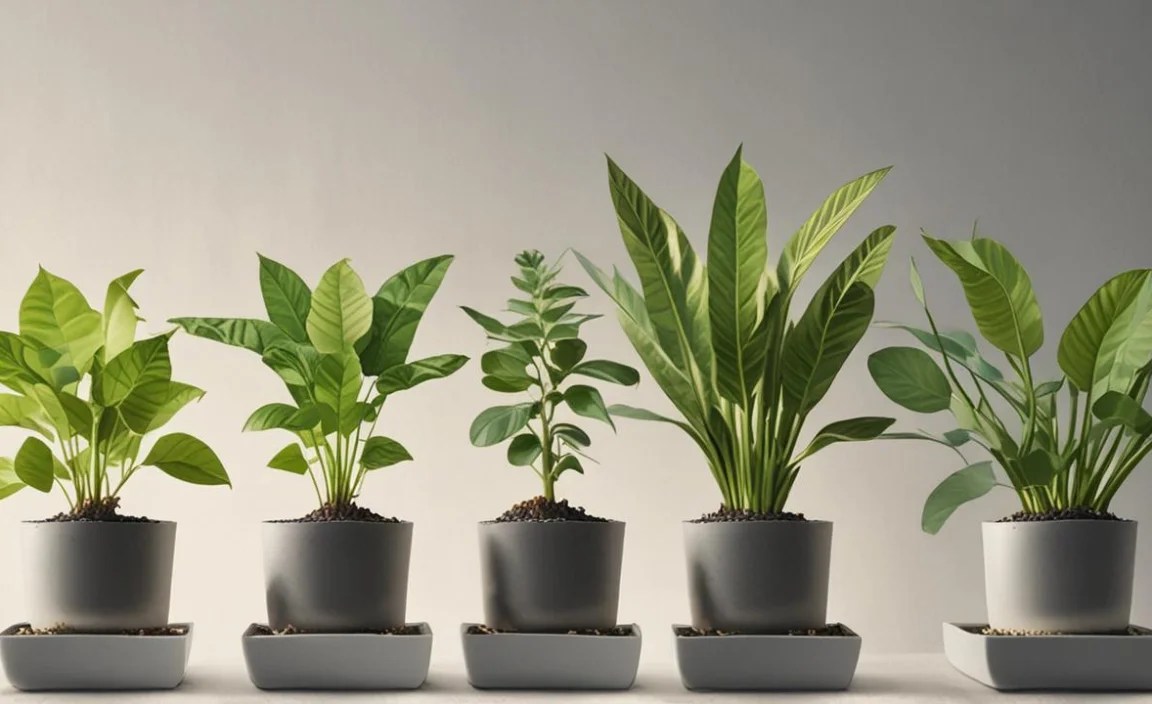
Stem cuttings are a simple way to grow new plants. You cut a piece of stem from a parent plant. Then, you put it in water or soil. The stem grows roots and becomes a new plant. This is a very common plant propagation method. Many plants can be grown from stem cuttings. Some examples are roses, herbs, and succulents. It’s important to use a sharp, clean knife or scissors. This helps prevent diseases. You should also remove the lower leaves from the cutting. This will help the cutting focus on growing roots. With a little care, you can grow many new plants from stem cuttings.
- Take cuttings from healthy stems.
- Remove the lower leaves.
- Dip the cutting in rooting hormone (optional).
- Place the cutting in water or soil.
- Keep the cutting moist and warm.
- Wait for roots to grow.
Growing plants from stem cuttings is like magic. You take a small piece of a plant. Then, you turn it into a whole new plant. It’s amazing to watch the roots grow. You can use different types of cuttings. Some are softwood cuttings, and some are hardwood cuttings. Softwood cuttings are taken from new growth. Hardwood cuttings are taken from older growth. The best type of cutting depends on the plant. Some plants are easier to grow from cuttings than others. But with a little practice, you can become a stem cutting expert. You can grow all sorts of new plants for your garden.
Fun Fact or Stat: Some plants, like willow trees, root so easily from cuttings that you can stick a branch directly into the ground and it will grow!
Softwood vs. Hardwood Cuttings
When taking stem cuttings, you might hear about softwood and hardwood cuttings. What’s the difference? Softwood cuttings are taken from new, green growth in the spring or early summer. They are more tender and root faster. Hardwood cuttings are taken from mature, dormant growth in the late fall or winter. They are tougher and take longer to root. Knowing the difference can help you choose the right type of cutting for your plant. It’s like knowing which tool to use for a job. The right tool makes the job easier!
Rooting in Water vs. Soil
Once you have your stem cutting, you can root it in water or soil. Rooting in water is easy to see. You can watch the roots grow! But sometimes, plants rooted in water have a harder time adjusting to soil later. Rooting in soil can be more direct. The cutting grows roots directly into the soil. This can make it easier for the plant to adjust. Both methods work well. It depends on what you prefer and what works best for your plant. It’s like choosing between two different paths to the same destination!
Caring for Your Cuttings
Caring for your stem cuttings is important for success. Keep the cuttings moist but not too wet. Too much water can cause them to rot. Provide them with bright, indirect light. Direct sunlight can burn them. Be patient! It can take several weeks for roots to grow. Once the roots are a few inches long, you can plant the cutting in a pot with soil. Then, you can watch your new plant grow and thrive. It’s like nurturing a baby plant and watching it grow up!
Layering: Encouraging Root Growth

Layering is another plant propagation method. It’s like helping a plant grow roots before you cut it. You bend a stem down to the ground. Then, you cover part of the stem with soil. The stem grows roots while still attached to the parent plant. Once the roots have grown, you can cut the stem. Now you have a new plant! Layering works well for plants like raspberries and blackberries. It’s a good way to make more of your favorite berry bushes. It’s like giving the plant a head start!
- Choose a flexible stem near the ground.
- Bend the stem down to the soil.
- Make a small cut or scrape on the stem.
- Cover the stem with soil.
- Weigh the stem down with a rock.
- Wait for roots to grow.
- Cut the stem from the parent plant.
Layering is a gentle way to propagate plants. It doesn’t shock the plant as much as cuttings. The stem gets nutrients from the parent plant while it grows roots. This helps it grow stronger. There are different types of layering. Simple layering is what we described above. Air layering is another type. For air layering, you wrap a stem with moss and plastic. This keeps it moist and encourages roots to grow. Layering is a great way to expand your garden without buying new plants. It’s like getting free plants from the ones you already have!
Fun Fact or Stat: Air layering has been used for centuries, and it’s especially popular for propagating fruit trees!
Simple Layering Explained
Let’s dive deeper into simple layering. Find a long, flexible stem on your plant. Gently bend it down to the ground. Choose a spot on the stem that will touch the soil. At that spot, make a small cut or scrape on the stem. This encourages roots to grow. Cover that part of the stem with soil. You can use a rock or brick to hold the stem in place. Make sure the tip of the stem is still sticking out of the soil. Water the area regularly. In a few weeks or months, roots will start to grow. It’s like creating a hidden garden underground!
Air Layering Techniques
Air layering is a bit different than simple layering. Instead of bending a stem to the ground, you encourage roots to grow on a stem that is still in the air. To do this, make a cut or scrape on the stem. Then, wrap the cut area with moist sphagnum moss. Cover the moss with plastic wrap and secure it with tape. This creates a humid environment for roots to grow. Check the moss regularly to make sure it stays moist. Once you see roots growing through the moss, you can cut the stem below the roots and plant it in a pot. It’s like creating a mini greenhouse around the stem!
Plants That Love Layering
Some plants are just perfect for layering. These plants have flexible stems that can easily be bent to the ground. They also tend to root easily. Some popular plants for layering include raspberries, blackberries, blueberries, and grapes. Rhododendrons and azaleas also do well with layering. If you have any of these plants in your garden, try layering them! You’ll be amazed at how easy it is to create new plants. It’s like having a secret weapon for plant propagation!
Division: Separating Clump-Forming Plants
Division is a plant propagation method used for plants that grow in clumps. These plants have multiple stems or crowns growing from the same root system. To divide them, you dig up the plant. Then, you separate the clumps into smaller pieces. Each piece should have its own roots and stems. You can then plant each piece as a new plant. This method works well for plants like daylilies, hostas, and irises. It’s a great way to get more plants and also to keep your plants healthy.
- Dig up the entire plant.
- Shake off the excess soil.
- Separate the plant into smaller clumps.
- Make sure each clump has roots and stems.
- Plant each clump in a new location.
- Water the newly divided plants well.
Dividing plants is like giving them a fresh start. Over time, clump-forming plants can become crowded. This can make it hard for them to get enough nutrients and water. Dividing them gives each clump more space to grow. It also helps to rejuvenate the plant. The best time to divide plants is in the spring or fall. Avoid dividing them during the heat of summer. It’s important to use a sharp knife or shovel to separate the clumps. This will help prevent damage to the roots. With a little care, you can easily divide your clump-forming plants and create many new plants for your garden.
Fun Fact or Stat: Some plants, like irises, need to be divided every few years to prevent them from becoming overcrowded and blooming less!
When to Divide Your Plants
Knowing when to divide your plants is important. The best time to divide most clump-forming plants is in the early spring or fall. This is when the weather is cooler and the plants are not actively growing. Dividing plants during these times reduces stress on the plants. It also gives them time to recover before the next growing season. Avoid dividing plants during the heat of summer or when they are flowering. This can damage the plants and reduce their chances of survival. It’s like knowing the best time to plant a seed!
Tools for Dividing Plants
Having the right tools makes dividing plants easier. A sharp knife or shovel is essential for separating the clumps. Make sure the tools are clean to prevent the spread of diseases. You might also want to use a garden fork to help lift the plant out of the ground. A pair of gloves will protect your hands from dirt and sharp edges. With the right tools, you can divide your plants quickly and efficiently. It’s like having the right equipment for a construction project!
Caring for Divided Plants
After you have divided your plants, it’s important to care for them properly. Plant the divided clumps in a well-prepared bed with good soil. Water them thoroughly to help them establish new roots. Add some compost or fertilizer to give them a boost. Keep the soil moist but not waterlogged. Protect the plants from extreme weather conditions, such as strong winds or frost. With proper care, your divided plants will thrive and provide you with years of enjoyment. It’s like nurturing a new family of plants!
Grafting: Combining Two Plants
Grafting is a plant propagation method where you join two plants together. One plant is called the scion. The scion is the top part of the graft. The other plant is called the rootstock. The rootstock is the bottom part. The scion grows on the rootstock. Grafting is often used for fruit trees and roses. It allows you to combine the best traits of two different plants. For example, you might graft a scion with tasty fruit onto a rootstock that is resistant to disease. It’s like creating a super plant!
| Method | Description | Plants | Success Rate |
|---|---|---|---|
| Whip Grafting | Slanting cuts, tied together | Fruit trees, roses | High |
| Cleft Grafting | Wedge-shaped scion in rootstock | Apple trees, pears | Medium |
| Bud Grafting | Single bud inserted into rootstock | Citrus, stone fruits | High |
| Side Veneer Grafting | Scion attached to side of rootstock | Conifers, ornamentals | Medium |
Grafting is a more advanced plant propagation method. It requires some skill and practice. It’s important to make clean cuts and to match the cambium layers of the scion and rootstock. The cambium is the layer of cells that grows new tissue. You also need to protect the graft union with tape or wax. This helps prevent it from drying out and getting infected. Grafting can be a rewarding way to create new and improved plants. It’s like being a plant surgeon!
Fun Fact or Stat: Some fruit trees are grafted with multiple varieties of fruit on the same tree!
Choosing the Right Rootstock
The rootstock is a very important part of grafting. It provides the roots for the new plant. It also affects the size, vigor, and disease resistance of the plant. When choosing a rootstock, consider the type of plant you are grafting. Also, think about the soil conditions in your area. Some rootstocks are better suited for certain soils than others. Choosing the right rootstock is like choosing the right foundation for a house. It sets the stage for a strong and healthy plant!
Selecting the Best Scion
The scion is the top part of the graft. It determines the type of fruit, flower, or foliage that the plant will produce. When selecting a scion, choose a healthy stem with good buds. Make sure the scion is compatible with the rootstock. Not all scions will graft successfully onto all rootstocks. It’s like finding the perfect match for a dance partner. The right combination creates a beautiful result!
The Grafting Process Step-by-Step
The grafting process involves several steps. First, prepare the rootstock by making a clean cut. Then, prepare the scion by making a matching cut. Join the scion and rootstock together, making sure the cambium layers align. Secure the graft union with tape or wax. This protects it from drying out and getting infected. Finally, care for the grafted plant by providing it with water and sunlight. With patience and attention, you can successfully graft two plants together. It’s like performing a delicate surgery on plants!
Seed Propagation: The Traditional Way
Seed propagation is the most traditional plant propagation method. It involves growing new plants from seeds. You can collect seeds from your own plants or buy them from a store. To grow plants from seeds, you need to provide them with the right conditions. This includes soil, water, sunlight, and warmth. Some seeds need to be soaked or scarified before planting. Scarification means scratching the seed coat to help it germinate. Seed propagation is a simple and rewarding way to grow new plants. It’s like planting a little bit of hope in the ground!
- Collect seeds from ripe fruits or flowers.
- Dry the seeds thoroughly.
- Store the seeds in a cool, dry place.
- Prepare a seedbed or pots with soil.
- Sow the seeds at the correct depth.
- Water the seeds gently.
- Provide warmth and sunlight.
Seed propagation is how many plants grow naturally. It’s a great way to grow a large number of plants at once. However, plants grown from seeds may not be exactly like the parent plant. This is because seeds contain genetic information from both parents. If you want to grow a plant that is exactly like the parent, you should use a different plant propagation method, such as cuttings or layering. But if you’re looking for variety and surprise, seed propagation is a lot of fun. It’s like opening a mystery box!
Fun Fact or Stat: Some seeds can remain dormant for many years and still germinate when the conditions are right!
Collecting and Storing Seeds
Collecting seeds from your own plants is a great way to save money and preserve your favorite varieties. Wait until the fruits or flowers are fully ripe before collecting the seeds. Dry the seeds thoroughly to prevent them from rotting. Store the seeds in a cool, dry place, such as a jar or envelope. Label the seeds with the plant name and date of collection. With proper storage, seeds can remain viable for several years. It’s like creating a treasure chest of future plants!
Starting Seeds Indoors
Starting seeds indoors gives you a head start on the growing season. You can start seeds indoors several weeks before the last frost. Use seed trays or pots filled with seed-starting mix. Sow the seeds at the correct depth, according to the seed packet instructions. Water the seeds gently and provide them with warmth and light. Once the seedlings have developed several true leaves, you can transplant them into larger pots or into the garden. It’s like giving your plants a cozy nursery to grow in!
Direct Sowing Seeds Outdoors
Direct sowing seeds outdoors is a simple way to grow plants that don’t transplant well. Prepare the soil by tilling or digging it up. Remove any weeds or rocks. Sow the seeds at the correct depth, according to the seed packet instructions. Water the seeds gently and keep the soil moist until they germinate. Thin the seedlings to the proper spacing once they have emerged. Direct sowing is like letting nature take its course. It’s a simple and natural way to grow plants!
Other Advanced Propagation Methods
Besides the common methods, there are other advanced plant propagation methods. These methods are often used by professional growers. One example is tissue culture. Tissue culture involves growing plants from small pieces of tissue in a sterile environment. Another example is grafting of unusual species. These methods require special equipment and skills. They can be used to propagate plants that are difficult to grow by other methods. While they may be more complex, they open up new possibilities for plant propagation.
- Tissue culture is used for mass production.
- Micropropagation creates many plants quickly.
- Special equipment is needed for these methods.
- These methods can propagate rare plants.
- They require sterile conditions.
Learning about advanced plant propagation methods can be fascinating. It shows how much we can do with plants. Tissue culture is like creating a plant factory in a lab. Micropropagation is like making lots of copies of a plant at once. These methods can help save endangered plants. They can also help create new varieties of plants. While these methods may not be for everyone, they represent the cutting edge of plant science. It’s like exploring the future of gardening!
Fun Fact or Stat: Tissue culture can be used to create millions of plants from a single piece of plant tissue!
Understanding Tissue Culture
Tissue culture, also known as micropropagation, is a technique where small pieces of plant tissue are grown in a sterile, controlled environment. These tissues are placed on a nutrient-rich medium that provides them with everything they need to grow. Over time, the tissues develop into small plantlets, which can then be transplanted into soil. Tissue culture is used to mass-produce plants quickly and efficiently. It’s like cloning plants in a lab!
Exploring Micropropagation Techniques
Micropropagation is a type of tissue culture that involves creating many plants from a single plant. This is done by taking small pieces of tissue, such as buds or leaves, and growing them in a sterile environment. The tissues are treated with hormones that encourage them to multiply and form new plantlets. Micropropagation is used to produce large quantities of identical plants in a short amount of time. It’s like having a plant multiplication machine!
Benefits of Advanced Methods
Advanced propagation methods offer several benefits over traditional methods. They allow you to propagate plants that are difficult to grow from seeds or cuttings. They also allow you to produce large quantities of plants quickly and efficiently. Additionally, these methods can be used to create disease-free plants. While these methods require specialized knowledge and equipment, they can be a valuable tool for plant breeders and growers. It’s like having access to advanced technology for plant propagation!
Summary
Plant propagation methods are essential for growing new plants. You can use stems, leaves, or roots to create new plants. Stem cuttings are easy. Layering helps plants grow roots before cutting. Division works for clump-forming plants. Grafting combines two plants. Seed propagation is the traditional way. There are also advanced methods like tissue culture. These methods help gardeners grow more of their favorite plants. They also help create new varieties. Plant propagation is a fun and rewarding part of gardening.
Conclusion
Plant propagation methods are important for growing new plants. There are many different methods you can use. Some are easy, and some are harder. Choose the best method for the type of plant you want to grow. With practice, you can become a plant propagation expert. You can grow all sorts of new plants for your garden. Have fun experimenting and growing!
Frequently Asked Questions
Question No 1: What is plant propagation?
Answer: Plant propagation is the process of creating new plants from existing ones. This can be done using seeds, cuttings, layering, division, or grafting. It’s a way to make more of your favorite plants. It’s also a way to create new varieties of plants. Plant propagation methods allow gardeners to expand their gardens. They also allow them to share plants with friends and family. It’s a fun and rewarding part of gardening.
Question No 2: What are the easiest plant propagation methods for beginners?
Answer: For beginners, stem cuttings and division are often the easiest plant propagation methods. Stem cuttings involve taking a piece of stem and rooting it in water or soil. Division involves separating a clump-forming plant into smaller pieces. These methods are relatively simple. They don’t require special equipment. They are a great way to start learning about plant propagation. With a little practice, anyone can master these methods.
Question No 3: How do I take stem cuttings?
Answer: To take stem cuttings, first choose a healthy stem from a parent plant. Use a sharp, clean knife or scissors to cut a piece of stem. Remove the lower leaves from the cutting. You can dip the cutting in rooting hormone to help it grow roots faster. Then, place the cutting in water or soil. Keep the cutting moist and warm. Wait for roots to grow. Once the roots are a few inches long, you can plant the cutting in a pot with soil. It’s like giving the plant a fresh start. With the right care, your cutting will grow into a new plant.
Question No 4: What is layering and how does it work?
Answer: Layering is a plant propagation method where you encourage roots to grow on a stem while it’s still attached to the parent plant. You bend a stem down to the ground and cover part of it with soil. The stem grows roots while still getting nutrients from the parent plant. Once the roots have grown, you can cut the stem from the parent plant. Now you have a new plant with its own roots. Layering is a gentle way to propagate plants. It works well for plants like raspberries and blackberries.
Question No 5: What is grafting and why is it used?
Answer: Grafting is a plant propagation method where you join two plants together. One plant is called the scion. The other plant is called the rootstock. The scion grows on the rootstock. Grafting is used to combine the best traits of two different plants. For example, you might graft a scion with tasty fruit onto a rootstock that is resistant to disease. It’s like creating a super plant with the best of both worlds.
Question No 6: Can I use seeds from store-bought fruits and vegetables to grow new plants?
Answer: Yes, you can often use seeds from store-bought fruits and vegetables to grow new plants. However, keep in mind that the plants you grow from these seeds may not be exactly like the parent fruit or vegetable. This is because many store-bought fruits and vegetables are hybrids. Hybrids are created by crossing two different varieties. The seeds from hybrids may not produce plants that are true to type. But it’s still worth a try! You might discover a new and interesting variety. Seed propagation is always an adventure.
