Do you dream of a backyard oasis? Imagine a space with calming water. Think about colorful fish swimming around. Ponds for gardens can make this dream real. They add beauty and nature to your yard. Let’s explore how to create your own pond.
Ponds for gardens offer a peaceful escape. They can attract birds, frogs, and dragonflies. These creatures bring life and sound to your outdoor space. Even a small pond can make a big difference. Are you ready to dig in and learn more?
Key Takeaways
- Ponds for gardens enhance beauty and attract wildlife to your backyard.
- Careful planning ensures your pond suits your space and lifestyle.
- Regular maintenance keeps your pond healthy and looking its best.
- Choose fish and plants that thrive in your local climate.
- Enjoy the tranquility and natural charm a pond adds to your garden.
Planning Your Garden Pond

Creating ponds for gardens starts with careful planning. First, think about the size and location. A small pond fits well in a compact yard. A larger pond can become a stunning focal point. Consider sunlight and shade. Too much sun can cause algae growth. Too much shade may limit plant choices. Think about how you will access electricity and water. You might need these for pumps and filling the pond. Also, check local regulations about pond construction. Good planning prevents problems later. It ensures your pond looks great and works well for years to come. Do you want a formal or natural look? These choices guide your design.
- Choose a sunny spot for plants.
- Avoid areas with too many trees.
- Think about the pond’s size and shape.
- Plan for easy access to water and power.
- Check local rules about building ponds.
Think about the style of your pond. Do you want a formal, geometric shape? Or do you prefer a natural, free-flowing design? Formal ponds often use straight lines and symmetrical shapes. Natural ponds mimic nature with curves and varied depths. Consider the materials you will use. You can use a pre-formed liner for easy installation. Flexible liners let you create custom shapes. Stone, gravel, and plants add natural beauty. Add a waterfall or fountain for extra interest. These features also help aerate the water. Proper planning makes your pond a beautiful and healthy addition to your garden. You will enjoy it for years.
Fun Fact or Stat: The oldest known ornamental pond dates back to ancient Egypt, around 2500 BC!
Choosing the Right Location
Where should you put your pond? The location is very important. Sunlight affects plant growth and water temperature. Aim for at least six hours of sunlight per day. This helps plants thrive. Avoid placing the pond directly under trees. Falling leaves can pollute the water. They also require more cleaning. Consider the view from your house. You want to enjoy the pond from indoors. Also, think about the slope of your yard. A level area is easiest to work with. If your yard slopes, you might need to build retaining walls. These walls will help keep the pond level. A good location makes pond care easier. It also makes the pond more enjoyable.
Selecting a Pond Liner
What kind of liner should you use? The liner holds the water in your pond. It is a very important part. Pre-formed liners are easy to install. They come in standard shapes and sizes. Flexible liners let you create custom shapes. They are made of rubber or plastic. Choose a liner that is safe for fish and plants. Consider the thickness of the liner. Thicker liners are more durable. They are less likely to tear. Measure the area of your pond carefully. Add extra material for the edges. This extra material will help hold the liner in place. A good liner ensures your pond stays watertight for years.
Considering Size and Shape
How big should your pond be? The size and shape depend on your yard. They also depend on your personal taste. Small ponds for gardens can be just a few feet across. Large ponds can cover a significant area. Think about the depth of the pond. Different depths support different plants and fish. Shallow areas are good for marginal plants. Deeper areas are needed for fish to survive winter. Consider the shape of the pond. A round pond looks natural. A rectangular pond looks more formal. You can also create a free-form shape. This shape mimics a natural pond. Choose a size and shape that fits your yard and your style.
Installing Your Pond Liner
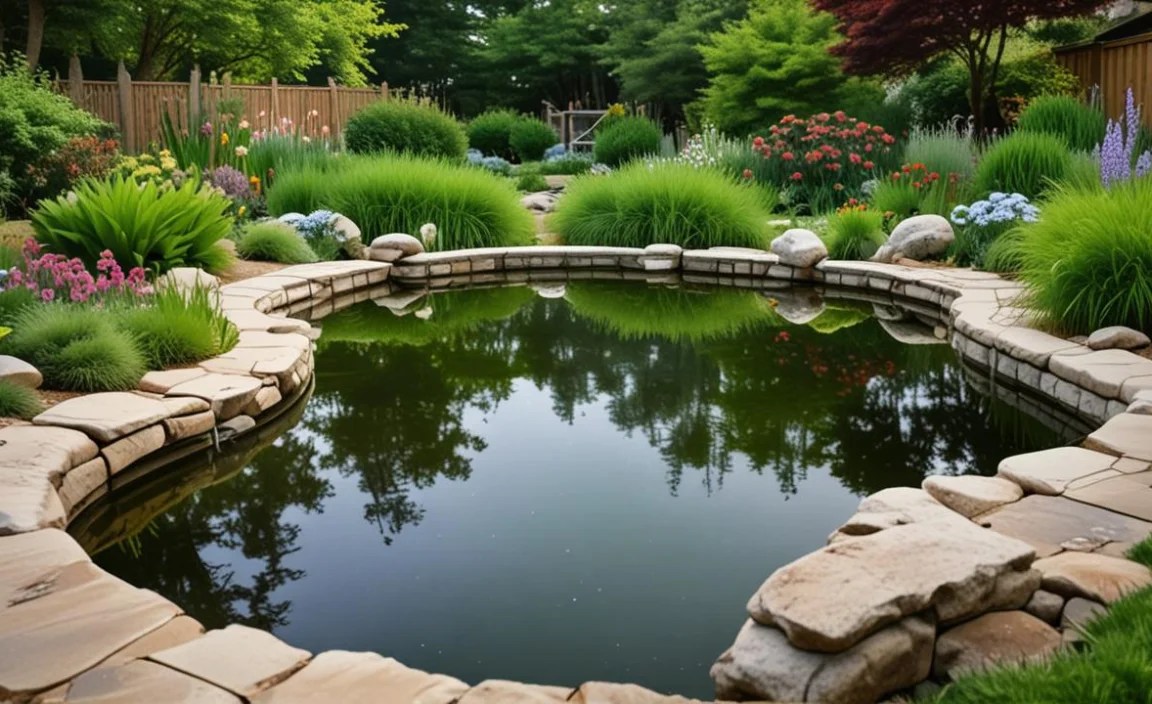
Installing the pond liner is a key step. First, dig the hole for your pond. Follow your planned shape and depth. Remove any rocks or roots. These could damage the liner. Add a layer of sand to the bottom. This protects the liner from punctures. Unfold the liner carefully. Place it loosely over the hole. Let the sun warm the liner. This makes it more flexible. Gently press the liner into place. Start filling the pond with water. The water will help the liner settle. Smooth out any wrinkles as you fill. Secure the edges of the liner with rocks or soil. Trim off any excess liner material. Now your pond is ready for water and plants. A well-installed liner ensures a watertight pond.
- Dig the pond to the correct shape and depth.
- Remove sharp objects from the hole.
- Add a layer of sand for protection.
- Carefully place the liner in the hole.
- Fill the pond with water to settle the liner.
- Secure the edges of the liner.
Think about how you will hide the edges of the liner. You can use rocks, gravel, or plants. Overlapping rocks create a natural look. Gravel provides a smooth transition. Plants soften the edges and add color. Consider using different sizes of rocks. Larger rocks can anchor the liner. Smaller rocks fill in the gaps. Choose plants that thrive in wet conditions. Marginal plants are perfect for the edges of the pond. These plants help blend the pond into the surrounding landscape. Hiding the liner makes the pond look more natural. It also protects the liner from sunlight. Sunlight can damage the liner over time. A well-hidden liner adds to the beauty of your pond.
Fun Fact or Stat: The largest garden pond in the world is located in Japan and covers over 7 acres!
Preparing the Pond Hole
Digging the pond hole takes time and effort. But it is very important. Mark the outline of the pond with rope or spray paint. This helps you stay on track. Start digging from the center. Work your way out to the edges. Create different depths for different plants. A shallow shelf is perfect for marginal plants. A deeper area is needed for fish. Remove any rocks, roots, or sharp objects. These could puncture the liner. Use a level to check the edges. Make sure they are even. This prevents water from overflowing. Compact the soil around the edges. This provides a stable base for the liner. A well-prepared hole makes liner installation easier.
Placing the Underlayment
What is underlayment? It is a protective layer between the soil and the liner. It protects the liner from punctures. You can use old carpet, newspaper, or special underlayment fabric. Cut the underlayment to fit the shape of the pond. Overlap the edges slightly. This ensures full coverage. Smooth out any wrinkles or folds. The underlayment should fit snugly against the soil. Secure it with rocks or soil. This prevents it from shifting. Underlayment adds an extra layer of protection. It extends the life of your pond liner. It is a small investment that makes a big difference.
Securing the Edges
How do you keep the liner in place? Securing the edges is important. It prevents the liner from slipping. It also creates a neat, finished look. Use rocks, gravel, or soil to hold down the edges. Overlap the liner onto the surrounding ground. Bury the edges slightly. This hides the liner and protects it from sunlight. Use different sizes of rocks for a natural look. Larger rocks can anchor the liner. Smaller rocks fill in the gaps. Plant marginal plants along the edges. Their roots help hold the soil in place. Secure edges make the pond look more natural. They also protect the liner from damage.
Choosing Plants for Your Pond

Plants add beauty and life to ponds for gardens. They also help keep the water clean. Different plants serve different purposes. Floating plants like water lilies provide shade. Submerged plants like eelgrass oxygenate the water. Marginal plants like cattails grow along the edges. They provide habitat for wildlife. Choose plants that are suitable for your climate. Native plants are often the best choice. They are adapted to local conditions. Consider the size of your pond. Large ponds can support more plants. Small ponds need smaller, less aggressive plants. Proper plant selection creates a healthy and beautiful pond ecosystem. Remember to research each plant’s needs before planting.
- Select plants that suit your climate.
- Choose a mix of floating, submerged, and marginal plants.
- Consider the size and depth of your pond.
- Use native plants whenever possible.
- Control aggressive plants to prevent overgrowth.
Think about the color and texture of your plants. Different plants offer different visual interest. Water lilies come in a variety of colors. Their large, round leaves provide shade. Eelgrass has long, ribbon-like leaves. It adds movement to the water. Cattails have tall, brown spikes. They provide a vertical accent. Consider the blooming season of your plants. Choose plants that bloom at different times. This ensures continuous color throughout the year. Plants not only beautify your pond. They also provide food and shelter for wildlife. They help maintain a healthy ecosystem. A well-planted pond is a thriving ecosystem.
Fun Fact or Stat: Water lilies can filter up to 50 gallons of water per day, helping to keep the pond clean!
Floating Plants
Floating plants are beautiful and useful. Water lilies are a classic choice. They provide shade for fish. They also help prevent algae growth. Water hyacinths are fast-growing. They can quickly cover the surface of the pond. Duckweed is a tiny floating plant. It provides food for fish. Floating plants help keep the water cool. They also provide habitat for insects. Be careful not to let floating plants overgrow. They can block sunlight. This can harm submerged plants. Thin them out regularly to keep them under control. Floating plants add beauty and function to your pond.
Submerged Plants
Submerged plants live entirely underwater. They are very important for oxygenating the water. Eelgrass is a popular choice. It is easy to grow and maintain. Anacharis is another good option. It is also known as Elodea. It helps keep the water clear. Hornwort is a fast-growing submerged plant. It provides shelter for small fish. Submerged plants help maintain a healthy pond ecosystem. They provide oxygen for fish and other aquatic life. They also help filter the water. Plant them in pots or directly in the pond bottom. Make sure they get enough sunlight. Submerged plants are essential for a healthy pond.
Marginal Plants
Marginal plants grow along the edges of the pond. They add beauty and provide habitat for wildlife. Cattails are a classic choice. They provide a vertical accent. Iris are available in many colors. They add a splash of color to the pond. Pickerel weed has attractive leaves and flowers. It attracts butterflies and other pollinators. Marginal plants help blend the pond into the surrounding landscape. They also provide shelter for frogs and other amphibians. Plant them in shallow water or moist soil. Make sure they get enough sunlight. Marginal plants add beauty and function to your pond.
Adding Fish to Your Garden Pond

Fish add life and movement to ponds for gardens. They also help control algae and insects. Goldfish are a popular choice. They are easy to care for and come in many colors. Koi are larger and more colorful. They require more space and care. Choose fish that are suitable for your climate. Some fish cannot survive cold winters. Consider the size of your pond. Small ponds can only support a few small fish. Large ponds can support more fish. Provide shelter for your fish. Rocks, plants, and caves provide hiding places. Feed your fish regularly. But do not overfeed them. Overfeeding can pollute the water. Proper fish selection and care create a healthy and vibrant pond.
- Choose fish that suit your climate.
- Consider the size of your pond.
- Provide shelter for the fish.
- Feed the fish regularly but avoid overfeeding.
- Monitor water quality to ensure fish health.
Think about the compatibility of different fish species. Some fish are predators. They may eat smaller fish. Goldfish and koi are generally peaceful. But they may compete for food. Consider the water temperature of your pond. Some fish prefer warmer water. Others prefer cooler water. Research the specific needs of each fish species. This ensures they will thrive in your pond. Introduce new fish slowly. This allows them to adjust to the water conditions. Observe your fish regularly. Look for signs of illness or stress. Healthy fish are active and colorful. Sick fish may be lethargic or have unusual markings. Proper fish care keeps your pond healthy and beautiful.
Fun Fact or Stat: Koi fish can live for over 200 years with proper care!
Choosing the Right Species
What kind of fish should you choose? Goldfish are a great choice for beginners. They are hardy and easy to care for. Koi are more demanding. They require a larger pond and better filtration. Shubunkins are another popular option. They are similar to goldfish but have different colors and patterns. Consider the size of your pond. Goldfish and shubunkins are good for smaller ponds. Koi need larger ponds. Research the specific needs of each species. This ensures they will thrive in your pond. Choose fish that you find attractive and enjoyable to watch.
Providing Shelter
Fish need shelter to feel safe and secure. Rocks, plants, and caves provide hiding places. These hiding places protect them from predators. They also provide shade from the sun. Use different sizes of rocks to create caves and crevices. Plant submerged plants to provide cover. Water lilies provide shade on the surface. Shelters reduce stress for fish. They also create a more natural environment. Make sure the shelters are safe. Avoid sharp edges or loose rocks. Provide plenty of shelter for your fish to thrive.
Feeding Your Fish
Fish need food to stay healthy and active. Feed them a balanced diet. Use commercial fish food. This food provides the nutrients they need. Feed them once or twice a day. Only give them as much food as they can eat in a few minutes. Overfeeding can pollute the water. Remove any uneaten food. This prevents it from decaying. Supplement their diet with natural foods. Algae, insects, and small plants are good options. Vary their diet to keep them healthy. Healthy fish are more resistant to disease. They also grow faster and live longer.
Maintaining Your Garden Pond

Regular maintenance is key to a healthy pond. Ponds for gardens need regular care. Clean the pond regularly. Remove debris, leaves, and algae. Use a net to scoop out debris. Use a pond vacuum to clean the bottom. Test the water quality regularly. Check the pH, ammonia, and nitrite levels. Adjust the water chemistry as needed. Change the water periodically. This helps remove pollutants. Add fresh water to replenish the pond. Trim plants regularly. Remove dead leaves and stems. Control algae growth. Use algae control products if needed. Proper maintenance keeps your pond clean and healthy. It also prevents problems before they start. A well-maintained pond is a joy to behold.
| Maintenance Task | Frequency | Purpose |
|---|---|---|
| Remove Debris | Weekly | Keeps water clean and clear |
| Test Water Quality | Monthly | Ensures a healthy environment for fish and plants |
| Trim Plants | As needed | Controls growth and prevents overgrowth |
| Check Equipment | Monthly | Ensure pumps, filters, and aerators are functioning correctly |
| Partial Water Change | Monthly | Removes pollutants and adds fresh water |
- Remove debris regularly.
- Test water quality monthly.
- Trim plants as needed.
- Control algae growth.
- Change the water periodically.
Think about how you will handle winter. In cold climates, ponds can freeze. This can harm fish and plants. Use a pond heater to keep a small area of the water open. This allows gases to escape. Remove dead leaves and debris before winter. This prevents them from decaying under the ice. Lower the water level slightly. This allows for expansion if the water freezes. Consider moving sensitive plants indoors. These plants will not survive the winter outdoors. Proper winterization protects your pond. It ensures it will thrive again in the spring. A little preparation goes a long way.
Fun Fact or Stat: A well-maintained pond can increase your property value by up to 15%!
Removing Debris
Removing debris is a simple but important task. Leaves, twigs, and other debris can pollute the water. Use a net to scoop out debris from the surface. Use a pond vacuum to clean the bottom. Remove debris regularly. This keeps the water clean and clear. It also prevents algae growth. Decomposing debris releases harmful chemicals. These chemicals can harm fish and plants. Regular debris removal is essential for a healthy pond. It keeps your pond looking its best. A clean pond is a beautiful pond.
Testing Water Quality
Testing the water quality is important for the health of your pond. Use a test kit to check the pH, ammonia, and nitrite levels. These levels affect the health of fish and plants. The pH should be between 6.5 and 8.5. Ammonia and nitrite levels should be zero. High levels of ammonia and nitrite are toxic to fish. Adjust the water chemistry as needed. Use water conditioners to adjust the pH. Use biological filters to remove ammonia and nitrite. Test the water regularly. This helps you catch problems early. Healthy water is essential for a healthy pond.
Controlling Algae Growth
Algae growth can be a problem in ponds for gardens. Algae can turn the water green and cloudy. It can also deplete oxygen levels. Use algae control products to kill algae. Barley straw is a natural algae control method. It releases chemicals that inhibit algae growth. Use a UV sterilizer to kill algae. UV sterilizers use ultraviolet light to kill algae cells. Control algae growth with regular maintenance. Remove debris and excess nutrients. This helps prevent algae from growing. A clean pond is less likely to have algae problems. Control algae to keep your pond clear and healthy.
Troubleshooting Common Pond Problems
Even with careful planning, problems can arise. Ponds for gardens can experience issues. Algae blooms are a common problem. Green water indicates excessive algae. Poor water quality can harm fish and plants. Cloudy water can be caused by sediment or bacteria. Leaks can cause the water level to drop. Predator problems can threaten fish. Herons, raccoons, and cats may prey on your fish. Identify the problem quickly. Take action to solve it. Regular maintenance helps prevent many problems. A little attention can keep your pond healthy and beautiful. Don’t be afraid to seek advice from pond experts.
- Identify problems quickly.
- Take action to solve the issue.
- Seek advice from pond experts if needed.
- Address algae blooms with appropriate treatments.
- Protect fish from predators.
Think about how you will prevent future problems. Regular maintenance is the best prevention. Remove debris, test water quality, and trim plants regularly. Use a pond liner to prevent leaks. Install a fence to protect fish from predators. Use algae control products to prevent algae blooms. Monitor your pond regularly. Look for signs of trouble. Early detection is key to solving problems. Keep a record of your pond’s history. This helps you identify patterns and trends. A well-maintained pond is less likely to experience problems. Prevention is always better than cure.
Fun Fact or Stat: Adding beneficial bacteria to your pond can help reduce algae growth and improve water clarity!
Dealing with Algae Blooms
Algae blooms can quickly turn a beautiful pond into a green mess. They happen when there are too many nutrients in the water. Sunlight and warm temperatures make it worse. Use algae control products to kill the algae. Barley straw can help prevent algae growth. Add more plants to compete with the algae for nutrients. Clean the pond regularly to remove debris and excess nutrients. A UV sterilizer can kill algae cells. Algae blooms are unsightly and can harm fish. Take action quickly to control them. A healthy pond is free of excessive algae.
Fixing Leaks
Leaks can cause the water level in your pond to drop. Find the leak and repair it. Check the liner for punctures or tears. Repair small holes with a patch kit. Replace the liner if it is badly damaged. Check the edges of the pond. Make sure the liner is properly secured. Check the plumbing for leaks. Repair any leaking pipes or fittings. Leaks can waste water and harm fish. Fix them quickly to prevent further damage. A watertight pond is essential for a healthy ecosystem.
Protecting from Predators
Predators can pose a threat to fish in ponds for gardens. Herons, raccoons, and cats may prey on your fish. Install a fence around the pond to keep predators out. Use netting to cover the pond. This prevents birds from catching fish. Provide shelter for fish. Rocks, plants, and caves provide hiding places. Scare predators away with motion-activated sprinklers. Predators can quickly decimate your fish population. Take steps to protect your fish. A safe pond is a happy pond.
Summary
Ponds for gardens bring nature to your backyard. Planning is key to a successful pond. Choose the right size, location, and liner. Plants add beauty and help keep the water clean. Fish add life and movement. Regular maintenance is essential for a healthy pond. Remove debris, test water quality, and control algae. Troubleshoot problems quickly and effectively. A well-planned and maintained pond is a joy to behold. It provides a peaceful escape and attracts wildlife. Enjoy the beauty and tranquility of your own backyard oasis.
Conclusion
Creating ponds for gardens is a rewarding experience. They add beauty and attract wildlife. Careful planning and regular maintenance are important. Choose the right plants and fish. Address problems quickly. Enjoy the tranquility and natural charm of your pond. It will be a beautiful addition to your garden for years to come.
Frequently Asked Questions
Question No 1: How big should my garden pond be?
Answer: The size of your pond depends on your yard and what you want. A small pond can be a few feet across. It can hold a few small fish and plants. A larger pond can be many feet across. It can hold more fish and plants. It can also become a focal point in your garden. Consider the space you have available. Also consider the amount of maintenance you are willing to do. Larger ponds require more maintenance. Choose a size that fits your needs and your budget. Ponds for gardens come in many sizes.
Question No 2: What kind of liner should I use for my pond?
Answer: There are two main types of pond liners: pre-formed and flexible. Pre-formed liners are easy to install. They come in standard shapes and sizes. Flexible liners let you create custom shapes. They are made of rubber or plastic. Choose a liner that is safe for fish and plants. Consider the thickness of the liner. Thicker liners are more durable. They are less likely to tear. Flexible liners are good for creating natural-looking ponds for gardens. Pre-formed liners are good for smaller, more formal ponds.
Question No 3: How do I keep my pond water clean?
Answer: Keeping your pond water clean requires regular maintenance. Remove debris regularly. Use a net to scoop out leaves and twigs. Use a pond vacuum to clean the bottom. Test the water quality monthly. Check the pH, ammonia, and nitrite levels. Trim plants as needed. Remove dead leaves and stems. Control algae growth. Use algae control products if needed. Change the water periodically. This helps remove pollutants. Ponds for gardens need clean water to thrive.
Question No 4: What kind of fish can I put in my pond?
Answer: Goldfish are a popular choice for garden ponds. They are easy to care for and come in many colors. Koi are larger and more colorful. They require more space and care. Shubunkins are another good option. They are similar to goldfish but have different colors and patterns. Choose fish that are suitable for your climate. Some fish cannot survive cold winters. Consider the size of your pond. Small ponds can only support a few small fish. Large ponds can support more fish. Be sure to research the needs of different kinds of fish before adding them to your ponds for gardens.
Question No 5: How do I protect my fish from predators?
Answer: Predators can pose a threat to fish in garden ponds. Herons, raccoons, and cats may prey on your fish. Install a fence around the pond to keep predators out. Use netting to cover the pond. This prevents birds from catching fish. Provide shelter for fish. Rocks, plants, and caves provide hiding places. Scare predators away with motion-activated sprinklers. These can keep your fish safe. Protecting your fish is important for enjoying ponds for gardens.
Question No 6: What do I do with my pond in the winter?
Answer: In cold climates, ponds can freeze. This can harm fish and plants. Use a pond heater to keep a small area of the water open. This allows gases to escape. Remove dead leaves and debris before winter. This prevents them from decaying under the ice. Lower the water level slightly. This allows for expansion if the water freezes. Consider moving sensitive plants indoors. These plants will not survive the winter outdoors. Winterizing your pond is important. This protects your ponds for gardens from damage.
