Do you like growing plants? Have you ever tried growing them in pots? To grow plants in pots, you need the right soil. This special soil is called potting mix for container gardening. It helps your plants grow big and strong!
Key Takeaways
- Choosing the right potting mix for container gardening ensures healthy plant growth.
- Good potting mix drains well and gives roots the air they need.
- You should avoid using garden soil in containers, as it compacts too much.
- Look for mixes with peat moss, coconut coir, and perlite.
- Always water your containers properly after planting.

Understanding Potting Mix For Container Gardening
Potting mix for container gardening is not just regular dirt. It is a special blend of materials. These materials help plants grow well in pots. Regular garden soil can become hard and packed in containers. This makes it difficult for roots to grow. It also stops water from draining properly. Potting mix is lighter and fluffier than garden soil. It allows air and water to reach the roots. This helps plants stay healthy. The right mix helps your plants thrive. It is important to choose the correct one for your container garden. It can make a big difference in how your plants grow.
- Potting mix is lighter than garden soil.
- It helps with drainage in containers.
- It provides air for the roots.
- Good potting mix has nutrients for plants.
- It keeps the soil from getting too hard.
Imagine you are building a house for your plants. The potting mix is like the foundation. A good foundation is important for a strong house. The right potting mix gives your plants a good start. It helps them grow strong and healthy. Think about the vegetables, flowers, and herbs you can grow. Choosing the correct mix makes all the difference. It helps your plants get the water, air, and food they need. This is what makes container gardening fun and easy. It sets your plants up for success. It is the first and most important step.
Fun Fact or Stat: Did you know that some potting mixes contain special ingredients that help plants fight off diseases?
Why Can’t You Use Garden Soil?
Have you ever wondered why you can’t just use garden soil in pots? Garden soil is great for plants in the ground. But it is not the best choice for containers. Garden soil can get very hard and compact in a pot. When soil compacts, it squeezes out the air. Plant roots need air to breathe, just like us! Compacted soil also stops water from draining. This can cause the roots to rot. Potting mix is designed to stay loose and airy. It lets the roots get the air and water they need. This is why it is important to use potting mix for container gardening.
What is Potting Mix Made Of?
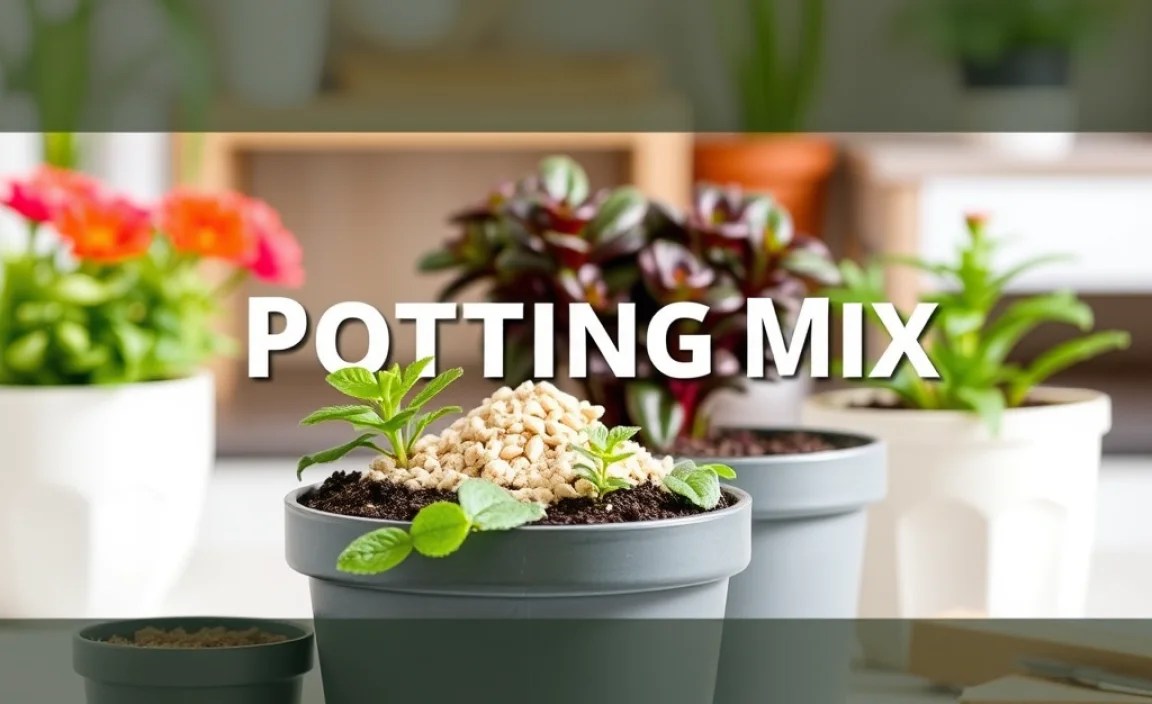
Potting mix is made of different things that help plants grow. These things can include peat moss, coconut coir, and perlite. Peat moss is like spongy material that holds water. Coconut coir is made from coconut husks. It also holds water and air. Perlite looks like tiny white rocks. It helps to keep the potting mix loose. Some mixes also have vermiculite. Vermiculite helps to hold water and nutrients. All these things work together to make a great home for your plant’s roots. They help your plants grow big and strong. Knowing what is in your potting mix helps you choose the best one.
How Does Potting Mix Help Plants?
Potting mix helps plants in many ways. It provides a place for the roots to grow. It holds water so the roots can drink. It also lets air get to the roots. Potting mix can also have nutrients in it. These nutrients are like food for the plants. They help the plants grow big and strong. Without the right potting mix, plants can struggle. Their roots might not get enough air or water. They might not get enough food. This is why choosing the right potting mix for container gardening is so important. It gives your plants the best chance to thrive.

Choosing The Right Potting Mix
Picking the right potting mix is key to a successful container garden. Different plants have different needs. Some plants like soil that holds a lot of water. Others like soil that drains quickly. Think about what you are growing. Are you growing flowers, vegetables, or herbs? Some mixes are made for specific plants. For example, there are mixes for tomatoes and mixes for succulents. Read the labels carefully. The label will tell you what the mix is best for. Choosing the right potting mix will help your plants grow their best. It is like giving them the perfect home.
- Consider the type of plants you are growing.
- Read the labels on the potting mix bags.
- Look for mixes made for specific plants.
- Think about how much water the plants need.
- Choose a mix that drains well.
Imagine you are shopping for a new pet. You would want to get the right food for that pet. Plants are the same way. They need the right kind of potting mix. Some plants like things that are a little bit acidic. These plants might do well in a mix with peat moss. Other plants do not like acidic soil. They might prefer a mix with coconut coir. It is important to think about what your plants need. This will help you choose the best potting mix for container gardening. A little research goes a long way.
Fun Fact or Stat: Some potting mixes are designed to slowly release fertilizer over several months!
What About Organic Potting Mix?
Have you heard of organic potting mix? Organic means that the mix is made from natural materials. It does not have any artificial chemicals. Many gardeners like to use organic potting mix. It is a good choice if you want to grow plants in a natural way. Organic mixes can be made from things like compost, worm castings, and aged manure. These things are good for plants. They provide nutrients and help the soil. If you are growing vegetables, organic potting mix is a great choice. It helps you grow healthy and tasty food.
How Do I Know If a Mix is Good Quality?
It can be hard to tell if a potting mix is good quality just by looking at it. But there are some things you can check. A good mix should be loose and fluffy. It should not be hard or compacted. It should also smell earthy and fresh. If the mix smells bad, it might not be good. Look for mixes that have a good mix of ingredients. Peat moss, coconut coir, and perlite are all good signs. Reading reviews online can also help. See what other gardeners say about different mixes. This can help you choose a good quality potting mix.
Can I Make My Own Potting Mix?
Yes, you can make your own potting mix! This can be a fun and easy way to save money. It also lets you control what goes into your mix. A simple recipe is to mix equal parts of peat moss, perlite, and compost. You can also add other things like vermiculite or worm castings. Experiment to find a mix that works well for your plants. Making your own potting mix can be a rewarding experience. You will know exactly what is in your soil. Your plants will thank you for the extra care.

Ingredients In Potting Mix Explained
Potting mix has different ingredients that help plants grow. Each ingredient does something special. Peat moss holds water. Coconut coir is another option that also holds water well. Perlite makes the mix light and airy. Vermiculite also holds water and nutrients. Compost adds nutrients to the soil. Some mixes have fertilizer added. Knowing what each ingredient does helps you choose the right mix. It also helps you understand why potting mix is so important. Each part plays a role in helping your plants thrive in containers.
- Peat moss holds water for the plants.
- Coconut coir is a sustainable alternative.
- Perlite improves drainage and aeration.
- Vermiculite helps retain water and nutrients.
- Compost adds organic matter and nutrients.
- Fertilizer provides extra food for plants.
Imagine you are making a cake. Each ingredient has a special job. Flour gives the cake structure. Sugar makes it sweet. Eggs help to bind everything together. Potting mix is similar. Each ingredient has a special job to do. Peat moss helps to hold water. Perlite keeps the mix loose. Compost adds nutrients. All these ingredients work together to make a great home for your plants. Understanding the ingredients helps you appreciate the importance of potting mix for container gardening.
Fun Fact or Stat: Coconut coir is made from the outer husk of coconuts and is a renewable resource!
What is Peat Moss?
Peat moss is a common ingredient in potting mix. It is made from dead plants that have been compressed. Peat moss holds a lot of water. It also helps to keep the potting mix loose. Some people are worried about using peat moss. This is because it takes a long time to grow back. Coconut coir is a good alternative to peat moss. It does the same job but is more sustainable. Peat moss is still used in many potting mixes. It is a good choice if you want a mix that holds water well.
What is Coconut Coir?
Coconut coir is made from the husks of coconuts. It is a popular alternative to peat moss. Coconut coir holds water and air. It also helps to keep the potting mix loose. Coconut coir is a renewable resource. This means it grows back more quickly than peat moss. It is a good choice if you are worried about the environment. Coconut coir can also help to improve drainage. It is a versatile ingredient that works well in potting mix. Many gardeners prefer it over peat moss.
What is Perlite and Vermiculite?
Perlite and vermiculite are both minerals that are used in potting mix. Perlite looks like tiny white rocks. It helps to keep the potting mix loose and airy. Vermiculite looks like small flakes. It helps to hold water and nutrients. Both perlite and vermiculite are good for plants. They help to create a healthy environment for the roots. They are often used together in potting mix. They each have their own special job to do. They are important ingredients for container gardening.

Potting Mix Vs. Garden Soil: Key Differences
Potting mix and garden soil are not the same thing. Garden soil comes from the ground. Potting mix is made of different materials. Garden soil can get hard and compact in pots. Potting mix stays loose and airy. Garden soil might have bugs or diseases. Potting mix is usually sterile. This means it does not have bugs or diseases. It is important to use potting mix for container gardening. It gives your plants the best chance to grow.
| Feature | Potting Mix | Garden Soil |
|---|---|---|
| Weight | Lightweight | Heavy |
| Drainage | Excellent | Poor |
| Compaction | Resists compaction | Compact easily |
| Sterility | Sterile | May contain pests/diseases |
| Ingredients | Peat, coir, perlite, vermiculite | Clay, silt, sand |
Imagine you are building a playground. You would not use hard rocks for the ground. You would use soft materials like mulch or rubber. This is because you want to keep the children safe. Potting mix is like the soft ground for your plants. It is designed to be gentle on the roots. Garden soil is like hard rocks. It can hurt the roots and make it hard for them to grow. Choosing the right potting mix is like creating a safe and fun playground for your plants.
Fun Fact or Stat: A single cubic foot of potting mix can weigh as little as 5 pounds, while garden soil can weigh over 75 pounds!
Why is Drainage Important?
Drainage is very important for plants in containers. If the soil does not drain well, the roots can rot. Roots need air to breathe. If they are sitting in water, they cannot get air. This can cause them to die. Potting mix is designed to drain well. This helps to keep the roots healthy. Good drainage also helps to prevent diseases. It is important to choose a potting mix that drains well. This will help your plants thrive. Always check to see how well the potting mix drains before you use it.
What About Pests and Diseases?
Garden soil can sometimes have pests or diseases in it. These pests and diseases can hurt your plants. Potting mix is usually sterile. This means it does not have pests or diseases. This is one reason why it is better to use potting mix for container gardening. You do not have to worry about these problems. It helps to keep your plants healthy and strong. Using sterile potting mix is like giving your plants a clean start. It protects them from harm.
How Does Soil Compaction Affect Plants?
Soil compaction happens when the soil gets squeezed together. This makes it hard for air and water to move through the soil. Plant roots need air and water to grow. If the soil is compacted, they cannot get what they need. This can cause the plants to die. Potting mix is designed to resist compaction. It stays loose and airy, even when it is wet. This helps the roots get the air and water they need. It is important to choose a potting mix that does not compact easily.
How To Use Potting Mix For Best Results
Using potting mix correctly is important for healthy plants. First, choose the right mix for your plants. Then, fill your container with the mix. Do not pack the mix down too hard. Leave some space at the top of the container. This makes it easier to water. Plant your plants in the mix. Water them well after planting. Make sure the water drains out of the bottom of the container. Keep the potting mix moist, but not too wet. This will help your plants grow strong and healthy.
- Choose the right potting mix for your plants.
- Fill the container loosely with the mix.
- Leave some space at the top for watering.
- Water the plants well after planting.
- Keep the potting mix moist, but not wet.
Imagine you are making a sandwich. You would not just throw all the ingredients together. You would carefully layer them to make a delicious sandwich. Using potting mix is similar. You need to prepare the container and the mix. Then, you carefully plant your plants. This will help them grow strong and healthy. Taking the time to use potting mix correctly will make a big difference in your container garden. It is worth the effort.
Fun Fact or Stat: Plants grown in the correct potting mix can grow up to 50% faster than those in regular soil!
How Often Should I Water?
How often you need to water depends on a few things. The type of plant, the weather, and the potting mix all matter. Check the potting mix before you water. If it feels dry to the touch, it is time to water. If it feels wet, wait a day or two. Water deeply, until the water drains out of the bottom of the container. Avoid watering the leaves of the plants. This can cause diseases. Watering correctly will help your plants thrive. It is important to find the right balance.
Do I Need To Add Fertilizer?
Yes, you will probably need to add fertilizer to your container garden. Potting mix does not have a lot of nutrients in it. Plants need nutrients to grow. You can use a liquid fertilizer or a slow-release fertilizer. Liquid fertilizer needs to be added more often. Slow-release fertilizer lasts longer. Follow the instructions on the fertilizer package. Do not add too much fertilizer. This can hurt your plants. Adding fertilizer will help your plants grow big and strong. It is an important part of container gardening.
How Do I Know If My Plant Needs More Potting Mix?
Sometimes, you might need to add more potting mix to your container. If the potting mix has sunk down in the container, it is time to add more. If the roots of the plant are showing, it is also time to add more. Gently add more potting mix to the top of the container. Be careful not to damage the plant. Adding more potting mix will give the roots more room to grow. It will also provide more nutrients. It is a simple way to keep your plants healthy.
Common Mistakes With Potting Mix
Using the wrong potting mix is a common mistake. Regular garden soil is not the best choice. It can get hard and compact in containers. Overwatering is another common mistake. This can cause the roots to rot. Not adding enough fertilizer is also a mistake. Plants need nutrients to grow. Using old or contaminated potting mix can cause problems. Always use fresh, clean potting mix. Avoiding these mistakes will help your plants thrive.
- Using garden soil instead of potting mix.
- Overwatering the plants in containers.
- Not adding enough fertilizer for growth.
- Reusing old or contaminated potting mix.
- Packing the potting mix too tightly.
Imagine you are baking cookies. You would not use the wrong ingredients. You would not bake them for too long. You would follow the recipe carefully. Using potting mix is similar. You need to use the right mix and water carefully. You need to add fertilizer and avoid old mix. Following these tips will help you grow healthy plants. Avoiding common mistakes will make your container garden a success.
Fun Fact or Stat: Overwatering is the number one cause of plant death in container gardens!
What Happens If I Overwater?
Overwatering can be very bad for plants. When the soil is too wet, the roots cannot get air. This can cause them to rot. Signs of overwatering include yellow leaves and wilting. If you think you have overwatered, stop watering for a few days. Let the potting mix dry out. Make sure your container has good drainage. This will help to prevent overwatering. It is better to underwater than to overwater.
Why Is Old Potting Mix Bad?
Old potting mix can have problems. It might have pests or diseases in it. It might also have lost its nutrients. The structure of the mix might have broken down. This can make it hard for the roots to get air and water. It is best to use fresh potting mix each year. This will help to prevent problems. Using old potting mix is like using old food. It might not be good for you.
What If I Pack The Mix Too Tightly?
Packing the potting mix too tightly can cause problems. It can make it hard for the roots to grow. It can also stop water from draining properly. Fill the container loosely with potting mix. Do not press it down too hard. This will help the roots get the air and water they need. Loose potting mix is like a soft bed for the roots. It gives them room to grow and breathe.
Summary
Potting mix for container gardening is a special blend. It helps plants grow well in pots. It is different from regular garden soil. Potting mix is lighter and fluffier. It drains better and provides air for the roots. Choosing the right mix is important. Consider the type of plants you are growing. Look for mixes with peat moss, coconut coir, and perlite. Use the potting mix correctly by filling the container loosely. Water well and add fertilizer. Avoid common mistakes like overwatering and using old mix. By following these tips, you can have a successful container garden.
Conclusion
Choosing the right potting mix for container gardening is key to success. It ensures your plants get the nutrients, water, and air they need. Using the correct mix helps avoid problems like root rot and soil compaction. Remember to water and fertilize properly. Your plants will thrive with the right care. Enjoy your beautiful and healthy container garden.
Frequently Asked Questions
Question No 1: What is the difference between potting soil and potting mix?
Answer: Potting soil is a general term. People often use it to describe the medium used in containers. Potting mix is a specific blend of ingredients. These ingredients usually include peat moss, perlite, and vermiculite. It does not contain actual soil. Potting mix is designed to provide good drainage. It also provides aeration for plant roots. It is lighter than garden soil. This makes it ideal for container gardening. So, while the terms are often used interchangeably, remember that potting mix is a soilless medium that promotes healthy root growth in containers.
Question No 2: Can I reuse potting mix from last year?
Answer: It is generally not recommended to reuse potting mix from last year. Old potting mix can lose its nutrients. It may also contain pests or diseases. If you must reuse it, remove any old plant material first. Then, mix it with fresh potting mix. Add some fertilizer to replenish the nutrients. However, for best results, it is always better to use fresh potting mix for container gardening each year. This ensures your plants have the best possible start and reduces the risk of problems.
Question No 3: How do I know if I am using the right potting mix?
Answer: You will know if you are using the right potting mix if your plants are thriving. They should have healthy green leaves. They should also have strong stems and good growth. If your plants are struggling, it could be a sign that the potting mix is not right. Check the drainage. Make sure the mix is not too wet or too dry. Consider the specific needs of your plants. Some plants need a mix that drains quickly. Others need a mix that holds more water. Choose a potting mix for container gardening that matches your plant’s needs.
Question No 4: What are some signs of poor potting mix quality?
Answer: There are several signs that indicate poor potting mix quality. If the mix is very heavy and does not drain well, it is likely poor quality. Another sign is if the mix is compacted and hard. Good potting mix should be light and fluffy. It should also have a pleasant, earthy smell. If the mix smells bad or contains a lot of debris, it is probably not a good choice. Always inspect the potting mix before using it to ensure it is of good quality for your plants.
Question No 5: Can I add garden compost to my potting mix?
Answer: Yes, you can add garden compost to your potting mix. Compost is a great way to add nutrients to the soil. It also helps to improve drainage and aeration. However, it is important to use well-rotted compost. Fresh compost can be too strong and can burn the roots of your plants. Mix the compost with the potting mix before planting. A good ratio is about one part compost to three parts potting mix. This will give your plants a boost of nutrients and help them grow strong.
Question No 6: How important is pH level in potting mix?
Answer: The pH level in potting mix is very important for plant health. pH measures how acidic or alkaline the soil is. Most plants prefer a slightly acidic pH, around 6.0 to 7.0. If the pH is too high or too low, plants cannot absorb nutrients properly. You can test the pH of your potting mix with a soil test kit. If the pH is too high, you can add sulfur to lower it. If it is too low, you can add lime to raise it. Maintaining the correct pH level is essential for healthy plant growth in potting mix for container gardening.
