Have you ever felt cold inside your house? Maybe your heater stopped working. Or perhaps you want to heat one room without heating the whole house. A propane heater indoor could be a good idea. But, are they safe? Let’s learn more about using them safely.
Many people use heaters to stay warm. Some heaters use electricity. Others use gas. A propane heater indoor uses propane gas to make heat. It is important to know how they work. It’s also important to use them safely.
Propane heaters can be very helpful. They can keep you warm when it is cold. But you need to be careful. Using them the right way keeps you and your family safe. Let’s explore how to use a propane heater indoor safely.
Key Takeaways
- Always have a working carbon monoxide detector when using a propane heater indoor.
- Make sure the propane heater indoor has enough space around it for safety.
- Never leave a propane heater indoor unattended, especially around children.
- Regularly check the heater for leaks or damage to ensure it is safe to use.
- Propane heaters are best for emergencies and not for regular, everyday heating.
Understanding Propane Heaters for Indoors

A propane heater indoor is a device that burns propane gas to generate heat. These heaters are often used in places where central heating is not available or not sufficient. They are portable and can quickly warm up a room. However, it is very important to understand how they work and what safety measures to take. Propane heaters come in different sizes and types. Some are small and designed for personal use. Others are larger and can heat bigger spaces. Regardless of the size, all propane heaters need to be used with caution. They produce carbon monoxide, a dangerous gas. Proper ventilation is key to safe operation. Make sure you know the heater’s instructions. This will help you use it safely and effectively. Always follow the manufacturer’s guidelines.
- Propane heaters burn propane gas to create heat.
- They are portable and can heat rooms quickly.
- Different sizes are available for different needs.
- Carbon monoxide is a risk, so ventilation is needed.
- Always follow the manufacturer’s instructions carefully.
Using a propane heater indoor safely means understanding the risks. Carbon monoxide is a colorless, odorless gas that can be deadly. It is produced when propane burns without enough oxygen. Symptoms of carbon monoxide poisoning include headaches, dizziness, and nausea. If you experience these symptoms, get fresh air immediately and seek medical attention. Proper ventilation helps prevent carbon monoxide buildup. Make sure there is enough fresh air in the room when using a propane heater. Never use a propane heater in a sealed room or confined space. Regular maintenance is also important. Check the heater for leaks or damage. Clean the heater regularly to ensure it works properly. By following these safety tips, you can use a propane heater indoors safely.
Fun Fact or Stat: Carbon monoxide detectors can save lives by alerting you to dangerous levels of the gas in your home!
How Does a Propane Heater Work?
Have you ever wondered how a propane heater indoor makes heat? It all starts with propane gas. The propane is stored in a tank. When you turn on the heater, the gas flows to a burner. The burner mixes the propane with air. A spark ignites the mixture. This creates a flame. The flame heats a metal surface. This surface then radiates heat into the room. Some heaters have a fan. The fan blows the heat around the room. This helps to spread the warmth evenly. It’s like a mini furnace just for one room. But remember, propane heaters need air to burn safely. Always make sure there is enough fresh air in the room.
What Are the Different Types of Propane Heaters?
Did you know there are different kinds of propane heater indoor? Some are small and portable. These are good for heating a small area. Others are bigger and can heat a larger room. Some heaters have a built-in fan. The fan helps to circulate the heat. Some heaters have safety features. These features can shut off the heater if it tips over. There are also vent-free propane heaters. These heaters don’t need a vent to the outside. However, they still need good ventilation. Always choose a heater that fits your needs. Make sure it has safety features. And always follow the instructions. This will help you stay safe and warm.
Why Is Ventilation Important?
Imagine you are in a car with all the windows closed. Now imagine the car is filling up with smoke. You would need to open a window, right? Ventilation is like opening a window for your propane heater indoor. When a propane heater burns propane, it uses oxygen. It also makes carbon monoxide. If there is not enough fresh air, the carbon monoxide can build up. This can be very dangerous. Ventilation helps to bring in fresh air. It also helps to remove the carbon monoxide. Always make sure there is enough fresh air. Open a window or door a little bit. This will help keep you safe. Think of it as giving your heater a breath of fresh air.
Choosing the Right Propane Heater for Your Needs

Choosing the right propane heater indoor is important for safety and comfort. First, think about the size of the room you want to heat. A small heater might be enough for a small bedroom. A larger room, like a living room, will need a bigger heater. Next, consider the features you need. Some heaters have adjustable heat settings. This lets you control how much heat you want. Some heaters have a built-in fan. This helps to spread the heat evenly. Safety features are also important. Look for heaters with a tip-over switch. This will shut off the heater if it falls over. Also, check for an oxygen depletion sensor. This will shut off the heater if the oxygen level in the room gets too low. Reading reviews can help you choose a good heater. Look for heaters with good safety ratings. Make sure to buy from a trusted store.
- Consider the size of the room you want to heat.
- Look for adjustable heat settings for comfort.
- A built-in fan can help spread the heat evenly.
- Safety features like a tip-over switch are key.
- Read reviews to find a heater with good safety ratings.
When choosing a propane heater indoor, think about how often you will use it. If you only need it for emergencies, a basic model might be fine. If you plan to use it regularly, invest in a higher-quality heater. Consider the cost of propane. Propane prices can vary. Check the price before you buy a heater. Think about where you will store the propane tank. It should be in a safe place, away from heat and flames. Make sure it is easy to access when you need to refill it. Always follow the manufacturer’s instructions for storing propane. By considering these factors, you can choose the right propane heater for your needs. You’ll stay warm and safe.
Fun Fact or Stat: Some propane heaters can heat a room for over 20 hours on a single tank of propane!
What Size Heater Do I Need?
Have you ever tried to wear shoes that are too big or too small? It’s not comfortable, right? The same goes for a propane heater indoor. If the heater is too small, it won’t heat the room enough. If it’s too big, it might overheat the room. To find the right size, you need to know the room’s square footage. Multiply the length of the room by the width. This will give you the square footage. Then, check the heater’s specifications. The specifications will tell you how many square feet the heater can heat. Choose a heater that matches the size of your room. This will help you stay comfortable.
What Safety Features Should I Look For?
Imagine you’re riding a bike. You would want to wear a helmet, right? Safety features on a propane heater indoor are like a helmet. They protect you. Look for heaters with a tip-over switch. This will shut off the heater if it falls over. Also, check for an oxygen depletion sensor. This will shut off the heater if the oxygen level gets too low. Some heaters have a carbon monoxide detector. This will alert you if there is too much carbon monoxide in the room. These features can help keep you safe. Always check for these features before you buy a heater. It’s like wearing a helmet for your heater.
Where Should I Store the Propane Tank?
Think of a propane tank like a balloon filled with a special gas. You wouldn’t want to keep it near a hot stove, would you? The same is true for a propane heater indoor tank. Store it in a cool, dry place. Keep it away from heat sources like furnaces or fireplaces. Make sure it is in a well-ventilated area. Never store it in a basement or enclosed space. This is because propane is heavier than air. If there is a leak, it can build up in low areas. Store the tank upright. This will help prevent leaks. Always follow the manufacturer’s instructions for storing propane. This will help keep you and your family safe.
Safe Operation of Propane Heaters Indoors

Using a propane heater indoor safely is very important. Before you turn on the heater, read the instructions. Make sure you understand how to use it. Check the heater for any damage. Look for leaks or cracks. Make sure the area around the heater is clear. Keep flammable materials away. This includes curtains, paper, and blankets. Place the heater on a level surface. This will help prevent it from tipping over. Make sure there is enough ventilation. Open a window or door a little bit. This will help bring in fresh air. Never leave the heater unattended. Turn it off when you leave the room. By following these steps, you can use a propane heater safely.
- Read the instructions before using the heater.
- Check the heater for any damage or leaks.
- Keep flammable materials away from the heater.
- Place the heater on a level surface.
- Ensure there is enough ventilation in the room.
- Never leave the heater unattended while it is on.
Carbon monoxide is a silent killer. It is a gas that you cannot see or smell. A propane heater indoor can produce carbon monoxide. That is why it is important to have a carbon monoxide detector. Place the detector near the heater. Check the batteries regularly. If the alarm goes off, get fresh air immediately. Call for help. Never ignore a carbon monoxide alarm. Make sure everyone in your family knows the symptoms of carbon monoxide poisoning. These include headaches, dizziness, and nausea. If anyone experiences these symptoms, get them to fresh air right away. Seek medical attention. By taking these precautions, you can protect yourself and your family from carbon monoxide poisoning.
Fun Fact or Stat: Carbon monoxide alarms should be tested monthly to ensure they are working properly!
How Often Should I Check for Leaks?
Imagine your bike tire has a small hole. It would slowly lose air, right? A propane heater indoor can also have leaks. Propane leaks can be dangerous. That’s why you should check for leaks often. Check the connections between the tank and the heater. Use a soapy water solution. Mix soap and water in a spray bottle. Spray the solution on the connections. If you see bubbles, there is a leak. Tighten the connections or replace the parts. Check for leaks every time you refill the propane tank. This will help you stay safe. It’s like making sure your bike tires are always full.
What Should I Do If I Smell Propane?
Have you ever smelled something burning? You would want to find out what it is, right? If you smell propane near your propane heater indoor, take action right away. Propane has a strong, distinct smell. If you smell it, turn off the heater. Open all the windows and doors. Leave the area. Do not use any electrical switches or appliances. This could create a spark. Call the fire department or a qualified technician. They can check for leaks and make sure it is safe. Never ignore the smell of propane. It’s like a warning sign that something is wrong.
How Can I Prevent Carbon Monoxide Poisoning?
Imagine you are swimming underwater. You need to come up for air, right? Carbon monoxide is like being trapped underwater. It prevents your body from getting oxygen. To prevent carbon monoxide poisoning from a propane heater indoor, take these steps. Install a carbon monoxide detector. Check the batteries regularly. Make sure there is enough ventilation. Open a window or door. Never use the heater in a closed room. Have the heater inspected regularly. These steps can help protect you. They’re like having a lifeguard watching over you.
Maintaining Your Propane Heater for Longevity

Taking care of your propane heater indoor will help it last longer. Regular maintenance is important. Clean the heater regularly. Dust and dirt can build up and affect its performance. Use a soft cloth to wipe down the exterior. Check the burner for any clogs. A clogged burner can cause the heater to work inefficiently. Use a small brush to clean the burner. Inspect the hoses and connections. Look for cracks or leaks. Replace any damaged parts. Store the heater properly when not in use. Keep it in a dry place. Cover it to protect it from dust. Following these steps will help your propane heater last for years.
| Maintenance Task | Frequency | How to Do It |
|---|---|---|
| Clean Exterior | Monthly | Wipe with a soft, dry cloth |
| Check Burner | Every Use | Look for clogs and clean with a brush |
| Inspect Hoses | Every Use | Check for cracks and leaks |
| Replace Parts | As Needed | Replace damaged hoses or connections |
| Store Properly | When Not in Use | Keep in a dry, covered place |
- Clean the heater regularly to remove dust.
- Check the burner for clogs and clean them.
- Inspect hoses and connections for leaks.
- Replace any damaged parts immediately.
- Store the heater in a dry place when not used.
Proper storage is key to maintaining your propane heater indoor. When you are not using the heater, disconnect the propane tank. Store the tank in a safe place. Make sure it is away from heat and flames. Cover the heater to protect it from dust and dirt. Store it in a dry place. Moisture can damage the heater. Check the heater before using it again. Look for any signs of damage. Make sure all the parts are working properly. If you notice any problems, have the heater repaired by a qualified technician. Taking good care of your propane heater will help it last longer and work safely.
Fun Fact or Stat: A well-maintained propane heater can last for over 10 years!
How Do I Clean the Burner?
Imagine your teeth have food stuck in them. You would want to clean them, right? The burner on a propane heater indoor can also get dirty. Dust and debris can clog the burner. This can make the heater work poorly. To clean the burner, first turn off the heater. Let it cool down completely. Then, use a small brush to gently clean the burner. Remove any dust or debris. You can also use a vacuum cleaner with a brush attachment. This can help to remove stubborn dirt. Be careful not to damage the burner. Clean the burner regularly. This will help your heater work better.
How Do I Check for Leaks?
Think of a balloon with a tiny hole. It would slowly leak air, right? A propane heater indoor can also have leaks. To check for leaks, mix soap and water in a spray bottle. Spray the soapy water on the connections. Look for bubbles. If you see bubbles, there is a leak. Tighten the connections. If the leak continues, replace the part. Check for leaks regularly. This will help you stay safe.
Where Should I Store the Heater When Not in Use?
Imagine you have a favorite toy. You would want to keep it safe, right? A propane heater indoor should also be stored safely. Store it in a dry place. Keep it away from moisture. Cover it to protect it from dust and dirt. Disconnect the propane tank. Store the tank in a safe place. Follow the manufacturer’s instructions for storage. This will help your heater last longer.
Troubleshooting Common Issues With Propane Heaters
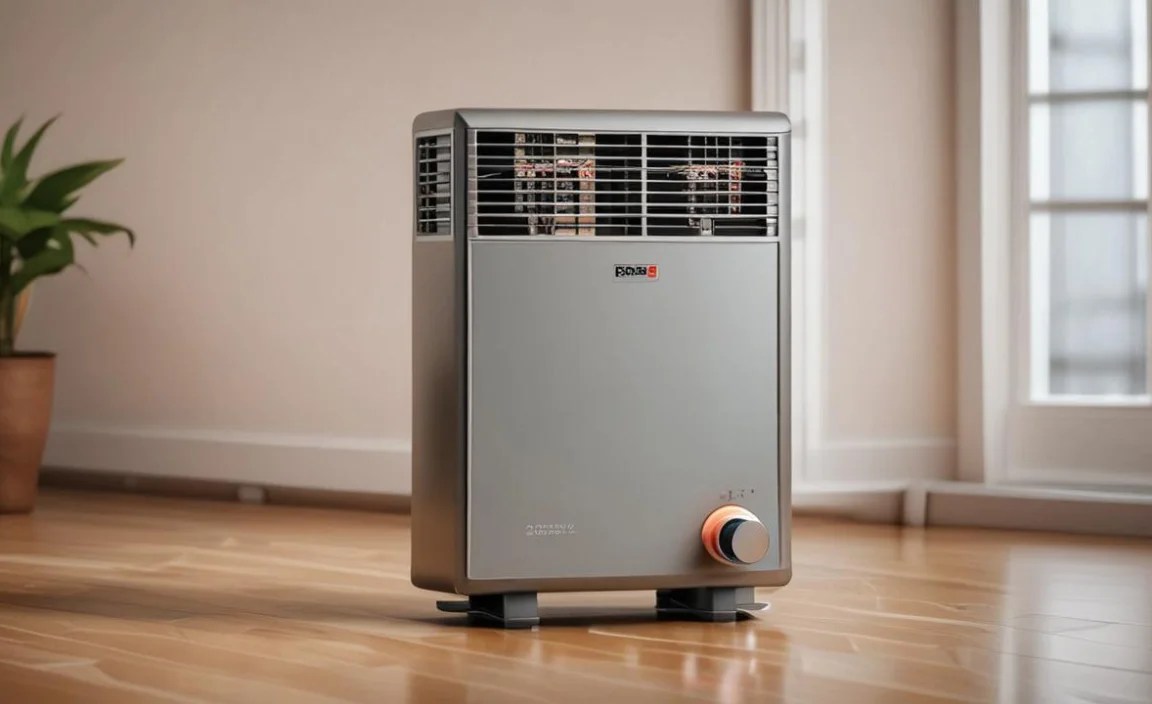
Sometimes, your propane heater indoor might not work as expected. Knowing how to troubleshoot common issues can save you time and money. One common problem is the heater not turning on. First, check the propane tank. Make sure it is not empty. If the tank is full, check the igniter. The igniter is what creates the spark to light the propane. Make sure it is clean and working properly. Another common issue is the heater not producing enough heat. This could be due to a clogged burner. Clean the burner to remove any debris. Also, check the ventilation. Make sure there is enough fresh air in the room. If the heater is still not working properly, consult the manufacturer’s instructions. You may need to contact a qualified technician for repairs.
- Check the propane tank to ensure it is full.
- Inspect the igniter for cleanliness and proper function.
- Clean the burner to remove any clogs or debris.
- Ensure there is adequate ventilation in the room.
- Consult the manufacturer’s instructions for troubleshooting.
If your propane heater indoor is making strange noises, there could be a problem. Check for loose parts. Tighten any screws or connections that are loose. A hissing sound could indicate a propane leak. If you hear a hissing sound, turn off the heater immediately. Open the windows and doors. Leave the area. Contact a qualified technician to check for leaks. Never try to repair a propane leak yourself. It is important to address any issues with your propane heater promptly. Ignoring problems can lead to more serious issues. Regular maintenance can help prevent many common problems. By troubleshooting common issues, you can keep your propane heater working safely and efficiently.
Fun Fact or Stat: Many propane heater problems can be solved with a simple cleaning!
Why Won’t My Heater Turn On?
Imagine you are trying to start a car. But it won’t start. What would you check first? The same goes for a propane heater indoor. If it won’t turn on, start with the basics. First, check the propane tank. Is it full? If not, refill it. Next, check the igniter. The igniter creates the spark. Make sure it is clean. If it is dirty, clean it with a brush. Also, check the safety switch. Some heaters have a switch that prevents them from turning on if they are tipped over. Make sure the heater is on a level surface. If you have checked all these things and it still won’t turn on, consult the manufacturer’s instructions.
Why Is My Heater Not Producing Enough Heat?
Think of a garden hose with a kink in it. The water won’t flow properly, right? A propane heater indoor can also have problems that reduce its heat output. One common problem is a clogged burner. Dust and debris can block the burner. This prevents the propane from burning efficiently. Clean the burner with a small brush. Another problem could be poor ventilation. The heater needs fresh air to burn properly. Open a window or door. If the heater is still not producing enough heat, consult the manufacturer’s instructions.
What Should I Do If I Hear a Hissing Sound?
Imagine you hear a snake hissing. You would want to stay away, right? A hissing sound from a propane heater indoor can also be a warning sign. It could indicate a propane leak. Propane leaks are dangerous. If you hear a hissing sound, take action immediately. Turn off the heater. Open all the windows and doors. Leave the area. Do not use any electrical switches or appliances. This could create a spark. Call the fire department or a qualified technician. They can check for leaks and make sure it is safe.
Propane Heater Safety Tips for Families
Keeping your family safe when using a propane heater indoor is very important. Teach your children about propane heater safety. Explain that the heater is not a toy. They should not touch it or play near it. Keep children and pets away from the heater. A safe distance is at least three feet. Never leave a propane heater unattended. Turn it off when you leave the room or go to sleep. Make sure everyone in your family knows the symptoms of carbon monoxide poisoning. These include headaches, dizziness, and nausea. If anyone experiences these symptoms, get them to fresh air immediately. Have a carbon monoxide detector in your home. Check the batteries regularly. By following these safety tips, you can protect your family from the dangers of propane heaters.
- Teach children about propane heater safety.
- Keep children and pets away from the heater.
- Never leave a propane heater unattended.
- Know the symptoms of carbon monoxide poisoning.
- Have a working carbon monoxide detector.
When using a propane heater indoor, make sure it is in a safe location. Place the heater on a level surface. Keep it away from flammable materials. This includes curtains, paper, and blankets. Never use a propane heater in a bathroom or bedroom. These rooms can be small and have poor ventilation. Make sure there is enough ventilation in the room. Open a window or door a little bit. This will help bring in fresh air. Check the heater regularly for any damage. Look for leaks or cracks. If you find any problems, have the heater repaired by a qualified technician. By following these safety tips, you can create a safe environment for your family.
Fun Fact or Stat: Most house fires related to heating equipment occur in December, January, and February!
How Can I Teach My Kids About Heater Safety?
Imagine you are teaching someone how to ride a bike. You would explain the rules, right? Teaching kids about propane heater indoor safety is like that. Explain that the heater is not a toy. They should not touch it or play near it. Show them the safe distance to stay away from the heater. Explain the dangers of carbon monoxide. Tell them to tell an adult if they smell gas. Make it fun. Use games or stories. This will help them remember the rules.
Where Is the Safest Place to Put the Heater?
Think of building a campfire. You would want to build it in a safe place, right? The same is true for a propane heater indoor. Place it on a level surface. Keep it away from flammable materials. This includes curtains, paper, and blankets. Make sure there is enough ventilation. Open a window or door a little bit. Never put the heater in a bathroom or bedroom. These rooms can be small and have poor ventilation. Choose a location that is safe for everyone.
What Should We Do If the Carbon Monoxide Alarm Goes Off?
Imagine you hear a fire alarm. You would want to leave the building, right? The same is true for a carbon monoxide alarm. If it goes off, take action immediately. Open all the windows and doors. Leave the house. Call for help. Do not go back inside until it is safe. Carbon monoxide is a silent killer. It is a gas that you cannot see or smell. A carbon monoxide alarm can save your life. Make sure everyone in your family knows what to do if the alarm goes off.
Summary
A propane heater indoor can be a useful way to heat a room. However, it is important to use it safely. Always follow the manufacturer’s instructions. Make sure there is enough ventilation. Never leave the heater unattended. Keep it away from flammable materials. Have a carbon monoxide detector in your home. Check the batteries regularly. Teach your children about heater safety. By following these safety tips, you can enjoy the warmth of a propane heater without putting your family at risk. Regular maintenance will keep the heater working efficiently and safely. If you have any questions, consult a qualified technician.
Conclusion
Using a propane heater indoor requires caution and knowledge. Understand the risks of carbon monoxide. Follow safety guidelines to protect yourself and your family. Choose the right heater for your needs. Maintain it regularly to ensure it works safely. Propane heaters can be helpful during cold weather. Always prioritize safety to prevent accidents.
Frequently Asked Questions
Question No 1: Is it safe to use a propane heater indoors?
Answer: Using a propane heater indoor can be safe if you follow all safety guidelines. The most important thing is to have proper ventilation. This means opening a window or door slightly to allow fresh air to circulate. Also, install a carbon monoxide detector to alert you if dangerous levels of the gas are present. Never leave a propane heater unattended, and keep it away from flammable materials like curtains or blankets. Regularly inspect the heater for any leaks or damage. By following these steps, you can minimize the risks associated with using a propane heater indoors.
Question No 2: What is carbon monoxide, and why is it dangerous?
Answer: Carbon monoxide is a colorless, odorless gas produced when fuels like propane, natural gas, or wood burn incompletely. It is dangerous because it prevents your body from getting the oxygen it needs. When you breathe in carbon monoxide, it replaces the oxygen in your blood. This can lead to headaches, dizziness, nausea, and even death. That’s why it’s so important to have a carbon monoxide detector when using a propane heater indoor or any other fuel-burning appliance. Early detection can save lives.
Question No 3: How often should I check my carbon monoxide detector?
Answer: You should check your carbon monoxide detector at least once a month. Press the test button to make sure the alarm is working. Also, replace the batteries in the detector every six months, or according to the manufacturer’s instructions. Some detectors have a digital display that shows the carbon monoxide level in the air. If you have one of these detectors, pay attention to the readings. If the alarm goes off, get fresh air immediately and call for help. A carbon monoxide detector is a crucial safety device, especially when using a propane heater indoor.
Question No 4: What are the symptoms of carbon monoxide poisoning?
Answer: The symptoms of carbon monoxide poisoning can be similar to the flu. They include headaches, dizziness, nausea, vomiting, and confusion. You may also experience shortness of breath or chest pain. In severe cases, carbon monoxide poisoning can lead to loss of consciousness and death. If you suspect carbon monoxide poisoning, get fresh air immediately. Open windows and doors, and leave the area. Seek medical attention right away. Remember, carbon monoxide is a silent killer. It’s important to be aware of the symptoms and take precautions when using a propane heater indoor.
Question No 5: Where should I place my propane heater indoors?
Answer: When using a propane heater indoor, place it on a level surface. Keep it away from flammable materials like curtains, paper, and blankets. Make sure there is at least three feet of clear space around the heater. Do not place the heater in a bathroom or bedroom, as these rooms may have poor ventilation. Choose a location where the heater will not be easily knocked over. Also, make sure the heater is not blocking any exits. A safe and well-ventilated location is key to using a propane heater indoors safely.
Question No 6: Can I use a propane heater indoors while I sleep?
Answer: It is not recommended to use a propane heater indoor while you sleep. The risk of carbon monoxide poisoning is higher when you are sleeping. You may not be aware of the symptoms until it is too late. If you must use a propane heater indoors, make sure there is plenty of ventilation. Install a carbon monoxide detector and check it regularly. However, the safest option is to use alternative heating methods while you are sleeping, such as extra blankets or an electric heater. Your safety is the most important thing.
