Have you ever felt chilly inside your home? Maybe your house feels cold in the winter. Some people use a propane heater indoors to get warm. But, is it safe?
Think of a small tent. You want to keep it warm inside. A propane heater indoors might seem like a good idea. Let’s learn more about using them safely.
These heaters can make a room very cozy. But, we need to know how to use them the right way. This will keep everyone safe and warm.
Key Takeaways
- Always have good airflow when you use a propane heater indoors.
- Never leave a propane heater on when you are sleeping or not home.
- Check your propane heater often to make sure it is working right.
- Make sure your home has working carbon monoxide detectors.
- It is important to know the safety rules for all heaters.
Is Using a Propane Heater Indoors Safe?

Using a propane heater indoors can be tricky. It is important to know the dangers. Propane heaters burn fuel to make heat. This burning can make a gas called carbon monoxide. Carbon monoxide is very dangerous to breathe. It can make you sick or even cause you to die. That is why you need to have good air flow. Good air flow helps to keep the carbon monoxide from building up. You also need a carbon monoxide detector. This will warn you if there is too much of the gas in your home. Always read the heater’s instructions. Make sure you know how to use it safely. Never leave a propane heater on when you are sleeping. It is also a good idea to keep kids and pets away from the heater. They could get burned if they touch it.
- Propane heaters need good airflow.
- Carbon monoxide is a dangerous gas.
- Detectors warn you about the gas.
- Read the heater’s instructions.
- Never leave heaters on when sleeping.
- Keep kids and pets away from it.
Think of a car running in a closed garage. The car makes carbon monoxide. If you breathe it, you get sick. A propane heater indoors can do the same thing. That is why air flow is so important. Open a window or a door a little bit. This will let fresh air in. It will also let the carbon monoxide out. Make sure the heater is away from things that can burn. Things like curtains or paper. These could catch fire if they are too close to the heater. Using a propane heater the right way can keep you warm. But, you must be very careful and follow all the safety rules. Always be aware of the risks.
Fun Fact or Stat: Carbon monoxide is called the “silent killer” because you cannot see it or smell it!
What is Carbon Monoxide?
Have you ever heard of carbon monoxide? It is a gas that you cannot see or smell. It is made when things like propane burn. If you breathe in too much carbon monoxide, it can make you very sick. It can even kill you. That is why it is so important to have a carbon monoxide detector in your home. The detector will make a loud noise if there is too much carbon monoxide in the air. This gives you time to get out of the house and get fresh air. Always check your carbon monoxide detector to make sure it is working right. You should also know the signs of carbon monoxide poisoning. These include headache, dizziness, and feeling sick to your stomach. If you think you have carbon monoxide poisoning, get outside right away and call for help.
Why is Air Flow Important?
Imagine blowing up a balloon in a small room. Soon, the room will be full of air. The same thing happens when a propane heater burns. It uses the air in the room. It also makes carbon monoxide. If there is not enough air flow, the carbon monoxide will build up. This is very dangerous. Good air flow lets fresh air in. It also lets the carbon monoxide out. You can get good air flow by opening a window or a door a little bit. Make sure the air can move around the room. This will help keep you safe. Always think about air flow when you are using a propane heater indoors.
How Do Detectors Help?
Carbon monoxide detectors are like little helpers in your home. They watch out for dangerous gas. If they sense too much carbon monoxide, they sound an alarm. This alarm warns you to get out of the house. It is very important to have these detectors. Put them in places where you will hear them, like near your bedrooms. Check the detectors often to make sure they are working. Replace the batteries when needed. Carbon monoxide detectors can save your life. They give you a warning when you need it most. Remember, these detectors are a key part of using a propane heater indoors safely.
Choosing the Right Propane Heater for Indoor Use

When you want to use a propane heater indoors, you need to pick the right one. Not all propane heaters are made for indoor use. Some are only for garages or outside. Look for heaters that say they are safe for indoor use. These heaters have special features. These features help to keep you safe. They might have a sensor that turns off the heater if it tips over. They might also have a low-oxygen sensor. This sensor turns off the heater if there is not enough air. Read the labels and instructions carefully. Make sure you understand how the heater works. Choose a heater that is the right size for your room. A heater that is too big can make the room too hot. A heater that is too small might not keep you warm enough. Think about the size of your room and choose wisely.
- Look for heaters made for indoors.
- Check for safety features.
- Read the labels and instructions.
- Pick the right size heater.
- Consider the room’s size.
- Understand how the heater works.
Imagine you are buying a new toy. You would want to make sure it is safe to play with, right? The same goes for a propane heater. You need to make sure it is safe to use inside your home. Look for heaters that have been tested by a safety group. These groups make sure the heaters meet certain safety rules. A good heater will have clear instructions. The instructions will tell you how to use the heater safely. They will also tell you what to do if something goes wrong. Choosing the right heater is the first step to staying warm and safe. Remember to always put safety first when using a propane heater indoors.
Fun Fact or Stat: Some propane heaters have a safety shut-off that activates if the heater is tilted more than 45 degrees!
What Safety Features to Look For?
When picking a propane heater, look for important safety features. A tip-over switch is one. This turns off the heater if it falls over. This can stop fires. A low-oxygen sensor is another. This turns off the heater if there is not enough air. This helps to prevent carbon monoxide. Some heaters have a guard around the flame. This keeps you from touching the hot parts. These features help keep you safe. Always check for these features before you buy a propane heater. They can make a big difference in keeping your home safe. Remember, safety first!
How to Read Labels and Instructions?
Reading labels and instructions might seem boring. But, it is very important. Labels tell you what the heater is for. They also tell you about any dangers. Instructions tell you how to use the heater. They also tell you how to keep it working right. Look for words like “indoor use” or “approved for indoor use.” Pay attention to warnings. Warnings tell you what not to do. Read everything carefully. If you do not understand something, ask an adult to help you. Knowing how to read labels and instructions can keep you safe when using a propane heater indoors.
Why is Heater Size Important?
The size of the heater matters. A small heater might not warm up a big room. You will be cold. A big heater might make a small room too hot. This wastes energy. It can also be dangerous. Choose a heater that is the right size for your room. The instructions should tell you what size room the heater is for. Measure your room. Then, pick a heater that is the right size. This will keep you comfortable and safe. It will also save you money on propane. Always think about size when using a propane heater indoors.
Setting Up Your Propane Heater Indoors

Setting up your propane heater indoors the right way is key. First, pick a good spot. The spot should be on a flat, level surface. This will help keep the heater from tipping over. Keep the heater away from things that can burn. This includes curtains, paper, and furniture. You need to have enough space around the heater. The instructions will tell you how much space you need. Make sure the heater is not near water. Water can damage the heater. It can also be dangerous. Connect the propane tank to the heater. Make sure the connection is tight. You do not want any leaks. Read the instructions carefully. Follow them step by step. If you are not sure how to set up the heater, ask an adult to help you. Setting up the heater right is the first step to staying safe.
- Pick a flat, level spot.
- Keep it away from things that burn.
- Make sure there is enough space.
- Keep the heater away from water.
- Connect the propane tank tightly.
- Follow the instructions carefully.
Think of setting up a propane heater like building with blocks. You need to start with a good base. A flat, level surface is your base. This keeps the heater steady. Then, you need to make sure nothing is too close to the heater. This is like keeping the blocks from falling over. You need to connect the propane tank carefully. This is like making sure the blocks are connected tightly. If you follow these steps, you can set up your propane heater safely. Always take your time and be careful. Setting it up right will help keep you warm and safe. Never rush the process.
Fun Fact or Stat: The space around a propane heater should be at least 3 feet in every direction!
Finding the Right Spot
Finding the right spot is important. You want a place that is safe and out of the way. Do not put the heater in a place where people walk. Someone could trip over it. Do not put it near anything that can catch fire. This includes curtains, blankets, and paper. Make sure the spot is level. A wobbly heater is dangerous. It could fall over. The spot should also be near a window or door. This will help with air flow. Pick a spot that meets all these needs. This will help keep you safe when using a propane heater indoors.
Connecting the Propane Tank
Connecting the propane tank is a key step. First, make sure the heater is off. Then, find the connection point on the heater. It will look like a place to screw in the tank. Take the propane tank and screw it in. Turn it until it is tight. Do not over-tighten it. This can damage the connection. Check for leaks. You can do this by spraying soapy water on the connection. If you see bubbles, there is a leak. Tighten the connection or get help from an adult. A good connection is important for safety. Always double-check your work when using a propane heater indoors.
Checking for Leaks
Checking for leaks is easy. You just need some soapy water. Mix soap with water in a spray bottle. Spray the soapy water on the connection between the tank and the heater. Watch for bubbles. If you see bubbles, there is a leak. Turn off the heater right away. Tighten the connection. Then, spray the soapy water again. If you still see bubbles, the connection might be bad. Do not use the heater until you fix the leak. Leaks can be dangerous. They can cause fires or explosions. Always check for leaks before using a propane heater indoors.
Operating Your Propane Heater Safely
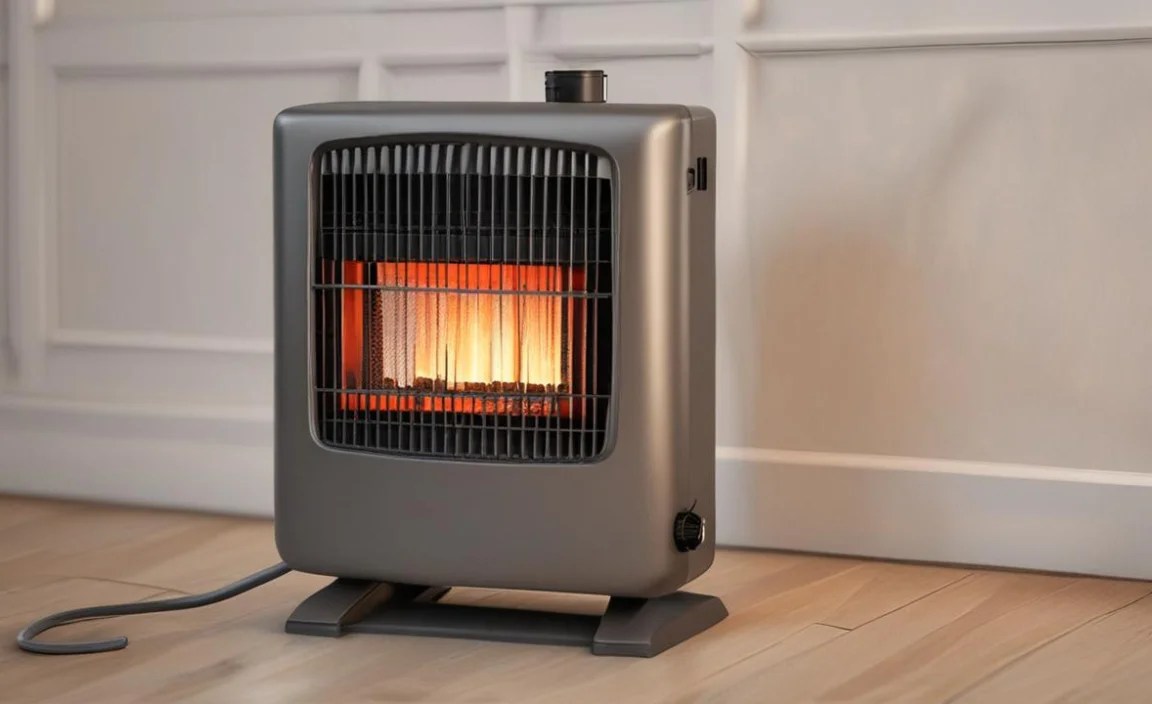
To run your propane heater indoors safely, follow these steps. First, read the instructions. Know how your heater works. Turn on the propane tank slowly. Do not open it all the way. Light the heater. Some heaters have a button to push. Others need a match. Be careful when using a match. Keep your face away from the heater. Watch the flame. Make sure it is burning blue. A yellow flame means something is wrong. Turn the heater to the right setting. Do not turn it up too high. Keep an eye on the heater. Never leave it alone. If you have to leave, turn it off. Always be careful when using a propane heater indoors.
- Read the instructions first.
- Turn on the propane tank slowly.
- Light the heater carefully.
- Watch the flame color.
- Turn the heater to the right setting.
- Never leave it alone.
Imagine you are cooking on a stove. You would not leave the stove alone, right? The same goes for a propane heater. You need to keep an eye on it. Make sure it is working right. If you see something wrong, turn it off. It is better to be safe than sorry. Always follow the instructions. This will help you run your propane heater safely. Remember to check the flame color. A blue flame is good. A yellow flame is not. Always be alert and careful. This will help you stay warm and safe. Never ignore any warning signs.
Fun Fact or Stat: A yellow flame on a propane heater can mean it is not burning the fuel completely, creating more carbon monoxide!
How to Light the Heater
Lighting the heater is a key step. Some heaters have a button. You push the button to light the heater. Others need a match. If you use a match, be very careful. Hold the match near the pilot light. The pilot light is a small flame that starts the heater. Turn on the gas slowly. The pilot light should light. If it does not light, turn off the gas. Wait a few minutes. Then, try again. Once the pilot light is lit, you can turn on the heater. Always follow the instructions. This will help you light the heater safely. Never rush this step when using a propane heater indoors.
Watching the Flame Color
The flame color tells you a lot. A blue flame is good. It means the heater is burning the fuel right. A yellow flame is bad. It means the heater is not burning the fuel right. This can make more carbon monoxide. If you see a yellow flame, turn off the heater. Check the instructions. Make sure the heater is clean. If the flame is still yellow, get help from an adult. A good flame color is important for safety. Always watch the flame when using a propane heater indoors.
What to Do in an Emergency
Emergencies can happen. It is good to be ready. If you smell gas, turn off the heater. Open the windows and doors. Leave the house. Call for help. If there is a fire, get out of the house. Call for help. If someone feels sick, get them fresh air. Call for help. Know who to call in an emergency. This might be 911 or the fire department. Keep these numbers near the phone. Knowing what to do can save lives. Always be prepared when using a propane heater indoors.
Maintaining Your Propane Heater
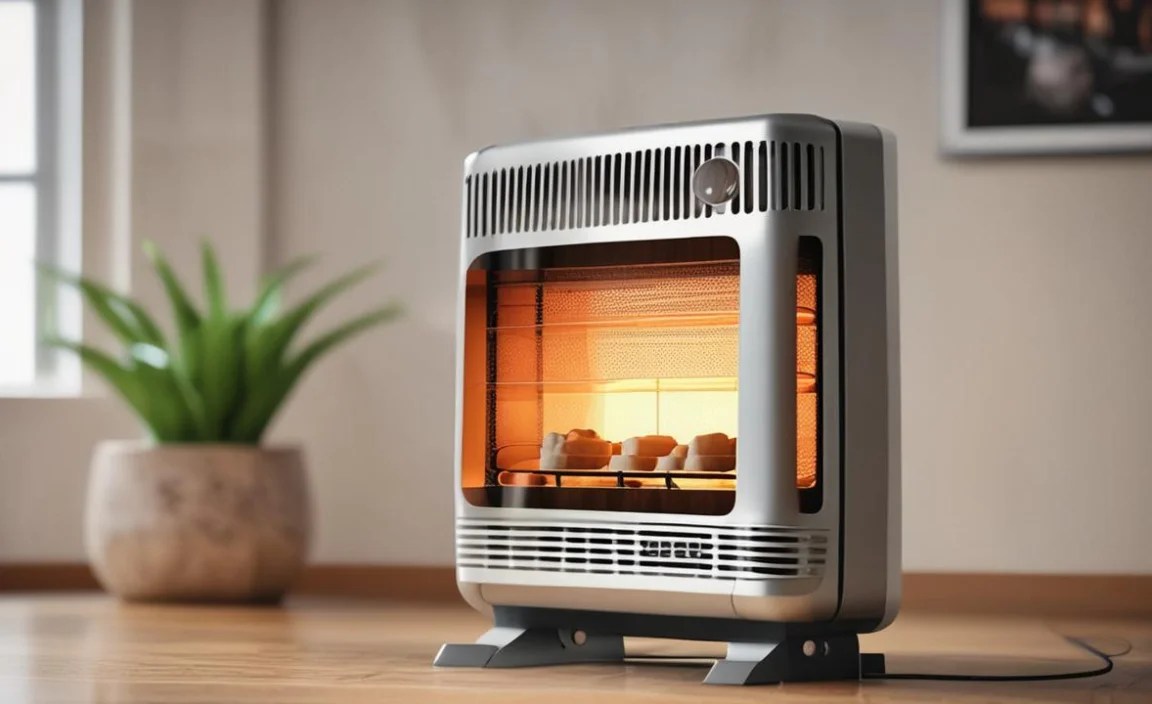
Taking care of your propane heater is important. This will keep it working well. It will also keep you safe. Clean the heater often. Dust and dirt can make it not work right. Check the hoses and connections. Make sure they are tight. Look for cracks or damage. If you see something wrong, fix it. Check the flame. It should be blue. A yellow flame means something is wrong. Have the heater checked by a professional. They can find problems you might not see. Follow the instructions for taking care of your heater. This will help it last longer. It will also keep you safe when using a propane heater indoors.
- Clean the heater often.
- Check the hoses and connections.
- Look for cracks or damage.
- Check the flame color.
- Have it checked by a professional.
- Follow the instructions.
Think of your propane heater like a bicycle. If you take care of your bicycle, it will last longer. You need to clean it. You need to check the tires and brakes. The same goes for your propane heater. You need to clean it. You need to check the hoses and connections. Taking care of your heater will keep it working well. It will also keep you safe. A well-maintained heater is a safe heater. Always remember to take care of your propane heater indoors.
Fun Fact or Stat: A propane heater that is regularly cleaned and maintained can last for many years!
How Often to Clean It
Cleaning your propane heater is simple. You should clean it often. How often depends on how much you use it. If you use it every day, clean it once a week. If you use it only sometimes, clean it once a month. Turn off the heater. Let it cool down. Use a soft cloth to wipe off the dust and dirt. Do not use water. Water can damage the heater. Clean the outside of the heater. Clean the inside too, if you can. A clean heater works better. It also lasts longer. Always clean your propane heater regularly.
Checking Hoses and Connections
Checking the hoses and connections is easy. Look for cracks or damage. If you see something wrong, replace the hose. Make sure the connections are tight. Loose connections can leak gas. Use a wrench to tighten the connections. Do not over-tighten them. This can damage them. Check for leaks with soapy water. Spray soapy water on the connections. If you see bubbles, there is a leak. Tighten the connections or replace the hose. Good hoses and connections are important for safety. Always check them when using a propane heater indoors.
When to Call a Professional
Sometimes, you need help from a professional. If you see a yellow flame, call a professional. If you smell gas, call a professional. If the heater is not working right, call a professional. A professional can find problems you might not see. They can fix the heater safely. Do not try to fix the heater yourself. You could make it worse. You could also get hurt. It is better to be safe than sorry. Call a professional when you need help with your propane heater indoors.
Potential Risks of Propane Heaters Indoors
Using a propane heater indoors has risks. One risk is carbon monoxide. This gas can make you sick. It can even kill you. That is why you need a carbon monoxide detector. Another risk is fire. Propane heaters can start fires if they are not used right. Keep them away from things that can burn. Another risk is burns. The heater can get very hot. Do not touch it. Keep kids and pets away from it. Propane heaters also use up oxygen. Make sure there is enough air flow. Know the risks before you use a propane heater indoors. Be careful and stay safe.
- Carbon monoxide is a big risk.
- Fires can start if you are not careful.
- Heaters can get very hot and burn you.
- They use up oxygen in the room.
- Know the risks before using one.
- Always be careful and aware.
Imagine you are walking on thin ice. You know there is a risk of falling through. You would be very careful, right? The same goes for using a propane heater. You know there are risks. You need to be very careful. Do not ignore the risks. Take steps to stay safe. Have a carbon monoxide detector. Keep the heater away from things that can burn. Keep kids and pets away from it. Make sure there is enough air flow. Being aware of the risks can help you stay safe when using a propane heater indoors. Never take safety for granted.
Fun Fact or Stat: Over 400 people in the US die each year from accidental carbon monoxide poisoning!
The Danger of Carbon Monoxide
Carbon monoxide is a silent killer. You cannot see it or smell it. It is made when things like propane burn. If you breathe in too much carbon monoxide, it can make you very sick. It can even kill you. That is why it is so important to have a carbon monoxide detector. The detector will make a loud noise if there is too much carbon monoxide in the air. This gives you time to get out of the house and get fresh air. Always check your carbon monoxide detector to make sure it is working right. Know the signs of carbon monoxide poisoning. Get outside right away and call for help. Carbon monoxide is a serious danger.
Preventing Fires
Propane heaters can start fires. Keep them away from things that can burn. This includes curtains, paper, and furniture. Make sure there is enough space around the heater. The instructions will tell you how much space you need. Do not put the heater near water. Water can damage the heater. It can also be dangerous. Never leave the heater alone. If you have to leave, turn it off. Always be careful when using a propane heater indoors. Fires can be very dangerous.
Avoiding Burns
Propane heaters can get very hot. Do not touch them. Keep kids and pets away from them. The heater can burn your skin. This can be very painful. If you touch the heater, run cool water on the burn. Then, get help from an adult. Be careful around the heater. Do not let anything touch it. Keep a safe distance. Avoiding burns is important. Always be careful when using a propane heater indoors.
Alternatives to Propane Heaters Indoors
If you do not want to use a propane heater indoors, there are other ways to stay warm. You can use an electric heater. Electric heaters plug into the wall. They do not make carbon monoxide. But, they can use a lot of electricity. You can also use a kerosene heater. Kerosene heaters burn kerosene fuel. They can make carbon monoxide. You need to use them carefully. You can also use a wood stove. Wood stoves burn wood. They can make a lot of heat. But, they also need a chimney. You can also use blankets and warm clothes. These do not use any fuel. They are a safe way to stay warm. Think about all the ways to stay warm. Then, choose the best one for you.
- Electric heaters plug into the wall.
- Kerosene heaters burn kerosene fuel.
- Wood stoves burn wood for heat.
- Blankets and warm clothes are safe.
- Think about all the options.
- Choose the best way for you.
Imagine you are choosing a snack. You have many choices. You can have an apple, a banana, or a cookie. Each snack has its own good and bad things. The same goes for staying warm. You have many choices. You can use a propane heater, an electric heater, or blankets. Each choice has its own good and bad things. Think about what is important to you. Do you want something that is cheap? Do you want something that is safe? Do you want something that is easy to use? Choose the way to stay warm that is best for you. Always think about safety first.
Fun Fact or Stat: Electric heaters are often considered safer than propane heaters because they don’t produce carbon monoxide!
Electric Heaters
Electric heaters are a popular choice. They plug into the wall. They do not burn fuel. This means they do not make carbon monoxide. They are safer than propane heaters in that way. But, electric heaters can use a lot of electricity. This can make your electric bill go up. Some electric heaters can also get very hot. Be careful not to touch them. Keep them away from things that can burn. Electric heaters are a good choice if you want something safe and easy to use. Just be aware of the cost of electricity.
Kerosene Heaters
Kerosene heaters burn kerosene fuel. They can make a lot of heat. But, they also make carbon monoxide. You need to use them carefully. Make sure there is enough air flow. Have a carbon monoxide detector. Never leave the heater alone. Kerosene heaters can also be smelly. Some people do not like the smell of kerosene. Kerosene heaters are a choice if you need a lot of heat. Just be aware of the risks and the smell.
Blankets and Warm Clothes
Blankets and warm clothes are a safe way to stay warm. They do not use any fuel. They do not make carbon monoxide. They are also cheap. You probably already have blankets and warm clothes at home. You can use them to stay warm in bed. You can use them to stay warm on the couch. Blankets and warm clothes are a good choice if you want something safe and cheap. They might not make as much heat as a heater. But, they are a good way to stay warm without any risks.
| Heater Type | Pros | Cons | Safety |
|---|---|---|---|
| Propane Heater | Powerful heat, portable | Carbon monoxide risk, fire hazard | High (requires ventilation & detectors) |
| Electric Heater | No carbon monoxide, easy to use | Can be expensive, less powerful | Medium (still a burn risk) |
| Kerosene Heater | Strong heat output | Carbon monoxide, kerosene smell | High (ventilation, detectors needed) |
| Blankets & Clothes | Safe, cheap, no fuel needed | Less heat than heaters | Very Low |
Summary
Using a propane heater indoors can be helpful. It can make your home feel warmer. However, safety is key. Carbon monoxide is a big danger. Make sure you have a working detector. Air flow is also important. Open a window or door a little. Never leave the heater alone. Keep it away from things that can burn. Choose the right heater for your room. Read the instructions carefully. If you follow these steps, you can use a propane heater safely. Remember, staying warm is important, but safety comes first.
Conclusion
Propane heaters can be a good way to warm up a room. But, they need to be used with care. Always think about the risks. Carbon monoxide is a serious danger. Make sure you have a detector. Follow the safety rules. Keep kids and pets away from the heater. If you are not sure how to use a propane heater indoors, ask an adult for help. Staying warm and safe is very important.
Frequently Asked Questions
Question No 1: Can I use any propane heater indoors?
Answer: No, you cannot use just any propane heater indoors. You must use a heater that is made for indoor use. These heaters have special safety features. These features help to protect you from carbon monoxide and fires. Look for heaters that say they are safe for indoor use. Read the instructions carefully. Make sure you understand how to use the heater safely. Using the wrong heater can be dangerous.
Question No 2: How do I know if my propane heater is leaking?
Answer: You can check for leaks with soapy water. Mix soap with water in a spray bottle. Spray the soapy water on the connections of the propane heater. If you see bubbles, there is a leak. Turn off the heater right away. Tighten the connections. Then, spray the soapy water again. If you still see bubbles, the connection might be bad. Do not use the heater until you fix the leak. Leaks can be very dangerous, so get help from an adult.
Question No 3: What should I do if my carbon monoxide detector goes off?
Answer: If your carbon monoxide detector goes off, act quickly. Get everyone out of the house right away. Open the windows and doors to let in fresh air. Call 911 or your local fire department from outside the house. Do not go back inside until the fire department says it is safe. Carbon monoxide is very dangerous. It is important to take the alarm seriously. This is especially important if you are using a propane heater indoors.
Question No 4: How often should I change the batteries in my carbon monoxide detector?
Answer: You should change the batteries in your carbon monoxide detector at least twice a year. A good time to do this is when you change your clocks for daylight saving time. This will help you remember. Always use new batteries. Test the detector after you change the batteries. This will make sure it is working right. Working detectors are very important, especially when you are using a propane heater indoors.
Question No 5: Can I leave my propane heater on all night?
Answer: No, you should never leave your propane heater on all night. It is not safe to leave a propane heater on when you are sleeping. You could be exposed to carbon monoxide. There is also a risk of fire. Always turn off the heater before you go to bed. It is better to be safe than sorry. Use extra blankets if you get cold during the night. Never risk your safety by leaving a propane heater on while you are sleeping.
Question No 6: Where is the best place to put a carbon monoxide detector in my home?
Answer: The best place to put a carbon monoxide detector is near your bedrooms. This will help you hear the alarm if it goes off at night. You should also put one on each level of your home. Follow the instructions that come with the detector. Test the detector often to make sure it is working right. Carbon monoxide detectors can save lives, especially if you are using a propane heater indoors. Make sure you have enough detectors and that they are in the right places.
