Have you ever felt super cold inside your house? Maybe the power went out. Or maybe your house just doesn’t get warm enough. Some people use propane heaters to get warm. But is using a propane heater safe indoors? Let’s find out!
Propane heaters can be helpful. They can also be dangerous if you don’t use them right. We will learn how to stay safe and warm.
Key Takeaways
- Always have a carbon monoxide detector when using a heater.
- Make sure the room has enough fresh air to stay safe.
- Propane heaters need space around them, so keep things away.
- It is important to pick the right heater for indoor use.
- Using a propane heater safe indoors needs adult help.
Propane Heater Safety Indoors: What You Need to Know

Keeping warm is important, especially when it’s cold outside. Many people think about using propane heaters to warm up their homes. But, is it truly propane heater safe indoors? This is a very important question. You need to understand the risks. You also need to know how to use these heaters safely. Propane heaters burn fuel to make heat. This burning process can create dangerous gases like carbon monoxide. Carbon monoxide is a gas you cannot see or smell. It can make you very sick, and it can even be deadly. That’s why it’s very important to have a carbon monoxide detector. It is also vital to make sure the room has enough fresh air coming in. Let’s learn more about how to use propane heaters the right way. This way, you can stay warm and safe.
- Always read the heater’s instructions.
- Never leave a heater on when you sleep.
- Keep heaters away from things that can burn.
- Check the heater for leaks or damage.
- Make sure your carbon monoxide detector works.
Using a propane heater means knowing how to keep everyone safe. Think of it like riding a bike. You need to wear a helmet and know the rules of the road. With propane heaters, understanding the safety rules is just as important. Always have an adult help you set up and use the heater. They can show you how to check for leaks. They can also teach you how to make sure the room is well-ventilated. Remember, being warm is great, but being safe is even better. So, let’s all learn how to use propane heaters responsibly.
How Does Ventilation Help?
Imagine you are baking cookies in the kitchen. When the oven is on, it can get very hot. You might open a window to let some fresh air in. This helps to keep the kitchen from getting too stuffy. Ventilation does the same thing for a room with a propane heater. When the heater burns fuel, it uses up oxygen. It also releases gases. If the room doesn’t have enough fresh air coming in, these gases can build up. This can make it hard to breathe. It can also increase the risk of carbon monoxide poisoning. Opening a window or a door a little bit can help. It lets fresh air in and stale air out. This keeps the air in the room safer to breathe. So, always remember to ventilate when using a propane heater.
Carbon Monoxide: The Invisible Danger
Have you ever played hide-and-seek? Sometimes, the best hiding spots are the ones you can’t see. Carbon monoxide is like that in a way. It’s a gas that you can’t see, smell, or taste. But it can be very dangerous. It’s made when fuels like propane burn without enough air. When you breathe in carbon monoxide, it stops your blood from carrying oxygen. This can make you feel sick. It can also give you a headache, make you dizzy, or even make you pass out. That’s why it’s so important to have a carbon monoxide detector. It will sound an alarm if there is too much of the gas in the air. This gives you time to get to fresh air and stay safe.
Why Are Detectors So Important?
Think of a smoke detector. It makes a loud noise when there’s a fire, right? A carbon monoxide detector is similar. It’s like a superhero that protects you from a silent danger. These detectors watch the air for carbon monoxide. If they sense too much, they beep loudly. This warns you to get out of the house and get fresh air. It’s important to have these detectors on every floor of your house. You should also test them regularly to make sure they work. They need batteries to work, so change the batteries at least once a year. A working detector can save your life. It’s one of the most important things you can do to stay safe when using a propane heater indoors.
Fun Fact or Stat: Carbon monoxide detectors should be placed on every level of your home and near sleeping areas. Replace them every 5-7 years for optimal safety!
Choosing the Right Propane Heater for Indoor Use

Not all propane heaters are made for indoor use. Some are only for garages or outdoor spaces. Using the wrong heater inside can be very dangerous. It is important to find heaters that are labeled as propane heater safe indoors. These heaters have special safety features. They might have a sensor that turns the heater off if it tips over. They might also have a low-oxygen sensor. This sensor turns off the heater if there isn’t enough air in the room. When you go to the store, look for heaters that say they are safe for indoor use. Read the instructions carefully. Make sure you understand how to use the heater safely. Ask an adult for help if you are not sure. Picking the right heater is the first step in staying safe.
- Look for heaters with safety shut-off features.
- Choose a heater that is the right size for the room.
- Read reviews to see what other people say.
- Check for a certification label from a trusted group.
- Make sure the heater is easy to turn off in an emergency.
Imagine you’re picking out a new toy. You wouldn’t just grab the first one you see, right? You would read the box. You would see what it does and if it’s right for you. Picking a propane heater is the same. You need to do your homework. Look at the features and read what the manufacturer says. Some heaters are better for small spaces. Others are good for larger rooms. Some have extra safety features that others don’t. Take your time to find the best propane heater for your needs. This will help keep you and your family safe and warm. Always ask an adult to help you choose and set up the heater.
What Size Heater Do I Need?
Think about Goldilocks and the Three Bears. She wanted the porridge that was just right. Heaters are similar. You want one that’s just the right size for your room. If the heater is too small, it won’t warm the room enough. If it’s too big, it might get too hot and waste energy. To find the right size, you need to know how big your room is. Measure the length and width of the room. Then, multiply those numbers to find the area. The heater’s box will tell you how many square feet it can heat. Choose a heater that matches the size of your room. This will help you stay comfortable and safe.
What Are Oxygen Depletion Sensors?
Have you ever been underwater for too long? You start to feel like you can’t breathe, right? Oxygen depletion sensors do something similar. They watch the air to make sure there’s enough oxygen. If the oxygen level gets too low, the sensor turns off the heater. This helps prevent carbon monoxide from building up. It keeps the air safe to breathe. These sensors are a very important safety feature. They can protect you from a dangerous situation. Look for heaters with oxygen depletion sensors. They add an extra layer of safety when using a propane heater safe indoors.
What About Tip-Over Switches?
Imagine you’re building a tower of blocks. If the tower falls over, it makes a loud crash. A tip-over switch does something similar. If the heater tips over, the switch turns it off. This stops the heater from continuing to run while it’s on its side. This can prevent fires. It can also stop the heater from damaging your floor or furniture. Tip-over switches are a great safety feature. They protect you in case of an accident. Make sure the propane heater you choose has a tip-over switch. It can give you peace of mind knowing you are safe.
Fun Fact or Stat: Heaters with tip-over switches shut off automatically if they are knocked over, preventing fires and injuries.
Setting Up Your Propane Heater Safely Indoors

Setting up a propane heater the right way is very important. It’s like building a strong foundation for a house. A good setup helps keep everyone safe. First, read the instructions that come with the heater. Make sure you understand how to set it up properly. Choose a spot that is away from things that can burn. This includes curtains, blankets, and furniture. The heater needs space around it to work safely. Make sure the area is clear. Place the heater on a flat, stable surface. This will help prevent it from tipping over. Check the connections to make sure they are tight. A loose connection can leak propane. This can be dangerous. If you smell propane, turn off the heater and open the windows. Get help from an adult right away.
- Keep the heater away from flammable materials.
- Place the heater on a level surface.
- Check the propane tank for leaks.
- Make sure the room is well-ventilated.
- Never leave the heater unattended.
Think of setting up a propane heater like setting up a campsite. You want to choose a safe spot. You want to make sure everything is stable. You also want to have a plan in case something goes wrong. With a propane heater, this means choosing a location that is far from anything that can catch fire. It means making sure the heater is on a level surface. It means having a carbon monoxide detector nearby. And it means knowing what to do if you smell gas. A little bit of planning can make a big difference in your safety. So, take your time and set up the heater carefully.
How Far Away From Things Should It Be?
Imagine you’re roasting marshmallows over a campfire. You wouldn’t hold the marshmallow right in the flames, would you? It would catch fire! Propane heaters are similar. You need to keep them away from things that can burn. The heater’s instructions will tell you how much space you need. Usually, it’s at least three feet. This means there should be three feet of empty space around the heater. This includes the front, back, and sides. Keep curtains, blankets, and furniture away from this space. This will help prevent a fire. Always follow the instructions to keep your home safe.
Checking for Leaks: A Simple Test
Have you ever had a leaky water bottle? It makes a mess, right? Propane leaks can be even more dangerous. They can cause fires or explosions. That’s why it’s important to check for leaks. You can do a simple test with soapy water. Mix soap and water in a spray bottle. Spray the mixture on the connections of the propane tank and the heater. If you see bubbles forming, that means there’s a leak. Turn off the heater and tighten the connections. If the bubbles keep forming, don’t use the heater. Get help from an adult or a professional. They can fix the leak safely.
What if I Smell Propane?
Imagine you’re walking into a kitchen and you smell cookies baking. It’s a nice smell, right? But the smell of propane is not a good sign. Propane has a strong, unpleasant smell. If you smell it, it means there’s a leak. The first thing you should do is turn off the heater. Don’t use any electrical switches. They could create a spark and cause a fire. Open the windows and doors to let fresh air in. Leave the house and call for help from a safe place. Tell an adult or call the fire department. Don’t go back inside until it’s safe. Propane leaks are serious, so always take them seriously.
Fun Fact or Stat: Propane is naturally odorless, but manufacturers add a chemical that smells like rotten eggs to help detect leaks.
Safe Practices While Using Propane Heaters Indoors
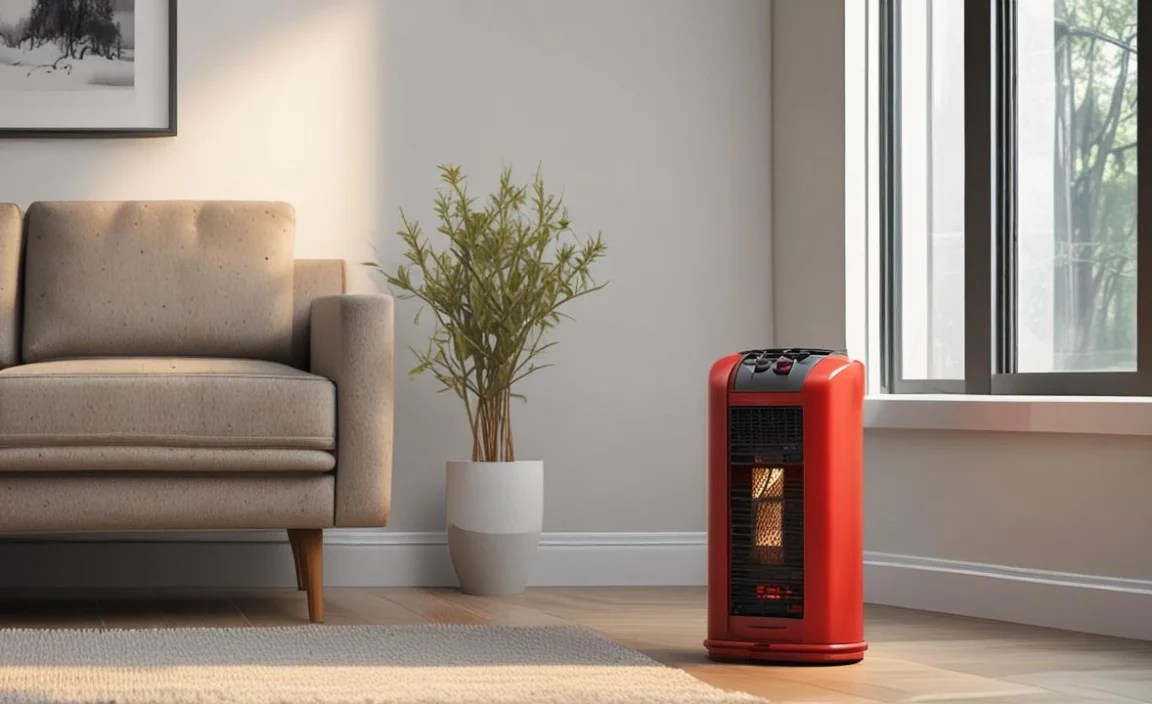
Once your propane heater is set up, you still need to be careful. Safe practices are like following the rules of a game. They help you play without getting hurt. Never leave the heater on when you’re not in the room. Always turn it off when you go to sleep. Keep kids and pets away from the heater. They could get burned if they touch it. Never use the heater to dry clothes or heat food. This can be dangerous. Check the heater regularly to make sure it’s working properly. Look for any signs of damage or wear. If you see something wrong, turn off the heater and get it fixed. Remember, safety is always the most important thing.
| Safe Practice | Why It’s Important |
|---|---|
| Never leave unattended | Prevents accidents and fires. |
| Keep away from kids/pets | Avoids burns and injuries. |
| Turn off when sleeping | Reduces risk of carbon monoxide poisoning. |
| Regularly inspect | Catches potential problems early. |
Think of using a propane heater like driving a car. You need to pay attention. You need to follow the rules. And you need to be ready for anything. With a propane heater, this means keeping an eye on the heater while it’s running. It means making sure kids and pets stay away. It means turning it off when you leave the room or go to bed. And it means checking it regularly to make sure it’s working right. By following these safe practices, you can stay warm and safe all winter long. Remember, being responsible is the key to using a propane heater safe indoors.
Why Can’t I Leave It On Overnight?
Imagine you’re sleeping soundly in your bed. You’re dreaming of fun adventures. But what if something dangerous was happening without you knowing? Leaving a propane heater on overnight can be risky. If there’s a leak, carbon monoxide can build up in the room. You might not wake up in time to get to fresh air. Turning off the heater before you go to sleep is a simple way to stay safe. It gives you peace of mind knowing you’re protected. So, always remember to turn off the heater before you close your eyes for the night.
Why Keep Kids and Pets Away?
Have you ever touched a hot stove by accident? It hurts, right? Propane heaters can get very hot. Kids and pets might not understand that they’re dangerous. They could touch the heater and get burned. They could also knock the heater over, which could start a fire. Keeping kids and pets away from the heater is a way to protect them. Create a safe zone around the heater. Teach kids that the heater is not a toy. This will help keep everyone safe and prevent accidents.
What Should I Do If the Heater Smells Funny?
Imagine you’re making popcorn. But instead of smelling like popcorn, it smells like something burning. That’s not a good sign, right? If your propane heater starts to smell funny, it could mean something is wrong. It could be a leak. It could be that something is burning inside the heater. The first thing you should do is turn off the heater. Open the windows to let fresh air in. Leave the room and tell an adult. Don’t try to fix the heater yourself. Let a professional take a look. They can find the problem and fix it safely. A strange smell is a warning sign, so always take it seriously.
Fun Fact or Stat: According to the Consumer Product Safety Commission, space heaters are involved in about 1,700 fires each year.
Maintaining Your Propane Heater for Safe Indoor Use

Taking care of your propane heater is like taking care of your bike. If you keep it clean and in good shape, it will last longer and work better. Regularly inspect the heater for any signs of damage. Look for cracks, rust, or loose connections. Clean the heater to remove dust and dirt. This will help it work more efficiently. Follow the manufacturer’s instructions for cleaning. Have the heater serviced by a professional at least once a year. They can check for problems that you might not see. Proper maintenance will help keep your propane heater safe indoors and working well for years to come.
- Clean the heater regularly.
- Check for damage or wear.
- Have it serviced by a professional.
- Store it properly when not in use.
- Replace worn or damaged parts.
Think of maintaining your propane heater like taking care of a pet. You need to feed it (with propane), clean it, and take it to the vet (a professional service). If you do these things, your pet will be healthy and happy. With a propane heater, this means keeping it clean, checking it for damage, and having it serviced regularly. This will help keep it working safely and efficiently. A little bit of maintenance can go a long way in keeping your heater in top condition. So, take the time to care for your propane heater. It will pay off in the long run with safe and reliable heat.
How Often Should I Clean It?
Imagine you’re doing chores around the house. You wouldn’t let the dust pile up for months, would you? Cleaning your propane heater is similar. You should clean it regularly to keep it working well. How often you clean it depends on how often you use it. If you use it every day, you should clean it once a week. If you only use it sometimes, you can clean it once a month. Use a soft cloth to wipe down the outside of the heater. Remove any dust or dirt. This will help the heater run more efficiently and safely. A clean heater is a happy heater.
What Do Professionals Check?
Have you ever gone to the doctor for a checkup? They listen to your heart, check your eyes, and make sure everything is working right. When a professional services your propane heater, they do something similar. They check all the parts to make sure they’re working properly. They look for leaks, damage, and wear. They might also clean the heater and adjust the settings. This helps the heater run safely and efficiently. A professional service can catch problems that you might not see. This can prevent accidents and keep your heater working for years to come.
Where Should I Store It When Not in Use?
Imagine you’re putting away your toys after playing. You wouldn’t just leave them in the middle of the floor, would you? Storing your propane heater properly is important too. When you’re not using the heater, store it in a safe place. Choose a cool, dry area. Keep it away from flammable materials. Make sure the area is well-ventilated. Disconnect the propane tank and store it separately. Follow the manufacturer’s instructions for storage. This will help protect the heater from damage and prevent accidents. Proper storage will keep your heater in good condition for the next time you need it.
Fun Fact or Stat: Regular maintenance can extend the life of your propane heater by several years.
What to Do in Case of Emergency with a Propane Heater
Even if you are careful, things can still go wrong. Knowing what to do in an emergency is very important. It’s like having a fire escape plan. If you smell propane, turn off the heater immediately. Open the windows and doors to ventilate the area. Leave the house and call for help from a safe place. If there’s a fire, use a fire extinguisher to put it out. Call the fire department, even if you think you’ve put the fire out. Carbon monoxide poisoning is another emergency. If someone is feeling sick, dizzy, or has a headache, get them to fresh air right away. Call for medical help. Knowing what to do in these situations can save lives.
- Turn off the heater immediately.
- Ventilate the area.
- Leave the house and call for help.
- Use a fire extinguisher for fires.
- Get medical help for carbon monoxide poisoning.
Think of an emergency with a propane heater like a surprise pop quiz. You don’t know when it’s coming, but you need to be ready. This means knowing what to do if you smell gas, if there’s a fire, or if someone is sick. It means having a plan and practicing it with your family. Just like you practice fire drills at school. Being prepared can make a big difference in how you respond to an emergency. So, take the time to learn what to do. It could save your life or the lives of your loved ones. Remember, acting quickly and calmly is key in any emergency situation. Never assume that someone else will take care of it.
What If There’s a Fire?
Imagine you’re cooking and the pan catches fire. You wouldn’t throw water on it, would you? You’d use a fire extinguisher. If there’s a fire involving a propane heater, the same applies. Use a fire extinguisher to put it out. Make sure the extinguisher is rated for Class B fires. This means it can put out fires involving flammable liquids like propane. Aim the extinguisher at the base of the fire. Sweep it back and forth until the fire is out. Even if you put the fire out, call the fire department. They can make sure the fire is completely out and that it hasn’t spread. Fire safety is very important, so always be prepared.
What Are the Symptoms of Carbon Monoxide Poisoning?
Have you ever felt like you have the flu, but without a fever? Carbon monoxide poisoning can feel like that. The symptoms include headache, dizziness, nausea, and fatigue. You might also feel confused or have trouble breathing. If you experience these symptoms while using a propane heater, get to fresh air right away. Carbon monoxide is a silent killer, so it’s important to recognize the symptoms. If you suspect carbon monoxide poisoning, call for medical help. The sooner you get treatment, the better.
Who Should I Call for Help?
Imagine you’re lost in the woods. You wouldn’t just wander around aimlessly, would you? You’d call for help. In an emergency with a propane heater, knowing who to call is important. If there’s a fire, call the fire department. If someone is injured or sick, call for medical help. If you smell propane, call the gas company. They can come and check for leaks. Keep these numbers handy so you can call for help quickly. Don’t be afraid to call, even if you’re not sure if it’s an emergency. It’s always better to be safe than sorry. Calling the right people can make a big difference in a crisis.
Fun Fact or Stat: Every year, over 400 people die in the U.S. from accidental carbon monoxide poisoning.
Summary
Propane heaters can be a good way to heat a room. But it is important to know how to use them safely. You must pick the right heater. Make sure it is meant for indoor use. Set it up correctly. Keep it away from things that can burn. Always have a carbon monoxide detector. Check it often to make sure it is working. If you follow these steps, you can use a propane heater safe indoors. Remember, being careful is the most important thing.
Conclusion
Using a propane heater can help you stay warm. Always remember safety first. Choose the right heater. Set it up carefully. Keep it away from things that can burn. Have a working carbon monoxide detector. By following these steps, you can use a propane heater safe indoors. Being responsible and careful will help keep you and your family safe and warm. If you are not sure about something, ask an adult for help. They can help you stay safe.
Frequently Asked Questions
Question No 1: Is it really propane heater safe indoors?
Answer: Using a propane heater inside can be okay if you follow all the safety rules. You need to make sure the heater is made for indoor use. It should have safety features like an oxygen depletion sensor and a tip-over switch. Always have a working carbon monoxide detector nearby. Make sure the room is well-ventilated to avoid dangerous gas build-up. Never leave the heater on when you’re sleeping or not in the room. If you do all of these things, you can use a propane heater safely inside your home.
Question No 2: What is carbon monoxide, and why is it dangerous?
Answer: Carbon monoxide is a gas you can’t see or smell. It’s made when fuels like propane burn without enough air. It’s dangerous because when you breathe it in, it stops your blood from carrying oxygen. This can make you feel sick, dizzy, or give you a headache. It can even make you pass out or die. That’s why it’s so important to have a carbon monoxide detector. It will warn you if there’s too much of the gas in the air. This gives you time to get to fresh air and stay safe. Remember, carbon monoxide can be created by a propane heater safe indoors.
Question No 3: How can I make sure my propane heater is set up safely?
Answer: Setting up your propane heater safely is very important. First, read the instructions that come with the heater. Choose a spot that is away from things that can burn, like curtains and furniture. Make sure there is at least three feet of empty space around the heater. Place the heater on a flat, stable surface to prevent it from tipping over. Check the connections to make sure they are tight. If you smell propane, turn off the heater and open the windows. Get help from an adult right away. Following these steps will help you stay safe.
Question No 4: What should I do if I smell propane gas?
Answer: If you smell propane gas, it means there’s a leak. You need to act quickly and safely. The first thing you should do is turn off the propane heater. Don’t use any electrical switches, as they could create a spark. Open the windows and doors to let fresh air in. Leave the house and call for help from a safe place, like a neighbor’s house or your cell phone outside. Call an adult or the fire department. Don’t go back inside until it’s safe. Propane leaks are serious, so always take them seriously and follow these steps.
Question No 5: Are some propane heaters not safe to use indoors?
Answer: Yes, some propane heaters are only for outdoor use. Using them indoors can be very dangerous. Only use heaters that are labeled as propane heater safe indoors. These heaters have special safety features, like oxygen depletion sensors and tip-over switches. They are designed to shut off if the oxygen level gets too low or if the heater tips over. Always read the instructions carefully before using any propane heater. If you’re not sure if a heater is safe for indoor use, ask an adult for help. It’s better to be safe than sorry.
Question No 6: How often should I check my carbon monoxide detector?
Answer: You should check your carbon monoxide detector regularly to make sure it’s working. Test it at least once a month by pressing the test button. This will make sure the alarm is working and the batteries are good. You should also replace the batteries in the detector at least once a year, even if it seems to be working fine. Some detectors have a lifespan of five to seven years, so you should replace them after that time. A working carbon monoxide detector is very important for staying safe, especially when using a propane heater safe indoors.
