Have you ever felt cold inside your house? Sometimes, the regular heater does not work well. You might think about using a propane heater. But are propane heaters indoors safe? It is important to know the facts. Using heat safely keeps everyone healthy and happy.
Propane heaters can be helpful. They can also be dangerous if you are not careful. Let’s learn how to use them safely.
Do you know what makes a propane heater work? It burns propane gas to make heat. This can warm up a cold room quickly. We need to understand the risks. Then, we can stay safe and warm.
Key Takeaways
- Propane heaters need good airflow to prevent carbon monoxide buildup.
- Always use a carbon monoxide detector when using any fuel-burning heater.
- Never leave a propane heater on when you are sleeping or away from home.
- Ensure the propane heater is certified by a recognized safety organization.
- Consider safer heating alternatives if you are unsure about propane heaters indoors safe.
Understanding Propane Heaters Indoors Safe

Many people wonder, “Are propane heaters indoors safe?” The answer is complex. Propane heaters can be used safely indoors. However, you must follow strict safety rules. Propane heaters burn fuel. This burning process can create dangerous gases. Carbon monoxide is one of these gases. It is colorless and odorless. Carbon monoxide can cause serious health problems. It can even be deadly. Propane heaters also use oxygen. If there is not enough fresh air, the heater can use up all the oxygen. This can cause people to feel sick or pass out. Always make sure you have good airflow. This will help keep you safe when using a propane heater. Check for safety certifications. These certifications show the heater has been tested. A certified heater has safety features to prevent accidents. So, understanding the risks and following safety guidelines is important.
- Always read the heater’s instructions carefully.
- Check the heater for damage before using it.
- Make sure the room has enough airflow.
- Never leave the heater unattended.
- Keep flammable materials away from the heater.
Using a propane heater safely involves more than just turning it on. You need to understand how it works. Think of it like riding a bike. You wouldn’t just hop on a bike without knowing how to steer or brake, right? The same goes for a propane heater. Make sure you know how to operate it correctly. This includes knowing how to turn it on and off safely. It also means understanding the safety features. Some heaters have a tip-over switch. This switch turns off the heater if it falls over. This prevents fires. Other heaters have an oxygen depletion sensor. This sensor turns off the heater if the oxygen level in the room gets too low. Knowing these features can save lives. So, take the time to learn about your propane heater. It’s a small effort that can make a big difference.
Fun Fact or Stat: Did you know that carbon monoxide is called the “silent killer” because you can’t see or smell it?
What is Carbon Monoxide Poisoning?
Have you ever heard of carbon monoxide? It is a gas you cannot see or smell. It can be very dangerous. Carbon monoxide poisoning happens when you breathe in too much of this gas. Propane heaters can make carbon monoxide if they are not used correctly. When carbon monoxide gets into your body, it stops your blood from carrying oxygen. Your body needs oxygen to work right. Without enough oxygen, you can get very sick. Symptoms of carbon monoxide poisoning include headaches, dizziness, and feeling sick to your stomach. If you breathe in a lot of carbon monoxide, you can pass out or even die. That is why it is very important to have a carbon monoxide detector in your home. The detector will sound an alarm if there is too much carbon monoxide in the air. Then, you can get out of the house and get fresh air. Using propane heaters indoors can be safe if you are careful and have a detector.
How Does a Carbon Monoxide Detector Work?
Imagine you have a superhero in your house. This hero can sense danger that you cannot see or smell. That’s what a carbon monoxide detector does! This little device is designed to detect carbon monoxide in the air. It has a sensor that reacts to the gas. When the sensor detects carbon monoxide, it sets off an alarm. The alarm is a loud beeping sound that warns you of the danger. There are different types of carbon monoxide detectors. Some plug into an electrical outlet. Others run on batteries. Some even have a digital display that shows the level of carbon monoxide in the air. It’s important to test your carbon monoxide detector regularly. Press the test button to make sure the alarm works. You should also replace the batteries every year. Think of it like brushing your teeth. You do it regularly to keep your teeth healthy. You test your carbon monoxide detector regularly to keep your home safe.
What To Do If the Alarm Goes Off?
What would you do if you heard a loud beeping sound in your house? If it’s your carbon monoxide detector, it means there’s danger! The first thing you should do is stay calm. Don’t panic. Open all the windows and doors to let fresh air in. Then, leave the house immediately. Don’t waste time trying to find the source of the carbon monoxide. Just get everyone out of the house. Once you’re outside, call the fire department or your local emergency number. Let them know that your carbon monoxide detector went off. The firefighters will come to your house and check for carbon monoxide. They will also find the source of the gas. Don’t go back into the house until the firefighters say it’s safe. Carbon monoxide is a silent killer. But with a working detector and quick action, you can protect yourself and your family.
Choosing the Right Propane Heater

Choosing the right propane heater is important for safety and comfort. Not all propane heaters are the same. Some are made for indoor use. Others are designed for outdoor use. Using an outdoor heater indoors can be very dangerous. Look for heaters that are certified for indoor use. These heaters have been tested and meet safety standards. Check for the UL (Underwriters Laboratories) or CSA (Canadian Standards Association) mark. These marks show that the heater has been tested by an independent organization. Consider the size of the room you want to heat. A small heater might be enough for a small room. But you will need a larger heater for a larger room. Think about the features you need. Some heaters have adjustable heat settings. Others have a built-in fan to circulate the heat. Choose a heater that meets your needs and fits your budget. Remember, safety should always be your top priority.
- Look for heaters with safety certifications.
- Choose the right size heater for your room.
- Consider heaters with adjustable heat settings.
- Check for a tip-over switch.
- Make sure the heater has an oxygen depletion sensor.
Imagine you are buying a new pair of shoes. You wouldn’t just grab the first pair you see, right? You would try them on to make sure they fit. You would also check the quality to make sure they will last. The same goes for buying a propane heater. Don’t just buy the cheapest heater you can find. Take the time to do your research. Read reviews from other customers. Ask questions at the store. Compare different models. Look for a heater that is well-made and has good safety features. A little extra effort can save you from problems later. Think of it like building a house. You want to start with a strong foundation. Choosing the right propane heater is like building a strong foundation for your home heating.
Fun Fact or Stat: UL (Underwriters Laboratories) has been testing products for safety for over 100 years!
What Size Heater Do I Need?
Picking the right size propane heater is like choosing the right size clothes. If it is too small, it won’t keep you warm enough. If it is too big, it might waste energy. Heaters are measured in BTUs (British Thermal Units). BTUs tell you how much heat the heater can make. To find the right size heater, you need to know the size of your room. Measure the length and width of the room in feet. Multiply these numbers to get the area of the room. Then, use a BTU calculator to figure out how many BTUs you need. A general rule is to use 20 BTUs per square foot. For example, if your room is 10 feet by 12 feet, the area is 120 square feet. You would need a heater with about 2,400 BTUs (120 x 20 = 2,400). Remember, this is just a general rule. You might need a larger heater if your room is not well-insulated or if it has many windows.
Where Should I Place the Heater?
Where you put your propane heater is very important. It is like deciding where to put furniture in your room. You want to put it in a place that is safe and useful. Never put the heater near anything that can burn. This includes curtains, blankets, and furniture. Keep at least three feet of space around the heater. Place the heater on a flat, stable surface. This will prevent it from tipping over. Do not put the heater in a hallway or doorway. This can block people from getting out in an emergency. Also, do not put the heater in a bathroom or other wet area. Water can damage the heater and cause an electric shock. Choose a location that is away from children and pets. You do not want them to touch the heater and get burned. Putting the heater in the right place will help keep everyone safe.
How Do I Know If a Heater Is Certified?
Buying a certified heater is like buying food with a label. The label tells you that the food is safe to eat. A certification label on a propane heater tells you that it has been tested and meets safety standards. Look for labels from trusted organizations like UL (Underwriters Laboratories) or CSA (Canadian Standards Association). These organizations test heaters to make sure they are safe to use. The certification label will usually be on the heater itself or on the packaging. It might say “UL Listed” or “CSA Certified.” You can also check the organization’s website to see if a heater is certified. Enter the model number of the heater into the search box. The website will tell you if the heater has been tested and certified. Buying a certified heater gives you peace of mind. You know that the heater has been checked by experts and is safe to use.
Proper Ventilation for Propane Heaters
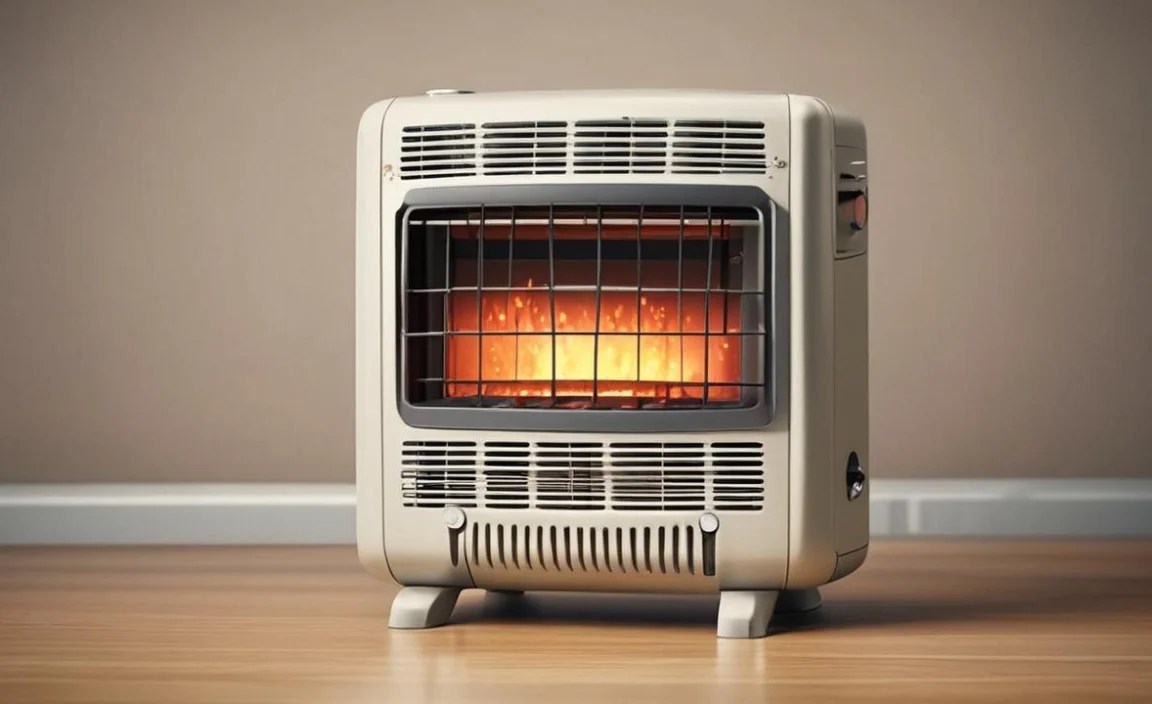
Proper airflow is very important when using propane heaters. Propane heaters use oxygen to burn fuel. If there is not enough fresh air, the heater can use up all the oxygen in the room. This can cause people to feel sick or pass out. Propane heaters also produce carbon monoxide. This is a dangerous gas that you cannot see or smell. If there is not enough airflow, carbon monoxide can build up in the room. This can cause carbon monoxide poisoning. To make sure you have enough fresh air, open a window or door. Even a small opening can make a big difference. Do not block vents or air intakes. These vents help bring fresh air into the room. If you feel dizzy or have a headache, get fresh air right away. These are signs of carbon monoxide poisoning. Using propane heaters with good airflow is important for your health and safety.
- Open a window or door for airflow.
- Do not block vents or air intakes.
- Use a carbon monoxide detector.
- Leave the room if you feel dizzy or have a headache.
- Never use a propane heater in a small, enclosed space.
Imagine you are baking a cake in the oven. You need to open the oven door from time to time to let out the hot air. This prevents the oven from getting too hot and burning the cake. The same goes for using a propane heater. You need to let fresh air in to prevent the room from getting too stuffy and dangerous. Think of it like breathing. You need to breathe in fresh air and breathe out stale air. A propane heater needs fresh air to work safely. So, make sure you have good airflow when using a propane heater. It’s a simple step that can make a big difference in your safety.
Fun Fact or Stat: Carbon monoxide alarms should be placed on every level of your home and outside sleeping areas.
How Much Airflow Do I Need?
How much airflow do you need when using a propane heater? Think of it like watering a plant. You need to give the plant enough water to keep it alive. But you don’t want to give it too much water and drown it. The same goes for airflow. You need enough fresh air to keep the room safe. But you don’t want to open the window so much that you get cold. A good rule of thumb is to open a window or door about an inch or two. This will let in enough fresh air to keep the room well-airflowed. You can also use a fan to circulate the air. This will help mix the fresh air with the air in the room. If you have a carbon monoxide detector, it will tell you if there is too much carbon monoxide in the air. If the alarm goes off, open the windows and doors wider and leave the room.
What Happens If There Is Not Enough Airflow?
What happens if you hold your breath for too long? You start to feel dizzy and uncomfortable. Your body needs oxygen to work right. The same thing happens when there is not enough airflow when using a propane heater. The heater uses up the oxygen in the room. This can cause you to feel dizzy, have a headache, or feel sick to your stomach. It can also cause carbon monoxide poisoning. Carbon monoxide is a silent killer. You cannot see or smell it. But it can cause serious health problems and even death. If there is not enough airflow, the carbon monoxide level in the room can build up quickly. That is why it is so important to have good airflow when using a propane heater. Open a window or door to let in fresh air. This will help keep you safe and healthy.
Can a Fan Help With Airflow?
Imagine you are stirring a cup of hot chocolate. You use a spoon to mix the chocolate powder with the milk. This helps the chocolate dissolve and makes the drink taste better. A fan can do the same thing for airflow when using a propane heater. A fan can help mix the fresh air with the air in the room. This will help keep the air from getting stale and stuffy. It will also help prevent carbon monoxide from building up. Place the fan across the room from the heater. Point it towards the heater to circulate the air. Use a low setting so that the fan does not blow out the flame on the heater. A fan is a simple and effective way to improve airflow and keep you safe when using a propane heater.
Safe Placement of Propane Heaters

Where you put your propane heater matters. It is important to place it in a safe location. Keep the heater away from anything that can burn. This includes curtains, furniture, and paper. Make sure there is at least three feet of space around the heater. This will prevent fires. Place the heater on a flat, stable surface. This will prevent it from tipping over. Do not put the heater in a hallway or doorway. This can block people from getting out in an emergency. Do not put the heater in a bathroom or other wet area. Water can damage the heater and cause an electric shock. Keep the heater away from children and pets. They can get burned if they touch the heater. Choose a location that is safe and out of the way. This will help prevent accidents.
- Keep the heater away from flammable materials.
- Place the heater on a flat, stable surface.
- Do not block hallways or doorways.
- Keep the heater away from water.
- Keep the heater away from children and pets.
Imagine you are building a campfire. You wouldn’t build it right next to a pile of dry leaves, right? You would clear away the leaves to prevent them from catching fire. The same goes for placing a propane heater. You need to clear away anything that can burn. This includes curtains, furniture, and paper. Think of it like setting up a safe zone around the heater. This zone will protect you and your family from fires. So, take the time to choose a safe location for your propane heater. It’s a simple step that can save lives.
Fun Fact or Stat: Most house fires start in the kitchen.
Why Should Heaters Be Away From Curtains?
Why should you keep propane heaters away from curtains? Think of curtains like big, dry sponges. They can easily soak up heat. If a curtain gets too close to a propane heater, it can get very hot. The hot curtain can then catch fire. Fire can spread quickly through a house. It can cause a lot of damage and put people in danger. That is why it is important to keep curtains away from propane heaters. Make sure there is at least three feet of space between the heater and any curtains. You can also use flame-resistant curtains. These curtains are made of special materials that are less likely to catch fire. Keeping curtains away from propane heaters is a simple way to prevent fires and keep your home safe.
What Is a Tip-Over Switch?
Have you ever seen a toy that stops working when you turn it upside down? That is kind of how a tip-over switch works. A tip-over switch is a safety feature on some propane heaters. If the heater tips over, the switch automatically turns off the heater. This prevents the heater from starting a fire. Imagine the heater falls over onto a rug. Without a tip-over switch, the heater could keep running and set the rug on fire. But with a tip-over switch, the heater will turn off right away. This gives you time to fix the heater and prevent a fire. Always check to see if a propane heater has a tip-over switch before you buy it. It is a simple feature that can save lives.
Should Heaters Be on the Floor?
Should you put your propane heater on the floor? It might seem like a good idea. The floor is usually flat and stable. But putting a propane heater on the floor can be dangerous. If the heater is on the floor, it is easier for children and pets to touch it. They can get burned if they get too close. Also, if the heater tips over on the floor, it can easily start a fire. It is better to put the heater on a table or stand. This will keep it away from children and pets. It will also make it less likely to tip over. Make sure the table or stand is stable and can support the weight of the heater. Putting the heater on a table or stand is a safer option than putting it on the floor.
Regular Maintenance for Propane Heaters Indoors Safe

Taking care of your propane heater is important for safety. Regular checkups can help prevent problems. Make sure to clean the heater regularly. Dust and dirt can build up and cause the heater to overheat. Check the hose and connections for leaks. You can use soapy water to check for leaks. If you see bubbles, there is a leak. Tighten the connections or replace the hose. Look for damage to the heater. Check for cracks, dents, or broken parts. If you see any damage, do not use the heater. Get it repaired by a qualified technician. Store the heater in a safe place when you are not using it. Keep it away from flammable materials and moisture. Regular care will help keep your propane heater working safely and efficiently.
| Maintenance Task | Frequency | Why? |
|---|---|---|
| Clean the heater | Monthly | Removes dust that can cause overheating. |
| Check hose and connections | Before each use | Prevents gas leaks. |
| Inspect for damage | Before each use | Identifies potential hazards. |
| Professional inspection | Annually | Ensures all components are working correctly. |
- Clean the heater regularly.
- Check the hose and connections for leaks.
- Look for damage to the heater.
- Store the heater in a safe place.
- Have the heater serviced by a qualified technician.
Imagine you have a car. You need to change the oil regularly to keep the engine running smoothly. If you don’t change the oil, the engine can break down. The same goes for a propane heater. You need to maintain it regularly to keep it working safely. Think of it like taking care of a pet. You need to feed it, groom it, and take it to the vet. A propane heater needs regular cleaning, inspections, and repairs. By taking good care of your propane heater, you can prevent problems and keep your home safe.
Fun Fact or Stat: Regular maintenance can extend the life of your appliances by up to 50%!
How Often Should I Clean the Heater?
How often should you clean your propane heater? Think of it like washing your hands. You wash your hands regularly to get rid of dirt and germs. You should clean your propane heater regularly to get rid of dust and dirt. Dust and dirt can build up on the heater and cause it to overheat. This can be a fire hazard. You should clean your heater at least once a month. If you use the heater often, you should clean it more often. Before you clean the heater, make sure it is turned off and cool. Use a soft cloth or brush to remove the dust and dirt. You can also use a vacuum cleaner with a brush attachment. Cleaning your heater regularly will help keep it working safely and efficiently.
How Do I Check for Gas Leaks?
Checking for gas leaks is very important. It is like checking your bike tires for air. If your tires are low, you need to add air to prevent a flat tire. If there is a gas leak, you need to fix it to prevent a fire or explosion. To check for gas leaks, you will need a spray bottle and some soapy water. Mix some dish soap with water in the spray bottle. Turn on the propane heater and spray the soapy water on the hose and connections. If you see bubbles forming, there is a gas leak. Turn off the heater and tighten the connections. If the leak persists, replace the hose. If you smell gas, leave the house immediately and call the fire department.
When Should I Call a Professional?
When should you call a professional to service your propane heater? Think of it like going to the doctor. You go to the doctor when you are sick or injured. You should call a professional to service your propane heater when you see a problem. If the heater is not working properly, if you smell gas, or if you see any damage, call a professional. Do not try to fix the heater yourself. Propane heaters can be dangerous. It is better to let a qualified technician handle the repairs. A professional can inspect the heater, identify any problems, and make the necessary repairs. They can also make sure that the heater is working safely and efficiently. Calling a professional can give you peace of mind knowing that your propane heater is in good hands.
Alternatives to Propane Heaters Indoors Safe
Are propane heaters indoors safe? While they can be, some people prefer other options. There are many alternatives to propane heaters for heating your home. Electric heaters are a popular choice. They are easy to use and do not produce carbon monoxide. However, they can be expensive to operate. Space heaters are another option. They are small and portable. But they may not be powerful enough to heat a large room. Central heating systems are the most efficient way to heat your entire home. But they are also the most expensive to install. Fireplaces can also provide heat. But they require a lot of maintenance. Consider your needs and budget when choosing a heating alternative. Safety should always be your top priority.
- Electric heaters are easy to use.
- Space heaters are small and portable.
- Central heating systems are efficient.
- Fireplaces require a lot of maintenance.
- Consider safety and cost when choosing a heating alternative.
Imagine you are choosing a new pet. You wouldn’t just pick the first animal you see, right? You would think about what kind of pet would fit your lifestyle and your home. The same goes for choosing a heating alternative. Don’t just choose the cheapest or most convenient option. Think about what kind of heating system would be safest and most efficient for your home. Consider the size of your home, your budget, and your safety concerns. A little research can help you choose the best heating alternative for your needs.
Fun Fact or Stat: Geothermal heating is one of the most energy-efficient ways to heat a home!
What Are the Benefits of Electric Heaters?
Electric heaters have many benefits. Think of them like toasters. You plug them in, and they heat up quickly. They are easy to use. You just plug them in and turn them on. They do not produce carbon monoxide. This makes them safer than propane heaters. They are also portable. You can move them from room to room. Electric heaters come in different sizes and styles. You can choose one that fits your needs and budget. However, electric heaters can be expensive to operate. They use a lot of electricity. This can increase your energy bill. But if you use them wisely, electric heaters can be a safe and convenient way to heat your home.
How Do Space Heaters Compare?
Space heaters are small and portable. Think of them like personal fans. They provide heat to a small area. They are less expensive than central heating systems. They are easy to move from room to room. Space heaters can be a good option for heating a small room. However, they may not be powerful enough to heat a large room. They can also be a fire hazard if they are not used properly. Always keep space heaters away from flammable materials. Never leave them unattended. Choose a space heater with a tip-over switch. This will turn off the heater if it falls over. Space heaters can be a convenient way to heat a small area. But you need to use them safely.
What About Central Heating Systems?
Central heating systems are like having a whole-house oven. They heat your entire home evenly. They are the most efficient way to heat your home. They use a furnace to heat air or water. The heated air or water is then circulated through your home using ducts or pipes. Central heating systems are more expensive to install than other heating options. But they can save you money on your energy bill in the long run. They are also more convenient. You can set the thermostat to the temperature you want. The system will automatically maintain that temperature. Central heating systems are a good option for heating your entire home efficiently and conveniently.
Summary
Propane heaters can be a useful way to heat a room. However, they can also be dangerous if not used correctly. It is very important to understand the risks. Carbon monoxide poisoning is a serious concern. Always use a carbon monoxide detector. Proper airflow is also key. Open a window or door to let in fresh air. Choose a certified heater. Check for safety features like a tip-over switch. Place the heater in a safe location. Keep it away from flammable materials. Maintain the heater regularly. Clean it and check for leaks. There are also alternatives to propane heaters. Electric heaters and space heaters are options. Central heating systems are the most efficient. Knowing the facts can help you decide if propane heaters indoors safe for you.
Conclusion
Using propane heaters requires care. You must follow safety rules. Carbon monoxide is a real danger. Always have a detector. Ensure good airflow. Keep flammable items away. Regular maintenance matters. Consider safer options if unsure. Propane heaters indoors safe depend on you. By being cautious, you can stay warm and healthy.
Frequently Asked Questions
Question No 1: Are propane heaters indoors safe to use while sleeping?
Answer: No, it is generally not safe to use propane heaters while sleeping. Propane heaters consume oxygen and produce carbon monoxide. If the room is not well-airflowed, carbon monoxide can build up to dangerous levels. This can lead to carbon monoxide poisoning, which can be fatal. It is best to turn off the propane heater before going to sleep. Use blankets or other heating methods to stay warm. Always prioritize safety over convenience when it comes to heating your home.
Question No 2: How often should I replace my carbon monoxide detector?
Answer: You should replace your carbon monoxide detector every five to seven years. Carbon monoxide detectors have a limited lifespan. The sensors can become less sensitive over time. This means that the detector may not be able to detect carbon monoxide accurately. Check the manufacturer’s instructions for the specific replacement schedule for your detector. It is also important to test your carbon monoxide detector regularly. Press the test button to make sure the alarm works. Replace the batteries every year. A working carbon monoxide detector is essential for protecting your family from carbon monoxide poisoning.
Question No 3: What are the symptoms of carbon monoxide poisoning?
Answer: The symptoms of carbon monoxide poisoning can be similar to the flu. They include headache, dizziness, nausea, vomiting, and fatigue. In more severe cases, carbon monoxide poisoning can cause confusion, loss of coordination, loss of consciousness, and even death. If you suspect carbon monoxide poisoning, get fresh air immediately and seek medical attention. Carbon monoxide is a silent killer. You cannot see or smell it. That is why it is important to have a working carbon monoxide detector in your home. Early detection and treatment can save lives.
Question No 4: Can I use a propane heater in a tent?
Answer: No, you should never use a propane heater in a tent. Tents are enclosed spaces with limited airflow. Using a propane heater in a tent can quickly deplete the oxygen and cause carbon monoxide to build up to dangerous levels. This can lead to carbon monoxide poisoning and death. If you need to heat a tent, use a battery-powered heater or wear warm clothing and use extra blankets. Always prioritize safety when camping or using portable heaters.
Question No 5: Are all propane heaters indoors safe if they have a safety shut-off?
Answer: While a safety shut-off feature is important, it doesn’t guarantee that all propane heaters are safe for indoor use. A safety shut-off, like an oxygen depletion sensor (ODS), will turn off the heater if oxygen levels drop too low. This helps prevent carbon monoxide poisoning. However, it’s still crucial to ensure proper airflow and use a carbon monoxide detector. Some heaters are designed for outdoor use only and should never be used indoors, even with safety features. Always follow the manufacturer’s instructions and prioritize airflow when using any fuel-burning heater.
Question No 6: How can I improve airflow in a room with a propane heater?
Answer: To improve airflow in a room with a propane heater, open a window or door slightly. This will allow fresh air to enter the room and help prevent carbon monoxide from building up. You can also use a fan to circulate the air. Place the fan across the room from the heater and point it towards the heater. This will help mix the fresh air with the air in the room. Make sure that the heater is not blocking any vents or air intakes. These vents help bring fresh air into the room. Improving airflow is essential for safe use of propane heaters.
