Do you love apples, peaches, or pears? These tasty fruits grow on trees. But did you know trees need haircuts too? It’s true! Pruning fruit trees helps them grow better. It gives you more yummy fruit.
Why do we cut off branches? Pruning fruit trees might sound strange. But it is a very important job for gardeners. Let’s learn why and how!
Key Takeaways
- Pruning fruit trees helps them grow strong and produce lots of fruit.
- Always use clean and sharp tools to make clean cuts when pruning.
- The best time to prune most fruit trees is in late winter or early spring.
- Remove any dead, damaged, or diseased branches to keep the tree healthy.
- Pruning lets sunlight and air reach all parts of the tree.
Why Pruning Fruit Trees Is Important
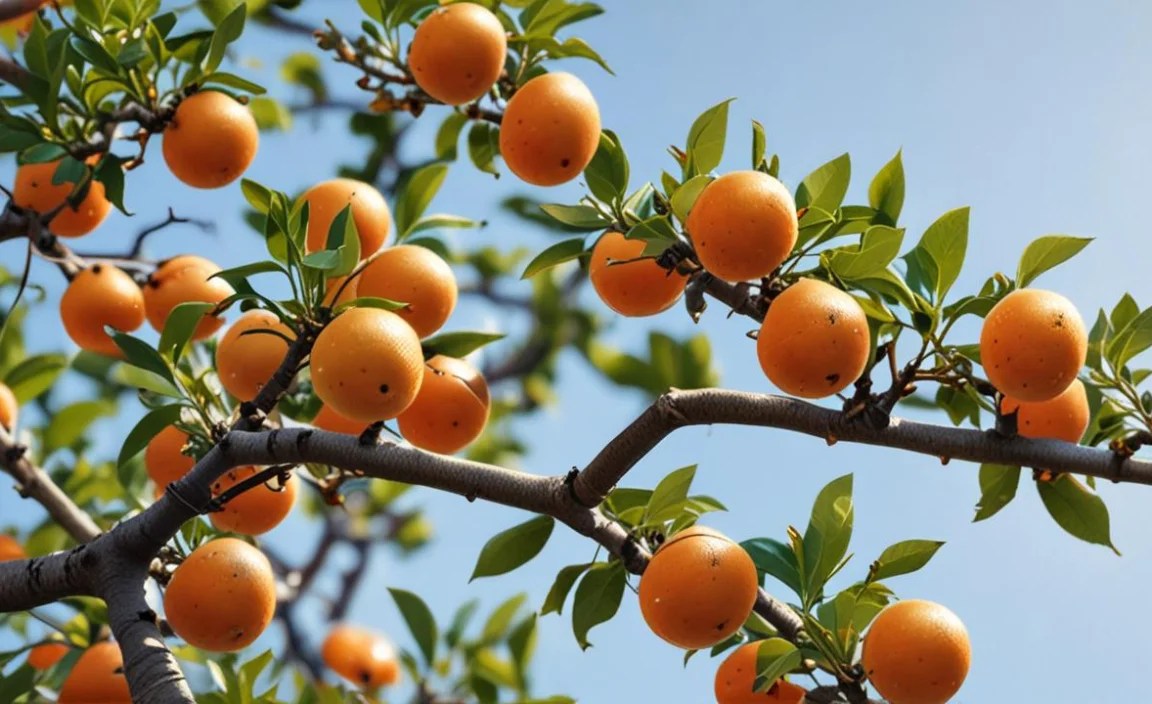
Pruning fruit trees is like giving them a good haircut. It helps them stay healthy and strong. When you prune, you cut off certain branches. This might seem bad, but it’s actually very good for the tree. Pruning helps the tree grow in the right shape. It also lets more sunlight reach the fruit. Sunlight makes the fruit sweeter and juicier. Removing dead or sick branches stops problems from spreading. Pruning also encourages new growth. New growth means more flowers. And more flowers mean more fruit! It’s like telling the tree where to put its energy. Instead of wasting energy on bad branches, it can focus on growing yummy fruit for you. Pruning keeps your fruit trees happy and productive.
- Pruning helps fruit trees grow better.
- It lets more sunlight reach the fruit.
- Pruning keeps the tree healthy.
- It encourages new growth.
- More growth means more fruit!
Imagine your fruit tree is like a classroom full of students. If the classroom is crowded and messy, the students can’t learn well. Pruning is like cleaning up the classroom and giving everyone space to learn. It helps the tree focus its energy on the important parts. This makes the whole tree healthier and happier. So, next time you see someone pruning fruit trees, remember they’re not just cutting branches. They are helping the tree grow its best. They are helping make the best fruit ever. That is a very important job.
Fun Fact or Stat: Some apple trees can live for over 100 years if they are pruned regularly!
What Happens If You Don’t Prune?
Have you ever seen a garden that was left alone for too long? It can get messy and overgrown. The same thing happens to fruit trees if you don’t prune them. Branches can grow in all directions. They block sunlight from reaching the fruit. The tree might grow too tall. This makes it hard to pick the fruit. Dead and diseased branches can spread problems to the whole tree. Without pruning fruit trees, you might get less fruit. The fruit you do get might not be as tasty. Pruning helps keep your tree in good shape. It is very important for growing good fruit.
How Does Pruning Help Sunlight Reach Fruit?
Think of your fruit tree like a big puzzle. The leaves and branches all fit together. But sometimes, they fit too tightly. They block the sunlight from reaching the fruit. Pruning helps to open up the puzzle. When you remove some branches, you create spaces. These spaces let sunlight shine through. Sunlight is like food for the fruit. It helps the fruit grow big and sweet. Pruning fruit trees makes sure every piece of fruit gets enough sunlight. This is why pruning is so important for growing tasty fruit. It makes sure the sun can do its job.
Why Does Pruning Encourage New Growth?
Pruning fruit trees tells the tree to wake up and grow. When you cut off a branch, the tree sends energy to the cut. This energy helps new branches grow. It is like giving the tree a little push. The tree wants to heal the cut. So, it starts growing new branches nearby. These new branches are strong and healthy. They will grow flowers and fruit. Pruning helps the tree focus its energy. It tells the tree where to grow. This is why pruning is so important for getting lots of fruit.
Best Time for Pruning Fruit Trees
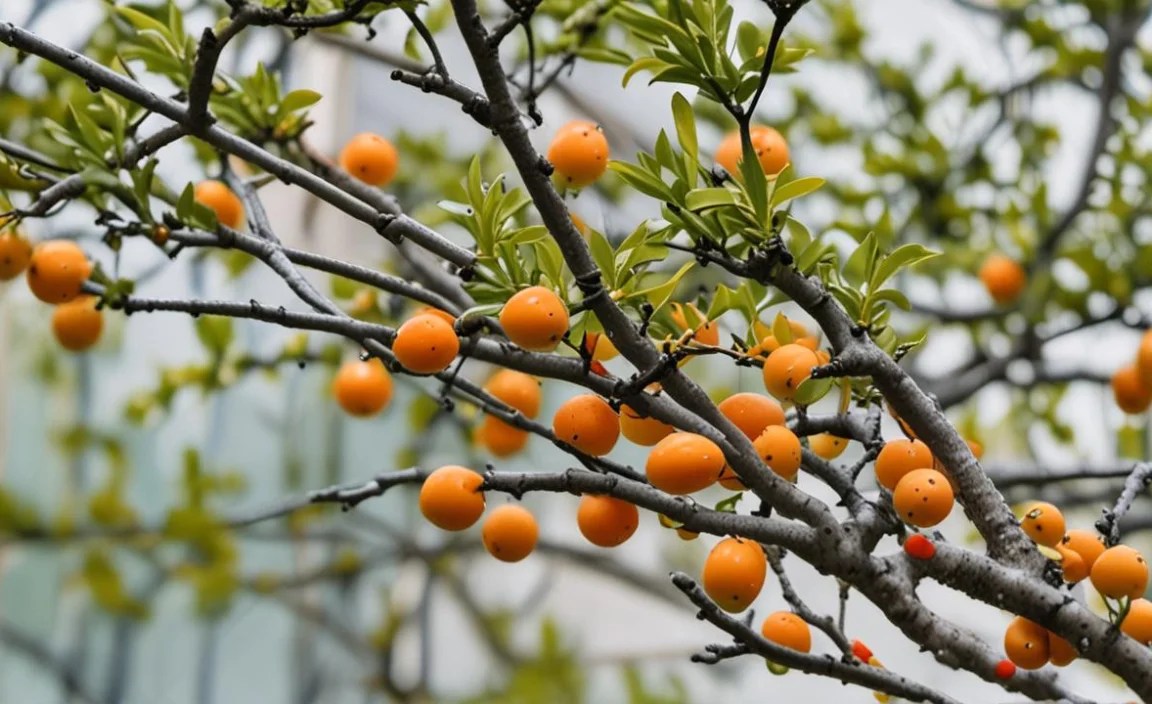
When is the best time to give your fruit tree a haircut? It depends on the type of tree. But for most fruit trees, late winter or early spring is a good time. This is when the tree is dormant. Dormant means the tree is resting. It is not growing new leaves or fruit. Pruning during dormancy helps the tree heal quickly. It also gets the tree ready for new growth in the spring. Avoid pruning in the fall. This can hurt the tree before winter. Pruning fruit trees at the right time is important. It helps the tree stay healthy and grow well. Always check what kind of tree you have. This way, you know when it is best to prune.
- Late winter or early spring is best.
- The tree is dormant then.
- Avoid pruning in the fall.
- Check your tree type first.
- Timing helps the tree heal.
Imagine you are getting ready for a big race. You wouldn’t want to start running before you are warmed up. Pruning in late winter or early spring is like warming up the tree. It gets the tree ready to grow strong in the spring. Pruning at the wrong time is like starting the race without warming up. It can hurt the tree and make it weak. So, remember to check the calendar before you start pruning fruit trees. The right timing makes all the difference. It helps your tree win the race of growing great fruit.
Fun Fact or Stat: Pruning in late winter encourages more vigorous growth in the spring!
Why Prune in Late Winter or Early Spring?
Think about a bear sleeping in its cave. It is resting and saving energy. Fruit trees are like bears in the winter. They are dormant and not growing. Pruning fruit trees during this time is like giving the bear a little nudge. It wakes them up and gets them ready for spring. The tree can focus on growing new branches and fruit. If you prune in the summer, the tree is already busy growing. Cutting branches then can stress the tree. Late winter and early spring are the best times to prune. It helps the tree grow strong and healthy.
What Does “Dormant” Mean for a Tree?
Have you ever seen a tree without leaves in the winter? That tree is dormant. Dormant means the tree is resting. It is not using much energy. It is waiting for warmer weather. Pruning fruit trees during dormancy is like giving the tree a head start. The tree can heal the cuts before it starts growing again. This helps the tree grow stronger in the spring. Dormancy is a very important time for trees. It lets them rest and get ready for a new year of growth.
How to Know When It’s the Right Time?
Knowing when to prune is like knowing when to plant seeds. You need to pay attention to the weather. Wait until the coldest part of winter is over. Look for signs of spring. Are the buds on the trees starting to swell? This means the tree is waking up. Pruning fruit trees just before the buds open is a good time. You can also check a calendar or ask a local gardener. They can help you figure out the best time to prune in your area. The right timing makes a big difference in how well your tree grows.
Tools Needed for Pruning Fruit Trees
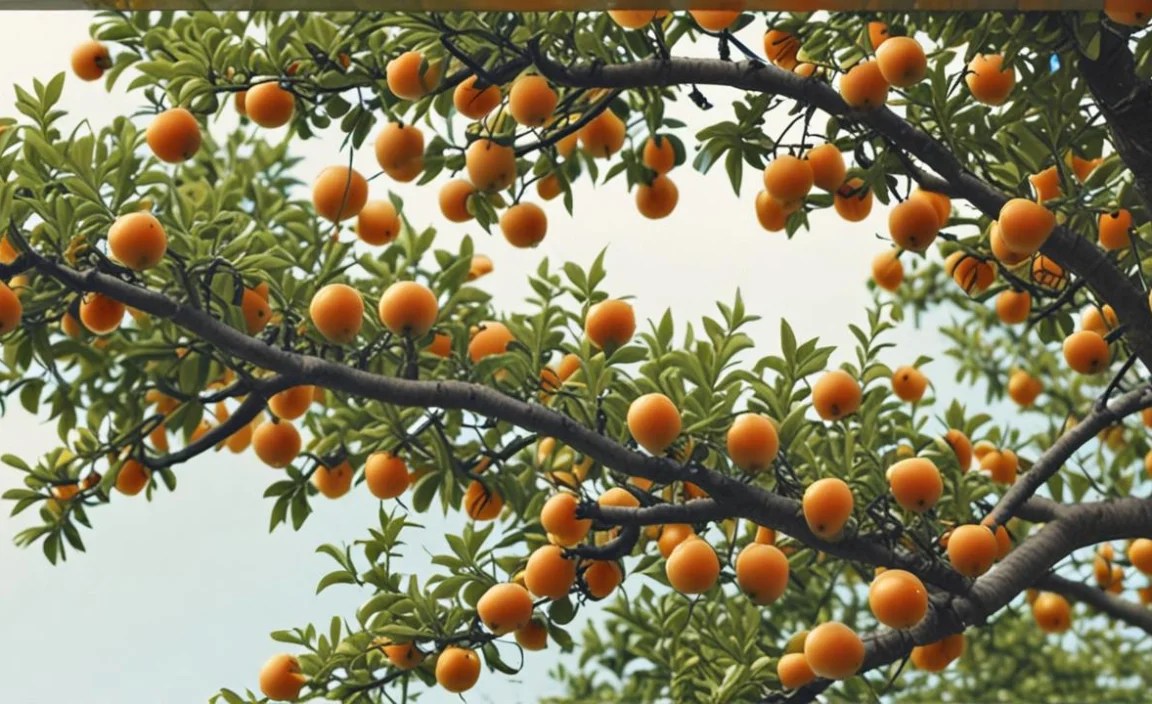
Pruning fruit trees needs the right tools. Using the right tools makes the job easier. It also helps you make clean cuts. Clean cuts heal faster and better. You will need pruning shears for small branches. Loppers are for thicker branches. A pruning saw is for the biggest branches. Always use sharp tools. Sharp tools make clean cuts. Dull tools can damage the tree. Clean your tools before and after pruning. This stops diseases from spreading. Having the right tools makes pruning safe and effective. It helps you take good care of your fruit trees.
- Pruning shears are for small branches.
- Loppers are for thicker branches.
- A pruning saw is for big branches.
- Always use sharp tools.
- Clean tools stop diseases.
- The right tools are safe.
Imagine you are building a model airplane. You need the right tools to cut the pieces of wood. If you use the wrong tools, you might break the wood or make a messy cut. Pruning fruit trees is the same way. You need the right tools to cut the branches cleanly. This helps the tree heal quickly and grow strong. So, before you start pruning, make sure you have the right tools. It will make the job easier and help your tree stay healthy.
Fun Fact or Stat: Sharp pruning tools make cuts that heal 50% faster than cuts made with dull tools!
Why Are Sharp Tools Important?
Think about cutting a piece of paper with scissors. If the scissors are dull, the paper tears. It makes a messy edge. Sharp scissors cut the paper cleanly. The same thing happens when pruning fruit trees. Sharp tools make clean cuts. These cuts heal quickly. Dull tools tear the branches. This can damage the tree. Sharp tools also make the job easier. You don’t have to use as much force. This makes pruning safer for you and better for the tree.
How to Clean Pruning Tools?
Cleaning your pruning tools is like washing your hands. It stops germs from spreading. Use soap and water to clean off dirt and sap. Then, use rubbing alcohol or bleach to disinfect the tools. This kills any diseases that might be on the tools. Clean your tools before and after pruning fruit trees. This helps keep your trees healthy. It stops diseases from spreading from one tree to another. Cleaning your tools is a simple but important step.
What Size Tool for Which Branch?
Choosing the right tool is like choosing the right shoes. You wouldn’t wear boots to go swimming. You need the right tool for the job. Use pruning shears for small branches. They are easy to handle and make clean cuts. Use loppers for thicker branches. They have long handles for more power. Use a pruning saw for the biggest branches. It can cut through thick wood easily. Pruning fruit trees with the right tool makes the job easier and safer.
| Tool | Branch Size | Purpose | Example |
|---|---|---|---|
| Pruning Shears | Small (less than 1/2 inch) | Cutting small branches and twigs | Removing small dead branches |
| Loppers | Medium (1/2 to 2 inches) | Cutting thicker branches that shears can’t handle | Shaping the tree’s structure |
| Pruning Saw | Large (over 2 inches) | Cutting large branches and limbs | Removing large, damaged limbs |
| Pole Pruner | High branches (up to 10 feet) | Cutting high branches without a ladder | Removing branches that are hard to reach |
How to Make Proper Pruning Cuts
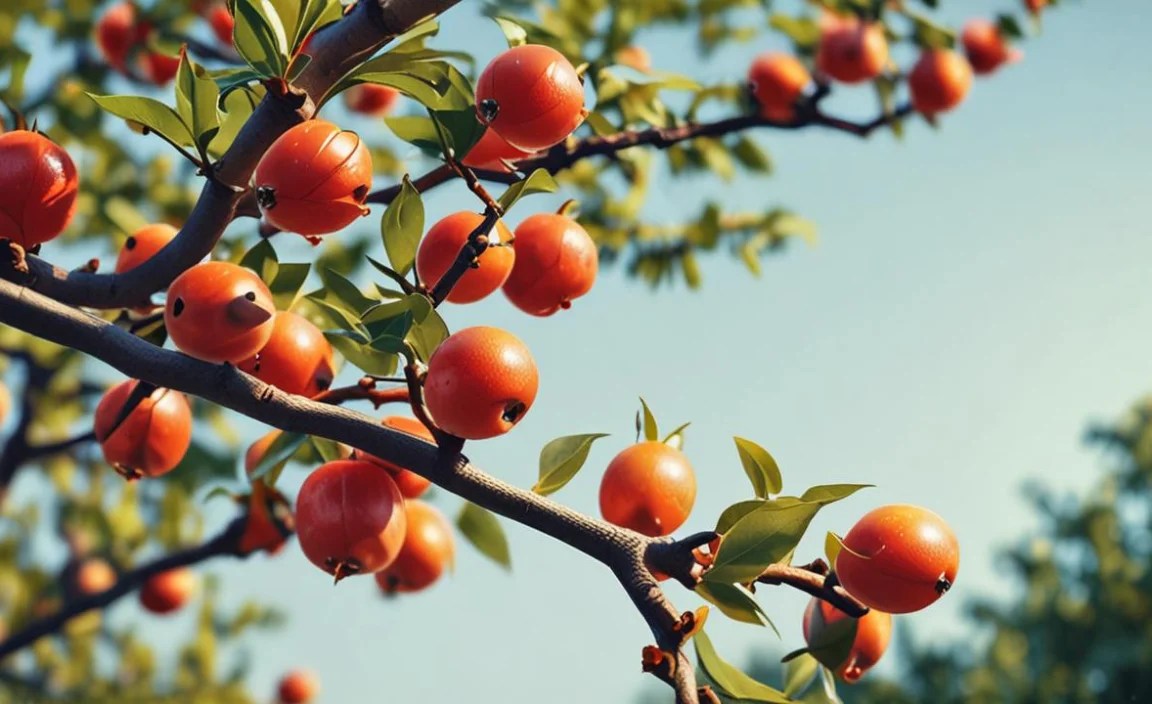
Making the right cuts is very important when pruning fruit trees. You want to cut the branch cleanly. Don’t leave a stub. A stub can rot and cause problems for the tree. Cut close to the branch collar. The branch collar is the swollen area where the branch meets the trunk. Cutting at the right angle helps the tree heal quickly. It also stops diseases from getting in. Always make clean cuts with sharp tools. This helps the tree stay healthy and grow strong. Pruning is like surgery for trees. You want to do it carefully and correctly.
- Cut branches cleanly.
- Don’t leave a stub.
- Cut close to the branch collar.
- Use sharp tools.
- Make cuts at the right angle.
- Help the tree heal quickly.
Imagine you are wrapping a present. You want to cut the wrapping paper neatly. If you cut it crooked, the present looks messy. Pruning fruit trees is the same way. You want to cut the branches cleanly. This helps the tree heal and grow strong. So, take your time and make sure you are making the right cuts. Your tree will thank you for it with lots of yummy fruit.
Fun Fact or Stat: Cutting at the wrong angle can increase healing time by up to 75%!
Why Avoid Leaving a Stub?
Have you ever left a banana peel on the counter? It gets brown and rotten. The same thing happens with tree branches. If you leave a stub when pruning fruit trees, it can rot. This rot can spread to the rest of the tree. It can make the tree sick. Cutting close to the branch collar helps the tree heal. It stops rot from getting in. Avoiding stubs is very important for keeping your tree healthy.
What Is the Branch Collar?
The branch collar is like the shoulder of the branch. It is the swollen area where the branch meets the trunk. This area has special cells that help the tree heal. When pruning fruit trees, you want to cut just outside the branch collar. This lets the tree heal quickly. Cutting into the branch collar can hurt the tree. It can make it harder for the tree to heal. The branch collar is an important part of the tree’s healing system.
How Does Angle Affect Healing?
Think about building a ramp for your toys. If the ramp is too steep, the toys will crash. If the ramp is too flat, the toys won’t move. The angle of the ramp is important. Pruning fruit trees is the same way. The angle of the cut affects how well the tree heals. Cutting at a slight angle, just outside the branch collar, is best. This lets the tree heal quickly. It stops diseases from getting in. The right angle is important for a healthy tree.
Removing Dead, Damaged, or Diseased Wood

One of the most important things to do when pruning fruit trees is to remove dead, damaged, or diseased wood. Dead branches are brown and brittle. Damaged branches might be broken or cracked. Diseased branches might have spots or growths. Removing these branches helps the tree stay healthy. It stops problems from spreading to the rest of the tree. It also lets the tree focus its energy on growing healthy branches and fruit. Removing bad wood is like taking out the trash. It keeps the tree clean and healthy.
- Remove dead branches.
- Remove damaged branches.
- Remove diseased branches.
- Stop problems from spreading.
- Help the tree focus its energy.
- Keep the tree healthy.
Imagine you have a box of crayons. Some of the crayons are broken or melted. You wouldn’t want to use those crayons. They would mess up your drawing. Pruning fruit trees is like taking out the bad crayons. You remove the dead, damaged, or diseased branches. This lets the tree focus on growing healthy branches and fruit. It helps the tree make beautiful “drawings” for you to enjoy.
Fun Fact or Stat: Removing diseased branches can increase fruit production by up to 40%!
How to Identify Dead Wood?
Have you ever seen a tree branch that is brown and dry? That branch is probably dead. Dead wood is brittle and breaks easily. It doesn’t have any leaves or buds. Pruning fruit trees means looking for these signs. Gently bend the branch. If it snaps easily, it is dead. Removing dead wood helps the tree stay healthy. It stops the dead wood from rotting and spreading problems to the rest of the tree.
What Does Damaged Wood Look Like?
Damaged wood might be broken or cracked. It might have been hurt by wind, snow, or animals. Look for branches that are hanging down or have missing bark. Pruning fruit trees means removing these damaged branches. They can attract insects and diseases. Removing them helps the tree heal. It stops the damage from getting worse. Damaged wood needs to be removed for the tree’s health.
How to Spot Diseased Wood?
Diseased wood might have spots, bumps, or growths. The leaves might be yellow or wilted. Look for branches that look different from the rest of the tree. Pruning fruit trees means removing these diseased branches. Diseases can spread quickly. Removing the infected branches helps protect the rest of the tree. It is important to act quickly when you see signs of disease.
Shaping the Tree for Best Fruit Production
Pruning fruit trees is not just about cutting off branches. It is also about shaping the tree. Shaping the tree helps it grow in a way that produces the most fruit. You want to create a tree that lets sunlight reach all the branches. You also want to make it easy to pick the fruit. Pruning helps to open up the tree. It lets air circulate and prevents diseases. A well-shaped tree is a healthy and productive tree. It is like giving the tree a good foundation for growing lots of yummy fruit.
- Shape the tree for sunlight.
- Make it easy to pick fruit.
- Open up the tree for air.
- Prevent diseases with air flow.
- A well-shaped tree is healthy.
- It is also a productive tree.
Imagine you are building a house. You want to build it in a way that lets in lots of sunlight. You also want to make it easy to move around inside. Pruning fruit trees is like building a house for the tree. You want to shape it in a way that lets in lots of sunlight. You also want to make it easy to pick the fruit. A well-shaped tree is like a well-built house. It is strong, healthy, and easy to live in.
Fun Fact or Stat: Properly shaped trees can yield up to 25% more fruit!
Why Is Sunlight Important for Fruit?
Think about a plant growing in a dark room. It will be pale and weak. Plants need sunlight to grow strong. Fruit is the same way. Sunlight helps the fruit ripen and become sweet. Pruning fruit trees helps sunlight reach the fruit. This makes the fruit bigger, juicier, and tastier. Sunlight is like food for the fruit. The more sunlight the fruit gets, the better it will taste.
How Does Air Circulation Prevent Disease?
Imagine a crowded room with no open windows. Germs can spread quickly in that room. Air circulation helps to prevent this. It keeps the air fresh and clean. Pruning fruit trees helps to create air circulation. It opens up the tree and lets air flow through the branches. This helps to prevent diseases from spreading. Air circulation is like a natural way to keep the tree healthy.
What Are Good Shapes for Fruit Trees?
There are many different shapes for fruit trees. Some common shapes are vase-shaped, central leader, and open center. Vase-shaped trees have an open center and branches that grow outwards. Central leader trees have a main trunk with branches growing around it. Open center trees have a short trunk and branches that spread out. Pruning fruit trees helps to create these shapes. The best shape for your tree depends on the type of tree and your growing conditions. Choose a shape that lets in lots of sunlight and air.
Summary
Pruning fruit trees is an important job. It helps the trees grow strong and healthy. Pruning means cutting off certain branches. This might seem strange, but it is good for the tree. It lets more sunlight reach the fruit. It also stops diseases from spreading. The best time to prune is in late winter or early spring. Use sharp, clean tools. Make clean cuts and don’t leave stubs. Remove dead, damaged, or diseased wood. Shape the tree to let in sunlight and air. With proper pruning, your fruit trees will produce lots of yummy fruit.
Conclusion
Pruning fruit trees might seem like a lot of work. But it is worth it. A well-pruned tree is a happy and healthy tree. It will give you lots of delicious fruit to enjoy. So, grab your tools and get ready to prune. Your fruit trees will thank you for it. You will have the best fruit on the block. Enjoy the fruits of your labor!
Frequently Asked Questions
Question No 1: Why is pruning fruit trees important?
Answer: Pruning fruit trees is important because it helps them stay healthy. It also helps them produce more fruit. When you prune, you are removing dead or diseased branches. This stops problems from spreading to the rest of the tree. Pruning also lets more sunlight reach the fruit. Sunlight helps the fruit grow big and sweet. It also encourages new growth, which means more flowers and more fruit. So, pruning is like giving your fruit tree a health boost. It keeps it strong and productive for many years.
Question No 2: When is the best time to prune fruit trees?
Answer: The best time for pruning fruit trees is usually in late winter or early spring. This is when the tree is dormant, meaning it is resting and not actively growing. Pruning during dormancy helps the tree heal quickly. It also gets the tree ready for new growth in the spring. Avoid pruning in the fall, as this can damage the tree before winter. The exact timing depends on the type of fruit tree you have. Some trees might need to be pruned at a different time of year. Always check the specific needs of your tree before pruning.
Question No 3: What tools do I need for pruning fruit trees?
Answer: You will need a few basic tools for pruning fruit trees. Pruning shears are great for cutting small branches. Loppers are for thicker branches that are too big for shears. A pruning saw is for the largest branches. It is very important to use sharp tools. Sharp tools make clean cuts that heal quickly. Dull tools can damage the tree. Also, clean your tools before and after pruning. This helps to prevent the spread of diseases. Having the right tools makes the job easier and safer.
Question No 4: How do I make proper pruning cuts?
Answer: Making the right cuts is key when pruning fruit trees. Always cut branches cleanly. Avoid leaving a stub, as this can rot and cause problems. Cut close to the branch collar, which is the swollen area where the branch meets the trunk. Cutting at the right angle helps the tree heal quickly. Use sharp tools to make clean cuts. This helps the tree stay healthy and grow strong. Pruning is like surgery for trees, so you want to do it carefully and correctly. Remember to take your time and make sure you are making the right cuts.
Question No 5: How do I know which branches to prune?
Answer: When pruning fruit trees, start by removing any dead, damaged, or diseased branches. These branches are not helping the tree and can actually cause harm. Next, look for branches that are crossing or rubbing against each other. These can create wounds and spread diseases. Also, remove any branches that are growing inwards towards the center of the tree. This helps to open up the tree and let in more sunlight. The goal is to create a tree that is well-shaped and has good air circulation.
Question No 6: Can I prune any type of fruit tree?
Answer: Yes, you can prune almost any type of fruit tree. However, different types of trees might need to be pruned in slightly different ways. Some trees produce fruit on new growth, while others produce fruit on older growth. Knowing this will help you decide how to prune. Always research the specific needs of your tree before pruning fruit trees. You can find information online or ask a local expert. With a little research, you can prune any fruit tree successfully.
